What Divers Should Know About Scorpionfish

Learn all about the Scorpionfish, including dynamic specs, encounter highlights, habitats, and the best dive sites to find them.
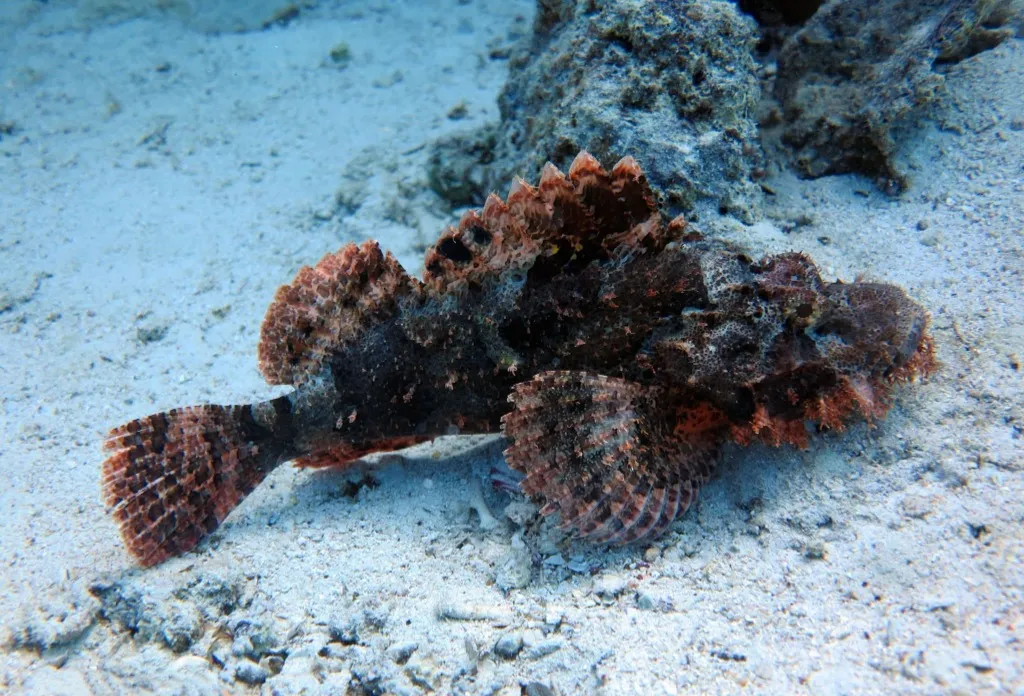
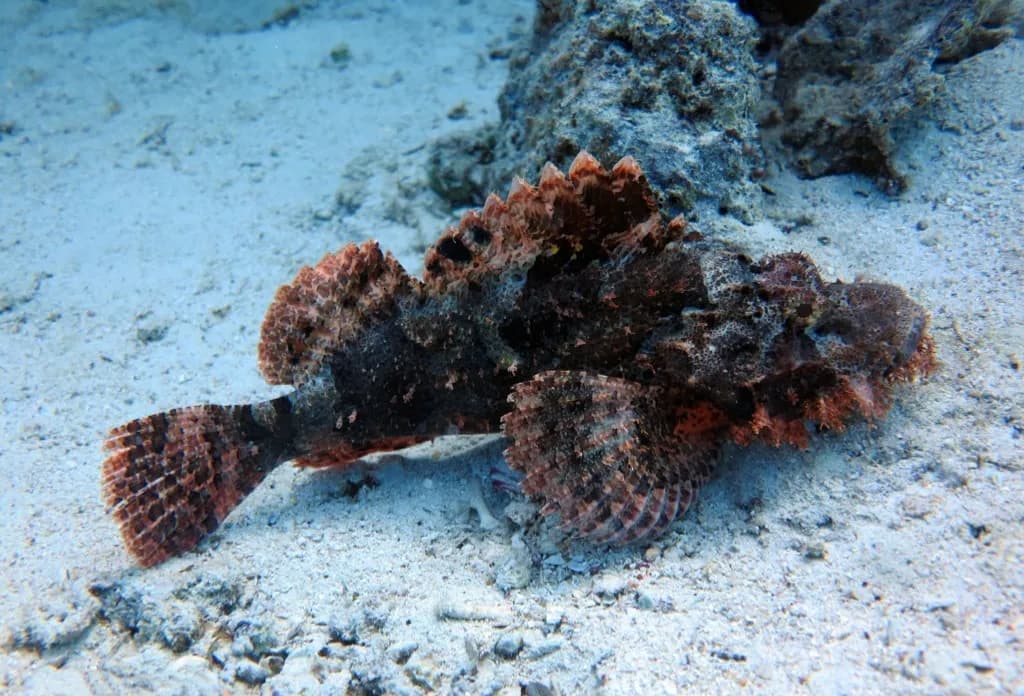
Heavily camouflaged scorpionfish (Scorpaenidae) with spiny fins resting motionless on a rocky reef
Scientific Name

Scorpaenidae

Size

5–50 cm

Depth

0–800 m

Habitat

coral reef, rocky reef, sand, wreck

Conservation

Varies by species

Danger Level

Venomous

About the Scorpionfish

Scorpionfish, belonging to the family Scorpaenidae, are a widespread group inhabiting tropical and temperate seas globally, particularly abundant across the Indo-Pacific. These fascinating fish are renowned for being among the world's most venomous marine species. As their name implies, they possess sharp spines on their dorsal, anal, and pelvic fins, which are coated with venomous mucus, delivering a potent "sting" if disturbed.

When exploring the underwater world, divers frequently encounter scorpionfish among reef structures, though they also inhabit estuaries, bays, and lagoons. Their cryptic coloration and body morphology, often featuring ridges and spines on their heads, make them masters of disguise, blending seamlessly into their surroundings. Sizes vary considerably within this family, with some species reaching a modest 5 cm in total length, while giants like the shortraker rockfish can grow up to 108 cm. Spotting these camouflaged predators requires a keen eye and respectful distance to avoid accidental contact.

Further Reading

Did You Know?

Algae-Bearded Masters of Stillness Armed With Grooved Venom Needles

“Because most benthic scorpionfishes of the family Scorpaenidae dispensed with a gas-filled swim bladder entirely, they rest heavy as cobbles atop coral ledges, shipwreck railings, and sponge-crusted boulders without spending an ounce of energy holding position in surge. Branching dermal tassels, warty head ridges, and mottled crimson-brown chromatophores let spotted and devil scorpionfishes melt into coralline rock—even encouraging fine hydroids and turf algae to colonize their skin between periodic reptile-like cuticle molts. Along the spine stand twelve to thirteen stout dorsal needles—paired with anal and pelvic spines—channeled down both sides with venom glands whose protective sheaths peel back only under direct physical pressure, while cavernous suction jaws engulf unwary crabs and blennies in under fifteen milliseconds.”

Where You Can See Scorpionfish

This map highlights the main regions where divers may encounter Scorpionfish or where the species is commonly associated with suitable marine habitats. Actual sightings depend on local dive sites, season, visibility, depth, and natural behaviour.

World distribution map showing regions where divers can see Scorpionfish: Caribbean, East Pacific, Atlantic, Indian Ocean, Asia Pacific, Mediterranean
Caribbean
East Pacific
Atlantic
Indian Ocean
Asia Pacific
Mediterranean

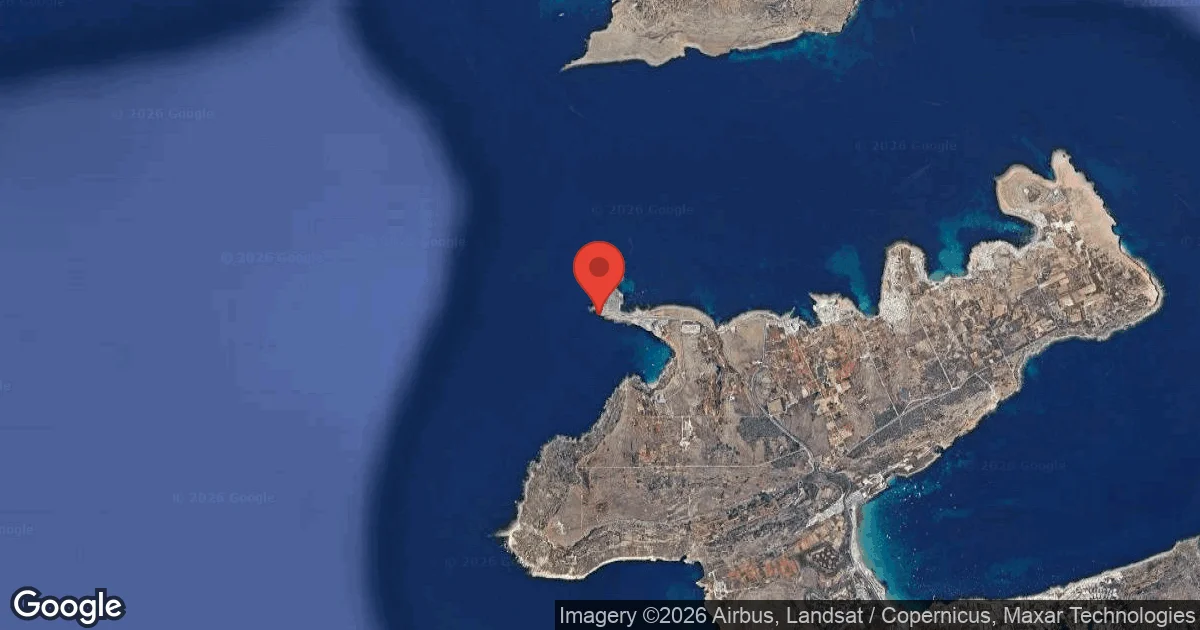
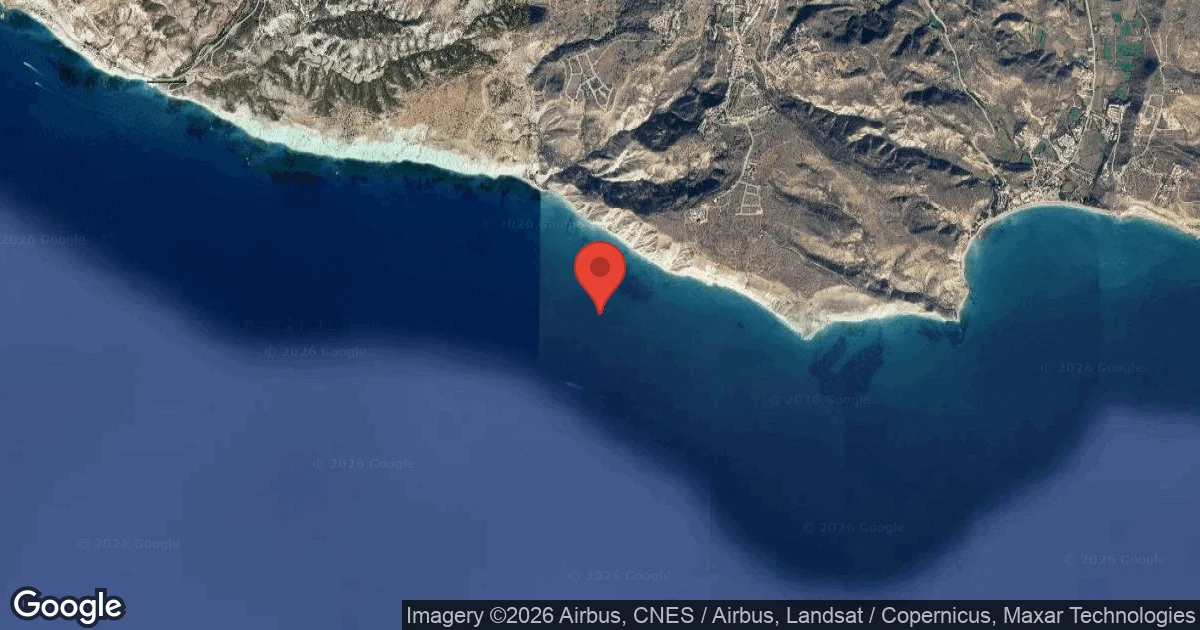
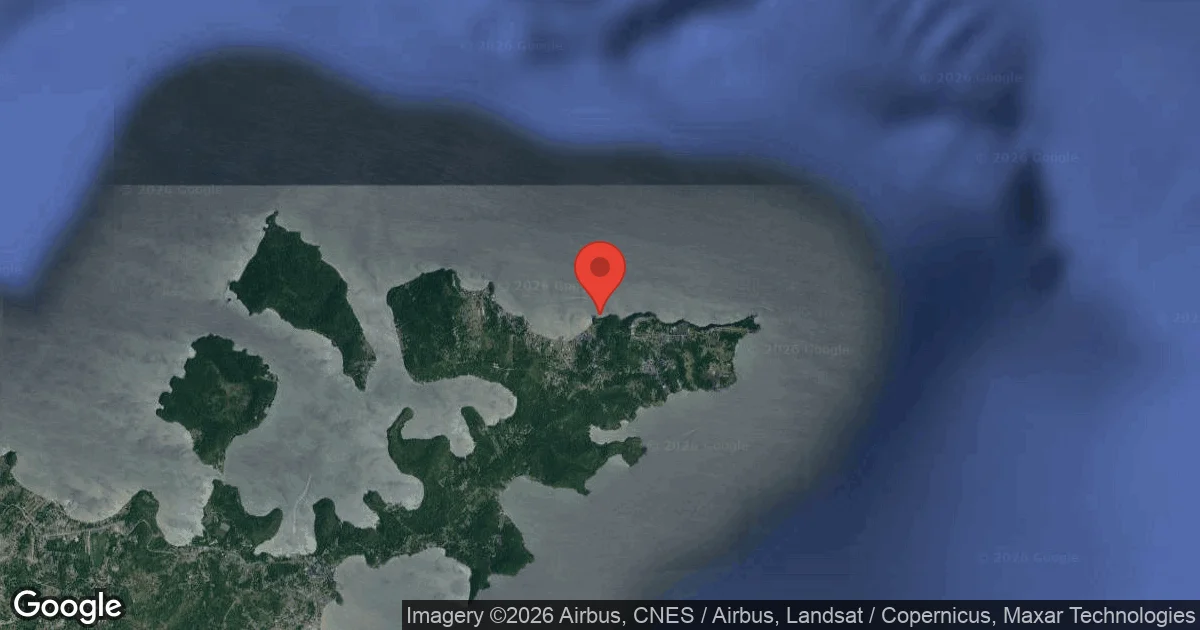
Dive Sites with Scorpionfish

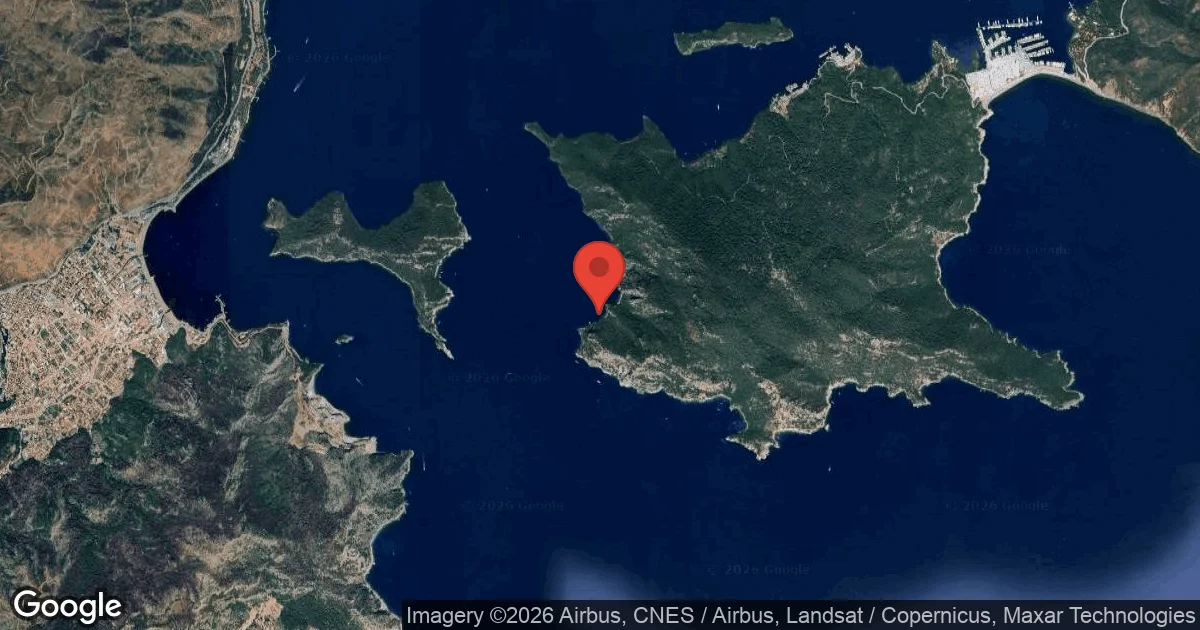
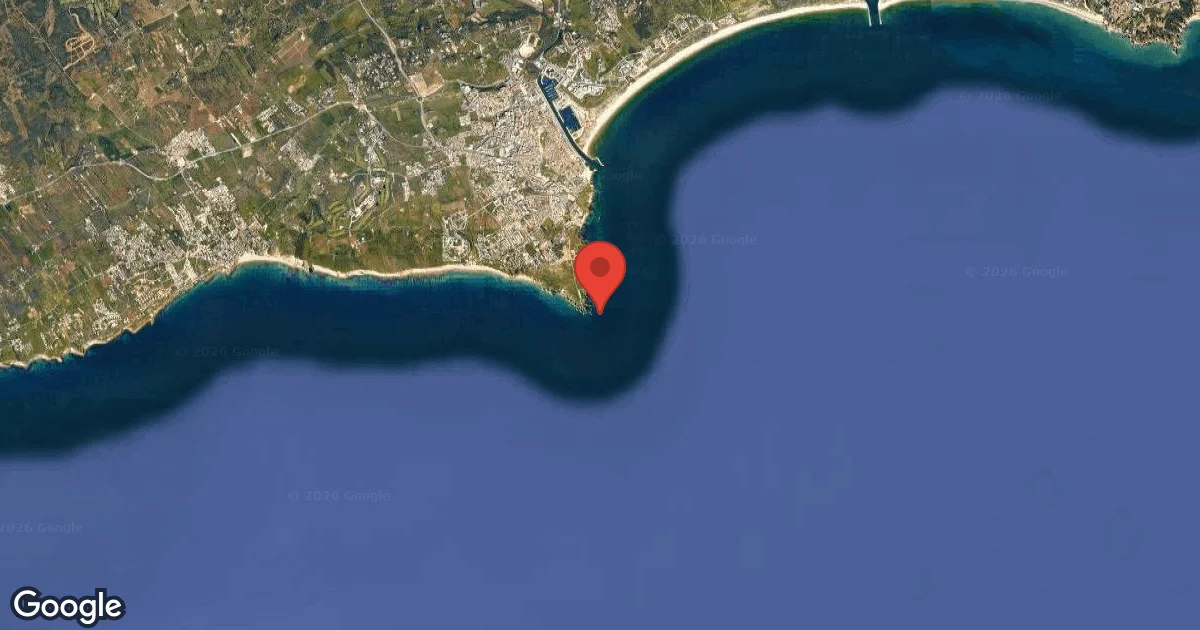
Discover 12 of 497 breathtaking locations where you can encounter this species.
Related Marine Life

Explore other incredible species you can encounter on your diving adventures.