
Diving at The Great White Wall (Fiji)
Divers at the Great White Wall embark on an initial descent through a distinctive vertical swim-through, a passage vibrant with smaller marine life and diverse invertebrates. Exiting this tunnel, the dive unfolds along a vast, vertical expanse. This iconic wall then drops away, glowing with a soft white hue that gives the site its name, hinting at the extensive soft coral formations awaiting deeper exploration.
Evening condition tracking at The Great White Wall features an air temperature of 24.5°C. We have recorded wave heights measuring 0.9 m during this period. These figures outline the environmental parameters currently present.
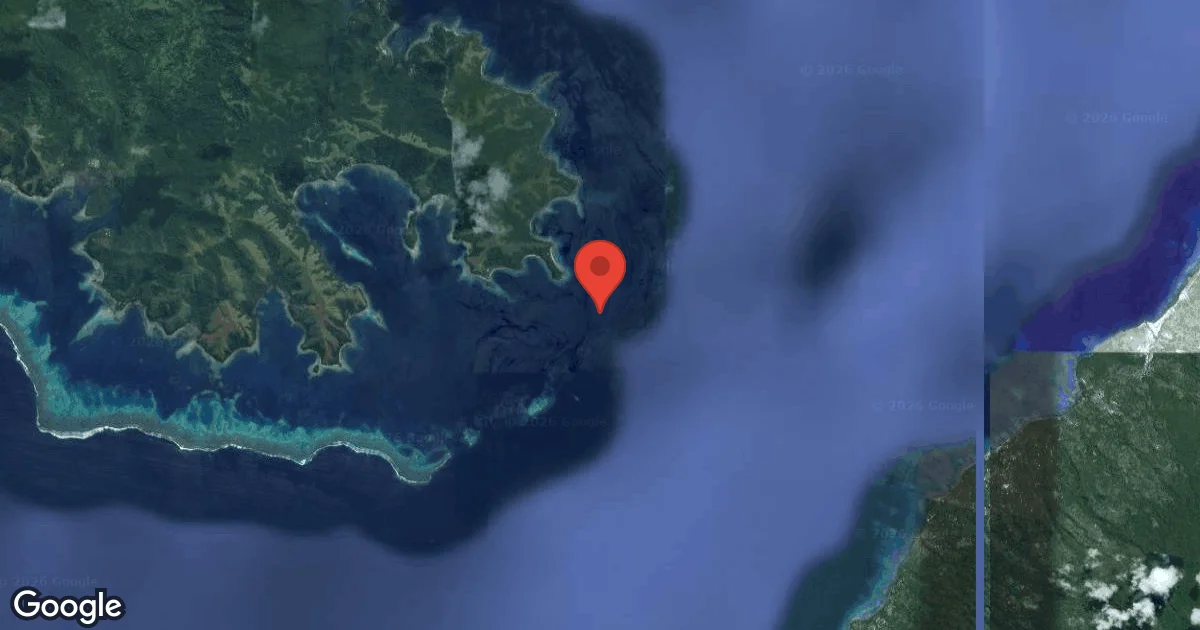
Dive Site Location & Key Facts
Dive Site Overview
This iconic dive site, found within Fiji's vibrant Rainbow Reef, maintains a prominent status in the global dive community, primarily due to its striking visual impact and ecological importance. What initially presents itself as a singular, glowing white wall is, in reality, a complex and dynamic tapestry of soft corals, hard corals, and various algae.
This intricate composition provides rich opportunities for both wide-angle scenic shots and detailed macro photography. Further enhancing its significance, Sau Bay Resort & Spa formally adopted this site in 2023 as part of PADI's Adopt the Blue program, an initiative underscoring its recognized value as a precious marine resource and commitment to its ongoing protection. The 'white' appearance of the corals is notably dependent on tidal conditions, yet the site reliably offers diverse underwater terrain.
Divers navigate multiple wide channels and encounter intricate rock formations that feature a series of accessible swim-throughs at various depths. This unique topographical structure sustains a prolific abundance of reef fish life at shallower depths, which then gracefully transitions into the dramatic and expansive soft coral coverage in the deeper sections of the wall.
Conditions are Good
Optimal conditions expected
Current conditions near The Great White Wall show 25° air, 25° sea temperature, 1.3 m waves, and 24 km/h wind. Forecast data is refreshed regularly to ensure accuracy.
Best Time to Dive
Planning your visit to the Great White Wall centers around lunar cycles, as its famed white soft corals truly 'bloom' during neap tides. This specific period, occurring roughly twice a month during the first and third quarter phases of the Moon, offers minimal tidal range and optimal conditions for the corals to open and feed, presenting their iconic white appearance. Diving outside these times may reveal a 'great brown wall' due to the corals being closed, often accompanied by stronger currents that can limit bottom time. Throughout the year, average air temperatures generally range from 24-27°C (75-80°F), with rainfall being relatively moderate, typically 2-12 mm (0.08-0.47 inches) monthly. While dive scores remain consistently good year-round, timing with the neap tide is critical for experiencing the wall at its most vibrant.
PEAK SEASON SCORE
Scores combine air & water temps, waves, wind & rainfall for overall conditions.
BEST MONTHS TO DIVE
Monthly records compiled from satellite and marine observation nodes over the last 3 years. Data provided by Open-Meteo and MET Norway.
Dive Experience & Conditions
The dive's structure initiates with an entry into a lava tube, offering exits at varied depths, typically around 12-15 m (40-50 ft) and 22-25 m (72-82 ft). From there, divers navigate along the main wall, which predominantly displays its signature white soft corals beginning at approximately 20 m (66 ft) and extending beyond 30 m (100 ft). Current conditions are a significant factor; though dives are scheduled during slack tide, unpredictability can arise. Divemasters, however, are adept at managing these conditions to ensure a quality experience, even for those new to current diving or swim-throughs. After exploring the deeper sections of the white wall, the dive often concludes by ascending to a massive, incredibly diverse coral head in shallower waters, providing a comprehensive view of the reef's varied topography.
Dive Difficulty & Safety Guidelines
An expert approach to diving the Great White Wall involves meticulous planning around tidal conditions. Due to the presence of potentially strong currents and the deeper profiles involved, divers should hold a minimum of Advanced Open Water certification. It's crucial to schedule dives during neap tides when currents are typically weakest and the corals are in full bloom.
Though dive operators strive for slack tide entries, currents can still be present and vary. Always follow your divemaster's instructions, especially when navigating swim-throughs and understanding the dive's progression and current behavior.
Recommended Equipment
Deep dive hazard. Increased narcosis and gas consumption risk.
Overhead environment. Do not enter beyond training and gas planning limits.
Current and surface separation risk. Local briefing strongly recommended.
- Dive Computer
- DSMB
- Primary & Backup Lights
- Reel / Spool
- Cutting Tool
This gear list is based on verified equipment signals for The Great White Wall, Fiji. Always confirm final gear choices with your dive operator, guide, or liveaboard.
Recommended Dive Suit
Recent conditions suggest the water at The Great White Wall remains near 25°C (77°F), offering typical conditions for the area. Surface air temperatures are resting at 25°C (76°F).
Weather models indicate a small drop in surface temperatures later this week. Cooler days are ahead; you might want a warmer option for later in the week. A neoprene vest or hood can add flexibility if temperatures feel cooler underwater.
Most divers would typically feel comfortable using 3mm wetsuit in these conditions. A hood or vest is suggested for sensitive divers due to surface winds. Dive depth and duration can significantly affect perceived warmth.
Emergency & Medical Support
Essential information to help you plan your dive trip to The Great White Wall.

Hyperbaric chambers are a critical part of dive safety infrastructure. Availability varies significantly by region, and not all dive areas have immediate access.
Before diving, it's recommended to:
- confirm nearest medical facilities
- check emergency procedures with local dive operators
- ensure dive insurance covers evacuation if required
Divers Alert Network
Diving emergency assistance available through DAN World.
+1-919-684-9111- 24/7 emergency hotline
- Diving medical assistance
- Evacuation coordination
Emergency contacts are provided for reference. Always verify local emergency services before diving.
Marine Life at The Great White Wall
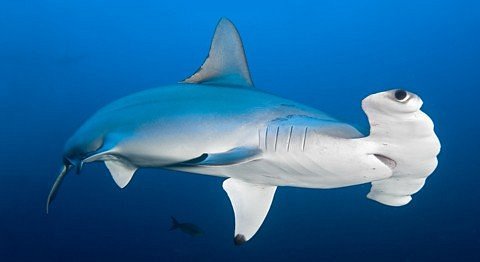
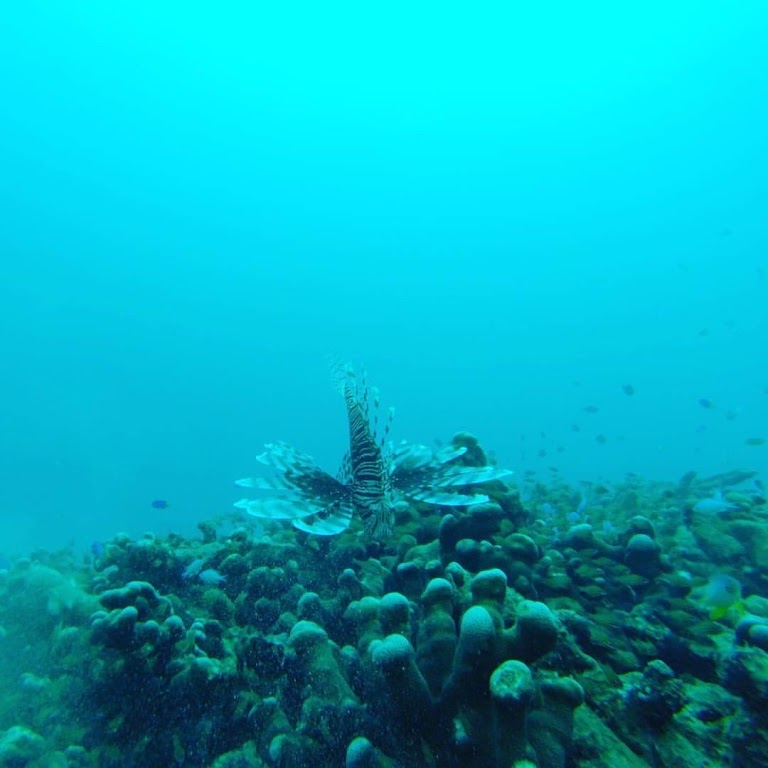
Beneath the iconic white soft corals, the Great White Wall thrives with a spectrum of life, from intricate macro subjects to larger pelagic visitors. The soft corals themselves host numerous invertebrates, while the reef top bursts with prolific reef fish. Divers frequently observe a wide variety of fish, hard and soft corals, and smaller organisms, providing excellent opportunities for detailed observation and photography across different depths.
Dive Sites Near The Great White Wall
View all dive sites in FijiDiscover more underwater gems in this area.
Dive Centers Near The Great White Wall
Today: 07:00 - 16:00
Nearest Airports
Nearest airports to help plan travel to this dive area.
Search Flights
Check available flights and routes on Expedia, using the nearby airports listed in this section.
Search Flights on ExpediaFrequently Asked Questions
What certification level is required to dive the Great White Wall?
This is considered an advanced dive, and individuals should possess a minimum of an Advanced Open Water certification. The site involves deeper profiles and currents that require proficient diving skills.
When can I see the 'bloom' of the white soft coral?
The iconic 'bloom' of the white soft corals occurs during neap tides, which happen twice a month during the first and third quarter phases of the Moon. This is when the corals are actively feeding.
Are there swim-throughs at this dive site?
Yes, the site features a spectacular vertical swim-through at the start of the dive, with exits at various depths. Additionally, there are other swim-throughs within the rock formations between the two main channels.
How are currents managed at the Great White Wall?
Dive operators typically schedule dives during slack tide to minimize current strength. While currents can still be unpredictable, experienced divemasters are skilled at navigating these conditions to ensure a good dive experience.
What is the typical water temperature?
While not consistently reported, regional climate data suggests air temperatures, which often correlate with water temperatures in this tropical zone, range from approximately 24-27°C (75-81°F) throughout the year.
How far is the dive site from local resorts?
Sau Bay Resort & Spa, for example, is located only a 15-20 minute boat ride from the Great White Wall. This allows for more time on the reef and shorter transfer times compared to resorts further afield.
Planning to dive The Great White Wall?
Send one inquiry and receive offers directly from the best verified local dive operators.
Conditions are Good
Optimal conditions expected
Current conditions near The Great White Wall show 25° air, 25° sea temperature, 1.3 m waves, and 24 km/h wind. Forecast data is refreshed regularly to ensure accuracy.