
Diving in Fiji
Dive sites throughout Fiji offer varying conditions, requiring awareness of local differences when planning. 5 dive sites are currently cataloged across Fiji in our system.
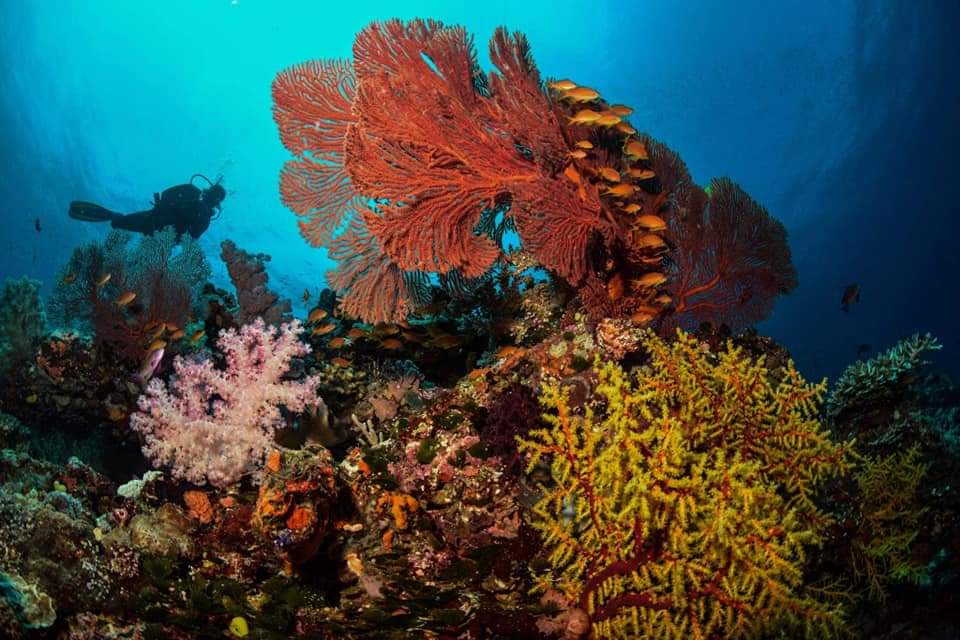
Diving in Fiji presents a striking contrast, from the vibrant, soft coral gardens that blanket its reefs to the solemn depths where historical wrecks await exploration. This Pacific nation offers a diverse underwater landscape, characterized by dramatic topography that includes pinnacles, walls, and extensive barrier reef systems. Its geographical spread across numerous islands ensures a wide array of dive experiences.
The country is well-regarded for its abundant reef diving, complemented by frequent drift opportunities that carry divers along current-swept passages. Marine life observations often include a rich assortment of reef fish and larger pelagic species. Visitors planning a dive trip will find a comprehensive range of destinations, from the well-known Beqa Lagoon off Viti Levu to the more remote Namena Island marine protected area.
Fiji's reputation for healthy coral ecosystems, particularly its colourful soft corals, draws divers seeking diverse underwater scenery. The various islands and their surrounding waters cater to different preferences, making it a destination for those interested in exploring both intricate reef structures and significant wreck sites.
Dive Map of Fiji
For divers exploring Fiji's extensive underwater landscapes, a detailed dive map is invaluable for understanding the geographical spread of key regions. It clarifies the locations of diverse destinations across the archipelago, helping visitors orient themselves to areas like the Bligh Waters, Somosomo Strait, and the Beqa Lagoon.
The map visually represents where clusters of dive activity are concentrated, highlighting specific sites such as the Great White Wall or the Shark Reef Marine Reserve. This visual guide is crucial for identifying areas that align with a diver's interests, whether seeking soft coral gardens or pelagic encounters.
Ultimately, utilizing a dive map allows for more efficient planning, enabling divers to choose their base effectively. It aids in streamlining logistics and maximizing time spent exploring Fiji's rich and varied underwater environments.
Dive Sites to Explore
View all 5 sites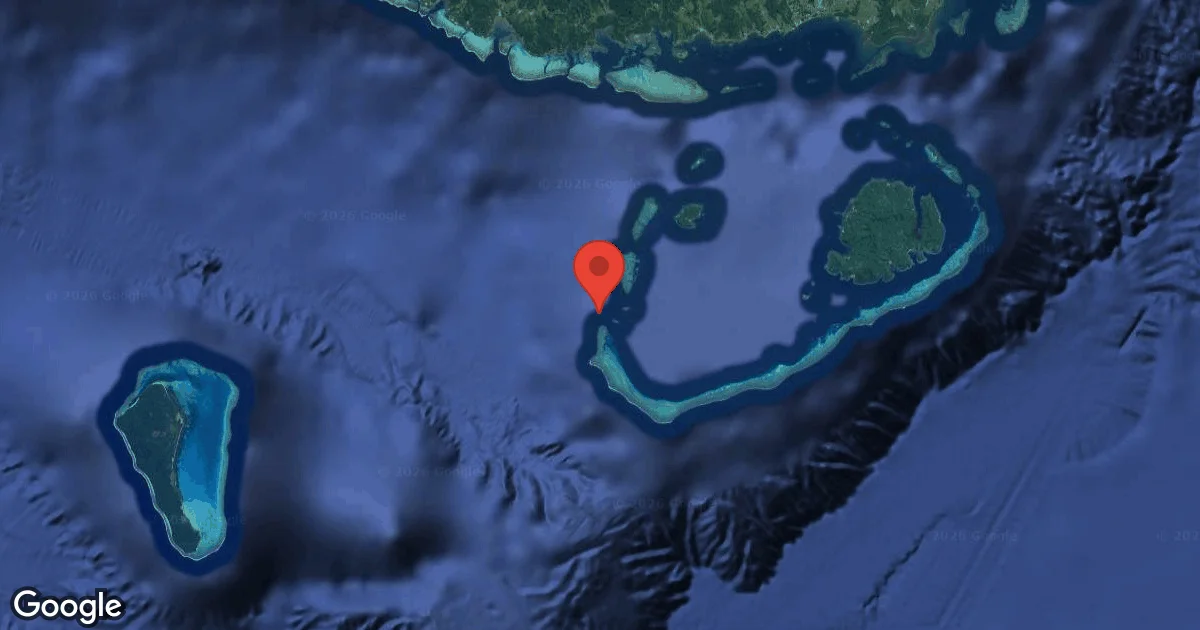
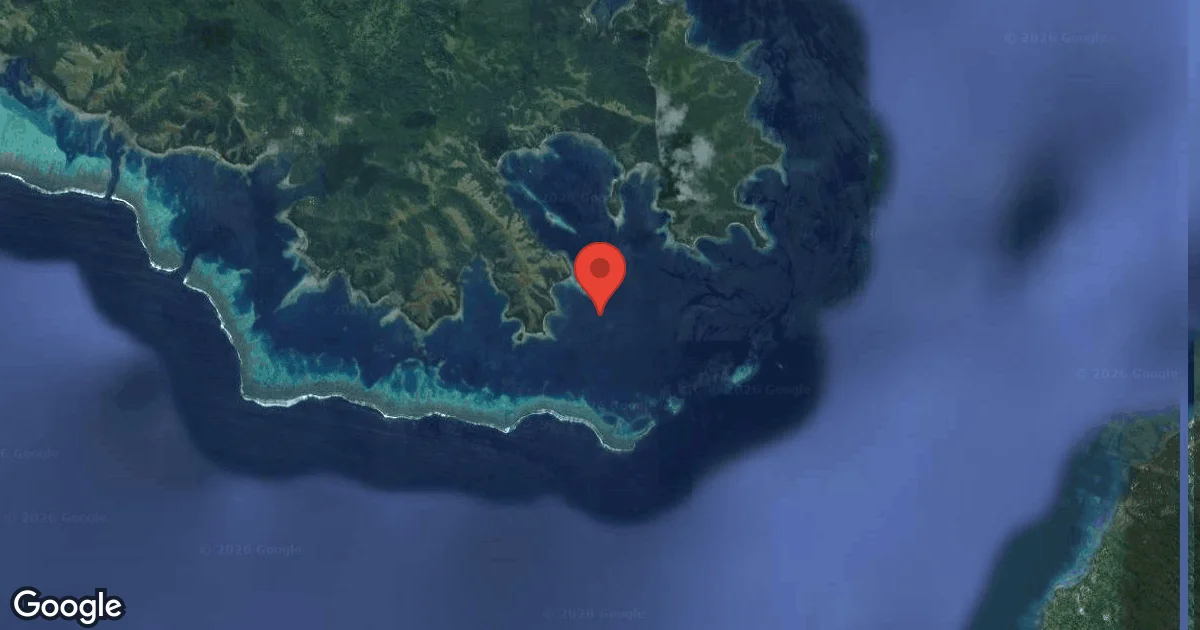
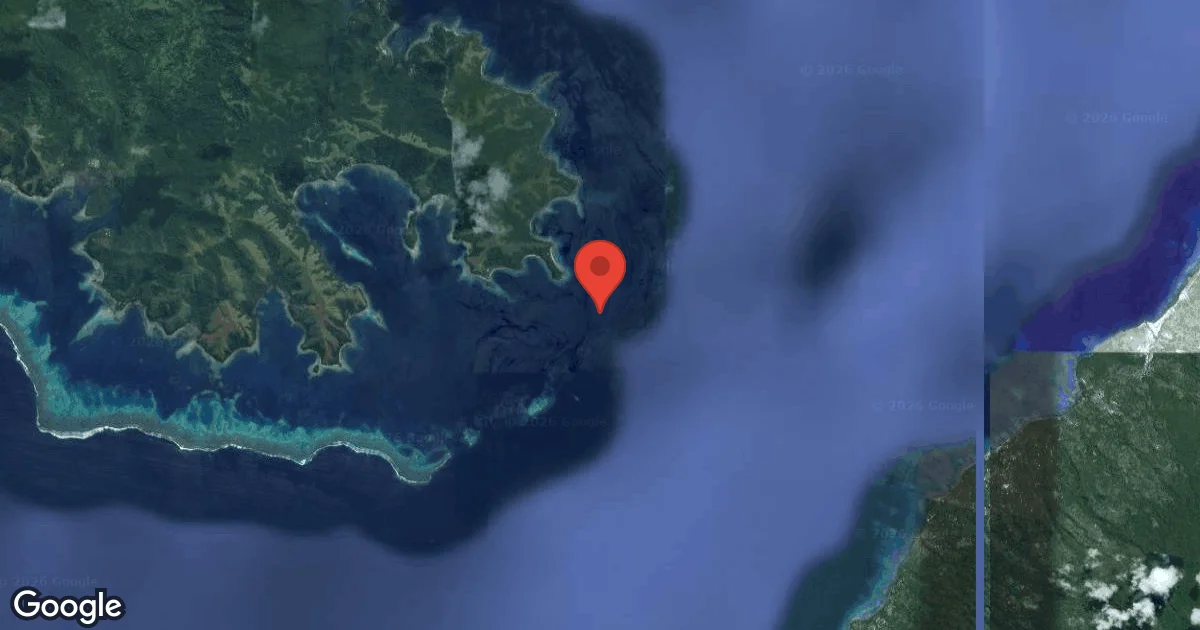
Fiji offers a range of dive sites catering to various experience levels, from tranquil reefs suitable for beginners to challenging currents ideal for advanced divers. New divers can explore the warm, shallow waters of the Mamanuca Islands, Beqa Lagoon, or sites offshore at Volivoli Beach, where Neptune's Wedding Chapel provides an accessible introduction to reef diving.
Intermediate divers will find compelling experiences at sites like Rainbow Reef in the Somosomo Strait, known for its soft corals and reef sharks. The Namena Marine Reserve also offers extensive coral gardens and diverse fish life, with opportunities to spot larger species. These areas balance rich marine encounters with manageable conditions.
For advanced divers, Vatu-i-Ra Passage presents exhilarating dives with strong currents and frequent sightings of large pelagic species. The Beqa Shark Dive is another premier site, offering unique, cage-free encounters with bull sharks, silvertips, and occasionally tiger sharks. The Great White Wall, a spectacular soft coral wall dropping to 37 meters (120 feet), is a highlight within the Somosomo Strait. Wreck enthusiasts can visit the MV Raiyawa in Beqa Lagoon or the MV Ovalau, a sunken inter-island ferry near Ovalau.
Best Time to Dive in Fiji
Optimal diving conditions in Fiji are often dictated by seasonal weather patterns, influencing visibility, currents, and overall underwater experience. The dry season, spanning from May to October, typically offers the clearest waters and calmer seas. During this period, visibility can frequently exceed 30 meters (100 feet), sometimes reaching 40 meters (130 feet) or more on outer reefs.
While the dry season is favored for clarity, the wet season, from November to April, brings warmer water temperatures and different marine life activity. Although plankton blooms and land runoff can reduce visibility, particularly near Viti Levu and river mouths, it fuels the ecosystem and attracts smaller marine life. This warmer period is also when coral spawning occurs, and specific species like manta rays are frequently sighted around Yasawa and Kadavu.
Sharks are generally more active in Fiji's waters during the cooler winter months, with bull sharks visiting between March and October. Diving is possible year-round, with each season presenting distinct advantages based on diver priorities for conditions or specific marine encounters.
Monthly Sea Temperatures
Fiji's sea temperatures are consistently warm, providing comfortable diving conditions year-round, though subtle seasonal variations do occur. These changes impact diver comfort and can influence wetsuit choices throughout the year.
During the dry season, from May to October, water temperatures typically range between 23-25°C (73-77°F). August often marks the coolest period within this timeframe, and some divers may prefer a 5mm wetsuit for extended bottom times or if they are prone to feeling the cold.
Conversely, the wet season, spanning November to April, brings warmer waters, with temperatures rising to 28-30°C (82-86°F). In late March, the ocean can reach its peak warmth around 28°C (83°F). A 3mm wetsuit is generally sufficient for these warmer months, ensuring pleasant conditions for most divers.
| Jan | Feb | Mar | Apr | May | Jun | Jul | Aug | Sep | Oct | Nov | Dec | |
|---|---|---|---|---|---|---|---|---|---|---|---|---|
| Max | 30° | 30° | 30° | 31° | 30° | 29° | 28° | 28° | 28° | 28° | 29° | 30° |
| Avg | 29° | 29° | 29° | 29° | 28° | 27° | 27° | 26° | 26° | 27° | 27° | 28° |
| Min | 28° | 28° | 28° | 28° | 27° | 26° | 26° | 24° | 25° | 25° | 26° | 27° |
Dive Conditions
Fiji's dive conditions are primarily shaped by varying visibility and currents, often linked to depth profiles and seasonal changes. During the dry season, from May to October, visibility reaches its peak, frequently exceeding 30 meters (100 feet) and sometimes extending to 50 meters (150 feet) in open ocean and on outer reefs. This clarity results from less rainfall and reduced plankton activity.
Conversely, the wet season, from November to April, sees increased rainfall and plankton blooms, which can decrease visibility, especially nearshore and around river mouths, sometimes to 15-25 meters (50-80 feet). However, the Bligh Waters often maintain good visibility, ranging from 24-30 meters (80-100 feet), even in this period.
Currents vary from mild to strong across different sites. Areas such as the Vatu-i-Ra Passage experience strong currents, providing exhilarating drift dives that attract large pelagic species. In contrast, inner reefs and lagoons typically present milder currents, creating ideal conditions for macro photography and observing soft coral polyps feeding. Understanding these variations is essential for choosing appropriate dive sites.
Marine Life Highlights
Most Mentioned Species
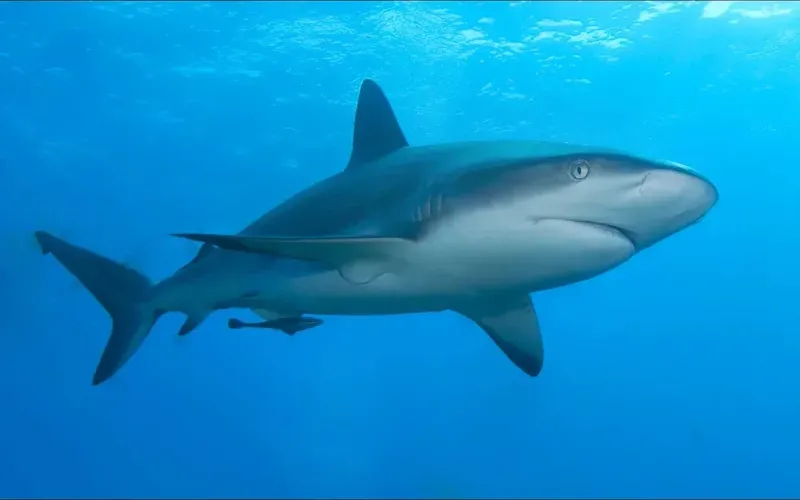
Marine life in Fiji varies across dive locations, with different species appearing depending on environment and conditions. The species highlighted here are the most frequently associated with dive sites in our data, offering a realistic overview of what divers are most likely to encounter.
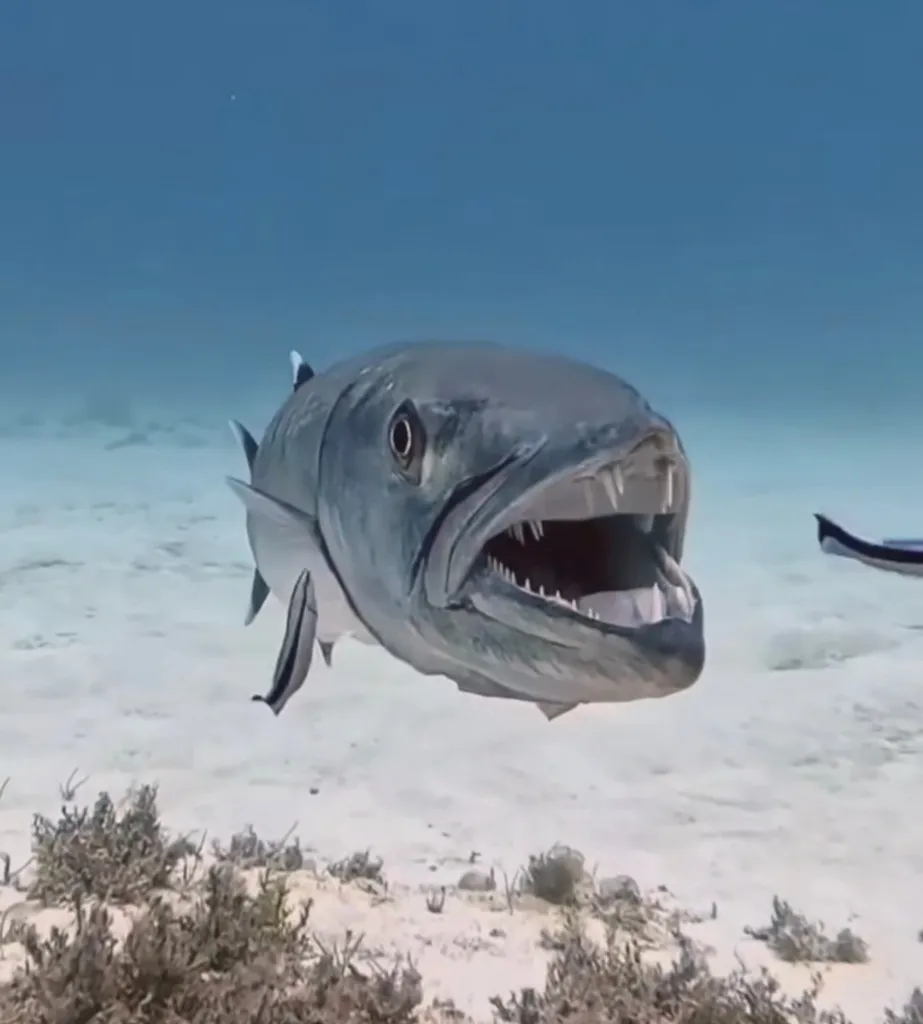
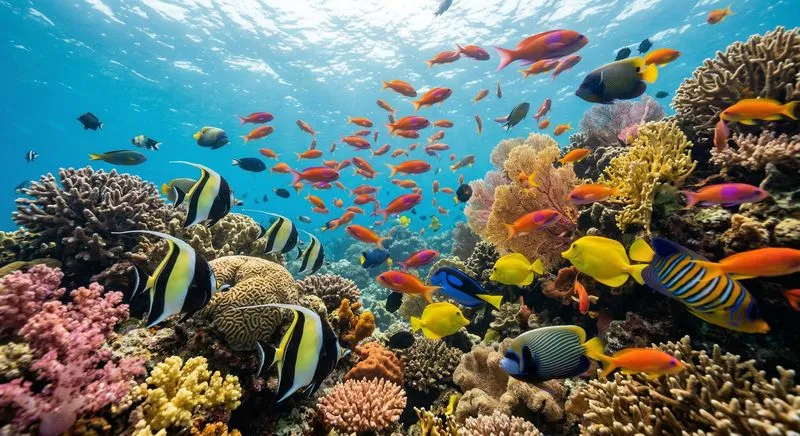
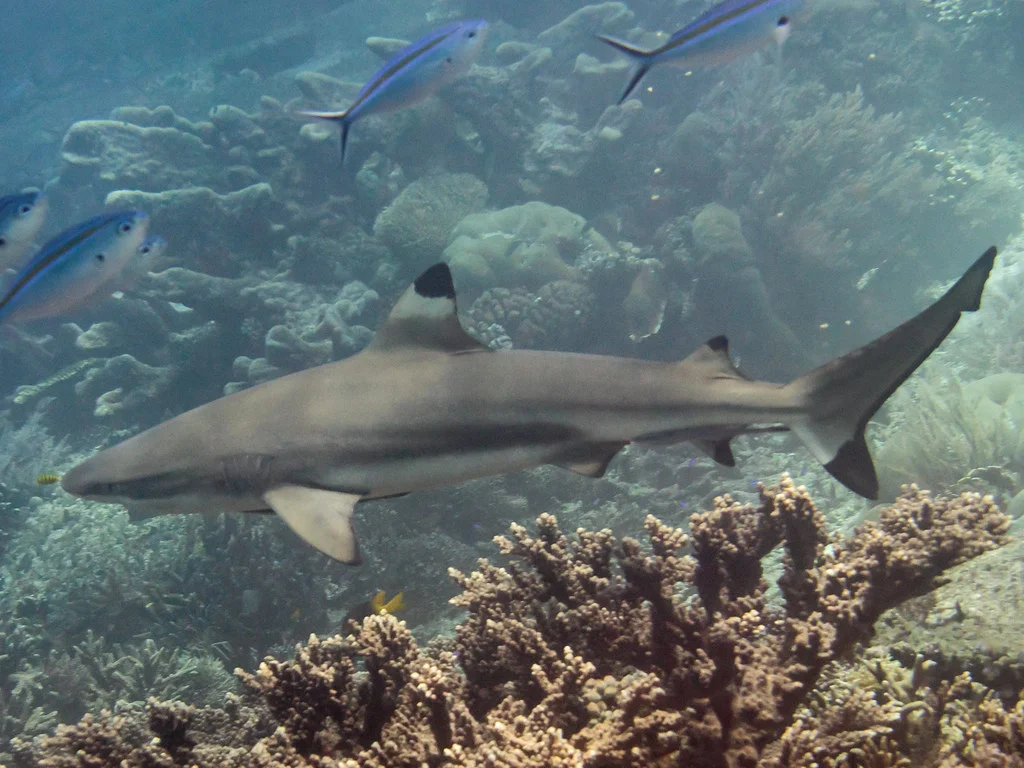
Fiji's marine life encounters exhibit seasonal patterns, with certain species more prevalent during specific times of the year. Manta rays are frequently sighted from May to October, particularly around the Yasawa Islands and Kadavu. This period aligns with the cooler, drier months, often providing clearer waters for these observations.
Shark activity is notably higher during the winter months. Bull sharks visit between March and October, with Beqa Lagoon serving as a prominent location for species such as silvertips, reef sharks, tawny nurse sharks, and occasionally tiger sharks. The wet season, from November to April, with its warmer waters, stimulates plankton growth. This supports a thriving ecosystem of smaller marine life, including nudibranchs, mantis shrimp, and ghost pipefish. Coral spawning events also occur around November, adding to the seasonal spectacle.
Year-round residents include a wide array of soft corals, reef fish like angelfish and anemonefish, turtles, and various crustaceans. Sites such as the Great White Wall feature extensive white soft corals, while Namena Marine Reserve and Rainbow Reef host Napoleon wrasse and schools of fusiliers.
Regions for Diving
Fiji's diverse dive regions each offer distinct access points and underwater experiences, catering to various diving interests. The Beqa Lagoon, situated off Fiji’s Viti Levu Island, stands out for its exceptional shark encounters. Divers typically access this region from Pacific Harbour on Viti Levu, where resorts facilitate daily boat trips to sites like the Shark Reef Marine Reserve. Here, bull sharks, silvertips, and tiger sharks are regularly observed, alongside beautiful reefs and a variety of other marine life.
The Somosomo Strait, located between Taveuni and Vanua Levu, is distinguished by its soft coral reefs, including the notable Rainbow Reef and the Great White Wall. Taveuni, known as the 'Garden Island,' acts as a primary base for accessing these sites. Resorts on Taveuni offer boat excursions into the Strait, where divers explore vibrant coral gardens and encounter reef sharks and Napoleon wrasse amidst moderate currents.
For more adventurous diving, the Bligh Water, also known as the Vatu-i-Ra Passage, lies between Viti Levu and Vanua Levu. This remote area is often explored via liveaboard itineraries or from resorts in the Rakiraki area, which offers a 50-minute boat ride to the passage. Strong currents here attract large pelagic species, including jacks and barracudas, alongside spectacular soft coral reefscapes.
Further south, Kadavu Island hosts the Great Astrolabe Reef, one of the world's largest barrier reefs. Access to Kadavu is typically by domestic flight from Viti Levu, followed by boat transfers to island resorts. This less-visited region is recognized for year-round manta ray sightings and extensive coral gardens, providing a more tranquil diving experience.
Travel & Passport Guide
Travel Basics
Trip Planning
Safety & Diving Considerations
Ensuring a safe diving experience in Fiji hinges on adhering to established protocols and maintaining an awareness of local conditions. Diving with certified centers that uphold international safety standards and have comprehensive emergency action plans is paramount.
Understanding local currents is a critical safety consideration, particularly in dynamic areas such as the Vatu-i-Ra Passage, where strong currents can challenge less experienced divers. Always follow the guidance of dive professionals regarding site conditions and any potential hazards.
Beyond operator standards, personal safety practices are essential. This includes maintaining appropriate buoyancy, respecting marine life, and carrying personal safety equipment like a surface marker buoy. These measures contribute significantly to a secure and enjoyable dive in Fiji's waters.
Dive Centers in Fiji
View all 13 dive centers
Frequently Asked Questions
What is the best time of year for diving in Fiji?
The optimal period for diving in Fiji is during the dry season, from May to October. This time offers the clearest waters, with visibility often exceeding 30 meters (100 feet), and calmer sea conditions. While the wet season (November to April) brings warmer water, visibility can be reduced due to plankton blooms, though it can still be excellent in certain areas like the Bligh Waters.
What kind of marine life can I expect to see in Fiji?
Fiji offers abundant soft corals and diverse reef fish. Divers frequently encounter various shark species, including bull sharks, silvertips, reef sharks, and occasional tiger sharks, particularly in Beqa Lagoon. Manta rays are often sighted between May and October, especially around Kadavu and Yasawa. Other notable species include Napoleon wrasse, barracudas, jacks, and a variety of macro life such as nudibranchs and mantis shrimp.
What are the typical water temperatures in Fiji?
Fiji's water temperatures are consistently warm throughout the year. During the dry season (May-October), temperatures generally range from 23-25°C (73-77°F). In the wet season (November-April), the water warms up, reaching 28-30°C (82-86°F). A 3mm wetsuit is usually sufficient, though a 5mm might be preferred by some during the cooler dry season months, especially in August.
Are there dive sites suitable for beginners in Fiji?
Yes, Fiji offers several dive sites ideal for beginner divers. The warm, shallow waters of the Mamanuca Islands, parts of Beqa Lagoon, and areas offshore from Volivoli Beach are excellent starting points. Sites like Neptune's Wedding Chapel provide gentle conditions to gain confidence and experience the vibrant reef environment.
Which regions are known for shark diving in Fiji?
Beqa Lagoon, located off Viti Levu Island, is a premier destination for shark diving. It is home to the Shark Reef Marine Reserve, where divers can experience close encounters with bull sharks, silvertips, reef sharks, and sometimes tiger sharks. The Beqa Shark Dive is globally recognized for its consistent and diverse shark sightings.