
Diving at Cabbage Patch (Fiji)
Conditions at Cabbage Patch make it a distinctive dive in Fiji, primarily characterized by a sprawling, healthy colony of cabbage coral. This site, located in the Mamanucas, presents divers with a serene underwater garden. Its gentle currents and generally clear water create an optimal environment for exploring the intricate coral formations. With a maximum depth typically around 25 m (82 ft), it's accessible to a broad range of certified divers.
The latest environmental reading at Cabbage Patch indicates an air temperature of 24.5°C. The regional climate in Fiji is aligning with expected historical averages. Prepare your gear according to these specific local conditions.
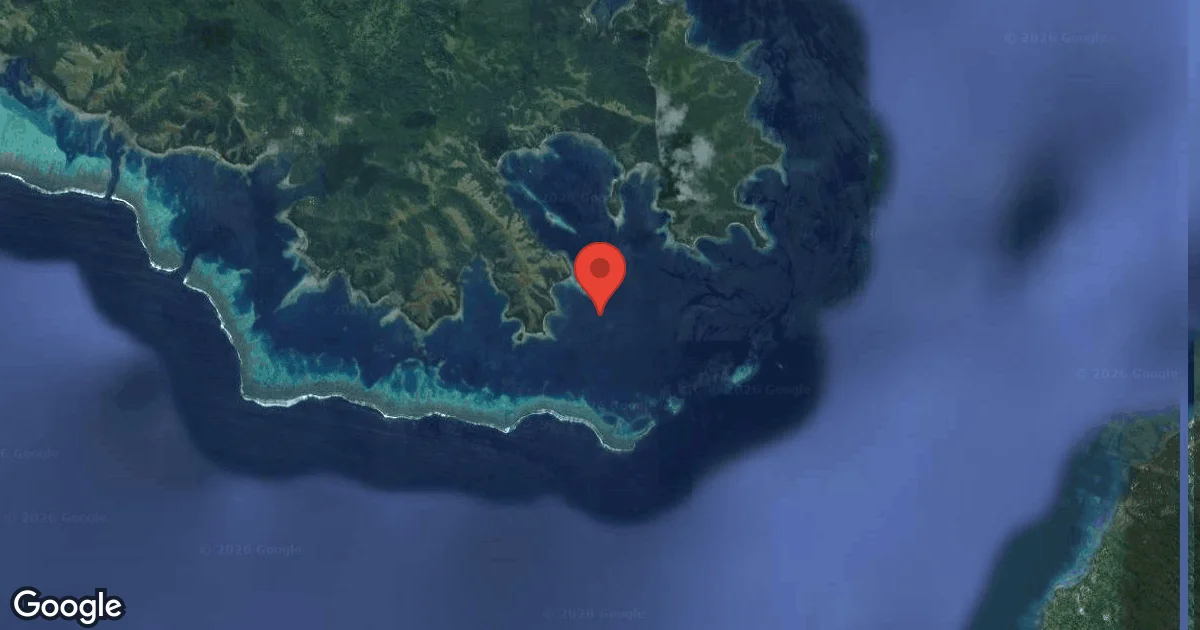
Dive Site Location & Key Facts
Dive Site Overview
This distinctive Fijian dive site derives its name from an extraordinarily rare and expansive cabbage coral colony, a formation truly uncommon in its global scale. The Fijian archipelago hosts only three known locations boasting such extensive patches: one in Taveuni, one in Kadavu, and this remarkable area right here in the Mamanucas.
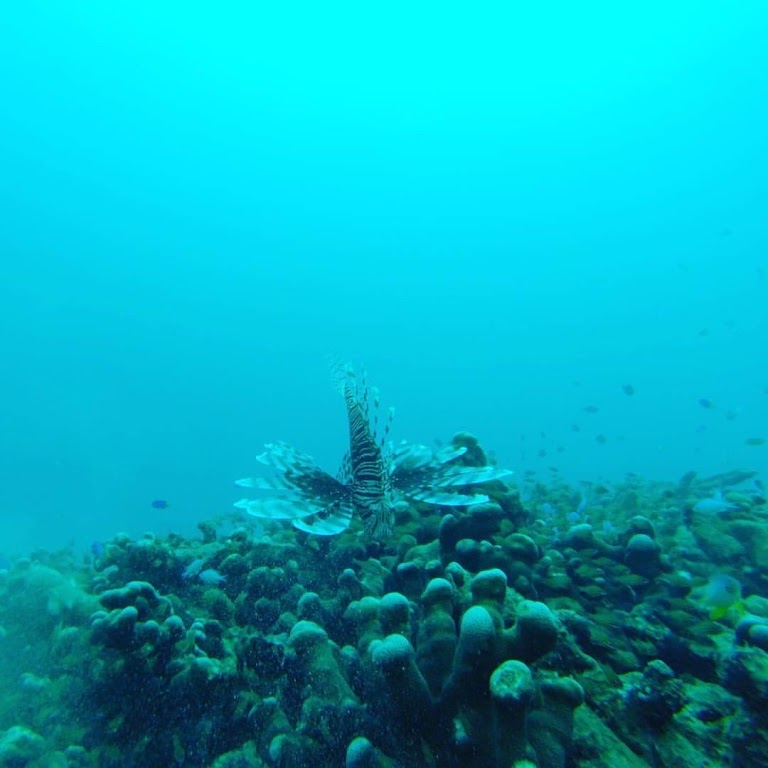
Here, the coral forms wide, layered plates that stack much like the leaves of a giant underwater cabbage, creating a submerged landscape that often feels otherworldly. As divers glide above, the intricate patterns frequently resemble swirling roses or vast sculpted fans, providing a continuously evolving visual experience from moment to moment. Exploring this vibrant garden often starts at an average depth of around 12 m (40 ft), a comfortable range that allows ample bottom time.
The site gradually slopes, extending deeper to approximately 25 m (82 ft) in certain areas, accommodating both novice and experienced divers seeking a gentle progression. Its consistently clear water and minimal current make it an ideal setting for those refining their buoyancy or simply wishing to immerse themselves in a tranquil, visually rich environment.
Underwater photographers find the stable conditions and stunning coralscapes particularly rewarding for capturing detailed compositions, free from the challenges of strong currents or poor visibility. This extensive living structure creates numerous micro-habitats, inviting a closer look into the smaller reef inhabitants.
The sheer scale of the coral demands attention, reminding divers of the reef's resilience and intricate beauty.
Conditions are Good
Optimal conditions expected
Current conditions near Cabbage Patch show 25° air, 26° sea temperature, N/A waves, and 24 km/h wind. Forecast data is refreshed regularly to ensure accuracy.
Best Time to Dive
Optimizing your dive experience at Cabbage Patch involves understanding seasonal nuances. Many divers find the winter months, typically August through October, offer the best visibility, though the sea surface can sometimes be choppier. During these months, average air temperatures are comfortable, ranging from 24-25°C (75-77°F), with rainfall being notably lower. Dive scores during this period are consistently rated 'Good'. Conversely, the warmer, wetter summer months, from January to March, present air temperatures closer to 26-27°C (79-81°F) and higher average rainfall, which might occasionally impact visibility. The conditions here generally feature stable temperatures, clean water, and gentle currents throughout the year, making it a reliable destination.
PEAK SEASON SCORE
Scores combine air & water temps, waves, wind & rainfall for overall conditions.
BEST MONTHS TO DIVE
Monthly records compiled from satellite and marine observation nodes over the last 3 years. Data provided by Open-Meteo and MET Norway.
Dive Experience & Conditions
The underwater dynamics at Cabbage Patch often allow for a mellow drift dive, depending on local currents. This allows divers to effortlessly glide across the expansive coral formations, resembling an underwater garden. Water conditions are consistently reported as pristine, with clear visibility often reaching up to 30 m (100 ft) during favorable periods. Water temperatures are typically warm, ranging from 22-27°C (72-81°F), providing comfortable diving without heavy exposure suits. While the site primarily sits at an average depth of 12-18 m (40-60 ft), exploring its full extent can take you to its maximum depth of 25 m (82 ft).
Dive Difficulty & Safety Guidelines
Approaching Cabbage Patch with careful adherence to diving best practices is crucial for preserving its delicate ecosystem. Given the sensitivity of cabbage coral to environmental changes, operators often keep group sizes small and advocate for eco-friendly diving practices, ensuring minimal disturbance to the reef. Divers should maintain excellent buoyancy control to avoid contact with the fragile coral structures.
Always consult with local dive professionals familiar with the site and its present conditions before diving. Adhering to PADI Standard Safe Diving Practices helps ensure both diver safety and the long-term health of this remarkable site.
Recommended Equipment
- Dive Computer
- DSMB
This gear list is based on verified equipment signals for Cabbage Patch, Fiji. Always confirm final gear choices with your dive operator, guide, or liveaboard.
Recommended Dive Suit
The latest conditions reported around Cabbage Patch place the water temperature close to 26°C (78°F). Surface air temperatures are resting at 25°C (76°F).
3mm wetsuit generally offers enough warmth for most dives under these conditions. A hood or vest is suggested for sensitive divers due to surface winds.
Forecasts suggest a slight cooling pattern in the days ahead. Cooler days are ahead; you might want a warmer option for later in the week. Some divers prefer carrying a slightly thicker suit as a backup.
Emergency & Medical Support
Essential information to help you plan your dive trip to Cabbage Patch.

Hyperbaric chambers are a critical part of dive safety infrastructure. Availability varies significantly by region, and not all dive areas have immediate access.
Before diving, it's recommended to:
- confirm nearest medical facilities
- check emergency procedures with local dive operators
- ensure dive insurance covers evacuation if required
Divers Alert Network
Diving emergency assistance available through DAN World.
+1-919-684-9111- 24/7 emergency hotline
- Diving medical assistance
- Evacuation coordination
Emergency contacts are provided for reference. Always verify local emergency services before diving.
Marine Life at Cabbage Patch
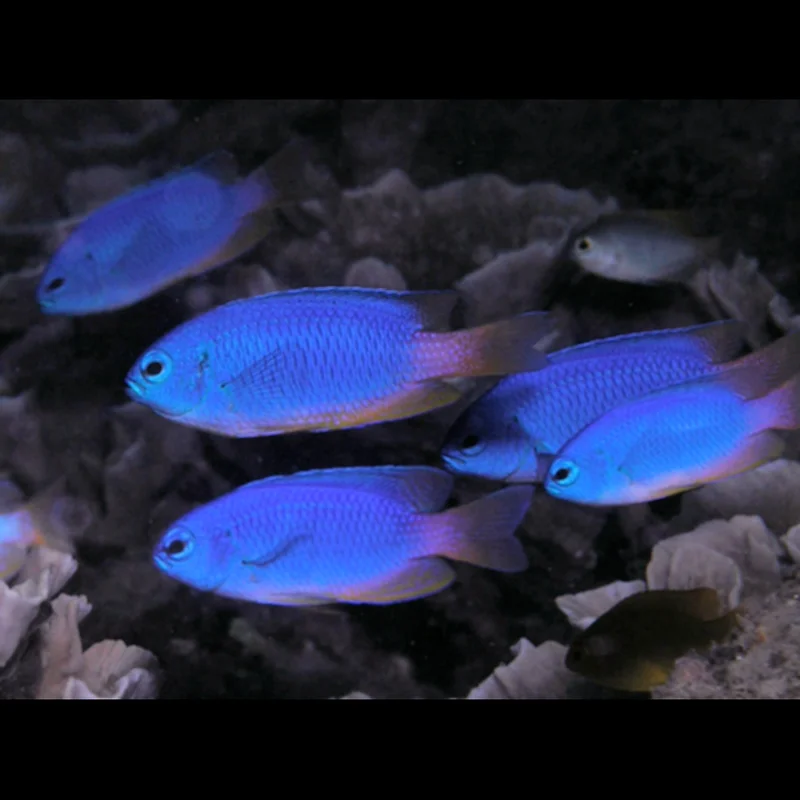
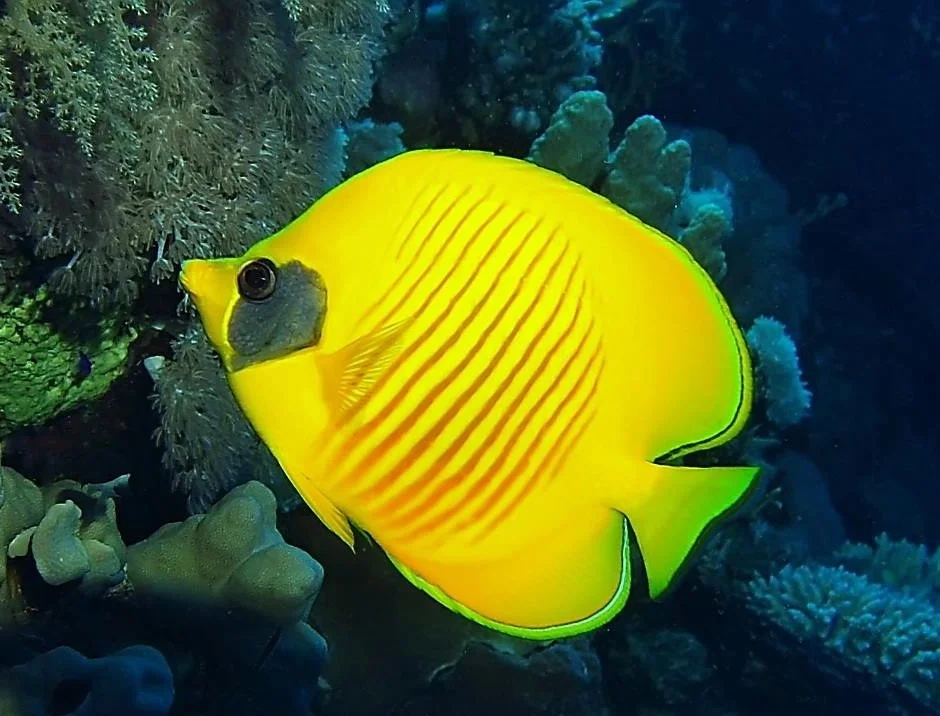
Life thrives within the expansive coral structures of Cabbage Patch. Bright anthias, butterflyfish, and damselfish frequently weave between the layered plates, adding dynamic color to the scene.
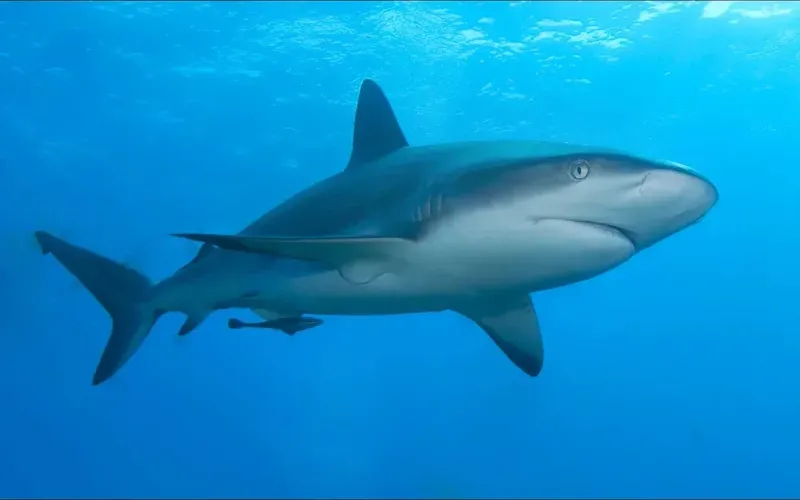
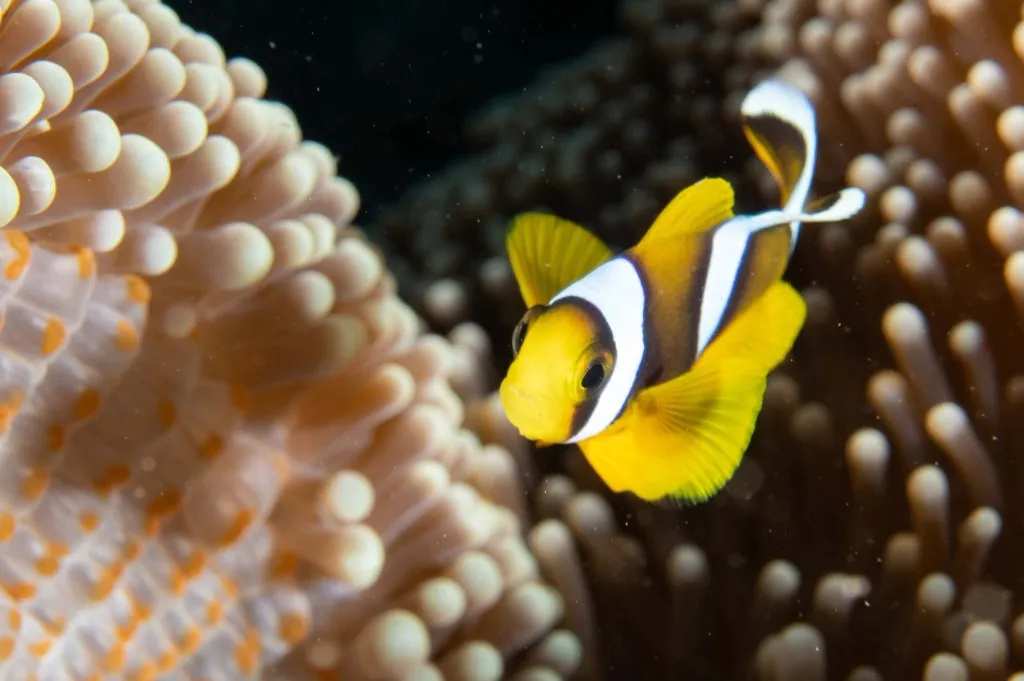
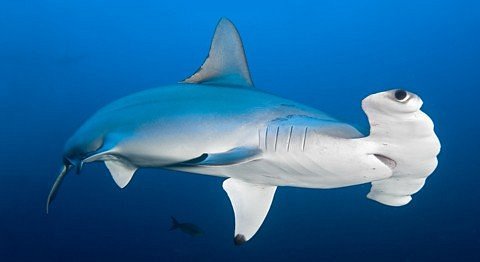
Blue-spotted rays cruise along the sandy edges, while reef sharks occasionally make quiet passes through the area. Divers might also spot a variety of other creatures, including sea cucumbers, clownfish, walu, unicornfish, arc-eye hawkfish, and fire dartfish.
Keep an eye out for ghost pipefish, which are known to hide within the corals, and the occasional banded sea krait or bicolor fang blenny, adding to the site's rich biodiversity. Turtles are also often observed here.

Dive Sites Near Cabbage Patch
View all dive sites in FijiDiscover more underwater gems in this area.
Dive Centers Near Cabbage Patch
Today: 07:00 - 16:00
Nearest Airports
Nearest airports to help plan travel to this dive area.
Search Flights
Check available flights and routes on Expedia, using the nearby airports listed in this section.
Search Flights on ExpediaFrequently Asked Questions
What kind of coral gives Cabbage Patch its name?
The site is named for its extraordinarily rare and expansive colony of cabbage coral. These corals form wide, layered plates that resemble the leaves of a giant underwater cabbage or swirling roses.
What is the maximum depth at Cabbage Patch?
Cabbage Patch typically reaches a maximum depth of 25 m (82 ft). The average diving depth is shallower, often around 12-18 m (40-60 ft), making it suitable for various certification levels.
Is Cabbage Patch suitable for beginner divers?
Yes, Cabbage Patch is considered suitable for divers of all levels, including novices. Its shallow average depth, gentle conditions, and calm atmosphere make it an excellent choice for less experienced divers.
What marine life can be seen at Cabbage Patch?
The site hosts a variety of marine life including anthias, butterflyfish, damselfish, blue-spotted rays, and reef sharks. Divers might also encounter sea cucumbers, clownfish, ghost pipefish, turtles, and other reef inhabitants.
What are the typical water temperatures?
Water temperatures at Cabbage Patch are generally warm, ranging from 22-27°C (72-81°F). This allows for comfortable diving with minimal thermal protection.
What is the best time of year to dive Cabbage Patch for visibility?
Visibility is often at its best during Fiji's winter months, from August to October. While the sea can be choppier during this period, underwater clarity tends to be excellent.
Planning to dive Cabbage Patch?
Send one inquiry and receive offers directly from the best verified local dive operators.
Conditions are Good
Optimal conditions expected
Current conditions near Cabbage Patch show 25° air, 26° sea temperature, N/A waves, and 24 km/h wind. Forecast data is refreshed regularly to ensure accuracy.