
Diving at Tougues (France)
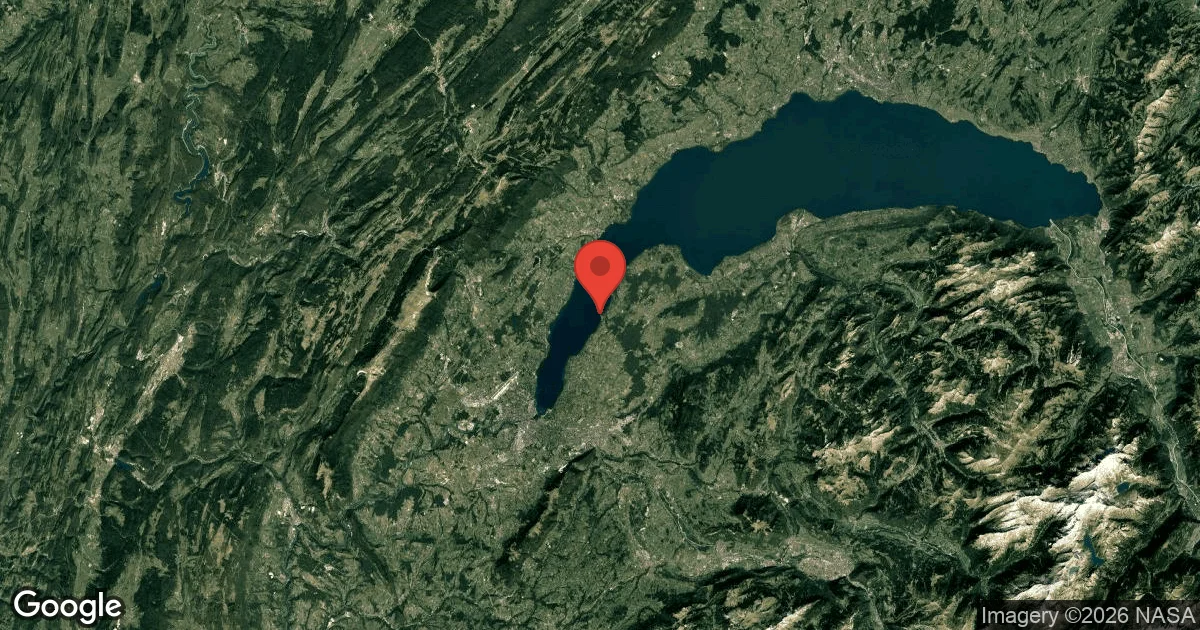
Tougues offers an engaging freshwater wreck diving adventure, setting itself apart from typical ocean experiences. It's a unique opportunity to explore submerged artifacts in the tranquil depths of Lake Geneva, inviting divers to hone their navigation skills and discover a distinct aquatic environment. This site calls to those seeking a different kind of underwater exploration.
At Tougues, the ambient air temperature is currently recorded at 19.5°C. This dive site in France is operating under normal seasonal weather patterns. Familiarize yourself with the local topography prior to navigating.
Dive Site Location & Key Facts
Dive Site Overview
The underwater topography at Tougues presents a captivating collection of submerged history, making it a premier freshwater wreck diving destination. Divers encounter a diverse array of artifacts, ranging from numerous small boat wrecks to the more substantial Piper Cherokee plane, found at a maximum depth of 40 m / 131 ft.
This site also features the older passenger boat, "Reine du Lac," resting at a more accessible depth, providing an entry point for less experienced wreck divers. Further intriguing discoveries include the wooden "Hirondelle," an early lake passenger vessel, awaiting exploration in other sections of the site. Beyond the wrecks, the lakebed itself offers variety, transitioning from sandy expanses where visibility can be excellent to areas adorned with a thriving carpet of lake plants.
These plants, particularly noticeable during the warmer summer months, add a unique biological dimension, creating sheltered areas for smaller organisms. The entire setting provides an expansive canvas for refining navigation and buoyancy skills within Lake Geneva's unique ecosystem, appealing to divers interested in historical exploration and freshwater challenges.
Conditions are Excellent
07:00 - 14:00
Optimal conditions expected
Current conditions near Tougues show 20° air, --° sea temperature, N/A waves, and 5 km/h wind. Forecast data is refreshed regularly to ensure accuracy.
Best Time to Dive
For optimal comfort and an enhanced experience at Tougues, planning dives during the period spanning late spring through early autumn is generally recommended. Air temperatures between June and September typically average 18-22°C / 64-72°F, providing the most pleasant conditions on the surface before and after dives. While Lake Geneva experiences relatively consistent precipitation year-round, often averaging 2-4 mm per month, these milder air temperatures significantly contribute to overall diver comfort. Below the surface, water temperatures are coolest in winter, potentially dropping to 4°C / 39°F, and gradually warm up, peaking at 18-22°C / 64-72°F in the shallower areas during mid-summer. Deeper sections of the lake tend to remain cooler. Visibility, while variable, is often at its best during the colder months when algal blooms are less prevalent, though the trade-off is significantly lower water temperatures. During summer, the warmer water can support more aquatic plant growth, which might affect visibility in some areas, but also enhances the marine life interaction. Considering these factors, the warmer surface conditions of summer, coupled with milder underwater temperatures in shallower zones, often create the most inviting environment for recreational exploration of the wrecks.
PEAK SEASON SCORE
Scores combine air & water temps, waves, wind & rainfall for overall conditions.
BEST MONTHS TO DIVE
Monthly records compiled from satellite and marine observation nodes over the last 3 years. Data provided by Open-Meteo and MET Norway.
Dive Experience & Conditions
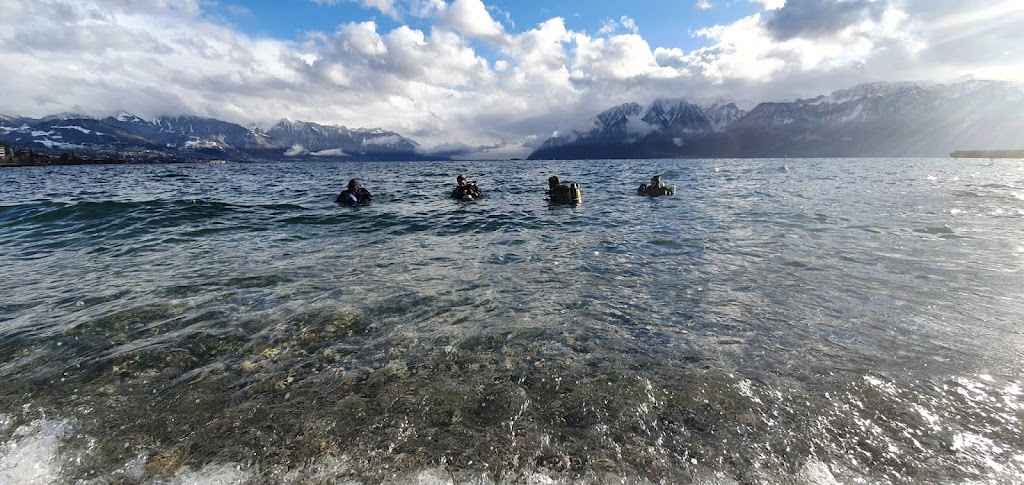
Diving at Tougues provides a unique freshwater experience, offering convenient shore entry directly from the beach, making it highly accessible for a wide range of certified divers. The site serves as an excellent natural classroom for refining orientation and navigation skills, with numerous distinct features available to help divers practice compass work and natural navigation. Divers can explore the site's deeper sections, which necessitates appropriate training and experience for those venturing into zones where the plane wreck rests. The freshwater environment of Lake Geneva inherently impacts buoyancy, requiring slightly different weighting compared to saltwater diving. Water temperatures vary considerably with depth and season; while shallow areas can warm up, deeper sections remain consistently cooler, often warranting thicker exposure protection or a drysuit. Visibility can fluctuate depending on conditions, sediment disturbance, and seasonal algal growth, but generally ranges from good to moderate. While strong currents are not a primary concern, localized flows can sometimes be present, so awareness is always beneficial. This combination of accessible entry, varied depths, and the unique challenges of freshwater diving makes Tougues a rewarding destination for skill development and wreck exploration.
Dive Difficulty & Safety Guidelines
Ensuring safety at Tougues involves specific considerations due to its wreck-rich, freshwater environment. Divers planning to explore the deeper sections, particularly the plane wreck in deeper waters, should hold advanced certifications such as PADI Advanced Open Water Diver and ideally a PADI Deep Diver specialty. Exceptional buoyancy control is paramount across all depths to prevent disturbing the lakebed sediment, which can significantly reduce visibility for yourself and others, and to protect the integrity of the fragile wreck sites.
Given the varied underwater topography and numerous points of interest, meticulous dive planning, including gas management and thorough navigation strategies, is crucial. Divers should also be prepared for cooler water temperatures, especially below the thermocline, making adequate exposure protection like a drysuit a wise choice.
Always dive within your training and experience limits. As a freshwater site, maintaining environmental awareness to avoid leaving any trace is also important for preserving this unique ecosystem.
Recommended Equipment
Deep dive hazard. Increased narcosis and gas consumption risk.
Overhead / entanglement risk. Wreck penetration requires proper training.
- Dive Computer
- DSMB
- Primary & Backup Lights
- Wreck Reel
- Cutting Tool
- Hard-soled Dive Boots
This gear list is based on verified equipment signals for Tougues, France. Always confirm final gear choices with your dive operator, guide, or liveaboard.
Recommended Dive Suit
Conditions may fluctuate slightly depending on wind and weather patterns.
Even in warm destinations, extended dives can gradually draw heat away from the body.
Based on regional estimates and current weather, the likely required exposure protection is a 5mm or thicker wetsuit. Note that local currents and upwellings can alter this. Surface intervals may feel cooler. Because recent water temperature readings are not available for Tougues, the guidance below is based mainly on current air conditions and seasonal expectations. Current surface air temperatures are roughly 20°C (67°F).
Due to technical issues with our weather providers, data hasn't been fetched for over 48 hours. The data above reflects the conditions at the time of the last successful fetch.
Emergency & Medical Support
Essential information to help you plan your dive trip to Tougues.

Hyperbaric chambers are a critical part of dive safety infrastructure. Availability varies significantly by region, and not all dive areas have immediate access.
Before diving, it's recommended to:
- confirm nearest medical facilities
- check emergency procedures with local dive operators
- ensure dive insurance covers evacuation if required
Divers Alert Network
Diving emergency assistance available through DAN Europe.
+39 0642115685- 24/7 emergency hotline
- Diving medical assistance
- Evacuation coordination
Emergency contacts are provided for reference. Always verify local emergency services before diving.
Marine Life at Tougues
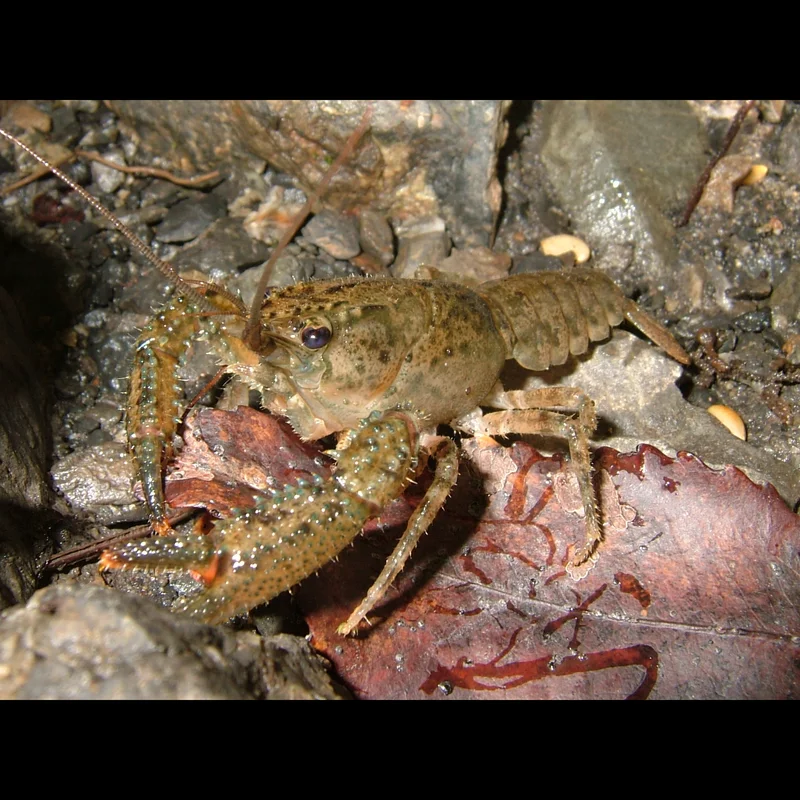
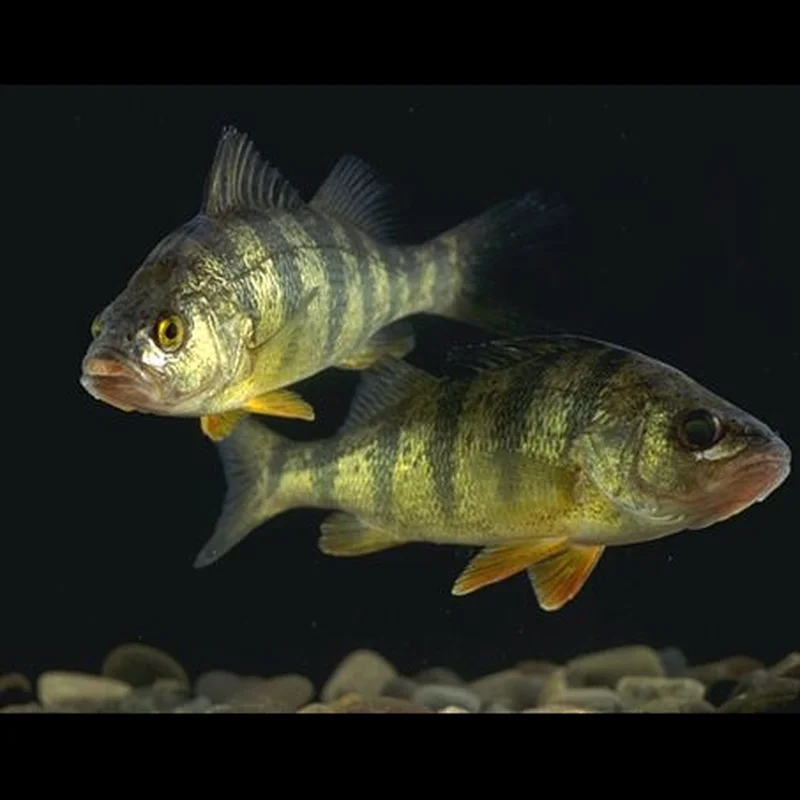
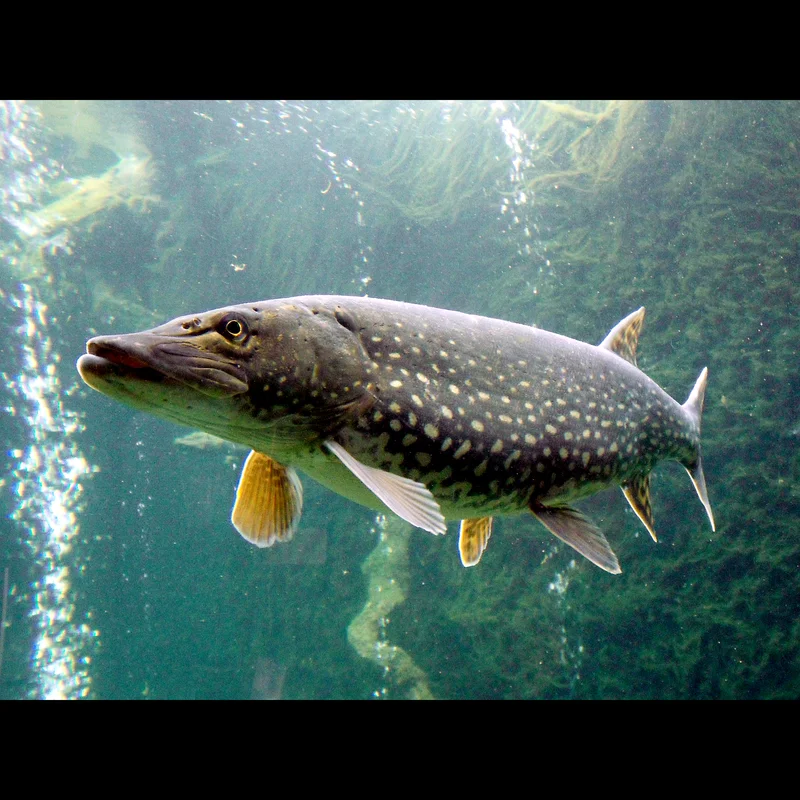
Despite being a freshwater lake, Tougues provides sightings of various aquatic life. Divers might encounter perch, crayfish, and pike during their explorations.
There are even reports of catfish inhabiting the area. During the warmer summer months, a distinct carpet of lake plants flourishes along the shore, creating sheltered areas for smaller organisms. The ecosystem here offers a different kind of biodiversity compared to oceanic sites.

Dive Sites Near Tougues
View all dive sites in FranceDiscover more underwater gems in this area.
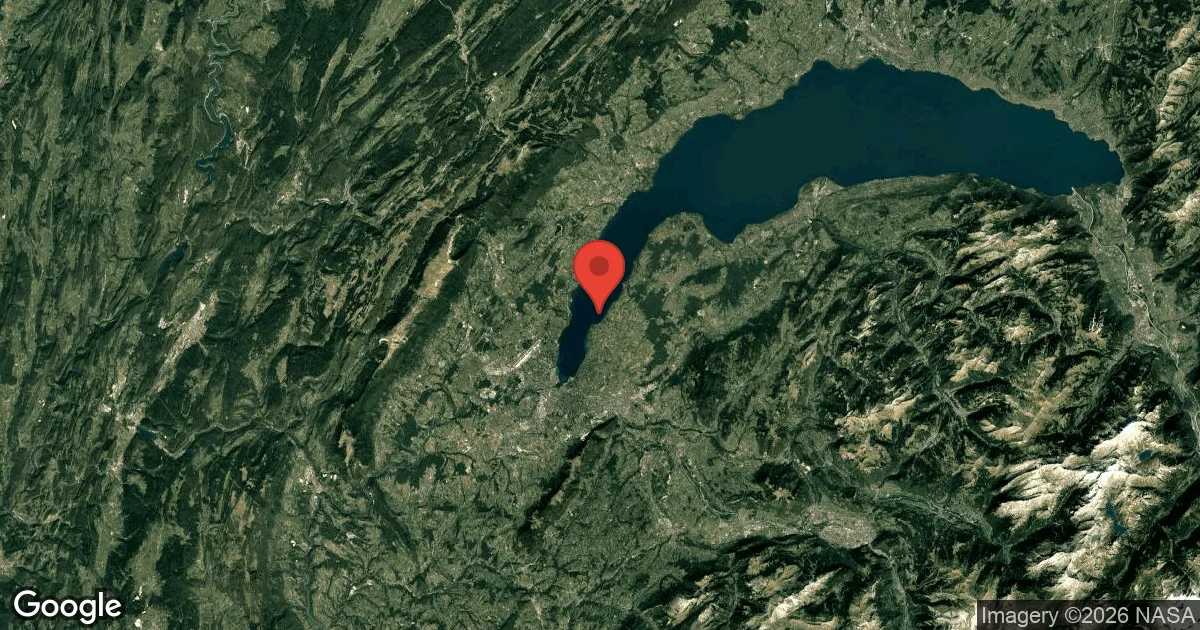
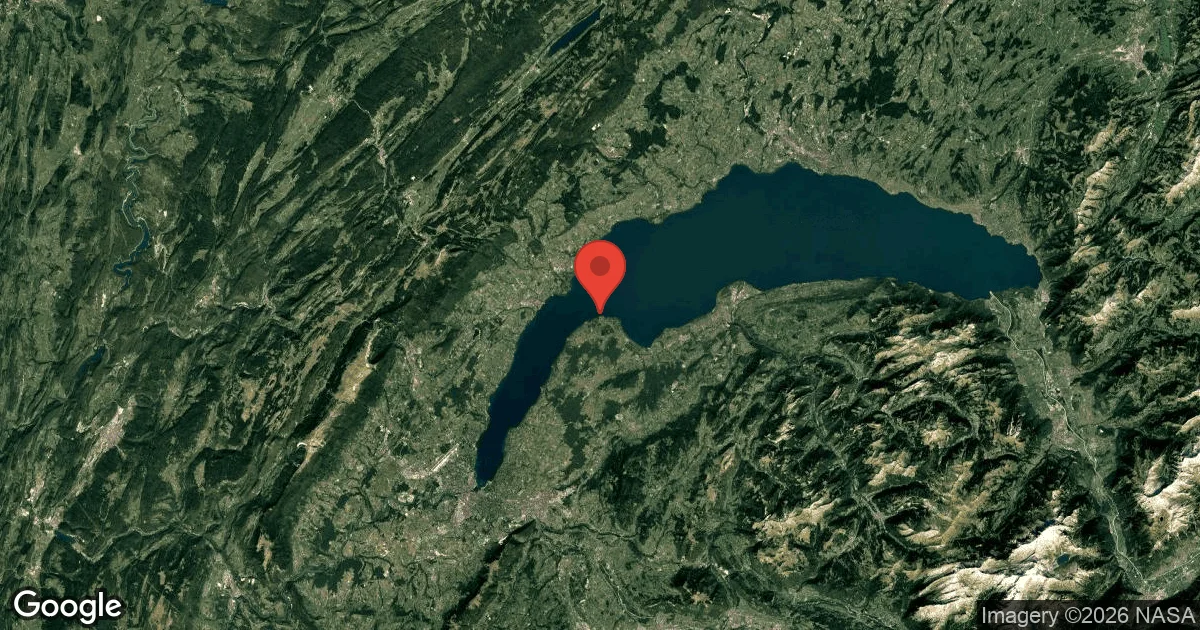
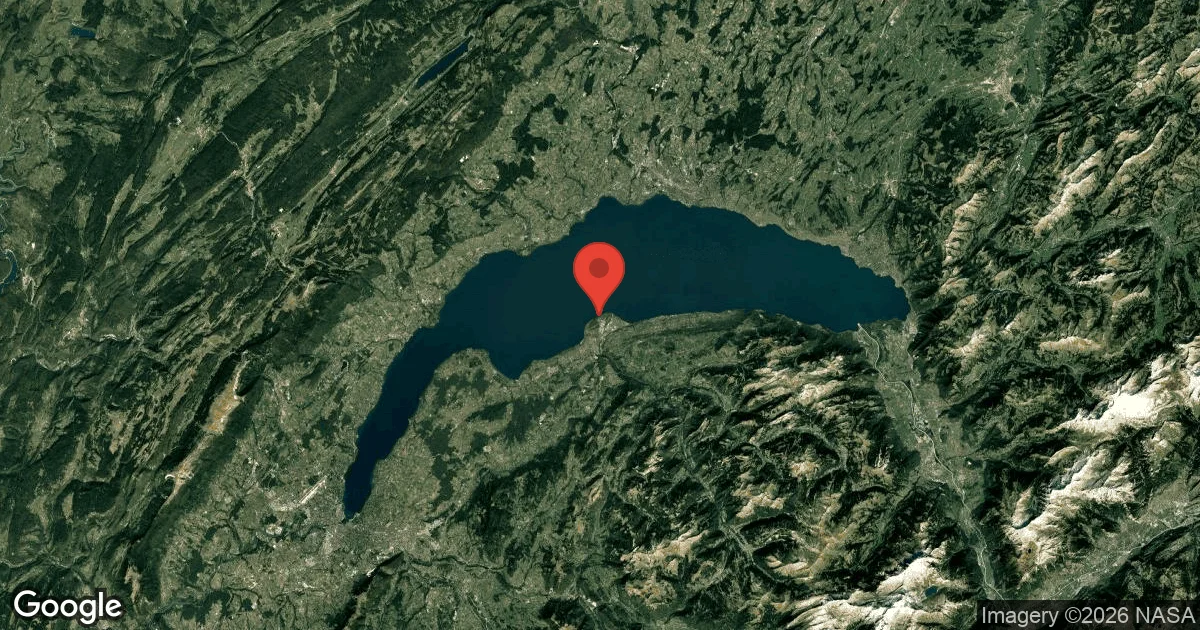
Dive Centers Near Tougues
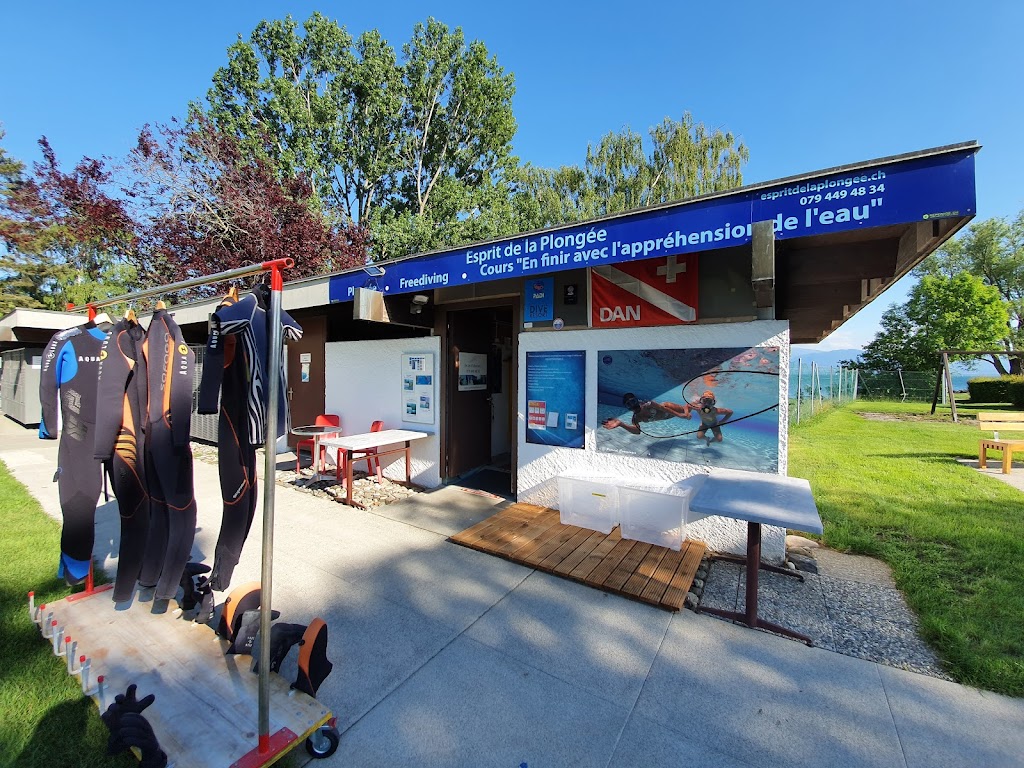
Today: 09:00 - 19:00
Nearest Airports
Nearest airports to help plan travel to this dive area.
Search Flights
Check available flights and routes on Expedia, using the nearby airports listed in this section.
Search Flights on ExpediaFrequently Asked Questions
What is the maximum depth at Tougues?
The maximum depth reported at Tougues is 40 m / 131 ft. Various wrecks are distributed across different depths, from shallower areas to the deeper plane wreck.
What types of dive sites can I expect at Tougues?
Tougues is primarily a wreck dive site, featuring numerous small boats and an airplane wreck. It also offers beach entry and sandy bottom areas within a freshwater lake environment.
Is shore entry available at Tougues?
Yes, Tougues is accessible from the shore or beach. This makes entry convenient and suitable for a variety of divers.
What are some notable wrecks to explore?
Key wrecks include the Piper Cherokee plane in deeper waters, the wooden 'Hirondelle,' and the 'Reine du Lac' boat in shallower zones. There are many other small boat wrecks to discover.
What kind of marine life might I see?
In this freshwater lake, divers might spot perch, crayfish, pike, and occasionally catfish. A carpet of lake plants also grows along the shore in summer, attracting smaller organisms.
Are there recommended certifications for diving here?
For deeper explorations, especially to the plane wreck, certifications like PADI Advanced Open Water Diver and PADI Deep Diver are recommended. A PADI Dry Suit Diver certification can also enhance comfort in cooler freshwater conditions.
How does the freshwater environment affect diving?
Diving in freshwater can lead to different buoyancy characteristics and potentially cooler water temperatures compared to saltwater. Visibility might also vary depending on conditions and sediment disturbance.
Planning to dive Tougues?
Send one inquiry and receive offers directly from the best verified local dive operators.
Conditions are Excellent
07:00 - 14:00
Optimal conditions expected
Current conditions near Tougues show 20° air, --° sea temperature, N/A waves, and 5 km/h wind. Forecast data is refreshed regularly to ensure accuracy.