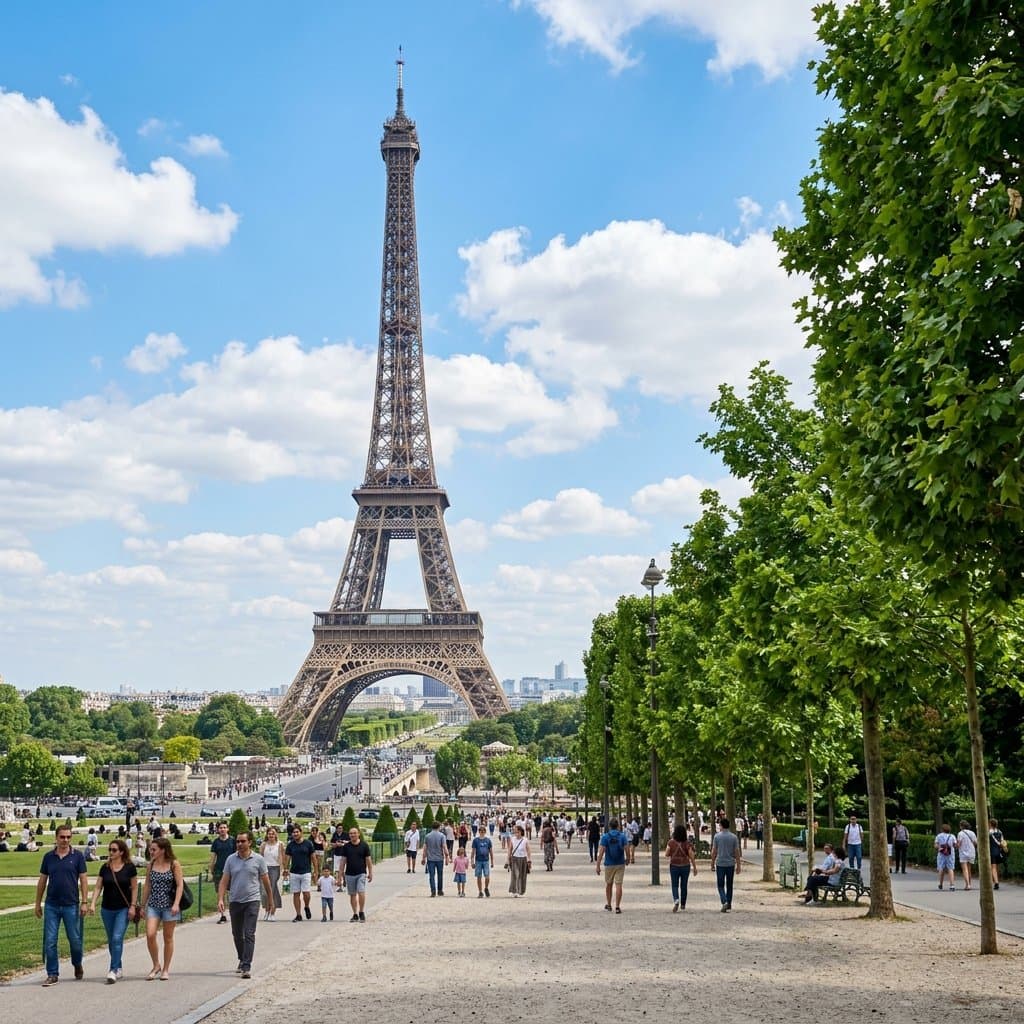
Diving in France
France includes dive locations with differing conditions, shaped by natural features and site exposure. 38 dive locations are currently indexed within France on our platform. The available data helps divers make more informed decisions.
Diving in France presents a varied underwater landscape, distributed across distinct geographical regions. The country's extensive coastline features dive opportunities along the Mediterranean, the Atlantic, and the English Channel, each offering a unique character. Beyond the coastal areas, France also provides specialized inland diving experiences, including high-altitude ice diving in the French Alps and purpose-built indoor facilities.
The Mediterranean coast, particularly the French Riviera and Corsica, accounts for a significant portion of the diving activity. This region provides access to numerous natural reefs, dramatic drop-offs, and a wealth of historical shipwrecks. Dives here often involve exploring ancient cargo ships and World War II vessels, which now serve as artificial reefs.
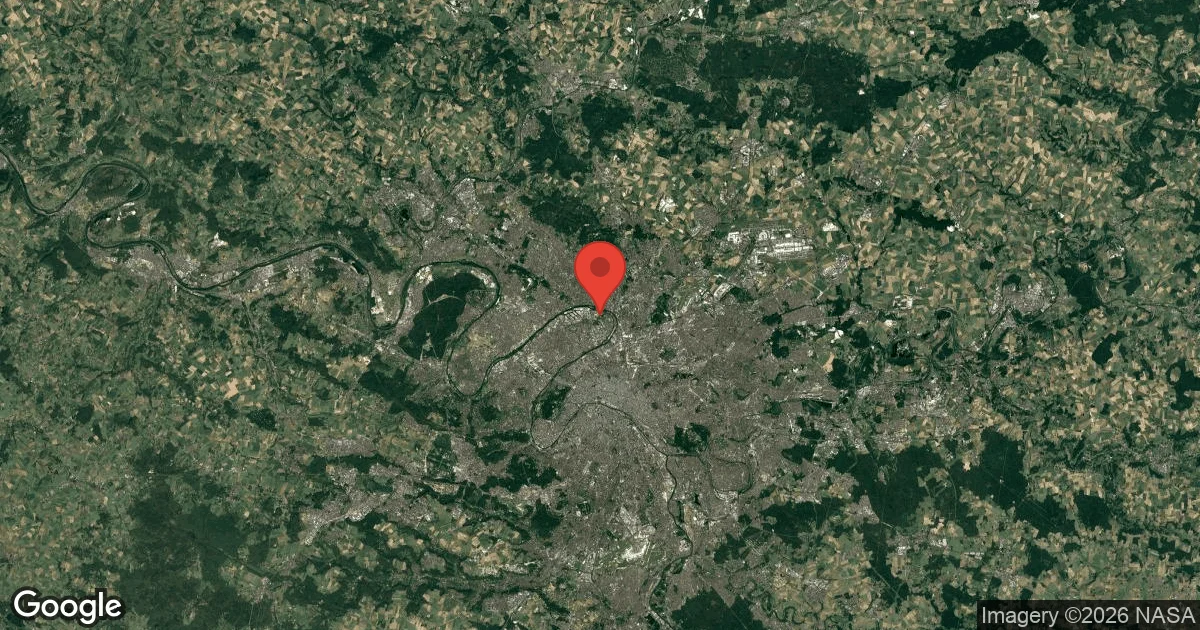
Conversely, the Atlantic coast and Normandy offer a different kind of immersion, primarily known for their historical wrecks, some dating back to the D-Day landings. Even destinations like Paris, though landlocked, contribute to the diving scene with dedicated multi-depth pools. This diverse spread ensures that France caters to a wide spectrum of diving preferences, from warm-water reef explorations to cold-water wreck and ice diving.
Dive Map of France
The diving landscape of France is geographically segmented, allowing for distinct regional experiences. The Mediterranean Sea, encompassing the French Riviera and the island of Corsica, forms the primary hub, characterized by numerous destinations such as Marseille, Cannes, and St Tropez. These areas host many of the country's notable dive sites, often within protected marine parks.
Moving north, the Atlantic coast and regions like Brittany offer cooler waters and a different type of underwater terrain. This coastal stretch provides a contrast to the warmer southern seas.
Further inland, the French Alps provide a unique opportunity for ice diving in lakes such as Lac du Lou and Tignes. Each region's unique geography shapes the type of diving available, from coastal wrecks to high-altitude ice formations, ensuring a wide range of underwater exploration.
Dive Sites to Explore
View all 38 sites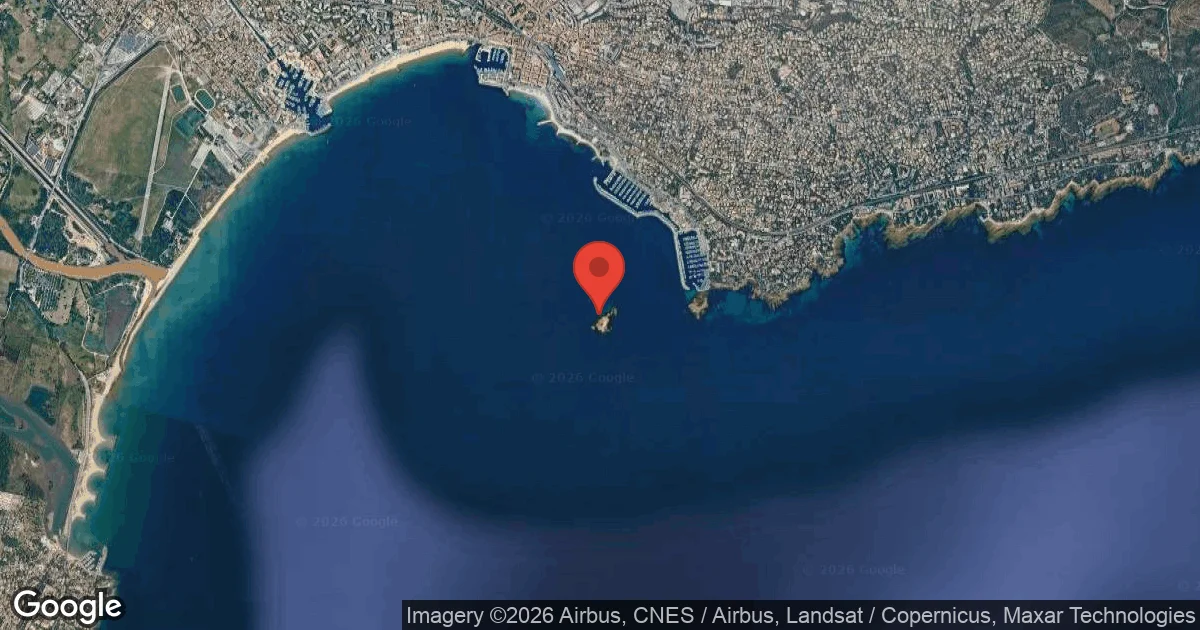
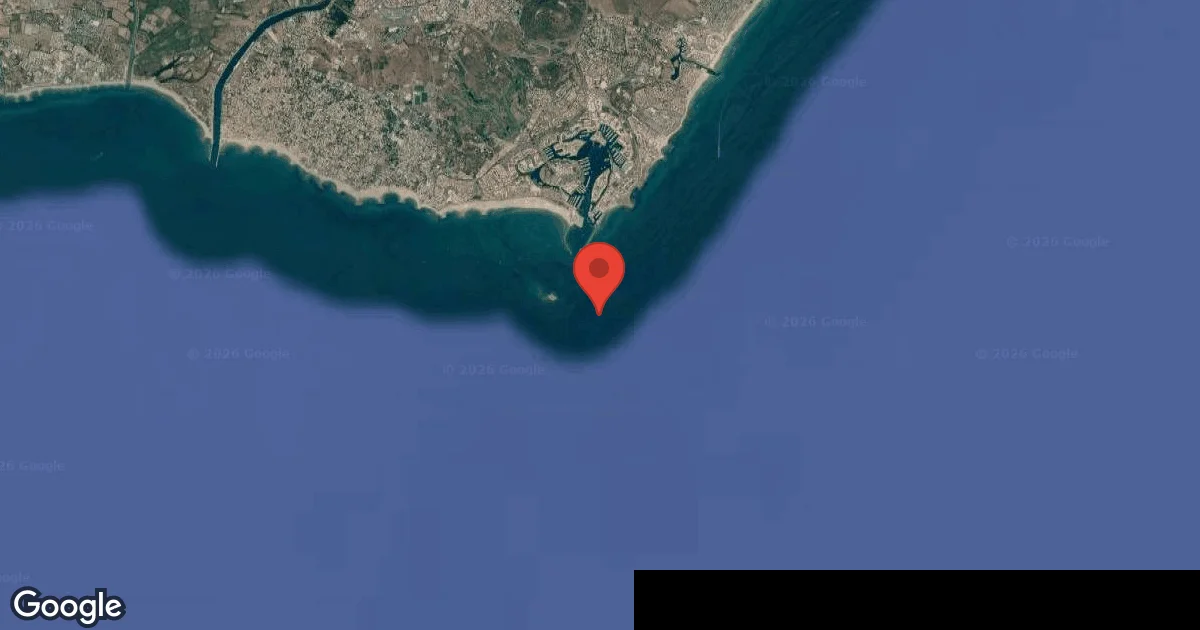
France's dive sites are geographically diverse, offering experiences from historic wrecks to unique natural formations. Along the Mediterranean coast, particularly in the Var region, divers explore concentrations of historical vessels. The cargo ship Togo, for example, rests beyond 45 m (148 ft), suitable for advanced wreck penetration. Nearby, the Donator and Ruby are other significant wreck sites drawing divers to the Mediterranean.
Calanques National Park near Marseille highlights sites around the Riou Islands. L’Imperial du Large descends to 40 m (131 ft), while La Pointe de Caramassaigne also reaches 40 m (131 ft). For cave exploration, La Grotte à Perez has an entrance at 20 m (66 ft) with a maximum depth of 40 m (131 ft). Summer visibility in this area can extend 20-40 m (66-131 ft).
Corsica provides pristine diving with sites like the Library in Calvi Bay and the B17 wreck. Lavezzi Islands offer picturesque diving among canyons and seagrass. In colder waters, Normandy is a wreck diving destination, home to D-Day related vessels like the Empire Broadsword. French Alps offer ice diving in Lac du Lou and Tignes Lake, providing a surreal environment. Additionally, inland regions like Dordogne and Lot feature limestone cave systems, with sites such as Campanina, offering cave diving in clear waters during late summer.
Best Time to Dive in France
The optimal period for diving in France varies significantly by region, largely dictated by water temperatures and prevailing conditions. For the Mediterranean side, including the French Riviera and Corsica, the diving season generally extends from April to November. Peak conditions are often found between June and October, when daily trips are frequently scheduled. During this time, water temperatures are at their warmest, enhancing comfort for divers.
Visibility in the Mediterranean is typically at its best during the summer months, reaching up to 40 m (131 ft). Strong currents can be present around southern France's offshore islands, attracting larger pelagic species, which can influence dive planning. The Atlantic coast, by contrast, has a shorter ideal season, from June to September. Water temperatures here are cooler, typically ranging from 14-16°C (57-61°F) during these months.
Divers planning for the Atlantic should be prepared for more variable visibility, which can range from 5-15 m (16-49 ft). For those interested in ice diving in the French Alps, winter months are necessary when lakes like Lac du Lou and Tignes Lake are frozen. Overall, the warmer months provide the most accessible and comfortable conditions across the majority of France’s dive sites.
Monthly Sea Temperatures
Sea temperatures across France exhibit a broad range, from icy alpine lakes to the relatively warm Mediterranean coast. The Mediterranean Sea generally offers the warmest conditions, with temperatures ranging from 14°C (57°F) in spring to a comfortable 25°C (77°F) in summer. In specific areas like Marseille, temperatures can begin around 14°C (57°F) and rise to 24°C (75°F) in mid-summer, sometimes reaching 26°C (79°F).
In contrast, the Atlantic coast experiences cooler waters, typically staying between 10-18°C (50-64°F). The ideal season from June to September sees temperatures of 14-16°C (57-61°F) in these northern areas, with Brittany's waters being particularly cold.
The most extreme cold-water diving occurs in the French Alps, where ice diving takes place in waters around 2°C (36°F). For year-round warmth, indoor diving facilities like La Fosse de Villeneuve La Garenne maintain a constant 29°C (84°F).
| Jan | Feb | Mar | Apr | May | Jun | Jul | Aug | Sep | Oct | Nov | Dec | |
|---|---|---|---|---|---|---|---|---|---|---|---|---|
| Max | 15° | 14° | 15° | 16° | 21° | 26° | 26° | 26° | 26° | 23° | 21° | 18° |
| Avg | 14° | 13° | 14° | 15° | 18° | 22° | 23° | 24° | 23° | 21° | 19° | 16° |
| Min | 13° | 13° | 13° | 13° | 15° | 18° | 21° | 21° | 20° | 19° | 16° | 13° |
Dive Conditions
Dive conditions in France are highly variable, influenced by geography and season, which dictates both visibility and currents. The Mediterranean Sea, particularly during summer, offers excellent visibility, often ranging from 20-40 m (66-131 ft). In areas like Marseille, visibility can reach up to 25 m (82 ft) when water temperatures are around 18°C (64°F), though higher temperatures might correlate with slightly lower visibility. The clear seas of the Mediterranean provide favorable conditions for exploring reefs and wrecks.
Conversely, the Atlantic coast and regions like Brittany present more variable conditions. Visibility here typically ranges from 5-15 m (16-49 ft) and can sometimes be described as milky, especially in areas with kelp fields like the Glénan Islands.
Currents also differ significantly; while Corsica often experiences mild currents, strong currents can be found around southern France's offshore islands. These stronger currents attract schooling barracuda and other pelagic fish, offering dynamic drift diving opportunities. Divers should always assess local conditions and consult dive operators, as these factors directly impact dive planning and safety.
Marine Life Highlights
Most Mentioned Species
Marine life in France varies across dive locations, with different species appearing depending on environment and conditions. The species highlighted here are the most frequently associated with dive sites in our data, offering a realistic overview of what divers are most likely to encounter.
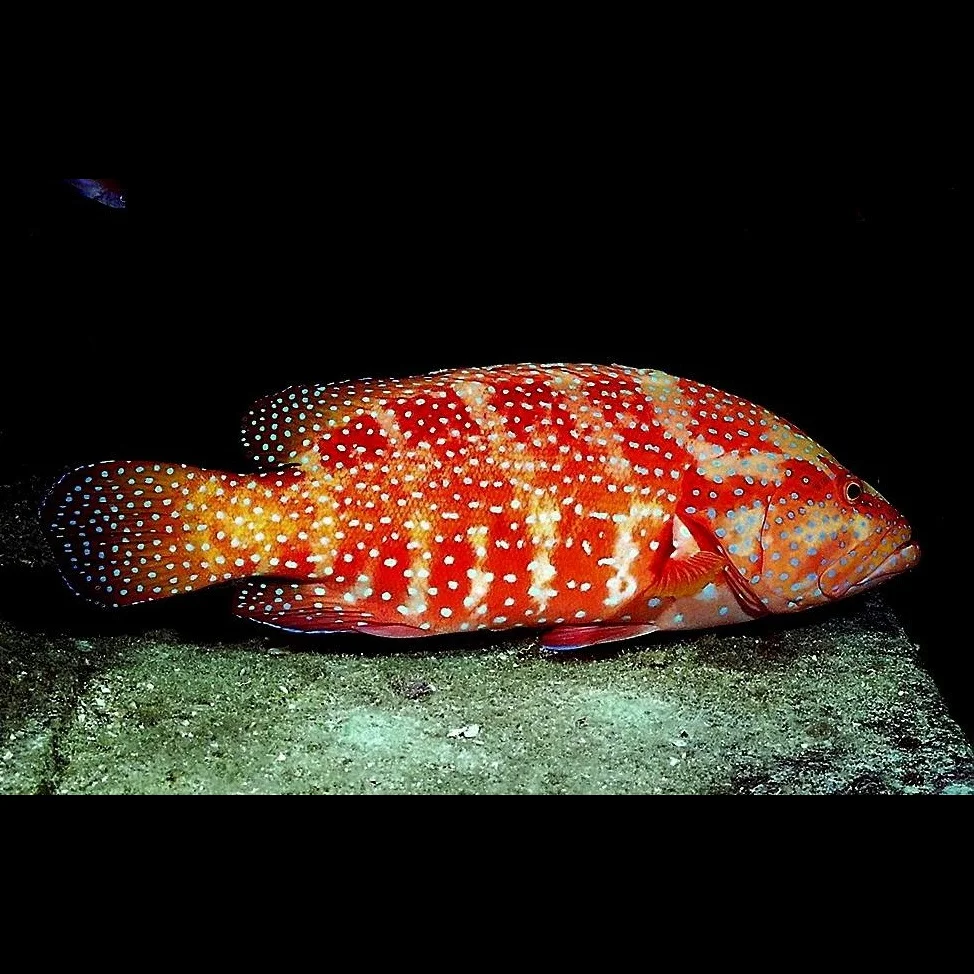
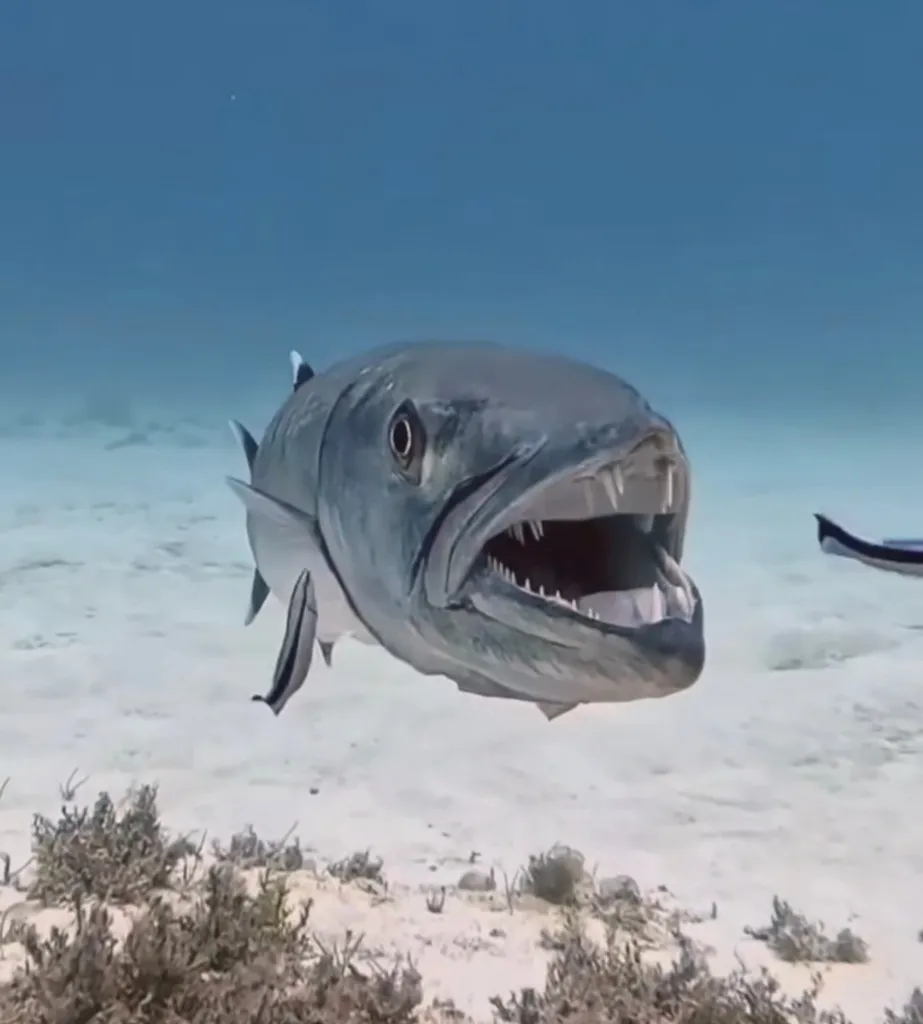
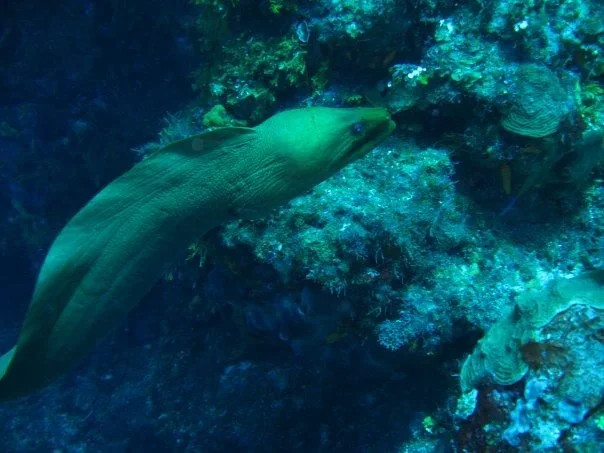
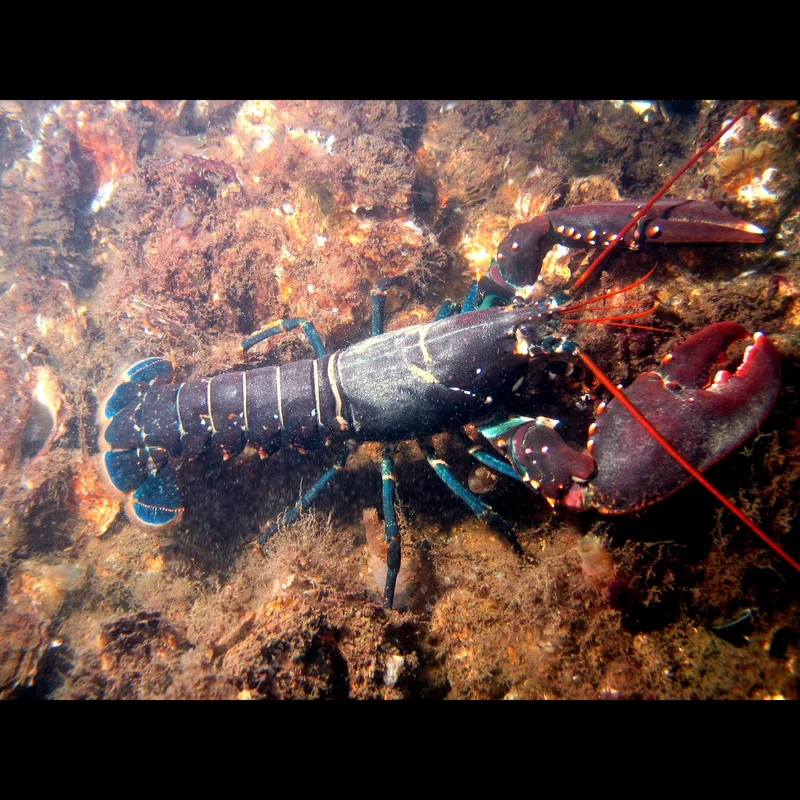
France's marine environments host a diverse array of life, with signature species varying between the Mediterranean and Atlantic coasts. The Mediterranean is home to abundant groupers, which can be found in sites like Peelu Shoal and La Gabinière, alongside barracudas often seen schooling. Divers frequently encounter octopuses, moray eels, and various nudibranchs, including dotted sea slugs and pink flabellinas. The underwater landscape is further adorned with gorgonians, including yellow and red varieties, cup corals, and sponges, providing habitat for numerous invertebrates.
Larger marine animals are also present; common and bottlenose dolphins can be observed year-round. Loggerhead and hawksbill turtles may be seen from May to September. Seasonal visitors to the Mediterranean include sperm whales in spring or autumn, and occasionally sun-fish in June.
In the colder Atlantic waters, especially around wrecks in Normandy, the habitats are rich with crustaceans like velvet crab, edible crab, lobsters, and sea spiders. Humpback whales are occasionally spotted in these waters during their migrations.
Regions for Diving
France offers a truly diverse array of diving regions, each with distinct characteristics. The Mediterranean Coast, encompassing the French Riviera and destinations like Marseille, serves as a primary diving hub. Calanques National Park within this region features spectacular underwater cliffs, caverns, and gorgonian fans. Marseille, Cannes, St Tropez, and Hyères provide access to sites with historical wrecks such as the Donator, Ruby, and Togo. Water temperatures here range from 14-25°C (57-77°F), with summer visibility of 20-40 m (66-131 ft), and a season from April to November.
Corsica, often called the 'Island of Beauty,' provides some of France’s most pristine diving. This island destination offers year-round opportunities among WWII wrecks, dramatic canyons, and seagrass meadows. Sites off Ajaccio and Calvi, including the Library and the B17 wreck, are popular. Divers can expect mild currents and consistently good conditions.
Atlantic Coast, including Brittany and the Glénan Islands, offers a different experience with cooler, temperate waters, typically 10-18°C (50-64°F) from June to September. Visibility is more variable, ranging 5-15 m (16-49 ft). This coast is rich in historical wrecks like the Iceland and features kelp fields.
For a unique experience, French Alps, with Val Thorens and Tignes, offer high-altitude ice diving. Lakes like Lac du Lou freeze for up to six months, creating a surreal dive environment in waters around 2°C (36°F). Inland, the Dordogne and Lot regions are known for their limestone cave systems, providing clear, relatively warm waters in late summer for cave diving.
Travel & Passport Guide
Travel Basics
Trip Planning
Safety & Diving Considerations
Ensuring safety while diving in France requires an understanding of the varying conditions across its diverse aquatic environments. Strong currents, particularly around southern France’s offshore islands, can present challenges and necessitate advanced diving skills and careful planning. Divers should always be aware of local current patterns and communicate closely with dive operators to select appropriate sites for their experience level.
Visibility can also fluctuate significantly, from excellent conditions of 20-40 m (66-131 ft) in the Mediterranean during summer to more variable, sometimes milky visibility of 5-15 m (16-49 ft) on the Atlantic coast. Divers should be prepared for these differences and adjust their expectations and equipment accordingly.
The wide range of water temperatures, from 2°C (36°F) for ice diving to 25°C (77°F) in the Mediterranean, means appropriate thermal protection, such as dry suits for colder waters, is crucial. New divers may prefer the warmer, clearer waters of southern France, while experienced divers can explore challenging cave systems and deep wrecks, always adhering to established safety protocols and depth limits.
Dive Centers in France
View all 12 dive centers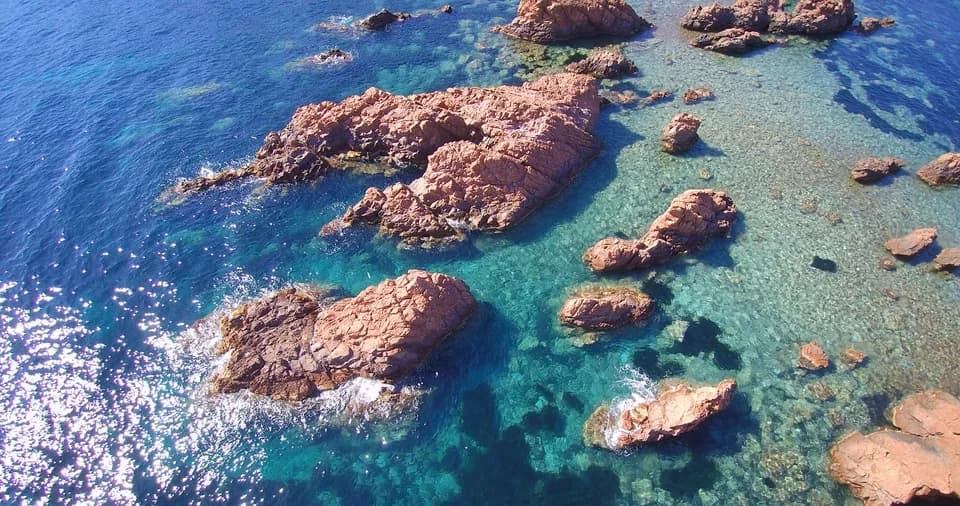
Frequently Asked Questions
What are the primary diving regions in France?
France offers diverse diving across several key regions. The Mediterranean coast, including the French Riviera, Marseille, and Corsica, is known for its warm waters, reefs, and historical wrecks. The Atlantic coast and Brittany provide cooler waters and numerous wreck sites. Additionally, the French Alps offer unique ice diving experiences, while inland regions like Dordogne and Lot are popular for cave diving.
When is the best time to dive in France?
The ideal diving period depends on the region. For the Mediterranean, April to November is generally best, with peak conditions from June to October. The Atlantic coast is best from June to September. Corsica offers year-round diving. Ice diving in the Alps is a winter activity when lakes are frozen. Always check local conditions and water temperatures for your chosen destination.
What marine life can I expect to see?
Mediterranean dives often feature groupers, barracudas, octopuses, moray eels, and nudibranchs. You might also spot common and bottlenose dolphins, and occasionally sperm whales. Wreck sites, particularly on the Atlantic coast, attract crustaceans like lobsters and velvet crabs. Humpback whales are sometimes seen in Atlantic waters during migration.
What are the typical water temperatures?
Water temperatures vary significantly. The Mediterranean ranges from 14-25°C (57-77°F), with some areas reaching 26°C (79°F) in summer. The Atlantic coast is cooler, typically 10-18°C (50-64°F). For ice diving in the French Alps, temperatures are around 2°C (36°F), requiring specialized dry suits. Inland cave systems can offer relatively warm waters in late summer.
What are the visibility conditions like?
Visibility in the Mediterranean is generally excellent, often 20-40 m (66-131 ft) during summer. Around Marseille, it can reach up to 25 m (82 ft). On the Atlantic coast, visibility is more variable, ranging from 5-15 m (16-49 ft), and can sometimes be milky. Conditions depend on local currents and weather, so checking with local dive centers is advisable.
Are there opportunities for wreck diving?
Yes, France is well-regarded for its wreck diving. The Mediterranean, particularly the Var region and off Cannes and Nice, holds numerous World War I and II wrecks like the Togo, Donator, and Rubis. Normandy is a prominent wreck diving destination, featuring sites related to the D-Day landings. Corsica also offers WWII wreck explorations.