
Diving at Lake Geneva (Switzerland)
Beneath the surface of this alpine expanse, divers encounter a distinctive freshwater landscape. Submerged forests, rocky formations, and diverse basin beds define the underwater environment. This expansive body of water, with its significant depths, offers a serene backdrop for exploration. Divers will navigate a terrain that continually changes from shallow, vegetated areas to more rugged, deeper sections. The structural variety provides a compelling visual experience unique to this large freshwater system.
Recent updates for Lake Geneva show an air temperature measuring 19°C. Overall water conditions reflect the typical seasonal state for Switzerland. Please exercise standard safety precautions before entering the water.
Dive Site Location & Key Facts
Dive Site Overview
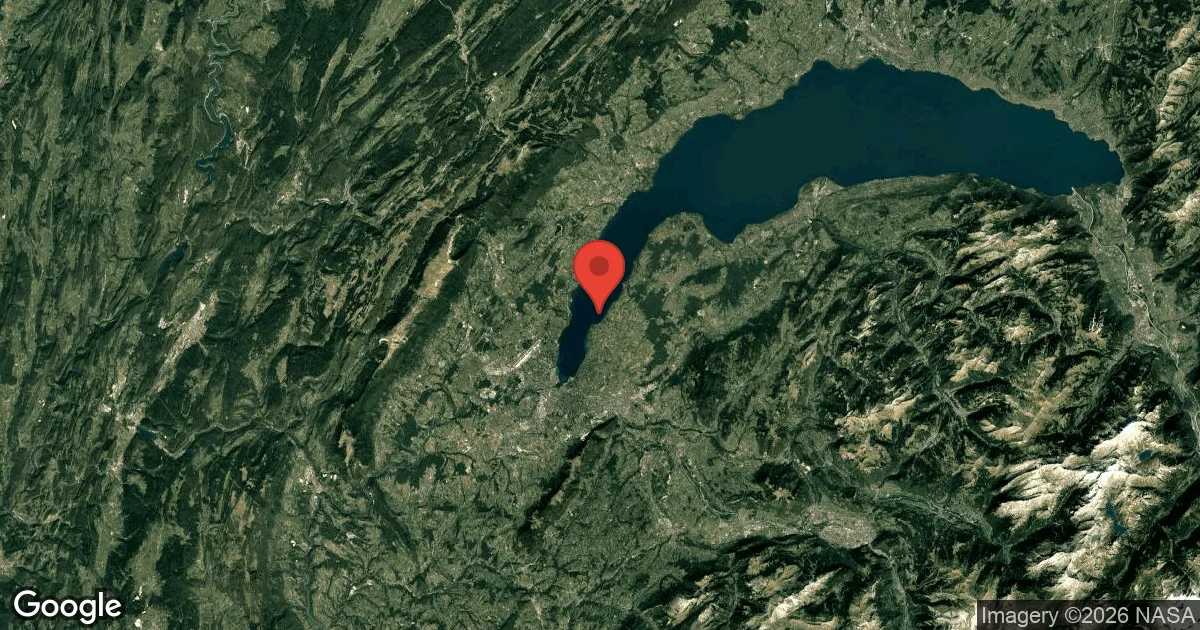
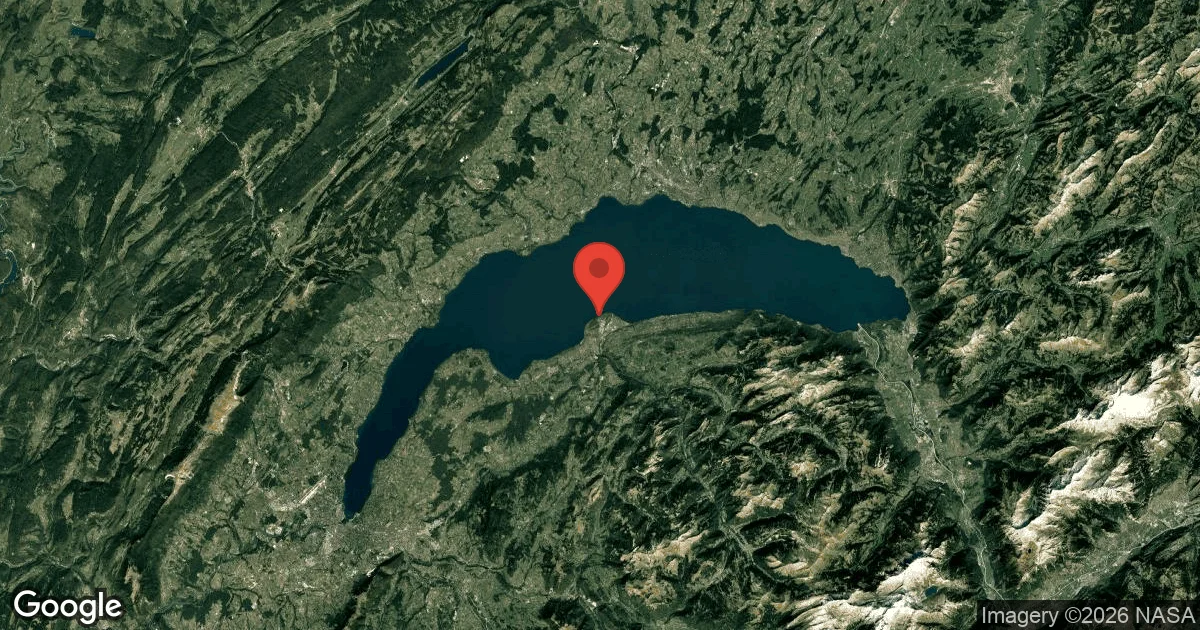
An exploration of freshwater depths unfolds in this vast alpine basin, presenting a distinct contrast to typical coastal diving experiences. Located approximately 20 minutes from Geneva, this expansive body of water invites divers to discover a submerged world shaped by both natural forces and human intervention.
Access is often straightforward, with numerous beach entry points simplifying entry. Divers here encounter a variety of sites, including several known wreck dives, which complement the many natural features such as rocky formations and remnants of submerged forests. The clear waters and unique aquatic life create a singular appeal for those accustomed to marine environments, drawing attention to its unique freshwater ecosystems.
This landlocked system offers surprising underwater adventures, ideal for honing freshwater diving skills and seeking tranquility away from typical marine currents. Submerged topography continually changes, from gradual sandy bottoms near shore to more abrupt drop-offs and canyon-like structures in deeper sections.
These diverse environments support a range of aquatic life and provide varied photographic opportunities. Recreational divers typically explore within the upper 30 m (100 ft), where light penetration is still significant, revealing details of the underwater terrain. Experienced divers might venture deeper, though conditions become notably colder and darker.
Conditions are Excellent
07:00 - 14:00
Optimal conditions expected
Current conditions near Lake Geneva show 19° air, --° sea temperature, N/A waves, and 8 km/h wind. Forecast data is refreshed regularly to ensure accuracy.
Best Time to Dive
Optimal visibility typically coincides with the warmer months of this alpine body of water, generally spanning from May to September. During this period, water temperatures range from 12–22°C (54–72°F), with air temperatures averaging 14.5–23°C (58–73°F). These summer months also bring calmer surface conditions and extended daylight hours, which can significantly enhance underwater photography and exploration. Rainfall is comparatively lower, with averages between 2.2-4.5mm from May through September, contributing to more consistent underwater clarity. While diving is possible year-round, colder conditions outside this window necessitate specialized thermal protection.
PEAK SEASON SCORE
Scores combine air & water temps, waves, wind & rainfall for overall conditions.
BEST MONTHS TO DIVE
Monthly records compiled from satellite and marine observation nodes over the last 3 years. Data provided by Open-Meteo and MET Norway.
Dive Experience & Conditions
Descending into these alpine depths, divers quickly notice the distinct thermal layers characteristic of large freshwater bodies. Surface waters can reach 22°C (72°F) in summer, but temperatures drop significantly at deeper sections, often requiring robust thermal protection. While this basin is known for its clear waters, visibility can vary depending on recent weather, boat traffic, and seasonal algal blooms. Submerged rocky formations and remnants of forests create an intricate environment to explore. Currents generally remain mild throughout the system, but divers should be prepared for potential variations in specific areas or during strong winds at the surface. This environment rewards precise buoyancy control.
Dive Difficulty & Safety Guidelines
Navigating this freshwater expanse requires awareness of its specific conditions. Cold water is a primary consideration, especially when diving beyond the warmer surface layers or outside the peak summer months. Divers should anticipate thermoclines, which can affect buoyancy and comfort; proper weighting is crucial.
Although generally calm, surface boat traffic necessitates the use of a Surface Marker Buoy (SMB) for safety, particularly during ascents. Divers should also be mindful of potential entanglement risks from fishing lines or other submerged debris common in these aquatic settings.
Comprehensive dive planning and appropriate training for freshwater and cold-water conditions are highly recommended.
Recommended Equipment
- Dive Computer
This gear list is based on verified equipment signals for Lake Geneva, Switzerland. Always confirm final gear choices with your dive operator, guide, or liveaboard.
Recommended Dive Suit
Based on regional estimates and current weather, the likely required exposure protection is a 5mm or thicker wetsuit. Note that local currents and upwellings can alter this. Surface intervals may feel cooler.
Because recent water temperature readings are not available for Lake Geneva, the guidance below is based mainly on current air conditions and seasonal expectations. Current surface air temperatures are roughly 19°C (66°F).
Due to unpredictable weather patterns, conditions may change rapidly. A warming trend is expected over the next few days.
Emergency & Medical Support
Essential information to help you plan your dive trip to Lake Geneva.

Hyperbaric chambers are a critical part of dive safety infrastructure. Availability varies significantly by region, and not all dive areas have immediate access.
Before diving, it's recommended to:
- confirm nearest medical facilities
- check emergency procedures with local dive operators
- ensure dive insurance covers evacuation if required
Divers Alert Network
Diving emergency assistance available through DAN Europe.
+39 0642115685- 24/7 emergency hotline
- Diving medical assistance
- Evacuation coordination
Emergency contacts are provided for reference. Always verify local emergency services before diving.
Closest Listed Hyperbaric Chambers
Showing listed hyperbaric chamber facilities within 200 km of this dive site.
Distances are approximate straight-line distances and may not reflect emergency travel time.
Unité de Medecine Subaquatique et Hyperbare des HUG
24/7 ListedICU CapableGeneva 14, Switzerland•Approx. 24 km straight-line
Unité de Medecine Subaquatique et Hyperbare des HUG
24/7 ListedICU CapableInformation is provided for reference and planning purposes only. Dive Navigator does not verify operational status, staffing, availability, or quality of care at listed facilities. In an emergency, contact local emergency services, DAN, your dive operator, or the chamber directly. Do not travel to a facility without calling ahead.
Centre Hyperbare de Bâle
Basel, Switzerland•Approx. 165 km straight-line
Centre Hyperbare de Bâle
Information is provided for reference and planning purposes only. Dive Navigator does not verify operational status, staffing, availability, or quality of care at listed facilities. In an emergency, contact local emergency services, DAN, your dive operator, or the chamber directly. Do not travel to a facility without calling ahead.
Marine Life at Lake Geneva
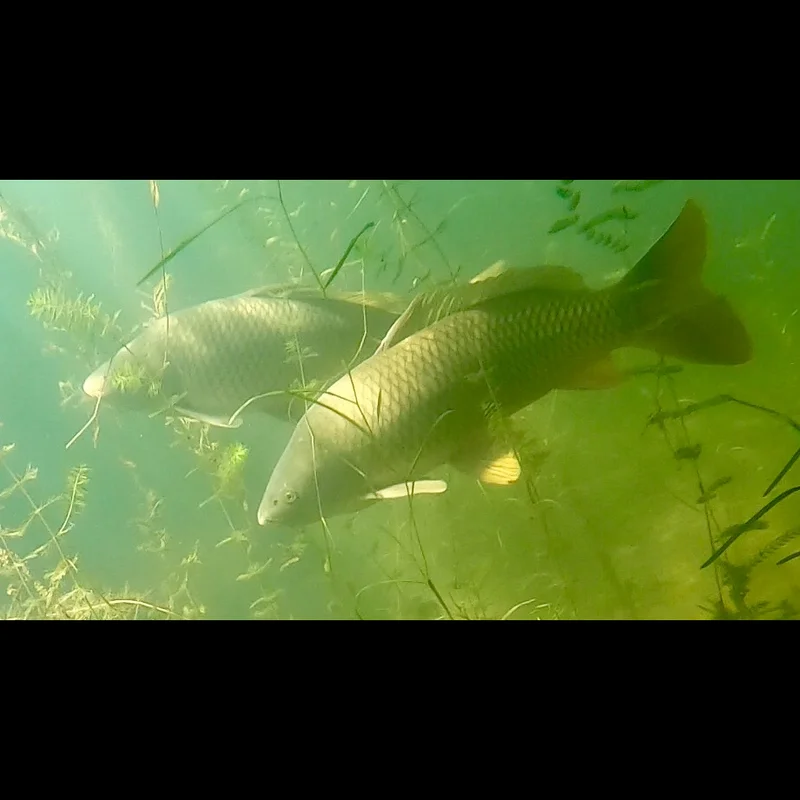
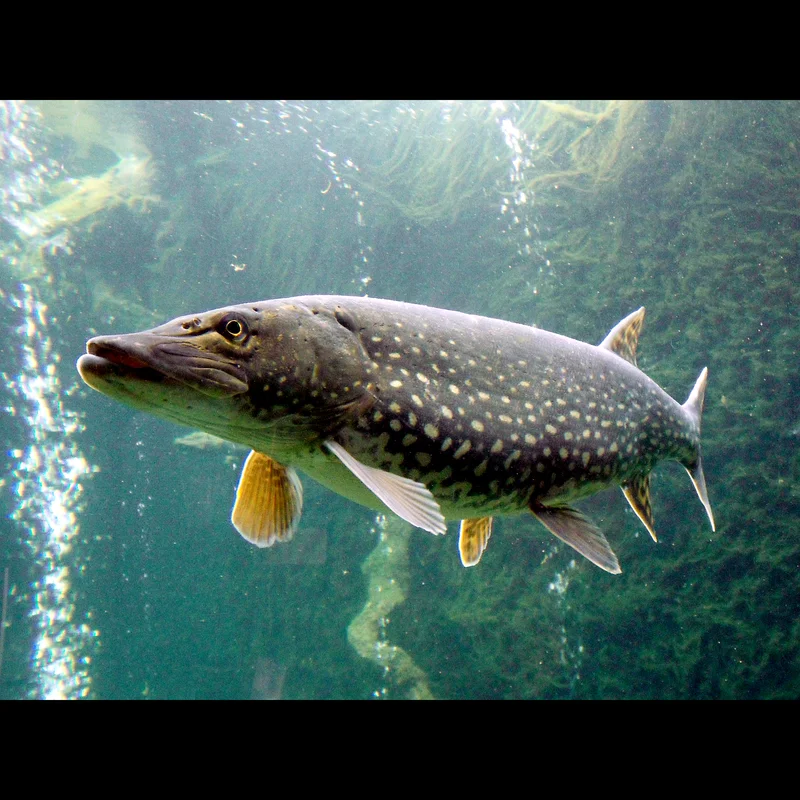
Divers exploring these extensive waters often first encounter the larger freshwater fish species. Pike, trout, and carp are regularly observed navigating among the rocky formations and submerged vegetation.
While the ecosystem presents a different spectrum of color compared to coral reefs, these fish provide engaging encounters. Smaller invertebrates and various types of aquatic plant life also inhabit the basin floor, contributing to the distinct underwater biodiversity. The appeal lies in observing how these creatures thrive within a unique freshwater habitat.
Dive Sites Near Lake Geneva
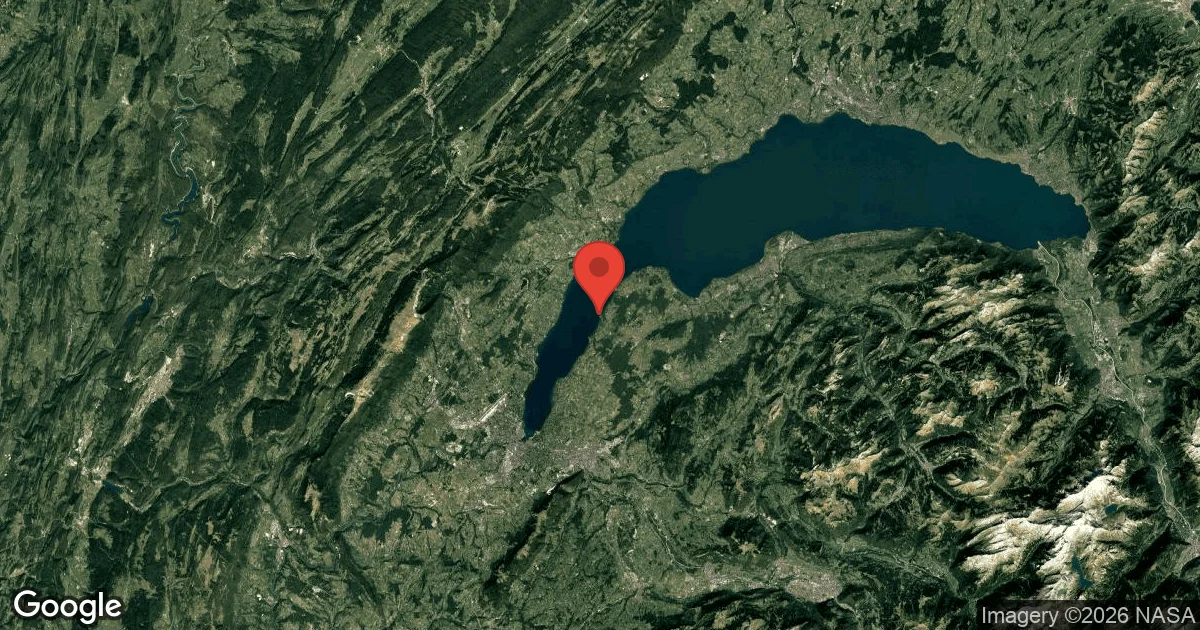
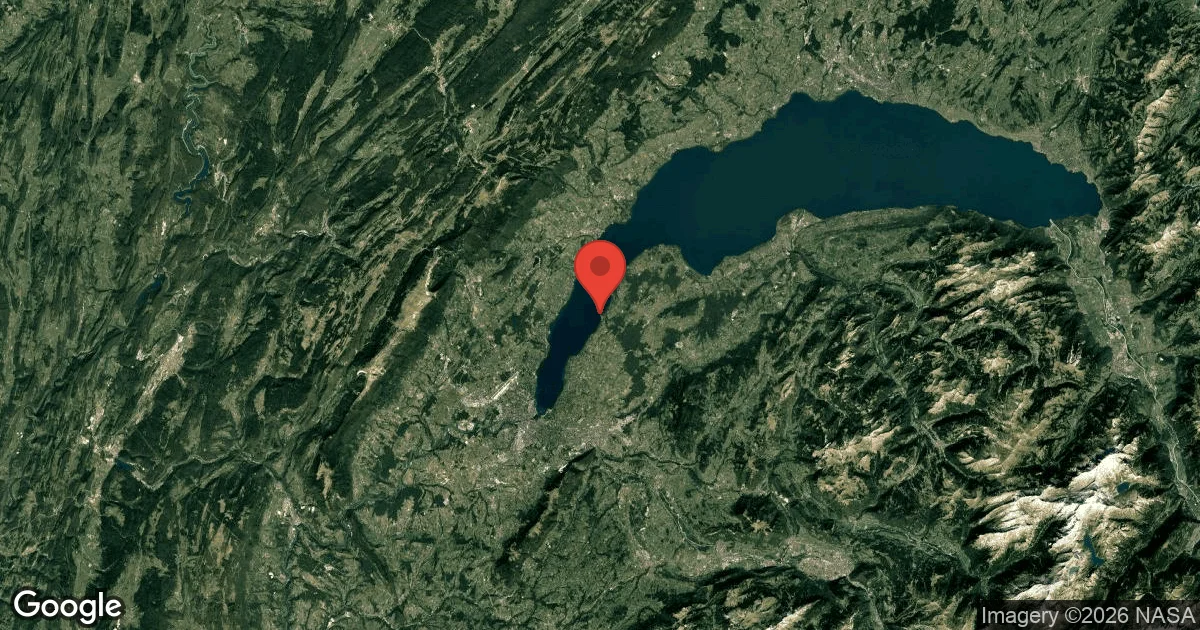
View all dive sites in SwitzerlandDiscover more underwater gems in this area.
Dive Centers Near Lake Geneva
Today: 09:00 - 19:00
Nearest Airports
Nearest airports to help plan travel to this dive area.
Search Flights
Check available flights and routes on Expedia, using the nearby airports listed in this section.
Search Flights on ExpediaFrequently Asked Questions
What are the typical water temperatures in Lake Geneva?
Water temperatures in this expansive basin vary seasonally. During the warmer months from May to September, surface temperatures range from 12–22°C (54–72°F). Deeper sections will always be considerably colder, necessitating appropriate thermal protection.
Is this freshwater environment suitable for beginner divers?
Yes, this body of water is considered suitable for beginners. Its generally calm conditions and accessible beach entry points, particularly around areas like Hermance, provide good conditions for learning and training. Many dive operators offer courses for entry-level divers here.
What kind of marine life can be observed in these waters?
Divers can expect to see various freshwater species, including trout, pike, and carp. The ecosystem also supports a range of smaller invertebrates and diverse aquatic plant life, offering a unique viewing experience different from marine environments.
Are there any wreck dives available here?
Yes, this region features several wreck dives. The area lists 7 known wreck sites among its 12 dive sites, providing additional exploration opportunities for certified divers interested in submerged historical or artificial structures.
What kind of visibility can I expect when diving this site?
This site generally offers clear waters, particularly during the warmer, drier months. However, visibility can vary based on factors like recent rainfall, surface activity, and seasonal plankton blooms. It's best to check local conditions before planning your dive.
Where are the main access points for diving this basin?
Many dive operations in this area utilize beach entries, making access straightforward. A popular and convenient entry point is located at Hermance, approximately 20 minutes from Geneva, which serves as a common base for courses and guided dives.
Planning to dive Lake Geneva?
Send one inquiry and receive offers directly from the best verified local dive operators.
Conditions are Excellent
07:00 - 14:00
Optimal conditions expected
Current conditions near Lake Geneva show 19° air, --° sea temperature, N/A waves, and 8 km/h wind. Forecast data is refreshed regularly to ensure accuracy.