
Diving at Kalogria (Greece)
While Kalogria is generally considered a calm dive location, varying conditions can impact dive planning, requiring divers to stay informed about local forecasts. Its coastal position provides easy shore access, making it a favored spot for entry-level training and relaxed underwater explorations. The diverse underwater landscape, from shallow reefs to gentle slopes, invites a range of diving abilities to experience its appeal. It's an accessible destination, well-supported by local dive centers.
Evening condition tracking at Kalogria features an air temperature of 23°C. We have recorded wave heights measuring 0.1 m during this period. These figures outline the environmental parameters currently present.
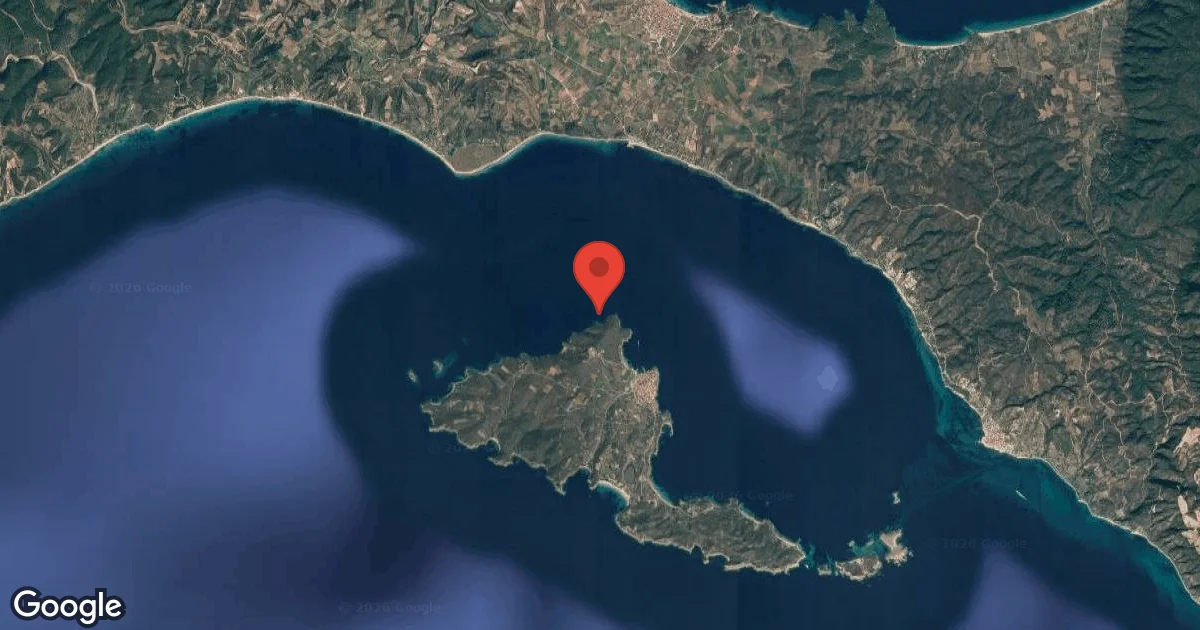
Dive Site Location & Key Facts
Dive Site Overview
Kalogria has long served as a foundational training ground and discovery point for divers exploring Greece's underwater world, with local PADI centers establishing a significant presence here since at least 2015. Over the years, these operations have welcomed both beginners and certified divers, building on generations of local experience and a deep respect for the marine environment.
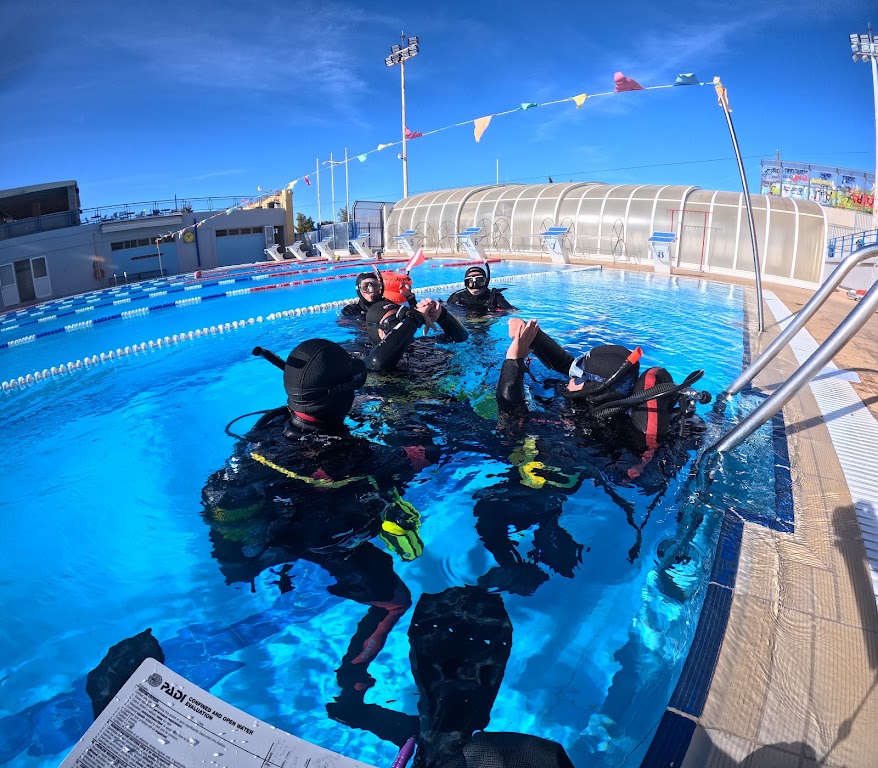
The site presents a spectrum of dive profiles, ranging from shallow, accessible reefs perfect for introductory experiences like Discover Scuba Diving to deeper, more expansive explorations of its varied seabed. This adaptability makes Kalogria a versatile location for advancing skills or simply enjoying a guided underwater excursion. Its golden sands lead directly into clear waters, supporting both shore dives and easy boat access to nearby spots.
Max depths for beach dives typically reach 30 m (100 ft), while a nearby reef, known as Kalogria Reef, allows descents to approximately 40 m (130 ft). It offers divers the chance to explore rocky coves and gently sloping terrain, discovering different aspects of the local ecosystem.
Conditions are Excellent
07:00 - 14:00
Optimal conditions expected
Current conditions near Kalogria show 23° air, 25° sea temperature, 0.1 m waves, and 11 km/h wind. Forecast data is refreshed regularly to ensure accuracy.
Best Time to Dive
Divers seeking optimal conditions for an enjoyable experience should consider visiting Kalogria between April and October, when the diving conditions are reported as the best, offering generally calm seas and excellent visibility. During these months, water temperatures are notably comfortable, typically around 25°C (77°F) in summer. Even outside the peak summer, temperatures remain agreeable, dropping to about 15°C (59°F) in winter, which makes year-round diving possible if properly equipped. Air temperatures throughout this prime period typically range from 15°C (59°F) in April, climbing to a peak of 29°C (84°F) in July, before gradually settling to 19°C (66°F) in October. Rainfall is minimal in summer, with June, July, and August averaging less than 1 mm, minimizing surface disturbance and enhancing overall dive quality. Planning during these periods maximizes comfort and visual clarity underwater.
PEAK SEASON SCORE
Scores combine air & water temps, waves, wind & rainfall for overall conditions.
BEST MONTHS TO DIVE
Monthly records compiled from satellite and marine observation nodes over the last 3 years. Data provided by Open-Meteo and MET Norway.
Dive Experience & Conditions
The underwater topography at Kalogria transitions from sandy shore entries to diverse reef structures and rocky coves, accommodating various skill levels. For those beginning their underwater journey, beach entry dives offer a gentle introduction, gradually sloping to a maximum recreational depth, typically around 30 meters. This range is ideal for introductory programs and skill refinement, providing a safe and controlled environment. Exploring further, especially around the named Kalogria Reef, divers can find profiles extending to greater depths, approaching 40 meters, which offers opportunities for more advanced exploration. Visibility is generally excellent across the site, often reaching up to 30 m (100 ft), providing clear views of the marine environment. Waters remain relatively calm, though local conditions can vary, influencing surface chop or slight currents that divers should be mindful of.
Dive Difficulty & Safety Guidelines
For any dive at Kalogria, consulting with a local dive center is an essential first step. They can provide current site-specific briefings and adapt plans based on real-time conditions. While the area is generally calm, staying aware of local currents and weather changes is important; these factors can influence visibility and the ease of entries or exits, especially on shore dives.
Adhering to established dive plans and maintaining appropriate depths for your certification level contributes significantly to a safe dive. Beginners and certified divers alike benefit from the guidance of experienced instructors who know the nuances of Kalogria's underwater environment.
Recommended Equipment
- Dive Computer
- Hard-soled Dive Boots
This gear list is based on verified equipment signals for Kalogria, Greece. Always confirm final gear choices with your dive operator, guide, or liveaboard.
Recommended Dive Suit
Temperatures look set to gradually increase over the next several days. A warming trend is expected over the next few days.
For typical recreational dives, 3mm wetsuit generally provides comfortable insulation. Surface intervals may feel cooler.
At Kalogria, the water is currently sitting around 25°C (78°F). Surface air temperatures are resting at 23°C (73°F).
Emergency & Medical Support
Essential information to help you plan your dive trip to Kalogria.

Hyperbaric chambers are a critical part of dive safety infrastructure. Availability varies significantly by region, and not all dive areas have immediate access.
Before diving, it's recommended to:
- confirm nearest medical facilities
- check emergency procedures with local dive operators
- ensure dive insurance covers evacuation if required
Divers Alert Network
Diving emergency assistance available through DAN Europe.
+39 0642115685- 24/7 emergency hotline
- Diving medical assistance
- Evacuation coordination
Emergency contacts are provided for reference. Always verify local emergency services before diving.
Closest Listed Hyperbaric Chambers
Showing listed hyperbaric chamber facilities within 200 km of this dive site.
Distances are approximate straight-line distances and may not reflect emergency travel time.
MYPI
24/7 ListedICU CapableThessaloniki, Greece•Approx. 77 km straight-line
MYPI
24/7 ListedICU CapableInformation is provided for reference and planning purposes only. Dive Navigator does not verify operational status, staffing, availability, or quality of care at listed facilities. In an emergency, contact local emergency services, DAN, your dive operator, or the chamber directly. Do not travel to a facility without calling ahead.
Marine Life at Kalogria
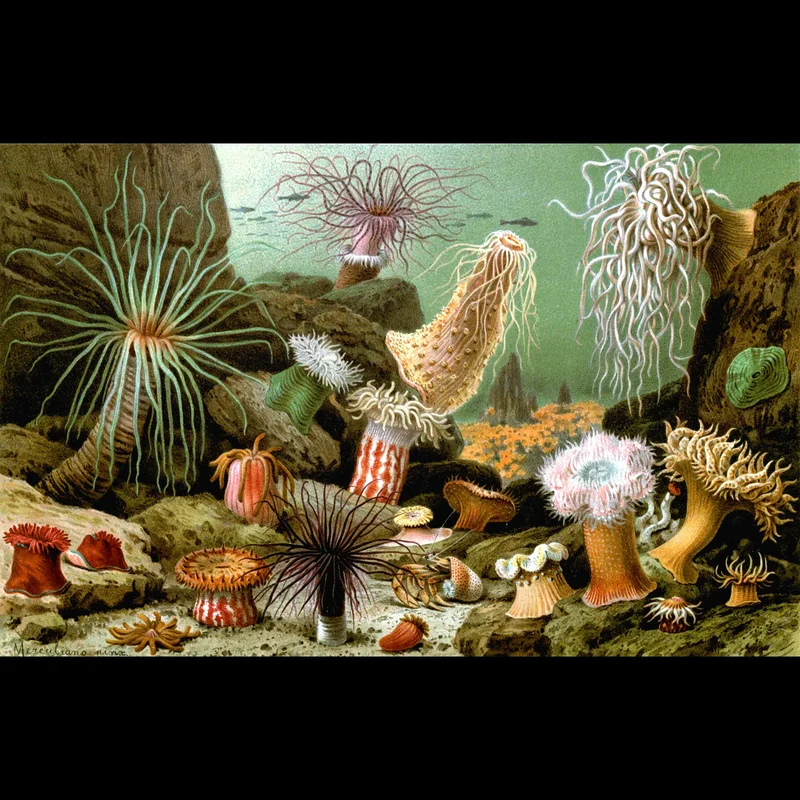
Exploring Kalogria's underwater landscape reveals a series of reefs, rocky coves, and gently sloping seabeds, creating varied habitats for marine life. Divers often spot sea anemones and sponges clinging to the rocky surfaces.
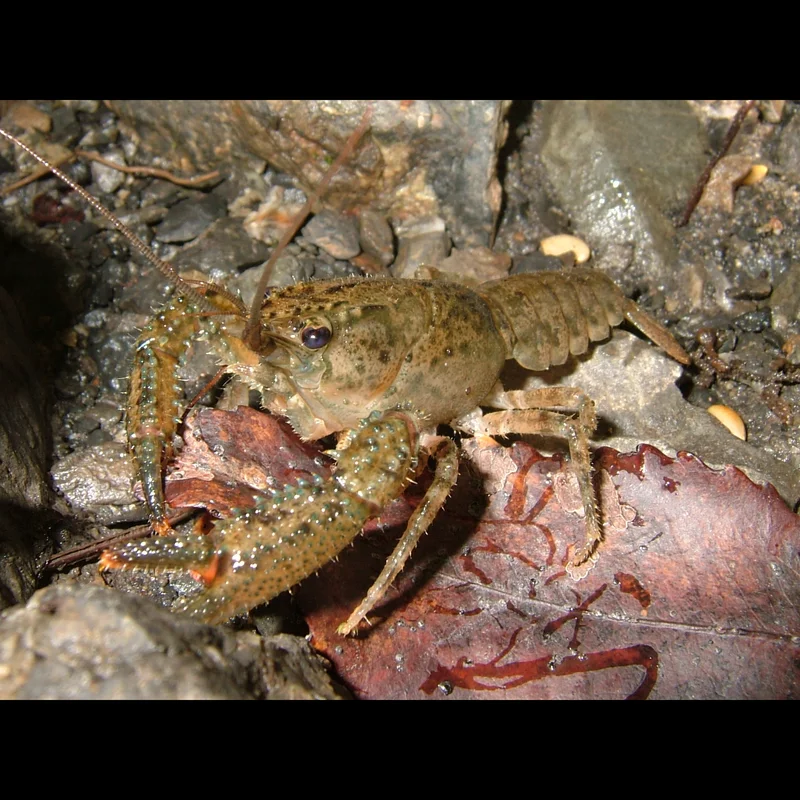
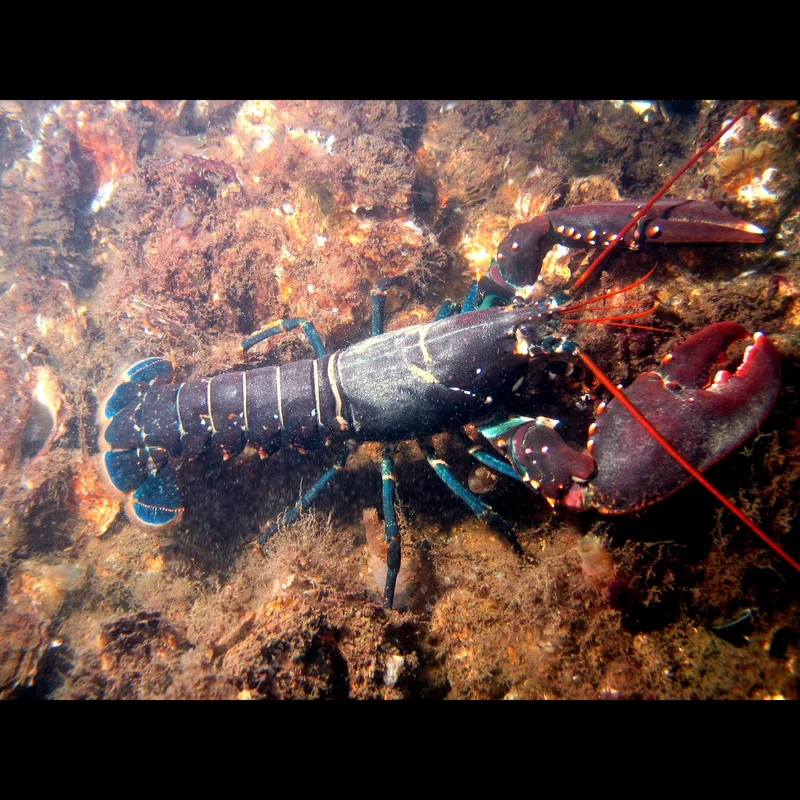
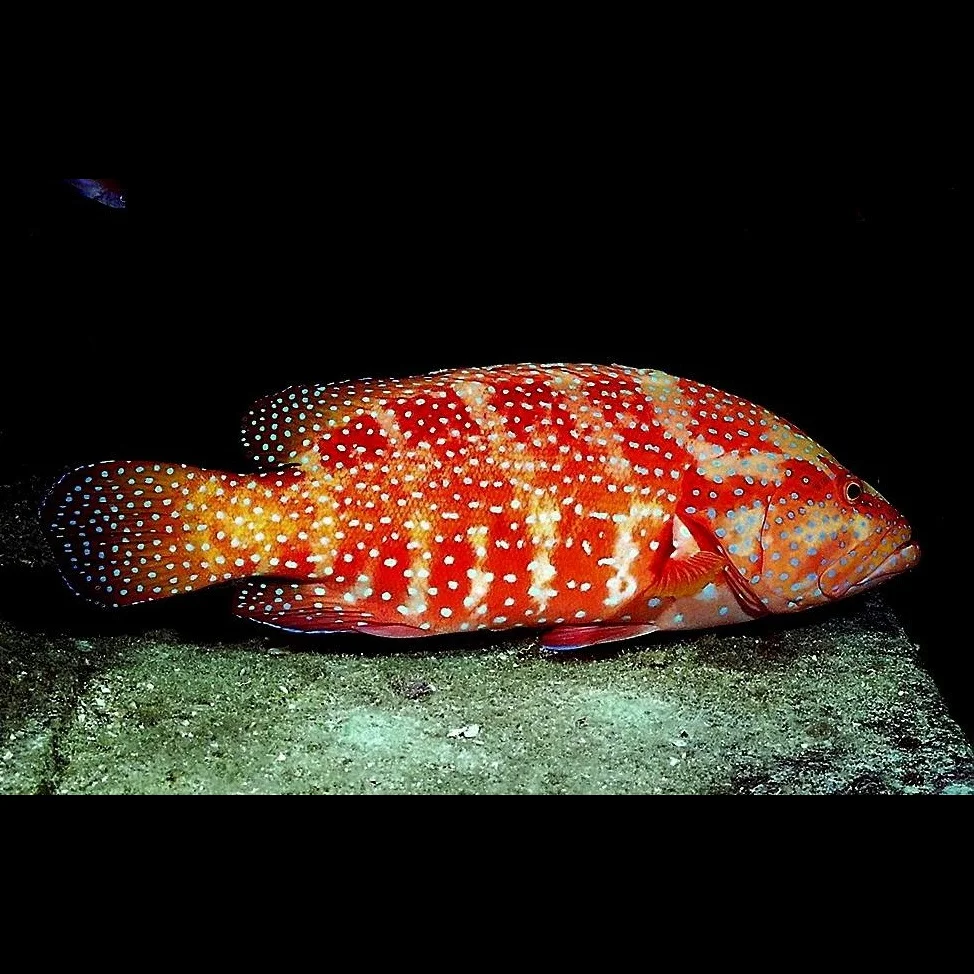
Among the invertebrates, lobsters, crayfish, and shrimp are present, often found tucked into crevices. Congers might be seen lurking in sheltered spots, while groupers occasionally appear.
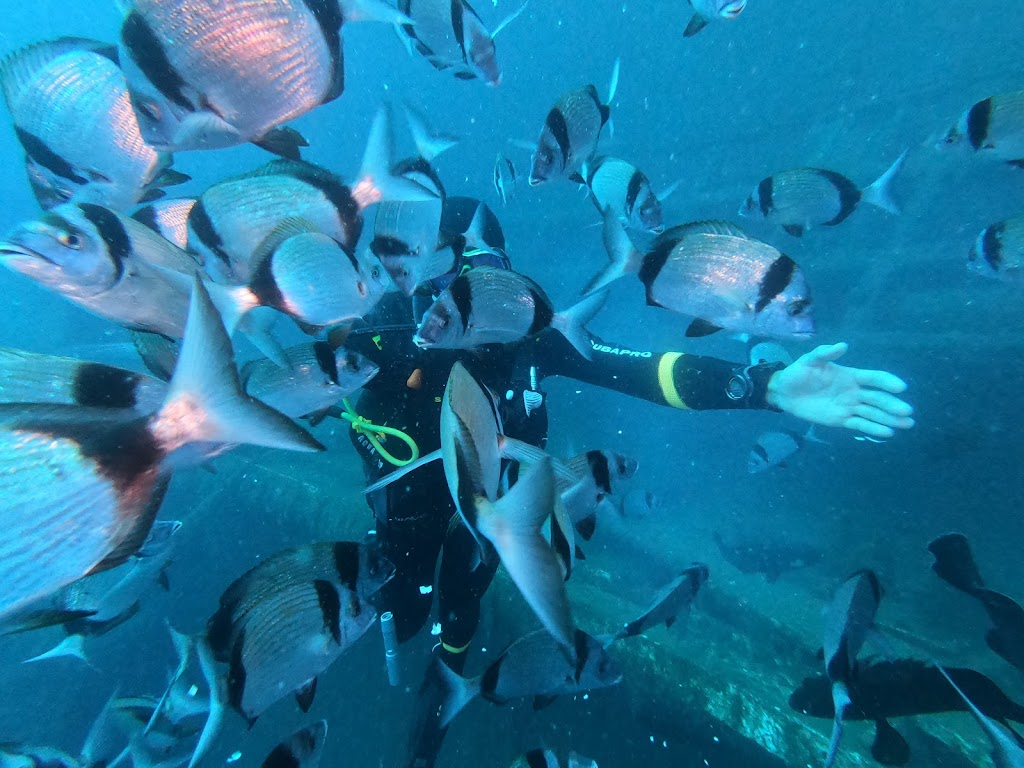
Shoals of bream often move across the reef, adding dynamic movement to the scene. The interaction between these species within the diverse topography makes for engaging observation.

Dive Sites Near Kalogria
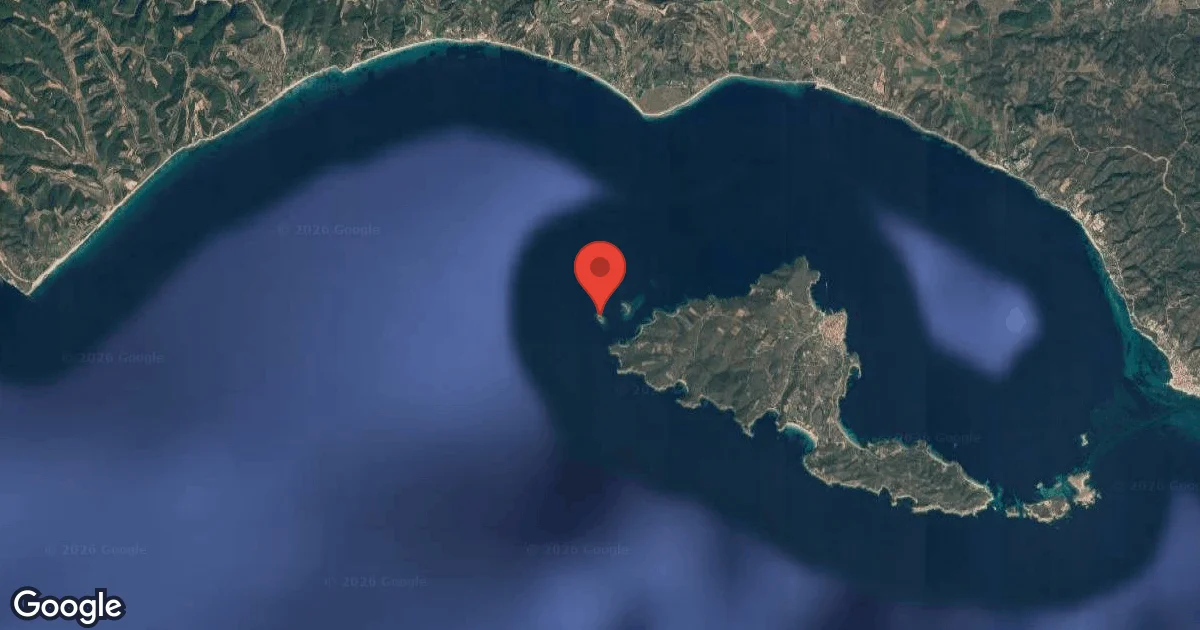
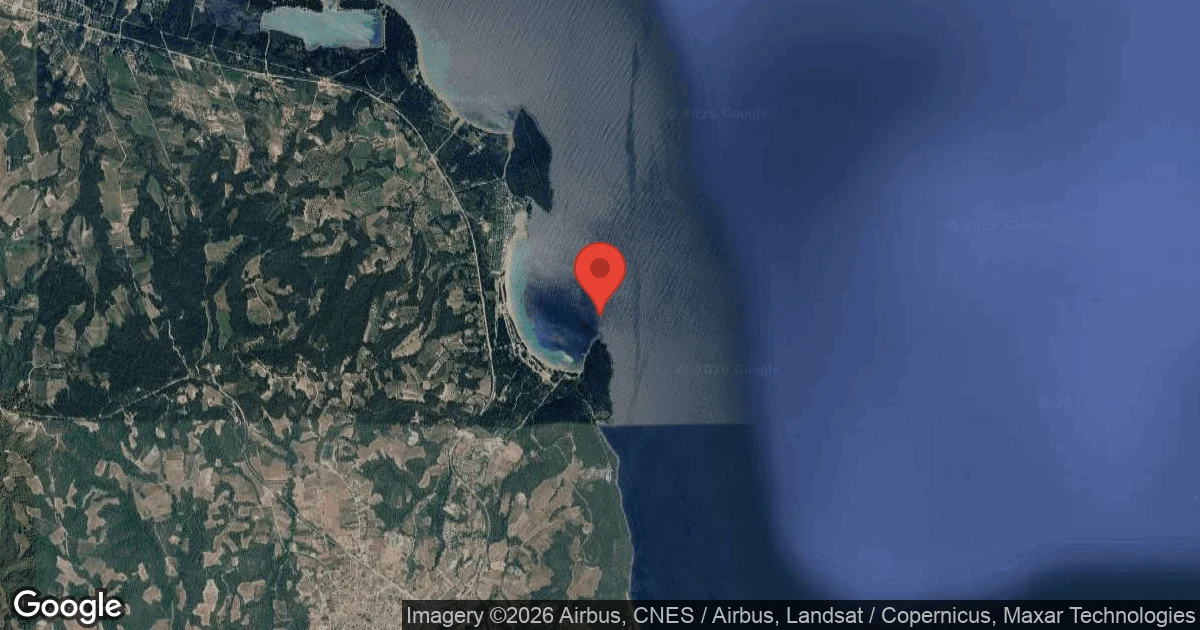
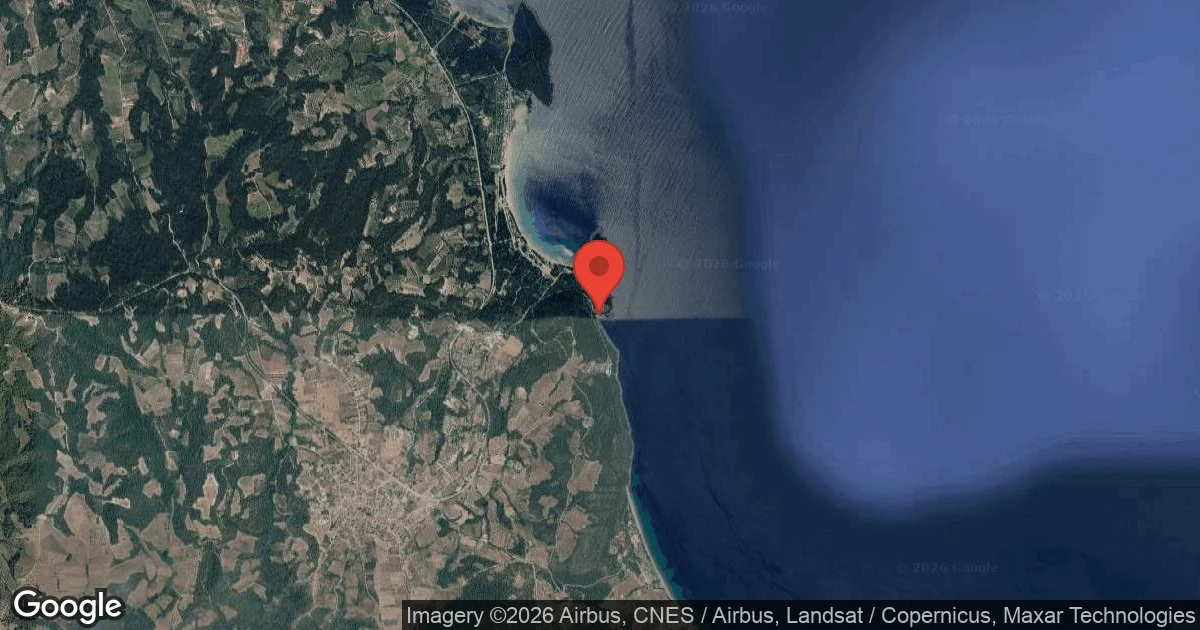
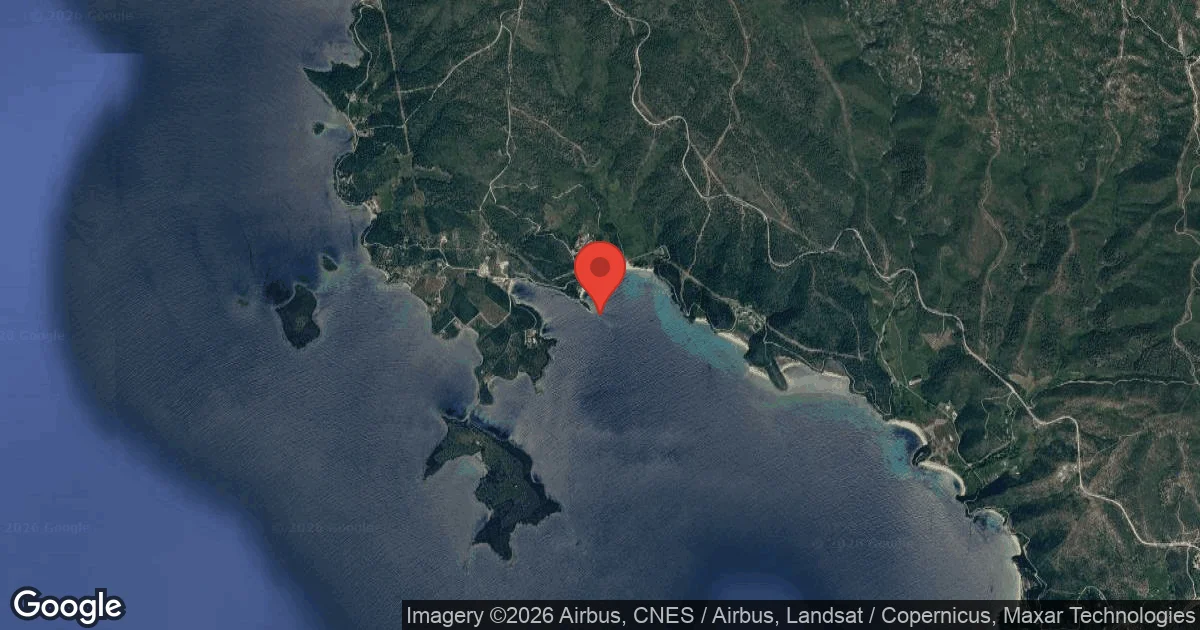
View all dive sites in GreeceDiscover more underwater gems in this area.
Dive Centers Near Kalogria
Today: 09:00 - 19:00
Nearest Airports
Nearest airports to help plan travel to this dive area.
Search Flights
Check available flights and routes on Expedia, using the nearby airports listed in this section.
Search Flights on ExpediaFrequently Asked Questions
What is the typical maximum depth for diving at Kalogria?
For shore dives directly from Kalogria Beach, the typical maximum depth is 30 m (100 ft). However, specific areas like Kalogria Reef can extend to approximately 40 m (130 ft).
Is Kalogria suitable for beginner divers?
Yes, Kalogria is well-suited for beginners and offers programs like Discover Scuba Diving. The site features gentle slopes and shallower reef sections ideal for learning and skill development.
What marine life can I expect to see?
Divers frequently encounter sea anemones, sponges, lobsters, and shrimp. Groupers, congers, and shoals of bream are also common sightings among the rocky coves and reefs.
Are there shore dives available?
Kalogria Beach is primarily a shore diving location, providing easy entry directly from its golden sands. This accessibility makes it a popular choice for all diver levels.
What are the water temperatures like throughout the year?
Water temperatures are generally around 25°C (77°F) in summer months, making for comfortable diving. In winter, temperatures can drop to about 15°C (59°F), requiring thicker exposure protection.
Are dive centers available on Kalogria Beach?
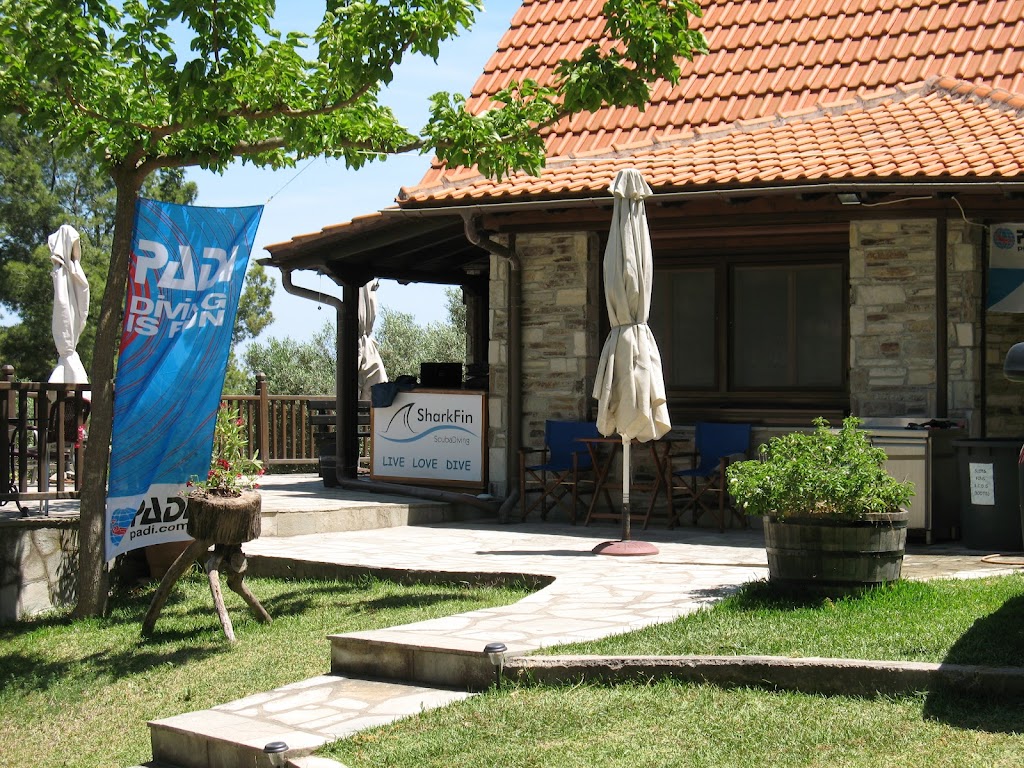
Yes, several PADI dive centers operate directly from Kalogria Beach, offering courses, guided dives, and equipment rental. They provide expert local knowledge and support for your dives.
Planning to dive Kalogria?
Send one inquiry and receive offers directly from the best verified local dive operators.
Conditions are Excellent
07:00 - 14:00
Optimal conditions expected
Current conditions near Kalogria show 23° air, 25° sea temperature, 0.1 m waves, and 11 km/h wind. Forecast data is refreshed regularly to ensure accuracy.