
Diving at Dias (Greece)
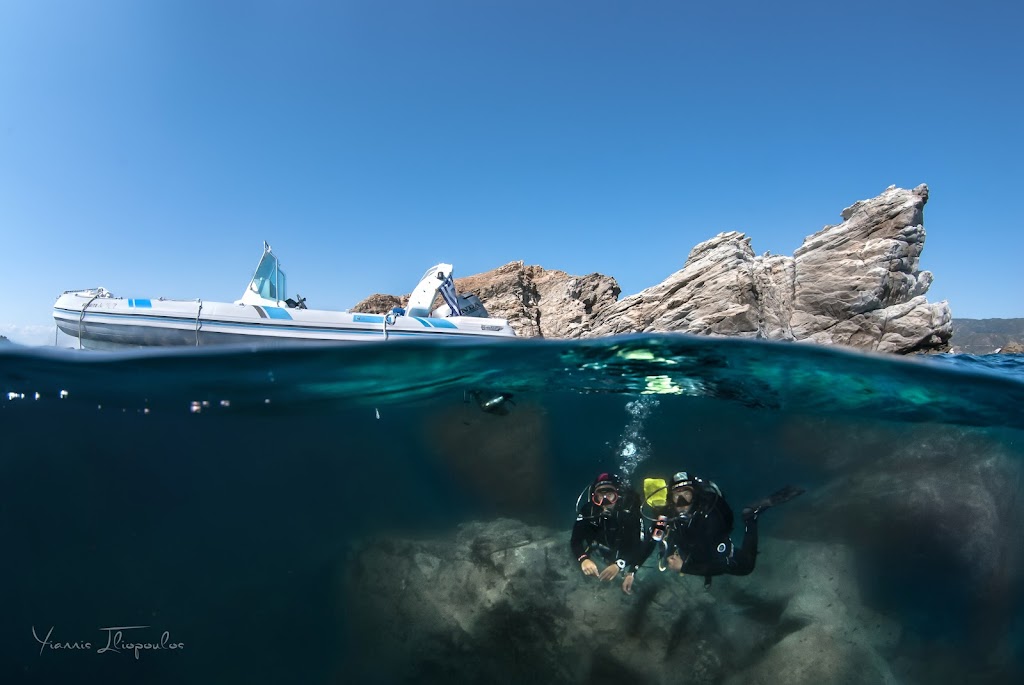
Dias is a substantial island situated northeast of Amouliani, presenting a versatile dive environment for certified divers. Its subaquatic terrain features impressive rock formations and expansive walls that create an engaging seascape. With multiple routes available, the site accommodates different skill levels, offering a natural structure for exploration.
As evening covers Dias, the local air temperature is measured at 29°C. The current wave height at the surface is recorded at 0 m. These late-day readings characterize the surface conditions for the night.
Dive Site Location & Key Facts
Dive Site Overview
Diving Dias often involves a dedicated day trip, typically lasting from morning until late afternoon, including a 30 to 40-minute boat ride to reach the site. Divers commonly explore two distinct areas: Petalidi islet on the northwest side and Paksimadi islet to the east.
A comfortable waterbed provides ideal conditions for multilevel dives, descending up to 55 m (180 ft) at its deepest. Recreational depths typically range from 7-8 m (23-26 ft) in shallower areas to beyond 30 m (100 ft) for more advanced exploration. Excellent visibility, frequently exceeding 50 m (164 ft) for much of the year, greatly enhances the experience.
Exceptional clarity reveals dramatic drop-offs and intricate underwater morphology. Diverse topography, including walls and small caves, lends itself well to both day and night dives.
Divers consistently report engaging conditions, with ample room for exploration and progression through varying depths. Expect a comprehensive dive day, whether focusing on specific features or covering broader areas of this substantial island.
Conditions are Excellent
07:00 - 14:00
Optimal conditions expected
Current conditions near Dias show 29° air, 28° sea temperature, 0.1 m waves, and 21 km/h wind. Forecast data is refreshed regularly to ensure accuracy.
Best Time to Dive
Optimal diving conditions at Dias generally occur from late spring through early autumn, providing comfortable air temperatures and minimal rainfall. During June, July, and August, average air temperatures range from 26°C (79°F) to 29.5°C (85°F), coinciding with the lowest reported rainfall, averaging less than 0.5 mm monthly. Consistently low wave heights and moderate wind speeds during these months contribute to 'Excellent' dive scores. April, May, September, and October also offer very favorable conditions, with pleasant air temperatures between 15°C (59°F) and 24°C (75°F) and moderate rain, ensuring good diveability throughout much of the year.
PEAK SEASON SCORE
Scores combine air & water temps, waves, wind & rainfall for overall conditions.
BEST MONTHS TO DIVE
Monthly records compiled from satellite and marine observation nodes over the last 3 years. Data provided by Open-Meteo and MET Norway.
Dive Experience & Conditions
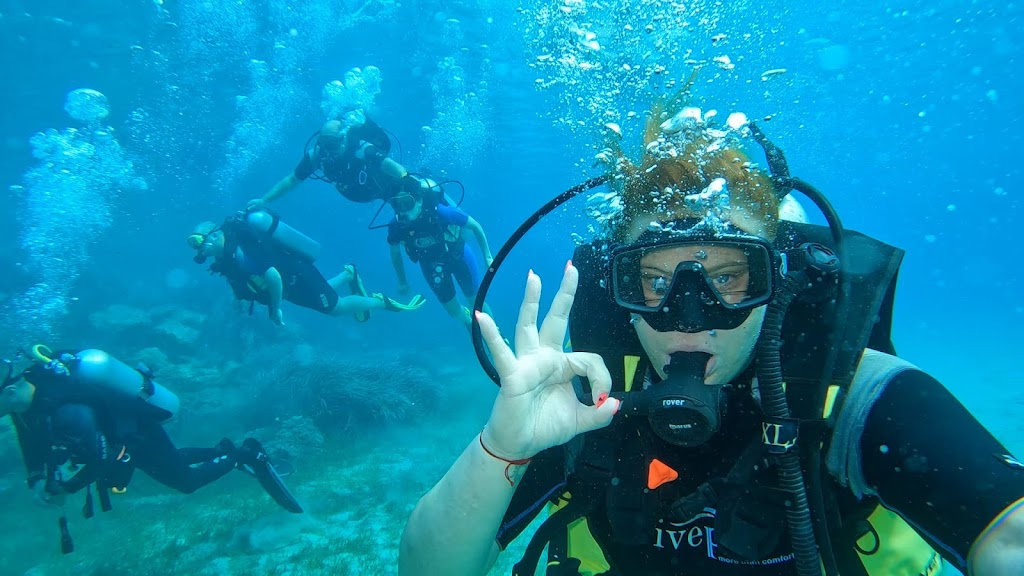
Underwater, Dias presents an impressive landscape of drop-offs and vertical walls, creating an environment that encourages constant exploration. Divers navigate along huge rocks and into small caves that punctuate these natural structures. Visibility consistently remains very high, frequently surpassing 50 meters, allowing clear views of the extensive bottom morphology. While accommodating multilevel dives reaching its maximum recreational depth, shallower sections around the islets also provide rewarding experiences for less experienced divers. Currents are not consistently reported as strong, but conditions can vary depending on weather patterns, making local guidance valuable. Expect the thermal profile in deeper areas to drop a few degrees compared to the surface, prompting consideration for appropriate exposure protection. Varied topography from gentle slopes to sheer walls offers different challenges and visual interest on each dive.
Dive Difficulty & Safety Guidelines
Planning for a dive at Dias requires careful consideration, as the site offers routes suitable for diverse experience levels. From shallower sections accessible to less experienced certified divers to deeper areas, advanced certification and proper training are essential. Adhering to PADI Standard Safe Diving Practices is crucial, and consulting with a local dive professional is recommended to understand current site conditions.
Deeper explorations, particularly those approaching the overall maximum depth, demand proper planning and training. Trips typically require good sea conditions and are often organized with a minimum number of participants for logistical reasons, emphasizing the importance of coordinated group outings. Always check local dive operator requirements before planning your trip.
Recommended Equipment
Technical depth range. Advanced planning, gas management, and appropriate certification required.
- Dive Computer
- DSMB
- Primary & Backup Lights
This gear list is based on verified equipment signals for Dias, Greece. Always confirm final gear choices with your dive operator, guide, or liveaboard.
Recommended Dive Suit
A warming trend is expected over the next few days. A warming trend is expected over the next few days.
Factors such as dive duration, depth, and activity level can influence how warm a diver feels underwater.
2-3mm shorty or light wetsuit typically balances flexibility and thermal protection in these temperatures. The surrounding waters at Dias are currently registering temperatures of roughly 28°C (83°F). Surface air temperatures are resting at 29°C (85°F).
Emergency & Medical Support
Essential information to help you plan your dive trip to Dias.

Hyperbaric chambers are a critical part of dive safety infrastructure. Availability varies significantly by region, and not all dive areas have immediate access.
Before diving, it's recommended to:
- confirm nearest medical facilities
- check emergency procedures with local dive operators
- ensure dive insurance covers evacuation if required
Divers Alert Network
Diving emergency assistance available through DAN Europe.
+39 0642115685- 24/7 emergency hotline
- Diving medical assistance
- Evacuation coordination
Emergency contacts are provided for reference. Always verify local emergency services before diving.
Closest Listed Hyperbaric Chambers
Showing listed hyperbaric chamber facilities within 200 km of this dive site.
Distances are approximate straight-line distances and may not reflect emergency travel time.
MYPI
24/7 ListedICU CapableThessaloniki, Greece•Approx. 82 km straight-line
MYPI
24/7 ListedICU CapableInformation is provided for reference and planning purposes only. Dive Navigator does not verify operational status, staffing, availability, or quality of care at listed facilities. In an emergency, contact local emergency services, DAN, your dive operator, or the chamber directly. Do not travel to a facility without calling ahead.
Marine Life at Dias
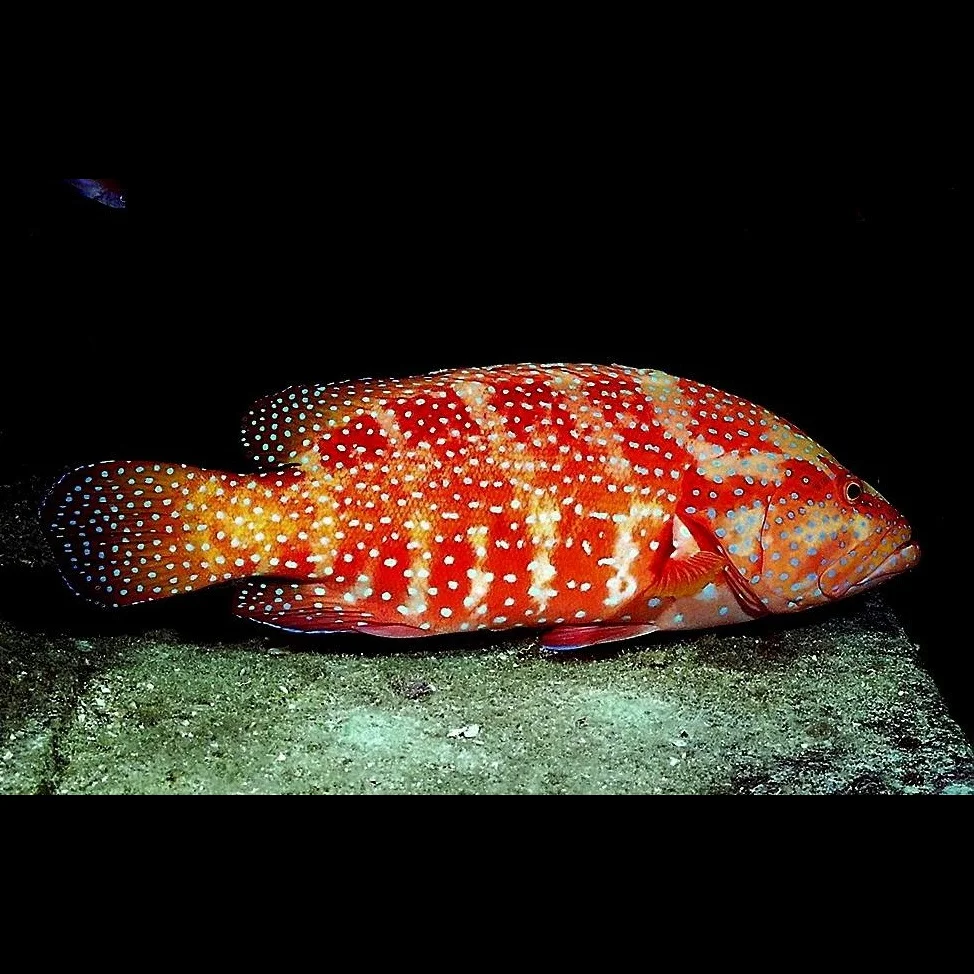
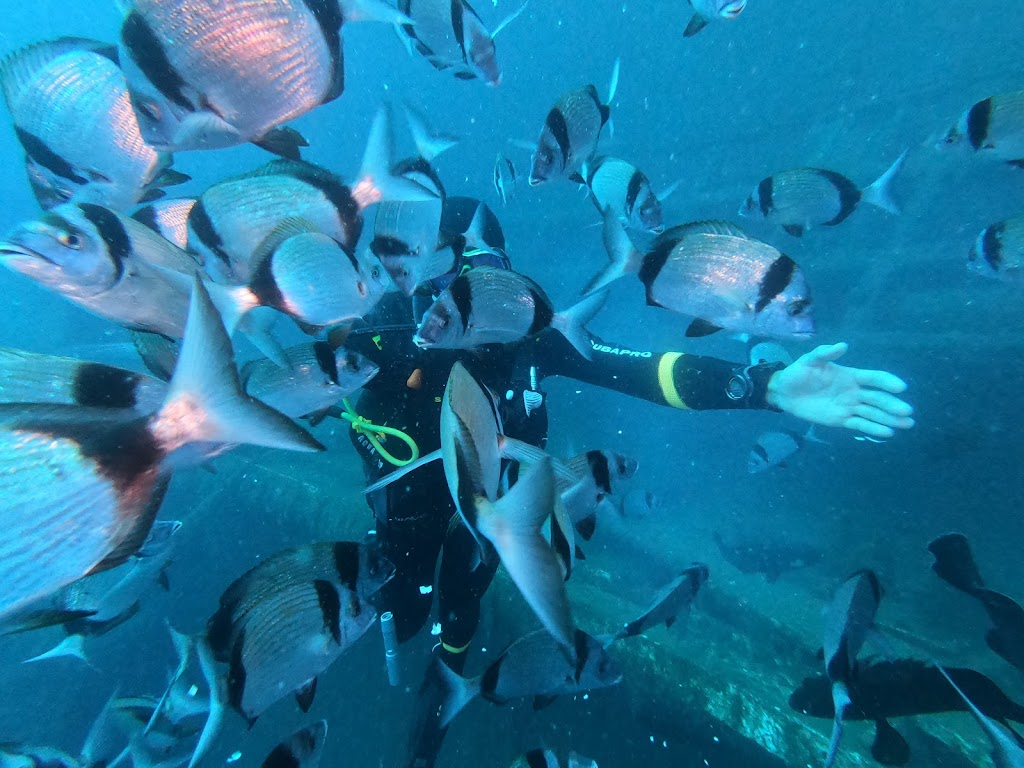
A rich and diverse range of life thrives in the waters around Dias, offering plenty for divers to observe. Groupers are often encountered within the rock formations and along the walls.
Depending on the season, large pelagic fish may be seen patrolling the deeper areas. Divers frequently spot smaller fish species, a variety of sponges, and numerous shells.
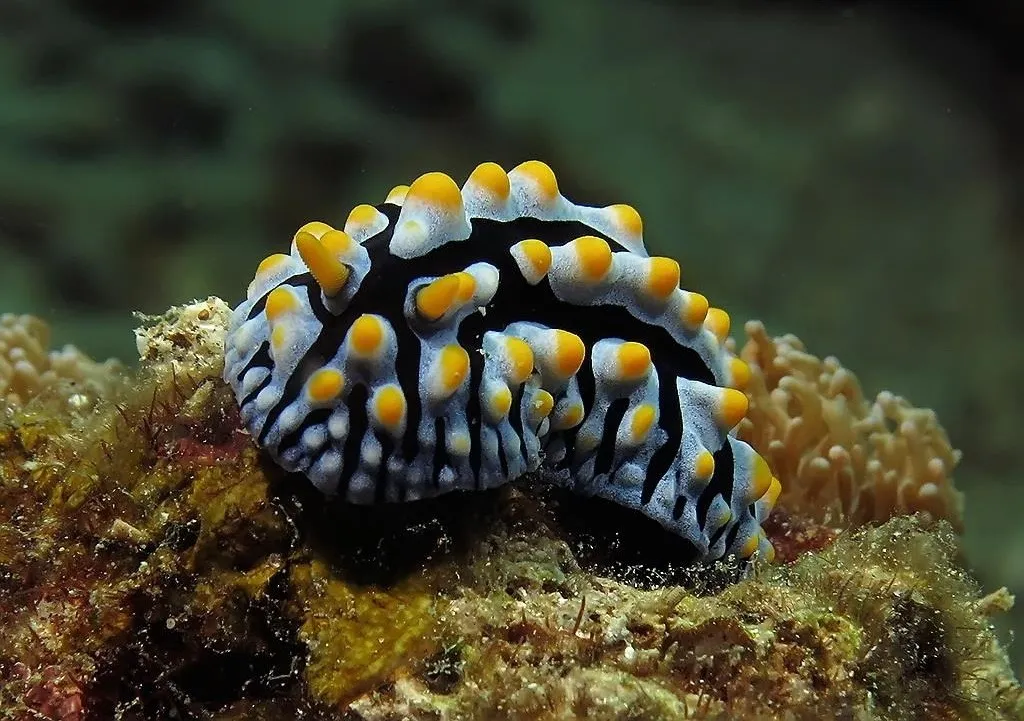
Nudibranchs and pharaoh worms also add to the site's biodiversity, making each dive an opportunity for detailed observation. Expect to find vibrant ecosystems thriving in cracks and crevices, providing excellent photographic subjects.
Dive Sites Near Dias
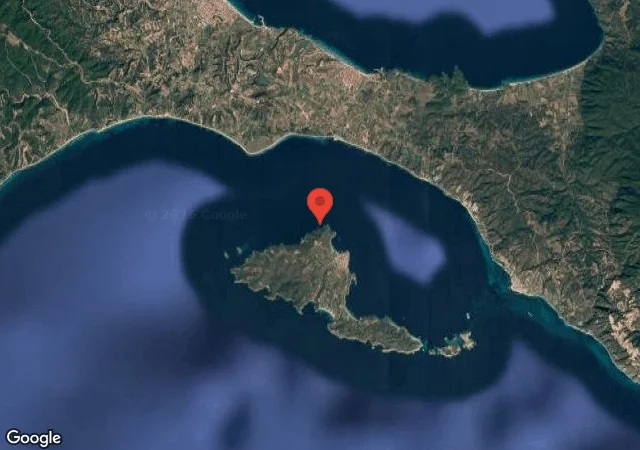
View all dive sites in GreeceDiscover more underwater gems in this area.
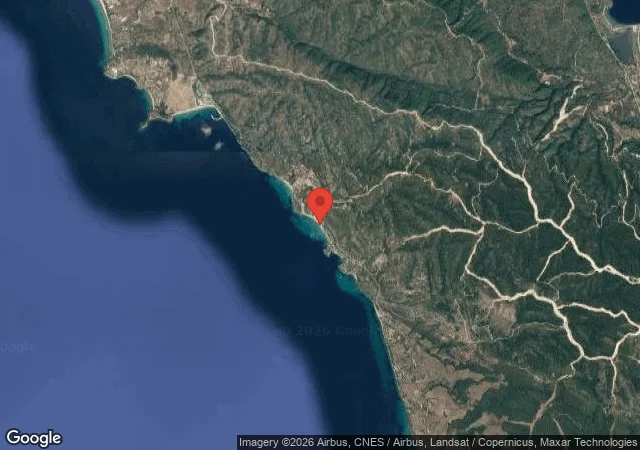
Dive Centers Near Dias
Today: 09:00 - 20:00
Nearest Airports
Nearest airports to help plan travel to this dive area.
Search Flights
Check available flights and routes on Expedia, using the nearby airports listed in this section.
Search Flights on ExpediaFrequently Asked Questions
What type of dive site is Dias?
Dias is an island dive site characterized by a varied underwater landscape, featuring impressive rock formations, large walls, and drop-offs. It offers multiple alternative routes suitable for different diver levels, making it a site for exploration.
What is the maximum depth at Dias?
Maximum reported depth at Dias is approximately 55 meters. Recreational dives span a wide range, often conducted from shallower sections of 7-8 meters to well over 30 meters, accommodating various certifications.
Is Dias suitable for all diver levels?
Yes, Dias is suitable for both experienced and non-experienced certified divers. Its varied topography provides shallower sections for newer divers and deeper areas with multilevel dive opportunities for more advanced certifications.
What is the typical visibility at Dias?
Visibility at Dias is consistently very good, often exceeding 50 meters for much of the year. Such clarity enhances the appreciation of underwater structures and marine life.
What kind of marine life can be seen?
Divers can expect to see a rich variety of marine life, including groupers, various small fish, and depending on the season, large pelagic fish. The site also hosts a range of sponges, shells, nudibranchs, and pharaoh worms.
When is the best time to dive at Dias?
Optimal diving occurs from late spring through early autumn, particularly June, July, and August. These months typically offer the warmest air temperatures, minimal rain, and consistently calm sea conditions, resulting in 'Excellent' dive scores.
Are night dives possible at Dias?
Yes, Dias is noted as an ideal location for night dives. Its varied topography and rich marine life can offer a different and exciting perspective after dark.
Planning to dive Dias?
Send one inquiry and receive offers directly from the best verified local dive operators.
Conditions are Excellent
07:00 - 14:00
Optimal conditions expected
Current conditions near Dias show 29° air, 28° sea temperature, 0.1 m waves, and 21 km/h wind. Forecast data is refreshed regularly to ensure accuracy.