
Diving at Kanapitsa (Greece)
Descending next to the wall at Kanapitsa, divers encounter a dynamic underwater landscape that invites exploration. The dive often commences in shallower rocky areas, gradually transitioning to a striking wall that plunges to a maximum depth of 30 m / 98 ft. This site encompasses diverse dive types, from vibrant reefs and sandy bottoms to dramatic walls and intriguing cave formations, promising a varied experience for certified divers.
As evening covers Kanapitsa, the local air temperature is measured at 24°C. The current wave height at the surface is recorded at 0.1 m. These late-day readings characterize the surface conditions for the night.
Dive Site Location & Key Facts
Dive Site Overview
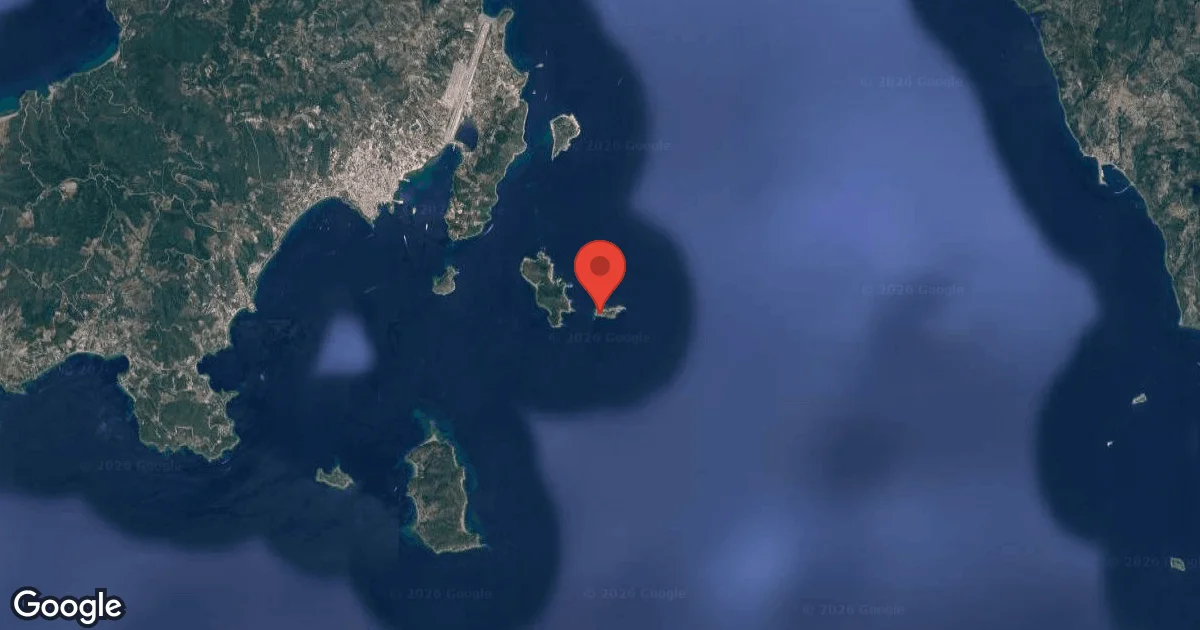
Kanapitsa Gulf, south of Panormos Beach, reveals a diverse underwater topography. Initial exploration typically begins in a shallower area, with a rocky seabed varying from 5 to 12 m / 16 to 39 ft.
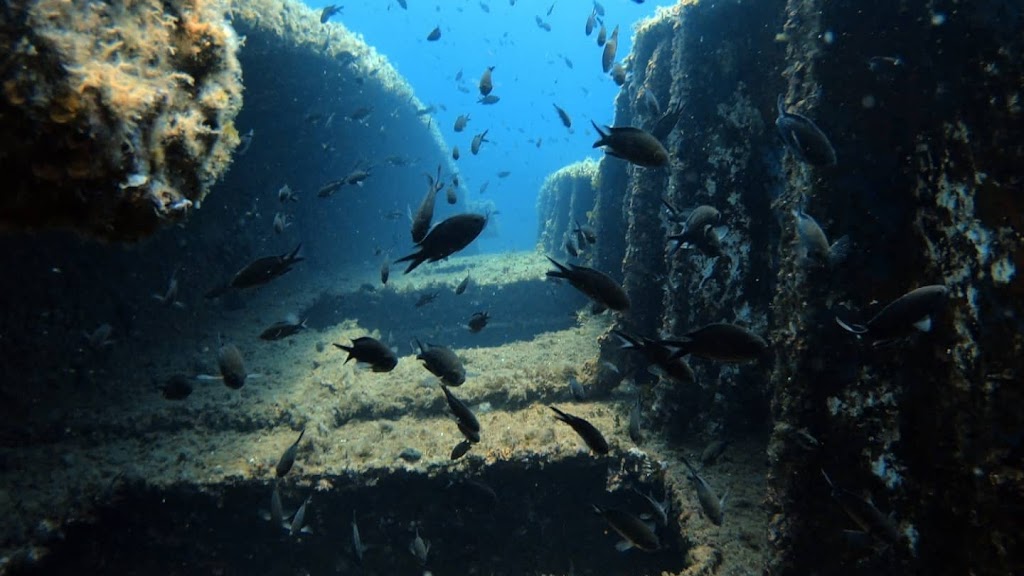
From this starting point, divers follow a distinct underwater river formation, sculpted by rocks, which guides them towards the north side of the gulf. This natural channel leads directly to a prominent wall, a striking vertical structure that plunges to its full extent. Along its face, this impressive wall reveals colorful rock formations, intricate crevices, and overhangs that invite close inspection.
The saltwater environment of Kanapitsa is accessed exclusively by boat, offering a comprehensive dive experience encompassing various features. Divers can transition smoothly between vibrant reef sections, explore expansive sandy bottoms, trace the contours of the dramatic wall, and investigate intriguing small cave formations.
This array of environments ensures a dynamic and varied dive profile suitable for exploring different aspects of the Mediterranean subaquatic landscape.
Conditions are Excellent
07:00 - 14:00
Optimal conditions expected
Current conditions near Kanapitsa show 24° air, 25° sea temperature, 0.2 m waves, and 15 km/h wind. Forecast data is refreshed regularly to ensure accuracy.
Best Time to Dive
Optimal visibility frequently coincides with the best diving conditions reported for Kanapitsa, generally occurring from May through July and again in October. These months consistently receive an 'Excellent' dive score. During these periods, air temperatures range from around 18°C / 64°F in May to a high of 26.5°C / 80°F in July, before cooling to approximately 20.5°C / 69°F in October. Rainfall is minimal during these prime months, contributing to calm surface conditions, with average wave heights typically below 0.5 meters. Water temperature data is not consistently reported for this specific site, but it generally follows regional Mediterranean warming patterns, making late spring to early autumn most comfortable.
PEAK SEASON SCORE
Scores combine air & water temps, waves, wind & rainfall for overall conditions.
BEST MONTHS TO DIVE
Monthly records compiled from satellite and marine observation nodes over the last 3 years. Data provided by Open-Meteo and MET Norway.
Dive Experience & Conditions
Navigating Kanapitsa offers a progressive experience as divers traverse its varied terrain. The boat entry positions explorers directly into the calmer, shallower parts of the gulf, allowing for a relaxed and gradual descent. As one progresses towards the north, the initial rocky seabed slowly transforms, giving way to the more pronounced and deeper features of the main wall. This transition demands particular attention to buoyancy control, especially when maneuvering precisely near the wall's vertical face or when exploring its intricate contours at greater depths. Following the natural underwater river formation adds a unique navigational element, guiding divers through a naturally sculpted environment. Visibility often varies depending on seasonal conditions, but during optimal months, it can be quite clear, enhancing the exploration of the wall's numerous nooks and crannies. Surface conditions are generally favorable, particularly outside of strong weather systems, making for comfortable boat access and exits.
Dive Difficulty & Safety Guidelines
While specific hazards aren't consistently reported for Kanapitsa, adherence to general safe diving practices remains crucial for a secure experience. All divers must strictly observe their certification limits and operate within the scope of their training. Before any dive, consulting with local dive professionals is always advisable; they can provide critical, up-to-date insights into current conditions, potential localized currents, and specific site characteristics that might not be immediately apparent.
Thorough dive planning, including gas management and agreeing on a buddy system, is fundamental. For individuals aiming to explore the deeper sections of the wall or investigate the more confined cave formations, additional training is highly beneficial.
Certifications such as PADI Advanced Open Water, Deep Diver, or Peak Performance Buoyancy can provide the essential skills for managing advanced depth profiles, enhancing comfort in variable visibility, and ensuring effective air conservation during extended bottom times.
Recommended Equipment
Overhead environment. Do not enter beyond training and gas planning limits.
- Dive Computer
- DSMB
- Primary & Backup Lights
- Reel / Spool
- Cutting Tool
This gear list is based on verified equipment signals for Kanapitsa, Greece. Always confirm final gear choices with your dive operator, guide, or liveaboard.
Recommended Dive Suit
Divers planning relaxed exploration may appreciate the warmth of 3mm wetsuit. A hood or vest is suggested for sensitive divers due to surface winds. Divers often notice that perceived temperature can feel cooler during deeper or longer dives.
The waters surrounding Kanapitsa are currently maintaining temperatures close to 25°C (76°F). Surface air temperatures are resting at 24°C (75°F).
Conditions are expected to stay fairly consistent in the days ahead.
Emergency & Medical Support
Essential information to help you plan your dive trip to Kanapitsa.

Hyperbaric chambers are a critical part of dive safety infrastructure. Availability varies significantly by region, and not all dive areas have immediate access.
Before diving, it's recommended to:
- confirm nearest medical facilities
- check emergency procedures with local dive operators
- ensure dive insurance covers evacuation if required
Divers Alert Network
Diving emergency assistance available through DAN Europe.
+39 0642115685- 24/7 emergency hotline
- Diving medical assistance
- Evacuation coordination
Emergency contacts are provided for reference. Always verify local emergency services before diving.
Closest Listed Hyperbaric Chambers
Showing listed hyperbaric chamber facilities within 200 km of this dive site.
Distances are approximate straight-line distances and may not reflect emergency travel time.
Information is provided for reference and planning purposes only. Dive Navigator does not verify operational status, staffing, availability, or quality of care at listed facilities. In an emergency, contact local emergency services, DAN, your dive operator, or the chamber directly. Do not travel to a facility without calling ahead.
MKYI/NNA (DHDM/ANH)
24/7 ListedICU CapableAthens, Greece•Approx. 131 km straight-line
MKYI/NNA (DHDM/ANH)
24/7 ListedICU CapableInformation is provided for reference and planning purposes only. Dive Navigator does not verify operational status, staffing, availability, or quality of care at listed facilities. In an emergency, contact local emergency services, DAN, your dive operator, or the chamber directly. Do not travel to a facility without calling ahead.
Information is provided for reference and planning purposes only. Dive Navigator does not verify operational status, staffing, availability, or quality of care at listed facilities. In an emergency, contact local emergency services, DAN, your dive operator, or the chamber directly. Do not travel to a facility without calling ahead.
Marine Life at Kanapitsa
Observing the marine environment at Kanapitsa often reveals an array of sea life intertwined with the site's colorful rock formations. As divers explore the walls and reef sections, they can expect to see various typical Mediterranean species.
While the specific frequency varies, potential sightings include turtles, and on occasion, larger pelagic species such as dolphins, reported in the broader area. The rocky seabed and wall provide ample habitat for smaller reef inhabitants, making for engaging encounters.
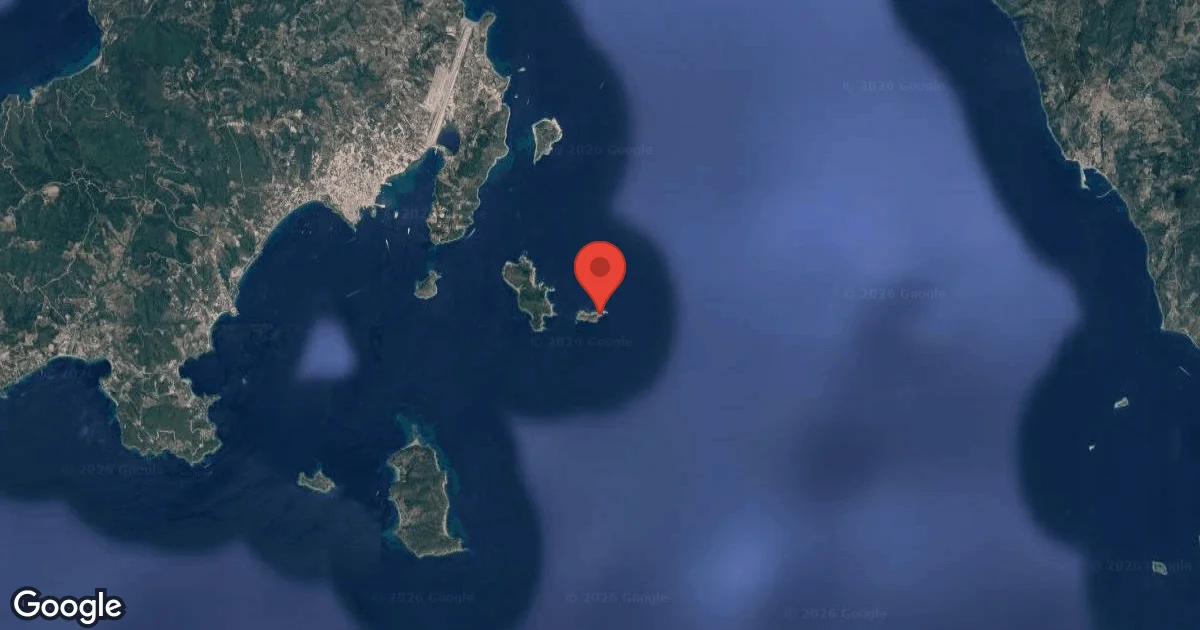
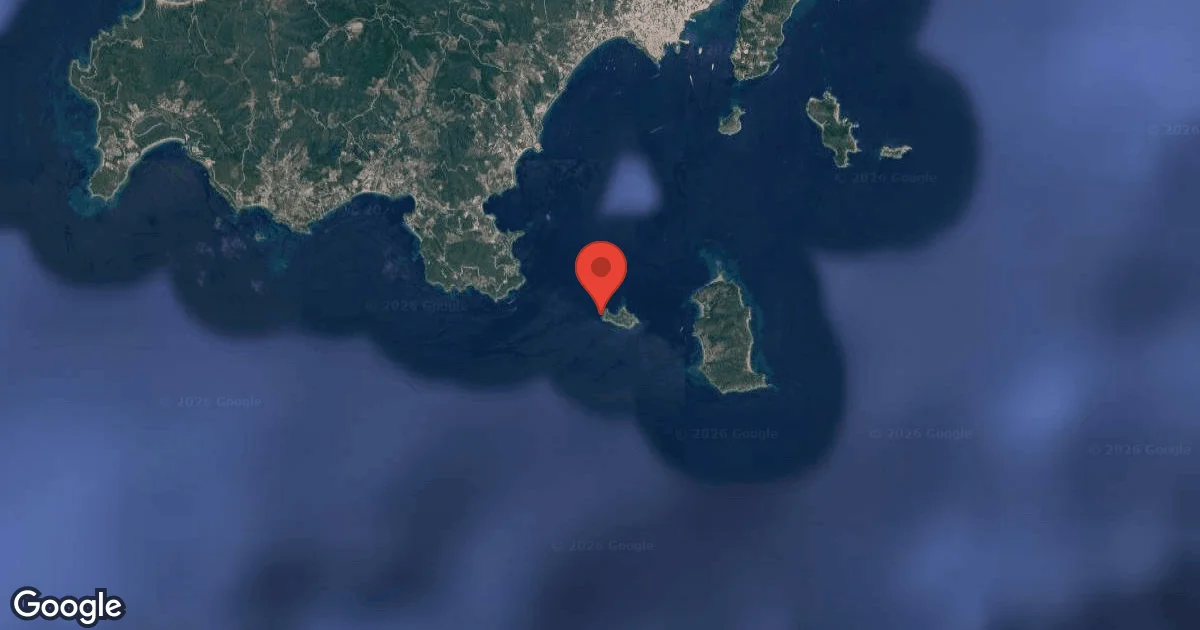
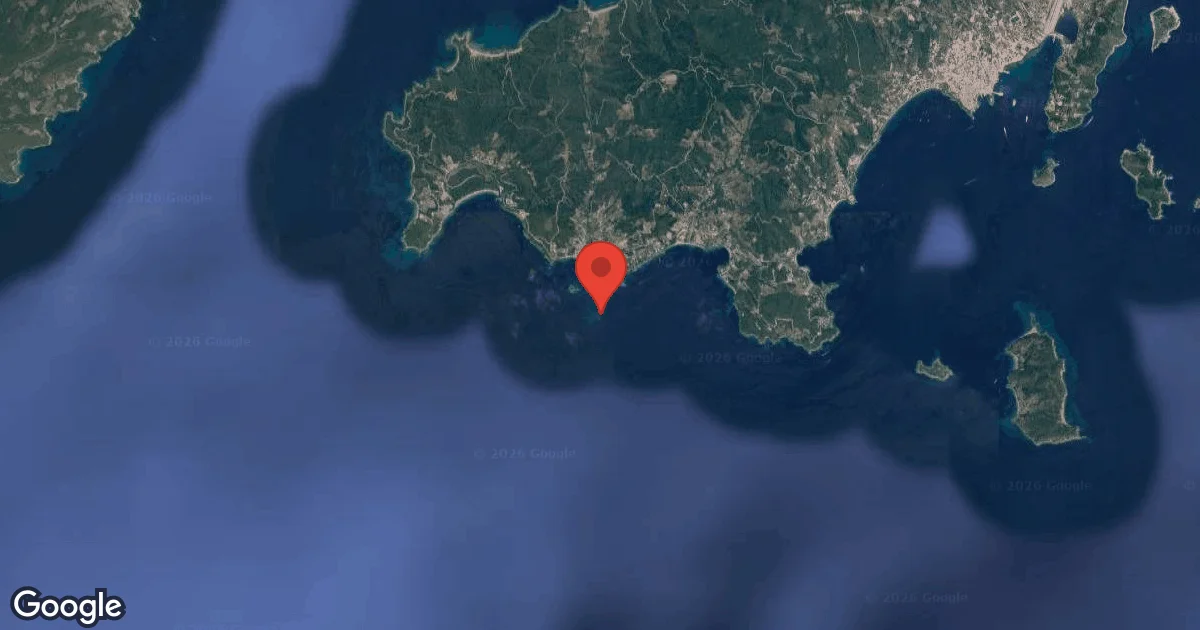
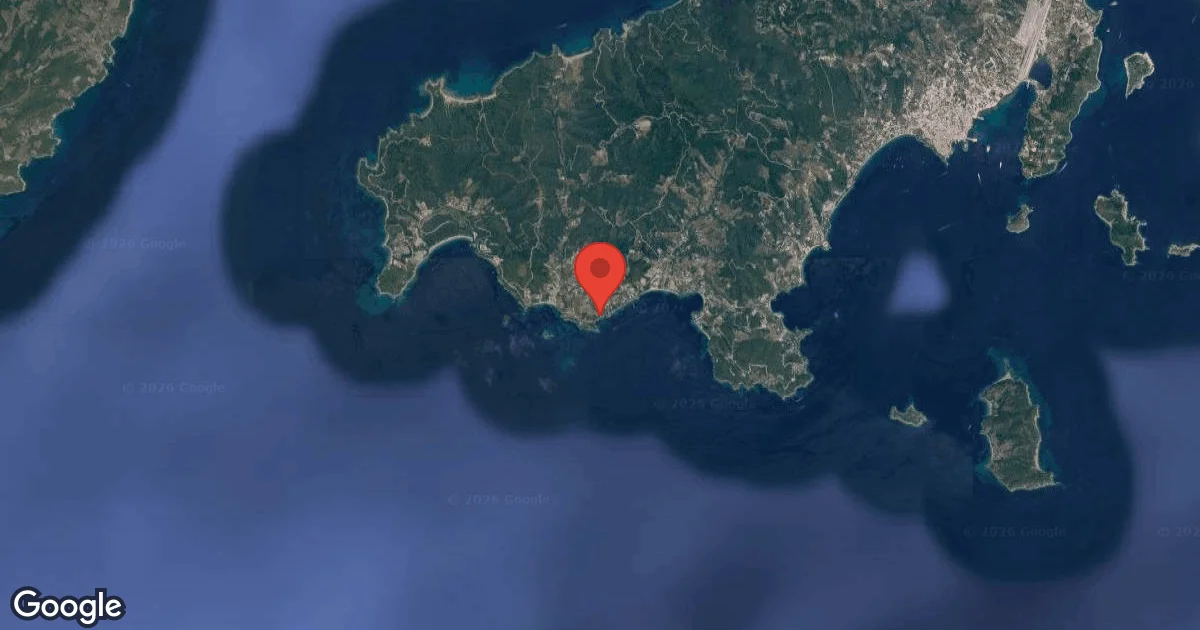
Dive Sites Near Kanapitsa
View all dive sites in GreeceDiscover more underwater gems in this area.
Dive Centers Near Kanapitsa
Today: 09:00 - 16:30
Nearest Airports
Nearest airports to help plan travel to this dive area.
Search Flights
Check available flights and routes on Expedia, using the nearby airports listed in this section.
Search Flights on ExpediaFrequently Asked Questions
What are the primary dive types available at Kanapitsa?
Kanapitsa offers a range of dive experiences, including wall dives, reef explorations, sandy bottom dives, and some intriguing cave formations. This diversity allows for different interests and skill levels.
What is the maximum depth for diving at Kanapitsa?
The dive site reaches significant depths, particularly along its main wall. Divers often begin in more moderate depths before descending to the deeper sections, where the wall extends to its maximum.
How do divers access the dive site?
Entry to the dive site at Kanapitsa is exclusively by boat. This allows divers to be positioned directly within the gulf, near the start of the dive trajectory.
What are the water temperatures like at Kanapitsa?
Specific water temperature data for Kanapitsa is not consistently reported. However, conditions typically align with regional Mediterranean patterns, generally being warmest from late spring through early autumn.
What skill level is recommended for diving at Kanapitsa?
Certified divers, including PADI Open Water Divers, can enjoy the shallower areas. For exploring the deeper wall and cave sections, a PADI Advanced Open Water Diver certification or specialized training like Deep Diver is beneficial.
What marine life might I encounter at Kanapitsa?
While exploring the colorful rock formations and diverse topography, divers might observe various Mediterranean sea life. Reported potential sightings include turtles, and less commonly, dolphins in the wider area.
Planning to dive Kanapitsa?
Send one inquiry and receive offers directly from the best verified local dive operators.
Conditions are Excellent
07:00 - 14:00
Optimal conditions expected
Current conditions near Kanapitsa show 24° air, 25° sea temperature, 0.2 m waves, and 15 km/h wind. Forecast data is refreshed regularly to ensure accuracy.