
Diving at The Aquarium Small Tsougkriaki (Greece)
Small Tsougkriaki, often called 'The Aquarium,' offers an experience akin to exploring a natural marine exhibit. An expansive reef defines this site, stretching 30-40 m (100-130 ft) with a maximum depth between 30-40 m (100-130 ft). It creates an underwater environment rich with diverse life, from colorful reef inhabitants to larger pelagics. Clear conditions often allow for an immersive experience, revealing intricate rock formations and bustling ecosystems beneath the surface.
As evening covers The Aquarium Small Tsougkriaki, the local air temperature is measured at 24°C. The current wave height at the surface is recorded at 0.2 m. These late-day readings characterize the surface conditions for the night.
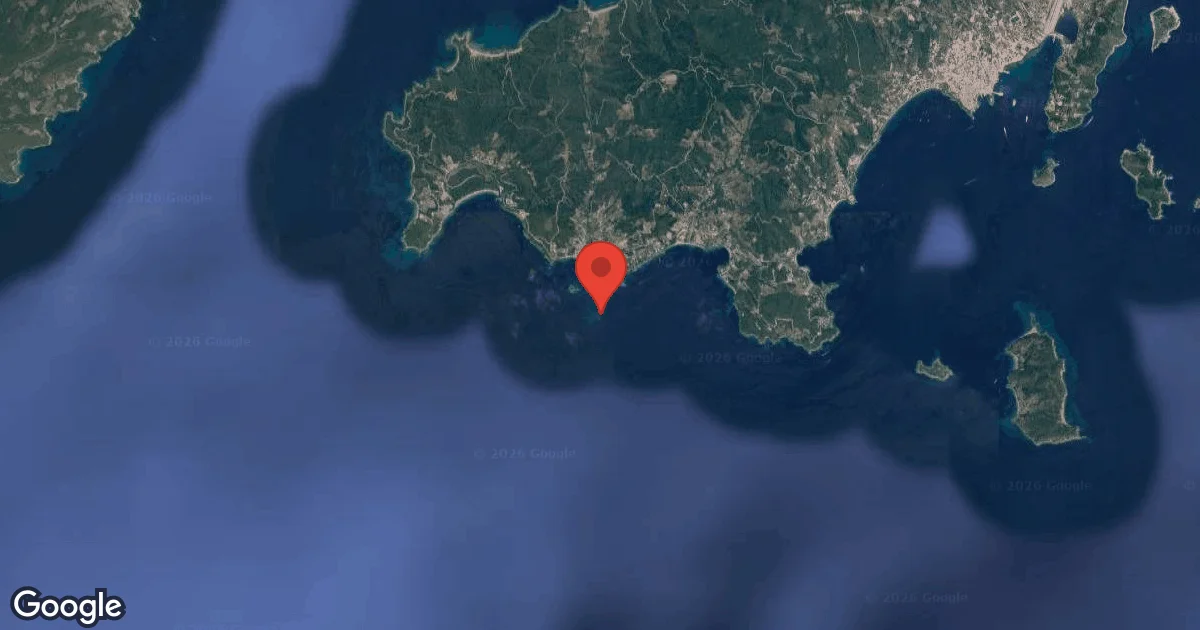
Dive Site Location & Key Facts
Dive Site Overview
Small Tsougkriaki, one of Skiathos's most frequently visited dive sites, consistently presents a rich reef system. Its underwater landscape typically extends from around 30 m (100 ft) down to a maximum depth of 40 m (130 ft), providing an extensive area for exploration.
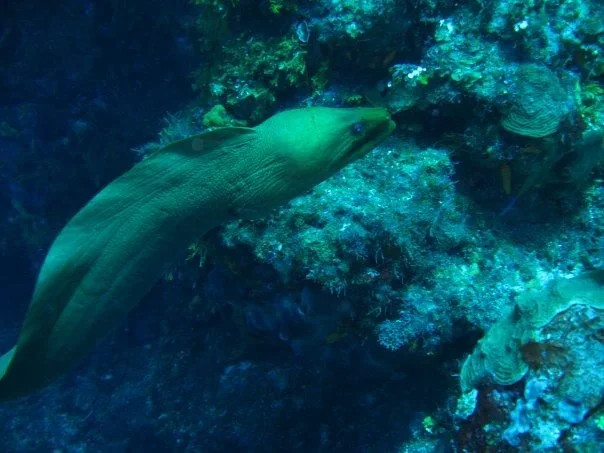
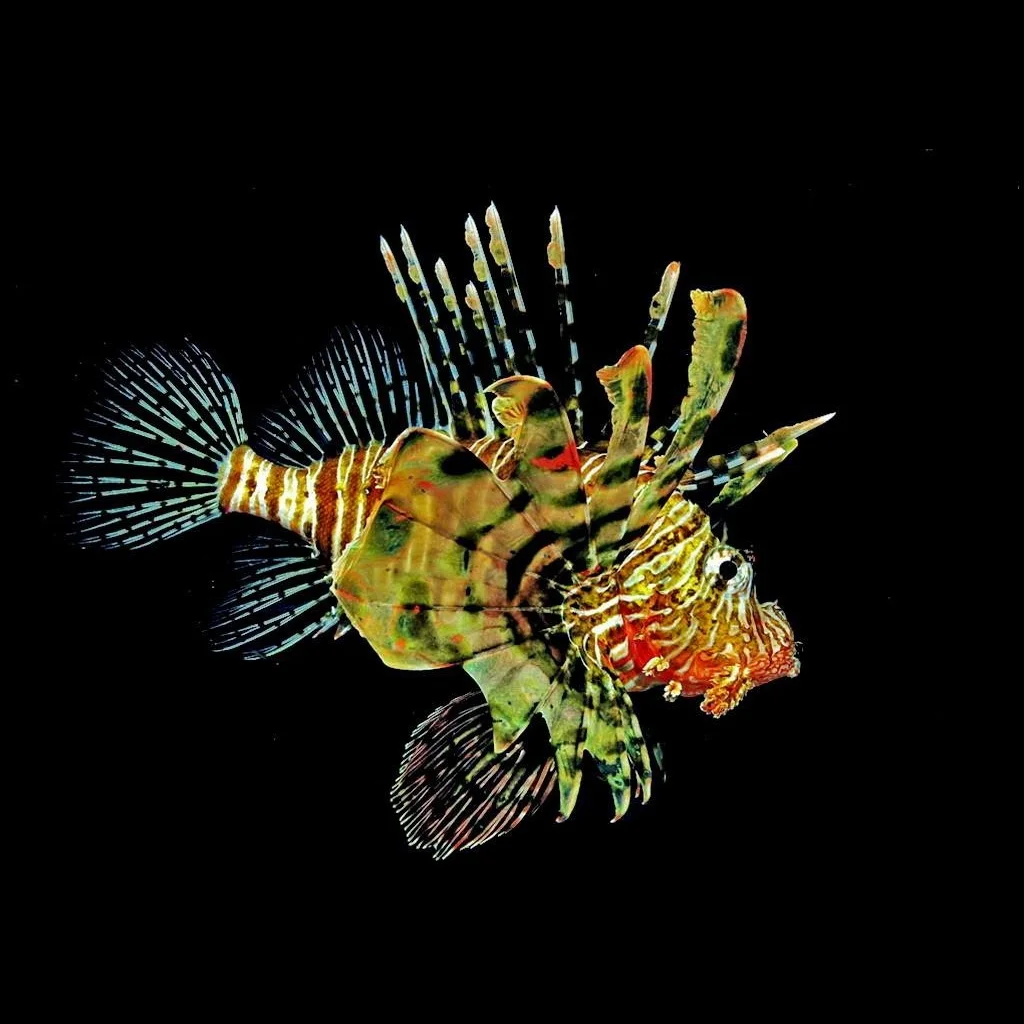
Characterized by a prominent reef, it remains a consistent draw for divers seeking vibrant marine encounters. Over time, diverse resident species have become common. Moray eels and lionfish are common sightings within the reef's structure.
On days with favorable conditions, divers have the chance to spot larger, more elusive creatures like dolphins, adding an element of surprise. While training like Advanced Open Water Diver, Deep Diver, or Boat Diver certifications can enhance the experience, various skill levels can approach the site depending on planned depth.
Its widespread popularity speaks to the reliable, engaging dives it provides within the Greek islands.
Conditions are Excellent
07:00 - 14:00
Optimal conditions expected
Current conditions near The Aquarium Small Tsougkriaki show 24° air, 25° sea temperature, 0.2 m waves, and 15 km/h wind. Forecast data is refreshed regularly to ensure accuracy.
Best Time to Dive
Favorable diving conditions at Small Tsougkriaki typically occur from May through October, presenting a window of excellent dive scores. Air temperatures during this period range from approximately 18°C (64°F) in May to highs around 27°C (81°F) in July and August. Rain becomes less frequent and significant, with monthly averages dropping below 1.5 mm (0.06 in) during the peak summer months. Reduced rainfall often correlates with clearer waters and more comfortable topside conditions for pre- and post-dive activities. During these months, average wave heights are generally lower, creating calmer seas, particularly from June to August, where averages are often below 0.4 meters. While October also presents excellent dive scores, a slight increase in rainfall and cooler air temperatures around 20°C (68°F) may be observed compared to mid-summer, though these factors rarely detract from the overall quality of the dive experience.
PEAK SEASON SCORE
Scores combine air & water temps, waves, wind & rainfall for overall conditions.
BEST MONTHS TO DIVE
Monthly records compiled from satellite and marine observation nodes over the last 3 years. Data provided by Open-Meteo and MET Norway.
Dive Experience & Conditions
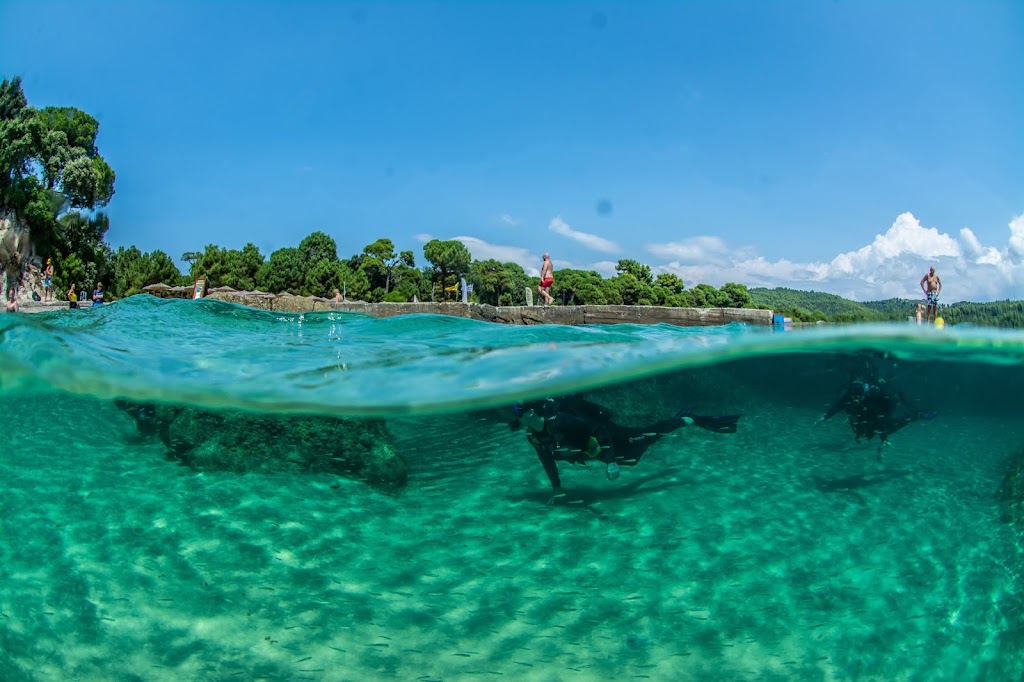
Accessing Small Tsougkriaki typically involves a boat entry, positioning divers directly over the primary reef structure. Once in the water, the site immediately immerses you in a vibrant reef environment that extends to considerable depths. Its extensive depth range caters to various diving preferences, though exploring deeper sections truly showcases the site's full beauty. Visibility tends to be consistently good, supporting clear views of dynamic marine life and intricate reef formations. Conditions are generally calm, contributing to unhindered exploration of the numerous holes and crevices within the reef. While Open Water divers can participate, individuals holding an Advanced Open Water certification or higher may find the ability to comfortably navigate deeper sections more rewarding, allowing for extended bottom time within the site's most impressive areas.
Dive Difficulty & Safety Guidelines
For a safe and rewarding dive at Small Tsougkriaki, proper planning is essential, especially given the site's maximum depth of 40 m (130 ft). Divers should be proficient in deep diving procedures, and conservative no-decompression limits are advised. Carrying an adequately sized surface marker buoy (SMB) is a smart practice for all boat dives, enhancing surface visibility for the dive boat.
A dive computer is crucial for monitoring bottom time and ascent rates effectively. Reef structure, with its many hiding spots, encourages close observation of marine life; however, maintaining neutral buoyancy is critical to avoid contact with the delicate ecosystem.
Always dive within your certification limits and consider additional training, like the PADI Deep Diver specialty, to safely explore the deeper segments of this expansive reef.
Recommended Equipment
- Dive Computer
- DSMB
This gear list is based on verified equipment signals for The Aquarium Small Tsougkriaki, Greece. Always confirm final gear choices with your dive operator, guide, or liveaboard.
Recommended Dive Suit
With water temperatures around 25°C (76°F), many divers find a 3mm wetsuit provides comfortable protection.
Local conditions can vary slightly across different parts of the same dive site.
Conditions are expected to stay fairly consistent in the days ahead.
Emergency & Medical Support
Essential information to help you plan your dive trip to The aquarium Small Tsougkriaki.

Hyperbaric chambers are a critical part of dive safety infrastructure. Availability varies significantly by region, and not all dive areas have immediate access.
Before diving, it's recommended to:
- confirm nearest medical facilities
- check emergency procedures with local dive operators
- ensure dive insurance covers evacuation if required
Divers Alert Network
Diving emergency assistance available through DAN Europe.
+39 0642115685- 24/7 emergency hotline
- Diving medical assistance
- Evacuation coordination
Emergency contacts are provided for reference. Always verify local emergency services before diving.
Closest Listed Hyperbaric Chambers
Showing listed hyperbaric chamber facilities within 200 km of this dive site.
Distances are approximate straight-line distances and may not reflect emergency travel time.
Information is provided for reference and planning purposes only. Dive Navigator does not verify operational status, staffing, availability, or quality of care at listed facilities. In an emergency, contact local emergency services, DAN, your dive operator, or the chamber directly. Do not travel to a facility without calling ahead.
MKYI/NNA (DHDM/ANH)
24/7 ListedICU CapableAthens, Greece•Approx. 129 km straight-line
MKYI/NNA (DHDM/ANH)
24/7 ListedICU CapableInformation is provided for reference and planning purposes only. Dive Navigator does not verify operational status, staffing, availability, or quality of care at listed facilities. In an emergency, contact local emergency services, DAN, your dive operator, or the chamber directly. Do not travel to a facility without calling ahead.
Information is provided for reference and planning purposes only. Dive Navigator does not verify operational status, staffing, availability, or quality of care at listed facilities. In an emergency, contact local emergency services, DAN, your dive operator, or the chamber directly. Do not travel to a facility without calling ahead.
Marine Life at The Aquarium Small Tsougkriaki
Small Tsougkriaki's underwater landscape provides a supportive habitat for a variety of marine species. Its extensive reef, punctuated by numerous holes and crevices, shelters resident moray eels and lionfish, often observed within these natural hideaways.
A structured reef environment acts as a magnet for smaller schooling fish, creating dynamic scenes along the wall. While exploring this vibrant setting, divers occasionally encounter larger pelagic species.
Dolphins have been spotted on fortunate days, a memorable highlight. Varied creatures contribute to the site living up to its 'aquarium' moniker.
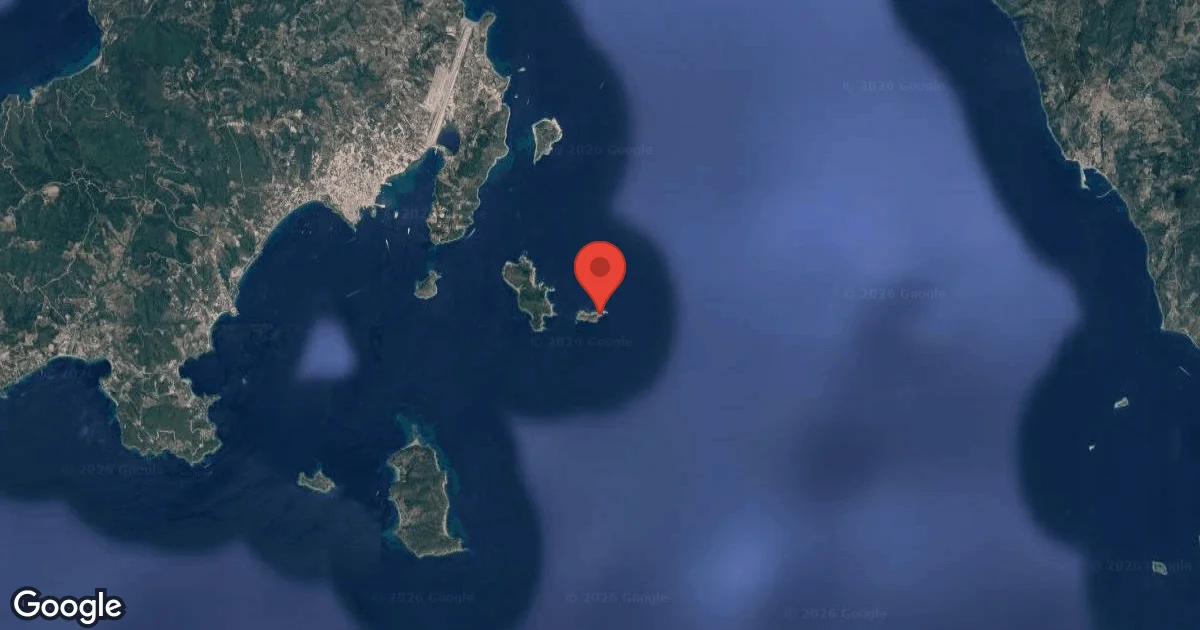
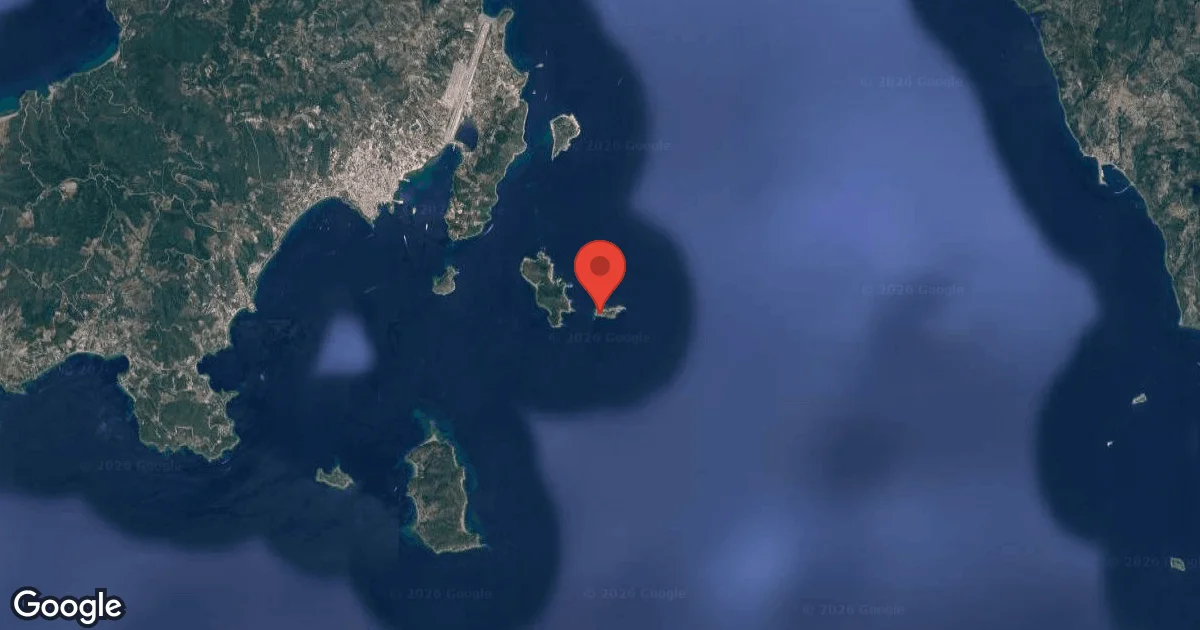
Dive Sites Near The Aquarium Small Tsougkriaki
View all dive sites in GreeceDiscover more underwater gems in this area.
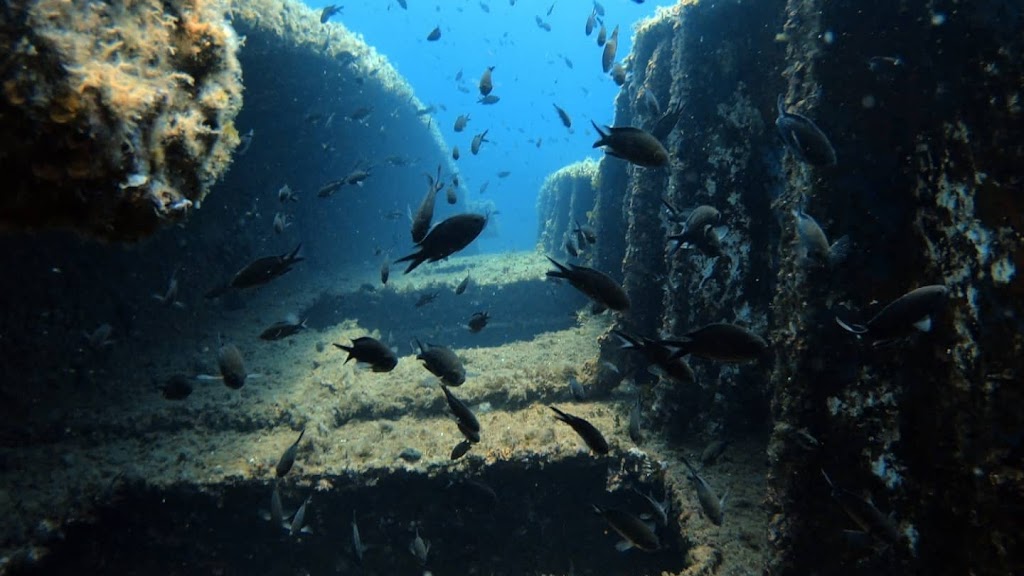
Dive Centers Near The Aquarium Small Tsougkriaki
Today: 09:00 - 16:30
Nearest Airports
Nearest airports to help plan travel to this dive area.
Search Flights
Check available flights and routes on Expedia, using the nearby airports listed in this section.
Search Flights on ExpediaFrequently Asked Questions
What is the maximum depth at Small Tsougkriaki?
The reef at Small Tsougkriaki stretches for 30-40 meters (100-130 ft), with the maximum depth reaching between 30-40 meters (100-130 ft). This provides a substantial vertical range for exploration.
What marine life is commonly seen at this site?
Divers frequently encounter moray eels and lionfish hiding within the reef's structure. On occasion, larger pelagic species like dolphins have been spotted, adding an exciting element to the dive experience.
Is Small Tsougkriaki suitable for all diving experience levels?
While Open Water divers can visit, the site's deeper sections are best enjoyed by those with Advanced Open Water certification or higher. This allows for more extensive exploration of the reef's impressive features.
How do divers typically get to Small Tsougkriaki?
Access to The Aquarium at Small Tsougkriaki is primarily by boat. This method allows for direct entry to the main reef system.
When is the best time of year to dive at Small Tsougkriaki?
The period from May through October generally offers the best diving conditions, with higher air temperatures and minimal rainfall. June, July, and August often present the calmest seas and clearest waters.
Are there any specific training recommendations for this site?
PADI Advanced Open Water Diver and PADI Deep Diver certifications are particularly useful. They prepare divers for comfortably and safely exploring the site's deeper reef sections.
Planning to dive The Aquarium Small Tsougkriaki?
Send one inquiry and receive offers directly from the best verified local dive operators.
Conditions are Excellent
07:00 - 14:00
Optimal conditions expected
Current conditions near The Aquarium Small Tsougkriaki show 24° air, 25° sea temperature, 0.2 m waves, and 15 km/h wind. Forecast data is refreshed regularly to ensure accuracy.