
Diving at Silfra (Iceland)
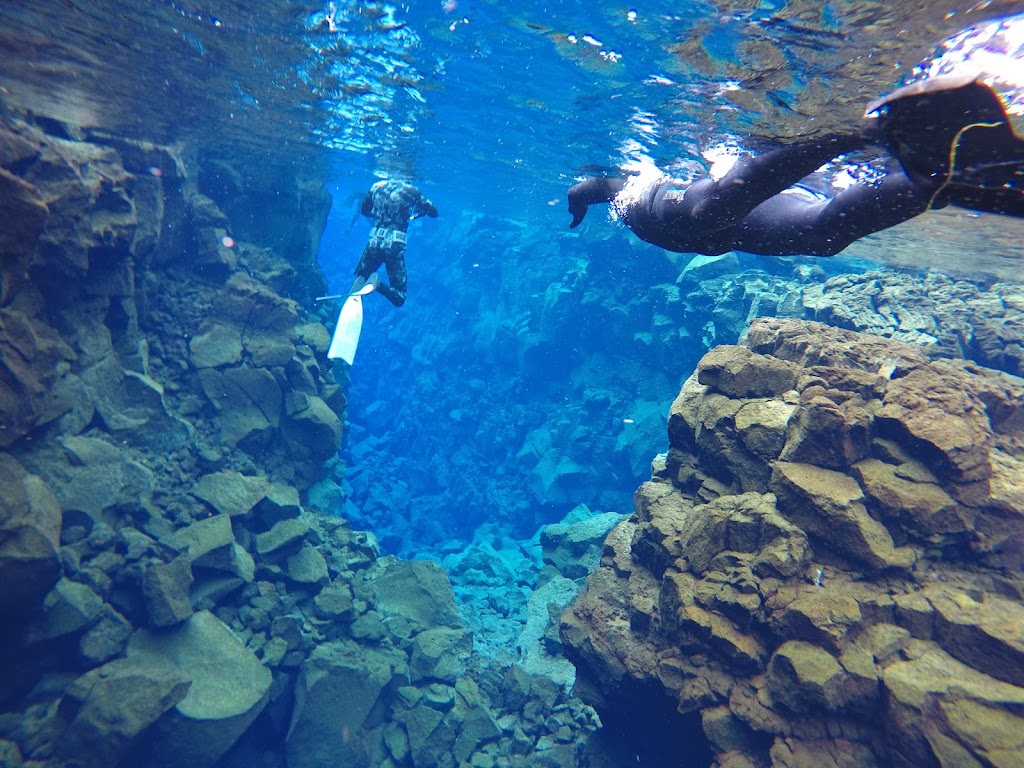
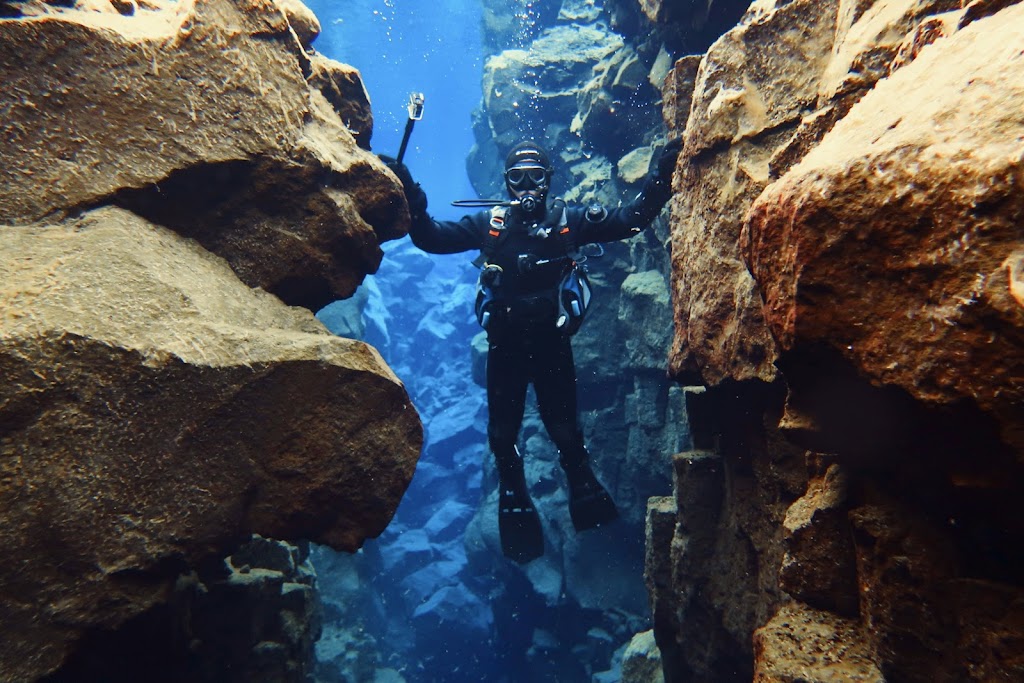
Silfra presents a truly dynamic geological experience, a fissure where the North American and Eurasian tectonic plates continuously drift apart by approximately 2 cm (0.8 inches) each year. An incredibly vivid underwater landscape forms from this active separation, constantly shaped by earth's movement. Decades of filtration through volcanic rock purifies glacial meltwater, which flows steadily into the rift, guaranteeing famously clear, cold conditions year-round.
The latest environmental reading at Silfra indicates an air temperature of 7°C. The regional climate in Iceland is aligning with expected historical averages. Prepare your gear according to these specific local conditions.
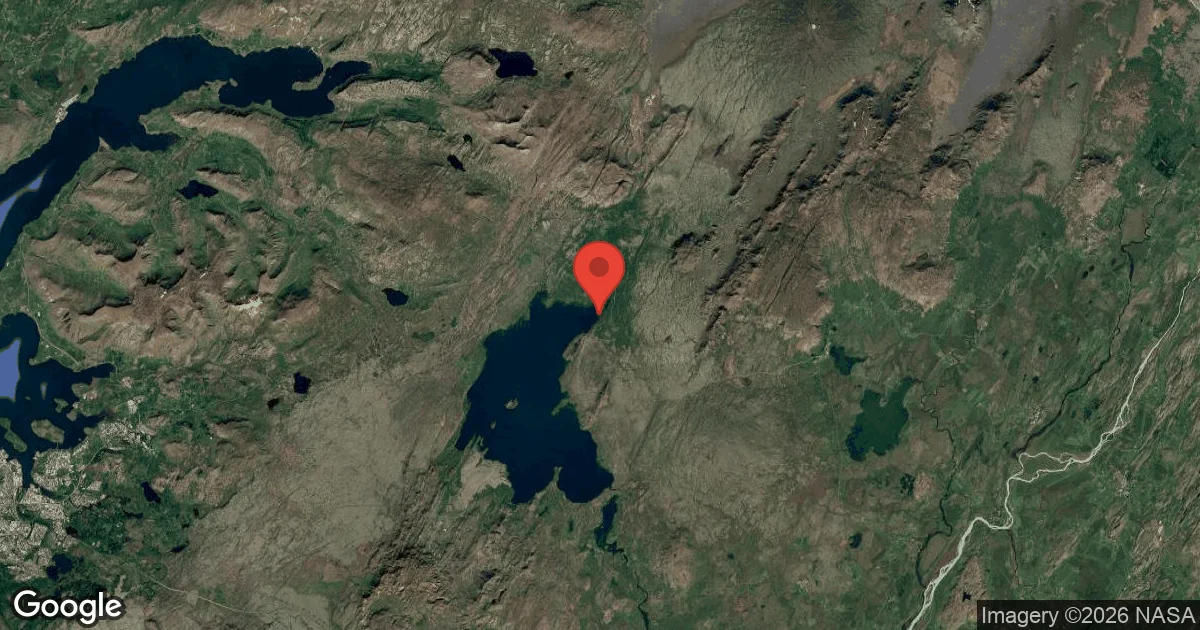
Dive Site Location & Key Facts
Dive Site Overview
Diving at Silfra traces its beginnings to 1966, when Þröstur Sigtryggson, an American-trained teacher, introduced the sport to Iceland. Early divers, including Níkúlás Halldórsson, were immediately captivated by its striking beauty and exceptional clarity, exploring the fissures around Thingvallavatn.
Later, in the 1990s and 2000s, efforts by DIVE.IS founder Tómas Knútsson helped establish Silfra's international profile as a compelling dive destination. Geologically, this rift formed during earthquakes in 1789, a direct result of the divergent tectonic plate movement. Glacial meltwater feeding Silfra undergoes a remarkable 30-100 year natural filtration process through porous underground lava, contributing to its exceptional water clarity.
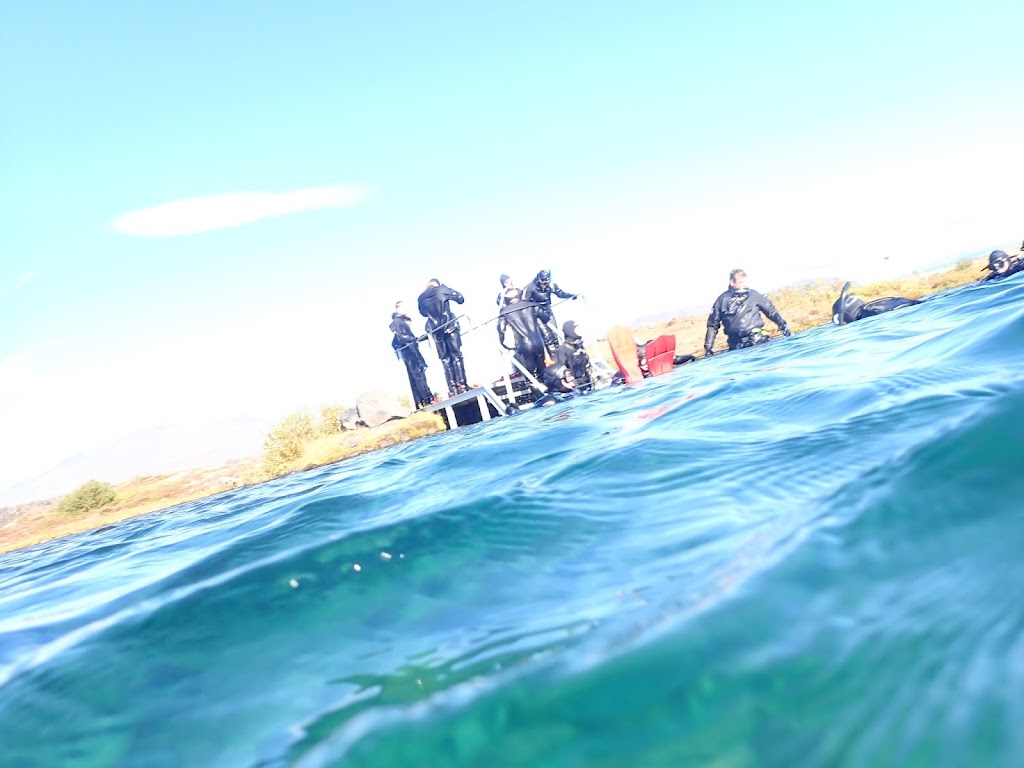
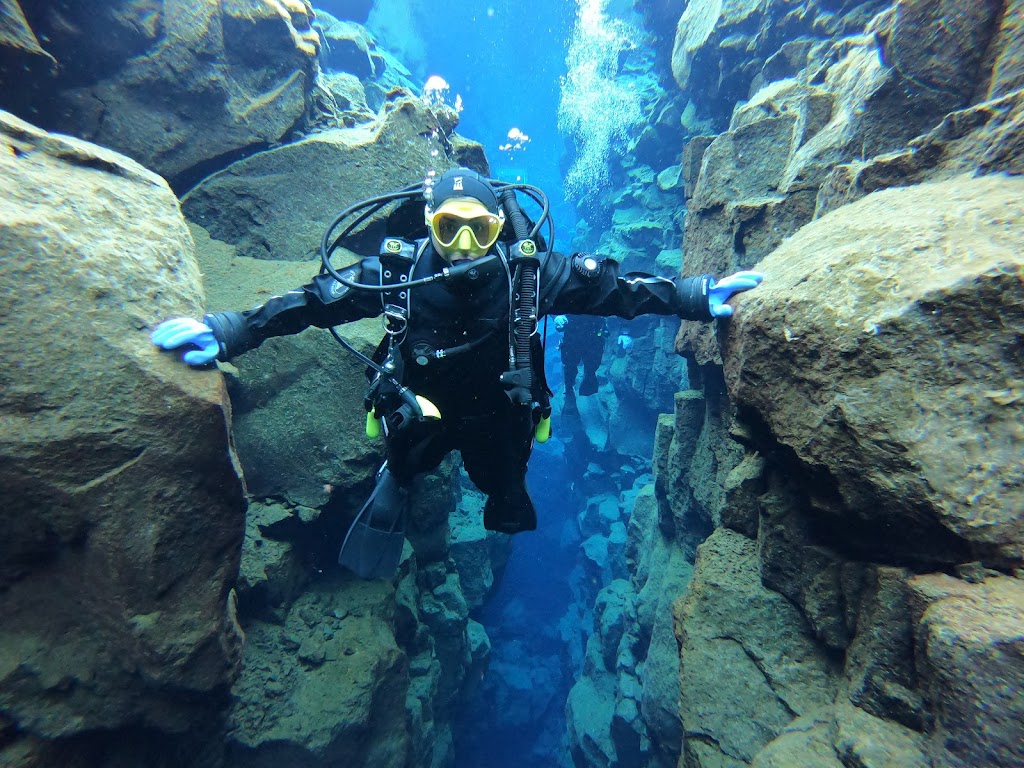
Divers navigate four distinct sections: Silfra Big Crack, Silfra Hall, Silfra Cathedral, and the shallower Silfra Lagoon, each offering a distinct perspective on this submerged continental divide. While deeper cave systems can descend to approximately 60 m (200 ft), recreational dive depth within the main fissure is capped at 18 m (60 ft), with typical dives occurring between 7 and 12 m (23-39 ft).
Conditions are Excellent
07:00 - 14:00
Optimal conditions expected
Current conditions near Silfra show 7° air, --° sea temperature, N/A waves, and 12 km/h wind. Forecast data is refreshed regularly to ensure accuracy.
Best Time to Dive
Considering the water conditions first, Silfra is accessible for diving throughout the entire year, primarily due to its remarkably consistent water temperature of 2-4°C (35-39°F). While the water remains dependably cold, ambient air temperatures vary significantly with the seasons. Summer months, particularly July and August, present the warmest air temperatures, averaging around 11.5°C (53°F) and 11°C (52°F) respectively, often accompanied by lower average rainfall (around 3.5-4.2 mm). This combination can make surface preparations and post-dive experiences more comfortable. Conversely, winter sees air temperatures drop below freezing, with averages around -3°C (37°F) in January and -2.5°C (36°F) in February, necessitating careful attention to cold-weather gear and procedures. Rainfall generally remains moderate and consistent year-round, not typically acting as a major deterrent. Dive scores are consistently rated "Good" for most of the year, dipping to "Moderate" in May and September, which might indicate slightly less favorable conditions during those transitional periods, though still perfectly diveable.
PEAK SEASON SCORE
Scores combine air & water temps, waves, wind & rainfall for overall conditions.
BEST MONTHS TO DIVE
Monthly records compiled from satellite and marine observation nodes over the last 3 years. Data provided by Open-Meteo and MET Norway.
Dive Experience & Conditions
Diving Silfra plunges you directly into the geological rift between continents, presenting an immersion unlike any other. Natural filtration of glacial meltwater delivers truly exceptional visibility, often described as the clearest water on Earth. Despite the profound cold, consistently 2-4°C (35-39°F), the sensation of floating between massive rock walls, carved by millennia of seismic activity and continental drift, is truly captivating. Your dive progresses through sections like Silfra Big Crack and Silfra Hall; deep, expansive canyons reveal geological layers and a stark, compelling underwater topography. Reaching Silfra Cathedral, the fissure widens, creating an impressive swim-through before opening into the shallower, algae-filled Silfra Lagoon. Here, the entire 100 m (328 ft) span of the lagoon can be seen, offering a serene contrast to the dramatic canyons.
Dive Difficulty & Safety Guidelines
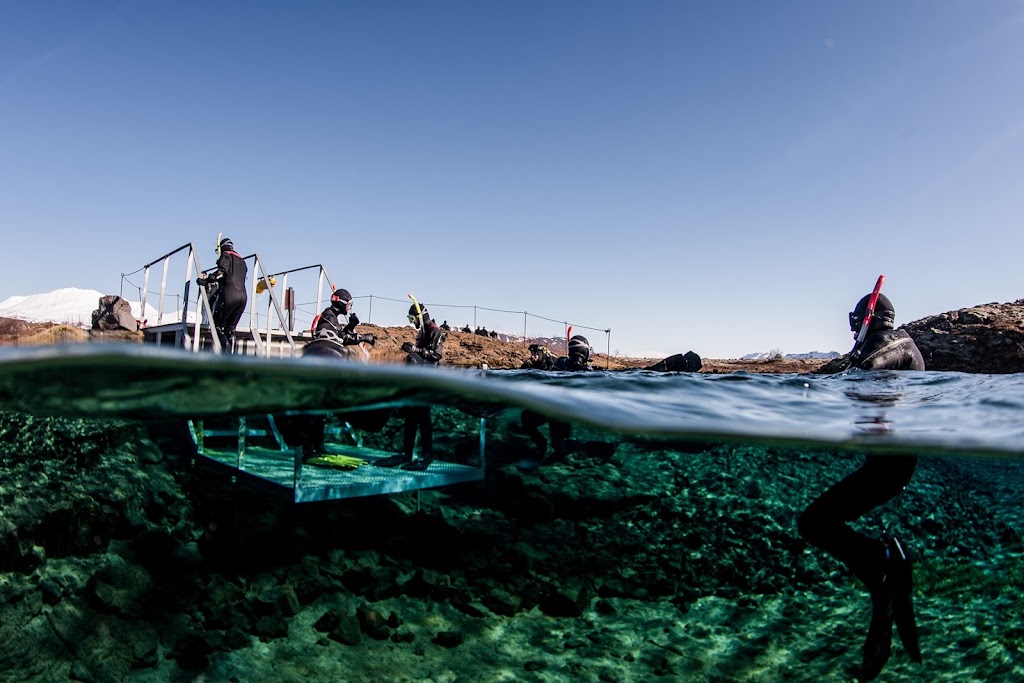
Given the extremely cold water and the nature of the dive site, dry suit certification is typically a prerequisite for diving Silfra, ensuring divers are adequately prepared for the environment. Adherence to strict safety protocols is mandatory. Divers must respect the maximum allowable dive depth, which is generally quite shallow for recreational diving.
It's critical to understand that diving into cave or overhead environments, which include extensions of the main fissure, is strictly prohibited. Internal Silfra cave systems, known for narrow passages and potential instability, pose significant risks, leading to this prohibition.
Furthermore, traversing "the toilet" tunnel, connecting a nearby pool to Silfra, is also prohibited due to historically strong currents. All dives are conducted with certified guides to ensure diver safety and proper navigation of the site.
Recommended Equipment
- Dive Computer
This gear list is based on verified equipment signals for Silfra, Iceland. Always confirm final gear choices with your dive operator, guide, or liveaboard.
Recommended Dive Suit
Based on regional estimates and current weather, the likely required exposure protection is a thicker wetsuit or drysuit. Note that local currents and upwellings can alter this. Strong cold advisory: dress warmly immediately after exiting the water.
Because recent water temperature readings are not available for Silfra, the guidance below is based mainly on current air conditions and seasonal expectations. Current surface air temperatures are roughly 7°C (44°F).
Due to unpredictable weather patterns, conditions may change rapidly.
Emergency & Medical Support
Essential information to help you plan your dive trip to Silfra.

Hyperbaric chambers are a critical part of dive safety infrastructure. Availability varies significantly by region, and not all dive areas have immediate access.
Before diving, it's recommended to:
- confirm nearest medical facilities
- check emergency procedures with local dive operators
- ensure dive insurance covers evacuation if required
Divers Alert Network
Diving emergency assistance available through DAN Europe.
+39 0642115685- 24/7 emergency hotline
- Diving medical assistance
- Evacuation coordination
Emergency contacts are provided for reference. Always verify local emergency services before diving.
Marine Life at Silfra
Silfra's underwater landscape is predominantly characterized by unique geological features and vibrant plant life, rather than abundant fish. Divers observe extensive fields of bright green "troll hair" algae clinging to the rocks, alongside other algal formations that create striking color contrasts against the stark rock.
While most aquatic life consists of microscopic invertebrates, a unique amphipod, Crymostygius Thingvallensis, is found only in Thingvellir Lake and its fissures, including Silfra. Fish life is scarce within the fissure itself; small Dwarf Char, a subspecies of Arctic Char, sometimes inhabit the darker recesses near the rocks but are not frequently encountered. Arctic Char are known to visit the fissure during their mating season in August and September.
Dive Sites Near Silfra
View all dive sites in IcelandDiscover more underwater gems in this area.
Dive Centers Near Silfra
Today: 08:00 - 19:00
Nearest Airports
Nearest airports to help plan travel to this dive area.
Search Flights
Check available flights and routes on Expedia, using the nearby airports listed in this section.
Search Flights on ExpediaFrequently Asked Questions
What makes Silfra such a unique dive site?
Silfra is the only place in the world where you can dive directly in the crack between two major tectonic plates, the North American and Eurasian plates. This active geological rift offers unparalleled visibility due to continuous glacial meltwater filtration.
What is the water temperature in Silfra?
The water in Silfra maintains a consistent temperature of 2-4°C (35-39°F) year-round. This requires divers to wear appropriate thermal protection like dry suits.
What is the maximum allowed diving depth?
The maximum allowed recreational dive depth in Silfra is set at a moderate limit. Most dive experiences typically stay within a shallower range, prioritizing safety and observation of the fissure's main features.
Is there any marine life to see in Silfra?
While the site isn't known for abundant fish, divers mainly encounter vibrant green "troll hair" algae and other plant life. Small Dwarf Char might be seen in darker areas, and Arctic Char can visit during mating season in August and September.
Are there any diving restrictions or prohibited areas?
Yes, diving in all cave and overhead environments within Silfra is strictly prohibited due to instability and narrow passages. The "toilet" tunnel, connecting a nearby pool, is also off-limits.
How clear is the water in Silfra?
Silfra is widely recognized for having some of the clearest water on Earth. The continuous filtration of glacial meltwater through porous volcanic rock for decades results in truly exceptional underwater visibility.
What kind of certification do I need to dive in Silfra?
Given the cold water conditions, dry suit certification is generally required for diving in Silfra. This ensures divers are equipped and trained to handle the cold environment safely.
Planning to dive Silfra?
Send one inquiry and receive offers directly from the best verified local dive operators.
Conditions are Excellent
07:00 - 14:00
Optimal conditions expected
Current conditions near Silfra show 7° air, --° sea temperature, N/A waves, and 12 km/h wind. Forecast data is refreshed regularly to ensure accuracy.