
Diving at Davíðsgjá (Iceland)
Navigating Davíðsgjá requires careful planning, as this tectonic fissure presents a raw, untamed diving environment within Lake Thingvallavatn. Often described as Silfra's wilder sibling, it offers a more rugged subaquatic exploration. Conditions here can fluctuate, making it essential to prioritize safety and be prepared for variable visibility and consistently cold temperatures inherent to glacial waters. This location demands readiness for an authentic, challenging dive.
At Davíðsgjá, the ambient air temperature is currently recorded at 6.5°C. This dive site in Iceland is operating under normal seasonal weather patterns. Familiarize yourself with the local topography prior to navigating.
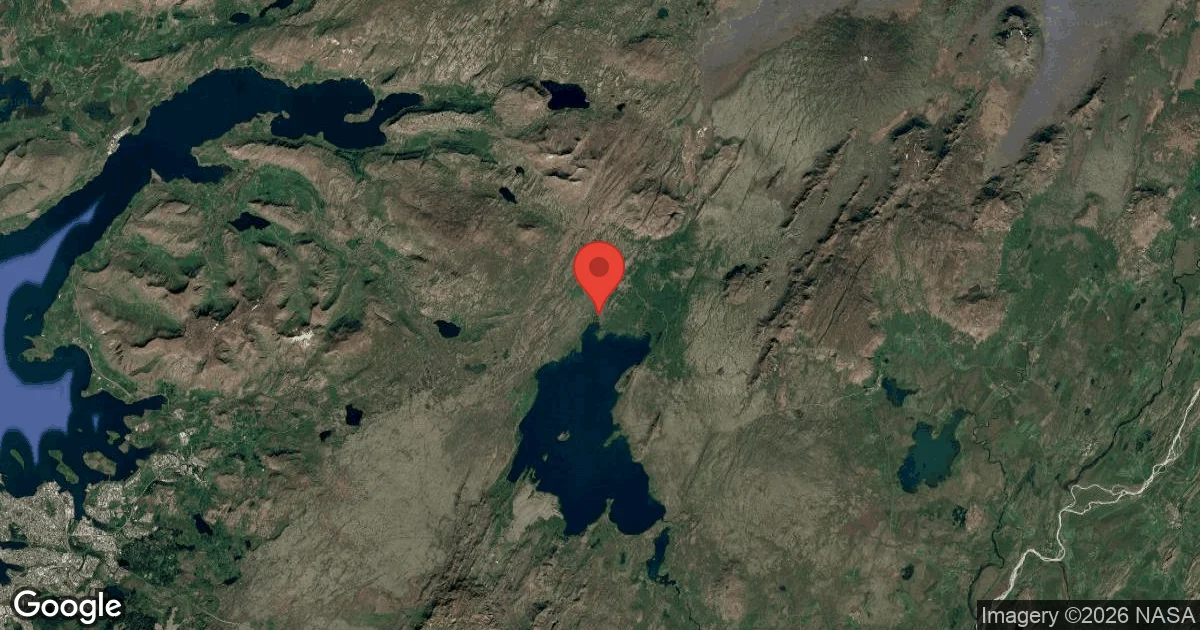
Dive Site Location & Key Facts
Dive Site Overview
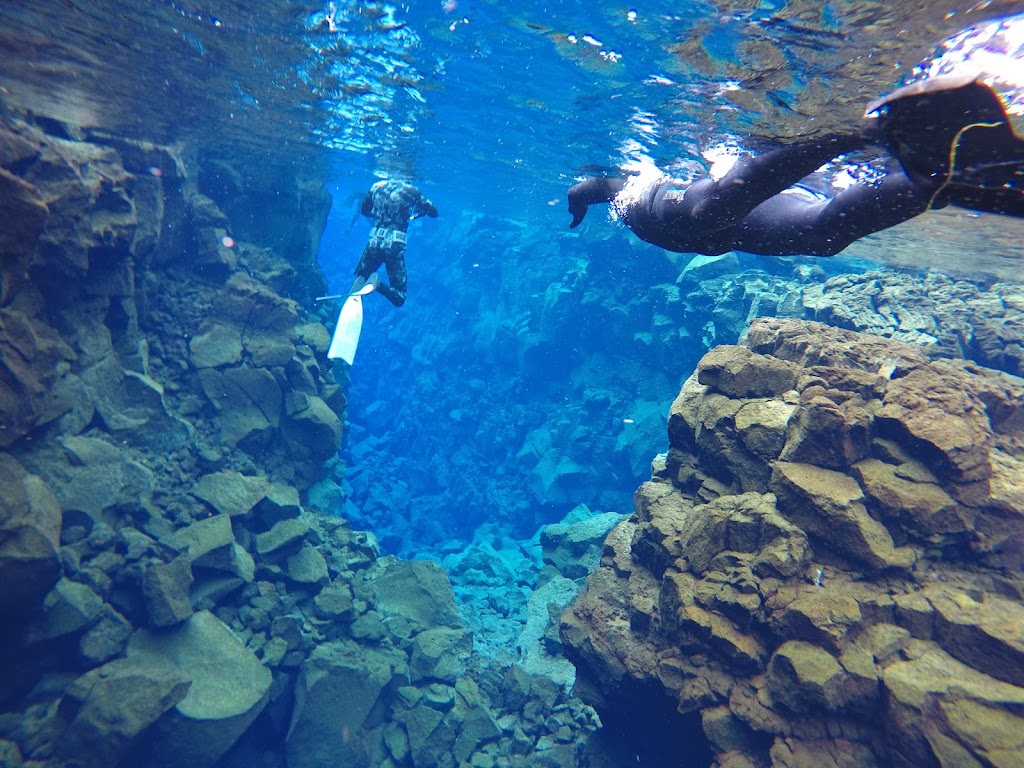
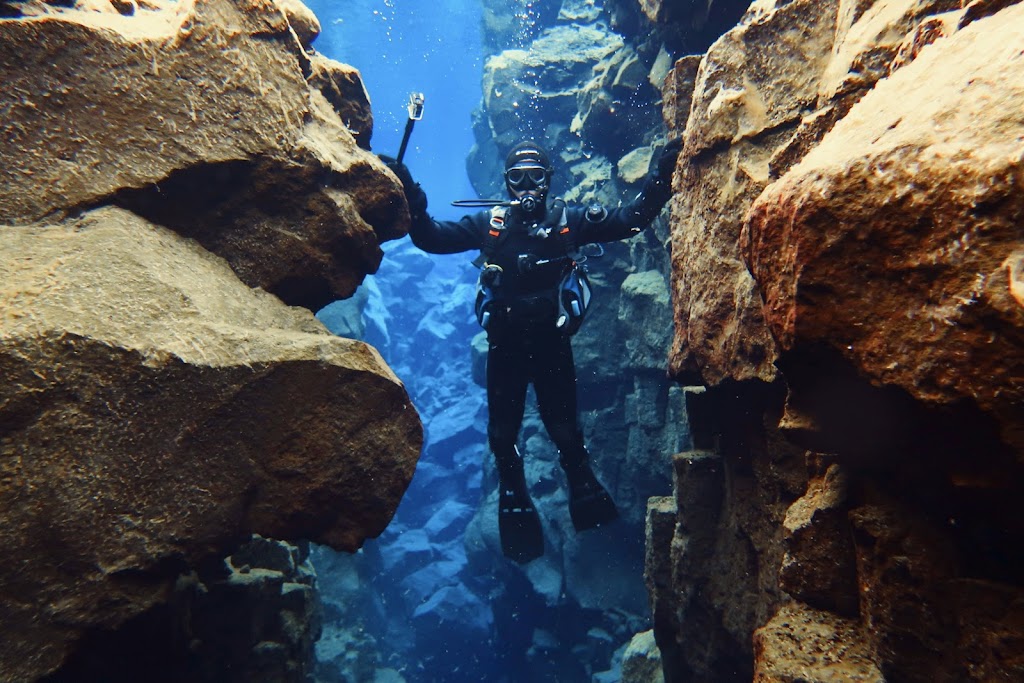
Formed by the active separation of the North American and Eurasian tectonic plates, Davíðsgjá presents a captivating freshwater fissure continually reshaping Thingvellir National Park. Its geological origin creates a profoundly compelling subaquatic experience within Lake Thingvallavatn.
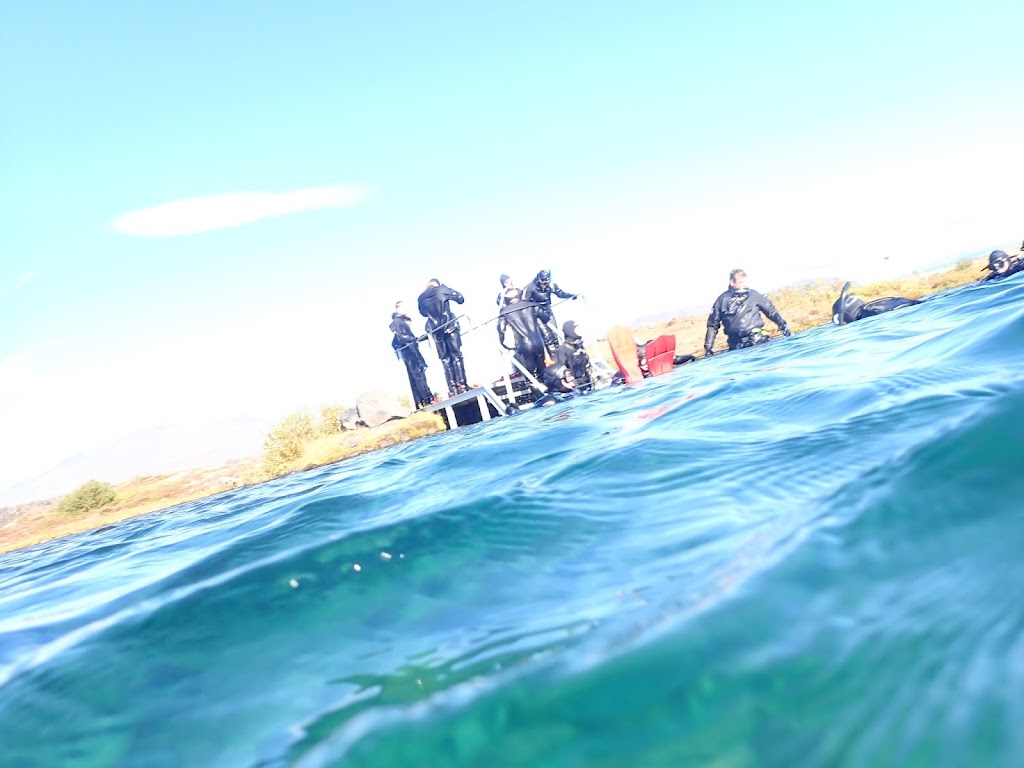
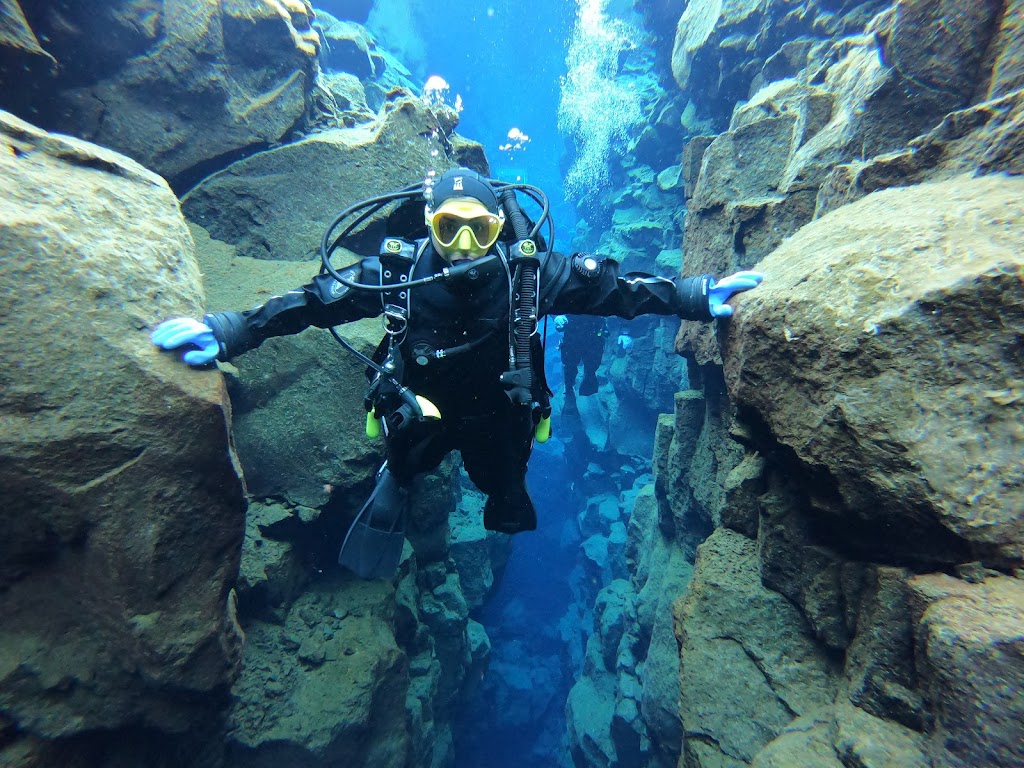
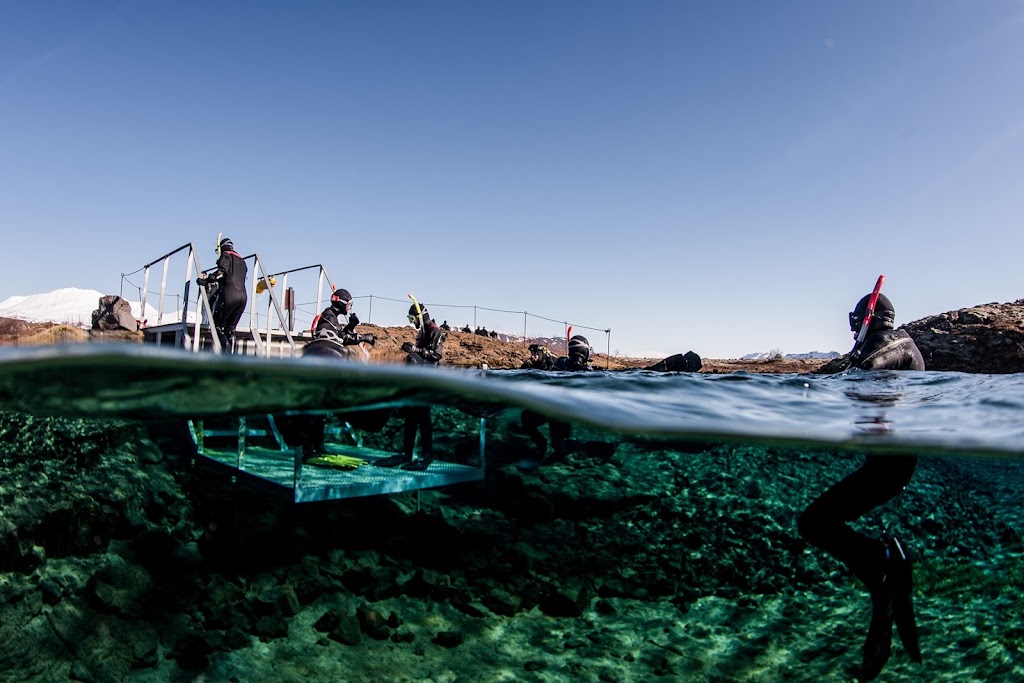
While attracting fewer international divers than other rifts, the site stands as a cherished spot among local enthusiasts seeking a rugged, distinct adventure. Accessing the dive involves a straightforward walk-in entry from the shore, followed by a shallow swim across the lakebed before descending. Divers then navigate into the long, deep, and notably narrow fissure itself.
Maximum depth within the rift can reach 21 m (69 ft), facilitating significant vertical exploration through impressive rock formations. Diving here offers a profound sense of traversing Earth's shifting crust, an opportunity few locations worldwide provide.
Glacial meltwater feeds the lake, contributing to exceptional clarity; however, underwater visibility is more susceptible to surface weather impacts at Davíðsgjá compared to neighboring sites. Preparing for variable conditions is crucial for fully appreciating its intricate geological features and unique ecosystem.
Conditions are Excellent
07:00 - 14:00
Optimal conditions expected
Current conditions near Davíðsgjá show 6° air, --° sea temperature, N/A waves, and 12 km/h wind. Forecast data is refreshed regularly to ensure accuracy.
Best Time to Dive
The provided climate data does not specify water temperatures, which are consistently cold year-round in these glacial fissures. Therefore, optimal diving periods primarily consider surface conditions and accessibility. Months with higher dive scores, particularly from April to November, generally coincide with more favorable air temperatures and less extreme weather. For example, July and August offer the mildest surface conditions, with average air temperatures around 11-12°C (52-54°F), making surface preparation more comfortable. In contrast, winter months like January see average air temperatures drop to -2°C (28°F). While diving is possible year-round, periods of lower rainfall, such as July (3.23 mm average), may contribute to more stable water clarity, though visibility is known to be more susceptible to weather variability at Davíðsgjá.
PEAK SEASON SCORE
Scores combine air & water temps, waves, wind & rainfall for overall conditions.
BEST MONTHS TO DIVE
Monthly records compiled from satellite and marine observation nodes over the last 3 years. Data provided by Open-Meteo and MET Norway.
Dive Experience & Conditions
Diving Davíðsgjá offers an experience distinct from its neighbors, often feeling more raw and intimate. Divers enter the water directly, navigating a shallow swim before the fissure opens into its primary, deeper section. The top of the fissure lies approximately 7 meters (23 ft) underwater, allowing for greater interaction with the lake's broader ecosystem. This unique dynamic means the water temperature can be slightly warmer than in other rift dives, though still consistently cold, typically ranging from 2-4°C (36-39°F) in similar Icelandic fissures. Visibility is frequently described as incredible, yet it varies more with weather patterns affecting Lake Thingvallavatn. The 'darker sibling' moniker hints at potentially less ambient light penetration in certain sections, necessitating dive lights to appreciate its intricate rock formations and any resident fish.
Dive Difficulty & Safety Guidelines
Prioritizing safety at Davíðsgjá involves adhering to specific certification and physical fitness requirements. All divers must possess a PADI Open Water Diver certification or equivalent. Crucially, dry suit diving certification is mandatory, along with evidence of a recent dry suit dive within two years, or at least ten logged dry suit dives within the same period, supported by instructor verification.
Given the cold water, this equipment is non-negotiable for thermal protection. Divers must also be physically fit, able to communicate in English, and sign a liability release form.
Weight and height restrictions apply for dry suit fitting, typically between 150-200 cm (4.9-6.6 ft) and 45-120 kg (99-265 lbs). Guided tours are highly recommended, ensuring experienced professionals lead the dive, assisting with gear, and navigating the site effectively.
Recommended Equipment
- Dive Computer
This gear list is based on verified equipment signals for Davíðsgjá, Iceland. Always confirm final gear choices with your dive operator, guide, or liveaboard.
Recommended Dive Suit
Forecast confidence is somewhat lower, with potential for varied conditions ahead. A warming trend is expected over the next few days.
Based on regional estimates and current weather, the likely required exposure protection is a thicker wetsuit or drysuit. Note that local currents and upwellings can alter this. Strong cold advisory: dress warmly immediately after exiting the water.
Because recent water temperature readings are not available for Davíðsgjá, the guidance below is based mainly on current air conditions and seasonal expectations. Current surface air temperatures are roughly 6°C (43°F).
Emergency & Medical Support
Essential information to help you plan your dive trip to Davíðsgjá.

Hyperbaric chambers are a critical part of dive safety infrastructure. Availability varies significantly by region, and not all dive areas have immediate access.
Before diving, it's recommended to:
- confirm nearest medical facilities
- check emergency procedures with local dive operators
- ensure dive insurance covers evacuation if required
Divers Alert Network
Diving emergency assistance available through DAN Europe.
+39 0642115685- 24/7 emergency hotline
- Diving medical assistance
- Evacuation coordination
Emergency contacts are provided for reference. Always verify local emergency services before diving.
Marine Life at Davíðsgjá
While Davíðsgjá is primarily celebrated for its geological formations and exceptional clarity, it also hosts some aquatic life. The presence of trout is a common highlight.
Because the fissure's top is submerged, trout from Lake Thingvallavatn frequently venture into the rift, sometimes joining divers during their exploration. Encountering these fish adds a vibrant, natural element to the otherwise stark, monumental underwater landscape.
Observing their behavior within this unique environment provides a contrasting touch to the tectonic scenery, creating a more dynamic visual experience.
Dive Sites Near Davíðsgjá
View all dive sites in IcelandDiscover more underwater gems in this area.
Dive Centers Near Davíðsgjá
Today: 08:00 - 19:00
Nearest Airports
Nearest airports to help plan travel to this dive area.
Search Flights
Check available flights and routes on Expedia, using the nearby airports listed in this section.
Search Flights on ExpediaFrequently Asked Questions
Is Davíðsgjá similar to Silfra?
Davíðsgjá is often referred to as Silfra's "wilder, darker sibling." Both are freshwater fissures located in Lake Thingvallavatn, but Davíðsgjá typically sees fewer international visitors and its visibility can be more dependent on surface weather conditions.
What is the maximum depth at Davíðsgjá?
The maximum depth for diving in Davíðsgjá fissure is generally 21 meters (69 feet). The dive profile involves a shallow entry before divers descend into the main, deeper sections of the fissure.
What diving certifications are required for Davíðsgjá?
Divers must hold a PADI Open Water Diver certification or an equivalent. Additionally, a dry suit diving certification is mandatory, along with documented recent dry suit diving experience.
What is the typical water temperature?
The water in Davíðsgjá, originating from glacial meltwater, is consistently cold throughout the year, usually ranging between 2-4°C (36-39°F). Dry suit diving is therefore an absolute necessity for thermal protection and comfort.
Can I expect to see marine life during the dive?
Yes, trout from Lake Thingvallavatn are commonly observed within the fissure. Their presence provides a natural, dynamic element to the dive experience among the impressive geological formations.
Are guided tours available for Davíðsgjá?
Yes, guided tours are highly recommended and often a requirement for diving Davíðsgjá. Guides ensure adherence to safety protocols, assist with equipment, and navigate the unique underwater environment effectively.
Planning to dive Davíðsgjá?
Send one inquiry and receive offers directly from the best verified local dive operators.
Conditions are Excellent
07:00 - 14:00
Optimal conditions expected
Current conditions near Davíðsgjá show 6° air, --° sea temperature, N/A waves, and 12 km/h wind. Forecast data is refreshed regularly to ensure accuracy.