
Diving in Iceland
Iceland includes dive locations with differing conditions, shaped by natural features and site exposure. Our platform currently includes 6 mapped dive sites across Iceland. This supports planning across different types of dive environments.
Iceland presents a distinct dichotomy for divers, offering both the geological marvels of freshwater fissures and the ecosystems of its cold Atlantic waters. Divers can experience the profound clarity of glacial meltwater flowing between continental plates, a stark contrast to nutrient-rich ocean environments further north. Subaquatic landscapes, ranging from tectonic rifts to hydrothermal chimneys, invite exploration.
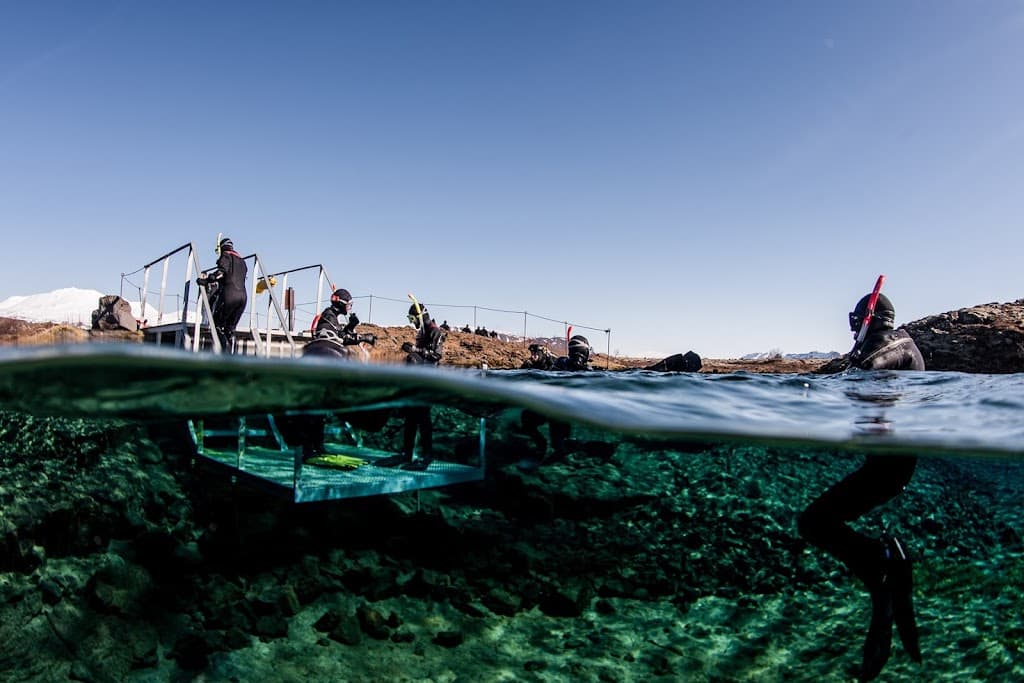
A primary draw is the Silfra Fissure in Thingvellir National Park, where the North American and Eurasian plates meet. This site offers exceptional visibility, a result of glacial water filtered through volcanic rock. Beyond these geological formations, the country's diverse regions, such as Eyjafjorður, provide different diving experiences. Here, marine life thrives around the only known accessible hydrothermal vents for recreational divers, presenting another facet of Iceland's subaquatic allure.
While freshwater fissure diving emphasizes specific geological formations, ocean sites, including those near Akureyri and the Reykjanes peninsula, feature distinct cold-water marine species. These Atlantic dives reveal an abundance of fish and invertebrates, creating a compelling contrast to the austere beauty of the fissures. Planning for a trip involves recognizing these regional differences and ensuring appropriate drysuit certifications for the consistently cool waters.
Dive Map of Iceland
Iceland's dive map is characterized by distinct geographical zones, organized around its specific geological features and expansive coastline. Many diving areas are concentrated inland in Thingvellir National Park, which holds the well-regarded Silfra Fissure.
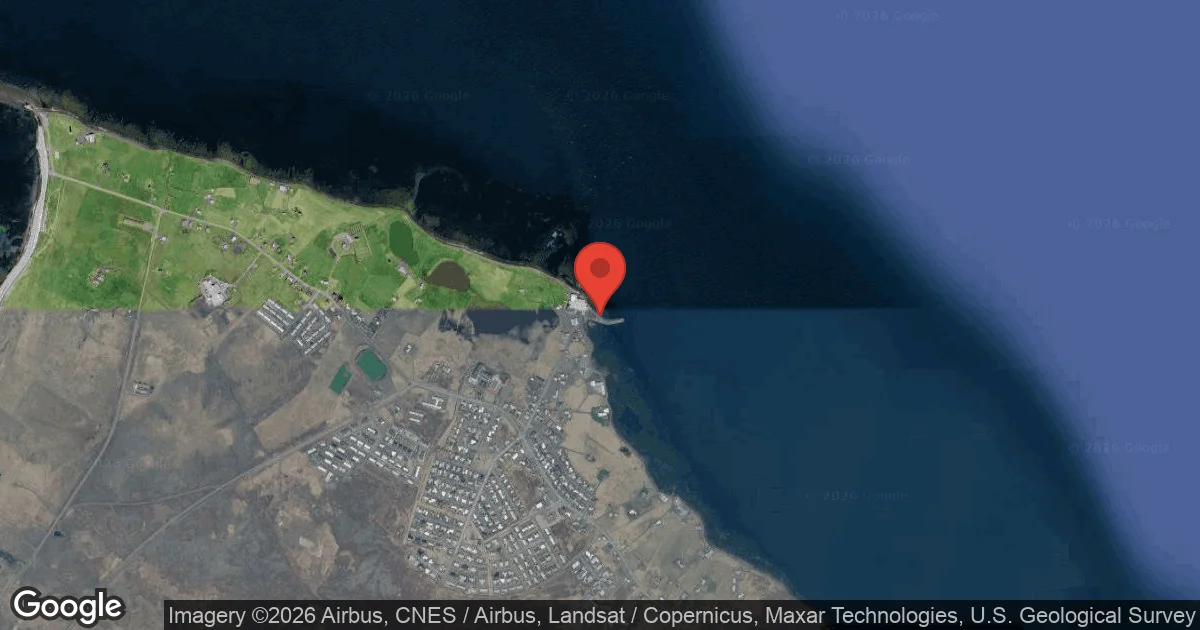
Along the southern and southwestern coasts, sites like Garður and those on the Reykjanes peninsula offer varied ocean diving.
Eastern fjords, such as Seydisfjordur, are recognized for wreck diving opportunities. This regional spread ensures that different types of cold-water diving experiences are available, from freshwater rifts to marine ecosystems.
Dive Sites to Explore
View all 6 sites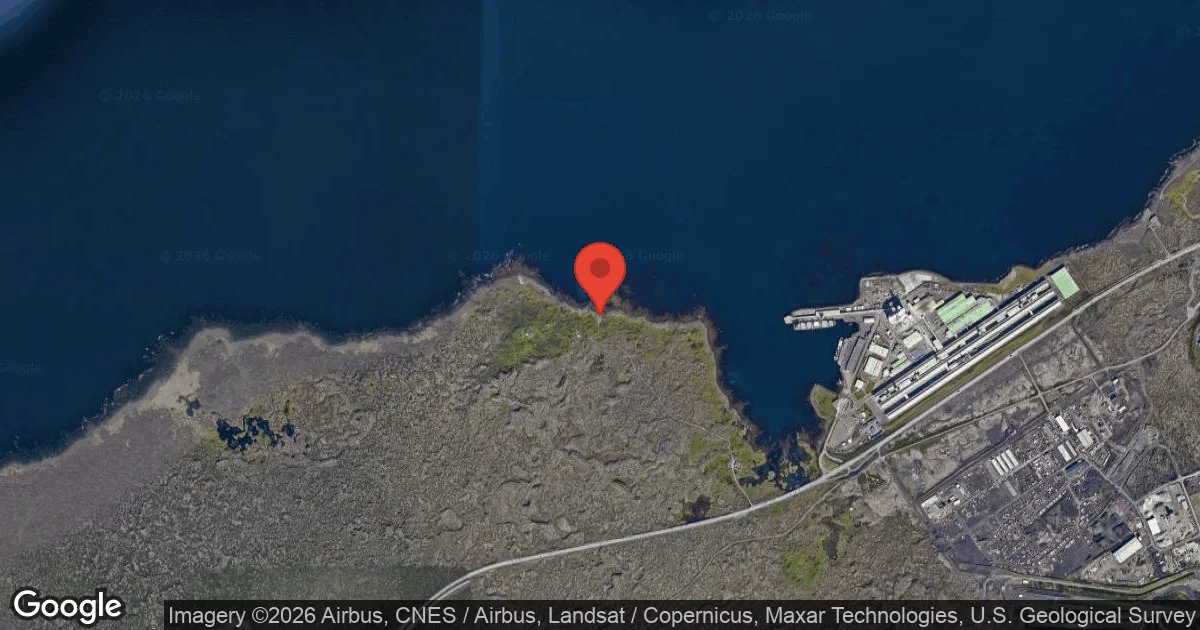
Selecting dive sites in Iceland hinges on a diver's skill level and specific interests, from those drawn to geological features to advanced divers seeking deep wrecks and thermal vents. Due to consistently cold waters, drysuit certification is a prerequisite for most dives, ensuring comfort and safety in these specialized environments.
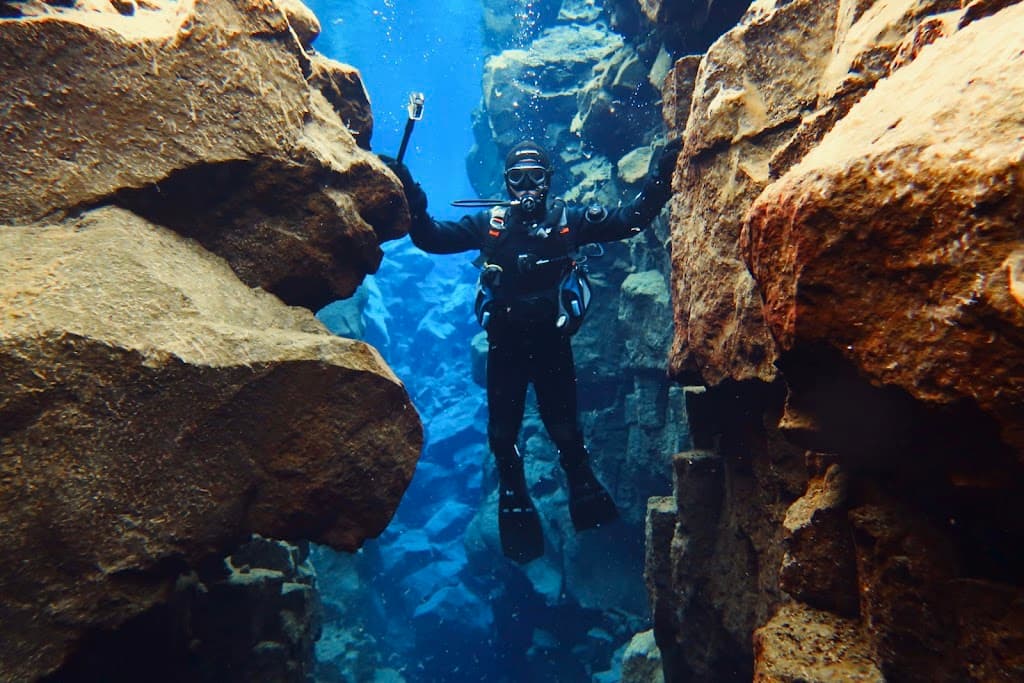
For divers with appropriate drysuit certification, Silfra Fissure in Thingvellir National Park stands out. This UNESCO World Heritage site allows divers to drift between the North American and Eurasian tectonic plates, valued for its glacial meltwater and visibility that can exceed 100 meters (330 ft). It is a relatively shallow dive, typically within 18 meters (60 ft), focusing on dramatic geological formations rather than extensive marine biodiversity. Nesgjá, located in northern Iceland near Húsavík, offers a similar freshwater fissure experience, notable for its cobalt-blue glacial water and specific rock formations, though it is shallower and smaller than Silfra.
More advanced divers can explore the hydrothermal chimneys of Strýtan in Eyjafjorður, which are the only known recreational access to such formations globally. A large cone features at this site, reaching 55 meters (180 ft) from the seafloor, with water temperatures from the stacks around 75°C (167°F) at the source, though the ambient water is much colder. Currents here can be strong, and interactions with the protected chimney are prohibited, making it suitable for experienced divers. Nearby, Arnarnesstrýtur, a roughly circular reef between 15-23 meters (50-75 ft) deep, also showcases shallow hydrothermal smokers and supports diverse marine life.
For those interested in historical exploration, the El Grillo wreck in Seydisfjordur provides an opportunity for experienced divers. This British oil tanker, sunk during WWII, rests between 28-45 meters (92-147 ft) and is best suited for divers with deep or technical qualifications. Garður is another option, a shore dive on the Southern Peninsula near Reykjavik, which features undersea gardens and specific cold-water species.
Best Time to Dive in Iceland
Diving conditions in Iceland vary significantly depending on the site and time of year, primarily influenced by visibility, currents, and surface weather. While Silfra Fissure offers consistently excellent conditions year-round, other ocean and geothermal sites are often seasonal. Divers planning a trip must consider these factors for optimal experience and safety.
Silfra Fissure in Thingvellir National Park is diveable 12 months of the year, largely due to its stable water temperature of 2-4°C (36-39°F) and consistently superb visibility, often exceeding 100 meters (330 ft). There are no significant currents in the fissures, making it a reliable destination regardless of the season. However, surface conditions, including air temperature and potential snow, can impact the overall comfort and accessibility to the site.
For ocean and geothermal diving, the period from late April to early October is generally preferred. Summer months, particularly May through September, are most popular, offering longer daylight hours and more favorable top-side temperatures. Shore diving, for instance, is typically confined to this warmer season due to better weather conditions. Sites like Kleifarvatn Lake, known for its geothermal hot springs, are only diveable during these summer months as they freeze in winter.
Conversely, winter diving, while possible for Silfra, presents challenges with extreme weather and potential tour cancellations. Roads, especially F-roads in the Highlands, are often closed between October and May, limiting access to some areas. However, winter does offer the unique opportunity to combine diving with viewing the Northern Lights. Visibility at ocean sites can vary widely, from 3-18 meters (10-60 ft), and currents can be strong, particularly at sites like Strýtan, requiring careful planning regardless of the season.
Monthly Sea Temperatures
Sea temperatures in Iceland demonstrate notable seasonal shifts, particularly in coastal waters, while inland fissures maintain a constant chill. Divers must be prepared for consistently cold conditions across all dive sites.
Freshwater in Silfra Fissure remains a steady 2-4°C (36-39°F) year-round, a constant temperature due to its glacial source. This consistent cold necessitates drysuit diving at all times. Ocean temperatures, however, experience more fluctuation. Near Akureyri in the north, waters can be as cold as 2-3°C (upper 30s°F) in winter, warming to 7-9°C (upper 40s°F) during summer.
Closer to Reykjavík, ocean temperatures are slightly warmer, averaging 4-7°C (39-45°F) for general ocean diving. Warmest ocean temperatures occur in summer and fall, reaching approximately 8-12°C (46-54°F). Some geothermal and inland sites also show a summer and fall warming, around 6-8°C (43-46°F). Notably, the shallow waters of Litlaá, a geothermal river, are considerably warmer at 17°C (63°F).
| Jan | Feb | Mar | Apr | May | Jun | Jul | Aug | Sep | Oct | Nov | Dec | |
|---|---|---|---|---|---|---|---|---|---|---|---|---|
| Max | 5° | 5° | 5° | 7° | 8° | 11° | 12° | 12° | 11° | 10° | 8° | 7° |
| Avg | 4° | 4° | 3° | 5° | 7° | 9° | 11° | 11° | 10° | 8° | 7° | 6° |
| Min | 4° | 3° | 2° | 3° | 5° | 7° | 9° | 10° | 8° | 6° | 6° | 4° |
Dive Conditions
Dive conditions in Iceland are distinct, with clarity and current behavior often linked to a site's depth profile and geographical location. Understanding these variations is crucial for planning dives, especially given the country's unique blend of freshwater fissures and cold ocean environments.
In freshwater fissures like Silfra, conditions are consistently exceptional regardless of depth within recreational limits. Visibility here is legendary, frequently exceeding 100 meters (330 ft) and sometimes reaching 91-122 meters (300-400 ft), attributed to the glacial meltwater filtered through volcanic rock. This site typically involves shallow dives, with divers not allowed to descend deeper than 18 meters (60 ft), and no significant currents are present, allowing for a serene drift.
Conversely, ocean dive sites present a different set of conditions influenced by depth and marine topography. Visibility in these areas can vary widely, ranging from 3 to 18 meters (10 to 60 ft), and may be reduced to around 12 meters (40 ft) in nutrient-rich "green seas." Currents can also be a factor, particularly at deeper sites or those exposed to open ocean. At Strýtan, for example, strong currents are present around the hydrothermal chimneys, which rise from significant depths. Wreck dives, such as the El Grillo, are found at depths between 28-45 meters (92-147 ft) and require advanced planning to manage potential currents and overhead environments. Shore diving sites, while more accessible, also require awareness of local currents and surging surf on rocks.
Marine Life Highlights
Most Mentioned Species
Marine life in Iceland varies across dive locations, with different species appearing depending on environment and conditions. The species highlighted here are the most frequently associated with dive sites in our data, offering a realistic overview of what divers are most likely to encounter.
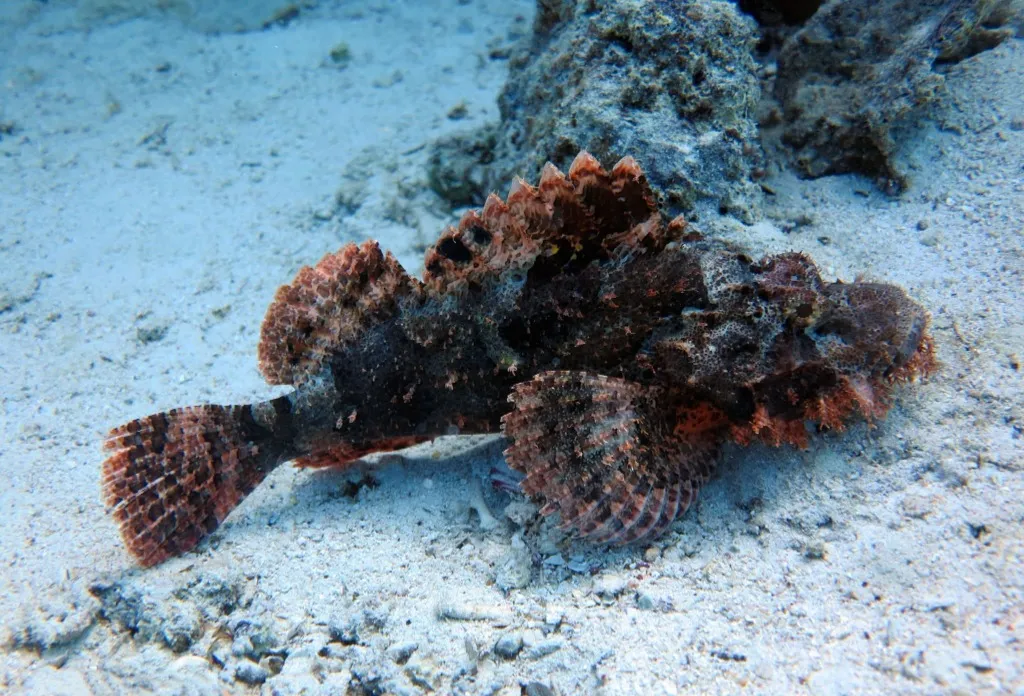
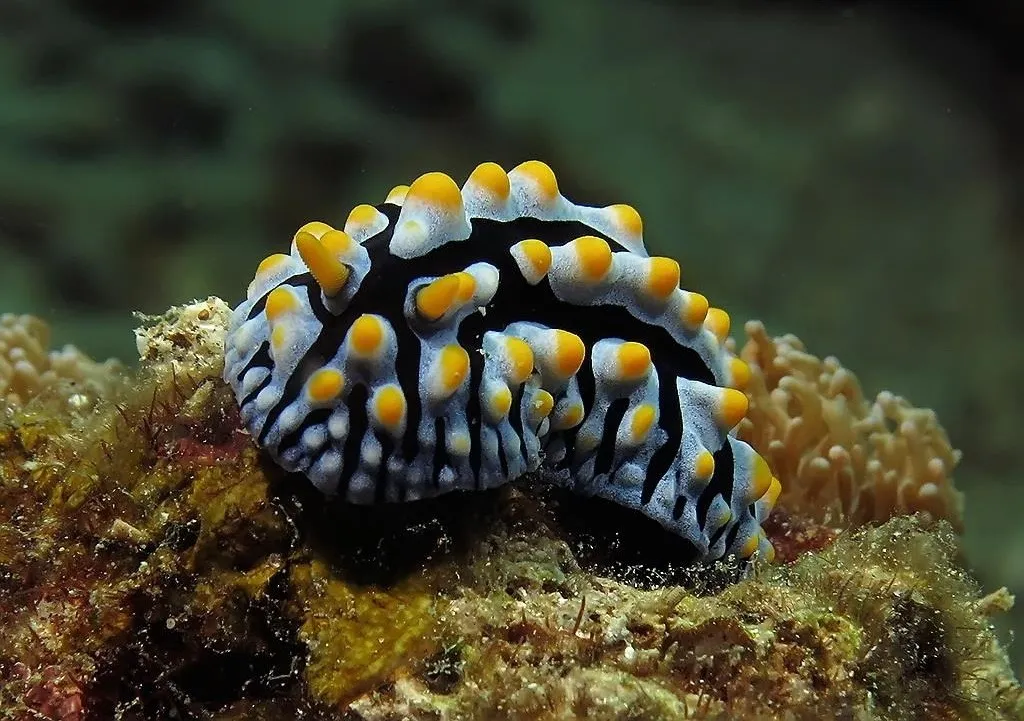
Iceland's underwater environments, particularly its ocean sites, are home to distinctive cold-water species, with the Atlantic wolffish and Atlantic cod often considered signature sightings for divers. These waters support ecosystems that are different from warmer tropical regions, offering a unique biodiversity experience.
In northern waters of Eyjafjorður, around the hydrothermal chimneys of Arnarnesstrytur, a variety of life thrives. Divers can encounter schools of cod, lump suckers, crustaceans, and numerous invertebrates, including giant sea cucumbers, anemones, and nudibranchs. Protected reserve at Strýtan is also known for its abundant and unique marine life, with its surface overgrown with algae, hydroids, tunicates, and bryozoans.
Other ocean dive sites reveal a rich tapestry of North Atlantic species. Divers may spot white plumose anemones, red sea urchins, sponges, and various flatfish hidden in the sand. Kelp forests host wolf fish, catfish, and monkfish, alongside starfish and crabs. While large pelagics are typically observed from the surface, humpback whales and white-beaked dolphins are sometimes seen in Faxaflói Bay. Freshwater fissures like Silfra, however, contain very little life due to the water's extreme filtration.
Regions for Diving
Exploring Iceland's diverse diving regions often begins with understanding their geographical access points and the specific underwater offerings each provides. The primary international gateway is Keflavik International Airport (KEF), near Reykjavik, from which divers can travel to various locations.
Thingvellir National Park, home to the Silfra Fissure and Davíðsgjá, is a highly regarded diving area, located about 45-60 minutes' drive (approximately 60 km) east of Reykjavík. This inland region, a UNESCO World Heritage Site, is accessible year-round, though surface conditions vary. Silfra is noted for its exceptional visibility, often exceeding 100 meters (330 ft), and constant water temperature of 2-4°C (36-39°F). Davíðsgjá, also in Lake Þingvallavatn, offers a similar geological fissure experience.
Further north, the Eyjafjorður region, centered around Akureyri—Iceland’s second-largest urban area—serves as a hub for exploring its distinct cold-water marine environments. From Hjalteyri harbor, sites like Strýtan and Arnarnesstrýtur are just a short zodiac ride away. Hydrothermal chimneys feature at these sites, accessible to recreational divers, where ambient ocean temperatures range from 2-3°C (upper 30s°F) in winter to 7-9°C (upper 40s°F) in summer. Visibility in these northern waters can be around 12 meters (40 ft), supporting diverse invertebrates, cod, and wolffish.
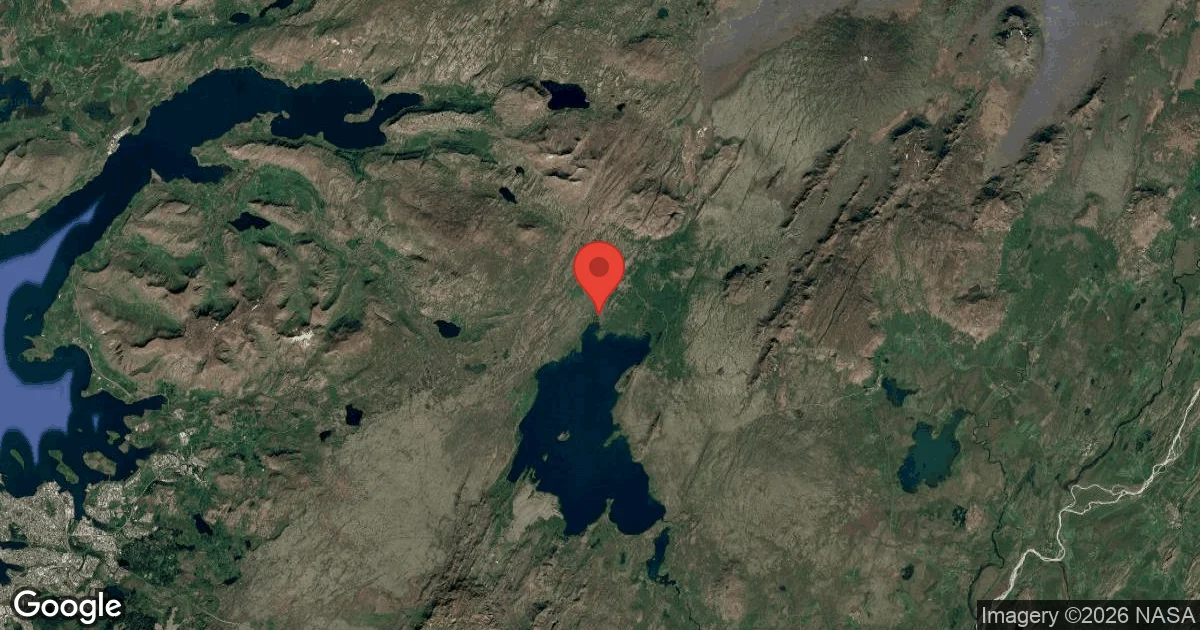
Divers on the Southern Peninsula, readily accessed from Reykjavik, will find sites such as Garður and Bjarnagjá. Garður, a popular shore dive, is about an hour south of Reykjavik and is known for its undersea gardens. Bjarnagjá, a lava fissure on the Reykjanes peninsula, offers a freshwater and ocean interface. Lake Kleifarvatn, also near Reykjavik (about 30 minutes' drive), provides geothermal hot spring diving, though it is only diveable during the summer months when ocean temperatures are warmest, ranging from 8-12°C (46-54°F).
In the far east of Iceland, Seydisfjordur, a small fishing village, hosts the El Grillo wreck. This site is suitable for experienced or technical divers due to its depth. The Westfjords, a dramatic peninsula in northwest Iceland, also offer clear Atlantic waters, recognized for potential wreck sites and shipping artifacts, though dive infrastructure here is more limited.
Travel & Passport Guide
Travel Basics
Trip Planning
Safety & Diving Considerations
Diving in Iceland places a strong emphasis on specific certifications and experience levels, primarily due to the cold water and unique geological environments. Drysuit certification is generally required for all scuba diving activities, with operators often requiring proof of a drysuit specialty or offering the course.
For sites like the Silfra Fissure, divers must hold an Open Water and Dry Suit certification, or an Open Water certification coupled with at least 10 logged drysuit dives within the last two years. Additionally, divers must be at least 18 years old, understand instructions in English, and those over 60 years old need to provide a health certificate. Diving in Silfra is tightly controlled and requires an official guide, with a maximum depth limit of 18 meters (60 ft).
More challenging dives, such as the hydrothermal chimneys of Strýtan, are recommended for advanced divers only, due to the presence of strong currents and the protected nature of the site. The El Grillo wreck, resting at depths of 28-45 meters (92-147 ft), is best suited for divers with deep or technical qualifications, as it involves overhead environments. All ocean and Eyjafjörður dive sites are weather dependent, meaning cancellations due to rough seas can occur at any time of year. It is also advised to dive with a buddy and avoid touching marine life.
Dive Centers in Iceland
View all 6 dive centers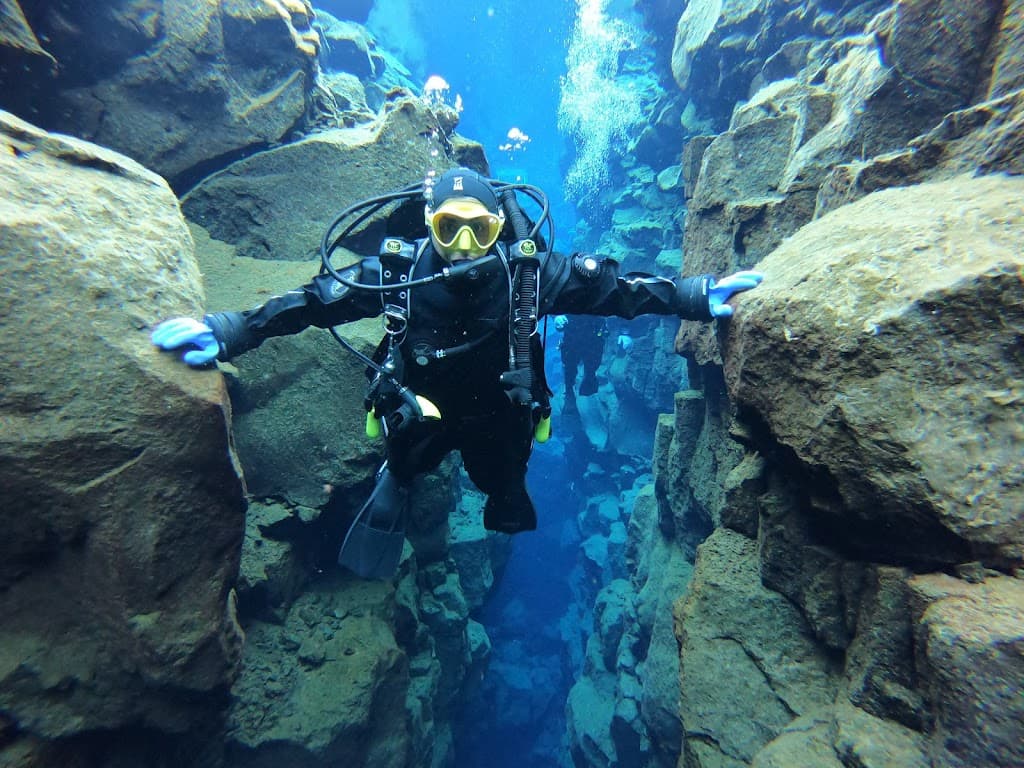
Frequently Asked Questions
What makes diving in Iceland unique compared to other destinations?
Iceland offers a distinct diving experience primarily due to its geological formations. Divers can descend into the Silfra Fissure, a freshwater rift where the North American and Eurasian tectonic plates meet, known for its exceptional visibility exceeding 100 meters (330 ft). Additionally, the country features the only known accessible hydrothermal chimneys for recreational divers at sites like Strýtan in Eyjafjorður. These cold-water environments provide a stark contrast to tropical diving, focusing on dramatic landscapes and unique subarctic marine life.
What are the necessary certifications for scuba diving in Iceland?
Due to the consistently cold water temperatures, drysuit certification is mandatory for almost all scuba diving in Iceland. For popular sites like Silfra, you typically need an Open Water and Dry Suit certification, or an Open Water certification coupled with at least 10 logged drysuit dives within the last two years. Some operators may also require a specific drysuit specialty certification. Advanced or technical qualifications are necessary for deeper dives, such as the El Grillo wreck.
Can I dive in Iceland year-round, or are there specific seasons?
Diving in Iceland varies by site. Silfra Fissure is accessible year-round because its glacial water maintains a constant temperature of 2-4°C (36-39°F) and consistent visibility. However, many ocean and geothermal dive sites, including shore dives and Lake Kleifarvatn, are primarily seasonal. They are best explored from late April to early October, when surface weather conditions are more favorable and the risk of freezing waters is lower. Winter diving is possible but often comes with more challenging weather and potential tour cancellations.
What types of marine life can divers expect to encounter in Iceland's waters?
While freshwater fissures like Silfra contain minimal marine life due to natural filtration, Iceland's ocean dive sites offer unique cold-water species. Divers frequently observe Atlantic wolffish and Atlantic cod, particularly around the hydrothermal chimneys in Eyjafjorður. Other common sightings include lump suckers, various crustaceans, nudibranchs, anemones, and sea urchins. Kelp forests host monkfish and flatfish. From the surface, divers might also spot seals, humpback whales, and white-beaked dolphins in coastal bays.
How far is Silfra Fissure from Reykjavik, and how can I get there?
Silfra Fissure is located in Thingvellir National Park, approximately 45-60 minutes' drive (about 60 kilometers) east of Reykjavik. The drive is straightforward, assuming good weather conditions. Most international flights arrive at Keflavik International Airport (KEF), which is about 48 km (30 miles) from Reykjavik. From Reykjavik, you can rent a car (pre-booking is advised, especially for 4x4 if exploring Highlands) or book a guided tour, which often includes transportation to the dive site.