
Diving at Wall of Wonder (India)
Dropping into Wall of Wonder, divers immediately encounter a vibrant reef beginning at approximately 7 meters / 23 feet. Its dramatic vertical topography plunges to a maximum depth of 30 meters / 98 feet, making it a compelling site for exploring the varied marine life clinging to its sheer face. A transition from the shallow reef crest to the deep wall creates a dynamic diving experience.
Tonight's objective overview for Wall of Wonder shows an air temperature of 29.5°C. The measured surface conditions include wave heights around 1.6 m. This environmental data is logged for the close of the day.
Dive Site Location & Key Facts
Dive Site Overview
Wall of Wonder's topography reveals a striking underwater cliff face, descending from a shallow reef around seven meters down to its base at about 30 meters. Accessing this site is exclusively via boat, positioning divers directly onto the reef's vibrant upper crest.
A complex environment, the wall itself features crevices and small caverns that offer refuge for various species and intriguing areas for exploration. Its extensive vertical structure supports diverse ecosystems, from sunlit upper sections, rich with activity, to deeper, more shadowed ledges.
Compelling during the day, the site undergoes a remarkable transformation for night dives. Under a diver's torch, the water often displays significant bioluminescence, illuminating around fin movements and adding an ethereal glow to the descent.
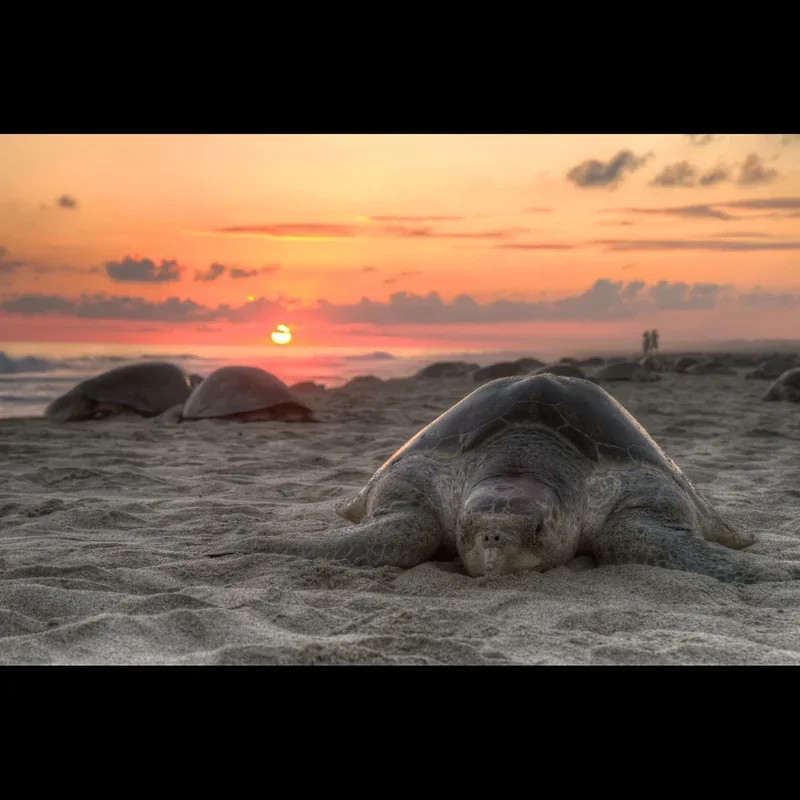
Observations during these nocturnal dives reveal marine life behaving distinctly after dark. Resting sea turtles are commonly spotted tucked into crevices along the wall, alongside actively hunting fish and vividly colorful squid.
Carnation corals, typically less conspicuous, are reported to glitter distinctly under artificial light, enhancing the otherworldly atmosphere. Its dual nature, vibrant by day and mysterious by night, defines a comprehensive diving experience at Wall of Wonder.
Conditions are Moderate
Optimal conditions expected
Current conditions near Wall of Wonder show 29° air, 30° sea temperature, 1.8 m waves, and 28 km/h wind. Forecast data is refreshed regularly to ensure accuracy.
Best Time to Dive
Optimizing visibility is key for appreciating Wall of Wonder, and conditions are typically best from December through April. During these months, the region experiences lower wave heights, reduced wind speeds, and minimal rainfall, contributing to clearer underwater conditions. Air temperatures during this prime diving season generally range between 28-29.5°C / 82-85°F. While specific water temperature data isn't consistently reported for the site, Lakshadweep's tropical climate usually ensures comfortably warm conditions suitable for most divers. Beyond April, particularly from May to September, dive scores drop to Moderate or Poor. This period correlates with increased wave activity, stronger winds, and higher rainfall, which can reduce visibility and make surface conditions less favorable for boat entry. Planning a trip within the recommended December to April window enhances the likelihood of encountering the wall's expansive features with optimal clarity.
PEAK SEASON SCORE
Scores combine air & water temps, waves, wind & rainfall for overall conditions.
BEST MONTHS TO DIVE
Monthly records compiled from satellite and marine observation nodes over the last 3 years. Data provided by Open-Meteo and MET Norway.
Dive Experience & Conditions
Accessing Wall of Wonder begins with a boat entry, positioning divers directly above the reef's starting point at approximately seven meters. Immediate proximity to the wall's edge allows for a swift descent into the dramatic drop-off. Once underwater, divers navigate along the sheer face, exploring its various nooks and ledges. Currents, while not explicitly reported for this specific site, can vary along wall dives and divers should be prepared for potential shifts. Its vertical orientation provides a continuous backdrop of coral formations and shelters for smaller marine life, contrasting with the open water beyond. Such a structure facilitates drift diving if currents are present, allowing divers to effortlessly observe the extensive topography. The overall sensation is one of immersion into a grand, living edifice, where the dynamic interplay of light and shadow changes with depth and time of day.
Dive Difficulty & Safety Guidelines
While no specific hazards are consistently reported for Wall of Wonder, divers should always approach wall environments with careful buoyancy control. Rapid depth changes associated with this dive type necessitate diligent monitoring of gas consumption and no-decompression limits. It's crucial to plan dives within certified training levels, especially considering a maximum depth of 30 meters.
Before any dive, consulting local dive professionals familiar with the site and its present conditions is highly recommended. They can provide up-to-date information on currents and any other localized factors that may affect safety.
Adherence to PADI Standard Safe Diving Practices is always essential. For those looking to expand their skills for such sites, PADI Advanced Open Water Diver training is suggested, offering valuable experience in deep diving and navigation.
Recommended Equipment
- Dive Computer
- DSMB
This gear list is based on verified equipment signals for Wall of Wonder, India. Always confirm final gear choices with your dive operator, guide, or liveaboard.
Recommended Dive Suit
Comfort levels can also depend on how active a diver is during the dive.
The water around Wall of Wonder is currently holding at approximately 30°C (85°F), setting the tone for today's dives. Surface air temperatures are resting at 29°C (85°F). When water temperatures fall within this range, many divers dive comfortably with dive skin or rash guard. A hood or vest is suggested for sensitive divers due to surface winds.
Weather projections show fairly stable environmental conditions ahead.
Emergency & Medical Support
Essential information to help you plan your dive trip to Wall of wonder.

Hyperbaric chambers are a critical part of dive safety infrastructure. Availability varies significantly by region, and not all dive areas have immediate access.
Before diving, it's recommended to:
- confirm nearest medical facilities
- check emergency procedures with local dive operators
- ensure dive insurance covers evacuation if required
Divers Alert Network
Diving emergency assistance available through DAN World.
+1-919-684-9111- 24/7 emergency hotline
- Diving medical assistance
- Evacuation coordination
Emergency contacts are provided for reference. Always verify local emergency services before diving.
Marine Life at Wall of Wonder
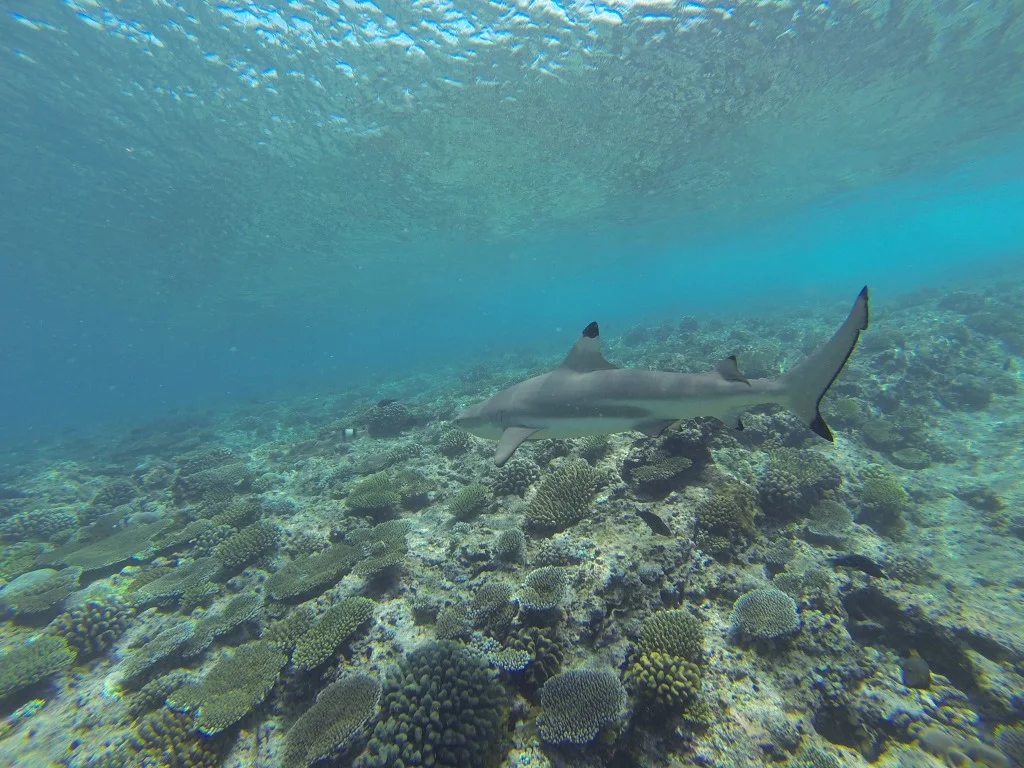
Marine life at Wall of Wonder features a regular presence of sea turtles; divers often encounter them resting along the wall's ledges, particularly during night dives. Sharks and rays are also commonly sighted in the vicinity, adding a dynamic element to many dives.
Intricate wall structures provide habitat for various interesting fish species and colorful squid. Additionally, the site's carnation corals are noted for their iridescent glow when illuminated by dive torches, creating a vibrant display that complements diverse fauna.
Bioluminescence experienced during nocturnal dives further enhances the site's rich biological activity.

Dive Centers Near Wall of Wonder
No Dive Centers Local To Wall of Wonder
Are you a dive center visiting this location? Get listed to reach divers.
Nearest Airports
Nearest airports to help plan travel to this dive area.
Search Flights
Check available flights and routes on Expedia, using the nearby airports listed in this section.
Search Flights on ExpediaFrequently Asked Questions
What depth range does Wall of Wonder cover?
A shallow reef crest starts around seven meters, with the wall descending to a maximum depth of about 30 meters. This profile offers exploration opportunities for both shallower and deeper sections.
Is Wall of Wonder suitable for night diving?
Yes, Wall of Wonder is particularly noted for its night diving experiences. Divers often observe bioluminescence, resting sea turtles, and active nocturnal marine life like colorful squid and fish, with carnation corals appearing to glitter under torchlight.
What kind of marine life can be seen there?
Divers frequently encounter sea turtles, sharks, and various rays. Wall of Wonder is also home to interesting fish species, colorful squid, and striking carnation corals, particularly vibrant during night dives.
What are the best months for diving Wall of Wonder?
Optimal time to dive is generally from December to April. During these months, conditions typically feature lower wave heights, reduced wind, and minimal rainfall, contributing to better underwater visibility.
Is special equipment needed for this dive?
While standard gear is sufficient, a dive computer is essential for managing depth and time on a wall dive. A torch is highly recommended for exploring crevices and fully appreciating the site's features, especially if planning a night dive.
Are there any caverns or unique geological features?
Yes, the wall features small caverns and crevices. These formations provide interesting areas for exploration and serve as shelters for a variety of marine life.
Planning to dive Wall of Wonder?
Send one inquiry and receive offers directly from the best verified local dive operators.
Conditions are Moderate
Optimal conditions expected
Current conditions near Wall of Wonder show 29° air, 30° sea temperature, 1.8 m waves, and 28 km/h wind. Forecast data is refreshed regularly to ensure accuracy.