
Diving at Gili Medas (Indonesia)
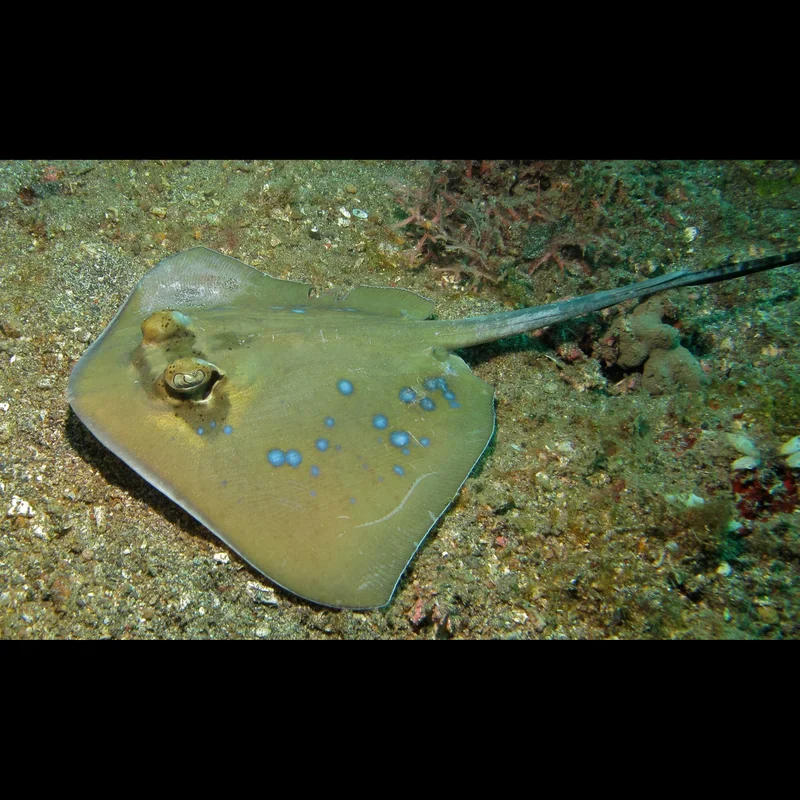
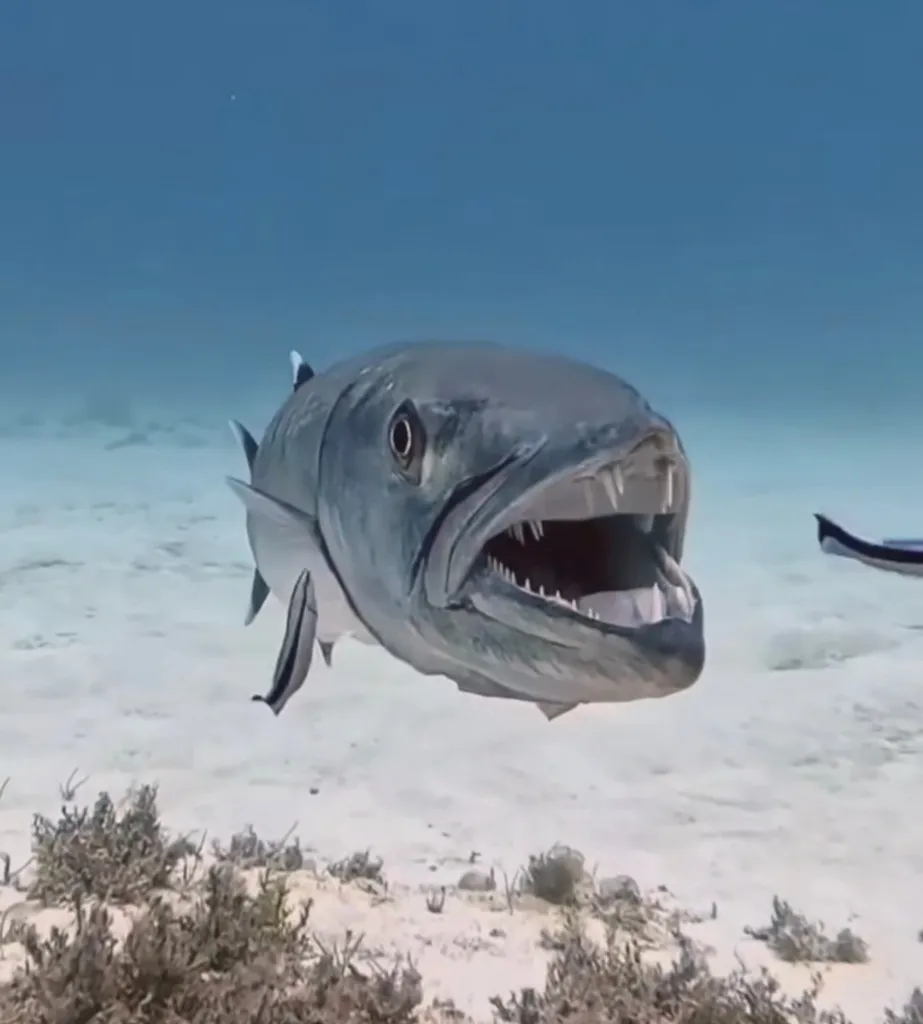
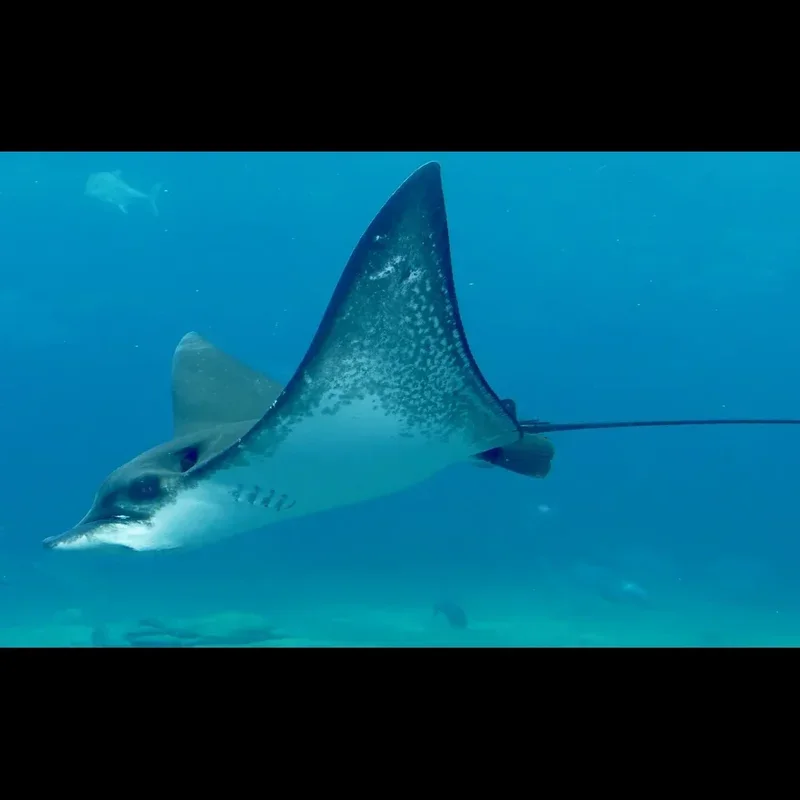
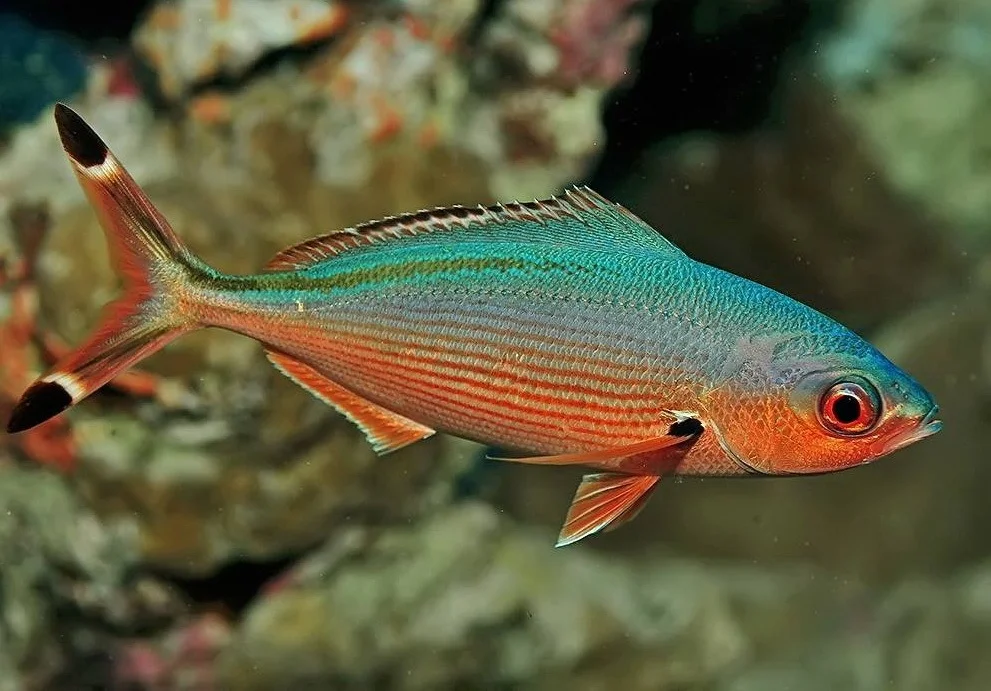
Gili Medas presents an interesting contrast for divers, with its western and southern sections descending rapidly to meet significant rock formations. For those observing marine life, these deeper areas attract schooling barracudas, fusiliers, and groupers. Blue spotted stingrays and eagle rays are often spotted gliding past. The shallower, eastern and northern parts, however, feature lush soft coral gardens.
Tonight's objective overview for Gili Medas shows an air temperature of 29.5°C. The measured surface conditions include wave heights around 1.1 m. This environmental data is logged for the close of the day.
Dive Site Location & Key Facts
Dive Site Overview
Exploring Gili Medas reveals a dive site characterized by distinct underwater topographies, offering varied experiences depending on the chosen entry point. The western and southern flanks are known for their swift drop-offs, quickly reaching depths between 12 and 35 meters (40-115 ft) where robust hard coral formations cling to massive rocks.
These deeper sections provide a habitat for larger pelagic species. Conversely, the north and east sides present a gentler, shallower profile, gradually flattening into expansive soft coral gardens at more moderate depths.
Divers here can expect a more relaxed drift. Currents, while generally manageable, can vary, shaping the dive trajectory.
Understanding these dual characteristics is key to appreciating the full spectrum of what this Indonesian site offers, from its vibrant coral ecosystems to potential encounters with larger marine life.
Conditions are Good
Optimal conditions expected
Current conditions near Gili Medas show 29° air, 26° sea temperature, 1.3 m waves, and 28 km/h wind. Forecast data is refreshed regularly to ensure accuracy.
Best Time to Dive
Considering Gili Medas, the optimal period for diving often contrasts the drier months with the wetter season. Historically, months from May through October, and particularly November, tend to see lower rainfall, with averages dropping to around 0.85 mm in August and 1.02 mm in October. During these times, air temperatures remain consistently warm, hovering between 26°C and 28°C (79-82°F), making surface intervals comfortable. February and March, however, show higher rainfall, reaching up to 10.8 mm. While conditions during these months are still considered 'Good' or 'Moderate' for diving, divers might experience less predictable visibility or stronger surface chop due to slightly increased wave heights. Many prefer the calmer seas and clearer skies found during the drier periods, though good diving is possible year-round.
PEAK SEASON SCORE
Scores combine air & water temps, waves, wind & rainfall for overall conditions.
BEST MONTHS TO DIVE
Monthly records compiled from satellite and marine observation nodes over the last 3 years. Data provided by Open-Meteo and MET Norway.
Dive Experience & Conditions
Descending into the waters of Gili Medas offers a dynamic experience, transitioning from robust hard coral structures on the deeper west/south to sprawling soft coral gardens in the shallower east/north. Divers should prepare for varying currents; while often a gentle drift, stronger movements can occur, particularly around the deeper rock formations. Water temperatures are not consistently reported but generally remain warm in this tropical region. Visibility varies depending on conditions, but frequently provides clear views of the extensive coral ecosystems. Navigating the site's dual nature means divers might encounter swift drop-offs leading to significant depths or enjoy a more relaxed exploration across shallower coral slopes. Always consult local dive guides for real-time conditions, as they fluctuate daily.
Dive Difficulty & Safety Guidelines
Approaching Gili Medas requires a conscious awareness of the site's distinct characteristics and potential currents. While no specific hazards are recorded, the varying topography, from swift drop-offs to expansive coral gardens, means divers need to maintain good buoyancy control.
Planning your dive with a focus on potential drift is essential, especially on the west and south sides where depths drop quickly. Always check with local dive operators regarding current strength and direction on the day of your dive.
Remaining aware of your depth and no-decompression limits is crucial, particularly when exploring the deeper sections. Staying with your buddy and adhering to your dive plan ensures a safe and enjoyable experience here.
Recommended Equipment
- Dive Computer
This gear list is based on verified equipment signals for Gili Medas, Indonesia. Always confirm final gear choices with your dive operator, guide, or liveaboard.
Recommended Dive Suit
2-3mm shorty or light wetsuit is frequently recommended by dive operators for conditions like these. A hood or vest is suggested for sensitive divers due to surface winds. Water conditions at Gili Medas are currently measured at approximately 26°C (79°F). Surface air temperatures are resting at 29°C (85°F).
The coming days appear slightly cooler according to the latest forecast. Cooler days are ahead; you might want a warmer option for later in the week. Some divers bring an extra layer for surface intervals between dives.
Even small thermoclines can occasionally cause noticeable changes in water temperature.
Emergency & Medical Support
Essential information to help you plan your dive trip to Gili Medas.

Hyperbaric chambers are a critical part of dive safety infrastructure. Availability varies significantly by region, and not all dive areas have immediate access.
Before diving, it's recommended to:
- confirm nearest medical facilities
- check emergency procedures with local dive operators
- ensure dive insurance covers evacuation if required
Divers Alert Network
Diving emergency assistance available through DAN World.
+1-919-684-9111- 24/7 emergency hotline
- Diving medical assistance
- Evacuation coordination
Emergency contacts are provided for reference. Always verify local emergency services before diving.
Marine Life at Gili Medas
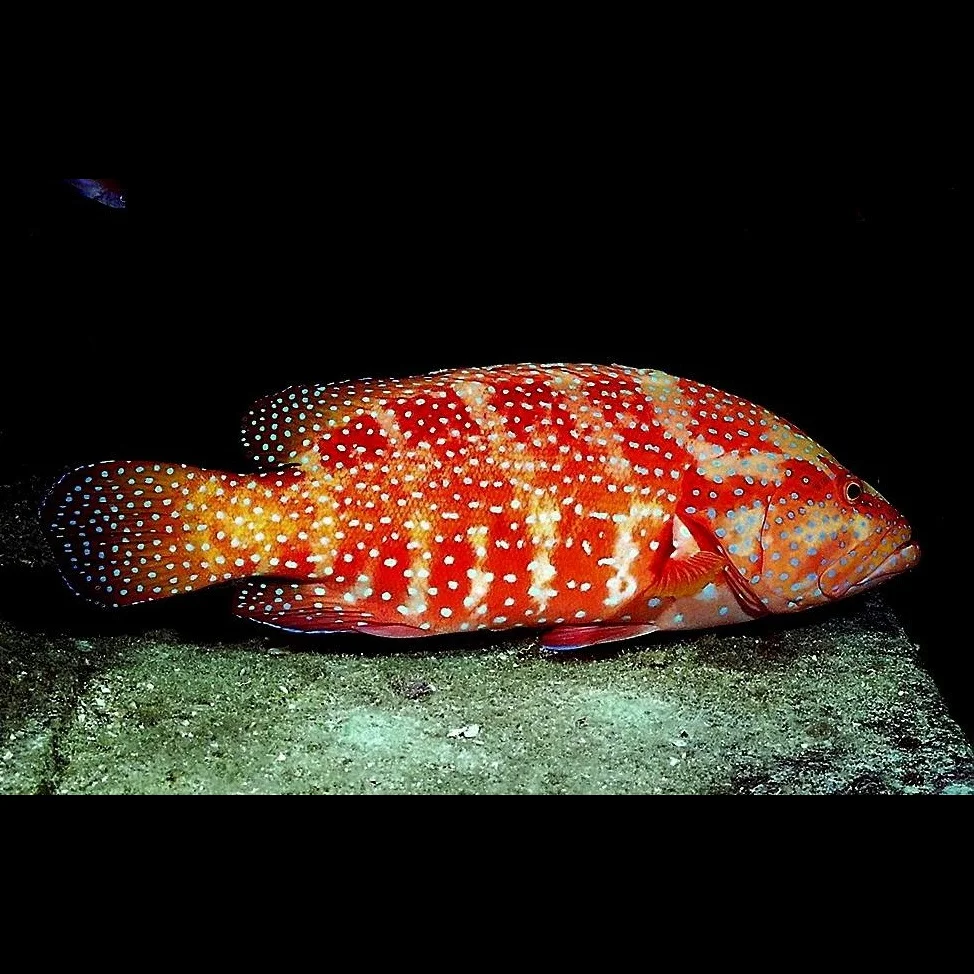
What often catches a diver's eye first at Gili Medas are the larger, cruising inhabitants of the deeper reef. Schooling barracudas move in cohesive formations, while fusiliers and groupers patrol the extensive hard coral-covered rock formations.
Patience can be rewarded with sightings of elegant eagle rays gliding by, or the subtle beauty of a blue spotted stingray resting on the sandy patches. While the deeper areas offer these pelagic encounters, the shallower soft coral gardens on the north and east sides teem with smaller reef fish, creating a vibrant, colorful backdrop.
Dive Sites Near Gili Medas
View all dive sites in IndonesiaDiscover more underwater gems in this area.
Dive Centers Near Gili Medas

Today: 07:00 - 18:00

Nearest Airports
Nearest airports to help plan travel to this dive area.
Search Flights
Check available flights and routes on Expedia, using the nearby airports listed in this section.
Search Flights on ExpediaFrequently Asked Questions
What is the typical depth range for diving at Gili Medas?
Gili Medas offers a diverse depth profile, with dive depths generally ranging from 12 to 35 meters (40-115 ft). The northern and eastern sides are shallower, featuring soft coral gardens, while the western and southern sections drop off more significantly.
Are strong currents common at Gili Medas?
Currents at Gili Medas can vary. While some dives involve a gentle drift, stronger currents are possible, particularly around the deeper rock formations on the west and south sides. Local dive operators provide the most up-to-date information on daily conditions.
What kind of marine life can I expect to see?
Divers frequently encounter schooling barracudas, fusiliers, and groupers, especially in the deeper areas. Eagle rays and blue spotted stingrays are also spotted. The shallower soft coral gardens host a variety of smaller reef fish.
Is Gili Medas suitable for beginner divers?
The shallower, calmer sections of Gili Medas on the north and east sides, with their soft coral gardens, might be suitable for more experienced beginners. However, the deeper, potentially current-affected western and southern sections are better suited for certified divers with some drift diving experience. Always consult with a local dive center.
What's the water temperature like at Gili Medas?
Specific water temperature data for Gili Medas is not consistently reported. However, as a tropical Indonesian dive site, divers can generally expect warm waters throughout the year, varying depending on seasonal conditions and currents.
What's the best way to get to Gili Medas?
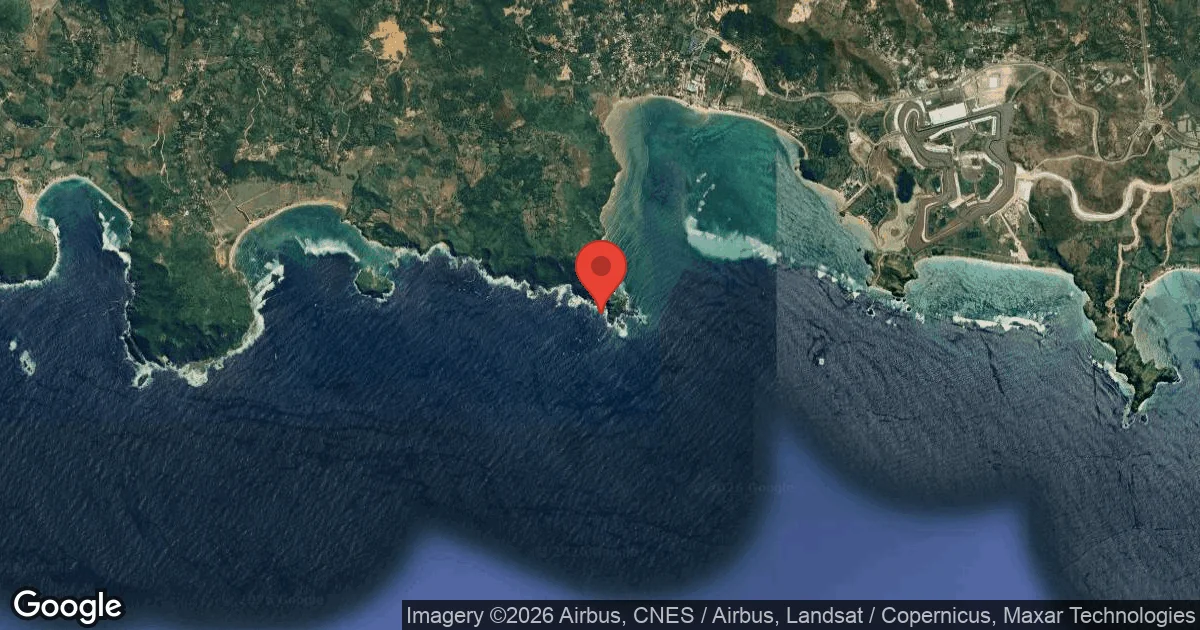
Gili Medas is located in the Maritime Zone near Lombok, Indonesia. Access typically involves booking a dive trip with a local dive operator, usually by boat, from nearby dive centers in Lombok or the Gili Islands.
Planning to dive Gili Medas?
Send one inquiry and receive offers directly from the best verified local dive operators.
Conditions are Good
Optimal conditions expected
Current conditions near Gili Medas show 29° air, 26° sea temperature, 1.3 m waves, and 28 km/h wind. Forecast data is refreshed regularly to ensure accuracy.