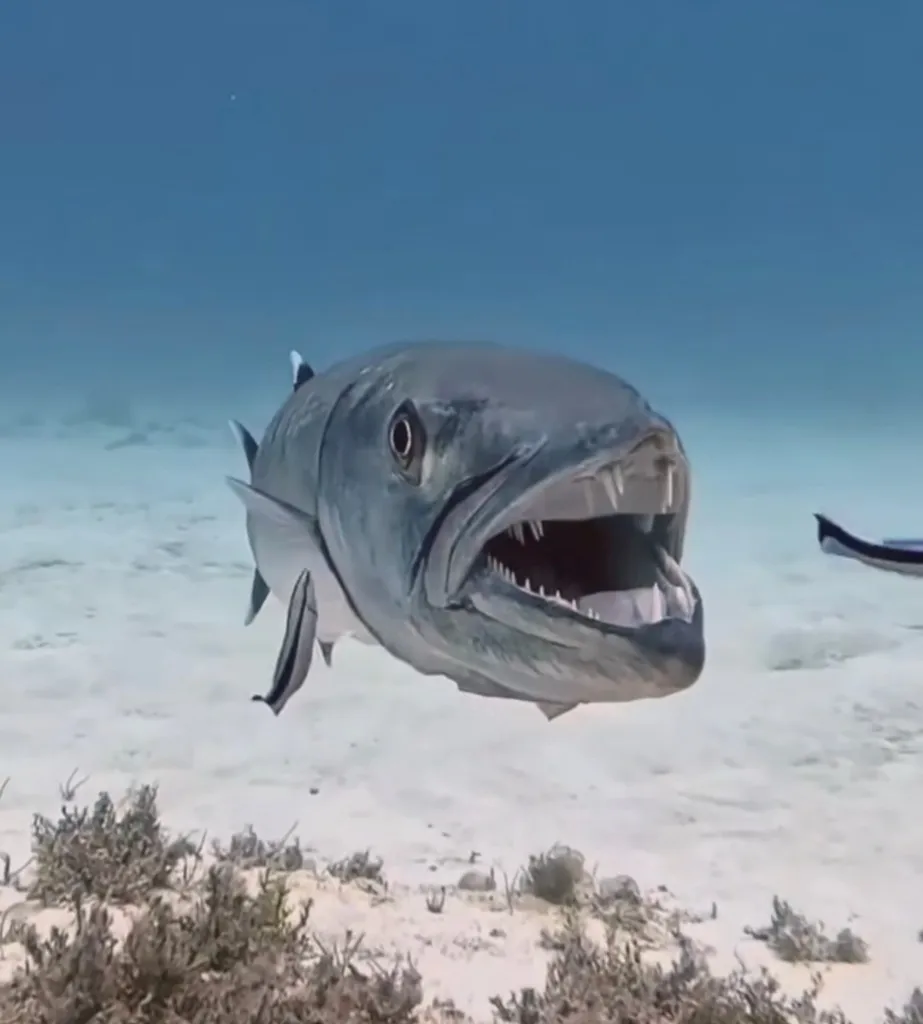
What Divers Should Know About Barracuda

Learn all about the Barracuda, including dynamic specs, encounter highlights, habitats, and the best dive sites to find them.
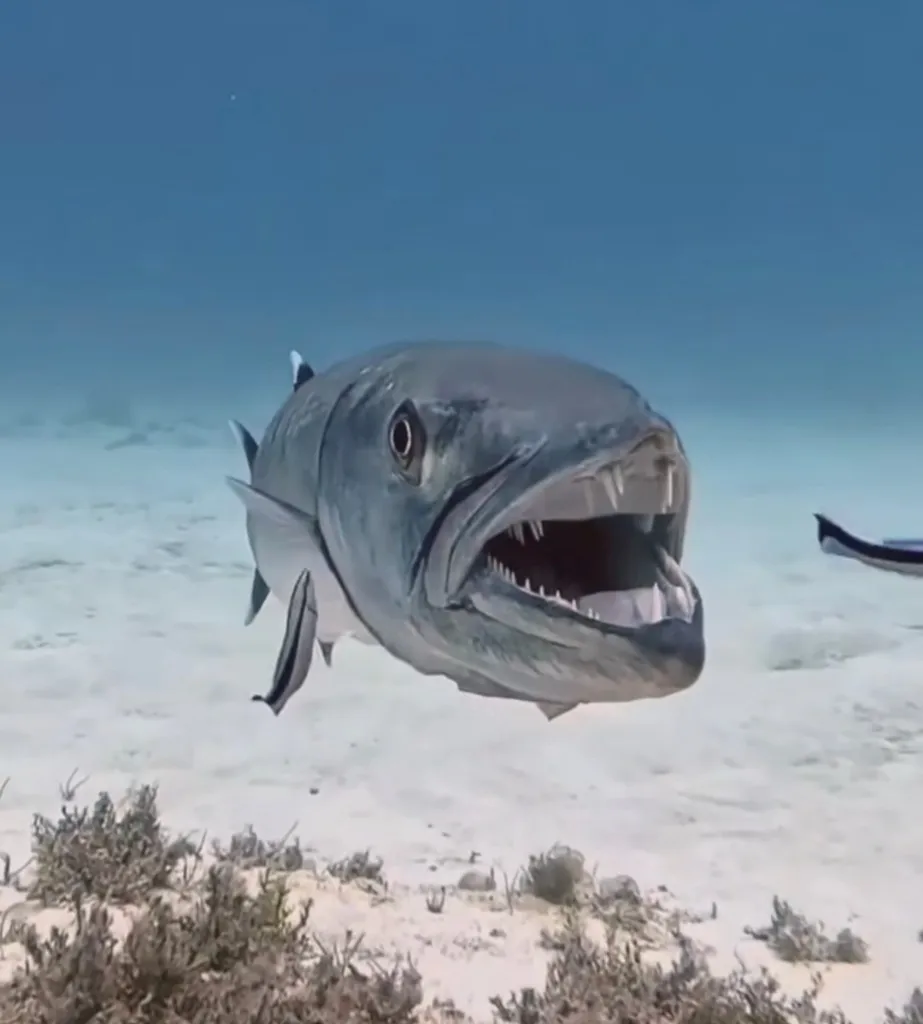
Sleek silvery barracuda (Sphyraena spp.) hovering in midwater above a reef
Scientific Name

Sphyraena spp.

Size

0.5–2 m

Depth

0–100 m

Habitat

coral reef, seagrass, mangrove, open water

Conservation

Varies by species

Danger Level

Caution

About the Barracuda

Barracudas inhabit tropical and subtropical oceans worldwide, ranging from the eastern Atlantic and Red Sea to the Caribbean and tropical Pacific. As a diver, you'll often encounter these large, predatory fish near the top of the water column, around vibrant coral reefs, and amidst sea grasses. While many species exist, some grow quite sizeable, with individuals reaching up to 165 cm in length.

These distinctive fish possess a snake-like appearance, characterized by prominent, sharp, fang-like teeth set in large jaws, frequently with an underbite. Their coloration typically includes shades of dark gray, dark green, white, or blue on the upper body, complemented by silvery sides and a chalky-white belly. A large swim bladder enables them to cruise effortlessly or remain idle, offering excellent opportunities for observation during a dive.

Further Reading

Did You Know?

Razor-Jawed Ambush Sprinters Drawn to Flashing Reef Reflections

“Engineered like a biological javelin, a barracuda pairs an elongated, silver-mirrored body with rear-set dorsal and anal fins that act like fletching on an arrow to unleash explosive ambush accelerations. Its jutting lower jaw houses two distinct rows of compressed, dagger-like fangs—smaller outer teeth for slicing flesh cleanly and larger inner palatine teeth that lock struggling fish in place. While smaller species swirl in mesmerizing silver tornadoes above current-swept reef pinnacles, solitary great barracudas grow beyond a meter and a half and hover motionless near the surface over seagrass beds and shipwrecks. Because they hunt visually by tracking sudden metallic flashes from fish scales, divers quickly learn to tuck away shiny jewelry or camera clips in barracuda territory.”

Where You Can See Barracuda

This map highlights the main regions where divers may encounter Barracuda or where the species is commonly associated with suitable marine habitats. Actual sightings depend on local dive sites, season, visibility, depth, and natural behaviour.

World distribution map showing regions where divers can see Barracuda: Caribbean, East Pacific, Atlantic, Indian Ocean, Asia Pacific, Mediterranean
Caribbean
East Pacific
Atlantic
Indian Ocean
Asia Pacific
Mediterranean

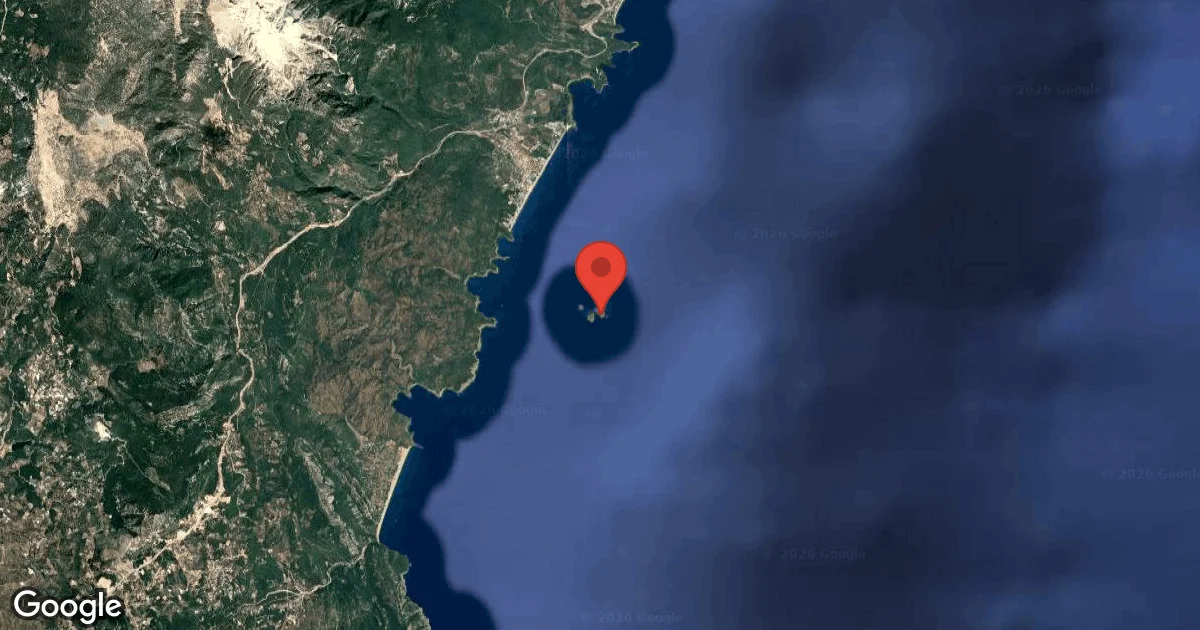
Dive Sites with Barracuda

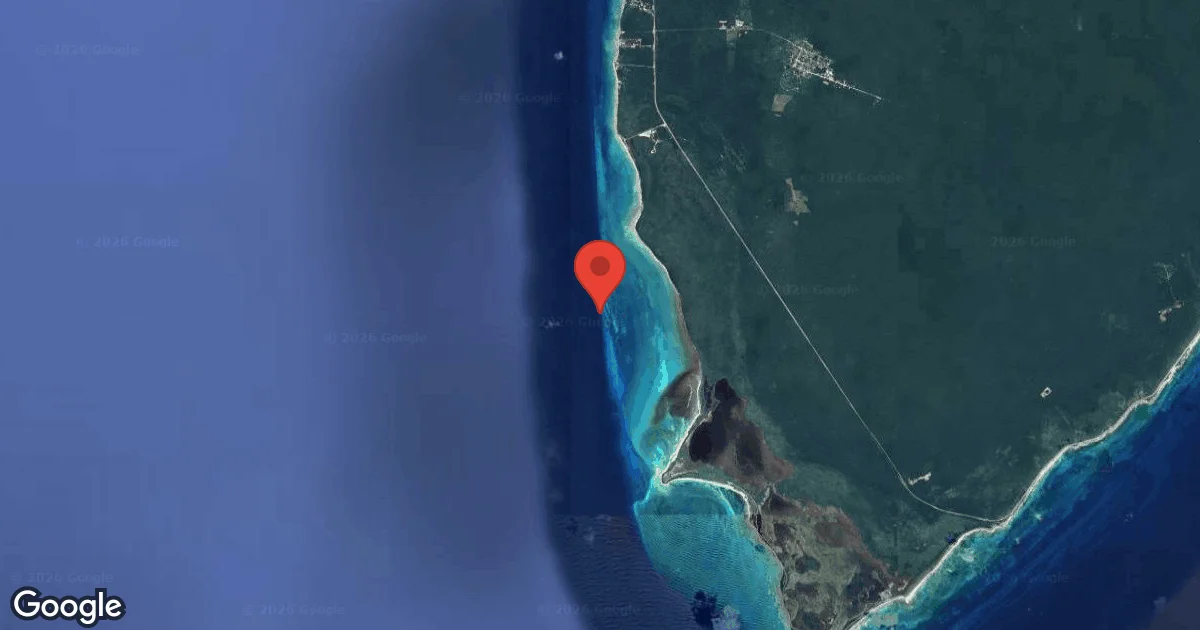
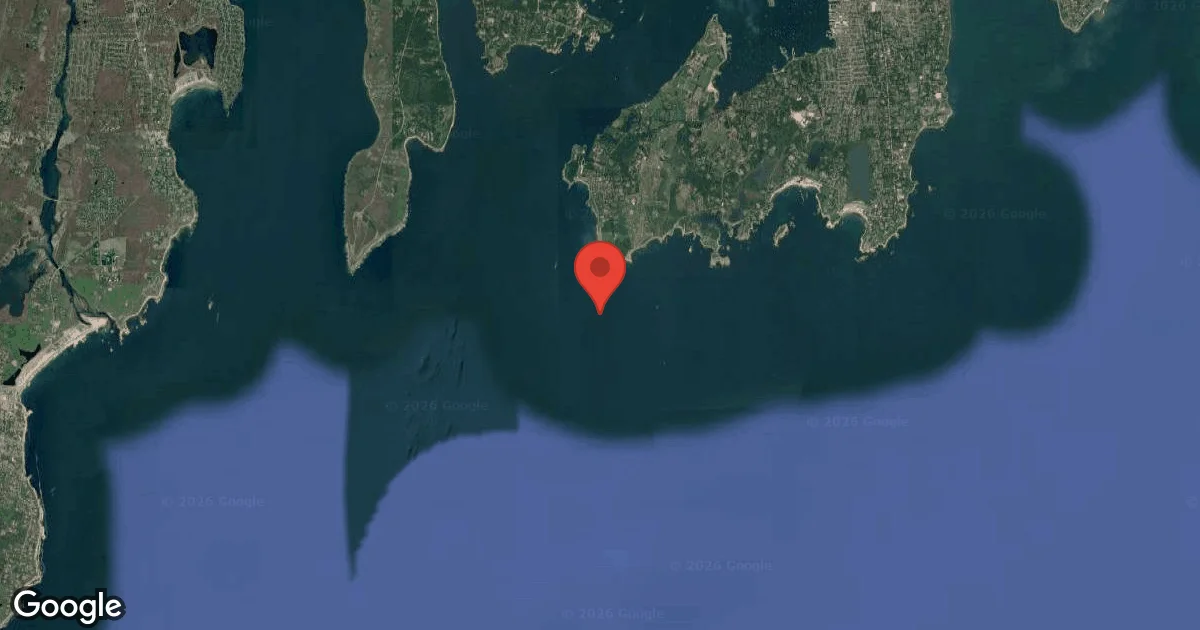
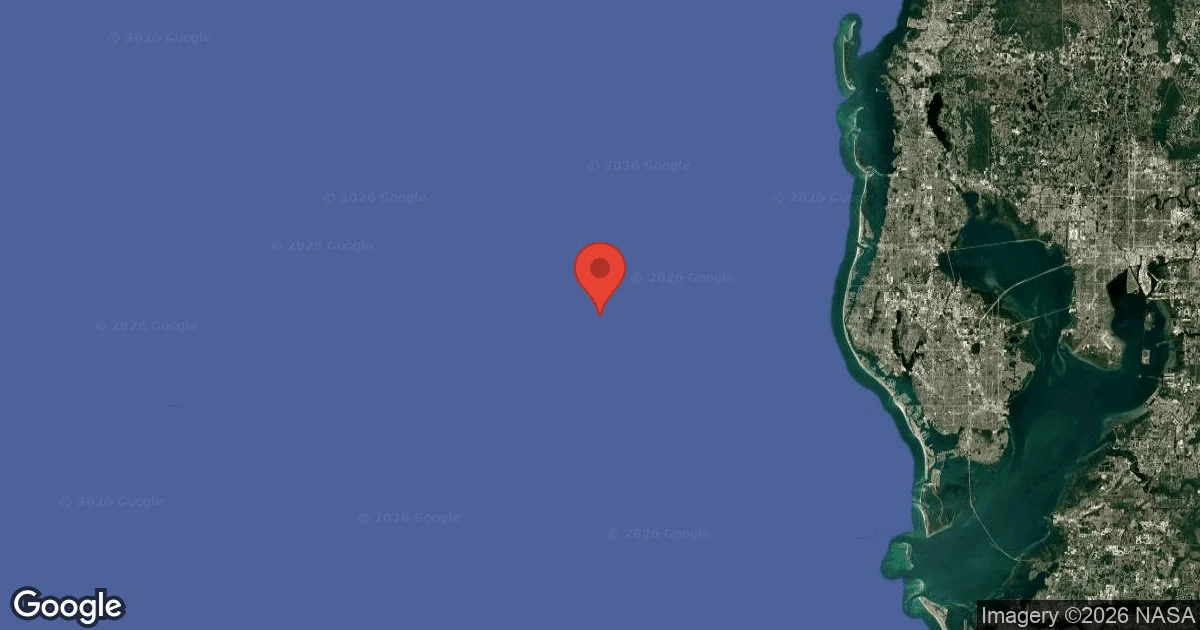
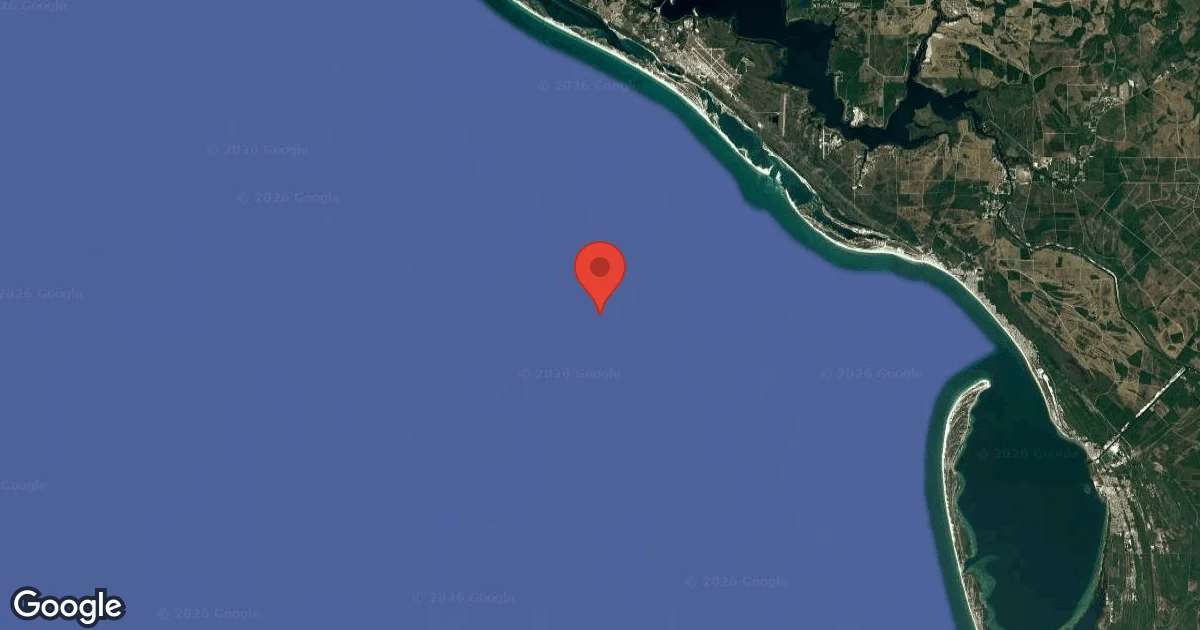
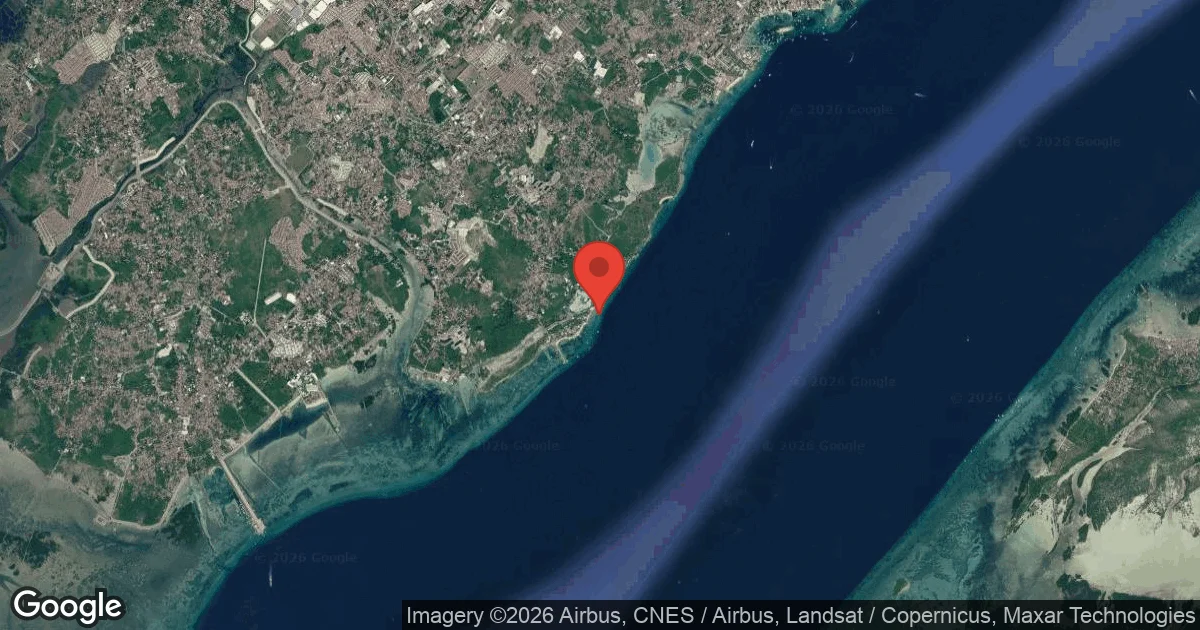
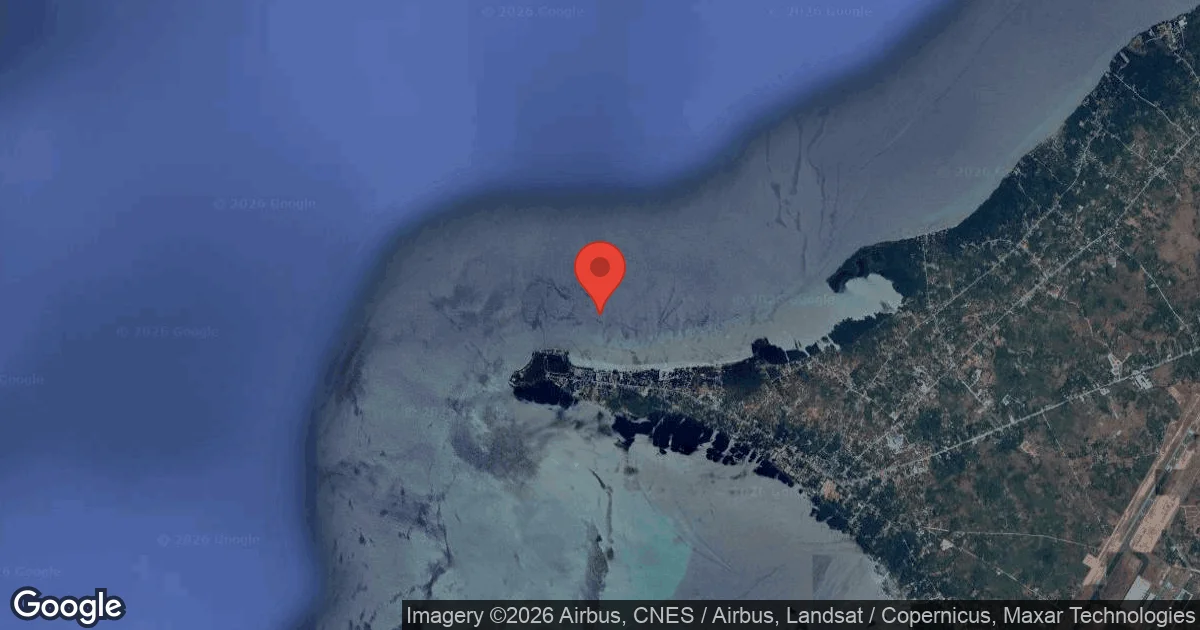
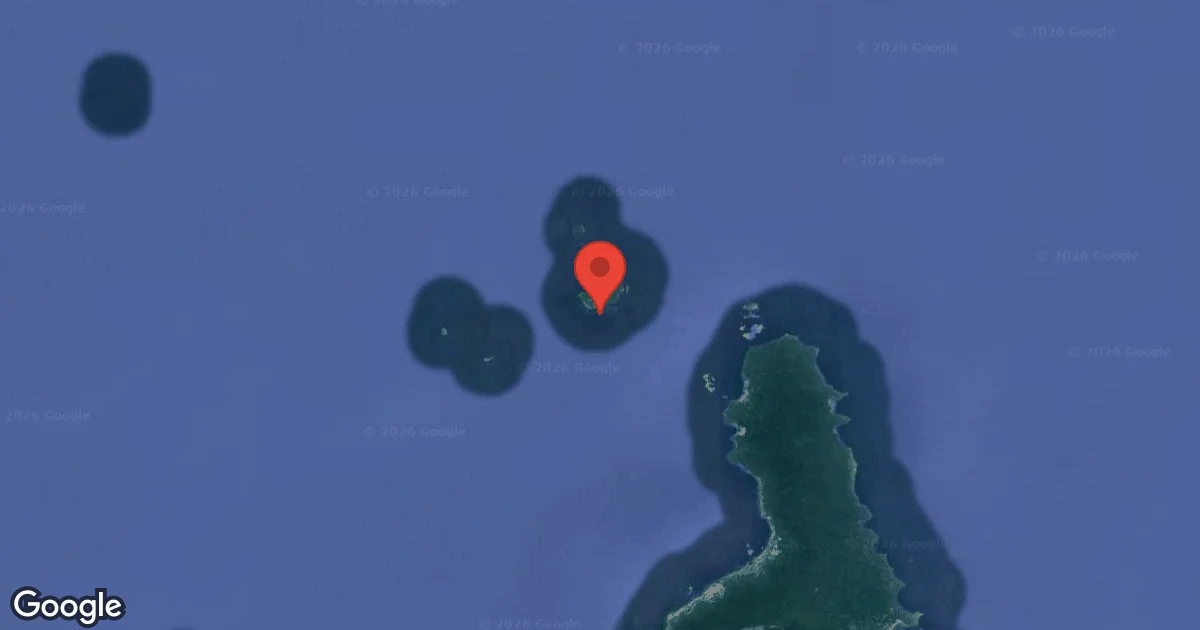
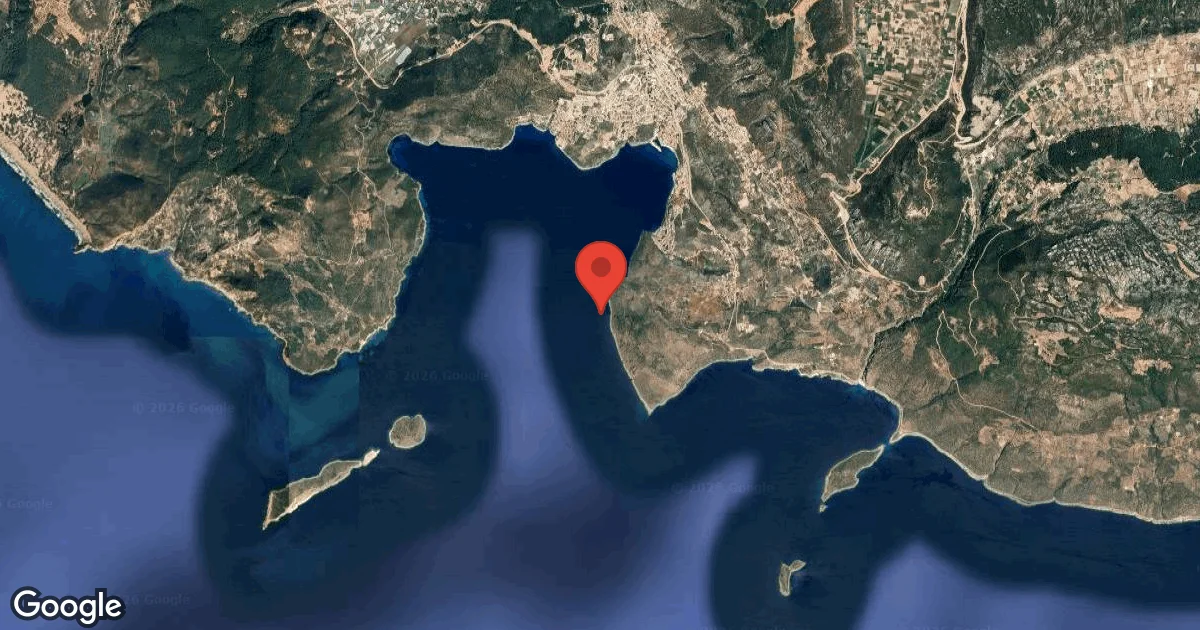
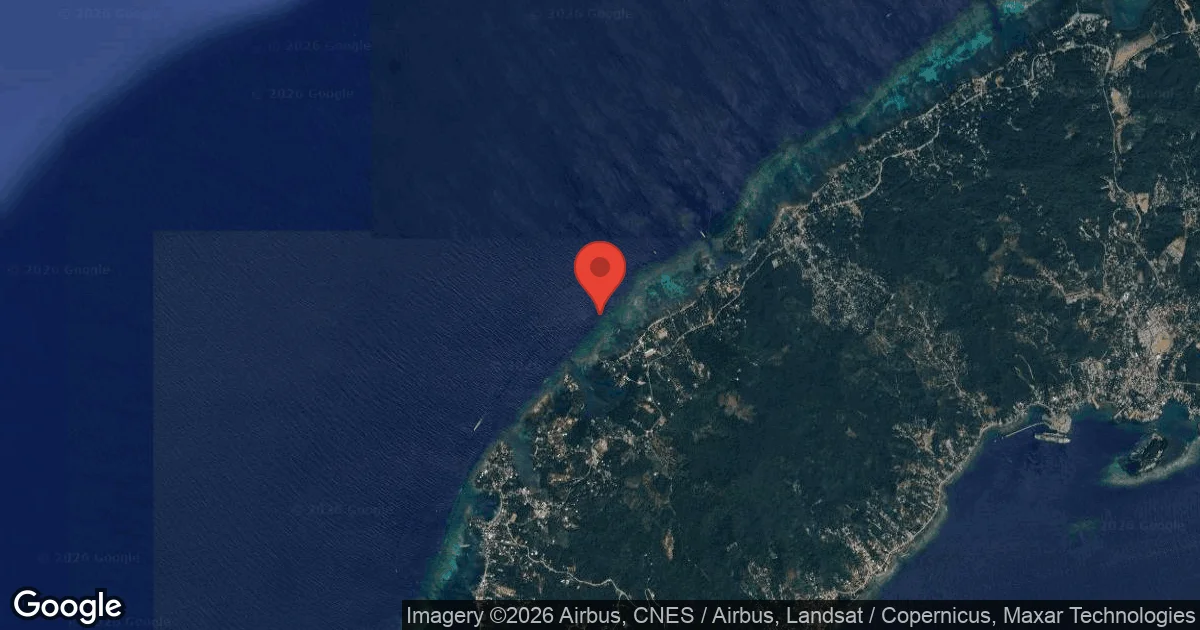
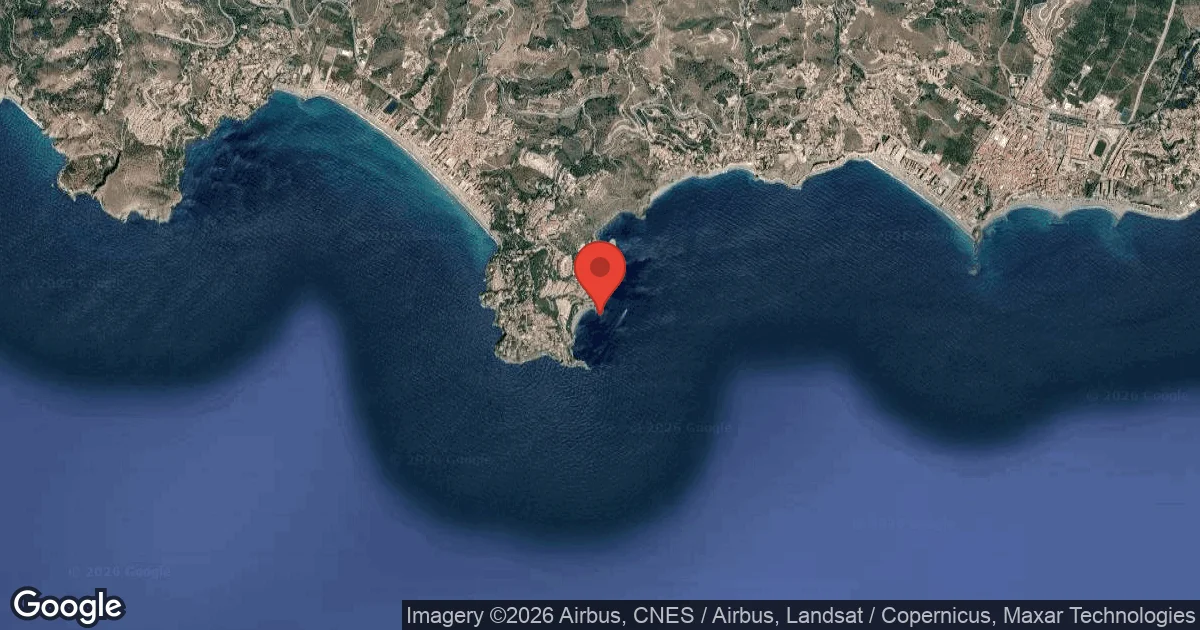
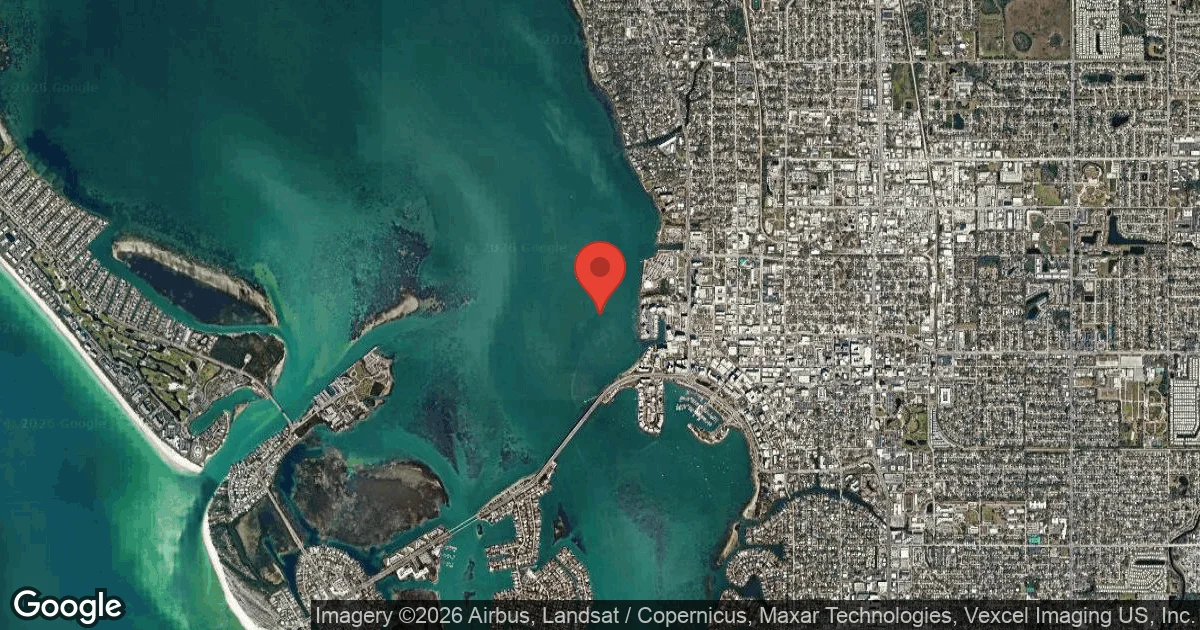
Discover 12 of 954 breathtaking locations where you can encounter this species.
Related Marine Life

Explore other incredible species you can encounter on your diving adventures.