
Diving at Cape Ose (Japan)
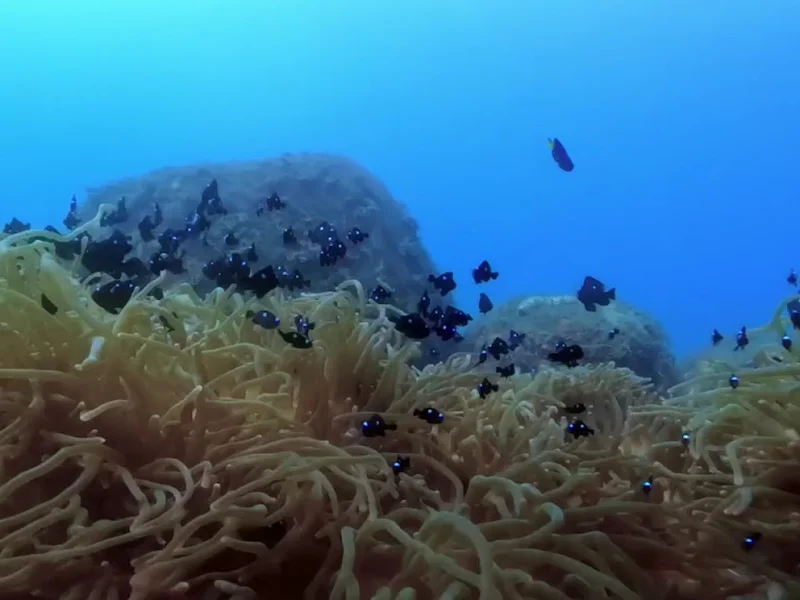
Cape Ose offers a distinct underwater landscape in Japan's Izu Peninsula, characterized by a sheltered bay leading out to more dramatic drop-offs. Volcanic sands dominate certain areas, providing a unique backdrop, while vibrant seaweed forests sway in shallower sections. Deeper regions reveal soft coral forests, creating a diverse visual experience for divers.
Evening condition tracking at Cape Ose features an air temperature of 26.5°C. We have recorded wave heights measuring 0.7 m during this period. These figures outline the environmental parameters currently present.
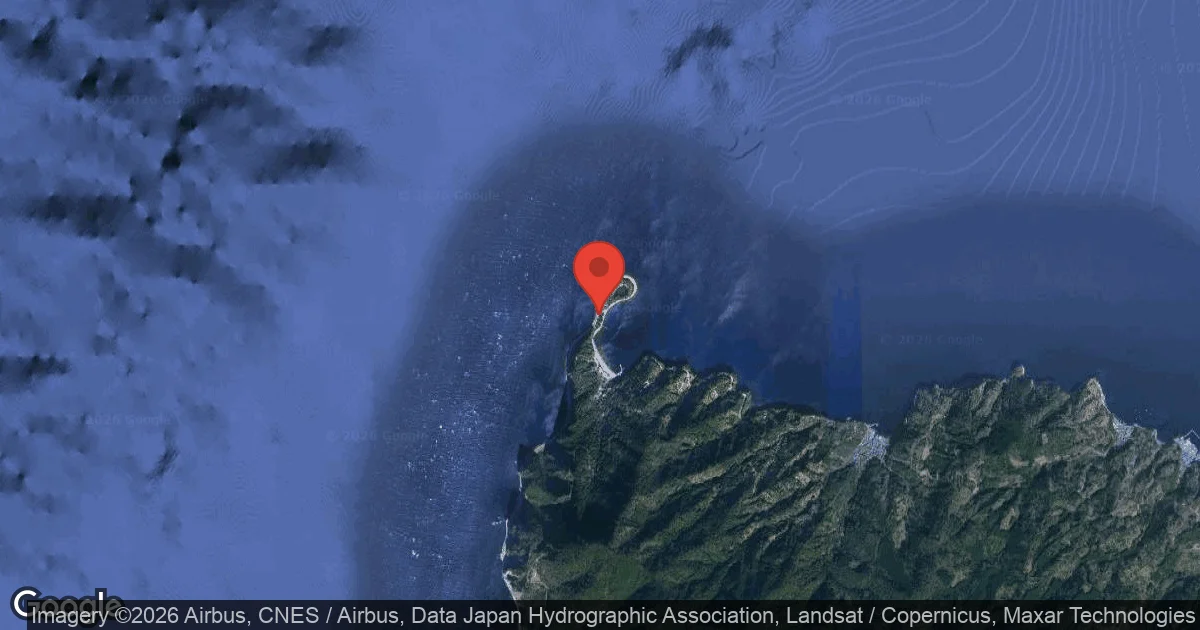
Dive Site Location & Key Facts
Dive Site Overview
Cape Ose presents a captivating diving sanctuary on Japan's Izu Peninsula, combining tranquil bay environments with more dramatic offshore structures. This destination is highly accessible, featuring multiple distinct beach entry points that cater to divers of all experience levels.
Within the bay, divers immerse themselves in calm, protected waters where vibrant seaweed forests sway, providing shelter for abundant macro life. This area offers a meditative experience, particularly appealing to beginners or photographers focused on intricate details. Venturing beyond the sheltered bay, the Cape front and Outer Bay transform into an adventurous realm.
Here, divers encounter dramatic drop-offs and steeper reef walls, with the potential for sightings of larger pelagic species in the blue. Recreational diving extends to approximately 30 m (100 ft), allowing for thorough exploration of the varying underwater terrain, which includes stretches of dark volcanic sands, rocky outcrops, and soft coral patches.
Each dive here promises unique visual experiences and opportunities for observing diverse marine behaviors.
Conditions are Moderate
Optimal conditions expected
Current conditions near Cape Ose show 26° air, 26° sea temperature, 0.9 m waves, and 37 km/h wind. Forecast data is refreshed regularly to ensure accuracy.
Best Time to Dive
Planning a dive at Cape Ose often centers around maximizing underwater visibility, which generally remains good throughout much of the year. During the months of May through October, the dive conditions are typically rated 'Good' to 'Moderate', with air temperatures ranging from 18.5°C (65°F) to 28°C (82°F), offering comfortable surface intervals. Rain averages are also moderate during this period, with July, August, and September reporting some of the lowest rainfall at around 5.8-7.2 mm. Waves tend to be calmer in the latter half of the year, particularly from August to November, making entries and exits smoother. While specific water temperature data isn't consistently reported, the warmer air temperatures during summer months usually correspond with more temperate underwater conditions, contributing to better overall dive experiences.
PEAK SEASON SCORE
Scores combine air & water temps, waves, wind & rainfall for overall conditions.
BEST MONTHS TO DIVE
Monthly records compiled from satellite and marine observation nodes over the last 3 years. Data provided by Open-Meteo and MET Norway.
Dive Experience & Conditions
Diving at Cape Ose feels like navigating two distinct worlds; the inner bay provides a serene, almost meditative experience, ideal for less experienced divers or those focused on macro photography. Here, the calm waters and dark volcanic sands are home to a wealth of small, intricate life. Beyond the immediate bay, conditions transition, presenting dramatic drop-offs and more exposed areas at the cape front. This contrast caters to varied interests, from peaceful explorations in shallower sections to adventurous deeper dives. Shore entries are common, making access straightforward. Expect a wide recreational depth range, allowing for extended bottom times.
Dive Difficulty & Safety Guidelines
Approaching Cape Ose's dive sites requires a mindful understanding of its well-established local rules and conditions. The bay area is notably protected from significant wind and waves, making it a reliable spot even when external conditions are less favorable. For divers venturing out, the site supports buddy diving, though guide services are readily available for those preferring local expertise or unfamiliar with the area.
While no specific hazards are consistently reported in the database, always conducting a thorough pre-dive check and adhering to safe diving practices is paramount. The varied underwater terrain, from sandy bottoms to drop-offs, means divers should be comfortable with buoyancy control across different environments.
Recommended Equipment
- Dive Computer
- Hard-soled Dive Boots
This gear list is based on verified equipment signals for Cape Ose, Japan. Always confirm final gear choices with your dive operator, guide, or liveaboard.
Recommended Dive Suit
For many recreational divers, 3mm wetsuit provides a practical level of insulation in these conditions. Consider warmer surface protection (like a boat coat) due to brisk winds. Divers who tend to get cold easily may prefer slightly thicker exposure protection.
At the moment, divers exploring Cape Ose will likely experience water temperatures near 26°C (79°F). Surface air temperatures are resting at 26°C (80°F).
Current forecasts indicate relatively stable conditions for the coming days.
Emergency & Medical Support
Essential information to help you plan your dive trip to Cape Ose.

Hyperbaric chambers are a critical part of dive safety infrastructure. Availability varies significantly by region, and not all dive areas have immediate access.
Before diving, it's recommended to:
- confirm nearest medical facilities
- check emergency procedures with local dive operators
- ensure dive insurance covers evacuation if required
Divers Alert Network
Diving emergency assistance available through DAN Japan.
+81338124999- 24/7 emergency hotline
- Diving medical assistance
- Evacuation coordination
Emergency contacts are provided for reference. Always verify local emergency services before diving.
Marine Life at Cape Ose
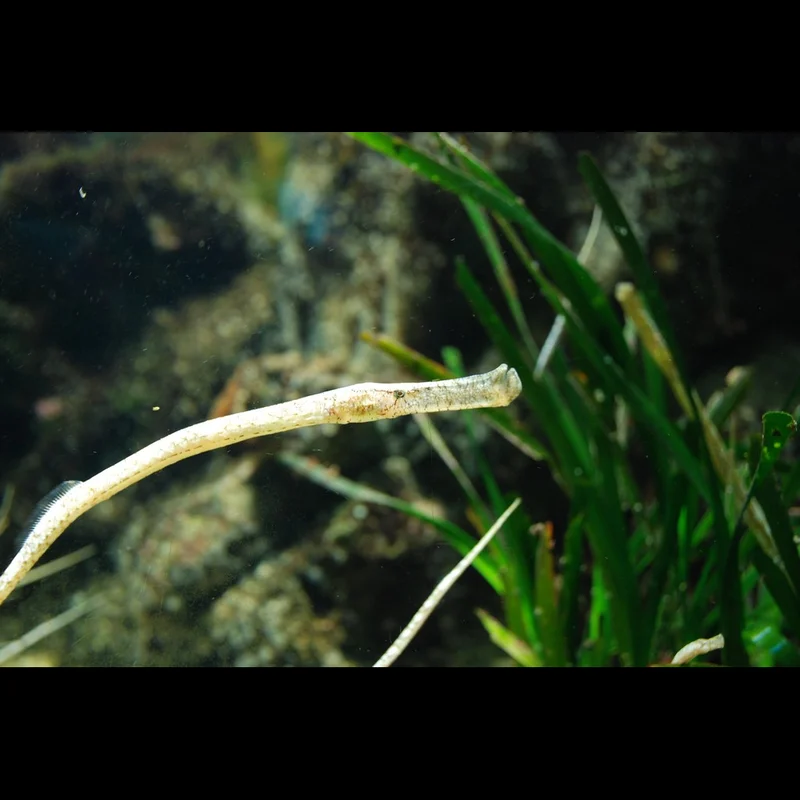
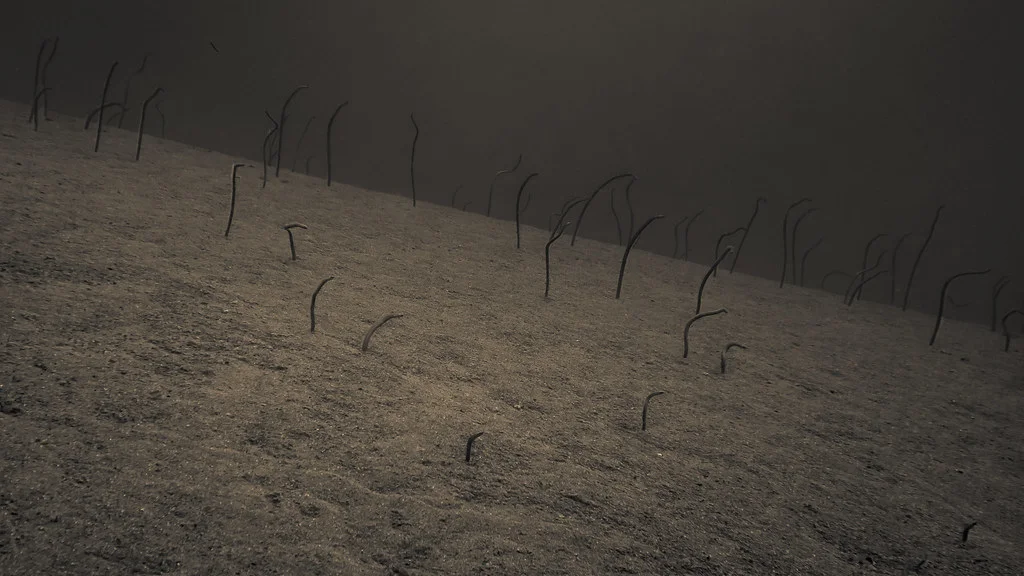
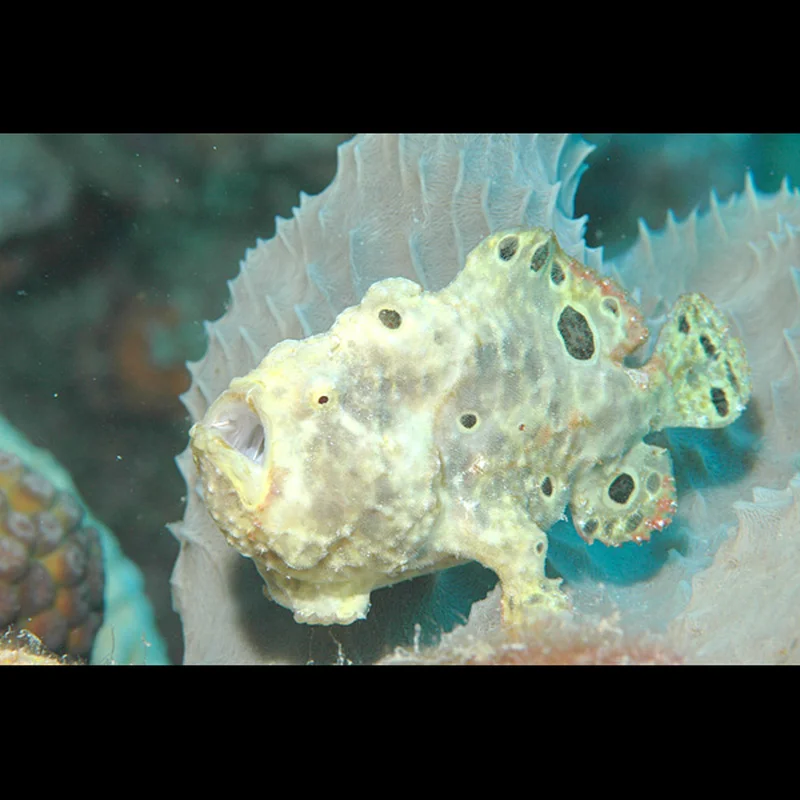
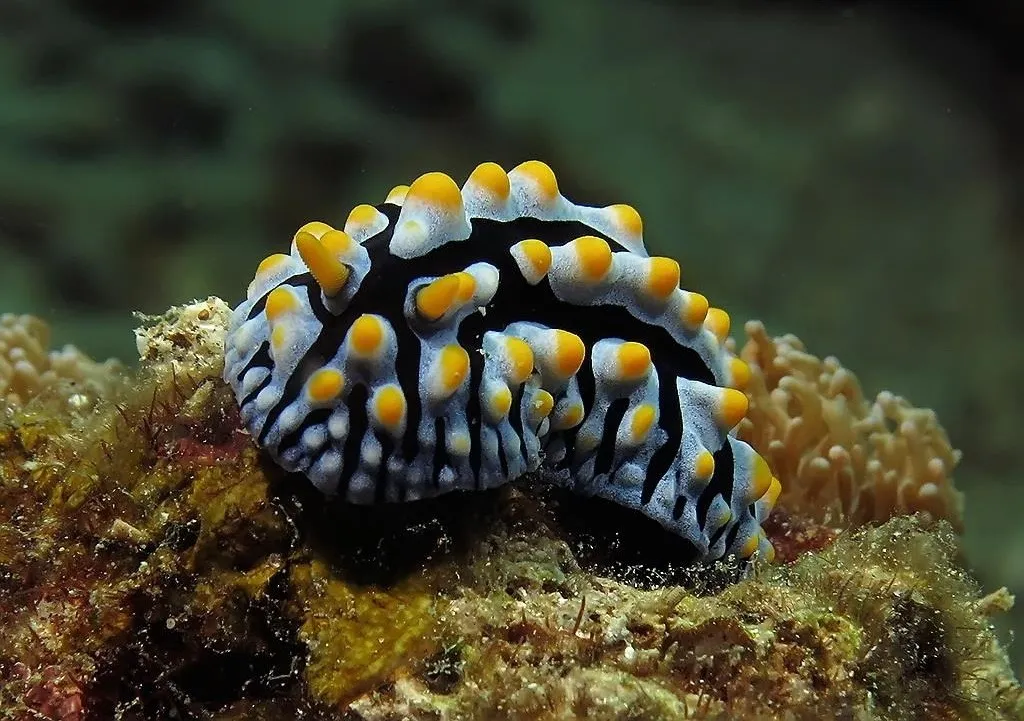
Cape Ose's rich biodiversity promises rewarding encounters for keen observers. Seaweed forests within the bay shelter a fascinating array of macro life, including pipefish, frogfish, garden eels, and various nudibranchs.
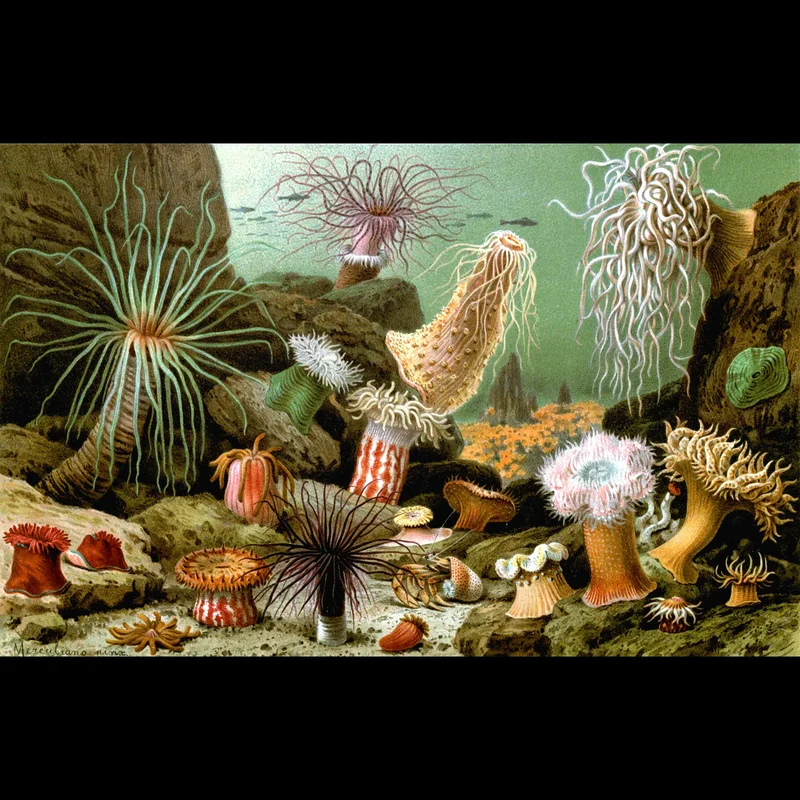
Keep an eye out for pygmy seahorses and a surprising diversity of sea anemones thriving among the rocks. Moving towards the outer bay and deeper sections, divers might spot different species of fairy basslets, or even encounter larger pelagics such as sunfish (mola mola), blanket octopus, and various rays.
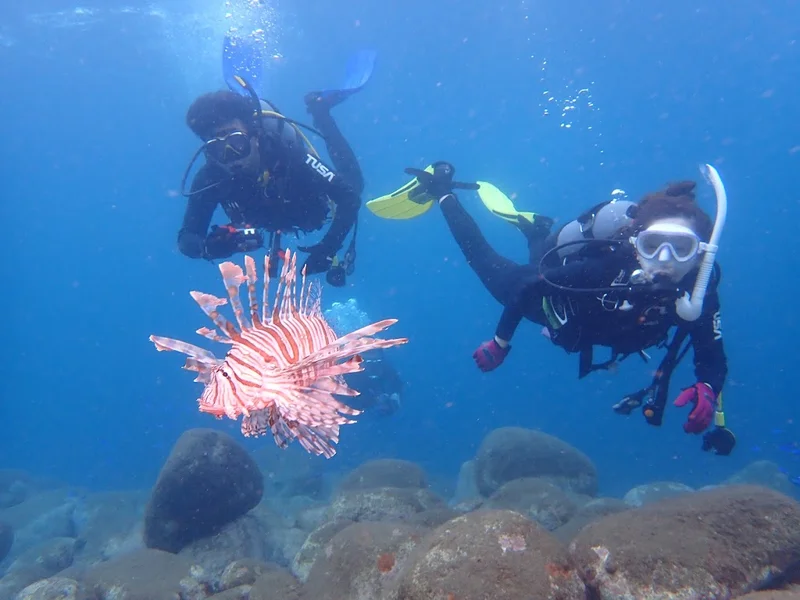
The site's volcanic sands are also ideal for spotting stonefish and lionfish, making every dive a potential discovery.
Dive Sites Near Cape Ose
View all dive sites in JapanDiscover more underwater gems in this area.
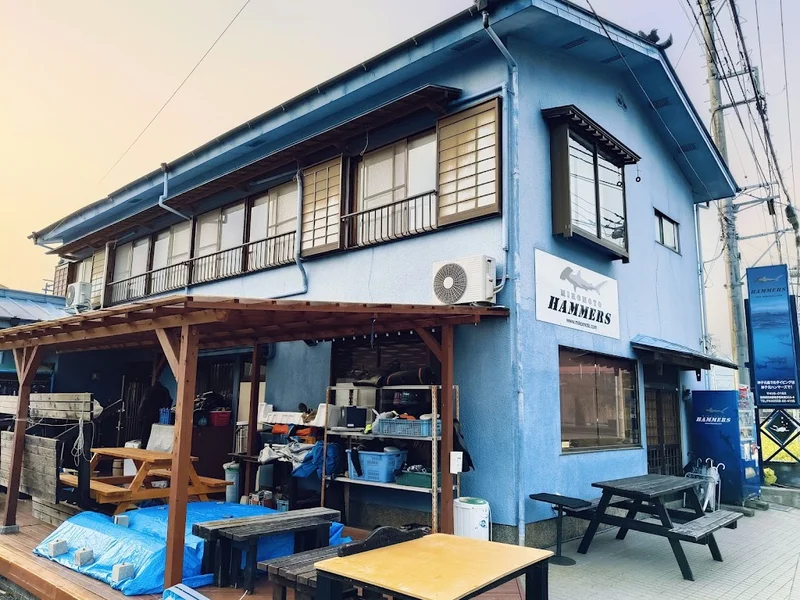
Dive Centers Near Cape Ose
Today: 11:00 - 19:00
Nearest Airports
Nearest airports to help plan travel to this dive area.
Search Flights
Check available flights and routes on Expedia, using the nearby airports listed in this section.
Search Flights on ExpediaFrequently Asked Questions
What skill level is required for diving at Cape Ose?
Cape Ose caters to a wide range of diver skill levels. The sheltered bay offers beginner-friendly conditions, perfect for Open Water certified divers. More experienced divers will appreciate the dramatic drop-offs and potential for pelagic encounters in the outer bay areas.
Are there shore entry points available?
Yes, Cape Ose is well-known for its multiple distinct beach entry points. These shore entries make the site very accessible and convenient for divers to explore various underwater terrains.
Can I dive year-round at Cape Ose?
Diving is possible year-round at Cape Ose, with the inner bay often protected from adverse weather. While specific water temperatures vary, good dive scores are reported for most months, indicating favorable conditions throughout the year.
What marine life can I expect to see?
Divers can expect to see a diverse range of marine life. This includes macro creatures like pipefish, frogfish, garden eels, and nudibranchs, alongside potential sightings of sunfish (mola mola), rays, and various types of reef fish in the deeper areas.
Is it possible to dive without a guide?
Yes, it is possible to buddy dive without a guide at Cape Ose, provided you demonstrate extensive buddy-diving experience to local dive centers. However, guide services are readily available from numerous local shops if preferred or needed.
What are the typical water temperatures?
Specific water temperature data for Cape Ose isn't consistently reported. However, air temperatures range from approximately 7°C (45°F) in winter to 27°C (81°F) in summer, generally correlating with seasonal water temperature fluctuations.
Planning to dive Cape Ose?
Send one inquiry and receive offers directly from the best verified local dive operators.
Conditions are Moderate
Optimal conditions expected
Current conditions near Cape Ose show 26° air, 26° sea temperature, 0.9 m waves, and 37 km/h wind. Forecast data is refreshed regularly to ensure accuracy.