
Diving at Osezaki (Japan)
Osezaki provides a particularly calm and sheltered dive environment, making it an appealing destination for diverse skill levels. Divers seeking an immersive experience with varied marine life throughout the year will find this bay on the Izu Peninsula particularly rewarding. It's a place where both new divers can gain confidence and experienced muck divers can seek out rare and unusual critters. The site promises an unforgettable exploration of Japan's vibrant underwater nature.
As evening covers Osezaki, the local air temperature is measured at 25.5°C. The current wave height at the surface is recorded at 0.6 m. These late-day readings characterize the surface conditions for the night.
Dive Site Location & Key Facts
Dive Site Overview
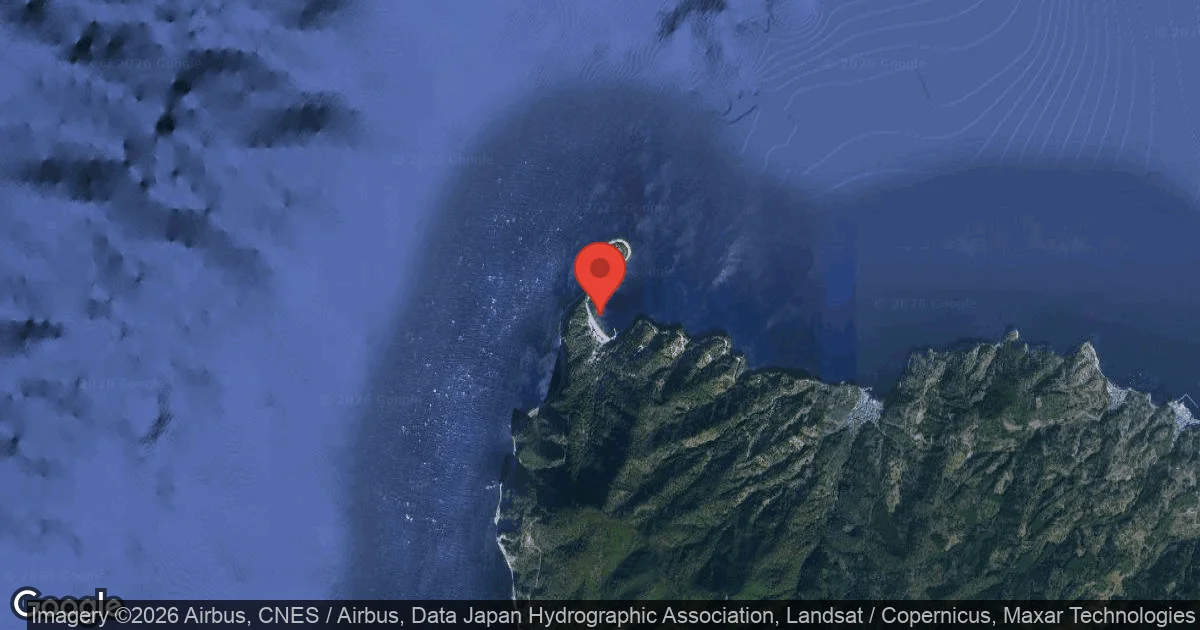
Nestled at Japan's Izu Peninsula northwest tip, Osezaki unfolds as a prominent dive site with diverse underwater topography. A wide sandy beach characterizes the location, giving way to a unique geological formation: a narrow finger of boulders extending outwards for direct access to deeper waters.
Inner bay areas are defined by sandy bottoms, transitioning to rocky slopes and walls towards the point, offering varied exploration zones. Around the point's tip, divers encounter large soft corals and sea whips, creating a rich habitat for countless smaller species. Dive types here primarily include beach and shore entry, with options for drift diving along outer edges, all within an ocean environment.
Its maximum depth can reach approximately 40 m (131 ft), accommodating various dive plans. This sheltered position ensures relatively calm conditions, making it less susceptible to adverse weather impacts, which consistently supports year-round diving activities.
Marine life variety changes with the seasons, from lush underwater seaweed forests in spring to a bustling season of marine courtship in summer, providing a dynamic dive experience.
Conditions are Moderate
Optimal conditions expected
Current conditions near Osezaki show 25° air, 25° sea temperature, 0.9 m waves, and 38 km/h wind. Forecast data is refreshed regularly to ensure accuracy.
Best Time to Dive
Considering visibility, autumn often stands out as an optimal period for diving in Osezaki, as many marine visitors arrive from the south and underwater clarity tends to improve significantly. Diving can be enjoyed throughout much of the year, with spring and summer also offering excellent conditions for observing marine courtship behaviors and dense seaweed forests. While water temperatures are not consistently reported, air temperatures range from around 7°C (45°F) in winter to 28°C (82°F) in summer, indicating a need for appropriate thermal protection. Rainfall patterns vary, with higher averages from June to September, peaking around 12 mm (0.5 inches) in June. However, drier periods from October to May often coincide with better visibility and calmer surface conditions. Regardless of the season, Osezaki is a calm dive site, not easily affected by broader weather conditions.
PEAK SEASON SCORE
Scores combine air & water temps, waves, wind & rainfall for overall conditions.
BEST MONTHS TO DIVE
Monthly records compiled from satellite and marine observation nodes over the last 3 years. Data provided by Open-Meteo and MET Norway.
Dive Experience & Conditions
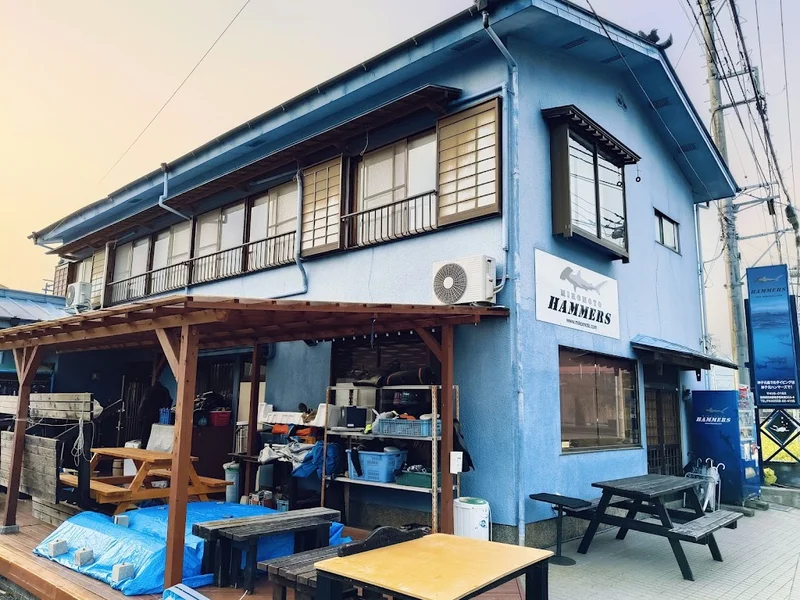
A typical dive at Osezaki begins with a straightforward shore entry, often from the inner bay where dive facilities are just 30 meters from the water's edge. Initial descent leads into calm, sheltered waters, ideal for acclimatization and observing immediate sandy bottom habitats. As you progress, topography shifts, introducing you to the distinctive finger of boulders on the western point. This formation provides access to deeper sections. Exploration down to maximum depth in this area reveals vibrant soft corals and sea whips. Divers can expect water conditions to be generally calm and predictable, making it a comfortable environment for extended bottom times. Its protected nature means conditions are rarely challenging, fostering relaxed exploration of its diverse underwater landscapes and seasonal shifts in marine encounters.
Dive Difficulty & Safety Guidelines
While Osezaki is generally considered a calm dive site, a fundamental safety measure is maintaining clear communication, especially given potential language differences; on-site guides utilize translation apps on land and basic sign language underwater, which is reviewed pre-dive. Adhering to the buddy system is highly recommended, as self-diving is permitted only for groups of two or more certified divers. Given the option for drift diving along the outer edges, divers should be proficient in current management and buoyancy control.
Recommended training for this site includes PADI Open Water Diver for beginners, PADI Advanced Open Water Diver for those exploring deeper sections, and PADI Enriched Air Diver for extended no-decompression limits. Always familiarize yourself with the dive plan and local guidance before entering the water.
Recommended Equipment
Deep dive hazard. Increased narcosis and gas consumption risk.
Current and surface separation risk. Local briefing strongly recommended.
- Dive Computer
- DSMB
- Primary & Backup Lights
- Reel / Spool
- Hard-soled Dive Boots
This gear list is based on verified equipment signals for Osezaki, Japan. Always confirm final gear choices with your dive operator, guide, or liveaboard.
Recommended Dive Suit
Individual comfort in the water can vary significantly from diver to diver, even under the same conditions.
For most recreational dives, 3mm wetsuit should provide comfortable protection. Strong winds are present; please take strong precautions against rapid cooling during surface intervals. Forecast trends indicate little change in overall diving conditions during the next few days.
Divers heading to Osezaki today should expect water temperatures around 25°C (78°F). Surface air temperatures are resting at 25°C (78°F).
Emergency & Medical Support
Essential information to help you plan your dive trip to Osezaki.

Hyperbaric chambers are a critical part of dive safety infrastructure. Availability varies significantly by region, and not all dive areas have immediate access.
Before diving, it's recommended to:
- confirm nearest medical facilities
- check emergency procedures with local dive operators
- ensure dive insurance covers evacuation if required
Divers Alert Network
Diving emergency assistance available through DAN Japan.
+81338124999- 24/7 emergency hotline
- Diving medical assistance
- Evacuation coordination
Emergency contacts are provided for reference. Always verify local emergency services before diving.
Marine Life at Osezaki
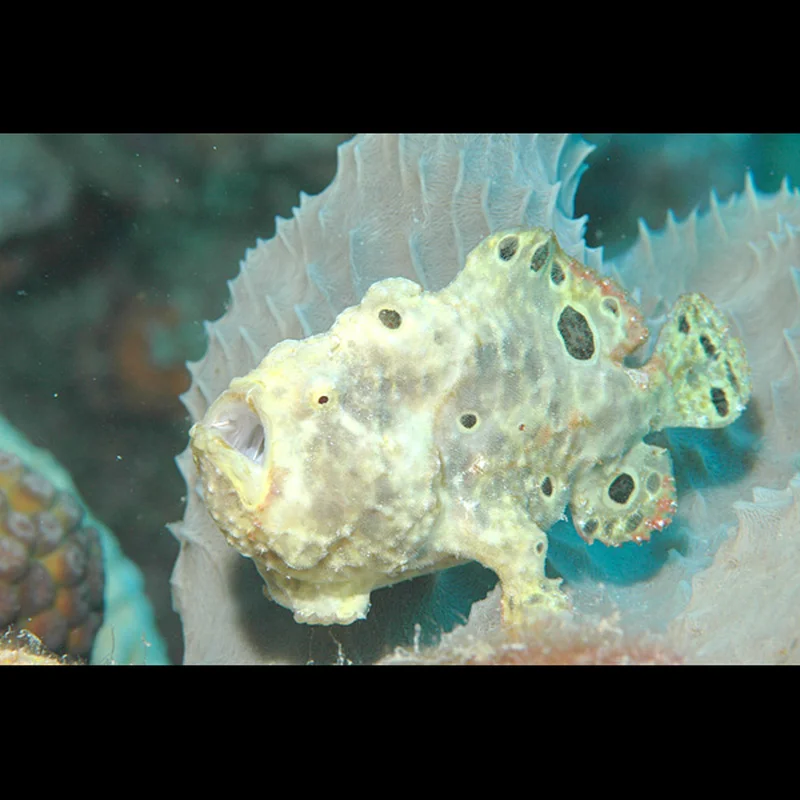
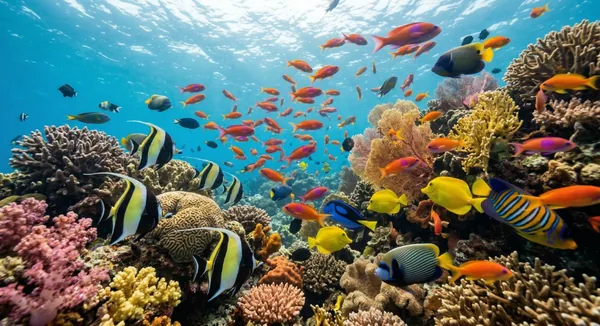
Prolific macro life inhabiting varied environments often catches a diver's eye first at Osezaki. Frogfish are a common sighting, often camouflaged among corals and rocks.
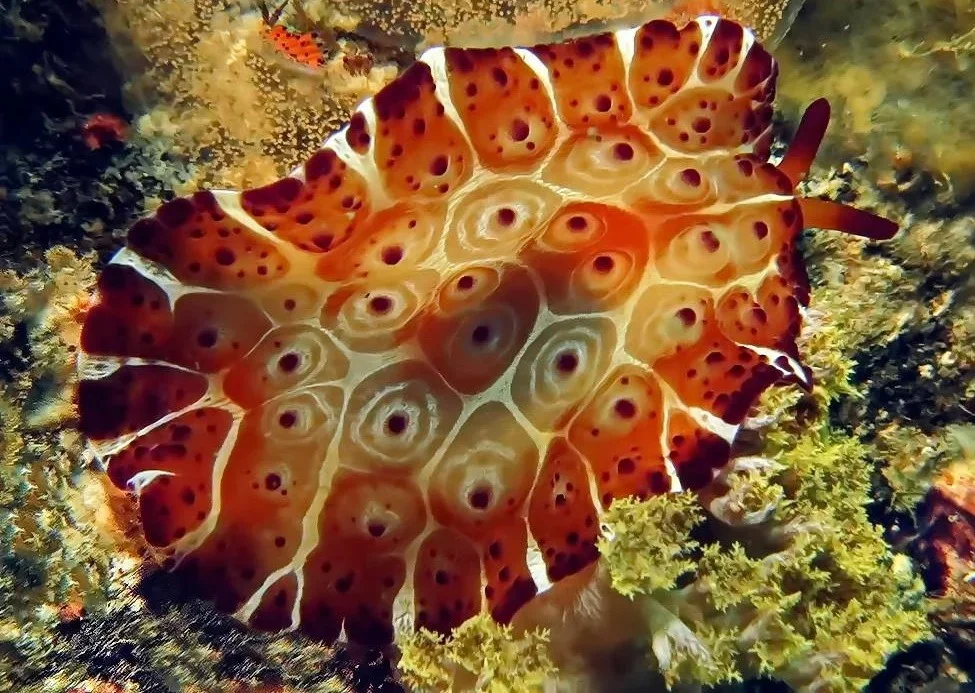
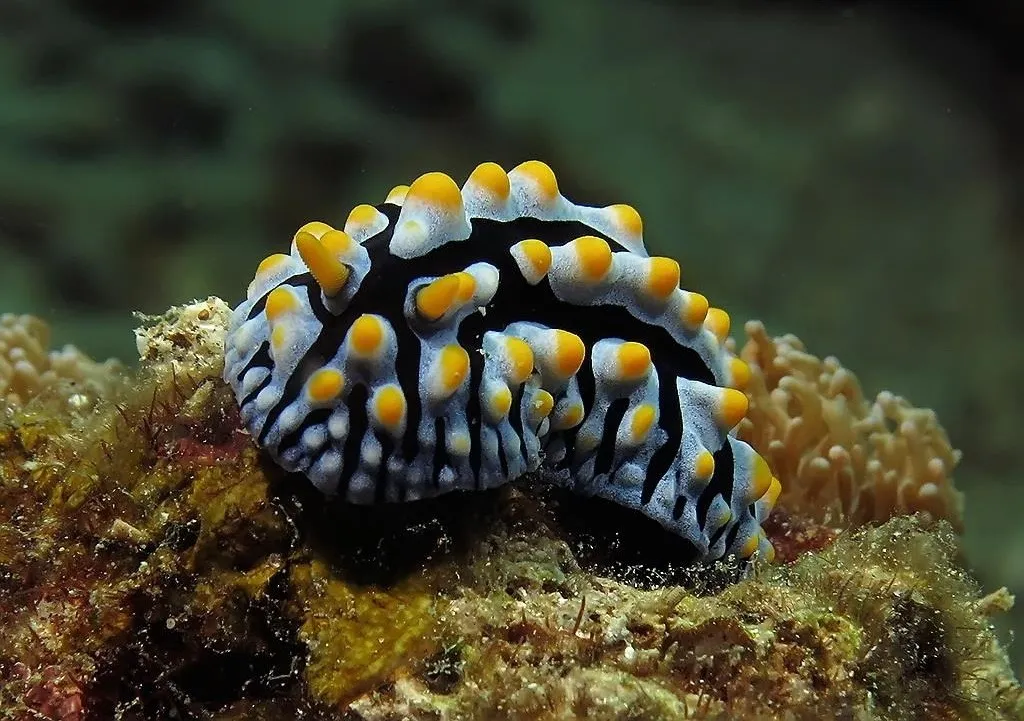
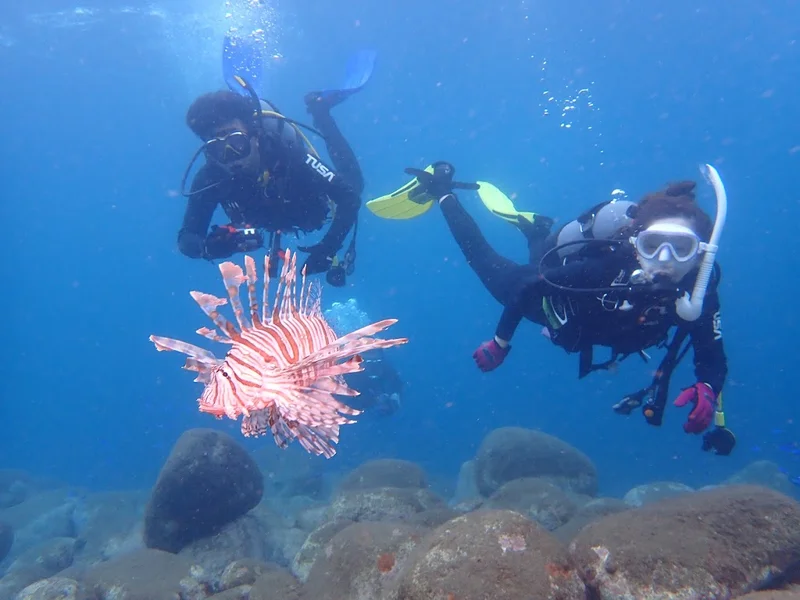
Divers frequently spot a vibrant array of nudibranchs and sea slugs, adding splashes of color to sandy and rocky substrates. As you explore the western point, you might encounter schools of Sakura anthias dancing around large soft corals, alongside various Joyner's rockfish.
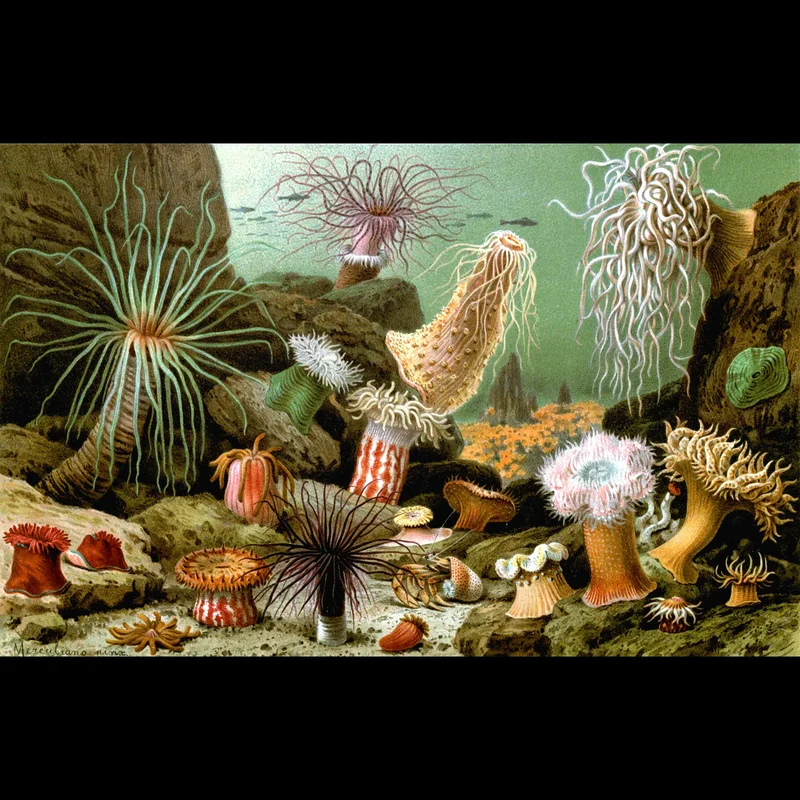
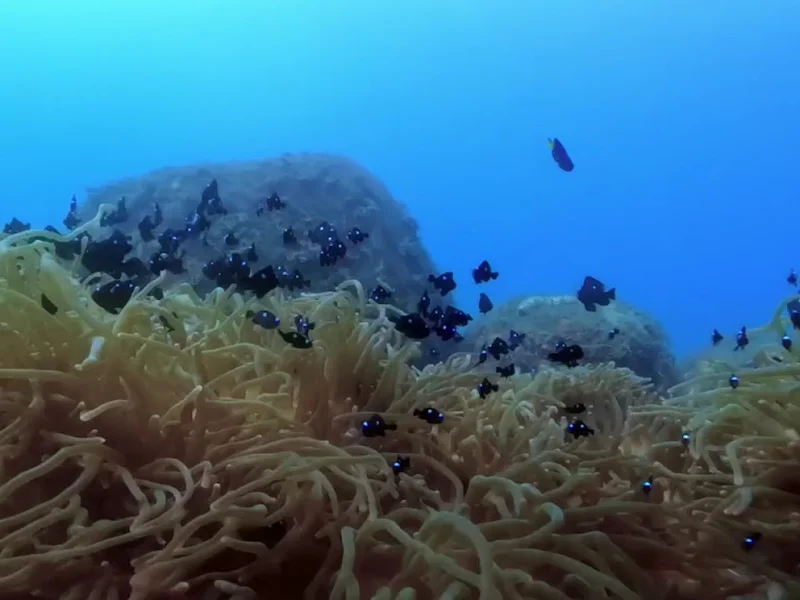
Seasonal changes in marine life define the site, with summer bringing observations of species engaging in courtship rituals and even breathtaking hatching of mouth-brooding fish during night dives. Sand anemones (Cerianthus filiformis) are also a feature of sandy areas, providing distinct photographic opportunities.
Dive Sites Near Osezaki
View all dive sites in JapanDiscover more underwater gems in this area.
Dive Centers Near Osezaki
Today: 11:00 - 19:00
Nearest Airports
Nearest airports to help plan travel to this dive area.
Search Flights
Check available flights and routes on Expedia, using the nearby airports listed in this section.
Search Flights on ExpediaFrequently Asked Questions
What is the maximum depth for diving at Osezaki?
The maximum depth for diving at Osezaki is approximately 40 m (131 ft). This depth range caters to various certification levels, from beginner to advanced divers.
What types of diving are available at Osezaki?
Osezaki offers beach and shore entry dives, primarily in a calm ocean environment. Drift diving is also an option along certain parts of the site, particularly near the deeper points.
Is Osezaki suitable for new divers?
Yes, Osezaki is considered a calm dive site, making it ideal for certification dives and new divers. Its sheltered inner bay provides a protected environment for learning and building confidence.
How do seasons affect diving at Osezaki?
The variety of marine life changes with the seasons; spring sees lush underwater seaweed forests, summer features marine courtship, and autumn often brings improved visibility with new marine visitors. Diving is possible year-round due to the site's protected nature.
What are some common marine life sightings?
Divers often spot frogfish, numerous species of nudibranchs, and sea slugs. The deeper areas around the point host Sakura anthias and Joyner's rockfish, while sand anemones are found on sandy bottoms.
How do I get to Osezaki?
Osezaki is accessible by car via the Tomei/Shin Tomei Expressway or by train and bus. From Tokyo, you can take a bullet train to JR Mishima station, then a local train to JR Numazu station, followed by a local bus to Osezaki.
Can I dive without a guide at Osezaki?
Self-diving is allowed for buddy groups of two or more certified people. However, guided fun diving is also available, and guides provide essential communication support and site information.
Planning to dive Osezaki?
Send one inquiry and receive offers directly from the best verified local dive operators.
Conditions are Moderate
Optimal conditions expected
Current conditions near Osezaki show 25° air, 25° sea temperature, 0.9 m waves, and 38 km/h wind. Forecast data is refreshed regularly to ensure accuracy.