
Diving at Channel Crevices (Japan)
Channel Crevices in Okinawa, Japan, presents a distinctive underwater experience. A challenging shore entry eventually leads to expansive submerged topography. Unlike many easily accessible sites, divers navigate a significant beach walk and reef crossing to access a network of large crevices and intriguing swim-throughs. Determined divers are rewarded with unique structural formations and diverse marine encounters.
As evening covers Channel Crevices, the local air temperature is measured at 26°C. The current wave height at the surface is recorded at 1 m. These late-day readings characterize the surface conditions for the night.
Dive Site Location & Key Facts
Dive Site Overview
Topography at Channel Crevices is defined by extensive cracks and crevasses, appearing on a much larger scale than typically found in Okinawa. Some impressive rock cuts extend up to 20 m (65 ft) deep and are wide enough for divers to comfortably explore, allowing for immersive experiences within these formations.
Reaching Channel Crevices involves a considerable walk along the beach before crossing a shallow reef to the dive entry point, a detail crucial for planning. A "Lazy River" channel, cut into the reef, can assist with entry into deeper water, provided the tide and current are optimal.
However, hitting an unfavorable current can make a return to shore arduous, requiring careful consideration of conditions. Dive types here span beach entry, reef, wall, cavern, and drift diving, with a maximum depth often reported around 30 m (100 ft), although some sources indicate shallower maximums near 12 m (39 ft).
These diverse options cater to different interests within a single dive. Multiple swim-throughs are a key feature, often requiring a flashlight for proper navigation and appreciation.
Weather Error: fetch failed
Best Time to Dive
Planning a dive at Channel Crevices benefits from understanding the seasonal climate, as conditions fluctuate throughout the year. Generally, dive scores rank as 'Moderate' for most months; February often stands out as 'Good', and July is typically noted as 'Poor'. Air temperatures vary significantly, ranging from approximately 18°C (64°F) in January and February to around 29°C (84°F) during July and August. Rainfall is typically low in the early months, around 1.9 mm (0.07 in) in January and February, but increases to around 9.4 mm (0.37 in) in June. Wind speeds range from 24.5-30.8 km/h (15-19 mph) and wave heights are generally between 1.3-1.9 m (4.3-6.2 ft), which can influence surface conditions. While water temperatures are not consistently reported, cooler air temperatures early in the year might suggest a need for thicker exposure protection, contrasting with warmer summer months.
PEAK SEASON SCORE
Scores combine air & water temps, waves, wind & rainfall for overall conditions.
BEST MONTHS TO DIVE
Monthly records compiled from satellite and marine observation nodes over the last 3 years. Data provided by Open-Meteo and MET Norway.
Dive Experience & Conditions
Divers experience a depth profile at Channel Crevices that ranges from vibrant shallow coral formations to deeper, more expansive crevices and swim-throughs. Near the surface, corals appear exceptionally bright on sunny days. Descending into larger cuts, which can extend 20 m (65 ft) deep, divers encounter a different environment. Currents can be a significant factor here; a "Lazy River" system offers advantageous entry when conditions align, but an unfavorable tide can create challenging strong currents, especially when attempting to return to shore. Divers should anticipate the need for a torch or flashlight to fully appreciate and safely navigate through numerous swim-throughs. Channel Crevices is recommended for divers with Intermediate to Advanced experience, reflecting potential complexities of currents and navigation.
Dive Difficulty & Safety Guidelines
Primary safety consideration at Channel Crevices revolves around its dynamic currents. Divers must carefully assess tide and current conditions, particularly when utilizing the "Lazy River" for entry, as strong opposing currents can complicate a return to shore. An initial approach involves a long walk across the beach and then traversing a reef, necessitating careful footing and awareness of reef life.
Due to maximum depths and navigational challenges through crevices and swim-throughs, certifications like PADI Advanced Open Water Diver, PADI Deep Diver, and PADI Underwater Navigator are beneficial for enhancing safety and enjoyment. Always consult with a local dive professional familiar with the site's present conditions before entering the water.
Recommended Equipment
Overhead environment. Do not enter beyond training and gas planning limits.
Current and surface separation risk. Local briefing strongly recommended.
- Dive Computer
- DSMB
- Primary & Backup Lights
- Reel / Spool
- Cutting Tool
This gear list is based on verified equipment signals for Channel Crevices, Japan. Always confirm final gear choices with your dive operator, guide, or liveaboard.
Recommended Dive Suit
Environmental conditions are expected to remain consistent in the short-term outlook.
For typical recreational dives, dive skin or rash guard generally provides comfortable insulation.
Recent environmental data from Channel Crevices indicates water temperatures near 29°C (85°F). Surface air temperatures are resting at 26°C (79°F).
Due to technical issues with our weather providers, data hasn't been fetched for over 48 hours. The data above reflects the conditions at the time of the last successful fetch.
Emergency & Medical Support
Essential information to help you plan your dive trip to Channel Crevices.

Hyperbaric chambers are a critical part of dive safety infrastructure. Availability varies significantly by region, and not all dive areas have immediate access.
Before diving, it's recommended to:
- confirm nearest medical facilities
- check emergency procedures with local dive operators
- ensure dive insurance covers evacuation if required
Divers Alert Network
Diving emergency assistance available through DAN Japan.
+81338124999- 24/7 emergency hotline
- Diving medical assistance
- Evacuation coordination
Emergency contacts are provided for reference. Always verify local emergency services before diving.
Marine Life at Channel Crevices
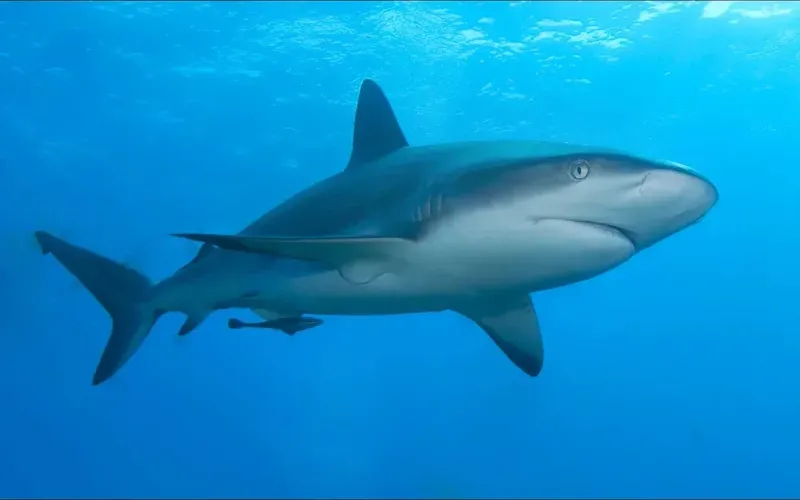
Channel Crevices provides opportunities to encounter a variety of marine life, often within its defining geological features. Divers frequently spot reef sharks lurking around larger cracks and crevasses.
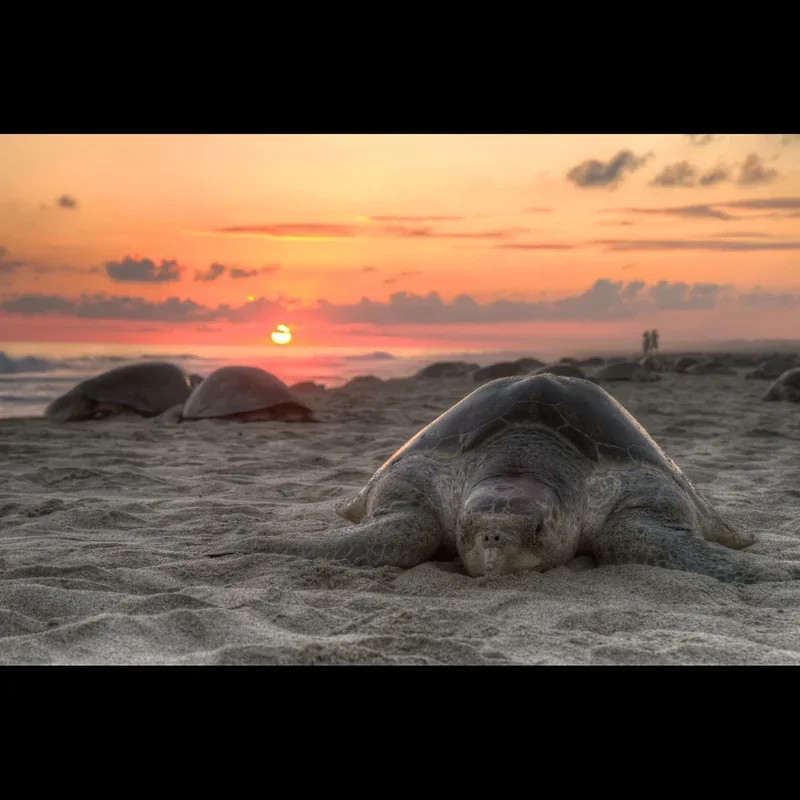
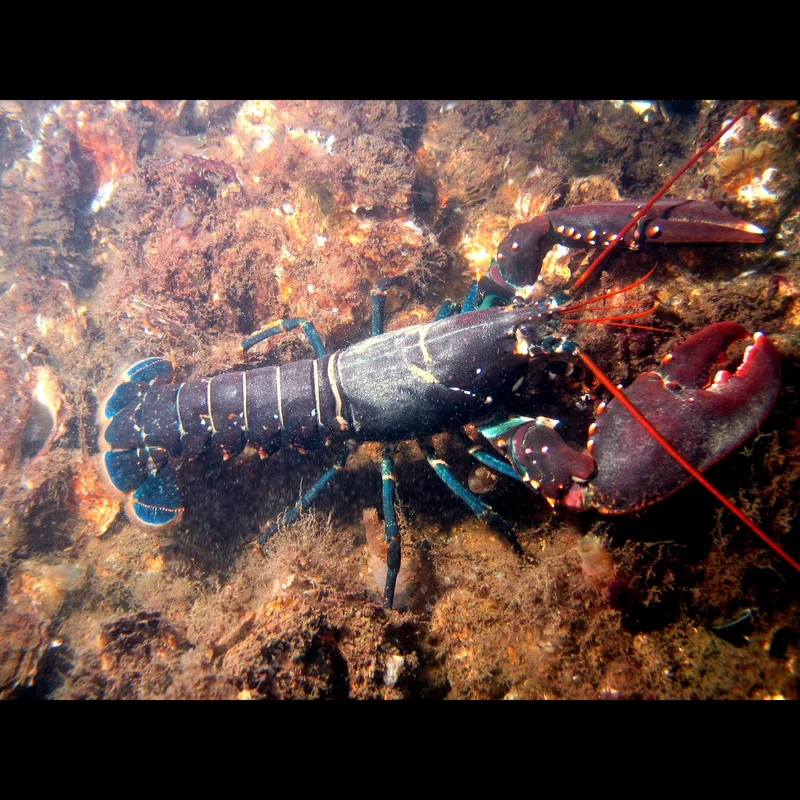
Lobsters can be seen retreating into deeper, darker sections of rock formations. In shallower reef areas, observations include rays, sea turtles, and octopus.
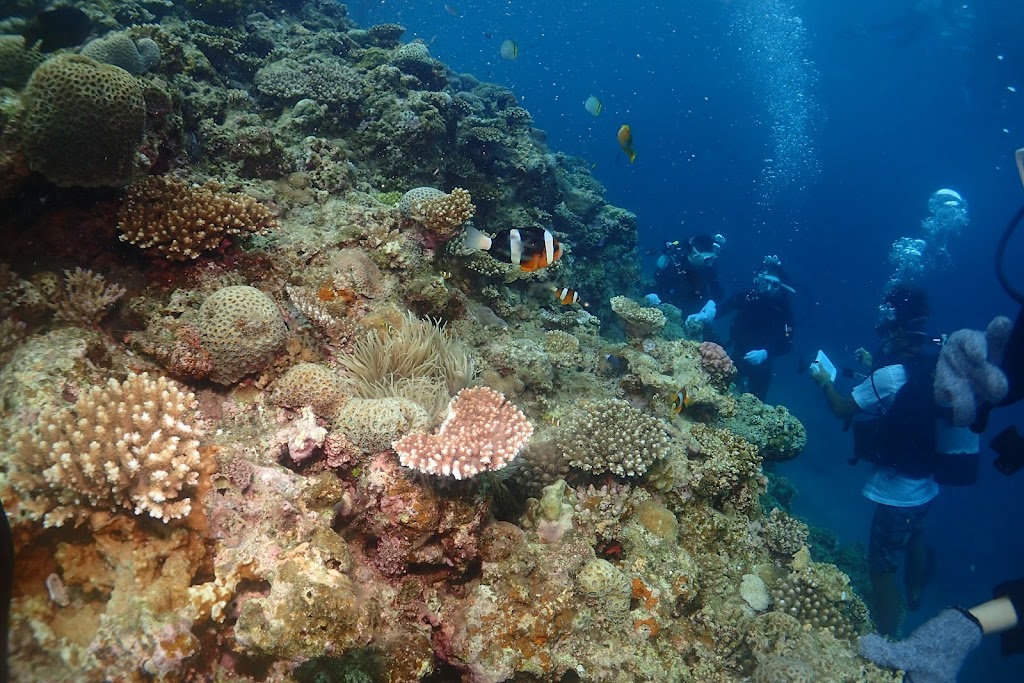
Coral formations in these sunlit shallows are particularly vibrant and outstanding, adding a colorful backdrop to marine encounters.

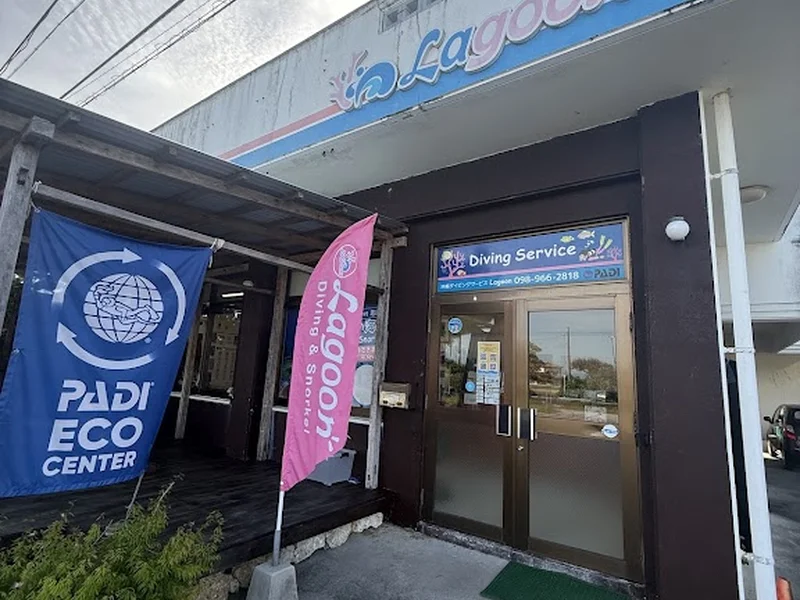
Dive Centers Near Channel Crevices
Today: 08:00 - 20:00
Nearest Airports
Nearest airports to help plan travel to this dive area.
Search Flights
Check available flights and routes on Expedia, using the nearby airports listed in this section.
Search Flights on ExpediaFrequently Asked Questions
What is the entry process like for Channel Crevices?
Entry requires a long walk along the beach, followed by crossing a reef to reach the main dive area. The 'Lazy River' channel offers a potential shortcut into deeper water, but it's current-dependent.
Are strong currents common at this dive site?
Yes, currents can be strong, particularly if the tide is not favorable when using the 'Lazy River'. Strong currents can make the return to shore challenging, so conditions should be carefully assessed.
What is the maximum depth typically found here?
The maximum depth is generally around 30 m (100 ft), though some sources suggest shallower maximums around 12 m (39 ft). The site features deep rock cuts and expansive crevices.
Is a dive light or torch necessary for this dive?
Yes, a torch or flashlight is highly recommended. Many of the site's defining features are swim-throughs and deeper crevices that benefit from additional illumination for navigation and viewing marine life.
What kind of marine life can I expect to see?
Divers may encounter reef sharks in deeper crevices and lobsters hiding in darker spots. In shallower reef areas, sightings commonly include rays, sea turtles, and octopus, alongside vibrant coral formations.
What diving skill level is recommended for Channel Crevices?
This site is best suited for Intermediate to Advanced certified divers. The potential for strong currents and the nature of navigating swim-throughs and crevices require a higher level of experience and comfort.
What are the best months to dive at Channel Crevices?
February generally shows 'Good' dive conditions, with most other months rated 'Moderate'. July, however, is typically rated 'Poor' due to less favorable conditions. Considering air temperature and rainfall can help determine a comfortable time to visit.
Are there any facilities available on site?
Yes, free parking is available on site, and there is a restroom. While the restroom may not always be perfectly maintained, it is typically open and free to use.