
Diving at Otomi Beach (Japan)
Otomi offers divers a straightforward shore entry, typical of accessible coastal sites across Japan. This location, featuring an inviting sandy bottom, primarily caters to recreational diving, reaching a maximum depth of 10 m (32 ft). Its calm disposition presents an excellent choice for relaxed underwater exploration and convenient access. A true entry-level experience awaits.
Evening condition tracking at Otomi Beach features an air temperature of 23.5°C. We have recorded wave heights measuring 1.2 m during this period. These figures outline the environmental parameters currently present.
Dive Site Location & Key Facts
Dive Site Overview
Otomi provides an accessible environment, having established itself as a prime entry point for divers, especially those undertaking initial certifications like the PADI Open Water Diver course. Its underwater terrain is primarily a sandy bottom, which gradually slopes to a maximum recreational depth of 10 m (32 ft).
While localized current data is not consistently reported for this specific coastal area, shallow shore dives here often encounter minimal water movement, reinforcing the site's beginner-friendly reputation. Beyond the immediate entry, the broader Osaka region is influenced by varied oceanographic patterns; however, Otomi generally maintains a protected diving experience. Visibility can vary, but conditions are typically conducive to learning and observation.
Divers frequently plan their excursions around specific training objectives given the site's manageable conditions and predictable topography. The gentle slope allows for a comfortable descent, with ample space to practice skills without strong currents interfering.
Throughout the shallower sections, patches of rocky substrate might be encountered, breaking up the continuous sand. Offering an uncomplicated introduction to underwater environments, it is ideal for skill development and tranquil exploration in relatively calm waters.
Its consistent, mild nature contributes significantly to its appeal for certification dives and leisurely outings.
Conditions are Good
Optimal conditions expected
Current conditions near Otomi Beach show 24° air, 27° sea temperature, 0.9 m waves, and 30 km/h wind. Forecast data is refreshed regularly to ensure accuracy.
Best Time to Dive
Planning a dive at Otomi Beach is most favorable during the warmer months, specifically from June through September, when dive scores consistently rate as 'Good' to 'Excellent'. June and July stand out with 'Excellent' scores, offering pleasant air temperatures averaging 22.5°C (72°F) and 27.5°C (82°F) respectively, coupled with minimal average wave heights of around 0.5 m (1.6 ft). During this period, wind speeds are generally lower, typically below 19 km/h (12 mph), contributing to calmer surface conditions. While water temperature data is not consistently reported, these months typically see the warmest surface conditions, enhancing diver comfort. Rainfall also remains relatively low, ensuring clearer skies for an enjoyable overall experience.
PEAK SEASON SCORE
Scores combine air & water temps, waves, wind & rainfall for overall conditions.
BEST MONTHS TO DIVE
Monthly records compiled from satellite and marine observation nodes over the last 3 years. Data provided by Open-Meteo and MET Norway.
Dive Experience & Conditions
Beginning a dive at Otomi involves a simple shore entry, where divers wade into calm waters before descending. Underwater, the landscape primarily features a sandy bottom, gradually sloping to a maximum depth of 10 m (32 ft). Throughout the dive, visibility can vary depending on local conditions and recent weather patterns. Limited available data suggests currents typically remain light, making navigation relatively easy. Maintaining precise neutral buoyancy is essential, especially over the sandy areas, to avoid stirring up sediment and preserve visibility for others. Divers exploring the shallower sections will encounter diverse small marine life nestled within the substrate and any scattered rocky patches. The site's gentle slope and generally calm demeanor create an approachable environment for all skill levels, allowing for focused exploration and skill practice.
Dive Difficulty & Safety Guidelines
Otomi is generally suitable for divers certified at the PADI Open Water Diver level, highlighting its accessible nature. For shore entries, divers must carefully assess tide levels before entering the water; low tide can expose rocks and uneven terrain, often making high tide preferable for smoother access. Equipment handling near the entry point requires caution to prevent accidental falls, especially when wearing heavier gear.
While exploring the underwater environment, divers should be mindful of potential coral clusters or delicate habitats found occasionally within the sandy expanse. Maintaining excellent neutral buoyancy is crucial to avoid contact with the bottom or disturbing the sandy substrate, thereby protecting the delicate ecosystem.
No specific hazards like strong currents or difficult topography are consistently reported for this particular dive site.
Recommended Equipment
- Dive Computer
- Hard-soled Dive Boots
This gear list is based on verified equipment signals for Otomi Beach, Japan. Always confirm final gear choices with your dive operator, guide, or liveaboard.
Recommended Dive Suit
Recent conditions suggest the water at Otomi Beach remains near 27°C (80°F), offering typical conditions for the area. Surface air temperatures are resting at 24°C (74°F).
The next few days appear likely to bring similar environmental conditions.
Most divers exploring waters at this temperature rely on 2-3mm shorty or light wetsuit for effective insulation. Water temperature is only one factor influencing overall comfort during a dive.
Due to technical issues with our weather providers, live updates are temporarily delayed. The data above reflects the conditions at the time of the last successful fetch.
Emergency & Medical Support
Essential information to help you plan your dive trip to Otomi Beach.

Hyperbaric chambers are a critical part of dive safety infrastructure. Availability varies significantly by region, and not all dive areas have immediate access.
Before diving, it's recommended to:
- confirm nearest medical facilities
- check emergency procedures with local dive operators
- ensure dive insurance covers evacuation if required
Divers Alert Network
Diving emergency assistance available through DAN Japan.
+81338124999- 24/7 emergency hotline
- Diving medical assistance
- Evacuation coordination
Emergency contacts are provided for reference. Always verify local emergency services before diving.
Marine Life at Otomi Beach
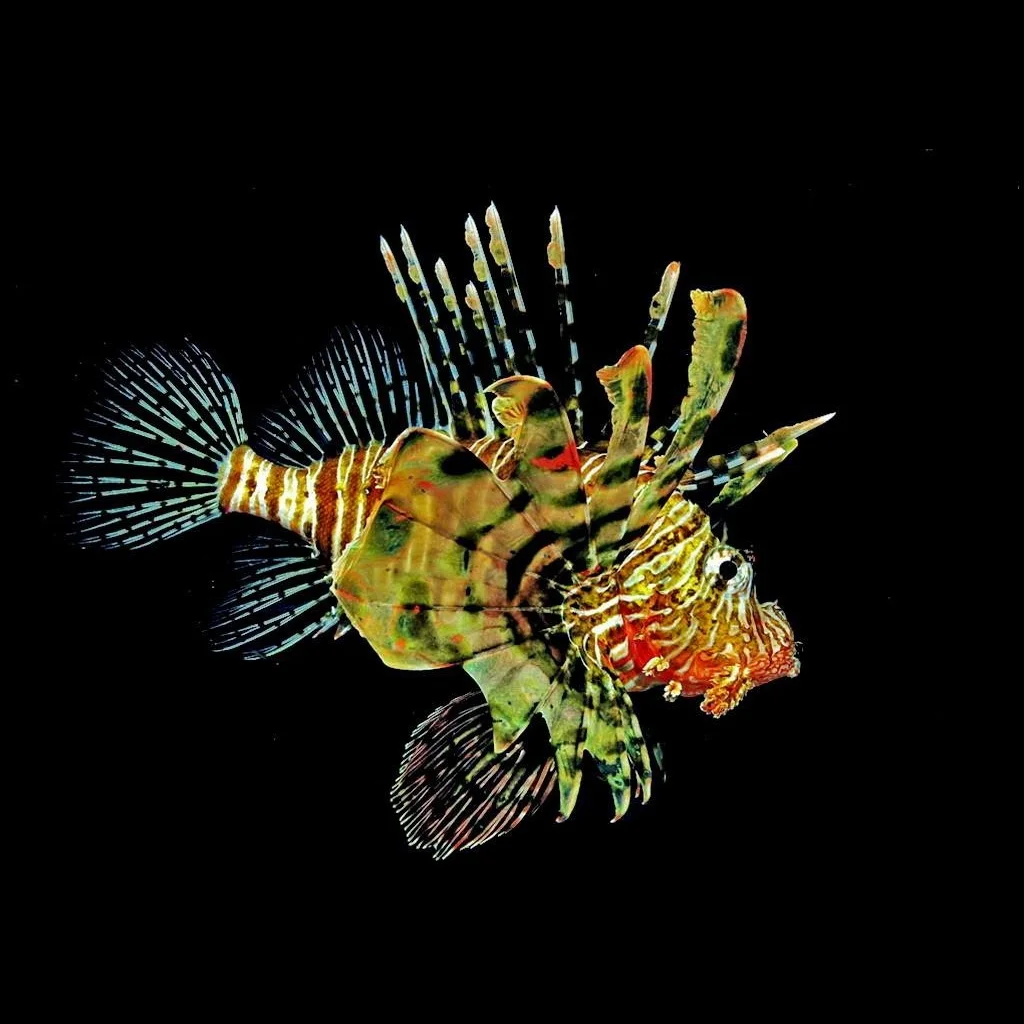
Beneath the surface at Otomi, divers will discover a range of smaller marine species, particularly on its expansive sandy bottom. Encounters frequently include lionfish, characterized by their striking fins and distinctive patterns.
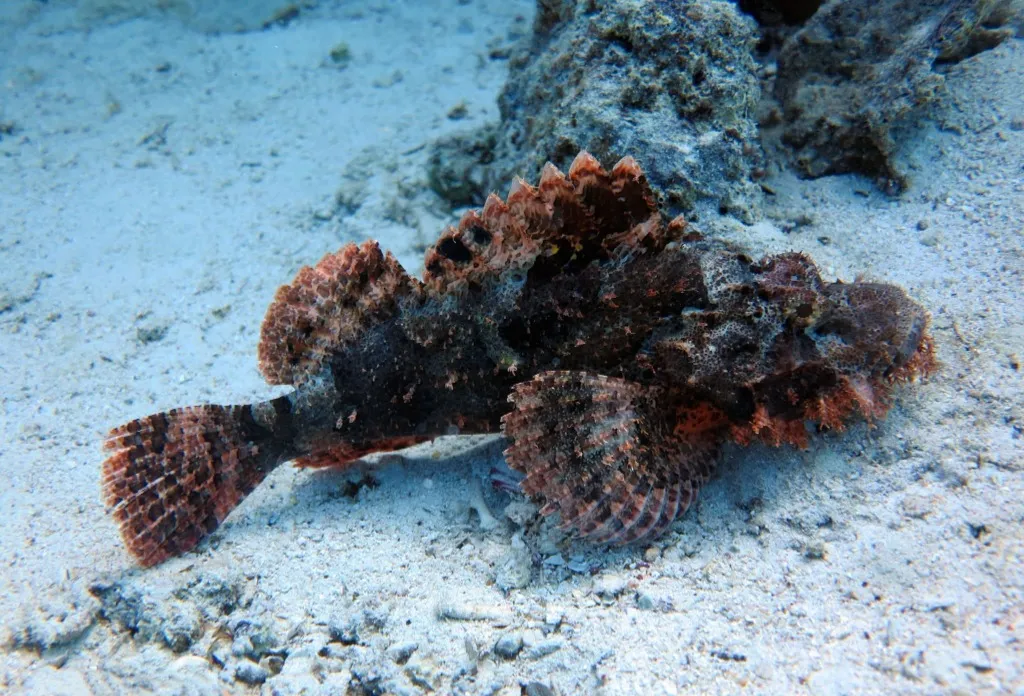
Scorpionfish, masters of camouflage, are also commonly observed blending into the surroundings, requiring careful observation to spot.
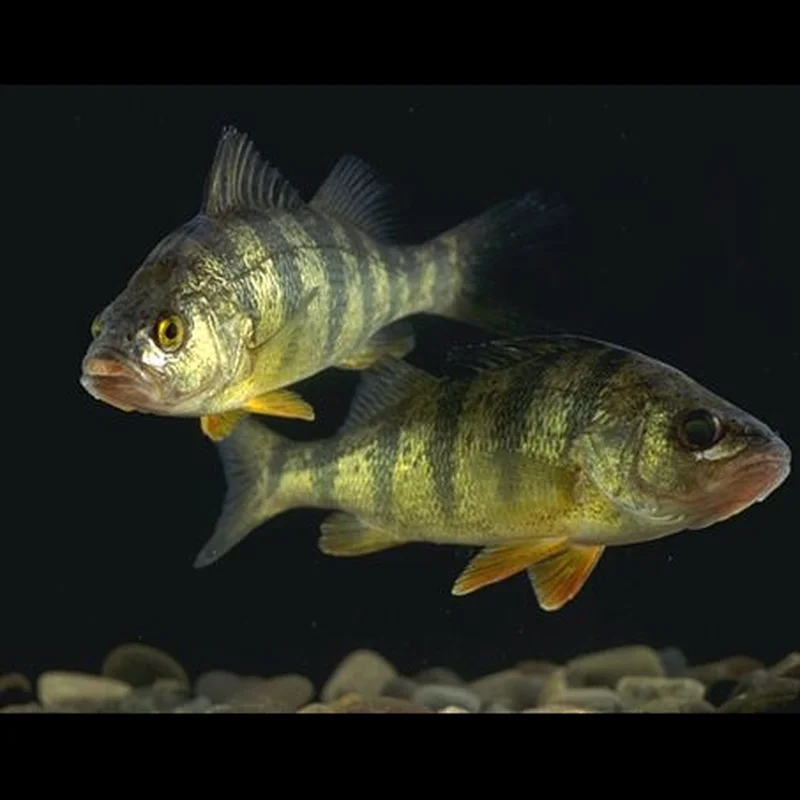
Additionally, various species of gobies often dart across the sandy terrain or perch on small rocks, adding to the localized diversity. The shallow depths encourage a focus on macro life and careful observation of the benthic environment.
Dive Centers Near Otomi Beach
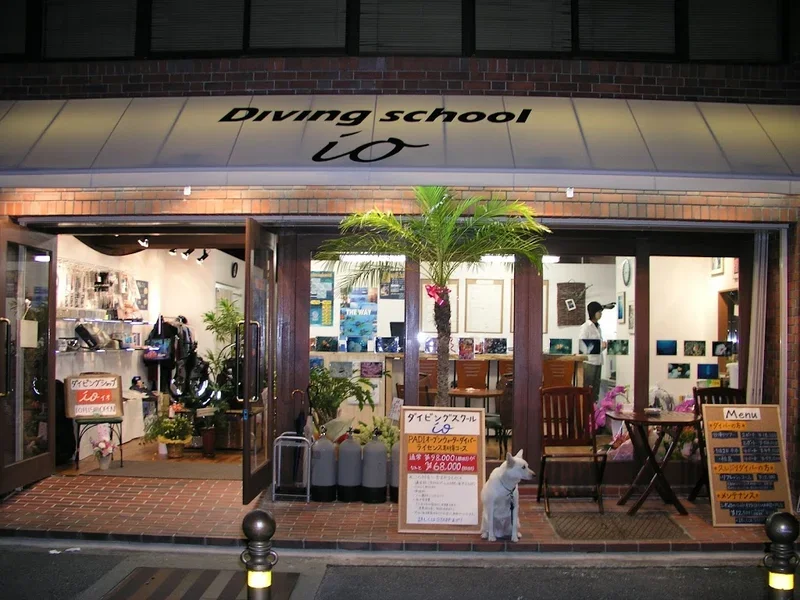
Today: 13:00 - 20:00
Nearest Airports
Nearest airports to help plan travel to this dive area.
Search Flights
Check available flights and routes on Expedia, using the nearby airports listed in this section.
Search Flights on ExpediaFrequently Asked Questions
What is the maximum diving depth at Otomi?
Otomi offers a maximum diving depth of 10 m (32 ft). This makes it an ideal spot for recreational divers, particularly those new to the sport or looking for shallower explorations.
Is this site suitable for beginner divers?
Yes, Otomi is considered very suitable for beginners. Its straightforward shore entry and shallow maximum depth make it an excellent location for initial training, such as the PADI Open Water Diver course.
What kind of marine life can I expect to see at Otomi?
Divers exploring the site commonly encounter lionfish, scorpionfish, and various species of gobies. These creatures are often found camouflaged against the sandy bottom or hiding among small patches of reef.
When is the best time of year to dive at this location?
The most favorable time to dive is from June to September. These months feature higher dive scores, warmer air temperatures, and generally calmer sea conditions with minimal waves.
Are there strong currents at Otomi?
Limited available data suggests that currents at Otomi are typically light. As a shallow shore entry point, it generally offers calm conditions, beneficial for relaxed diving and training.
What type of entry does Otomi provide for divers?
This location features a direct shore entry. Divers can wade into the water from the coastline, making it easily accessible for carrying gear and preparing for their dive.
Planning to dive Otomi Beach?
Send one inquiry and receive offers directly from the best verified local dive operators.
Conditions are Good
Optimal conditions expected
Current conditions near Otomi Beach show 24° air, 27° sea temperature, 0.9 m waves, and 30 km/h wind. Forecast data is refreshed regularly to ensure accuracy.