
Diving at Gaya Strip (Malaysia)
Varying visibility and occasional stronger currents can pose minor challenges at Gaya Strip. While generally calm, understanding seasonal shifts in wave conditions is essential for optimal planning. This vibrant reef system within Tunku Abdul Rahman Marine Park is easily accessible from Kota Kinabalu, typically a short 15-minute boat journey. Divers will navigate pristine hard coral formations and encounter diverse marine life in depths rarely exceeding 25 m (82 ft), making it a suitable location for varying skill levels.
As evening covers Gaya Strip, the local air temperature is measured at 25.5°C. The current wave height at the surface is recorded at 0.9 m. These late-day readings characterize the surface conditions for the night.
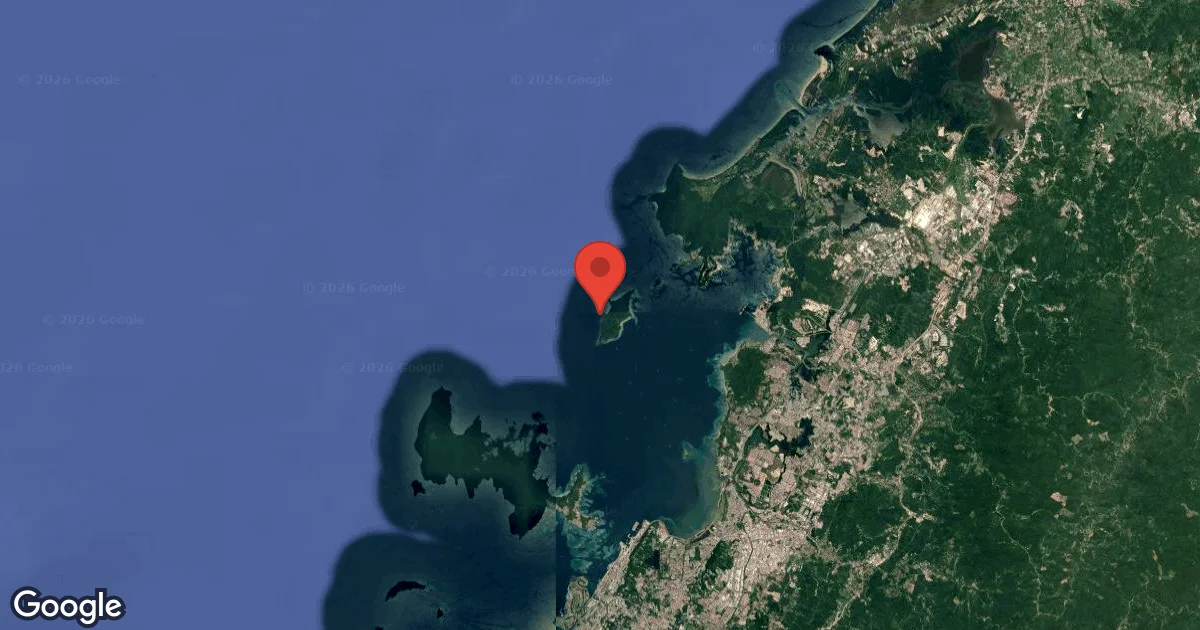
Dive Site Location & Key Facts
Dive Site Overview
Gaya Strip offers an experience deeply rooted in the geological history of Borneo, once part of the mainland's Crocker Range mass of sandstone and sedimentary rock. This site, an integral part of the Tunku Abdul Rahman Marine Park, presents a striking underwater landscape characterized by extensive hard coral reefs.
As one of five islands within the park, it's easily accessible from Kota Kinabalu, with boat transfers typically taking just 15 minutes. Divers here explore waters within the 4,929-hectare marine park, with dive depths that seldom go beyond 25 meters (82 feet), allowing for generally relaxed profiles.
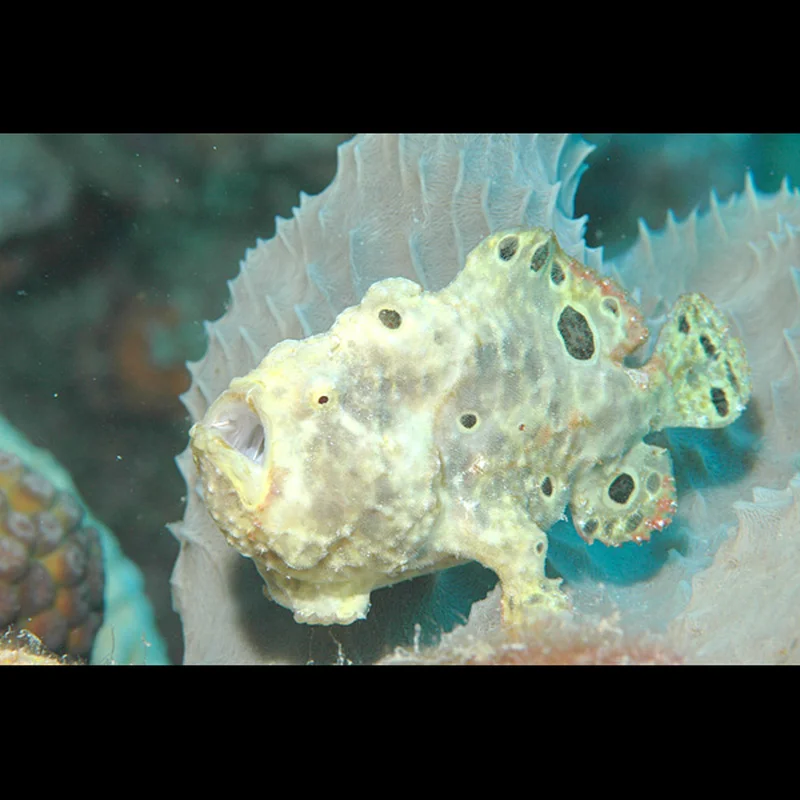
The waters support a rich ecosystem, showcasing schooling fish against a backdrop of healthy corals. Beyond the vibrant reef fish, the area is home to smaller, fascinating critters like frogfish and seahorses, which require a keen eye to spot.
Larger marine visitors, including various turtles, reef sharks, and eagle rays, are also regularly observed traversing the reef. This combination of accessible depths, abundant coral health, and a mix of macro and pelagic encounters defines the diving experience at Gaya Strip, providing a diverse underwater journey.
Conditions are Excellent
07:00 - 14:00
Optimal conditions expected
Current conditions near Gaya Strip show 25° air, 31° sea temperature, 0.8 m waves, and 21 km/h wind. Forecast data is refreshed regularly to ensure accuracy.
Best Time to Dive
The most rewarding dive experiences at Gaya Strip often align with periods of minimal rain and lower wave activity, enhancing underwater visibility and comfort. April stands out with an "Excellent" dive score, experiencing comparatively lower average wave heights around 0.4 m (1.3 ft) and only about 9 mm of rain. Air temperatures during this optimal period hover around 27°C (81°F). Generally, the months from February through August consistently offer "Good" to "Excellent" conditions. During February and March, wave heights are lower, averaging 0.9 m (3.0 ft) and 0.7 m (2.3 ft) respectively, alongside reduced rainfall. June and July also see "Good" dive scores, with average air temperatures around 27°C (81°F) and moderate rain. Although January has a "Moderate" dive score due to higher average wave heights of 1.1 m (3.6 ft) and increased wind, diving is still possible, simply requiring a more robust assessment of daily conditions. The period between September and November sees slightly increased rainfall and wave heights, suggesting these months may present more variable diving conditions.
PEAK SEASON SCORE
Scores combine air & water temps, waves, wind & rainfall for overall conditions.
BEST MONTHS TO DIVE
Monthly records compiled from satellite and marine observation nodes over the last 3 years. Data provided by Open-Meteo and MET Norway.
Dive Experience & Conditions
Current dynamics at Gaya Strip typically feature calm waters, though conditions can fluctuate. Visibility, while generally good, isn't consistently reported and varies depending on factors such as recent rainfall and tidal movements. Divers can expect to navigate depths usually not exceeding 25 meters (82 feet), offering extended bottom times for exploration. The dive sites within Tunku Abdul Rahman Marine Park are characterized by healthy hard coral reefs, which form the primary structure for exploration. These corals create a vibrant habitat for numerous species. Even with varying visibility, the sheer abundance of marine life and the clear reef structures make for an engaging dive. Entry and exit points are generally straightforward, supported by the calm surface conditions prevalent for most of the year. This combination makes the area accessible to a broad range of diver certifications.
Dive Difficulty & Safety Guidelines
Gaya Strip is typically considered an easy diving location, suitable for divers of varying experience levels. Beginners will find the generally calm waters and modest depths conducive to learning and skill practice.
However, all divers should remain aware of potential visibility shifts, which can occur due to weather changes or tidal influences. Maintaining proper buoyancy control is crucial to protect the pristine hard coral reefs, preventing accidental contact and preserving the delicate ecosystem.
Always dive with a certified guide who possesses local knowledge, as they can best interpret site-specific conditions and potential localized currents. Due to the area's healthy marine life, adhering to strict no-touch and no-take policies is paramount for conservation.
Divers should also practice safe ascent rates and plan their dives within no-decompression limits, especially given the ease of access that might tempt longer bottom times.
Recommended Equipment
- Dive Computer
This gear list is based on verified equipment signals for Gaya Strip, Malaysia. Always confirm final gear choices with your dive operator, guide, or liveaboard.
Recommended Dive Suit
Environmental conditions are expected to remain consistent in the short-term outlook.
Even in warm destinations, extended dives can gradually draw heat away from the body. Stronger winds may also make surface intervals feel cooler than usual.
Exposure protection such as dive skin or rash guard is commonly used when diving in waters of this temperature. Consider warmer surface protection (like a boat coat) due to brisk winds. The surrounding waters at Gaya Strip are currently registering temperatures of roughly 31°C (88°F). Surface air temperatures are resting at 25°C (78°F).
Due to technical issues with our weather providers, live updates are temporarily delayed. The data above reflects the conditions at the time of the last successful fetch.
Emergency & Medical Support
Essential information to help you plan your dive trip to Gaya Strip.

Hyperbaric chambers are a critical part of dive safety infrastructure. Availability varies significantly by region, and not all dive areas have immediate access.
Before diving, it's recommended to:
- confirm nearest medical facilities
- check emergency procedures with local dive operators
- ensure dive insurance covers evacuation if required
Divers Alert Network
Diving emergency assistance available through DAN World.
+1-919-684-9111- 24/7 emergency hotline
- Diving medical assistance
- Evacuation coordination
Emergency contacts are provided for reference. Always verify local emergency services before diving.
Marine Life at Gaya Strip
The marine environment at Gaya Strip offers a diverse range of encounters for divers. Hard coral reefs thrive here, forming intricate habitats for countless reef fish.
Keep an eye out for smaller, often camouflaged inhabitants such as frogfish and delicate seahorses hidden amongst the corals. Beyond the macro realm, the site regularly hosts larger pelagic species.
Divers might encounter various species of turtles gracefully navigating the reef. Reef sharks are present, along with the majestic eagle rays, adding an exciting dimension to the dives.
Furthermore, between March and May, there's a possibility of whale shark sightings, offering a memorable experience.




Dive Sites Near Gaya Strip
View all dive sites in MalaysiaDiscover more underwater gems in this area.
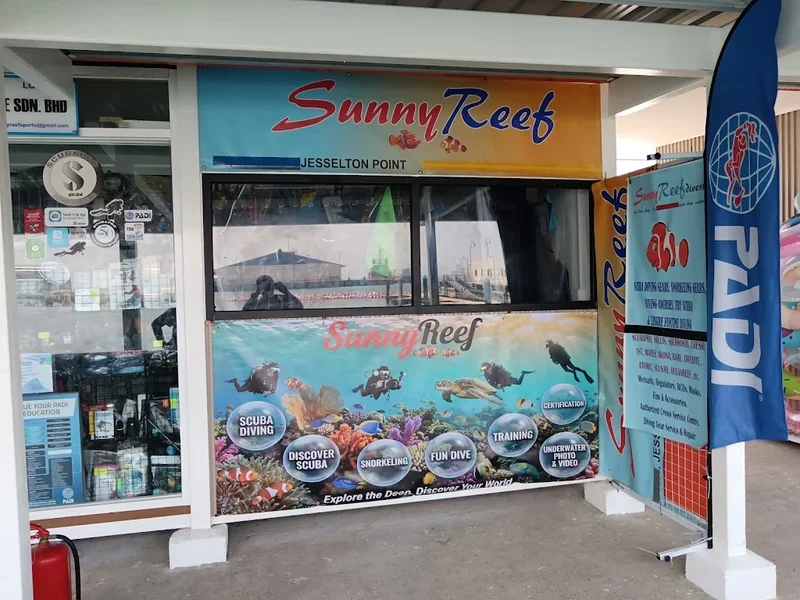
Dive Centers Near Gaya Strip


Nearest Airports
Nearest airports to help plan travel to this dive area.
Search Flights
Check available flights and routes on Expedia, using the nearby airports listed in this section.
Search Flights on ExpediaFrequently Asked Questions
Where is Gaya Strip located?
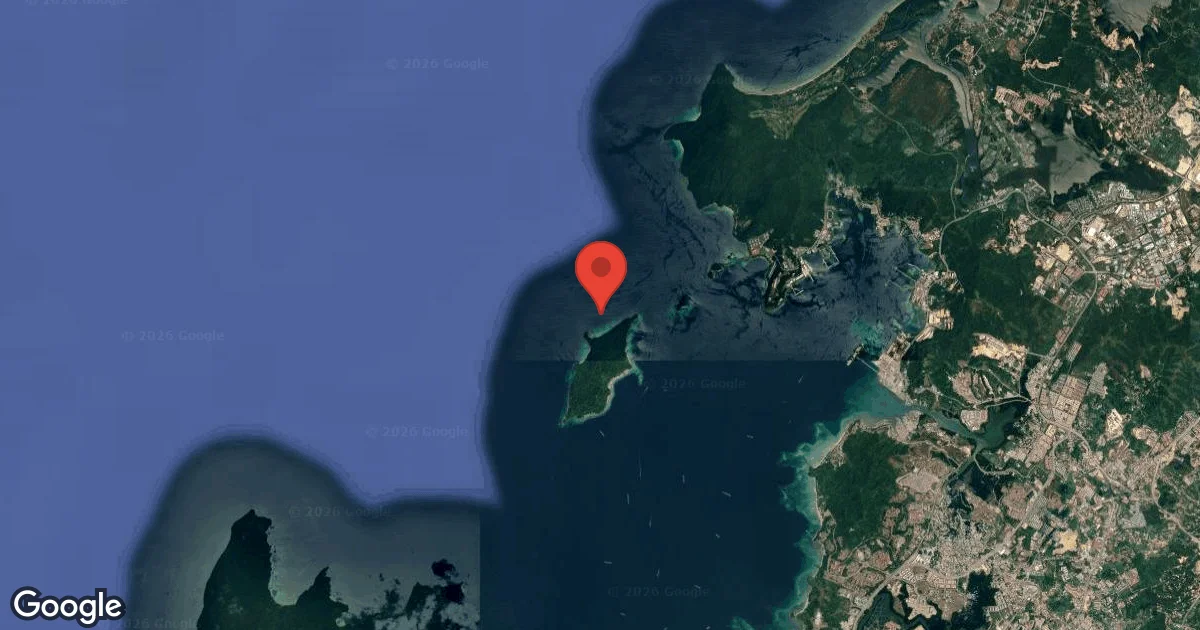
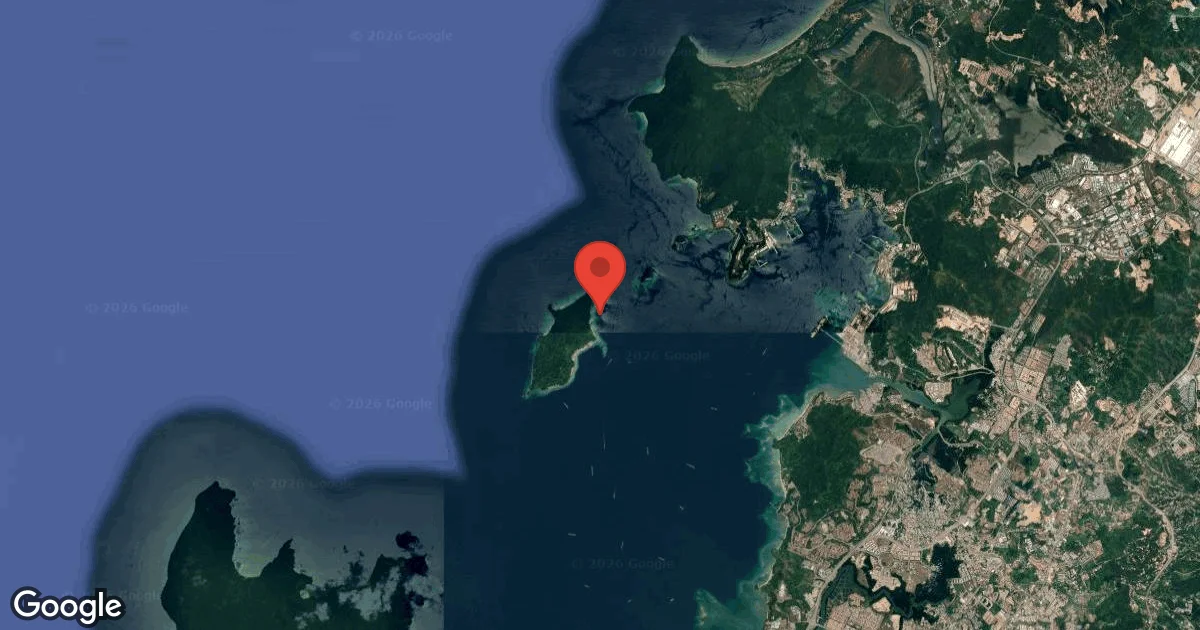
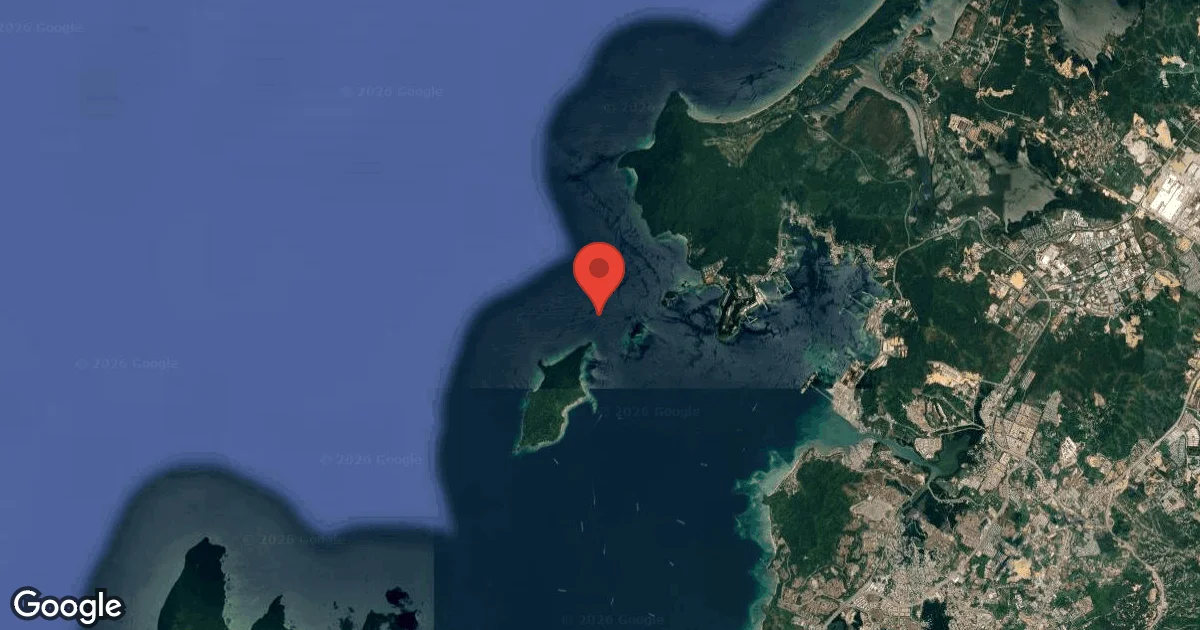
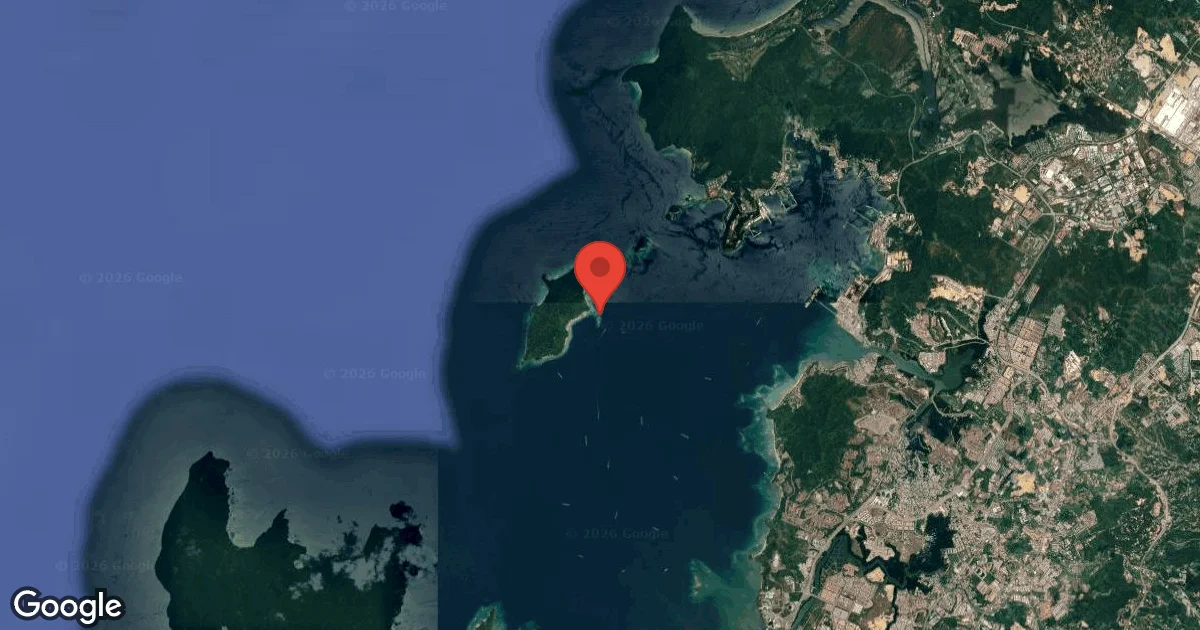
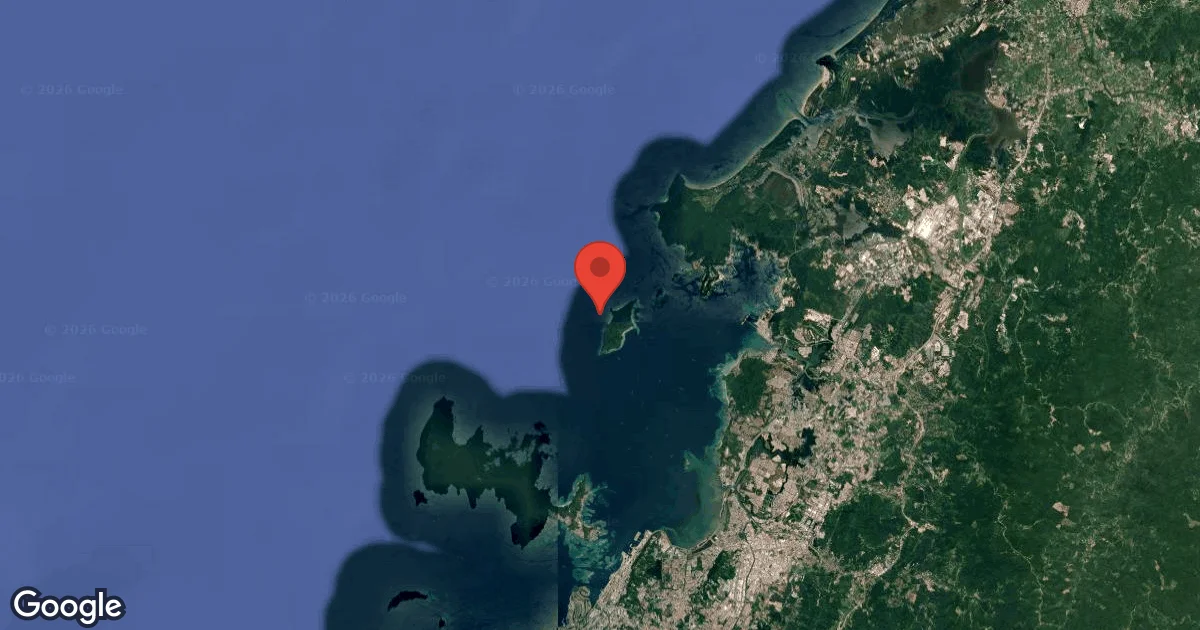
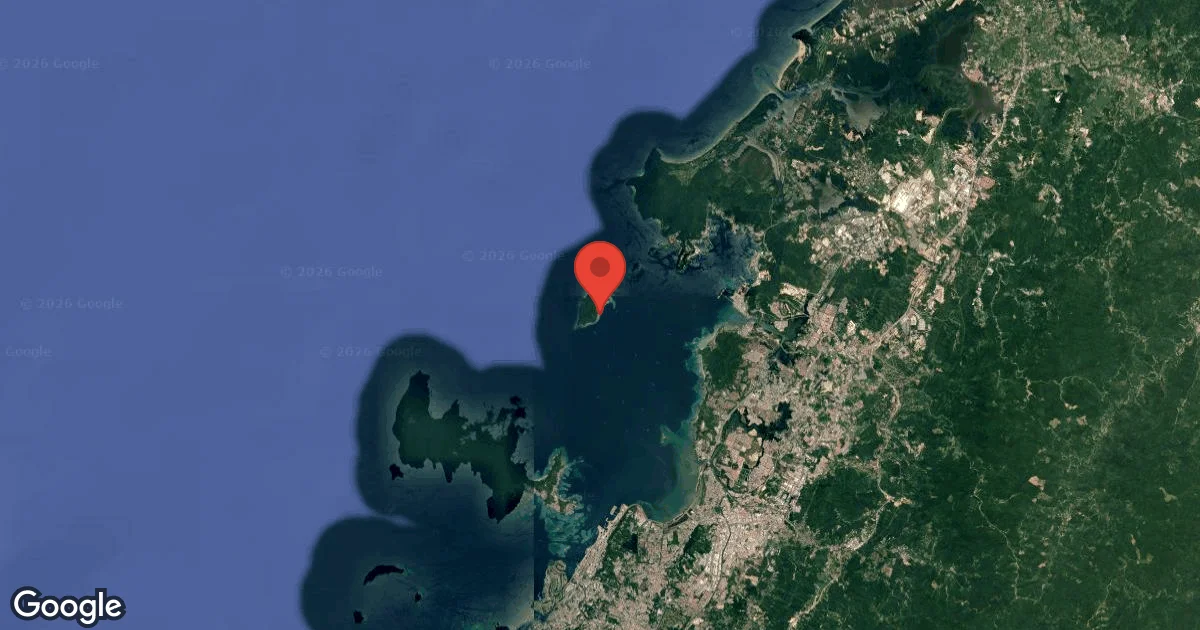
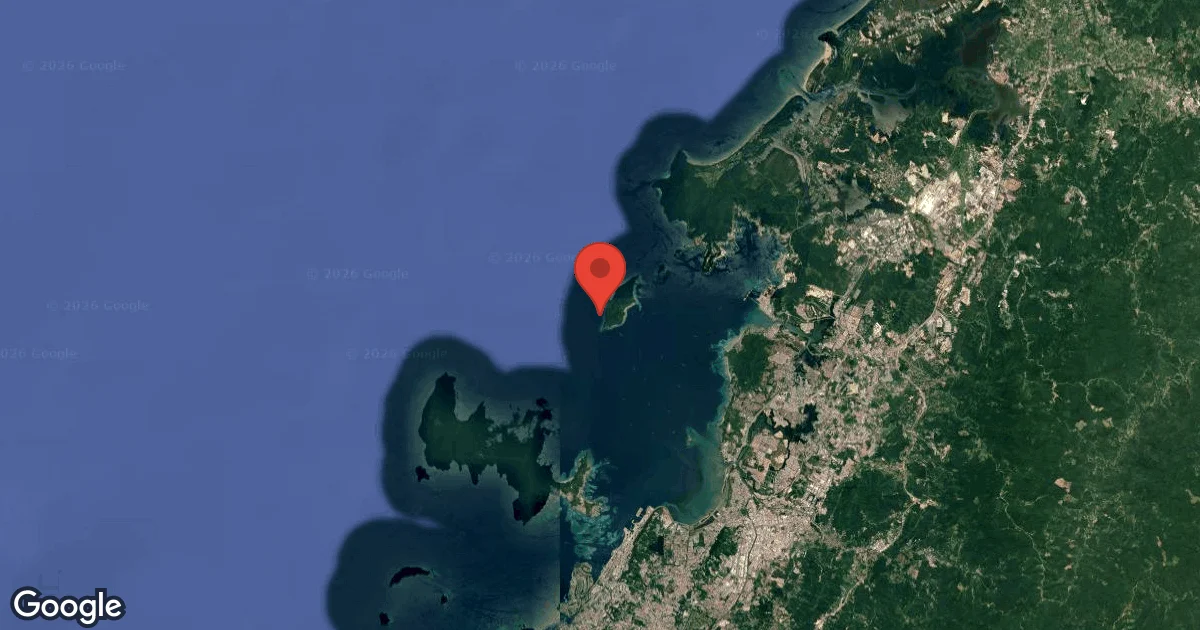
Gaya Strip forms part of the Tunku Abdul Rahman Marine Park, an archipelago of five islands found 3 to 8 km (2-5 miles) off Kota Kinabalu, Sabah, Malaysia. Boat transfers from the city are straightforward.
What are the typical dive depths at Gaya Strip?
Dive depths at Gaya Strip usually remain quite modest. Most dives here rarely go beyond 25 meters (82 feet). This allows for comfortable exploration and longer bottom times.
What kind of marine life can I expect to see?
Divers can expect vibrant hard coral reefs, schooling fish, and macro critters like frogfish and seahorses. Larger visitors include turtles, reef sharks, and eagle rays, with possible whale shark sightings from March to May.
When is the best time to dive Gaya Strip?
The optimal period for diving Gaya Strip is generally between February and August, with April often rated as 'Excellent'. These months typically feature lower rainfall and calmer waters, offering better visibility.
How do I get to Gaya Strip?
Accessing Gaya Strip is straightforward. It's typically a short 15-minute boat ride from Kota Kinabalu, making it a convenient day trip destination for divers.
Is Gaya Strip suitable for beginner divers?
Yes, Gaya Strip is considered suitable for divers of all experience levels, including beginners. The generally calm waters and shallower depths provide a comfortable and safe environment for learning and exploring.
Are there strong currents?
The waters are generally calm, but like any marine environment, currents can vary based on tides and weather. It's always advisable to dive with local guides who can best assess real-time conditions.
Planning to dive Gaya Strip?
Send one inquiry and receive offers directly from the best verified local dive operators.
Conditions are Excellent
07:00 - 14:00
Optimal conditions expected
Current conditions near Gaya Strip show 25° air, 31° sea temperature, 0.8 m waves, and 21 km/h wind. Forecast data is refreshed regularly to ensure accuracy.