
Diving in Malaysia
Malaysia features a variety of dive sites, where conditions depend on both environmental factors and site characteristics. At present, 120 dive sites are recorded on our platform for Malaysia. The available data helps divers make more informed decisions.
Malaysia presents a compelling contrast for divers, spanning from the shallow, accessible reefs of its peninsular east coast to the deep, pelagic-rich waters surrounding its Borneo territories. Physically separated by the South China Sea, the country offers distinct underwater experiences. Peninsular Malaysia provides opportunities for exploring healthy coral reefs and some shipwrecks, often in gentler currents, suitable for a range of diver experience levels.
Conversely, East Malaysia, particularly around Sabah in Borneo, is characterized by its dramatic walls and atolls. This region attracts advanced divers seeking encounters with large schooling fish and pelagic species. The unique geographical division ensures a variety of dive types, including wall dives, reef explorations, and specialized muck diving.
Destinations like the Perhentian Islands and Tioman on the peninsula are known for their reef systems, while Borneo's Sipadan and Layang Layang are celebrated for their abundant green turtles, barracuda, and hammerhead sharks. Mabul, also in Borneo, offers a world of macro life, revealing creatures such as nudibranchs and frogfish. This diverse underwater topography provides a comprehensive diving landscape, catering to different interests and skill sets across the country.
Dive Map of Malaysia
Understanding Malaysia's dive map is key to planning a trip that aligns with specific diving interests. The country's two main geographical divisions, Peninsular Malaysia and East Malaysia (Borneo), each feature distinct clusters of dive destinations and sites.
The map reveals how islands like the Perhentians, Redang, and Tioman are situated along Peninsular Malaysia's east coast. These areas offer accessible reefs and wrecks.
In contrast, locations such as Sipadan, Mabul, and Layang Layang are found further east in Borneo. These sites indicate where to go for more advanced diving and pelagic encounters. Visualizing these regions helps divers pinpoint areas known for macro life, big fish, or specific coral formations, streamlining trip logistics.
Dive Sites to Explore
View all 120 sites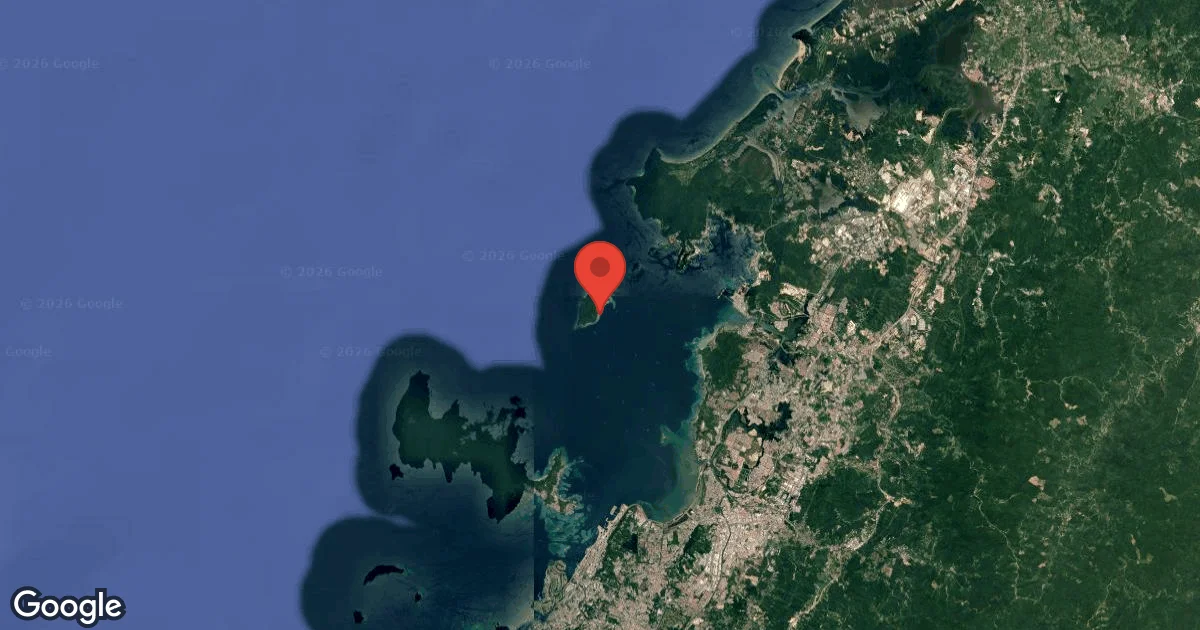
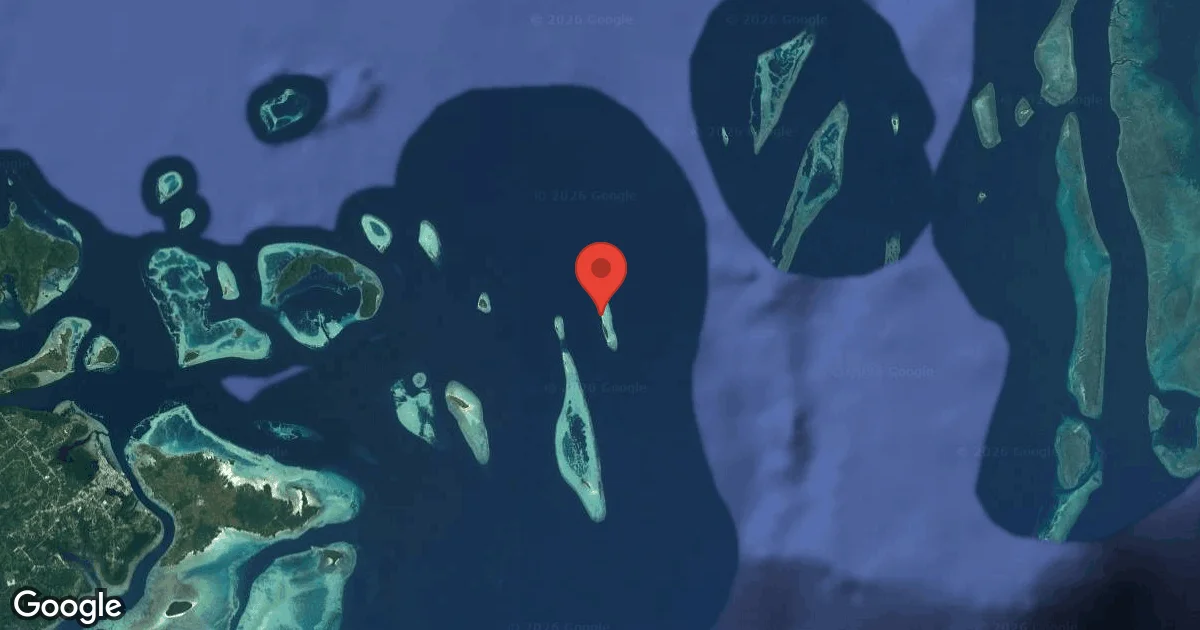
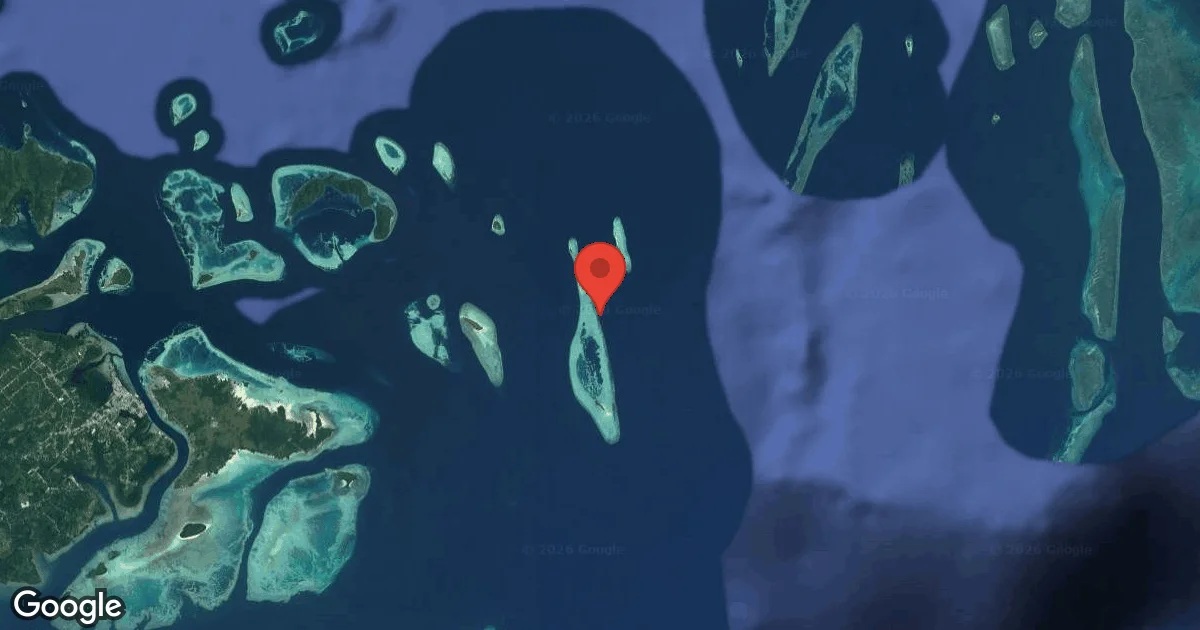
Malaysia's dive sites span a remarkable spectrum, from celebrated pelagic hotspots to intricate macro havens and historical wrecks. Barracuda Point, near Sipadan, stands as an iconic site, known for its swirling schools of barracuda, trevally, and bumphead parrotfish. Its steep drop-offs frequently provide encounters with various shark species and abundant green turtles.
For macro photography enthusiasts, Mabul offers locations like Seaventures Platform, a former oil rig converted into a dive site, and Froggy Lair. These rubbly environments are rich with unique critters such as frogfish, ghost pipefish, and numerous nudibranchs, alongside the elusive flamboyant cuttlefish. Visibility in these areas, while not always extensive, is perfect for close-up observations.
Wreck diving is another significant attraction. The Sugar Wreck off Perhentian Island, lying in 18 m (60 ft) of water, allows for interesting penetration into its engine room and cabins for experienced divers. Further, the Kaca Sunken Wrecks in Palau Payar Marine Park, intentionally scuttled between 10 and 25 m (33-82 ft), have created artificial reefs teeming with fish life. For technical divers, deeper WWII wrecks like HMS Prince of Wales at 69 m (226 ft) and HMS Repulse at 87 m (187 ft) provide historical exploration opportunities.
Other notable sites include Coral Garden in Palau Payar Marine Park, showcasing over 50 varieties of hard and soft coral, and Goby Garden in Lang Tengah, where stunning coral formations hide Christmas tree worms and decorator crabs. Moonraker off Tenggol Island provides an adrenaline-filled drift dive along deep walls and drop-offs, best suited for advanced divers. Visibility varies, reaching up to 60 m (200 ft) in prime dry seasons at some locations, while macro destinations like Mabul maintain lower visibility suitable for their specific focus.
Best Time to Dive in Malaysia
Choosing the best time to dive in Malaysia often involves considering regional trade-offs due to distinct monsoon patterns affecting Peninsular Malaysia and East Malaysia (Borneo). East Malaysia generally experiences its prime diving season from April through October. During these months, conditions are typically calm with good visibility, particularly from April to August.
This period is ideal for destinations like Layang Layang, which is open from March to August, with peak hammerhead shark encounters occurring between June and August. Whale sharks are also known to pass through the Layang Layang and Lankayan regions in April and May. However, from November to March, the monsoon season impacts the east coast, often leading to site closures due to rough seas.
Conversely, West Malaysia offers its best diving conditions from mid-November through mid-April, and many sites here remain open year-round. The waters around Langkawi and Payar Marine Park are typically calm and clear during this period. Divers seeking to avoid peak crowds or transition seasons might consider the shoulder months of February or October, which can offer a balance of conditions before or after the main monsoon shifts. Visibility varies across regions, reaching up to 40 meters (131 ft) or more in places like Sipadan during July and August, while East Coast visibility generally peaks around 20 meters (66 ft) during its prime season.
Monthly Sea Temperatures
Divers in Malaysia can generally expect comfortable water temperatures throughout the year, contributing to a pleasant experience. The sea temperatures typically range from 27-30°C (81-86°F), providing warm tropical conditions ideal for extended dives.
This consistent warmth means many divers opt for thinner wetsuits, such as 3mm suits, or even rash guards, depending on personal preference and dive duration. Most areas maintain these inviting temperatures.
Some localized regions, such as around the Perhentian Islands, may experience slightly cooler waters. Even in these areas, the temperatures remain well within a comfortable range for most divers. This consistent warmth throughout the year reduces concerns about thermal discomfort, allowing for longer, more relaxed underwater explorations.
| Jan | Feb | Mar | Apr | May | Jun | Jul | Aug | Sep | Oct | Nov | Dec | |
|---|---|---|---|---|---|---|---|---|---|---|---|---|
| Max | 29° | 30° | 30° | 31° | 31° | 31° | 31° | 31° | 31° | 30° | 30° | 30° |
| Avg | 28° | 29° | 29° | 30° | 30° | 30° | 30° | 30° | 29° | 30° | 29° | 29° |
| Min | 27° | 28° | 28° | 29° | 30° | 29° | 29° | 28° | 28° | 29° | 28° | 27° |
Dive Conditions
Dive conditions in Malaysia vary across its diverse sites, often influencing ideal depth profiles and diver experience. Visibility can range significantly, from 15-40 meters (49-131 ft) generally, to exceptional instances of up to 60 meters (200 ft) in dry seasons at certain locations. These clear conditions, particularly at deeper walls and drop-offs, allow for extensive views of marine topography and distant pelagics.
Conversely, some sites, especially those focusing on macro life like Mabul, typically have lower visibility due to sediment, which is less critical for close-up observations. On the east coast of Peninsular Malaysia, visibility can reach up to 20 meters (66 ft) during peak months, supporting good reef exploration. The west coast, around Langkawi and Payar Marine Park, generally offers calm and clear conditions from October to May, suitable for less experienced divers and for certifications.
Currents also play a role in shaping dive profiles. Many areas on the east coast of Peninsular Malaysia feature mild currents, making them suitable for relaxed reef dives. However, sites on the southern side of some islands, such as Tenggol's Moonraker, can experience strong currents, which are ideal for exhilarating drift dives along deep walls and drop-offs, appealing to more experienced divers. These varied conditions allow for a wide range of diving experiences, from shallow, sheltered reefs to challenging, current-swept deep walls.
Marine Life Highlights
Most Mentioned Species
Marine life in Malaysia varies across dive locations, with different species appearing depending on environment and conditions. The species highlighted here are the most frequently associated with dive sites in our data, offering a realistic overview of what divers are most likely to encounter.
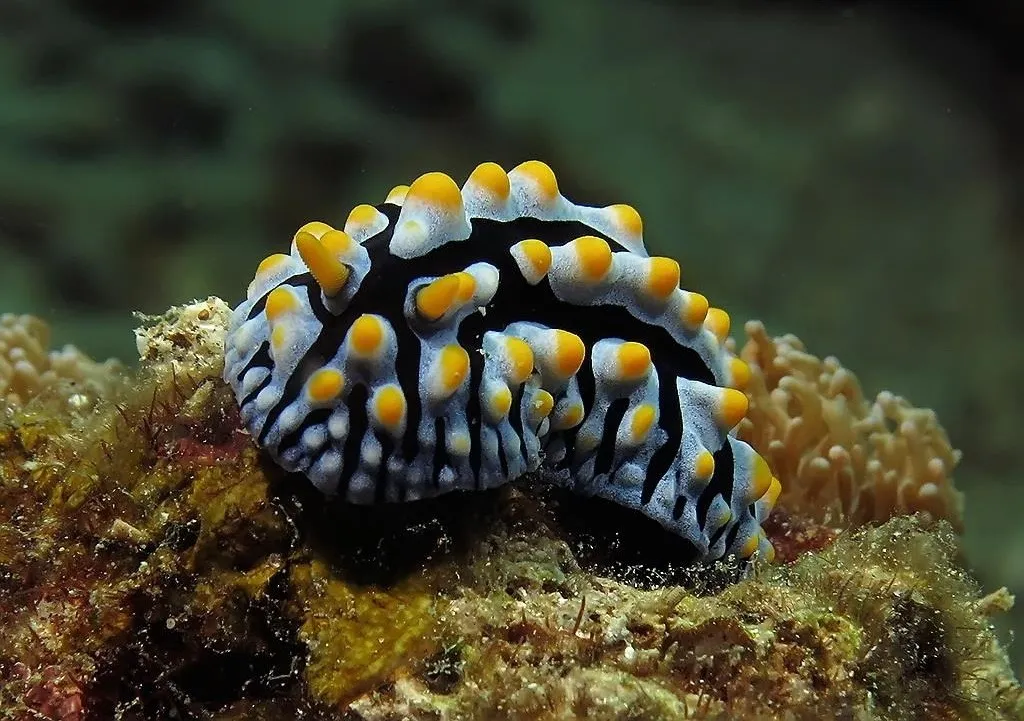
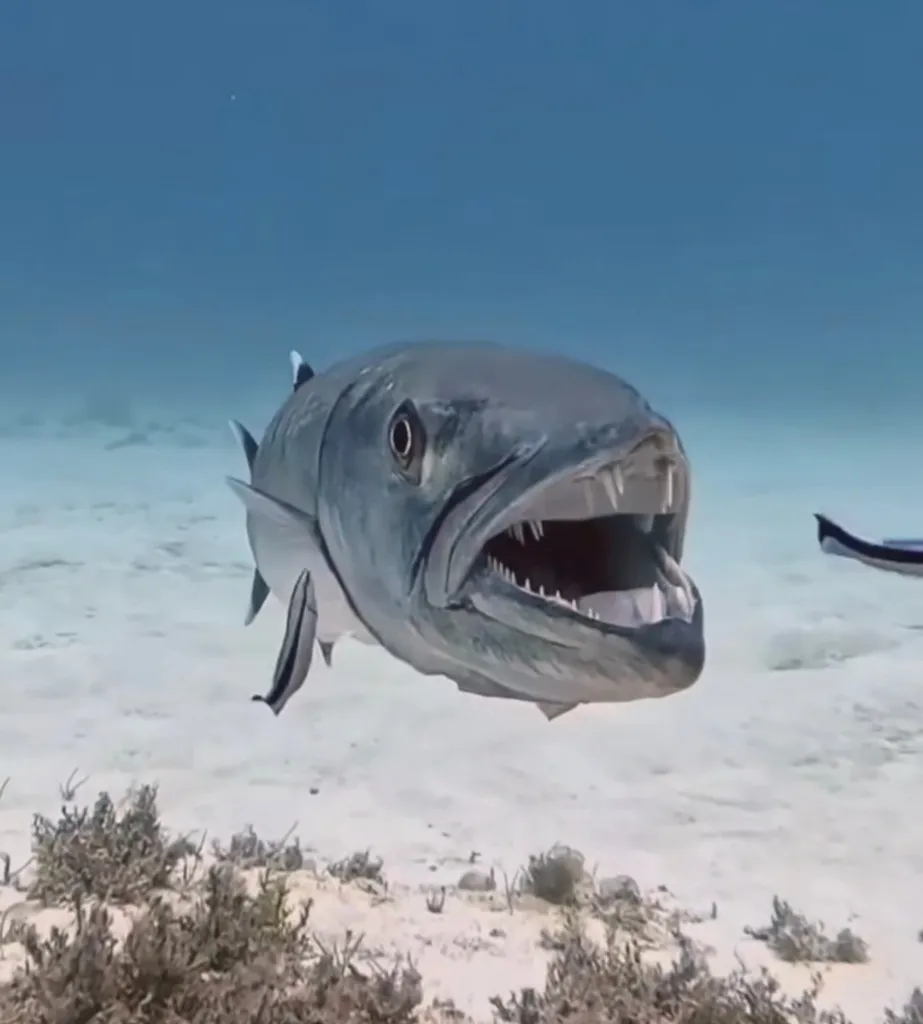
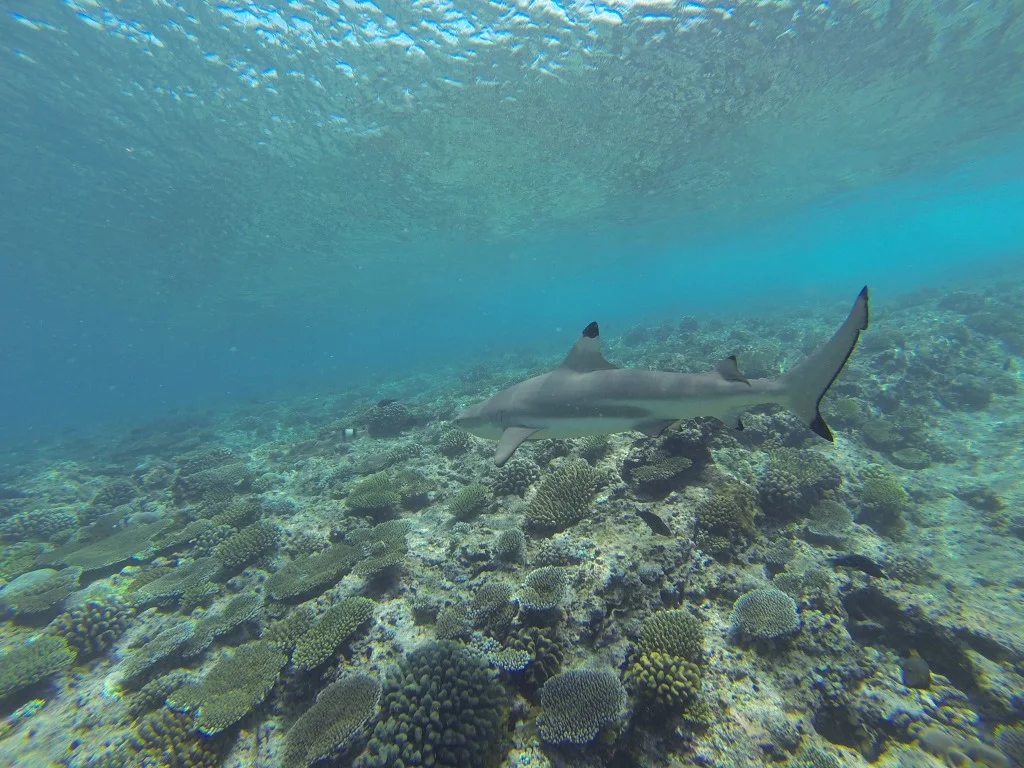
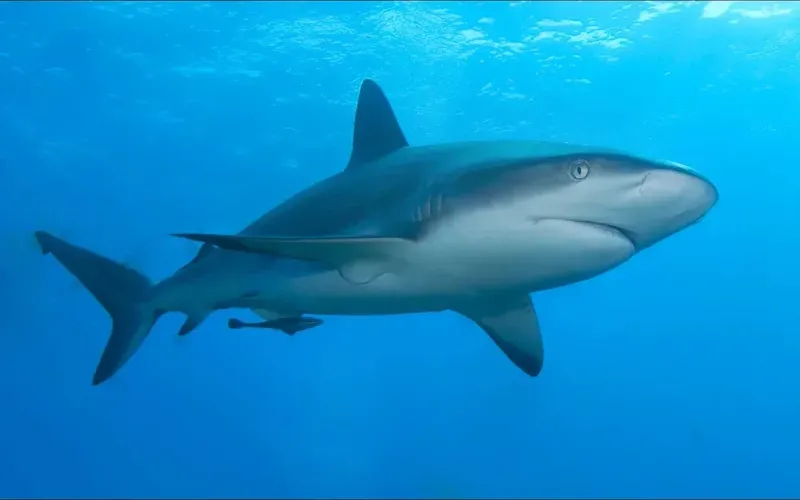
Malaysia's marine life is closely tied to its diverse underwater habitats, ranging from extensive coral reefs to deep pelagic zones and unique muck sites. The healthy coral reefs across destinations like Redang and Tioman are home to a wide array of tropical reef fish, including various species of anemonefish, boxfish, and pufferfish. These reefs also serve as important habitats for green, hawksbill, and leatherback turtles, which are frequently encountered.
In the deeper, more exposed waters, particularly around East Malaysia's atolls, the pelagic ecosystem thrives. Layang Layang is particularly known for encounters with schooling hammerhead sharks, especially from June to August. Other large pelagics like barracuda, jacks, tuna, and sometimes whale sharks also pass through these regions. Sites like Barracuda Point off Sipadan offer dramatic displays of large schooling fish.
For those who prefer smaller creatures, the specialized muck diving sites, such as those around Mabul, reveal a fascinating world of macro marine life. Here, divers can spot frogfish, ghost pipefish, ribbon eels, jawfish, and an incredible variety of nudibranchs, alongside minute decorator crabs and peacock mantis shrimps. These varied ecosystems ensure a wide spectrum of encounters for every diver.
Regions for Diving
The Sabah province of Malaysian Borneo stands as a premier diving region, valued for its exceptional marine biodiversity and dramatic underwater landscapes. Sipadan Island, a primary destination, offers world-class wall diving at sites like Barracuda Point and Turtle Cavern. Here, divers frequently encounter large schools of barracuda, jacks, and bumphead parrotfish, alongside numerous green turtles and various reef sharks. Permits are limited to 120 divers per day, and accommodation is on nearby islands like Mabul or Kapalai.
Mabul and Kapalai, adjacent to Sipadan, are celebrated for their specialized muck diving, attracting macro photographers with a plethora of unique critters such as frogfish, ghost pipefish, and nudibranchs. Further afield, Layang Layang, a remote atoll in the South China Sea, provides thrilling pelagic encounters, particularly with schooling hammerhead sharks from June to August, and occasional whale shark sightings in April and May. This region, generally diveable from April to October, boasts excellent visibility, often exceeding 40 meters (131 ft) during peak months, with water temperatures consistently around 28-30°C (82-86°F).
On the eastern coast of Peninsular Malaysia, the Perhentian Islands, Redang, and Tioman offer a different, more accessible diving experience. These islands feature healthy coral reefs, dramatic pinnacles, and several shipwrecks, such as the Sugar Wreck off Perhentian. Conditions here typically involve gentle currents and good visibility, making them suitable for less experienced divers and for dive certifications. Lang Tengah Island, nestled between Redang and Perhentian, provides quieter dive sites like Goby Garden, known for intricate coral formations and small creatures. The diving season for this coast runs from March to September, with visibility peaking in May and June, generally up to 20 meters (66 ft).
Malaysia's west coast, centered around Langkawi Island and the nearby Palau Payar Marine Park, caters to macro enthusiasts and those seeking certifications. While Langkawi itself serves as a base, Palau Payar Marine Park offers sites like Coral Garden and the Kaca Sunken Wrecks, which have created artificial reefs. This region is diveable year-round, with optimal conditions from mid-November through mid-April, characterized by calm and clear waters. Although visibility can sometimes be lower due to sediment, it remains conducive for exploring the smaller marine life that flourishes in these areas.
Travel & Passport Guide
Travel Basics
Trip Planning
Safety & Diving Considerations
Diving in Malaysia caters to a range of experience levels, with certain sites requiring specific certifications or advanced skills for safe exploration. Peninsular Malaysia, particularly destinations like the Perhentian Islands, Tioman, and Tunku Abdul Rahman Marine Park, offers accessible conditions suitable for less experienced divers and those pursuing certifications. These areas often feature gentle currents and shallower depths, providing an ideal environment for learning and recreational diving.
Conversely, some of Malaysian Borneo's well-regarded sites, such as the deep walls and pelagic areas around Layang Layang or the current-swept spots off Tenggol like Moonraker, are best suited for advanced divers. These locations can experience strong currents, necessitating good buoyancy control and experience with drift diving. Divers planning to explore these challenging environments should ensure their certification level aligns with the demands of the dive.
Regardless of location, divers should always adhere to standard safety protocols, including diving within their training limits and maintaining proper equipment. Local dive operators are generally well-versed in site-specific conditions and can advise on appropriate dives for individual skill levels. Being aware of potential currents and planning dives accordingly contributes significantly to a safe and enjoyable underwater experience.
Dive Centers in Malaysia
View all 35 dive centers
Frequently Asked Questions
What are the best diving regions for beginners in Malaysia?
Beginner divers will find excellent opportunities in Peninsular Malaysia. Destinations like the Perhentian Islands, Tioman, and the Tunku Abdul Rahman Marine Park near Kota Kinabalu offer accessible reefs and generally gentle currents. Langkawi Island is also a good base for those looking to complete their diving certifications, with calm conditions in the nearby Palau Payar Marine Park. These areas are ideal for learning and enjoying relaxed dives.
What types of marine life can divers expect to see in Malaysia?
Malaysia's waters host diverse marine life. Pelagic encounters include schooling hammerhead sharks, barracuda, jacks, tuna, and occasional whale sharks, particularly around Layang Layang and Sipadan. Reefs are home to numerous green and hawksbill turtles, various reef sharks, moray eels, and a wide array of tropical fish. Macro enthusiasts will discover frogfish, nudibranchs, ghost pipefish, mandarin fish, and ribbon eels at sites like Mabul.
When is the optimal time to go diving in Malaysia?
The optimal diving time varies by region. East Malaysia, including Borneo destinations like Sipadan and Layang Layang, is best from April through October. West Malaysia, around Langkawi, offers prime conditions from mid-November through mid-April. Divers should note that the monsoon season from November to March can close many sites on the east coast, making the west coast a better option during those months. Shoulder months like February or October can offer a balance.
What are the typical sea temperatures for diving in Malaysia?
Malaysia offers consistently warm tropical waters, with sea temperatures generally ranging from 27-30°C (81-86°F) year-round. This comfortable warmth allows divers to use thinner wetsuits, such as 3mm, or even dive in rash guards. While some areas, like the Perhentian Islands, may experience slightly cooler localized conditions, the overall temperatures remain very pleasant for diving.
Are there good opportunities for wreck diving in Malaysia?
Yes, Malaysia offers various wreck diving opportunities. The Sugar Wreck off Perhentian Island is a popular cargo ship wreck lying in 18 m (60 ft) of water, allowing for interesting penetration. The Kaca Sunken Wrecks in Palau Payar Marine Park are intentionally scuttled vessels forming artificial reefs between 10 and 25 m (33-82 ft). For technical divers, deep WWII wrecks like HMS Prince of Wales at 69 m (226 ft) and HMS Repulse at 87 m (285 ft) provide advanced exploration.