
Diving at Lembu Rock (Malaysia)
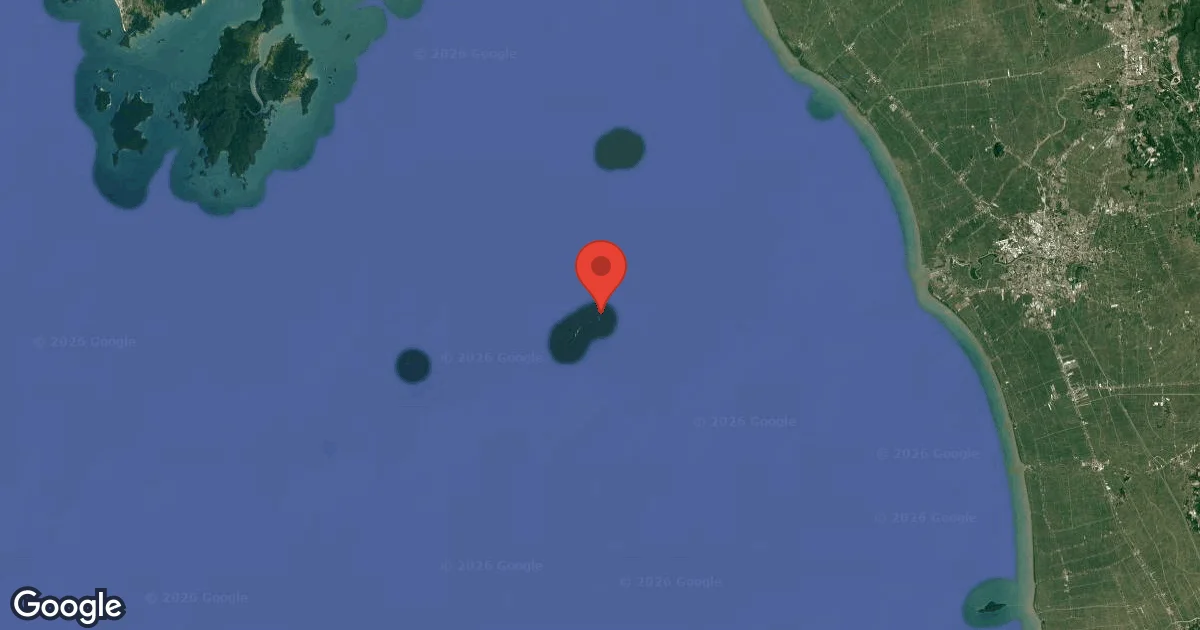
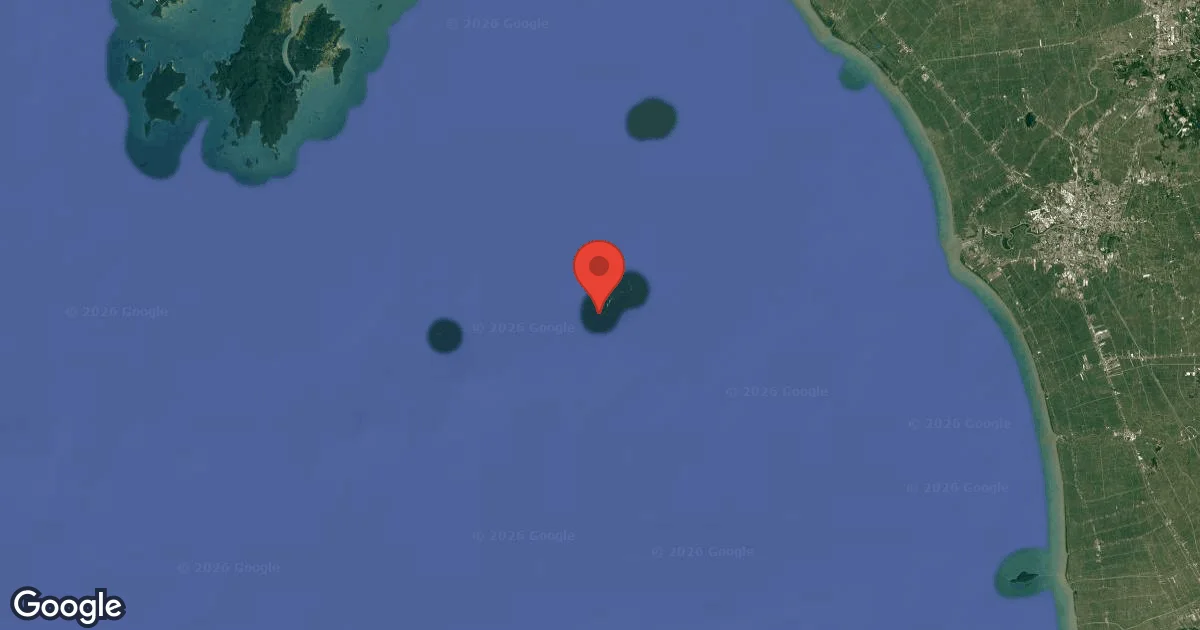
Lembu Rock presents an accessible dive site within Malaysia's Langkawi archipelago, easily reached by a brief 7-minute boat ride from the Marine Park beach area. This location is characterized by a prominent rock formation jutting from the water, signaling its underwater structure. Divers can anticipate a mix of reef and sandy bottom environments, with depths extending to a maximum of 25 m (82 ft). It serves as a popular stop on local day boat itineraries, suitable for various skill levels.
Evening condition tracking at Lembu Rock features an air temperature of 27°C. We have recorded wave heights measuring 0.7 m during this period. These figures outline the environmental parameters currently present.
Dive Site Location & Key Facts
Dive Site Overview
Descending onto Lembu Rock, divers immediately encounter a dynamic underwater landscape, predominantly shaped by massive boulder-like outcrops and intricate rock ridges that gradually transition into expansive sand patches. This topographical diversity fosters numerous distinct microhabitats, where bustling schools of reef fish thrive in the more exposed areas, while quieter zones along the sand edges and hidden crevices provide refuge for various macro organisms.
The site generally presents a natural, straightforward diving environment, contributing to a relaxed experience for a broad range of skill levels. It frequently features on multi-site dive excursions, effectively complementing other vibrant reefs scattered throughout the Langkawi marine park. Divers will find that typical profiles here remain well within recreational depths, with much of the most visually engaging activity concentrated around the upper sections of the rock stacks and where the structured reef transitions into the surrounding sandy bottom.
For those seeking intricate natural exploration rather than sheer vertical drops or historical shipwrecks, Lembu Rock provides an engaging journey through its varied underwater scenery. Its layout encourages thorough inspection of both hard and soft coral growth, and the small swim-throughs formed by the boulders add an element of discovery. Patches of garden eels in the sand can often be observed, adding to the site's subtle charm.
Conditions are Good
Optimal conditions expected
Current conditions near Lembu Rock show 27° air, 31° sea temperature, 0.7 m waves, and 19 km/h wind. Forecast data is refreshed regularly to ensure accuracy.
Best Time to Dive
Planning your dive for March often yields excellent conditions at Lembu Rock, with an average air temperature of 28.5°C (83°F), minimal wave heights around 0.4 m (1.3 ft), and low rainfall. Generally, good diving conditions extend from February through October. During these months, air temperatures remain consistently warm, typically ranging from 27.5°C to 29°C (82-84°F). Wave heights tend to average between 0.3 m and 0.8 m (1.1-2.6 ft). While water temperature isn't consistently reported, tropical waters in Malaysia are predictably warm. Divers should note that rainfall can increase during late spring and summer, which might lead to seasonal variations in underwater visibility.
PEAK SEASON SCORE
Scores combine air & water temps, waves, wind & rainfall for overall conditions.
BEST MONTHS TO DIVE
Monthly records compiled from satellite and marine observation nodes over the last 3 years. Data provided by Open-Meteo and MET Norway.
Dive Experience & Conditions
Divers typically access Lembu Rock via boat, making for straightforward entries into the saltwater environment. The site offers a variety of dive types, including reef, sandy bottom, wall, ocean, and drift. Visibility here varies, with reports suggesting a range from 5 to 20 m (16 to 65 ft), depending on recent weather and currents. Currents can be a notable factor, especially on drift dives, which may require specific skills or certifications. While the maximum depth can reach around 25 m (82 ft), much of the site's appeal lies in its shallower, more structured areas. The diverse terrain, from rocky pinnacles to gentle sandy slopes, provides multiple avenues for exploration during a single dive.
Dive Difficulty & Safety Guidelines
For safe diving at Lembu Rock, it's essential to plan for potential drift conditions. A Delayed Surface Marker Buoy (DSMB) Diver certification is recommended, as deploying a DSMB allows for clear signaling to the boat during ascent or if the dive group becomes separated. Always dive within the limits of your certification and comfort level, maintaining close contact with your buddy.
Understanding and adhering to local marine park regulations is also crucial for preserving the fragile ecosystem. General vigilance regarding changing currents and boat traffic is advisable for all dives in the area.
Recommended Equipment
Current and surface separation risk. Local briefing strongly recommended.
- Dive Computer
- DSMB
- Reel / Spool
This gear list is based on verified equipment signals for Lembu Rock, Malaysia. Always confirm final gear choices with your dive operator, guide, or liveaboard.
Recommended Dive Suit
Environmental conditions are expected to remain consistent in the short-term outlook.
For typical recreational dives, dive skin or rash guard generally provides comfortable insulation. A hood or vest is suggested for sensitive divers due to surface winds.
At Lembu Rock, the water is currently sitting around 31°C (88°F). Surface air temperatures are resting at 27°C (81°F).
Due to technical issues with our weather providers, live updates are temporarily delayed. The data above reflects the conditions at the time of the last successful fetch.
Emergency & Medical Support
Essential information to help you plan your dive trip to Lembu Rock.

Hyperbaric chambers are a critical part of dive safety infrastructure. Availability varies significantly by region, and not all dive areas have immediate access.
Before diving, it's recommended to:
- confirm nearest medical facilities
- check emergency procedures with local dive operators
- ensure dive insurance covers evacuation if required
Divers Alert Network
Diving emergency assistance available through DAN World.
+1-919-684-9111- 24/7 emergency hotline
- Diving medical assistance
- Evacuation coordination
Emergency contacts are provided for reference. Always verify local emergency services before diving.
Marine Life at Lembu Rock
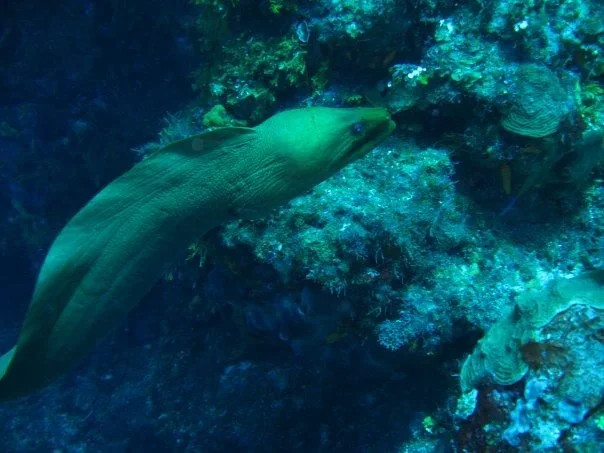
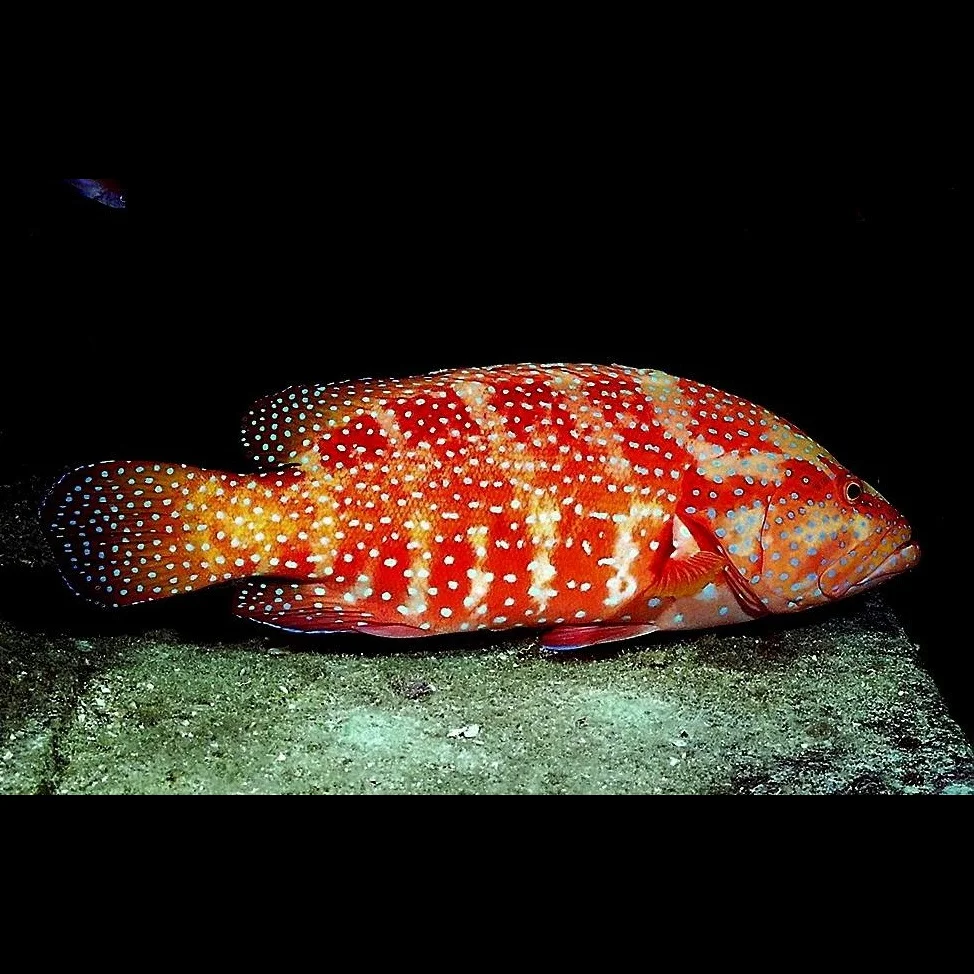
Descending into Lembu Rock, divers often immediately notice the robust populations of groupers inhabiting the varied rock formations. Pufferfish are commonly observed navigating the sandy patches, while moray eels peek from their rocky crevices throughout the reef.
You may also encounter jacks and mangrove snappers, especially in the vicinity of any structured areas or artificial reefs nearby. The diverse hard and soft coral habitats additionally support a range of smaller reef fish and provide numerous hiding spots for macro life.

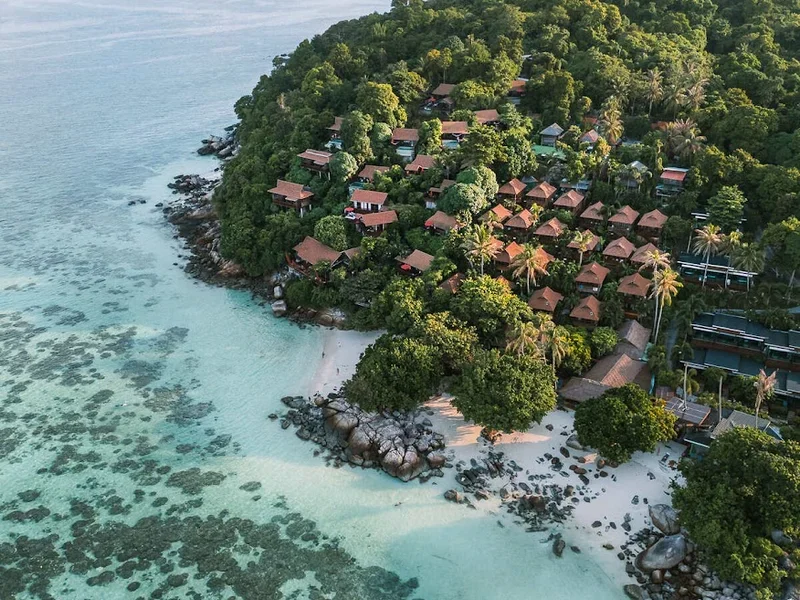
Dive Sites Near Lembu Rock
View all dive sites in MalaysiaDiscover more underwater gems in this area.
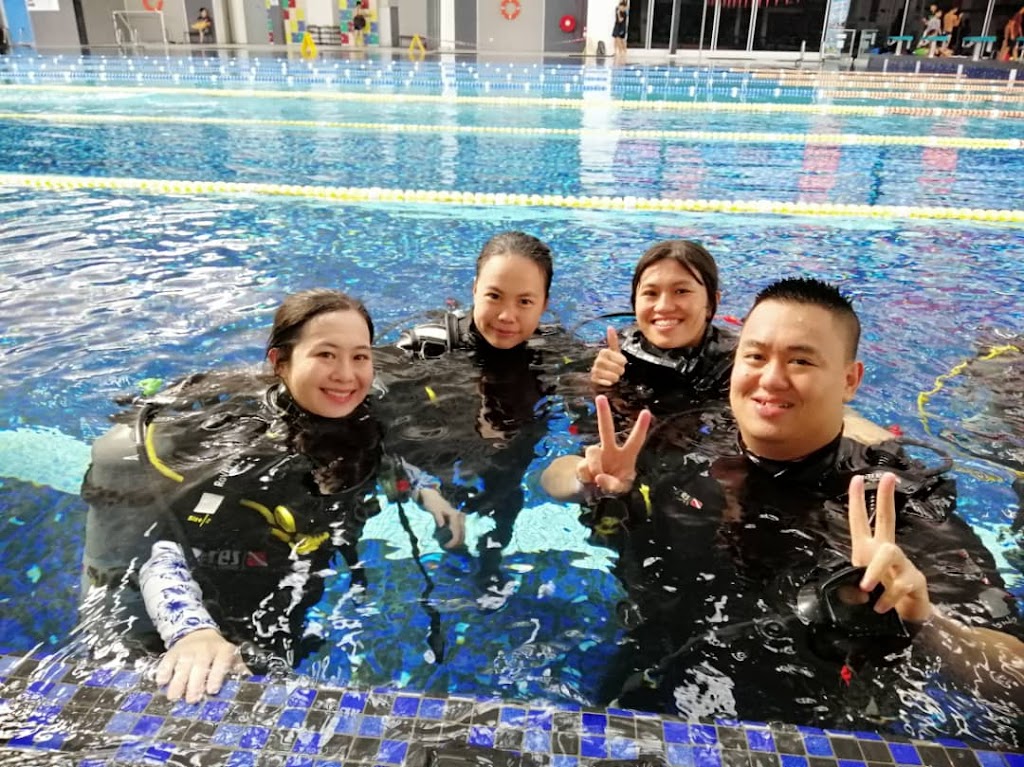
Dive Centers Near Lembu Rock
Today: 09:00 - 19:00
Nearest Airports
Nearest airports to help plan travel to this dive area.
Search Flights
Check available flights and routes on Expedia, using the nearby airports listed in this section.
Search Flights on ExpediaFrequently Asked Questions
What is the maximum depth at Lembu Rock?
Lembu Rock offers a maximum depth of approximately 25 meters (82 feet). However, much of the site's interesting topography and marine life can be explored in shallower areas.
Is Lembu Rock suitable for beginner divers?
Yes, Lembu Rock is generally suitable for all certification levels, including beginners. Its varied terrain allows for shallower profiles, though potential drift conditions mean open water certification and good buoyancy control are beneficial.
What kind of marine life is commonly seen here?
Common sightings at Lembu Rock include groupers, pufferfish, and moray eels. Depending on the season and conditions, you might also spot jacks, mangrove snappers, and various macro life in the calmer sections.
How do I get to Lembu Rock?
The site is accessible by boat, typically a short 7-minute ride from the Marine Park beach area in Langkawi. Most local dive operators include it in their day trip itineraries.
What are the typical water conditions?
Water temperatures in this tropical region are consistently warm. Visibility can vary, often ranging from 5 to 20 meters (16 to 65 feet). Currents can be present and may necessitate planning for drift dives.
Are there any specific certifications recommended for diving here?
While suitable for various levels, an Advanced Open Water Diver certification can enhance your experience, especially for deeper sections. A Delayed Surface Marker Buoy (DSMB) Diver certification is also highly recommended due to potential drift conditions.
Is a dive computer required?
While not always explicitly 'required' by every operator, a dive computer is strongly recommended. It is an essential tool for monitoring your depth, bottom time, and ascent rates for safer diving.
Planning to dive Lembu Rock?
Send one inquiry and receive offers directly from the best verified local dive operators.
Conditions are Good
Optimal conditions expected
Current conditions near Lembu Rock show 27° air, 31° sea temperature, 0.7 m waves, and 19 km/h wind. Forecast data is refreshed regularly to ensure accuracy.