
Diving at Ribbon Reef (Malaysia)
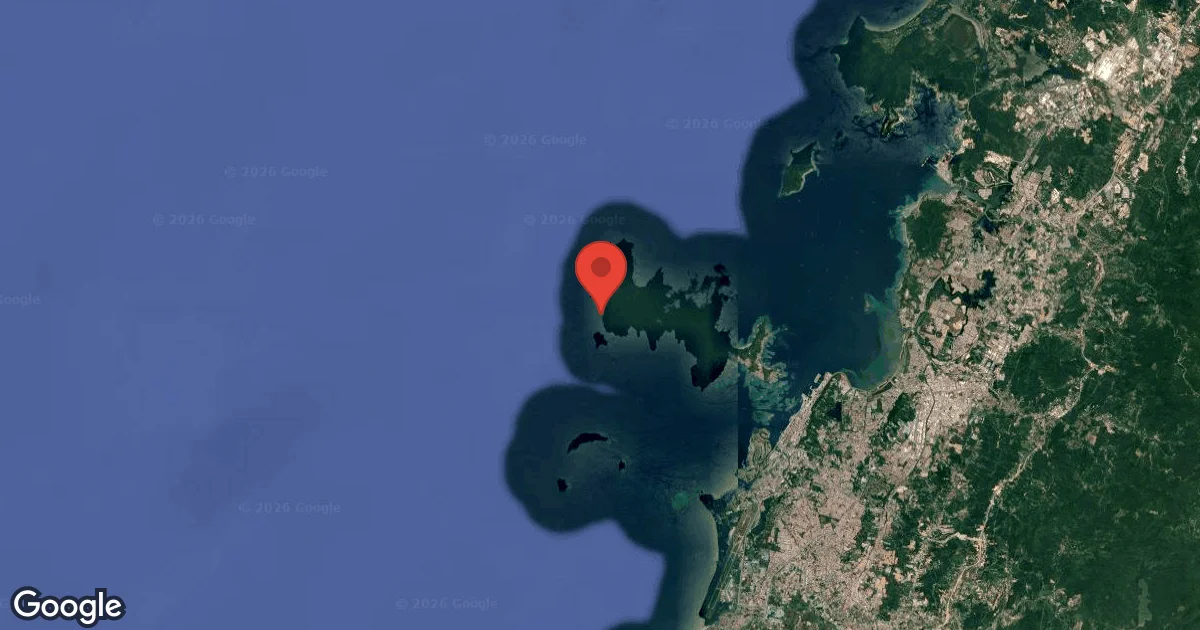
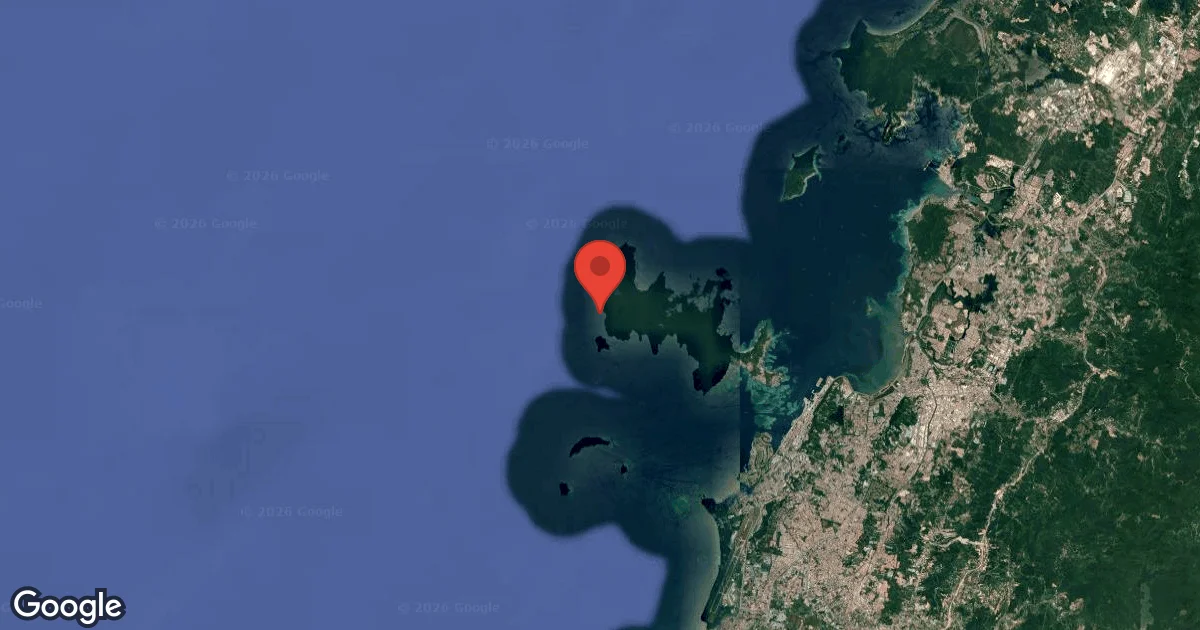
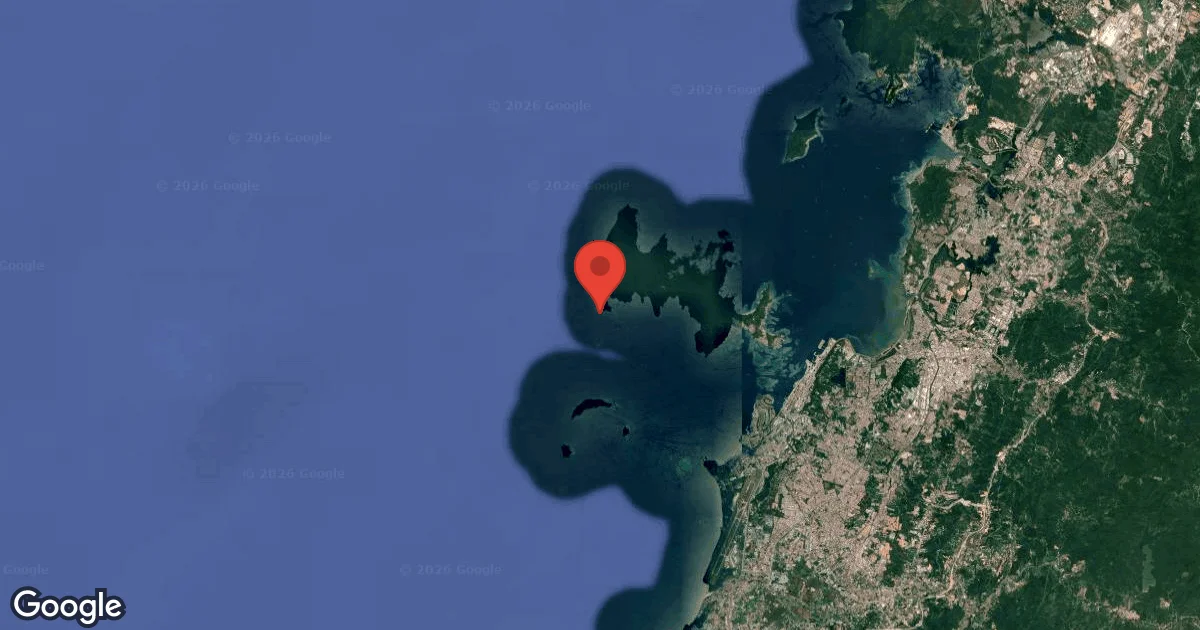
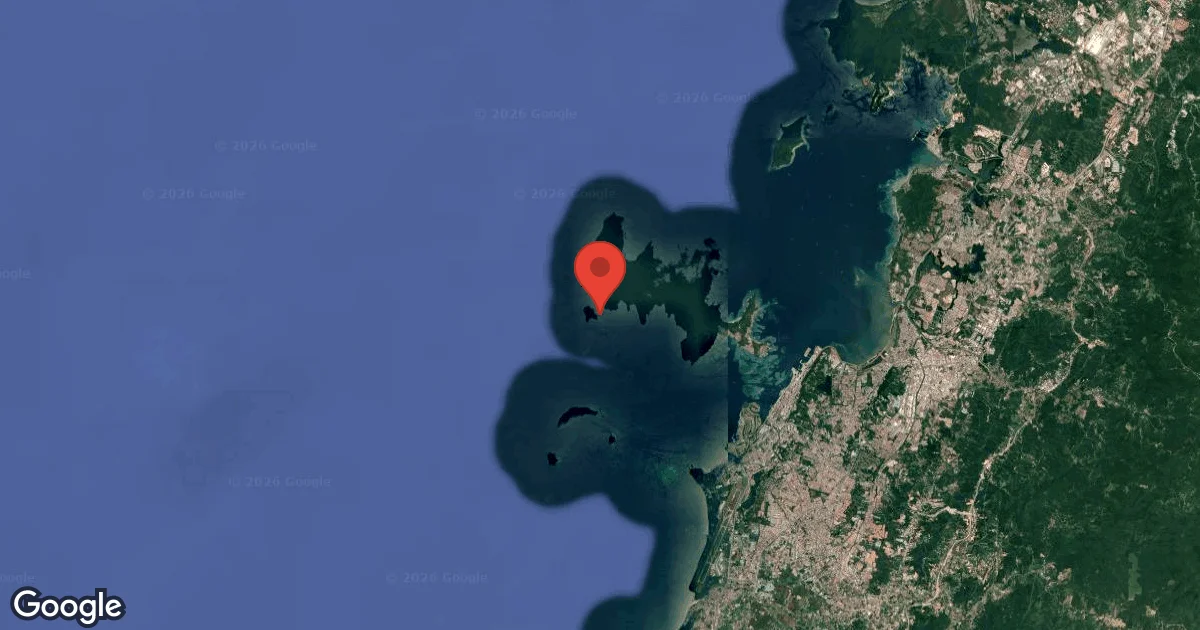
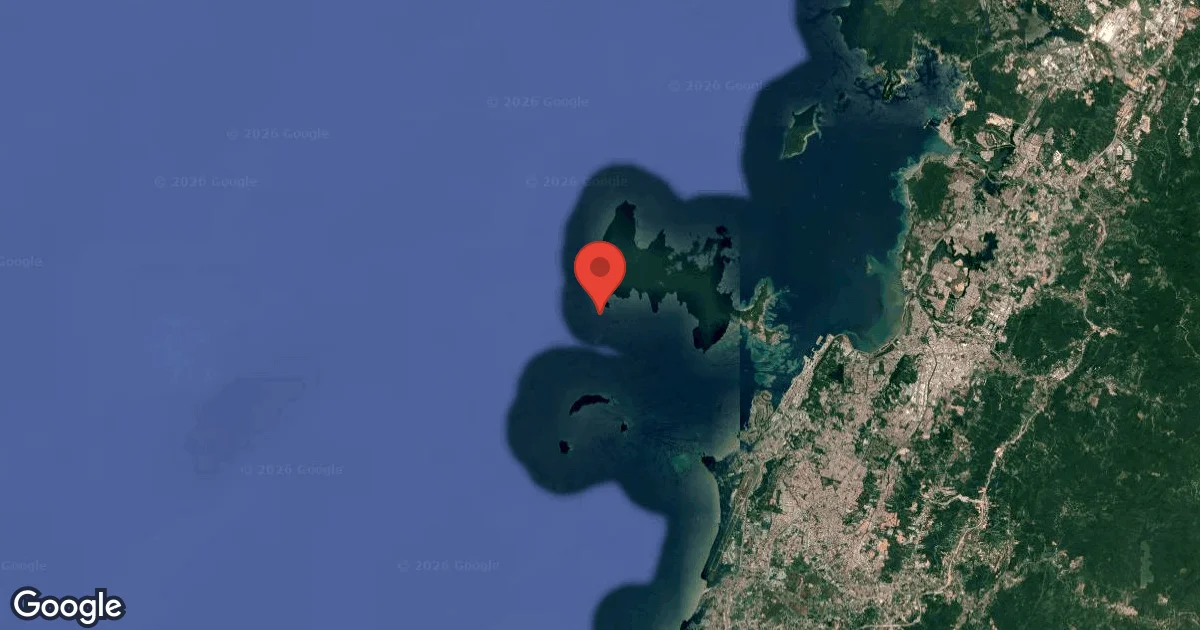
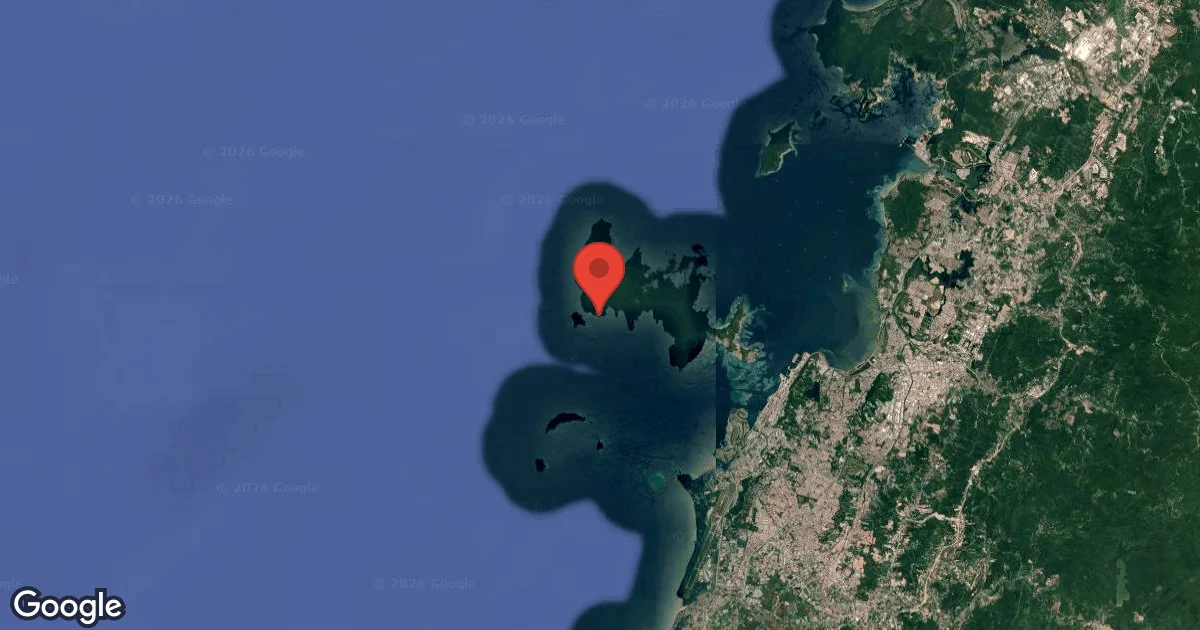
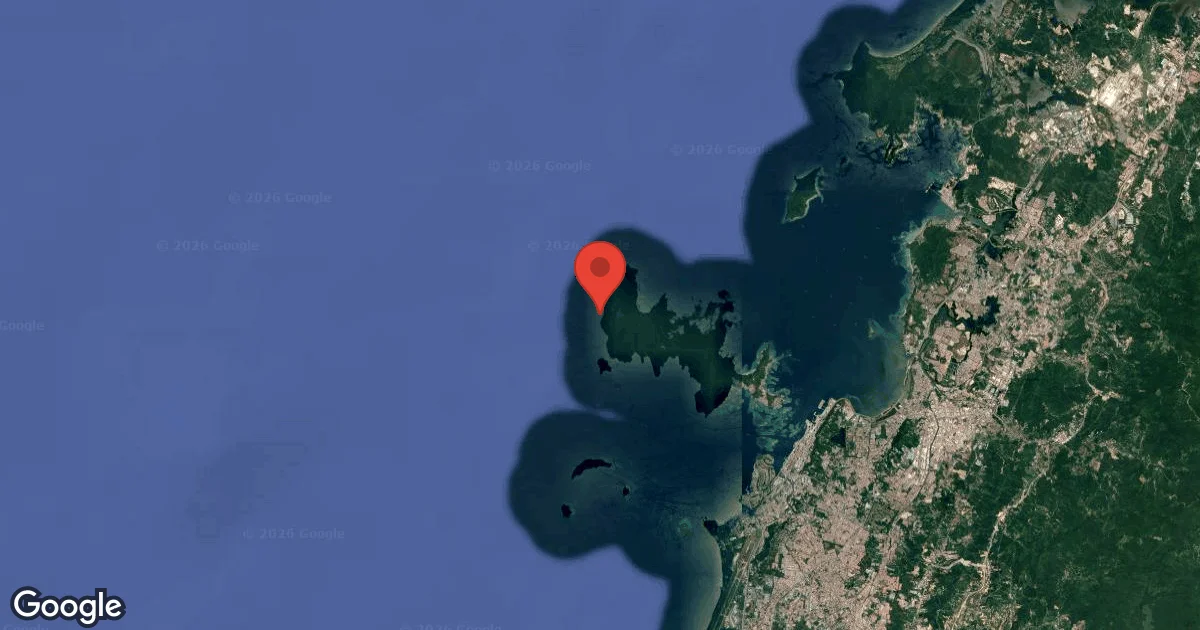
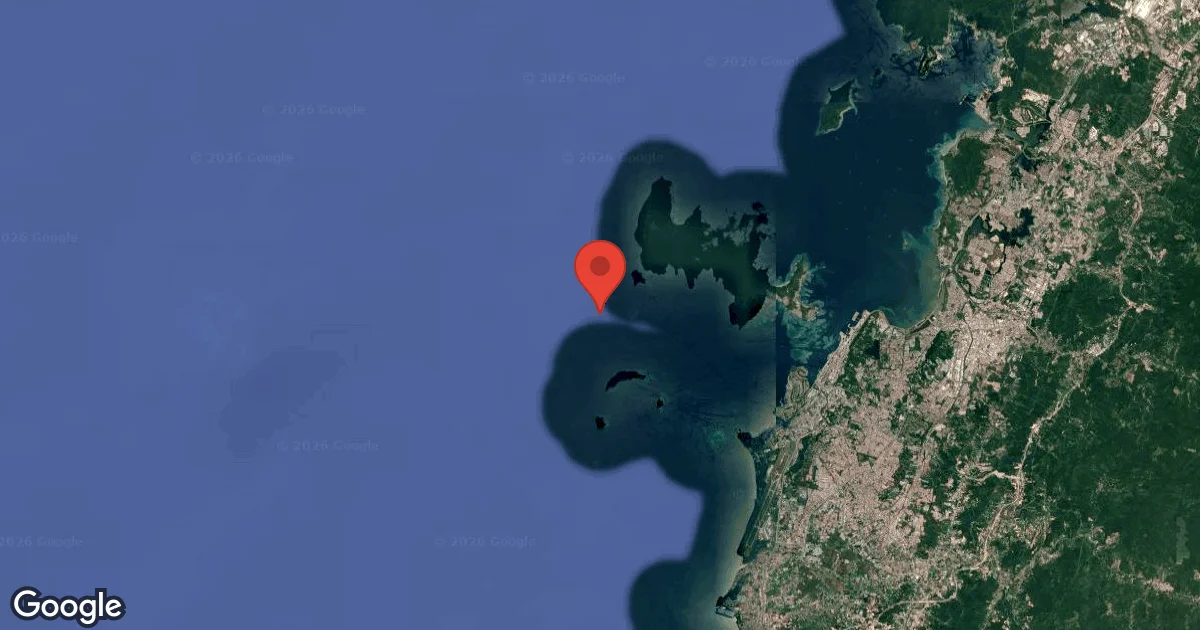
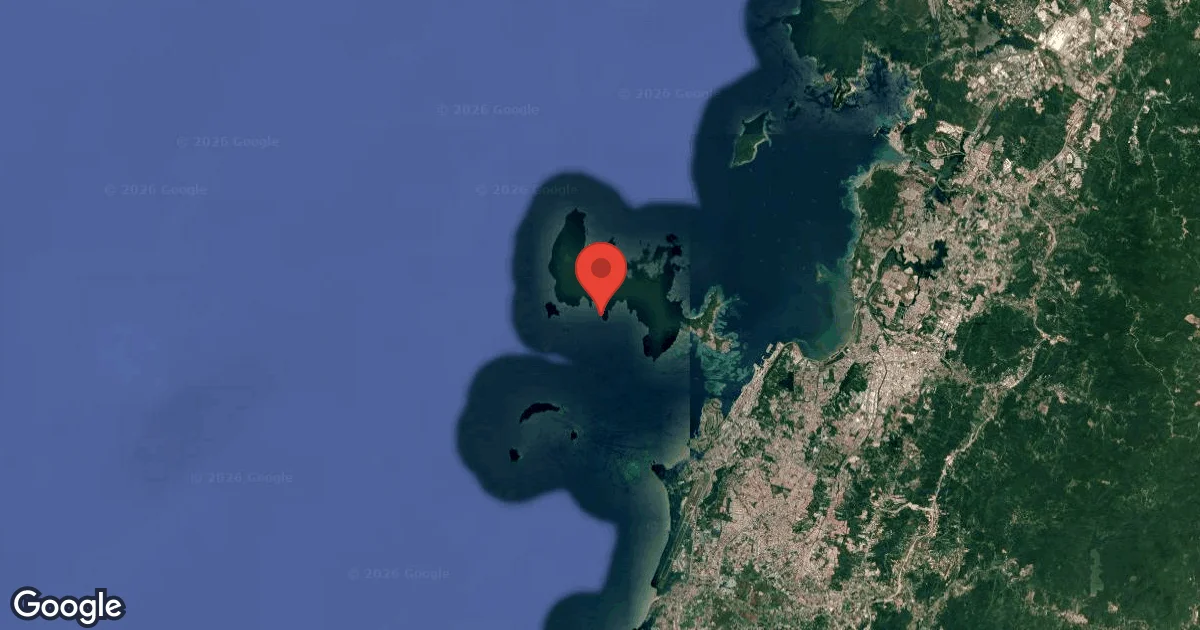
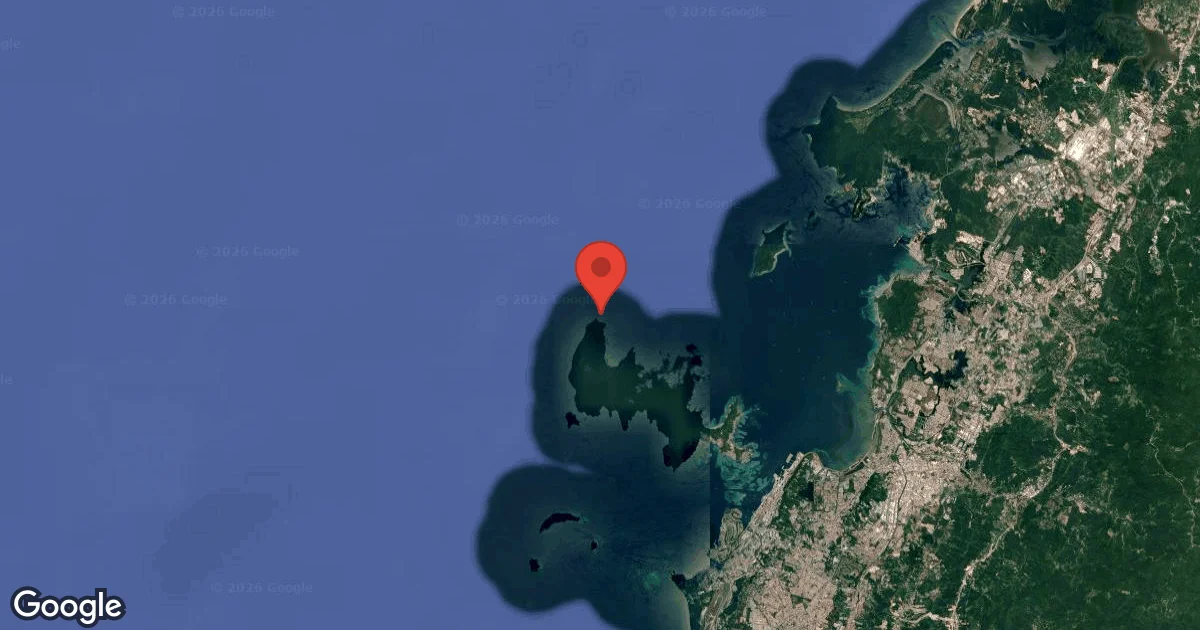
Nestled within Malaysia's Tunku Abdul Rahman National Park, Ribbon Reef presents a submerged topography offering recreational diving. Positioned at approximately 6.01330, 116.00335, this site features a prominent reef structure. It invites divers to explore its formations, contributing to the rich underwater landscape of Sabah.
Evening condition tracking at Ribbon Reef features an air temperature of 27°C. We have recorded wave heights measuring 0.7 m during this period. These figures outline the environmental parameters currently present.
Dive Site Location & Key Facts
Dive Site Overview
Ribbon Reef unfolds as a vibrant underwater landscape within Tunku Abdul Rahman National Park, inviting exploration. Average depth for dives here is around 21 m (70 ft), with sections extending into deeper recreational ranges; specific maximums aren't consistently reported beyond this average.
Divers typically experience a consistent drift, propelled by prevailing currents that can reach around 2 knots. This movement facilitates effortless coverage of the site's healthy reef structure, which serves as a vital habitat for diverse marine life. Expect good to average visibility across the reef, seasonally fluctuating from 10 to 25 m (33 to 82 ft), influenced by local conditions and time of year.
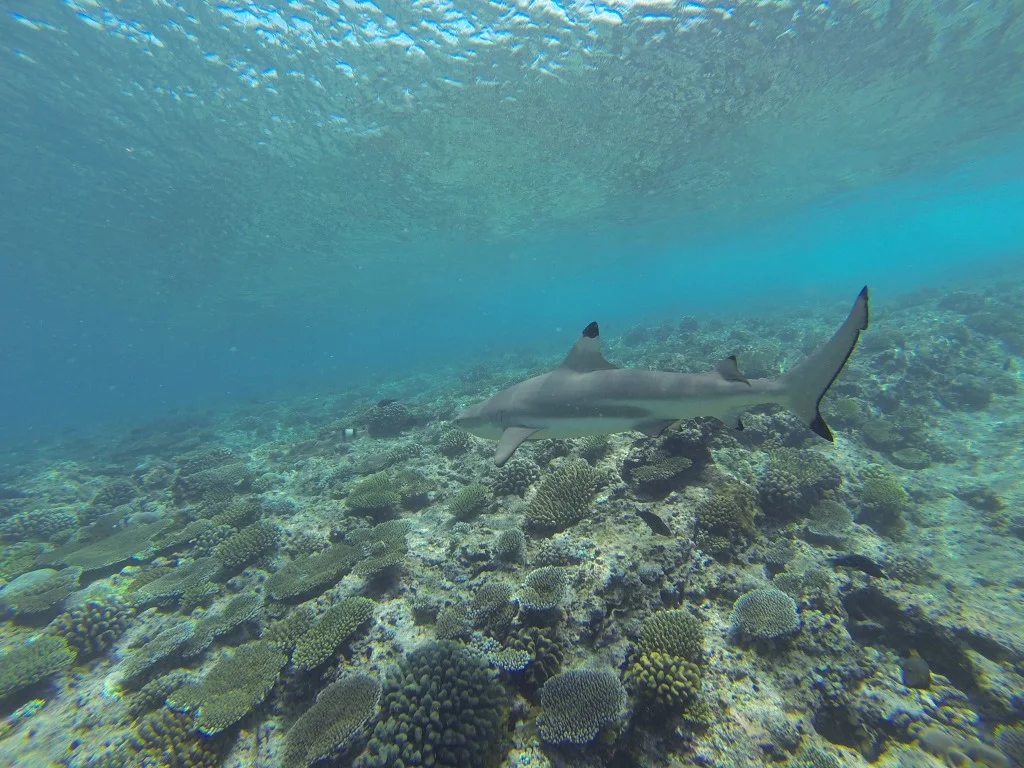
While drifting, divers often observe vibrant coral formations, numerous fish species, and the serene pulse of jellyfish. Occasionally, larger pelagics like sharks, whales, dolphins, and turtles contribute to an unpredictable and exciting underwater encounter.
Conditions are Good
07:00 - 14:00
Optimal conditions expected
Current conditions near Ribbon Reef show 27° air, 31° sea temperature, 0.8 m waves, and 17 km/h wind. Forecast data is refreshed regularly to ensure accuracy.
Best Time to Dive
Diving conditions at Ribbon Reef exhibit seasonal patterns, making April an excellent month to plan a visit, with higher dive scores reported. During this time, air temperatures average around 27.5°C (82°F), wave heights are typically lower at 0.4 m (1.3 ft), and rainfall is moderate. In contrast, January offers good diving with comparable air temperatures averaging 26°C (79°F) and visibility often ranging from 10 to 25 m (33 to 82 ft). September, however, might present reduced visibility, sometimes dropping to 10 m (33 ft), accompanied by currents of up to 2 knots, which can influence dive planning. Throughout the year, water temperatures consistently remain around 27°C (81°F), providing comfortable diving conditions.
PEAK SEASON SCORE
Scores combine air & water temps, waves, wind & rainfall for overall conditions.
BEST MONTHS TO DIVE
Monthly records compiled from satellite and marine observation nodes over the last 3 years. Data provided by Open-Meteo and MET Norway.
Dive Experience & Conditions
Conditions at Ribbon Reef create a dynamic environment for divers, largely characterized by consistent currents. These currents, sometimes reaching 2 knots, establish the site as an ideal location for drift diving, allowing effortless navigation over considerable distances. Water temperatures generally hover around 27°C (81°F), ensuring comfortable dives with minimal thermal protection. Visibility typically ranges from 10 to 25 m (33 to 82 ft), influenced by factors such as seasonal plankton blooms or recent weather patterns. The reef, near its average depth of about 21 m (70 ft), displays an impressive array of corals, forming a lively backdrop for every drift experience.
Dive Difficulty & Safety Guidelines
Effective dive planning at Ribbon Reef prioritizes an understanding of its dynamic conditions to ensure a safe experience. Moderate currents, frequently recorded at 2 knots, are a defining characteristic. This necessitates good buoyancy control and comfort with drift diving techniques.
Always maintain diligent awareness of your dive profile and no-decompression limits, especially given the site's average recreational depth. Staying close to your dive guide is crucial, particularly where currents might intensify or visibility fluctuates unexpectedly.
Divers should always carry a surface marker buoy (SMB) to enhance safety, especially if surfacing away from the main boat.
Recommended Equipment
- Dive Computer
This gear list is based on verified equipment signals for Ribbon Reef, Malaysia. Always confirm final gear choices with your dive operator, guide, or liveaboard.
Recommended Dive Suit
With water temperatures around 31°C (88°F), many divers find a dive skin or rash guard provides comfortable protection.
Divers performing multiple dives may appreciate slightly warmer protection later in the day.
Environmental conditions appear stable for the near future.
Due to technical issues with our weather providers, data hasn't been fetched for over 48 hours. The data above reflects the conditions at the time of the last successful fetch.
Emergency & Medical Support
Essential information to help you plan your dive trip to Ribbon Reef.

Hyperbaric chambers are a critical part of dive safety infrastructure. Availability varies significantly by region, and not all dive areas have immediate access.
Before diving, it's recommended to:
- confirm nearest medical facilities
- check emergency procedures with local dive operators
- ensure dive insurance covers evacuation if required
Divers Alert Network
Diving emergency assistance available through DAN World.
+1-919-684-9111- 24/7 emergency hotline
- Diving medical assistance
- Evacuation coordination
Emergency contacts are provided for reference. Always verify local emergency services before diving.
Marine Life at Ribbon Reef
The underwater landscape of Ribbon Reef hosts a compelling array of marine inhabitants. Encounters with various species of fish are common, darting among the coral structures.
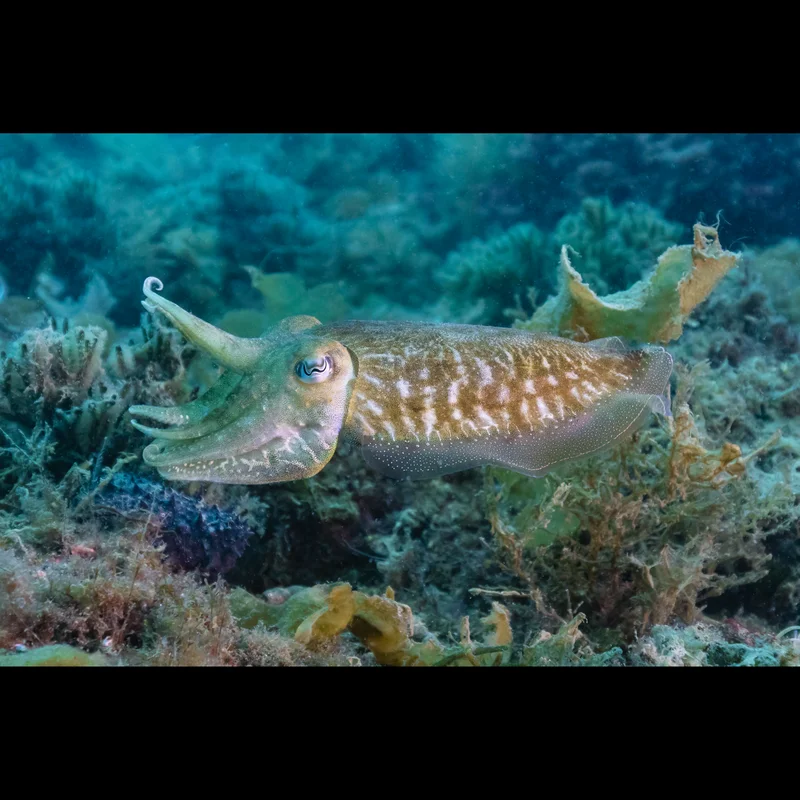
While surveying the reef, you might spot cuttlefish subtly camouflaged against the bottom or observe the translucent dance of jellyfish drifting with the current. This reef also has a reputation for sightings of larger pelagic species, including the occasional shark, whale, dolphin, or turtle, adding an element of grand biodiversity to the experience.
Dive Sites Near Ribbon Reef
View all dive sites in MalaysiaDiscover more underwater gems in this area.
Dive Centers Near Ribbon Reef

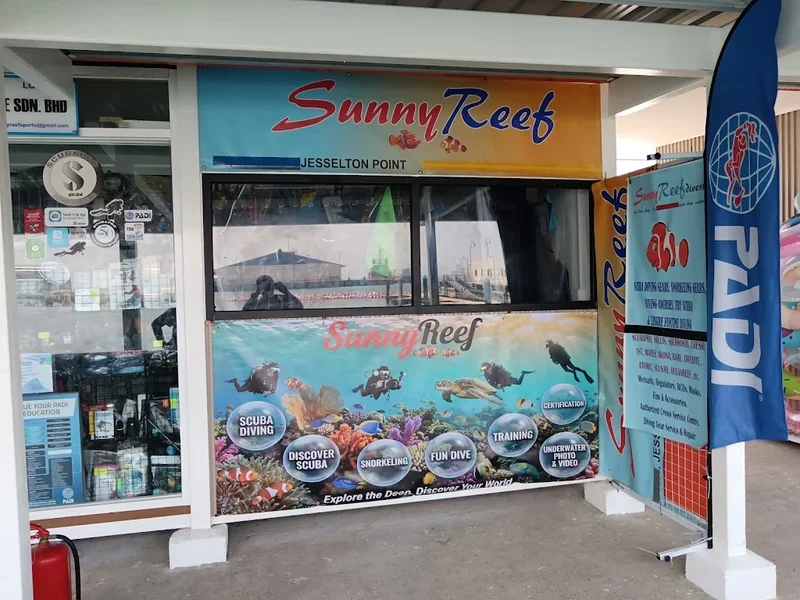
Nearest Airports
Nearest airports to help plan travel to this dive area.
Search Flights
Check available flights and routes on Expedia, using the nearby airports listed in this section.
Search Flights on ExpediaFrequently Asked Questions
What is the typical depth range for diving at Ribbon Reef?
The average depth for dives here is around 21 m (70 ft). While specific maximum depths are not widely reported, dives generally remain within recreational limits, allowing for extended bottom times.
Are there strong currents at Ribbon Reef?
Yes, currents can be a significant factor at Ribbon Reef, often reaching speeds of 2 knots. This makes it an excellent site for drift diving, but divers should be comfortable with such conditions.
What kind of marine life can I expect to see?
Divers frequently encounter a variety of fish and jellyfish. There are also reports of larger marine life, including sharks, whales, dolphins, and turtles, making it an exciting site for diverse sightings.
What is the water temperature like at Ribbon Reef?
The water temperature remains quite consistent and warm, typically around 27°C (81°F). Divers find these temperatures suitable for comfortable diving with lighter exposure suits.
When is the best visibility at this dive site?
Visibility varies throughout the year. It can range from 10 to 25 m (33 to 82 ft), with better conditions often reported in months like January and April compared to September, which might see reduced visibility.
Is Ribbon Reef suitable for beginner divers?
Given the potential for currents up to 2 knots and its average recreational depth, Ribbon Reef is generally more suitable for certified divers comfortable with drift diving. Beginners should consult with a local dive shop for guidance regarding site suitability.
Are drift dives common here?
Drift diving is indeed a common and often preferred method at Ribbon Reef due to the consistent currents. This allows divers to effortlessly cover significant portions of the reef while observing marine life.
Planning to dive Ribbon Reef?
Send one inquiry and receive offers directly from the best verified local dive operators.
Conditions are Good
07:00 - 14:00
Optimal conditions expected
Current conditions near Ribbon Reef show 27° air, 31° sea temperature, 0.8 m waves, and 17 km/h wind. Forecast data is refreshed regularly to ensure accuracy.