
Diving at Agyll's Reef (Malaysia)
Agyll's Reef in Malaysia's Tunku Abdul Rahman Marine Park offers a well-rounded dive experience, often described as an excellent site suitable for diverse skill levels. While open to beginners, even experienced divers find reasons to explore its features more than once. Its accessible depths and generally good conditions make it a prime choice for extending dive competency or simply enjoying a relaxed reef exploration.
Evening condition tracking at Agyll's Reef features an air temperature of 26.5°C. We have recorded wave heights measuring 0.9 m during this period. These figures outline the environmental parameters currently present.
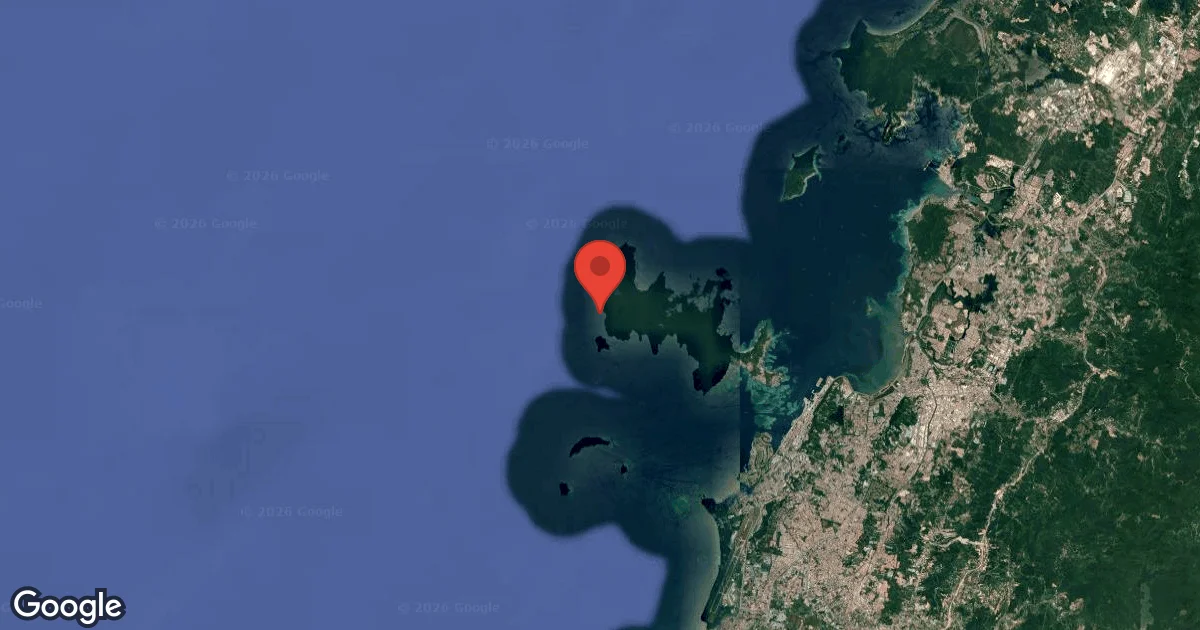
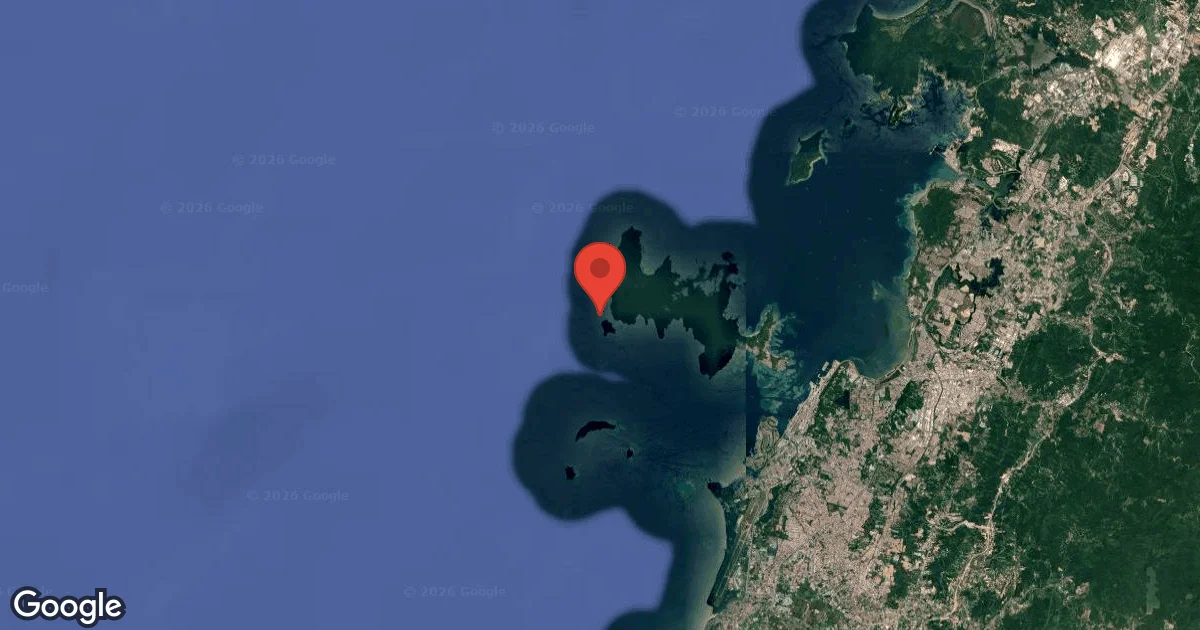
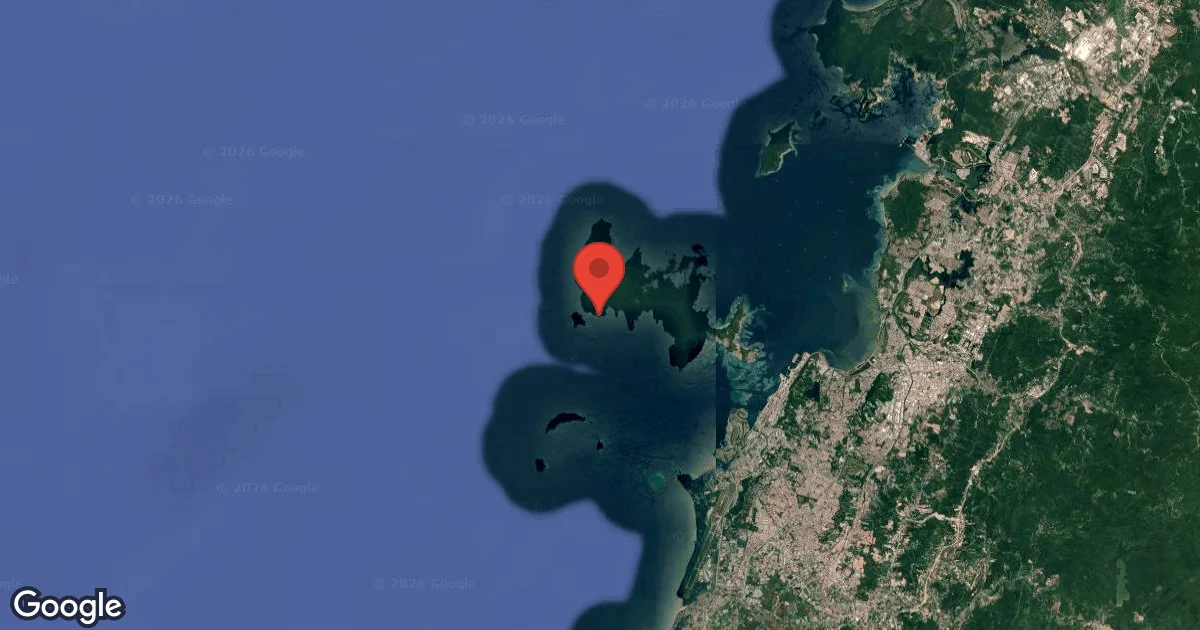
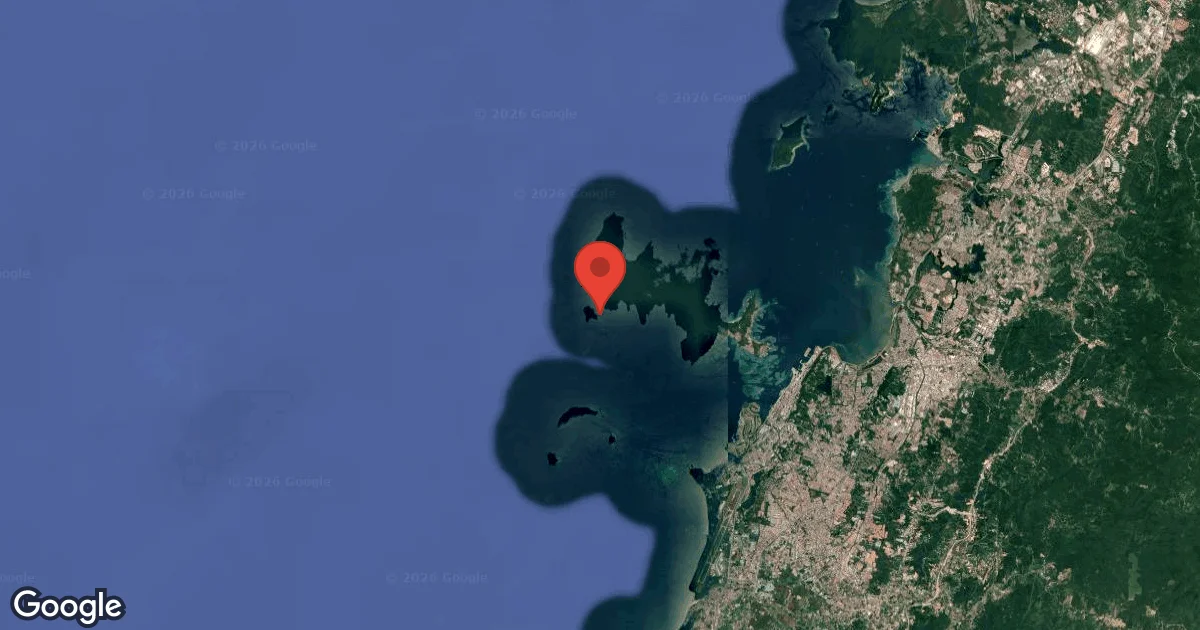
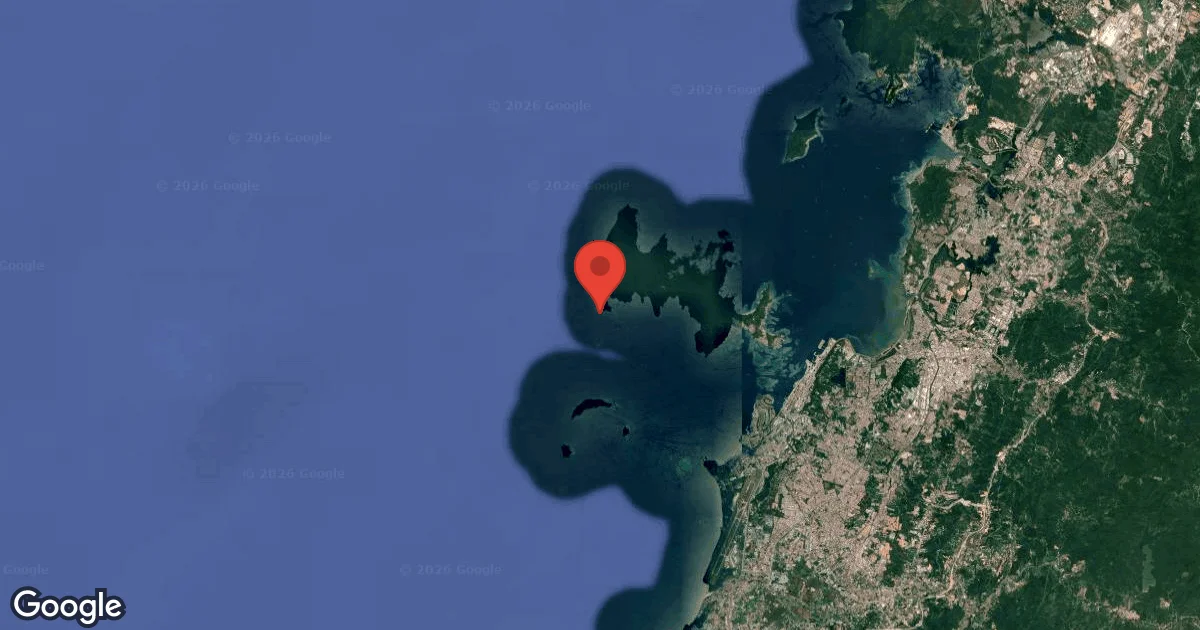
Dive Site Location & Key Facts
Dive Site Overview
Agyll's Reef has consistently garnered positive feedback from divers over time, frequently categorized as an excellent or very good site within the Tunku Abdul Rahman Marine Park. Historically, divers have explored this reef to depths typically ranging from 16 m (52 ft) to 19 m (62 ft), with reported dive durations averaging around 47-50 minutes.
This site is primarily recognized as a vibrant reef dive, supporting a diverse array of tropical reef fish. Its ongoing reputation suggests a well-established and regularly visited location within the Sabah region. The consistent positive reviews highlight a sustained quality, making it a reliable choice for reef exploration.
Unlike some sites defined by a single dramatic feature, Agyll's Reef offers a more nuanced experience that divers find worth revisiting. The site's accessible nature, combined with generally favorable diving conditions, has contributed to its enduring appeal and makes it a foundational experience within the local diving landscape.
This reef environment is characterized by healthy coral structures, a common feature across the wider marine park, suggesting a well-preserved ecosystem. These steady characteristics define Agyll's Reef as a dependable and rewarding dive destination.
Conditions are Moderate
High Wind Advisory (42km/h). Unsafe surface.
Current conditions near Agyll's Reef show 27° air, 31° sea temperature, 1.0 m waves, and 42 km/h wind. Forecast data is refreshed regularly to ensure accuracy.
Best Time to Dive
For the most comfortable and rewarding experience at Agyll's Reef, planning your visit around April stands out, as this month generally offers excellent diving conditions. During April, divers can expect average air temperatures around 27.5°C (82°F), contributing to pleasant surface intervals. This period also sees relatively low rainfall, with approximately 5.96 mm reported, minimizing surface disruptions. Historical data indicates water temperatures around 26°C (79°F) during April, making for a warm dive. Other good months for diving include March, May through August, and November to December, all consistently rated "Good". Air temperatures throughout these months typically hover between 26°C (79°F) and 27°C (81°F). Rainfall varies, but generally remains manageable; for instance, May records about 11.28 mm, while July is much drier with around 5.91 mm. Visibility is often reported as average, sometimes reaching 10 m (33 ft) in calmer conditions. It's advisable to check current reports closer to your dive date for the most accurate picture.
PEAK SEASON SCORE
Scores combine air & water temps, waves, wind & rainfall for overall conditions.
BEST MONTHS TO DIVE
Monthly records compiled from satellite and marine observation nodes over the last 3 years. Data provided by Open-Meteo and MET Norway.
Dive Experience & Conditions
Encountering Agyll's Reef means adapting to its variable current dynamics. While some periods, like April, might see currents up to 2 knots, observations in August suggest conditions can be quite calm, registering 0 knots. This range implies divers should be prepared for varying flow, with some dives potentially involving a gentle drift. Visibility at the reef is consistently described as average, frequently reported around 10 m (33 ft). This allows for clear views of the reef structure and its inhabitants, though exceptionally clear days are not consistently reported. Water temperatures are typically warm; for example, 26°C (79°F) has been observed during April. Depths here are approachable, generally remaining within 16-19 m (52-62 ft), making it a comfortable profile for most recreational divers. Surface conditions, including wave height, vary throughout the year, with calmer seas more common during peak diving months, which further contributes to the overall dive comfort.
Dive Difficulty & Safety Guidelines
For any diver visiting Agyll's Reef, adherence to responsible diving practices is paramount. Given its location within the Tunku Abdul Rahman Marine Park, divers should respect all local regulations designed to protect the fragile marine ecosystem. Maintaining excellent buoyancy control is crucial to prevent accidental contact with corals, especially within the relatively shallow reef environment.
While currents can range from negligible to moderate, it's always wise to monitor local conditions and plan dives accordingly, particularly for less experienced individuals. Divers should also remain vigilant of their surroundings and monitor air consumption, especially during longer bottom times of around 50 minutes.
Proper buddy procedures and ascent protocols ensure a safe and enjoyable experience for everyone exploring this site.
Recommended Equipment
- Dive Computer
This gear list is based on verified equipment signals for Agyll's Reef, Malaysia. Always confirm final gear choices with your dive operator, guide, or liveaboard.
Recommended Dive Suit
The latest conditions reported around Agyll's Reef place the water temperature close to 31°C (88°F). Surface air temperatures are resting at 27°C (80°F).
For the majority of recreational dives here, dive skin or rash guard should provide suitable protection. Strong winds are present; please take strong precautions against rapid cooling during surface intervals.
Weather models currently point toward consistent diving conditions over the next several days.
Emergency & Medical Support
Essential information to help you plan your dive trip to Agyll's Reef.

Hyperbaric chambers are a critical part of dive safety infrastructure. Availability varies significantly by region, and not all dive areas have immediate access.
Before diving, it's recommended to:
- confirm nearest medical facilities
- check emergency procedures with local dive operators
- ensure dive insurance covers evacuation if required
Divers Alert Network
Diving emergency assistance available through DAN World.
+1-919-684-9111- 24/7 emergency hotline
- Diving medical assistance
- Evacuation coordination
Emergency contacts are provided for reference. Always verify local emergency services before diving.
Marine Life at Agyll's Reef
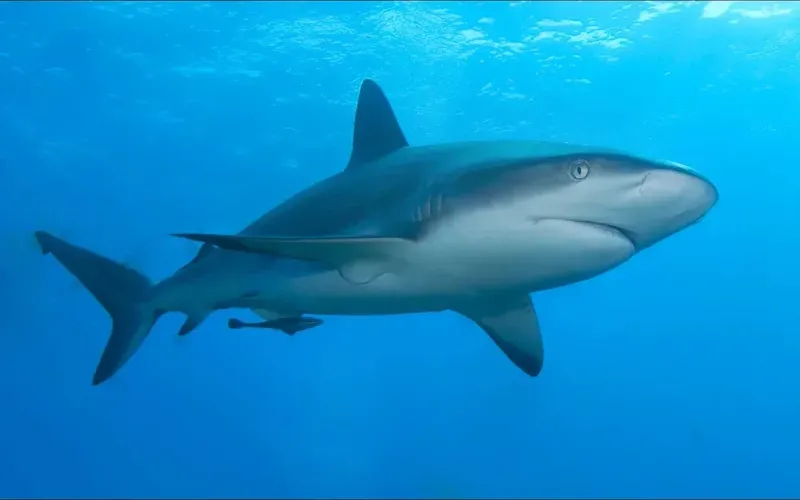
Upon descending into Agyll's Reef, divers will immediately notice the abundance of diverse tropical reef fish navigating the coral formations. While sharks are not consistently reported in high numbers at this specific site, the broader area does see occasional sightings of reef sharks.
Turtles are a common and often anticipated encounter, gracefully moving through the water. For those with a keen eye for smaller details, the reef can reveal interesting macro life and various crustaceans hidden within its crevices.
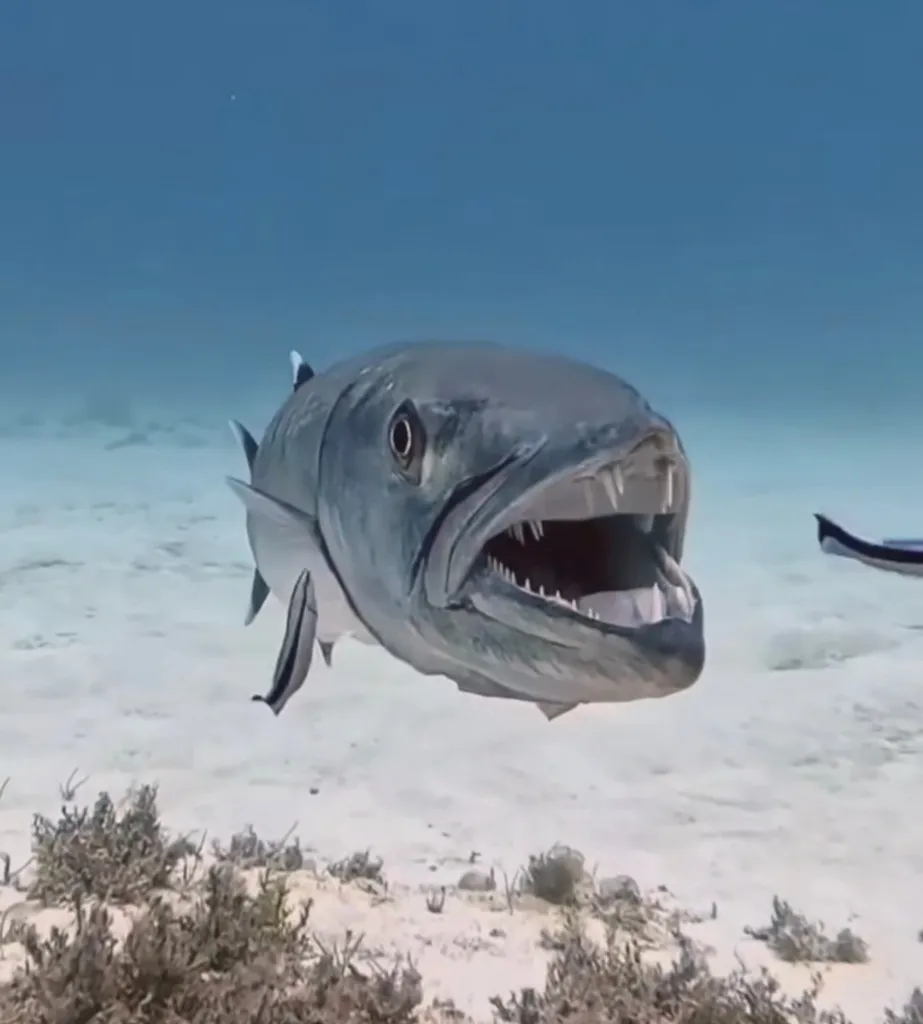
Pelagic species like jack and barracuda are sometimes observed schooling in the blue, adding a dynamic element to the reef's inhabitants.
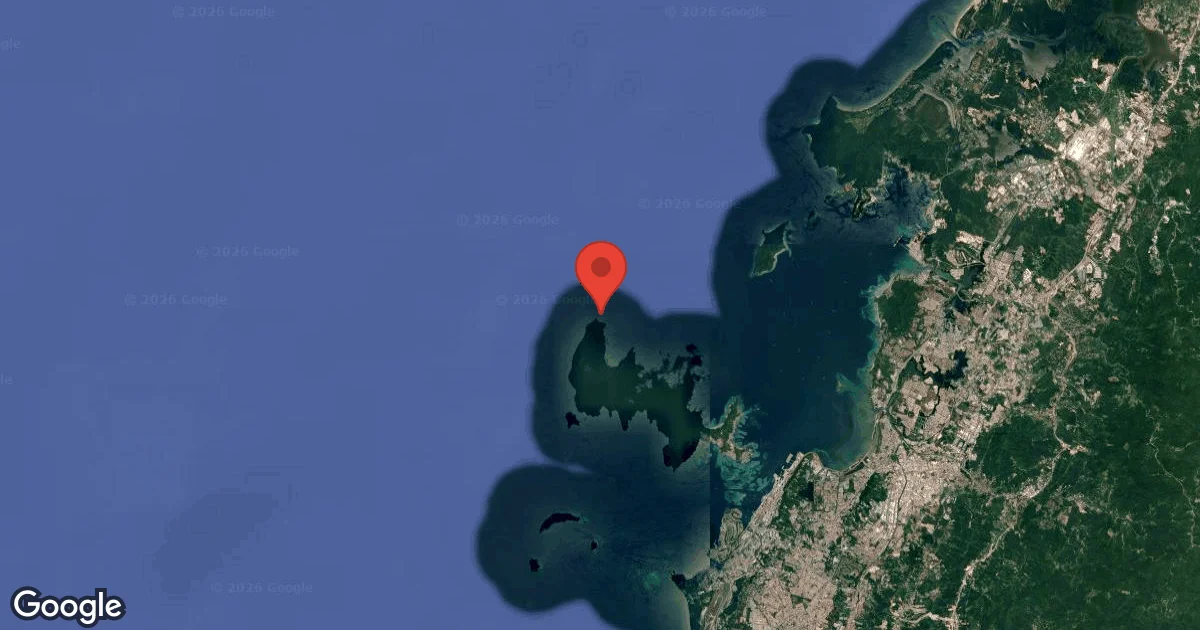
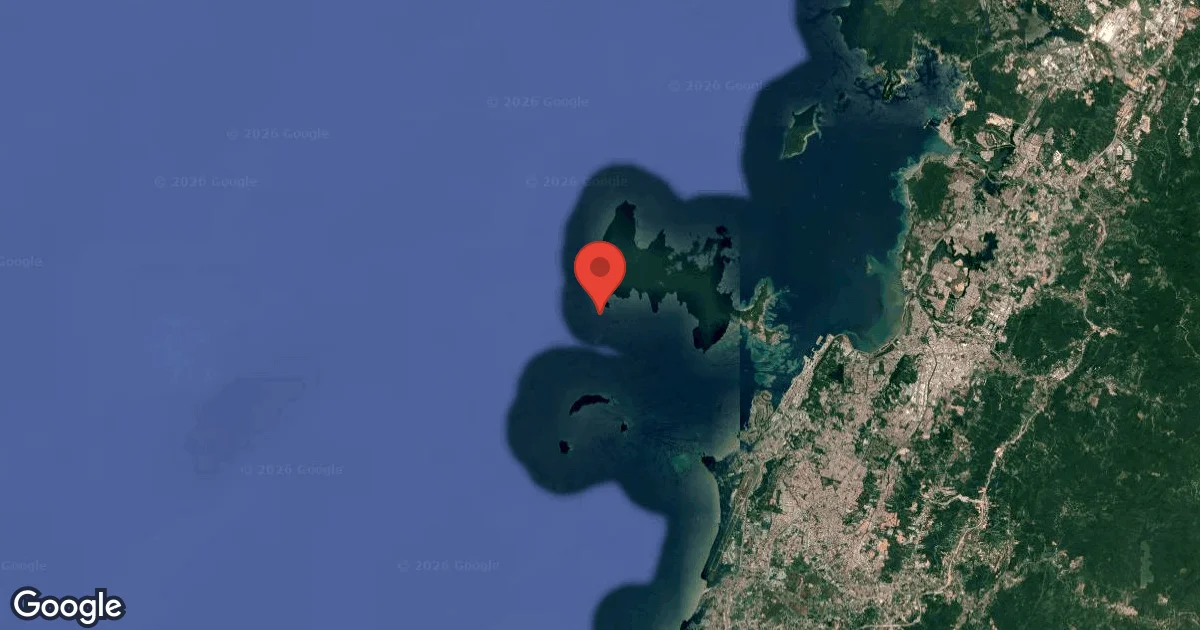
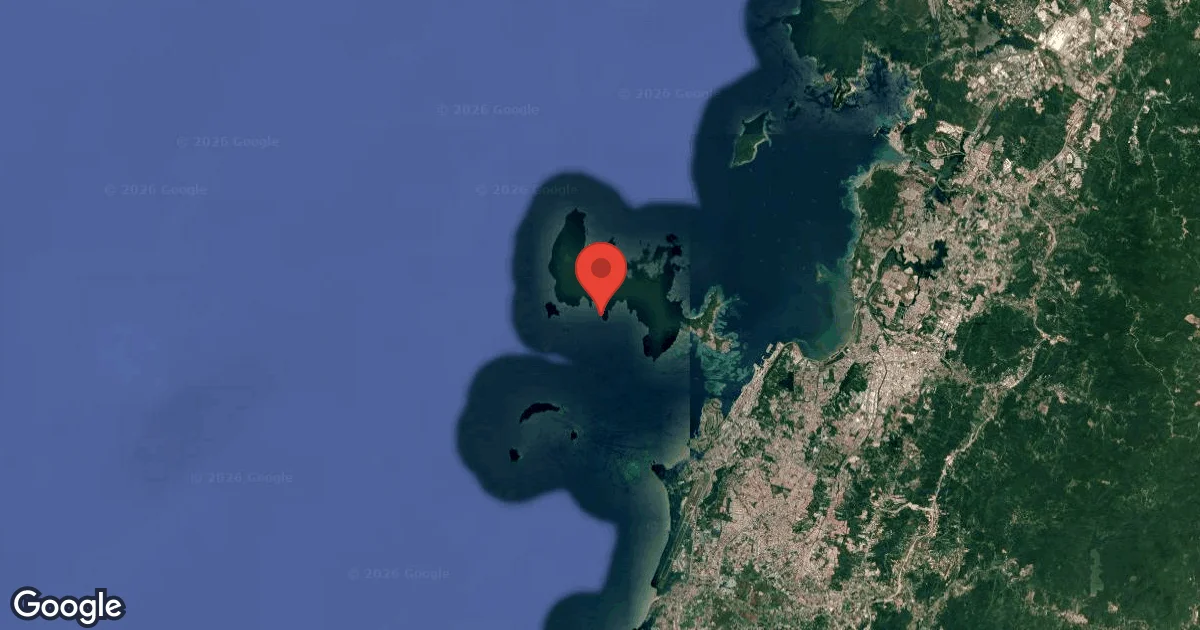
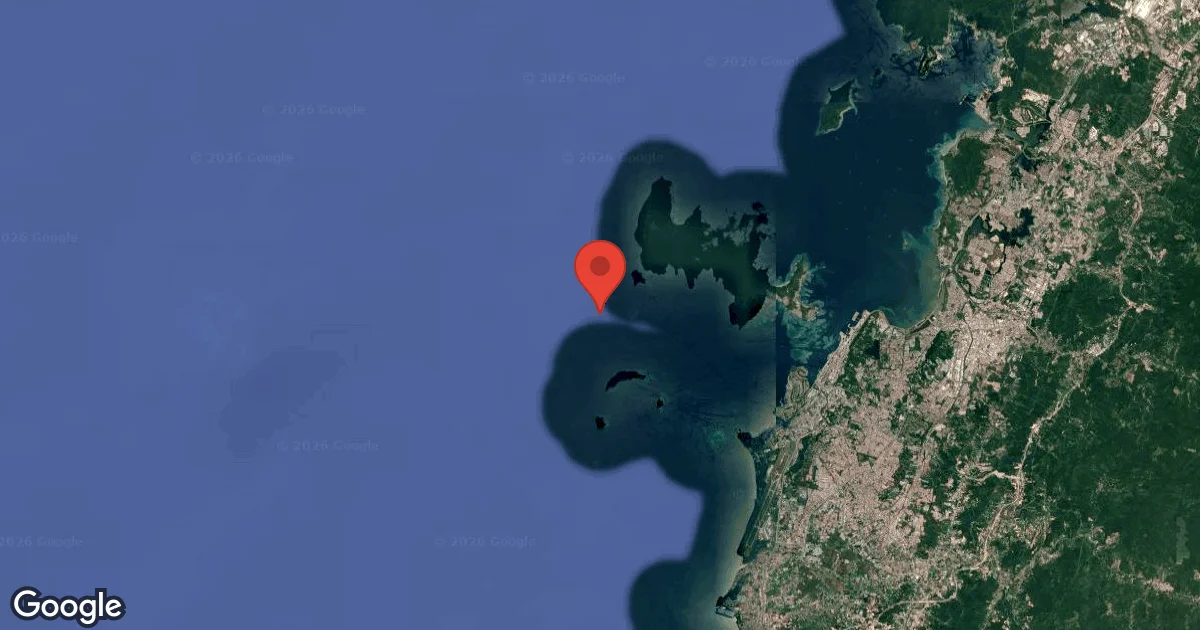
Dive Sites Near Agyll's Reef
View all dive sites in MalaysiaDiscover more underwater gems in this area.
Dive Centers Near Agyll's Reef

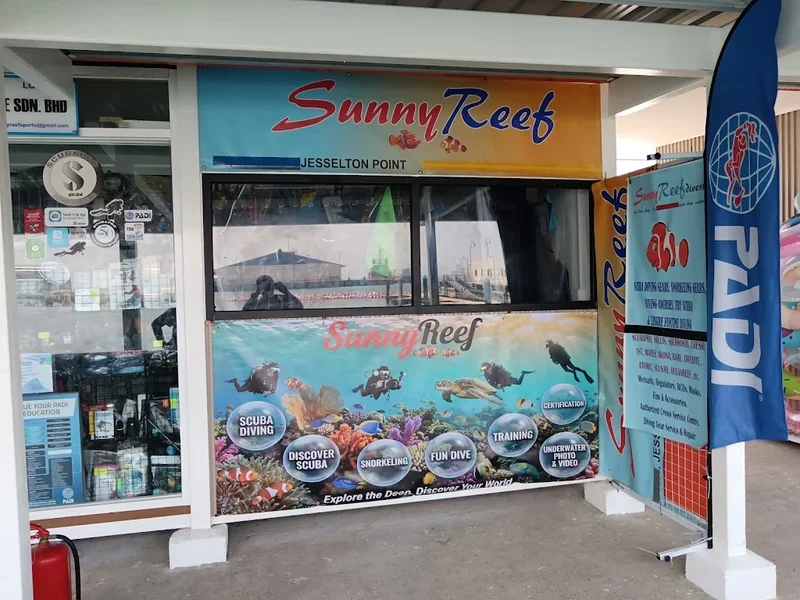
Nearest Airports
Nearest airports to help plan travel to this dive area.
Search Flights
Check available flights and routes on Expedia, using the nearby airports listed in this section.
Search Flights on ExpediaFrequently Asked Questions
What type of dive is Agyll's Reef?
Agyll's Reef is primarily a vibrant reef dive. It features healthy coral structures and is suitable for exploring a wide range of tropical marine life.
What depths can be expected at Agyll's Reef?
Divers typically explore Agyll's Reef within a recreational depth range. Reported dives usually reach between 16 m (52 ft) and 19 m (62 ft).
What are the typical water conditions like?
Water temperatures are generally warm, with 26°C (79°F) observed in April. Visibility is often average, around 10 m (33 ft), providing clear views of the reef.
How are the currents at Agyll's Reef?
Currents vary depending on the season and specific conditions. They can range from calm (0 knots) to moderate (up to 2 knots), so divers should be prepared for potential drift.
Is Agyll's Reef suitable for new divers?
Yes, Agyll's Reef is often considered suitable for various skill levels, including newer divers. Its accessible depths and generally manageable conditions make it a good site for building experience.
What marine life is commonly seen here?
Divers frequently encounter a variety of tropical reef fish and sea turtles. While not guaranteed, occasional sightings of reef sharks, jack, and barracuda are also possible.
When is the best time to dive Agyll's Reef?
April is highlighted as an excellent month for diving due to favorable air temperatures and low rainfall. Other months from March to August and November to December also offer good conditions.
Is Agyll's Reef part of a protected marine park?
Yes, Agyll's Reef is located within the Tunku Abdul Rahman Marine Park. Divers must adhere to park regulations to help protect the site's rich biodiversity.
Planning to dive Agyll's Reef?
Send one inquiry and receive offers directly from the best verified local dive operators.
Conditions are Moderate
High Wind Advisory (42km/h). Unsafe surface.
Current conditions near Agyll's Reef show 27° air, 31° sea temperature, 1.0 m waves, and 42 km/h wind. Forecast data is refreshed regularly to ensure accuracy.