Loading...

Diving at Madi Rock (Maldives)
Published
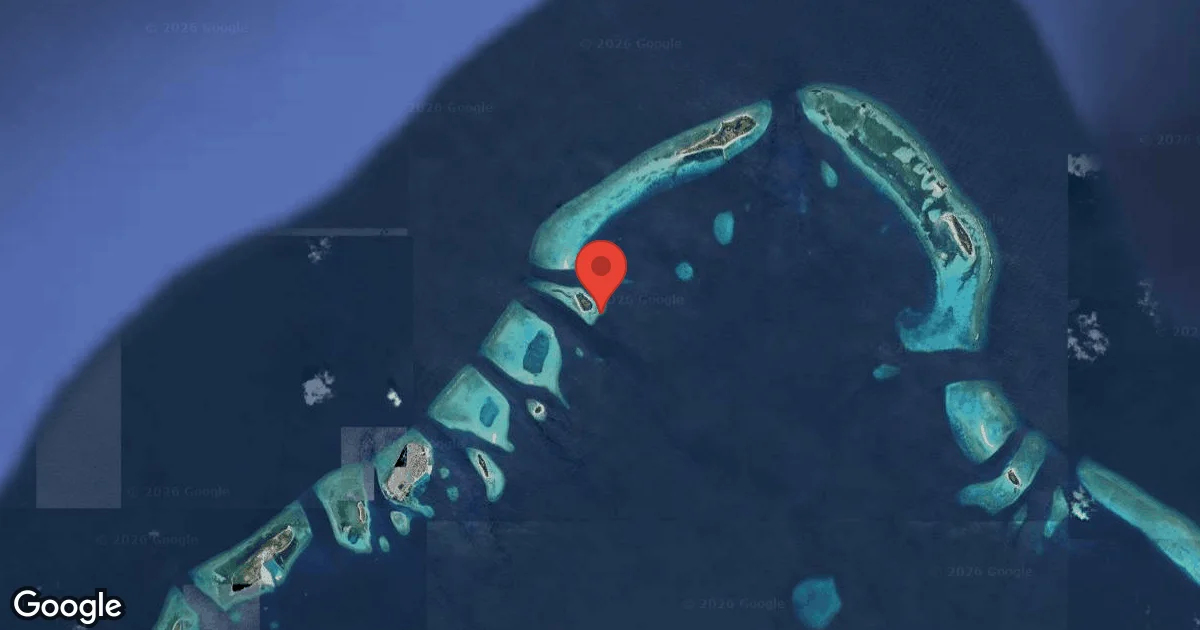
Madi Rock presents a distinct underwater topography, defined by small pinnacles and coral blocks emerging from a sandy seafloor. Just inside a channel, the dive site receives shelter from surrounding reefs. This geological arrangement cultivates a dynamic habitat, supporting a variety of marine life. Divers typically experience a maximum depth of 18 m / 59 ft here.
Evening condition tracking at Madi Rock features an air temperature of 30°C. We have recorded wave heights measuring 0.7 m during this period. These figures outline the environmental parameters currently present.
Dive Site Location & Key Facts
Max Depth18m / 59ft
Entry Typeboat
Water Typesalt
Dive Types
PinnacleReef
Dive Site Overview
Descending into Madi Rock reveals a fascinating underwater landscape, primarily composed of numerous small coral blocks scattered across a sandy expanse at its maximum depth of 18 m / 59 ft. These vibrant coral formations host a diverse array of hard corals, providing vital shelter for a variety of small reef fish.
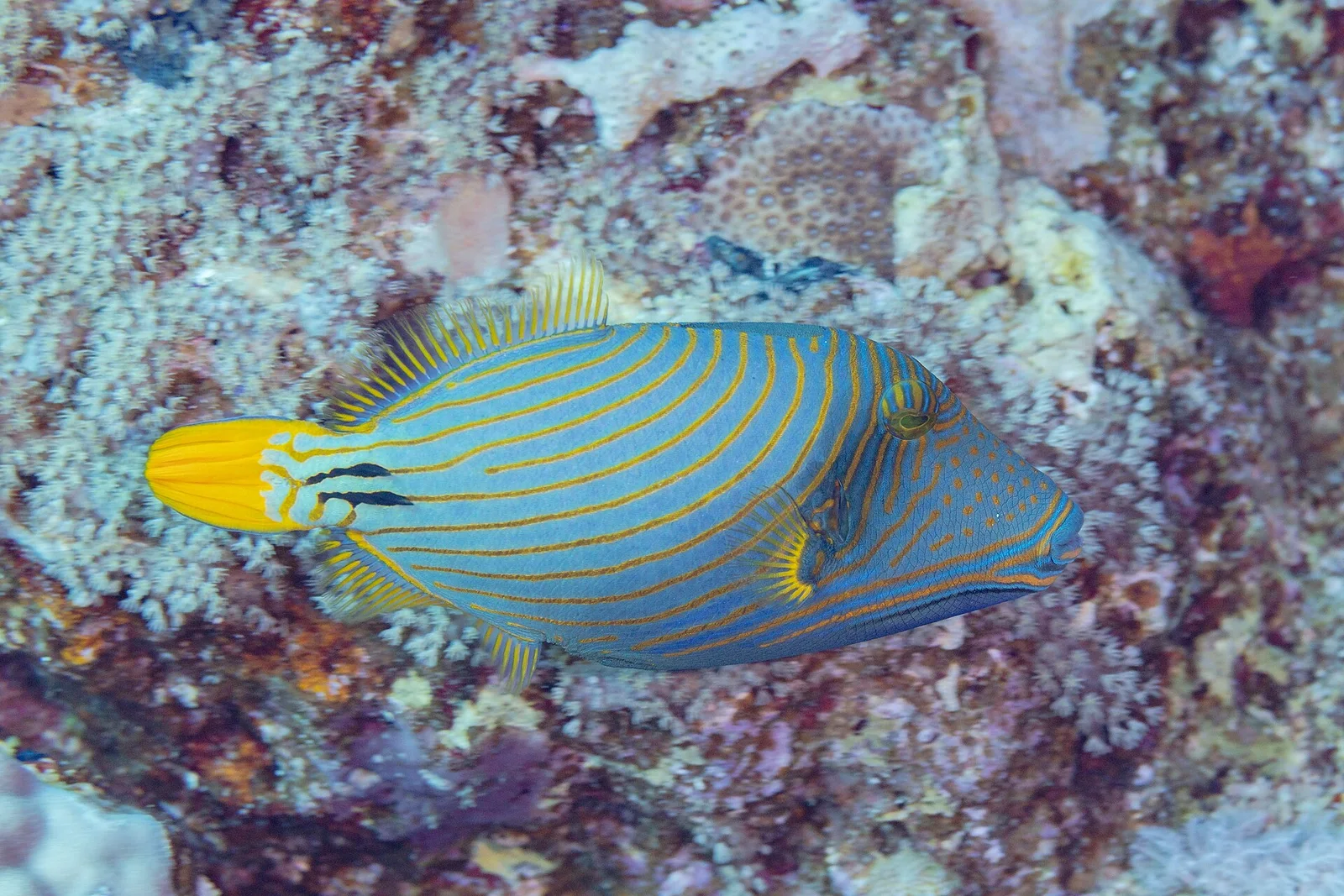
Divers can expect to spot active juvenile fish, industrious cleaner wrasse, and various triggerfish navigating the intricate reef structure and finding refuge. Beyond the finned residents, the site is home to an assortment of captivating invertebrates. Look closely for delicate shrimps and colorful nudibranchs adorning the corals, an element making this area particularly appealing for macro photographers.
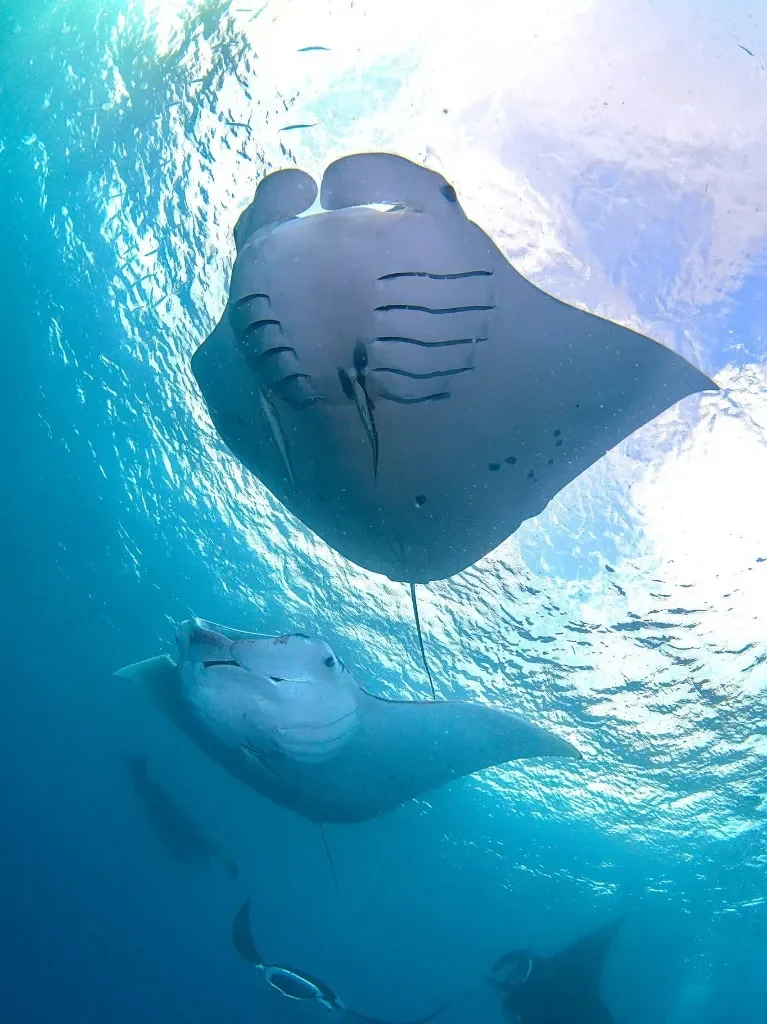
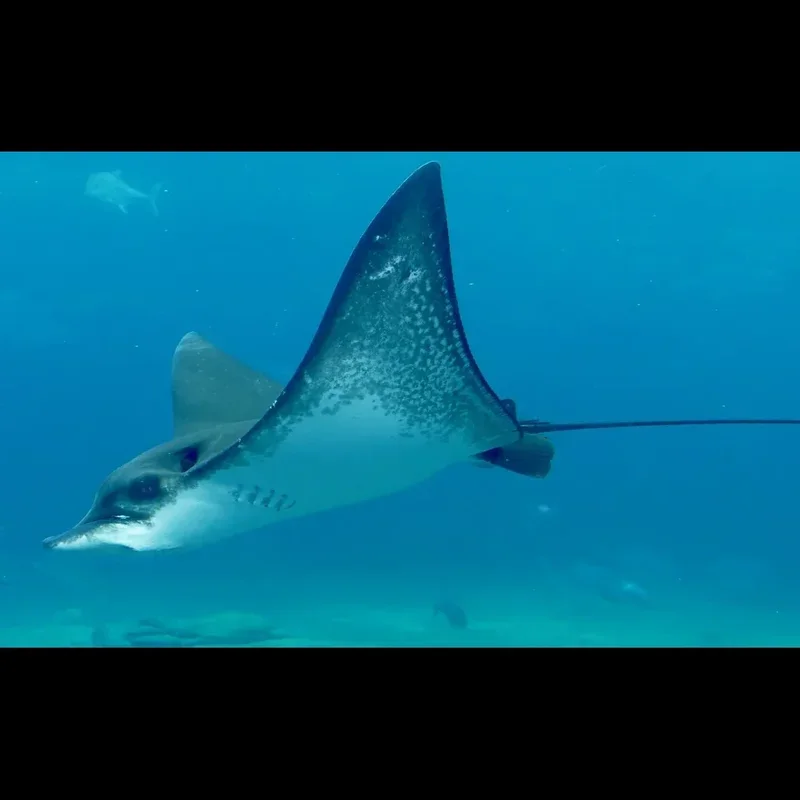
A defining characteristic of Madi Rock is its collection of active cleaning stations. These crucial points in the ecosystem frequently attract larger pelagic species; divers can often encounter majestic eagle rays gracefully gliding by and graceful sea turtles patiently awaiting their turn.
During specific seasons, there's also the exciting possibility of observing magnificent manta rays visiting these cleaning stations, adding a significant draw for those seeking larger marine encounters. Overall, the ambiance here is one of constant activity, providing a rich, immersive dive experience for patient observers.
Madi Rock
Conditions are Excellent
9/10
Confidence: 8/10
Indicates meteorological model agreement and data availability.
Best Dive Window
07:00 - 14:00
Optimal conditions expected
06:12
18:45
H: 10:45
L: 16:20
Air / Sea Temp
30° / 30°
Wave Height
0.8 m
Wind Speed
15 km/h ENE
Rain Chance
0%
Current conditions near Madi Rock show 30° air, 30° sea temperature, 0.8 m waves, and 15 km/h wind. Forecast data is refreshed regularly to ensure accuracy.
Radius: ~12km
Updated: Nov 23, 2026, 21:15 local timeMARINE: OPEN-METEOWEATHER: YR.NO
Best Time to Dive
While Madi Rock is accessible for much of the year, distinct seasonal shifts significantly influence dive conditions. The period from November through April generally presents the most favorable conditions, with consistently high dive scores. During these months, air temperatures typically range between 27-29°C / 81-84°F, rainfall is minimal, and both wave height and wind speeds are considerably lower.
For instance, February and March often see the lowest rainfall and calmest surface conditions. Conversely, the transition from May to October marks a period of moderate dive scores.
This timeframe experiences higher average wave heights, increased wind speeds, and greater rainfall, with October recording the highest average precipitation. Divers planning trips during these months might encounter more dynamic surface conditions and reduced visibility.
PEAK SEASON SCORE
86/100
Very GoodScores combine air & water temps, waves, wind & rainfall for overall conditions.
BEST MONTHS TO DIVE
FEB
MAR
NOV
DIVE SCORE GUIDE (0–100)
Excellent (90–100)
Very Good (80–89)
Good (70–79)
Moderate (50–69)
Poor (30–49)
Not Recommended (0–29)
Monthly records compiled from satellite and marine observation nodes over the last 3 years. Data provided by Open-Meteo and MET Norway.
Dive Experience & Conditions
The location just inside a channel implies a dynamic water flow at Madi Rock, even though it's somewhat sheltered by surrounding reefs. Divers can expect to navigate around a series of small pinnacles and numerous coral blocks that rise from the sandy seafloor, which bottoms out at 18 m / 59 ft. Visibility at the site varies depending on tidal movements and recent weather patterns, but during optimal conditions, it allows for clear appreciation of the vibrant hard corals.
These coral structures are teeming with small reef fish, creating a lively underwater environment. The presence of active cleaning stations means divers should remain attentive to the open water, especially for the potential arrival of larger pelagics.
Dive Difficulty & Safety Guidelines
Approaching Madi Rock requires certified divers to be aware of the site's characteristics, especially its presence inside a channel. While the surrounding reef offers some shelter, understanding local currents and planning dives accordingly is crucial. Maximum depths of 18 m / 59 ft make this site suitable for Open Water certified divers, though advanced experience with channel diving proves beneficial.
No specific hazards are reported for Madi Rock beyond general diving precautions. Always adhere to responsible diving practices, including maintaining proper buoyancy control to protect delicate coral formations and marine life. Confirm current conditions with local dive operators before entry.
Recommended Equipment
- Dive Computer
- DSMB
This gear list is based on verified equipment signals for Madi Rock, Maldives. Always confirm final gear choices with your dive operator, guide, or liveaboard.
Recommended Dive Suit
For many recreational divers, dive skin or rash guard provides a practical level of insulation in these conditions. Divers who tend to get cold easily may prefer slightly thicker exposure protection.
At the moment, divers exploring Madi Rock will likely experience water temperatures near 30°C (87°F). Surface air temperatures are resting at 30°C (86°F).
The next few days appear likely to bring similar environmental conditions.
Madi Rock conditions last reviewed: 21:15 local time (UTC+5), Nov 23, 2026
Emergency & Medical Support
Essential information to help you plan your dive trip to Madi Rock.

Hyperbaric chambers are a critical part of dive safety infrastructure. Availability varies significantly by region, and not all dive areas have immediate access.
Before diving, it's recommended to:
- confirm nearest medical facilities
- check emergency procedures with local dive operators
- ensure dive insurance covers evacuation if required
24/7 Available
Divers Alert Network
Diving emergency assistance available through DAN World.
+1-919-684-9111- 24/7 emergency hotline
- Diving medical assistance
- Evacuation coordination
Emergency contacts are provided for reference. Always verify local emergency services before diving.
Closest Listed Hyperbaric Chambers (≤ 200 km)
Approximate straight-line distances from this dive site — emergency travel times may vary.
24 km24 kmKuredu Island Resort – Hyperbaric Chamber
Kuredu (Lhaviyani Atoll), Maldives24/7+960 790 1754Details24 kmKuredu Island Resort – Hyperbaric Chamber
24/7 ListedKuredu (Lhaviyani Atoll), Maldives · Multiplace
Hours: 24/7 Duty HotlineFacility: Kuredu Island Resort Medical ClinicICU On-Site: Not reportedSource: Maldives Ministry of TourismOfficial website
24 km
Kuredu Island Resort – Hyperbaric Chamber
Kuredu (Lhaviyani Atoll), Maldives24/7+960 790 1754Details
24 km
Kuredu Island Resort – Hyperbaric Chamber
24/7 ListedKuredu (Lhaviyani Atoll), Maldives · Multiplace
Hours: 24/7 Duty Hotline
Facility: Kuredu Island Resort Medical Clinic
ICU On-Site: Not reported
Source: Maldives Ministry of Tourism
Official website123 km123 kmBandos Maldives – Medical Clinic & Hyperbaric Chamber
Bandos (Kaafu Atoll), Maldives24/7+960 777 2783Details123 kmBandos Maldives – Medical Clinic & Hyperbaric Chamber
24/7 ListedBandos (Kaafu Atoll), Maldives · Multiplace
Hours: 24/7 Duty HotlineFacility: Bandos Maldives Medical ClinicICU On-Site: Not reportedSource: Maldives Ministry of TourismOfficial website
123 km
Bandos Maldives – Medical Clinic & Hyperbaric Chamber
Bandos (Kaafu Atoll), Maldives24/7+960 777 2783Details
123 km
Bandos Maldives – Medical Clinic & Hyperbaric Chamber
24/7 ListedBandos (Kaafu Atoll), Maldives · Multiplace
Hours: 24/7 Duty Hotline
Facility: Bandos Maldives Medical Clinic
ICU On-Site: Not reported
Source: Maldives Ministry of Tourism
Official website130 km130 kmKuramathi Maldives – Medical Centre & Hyperbaric Chamber
Kuramathi (Alifu Alifu Atoll), Maldives24/7+960 778 1096Details130 kmKuramathi Maldives – Medical Centre & Hyperbaric Chamber
24/7 ListedKuramathi (Alifu Alifu Atoll), Maldives · Multiplace
Hours: 24/7 Duty HotlineFacility: Kuramathi Medical CentreICU On-Site: Not reportedSource: Maldives Ministry of TourismOfficial website
130 km
Kuramathi Maldives – Medical Centre & Hyperbaric Chamber
Kuramathi (Alifu Alifu Atoll), Maldives24/7+960 778 1096Details
130 km
Kuramathi Maldives – Medical Centre & Hyperbaric Chamber
24/7 ListedKuramathi (Alifu Alifu Atoll), Maldives · Multiplace
Hours: 24/7 Duty Hotline
Facility: Kuramathi Medical Centre
ICU On-Site: Not reported
Source: Maldives Ministry of Tourism
Official websiteChamber data is sourced from the official Maldives Ministry of Tourism registry and has not been independently verified by Dive Navigator. Always contact local emergency services, DAN, your dive operator, or the facility directly before travelling.
Reference onlyMarine Life at Madi Rock
A thriving ecosystem at Madi Rock creates a rich display of marine activity, primarily centered around its numerous cleaning stations. These bustling areas are a reliable place to observe majestic eagle rays gliding by and graceful sea turtles patiently awaiting their turn.
Seasonally, divers might also encounter magnificent manta rays visiting the site for cleaning. Vibrant coral blocks themselves host an array of smaller creatures, including various small reef fish, actively swimming juvenile fish, and industrious cleaner wrasse.
Divers can also spot fascinating invertebrates such as intricate shrimps and colorful nudibranchs throughout the reef.

1 / 2
Image contributors:Claudio Giovenzana, Bernard DUPONT + 1 more
Want to contribute photos or local dive knowledge? Learn how to contributeDive Sites Near Madi Rock
View all dive sites in MaldivesDiscover more underwater gems in this area.
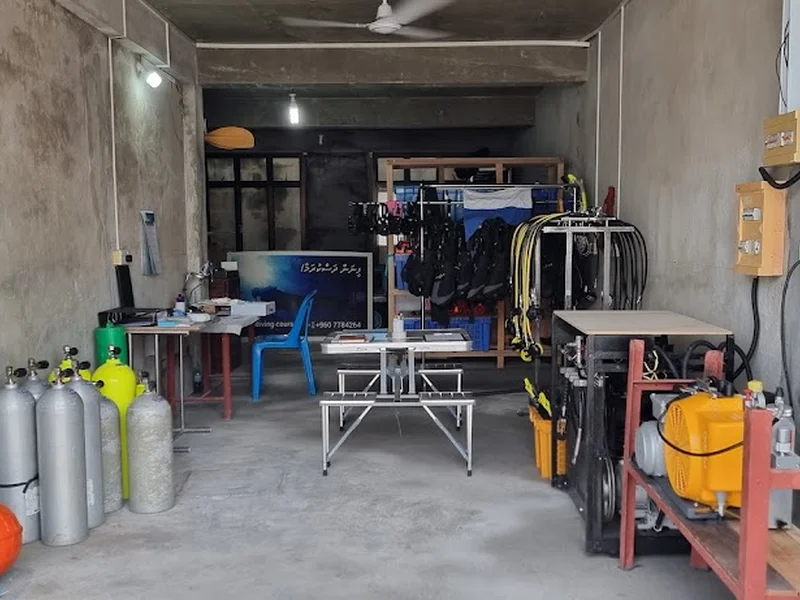
Dive Centers Near Madi Rock
Working Hours
Sun09:00 - 17:00
Mon09:00 - 17:00
Tue09:00 - 17:00
Wed09:00 - 17:00
Thu09:00 - 17:00
FriClosed
Sat09:00 - 17:00
Today: 09:00 - 17:00
Sun09:00 - 17:00
Mon09:00 - 17:00
Tue09:00 - 17:00
Wed09:00 - 17:00
Thu09:00 - 17:00
FriClosed
Sat09:00 - 17:00
Nearest Airports
Nearest airports to help plan travel to this dive area.
Dharavandhoo Airport DRV
33 km
Maafaru International Airport NMF
52 km
Velana International Airport MLE
133 km
💵 Currency: MVR
Search Flights
Check available flights and routes on Expedia, using the nearby airports listed in this section.
Search Flights on ExpediaAffiliate link · Dive Navigator may earn a commission at no extra cost to you.
Frequently Asked Questions
What is the maximum diving depth at Madi Rock?
Madi Rock generally has a maximum diving depth of 18 m / 59 ft. This depth makes it accessible for most certified recreational divers, including those with Open Water certification.
What types of marine life can I expect to see?
Divers at Madi Rock often encounter a variety of marine life, from small reef fish, juvenile fish, cleaner wrasse, shrimps, and nudibranchs to larger species. Its cleaning stations are frequented by eagle rays, sea turtles, and seasonally, manta rays.
Is Madi Rock suitable for beginner divers?
With a maximum depth of 18 m / 59 ft, Madi Rock is suitable for certified Open Water divers. However, its location within a channel means currents can be a factor, so divers should be comfortable with dynamic conditions.
When is the best time of year to dive Madi Rock?
The most favorable diving conditions at Madi Rock typically occur from November through April. During this period, you can expect calmer seas, lighter winds, and minimal rainfall.
Are there any special features at the Madi Rock dive site?
The site is characterized by a series of small pinnacles and numerous coral blocks on a sandy bottom. A significant feature is the presence of cleaning stations that attract a range of pelagic and reef species.
Is Madi Rock a good site for underwater photography?
Yes, Madi Rock is considered ideal for photographers due to its vibrant hard corals and diverse small marine life, including various juvenile fish, shrimps, and nudibranchs. The cleaning stations also offer opportunities for wide-angle shots of larger animals.
Trip Inquiry
Planning to dive Madi Rock?
Tell us your dates and diving needs. We'll review your request and seek offers from relevant local dive centers.
Request Dive Offers Free request for offers • No booking obligation
Madi Rock
Conditions are Excellent
9/10
Confidence: 8/10
Indicates meteorological model agreement and data availability.
Best Dive Window
07:00 - 14:00
Optimal conditions expected
06:12
18:45
H: 10:45
L: 16:20
Air / Sea Temp
30° / 30°
Wave Height
0.8 m
Wind Speed
15 km/h ENE
Rain Chance
0%
Current conditions near Madi Rock show 30° air, 30° sea temperature, 0.8 m waves, and 15 km/h wind. Forecast data is refreshed regularly to ensure accuracy.
Radius: ~12km
Updated: Nov 23, 2026, 21:15 local timeMARINE: OPEN-METEOWEATHER: YR.NO