
Diving at Cerebros (Mexico)
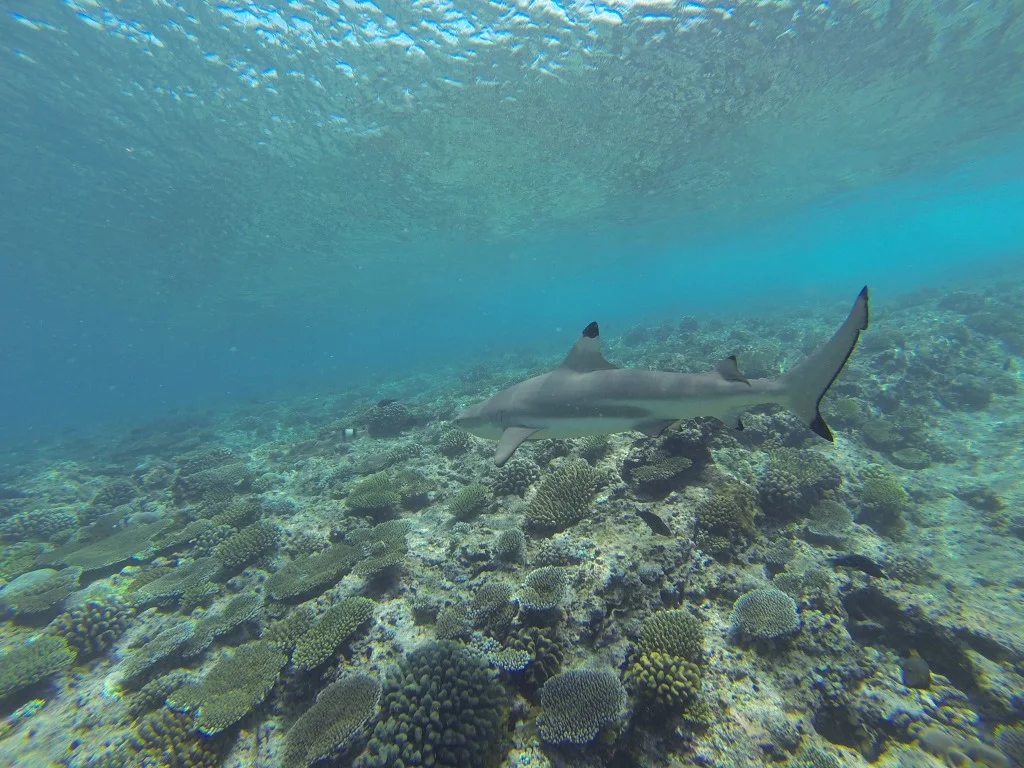
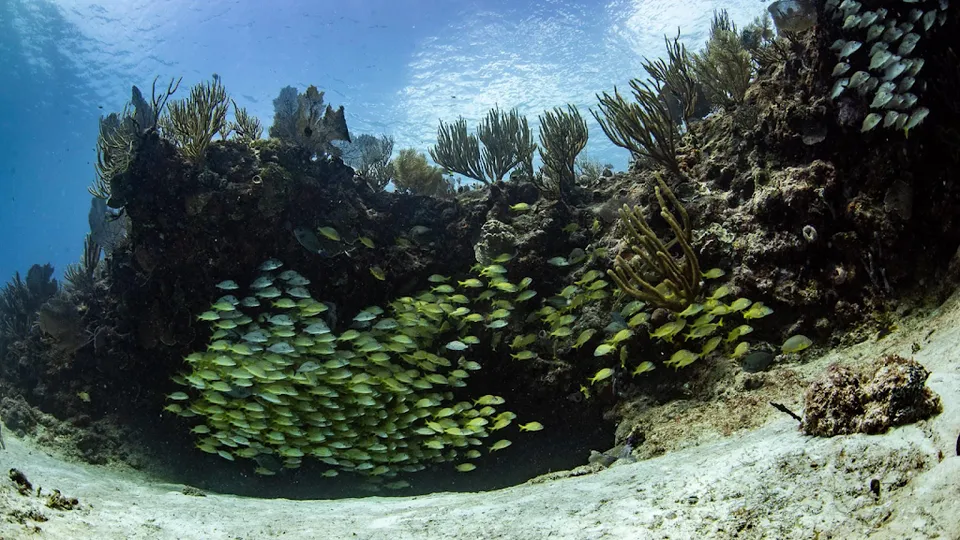
Cerebros features extensive coral formations that truly reflect its Spanish name, meaning 'brains.' Brain and mountain-style corals create a distinct underwater landscape throughout the dive. This site serves as an excellent location for divers of all levels, accommodating various training practices and offering abundant subjects for underwater photography.
Tonight's objective overview for Cerebros shows an air temperature of 30.5°C. The measured surface conditions include wave heights around 0.4 m. This environmental data is logged for the close of the day.
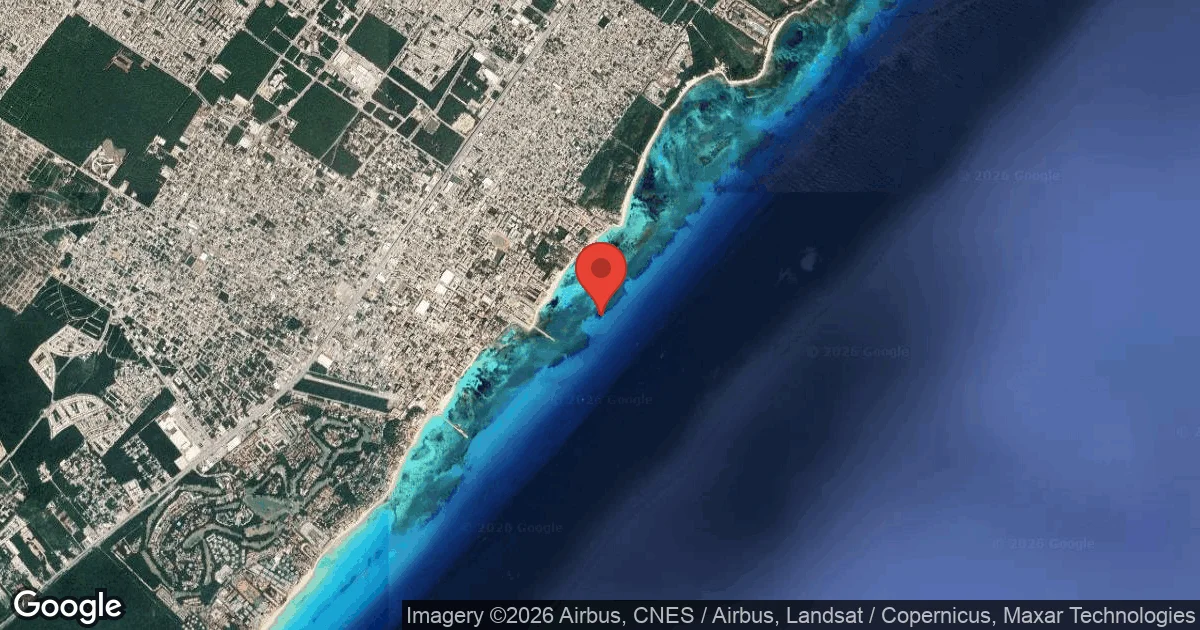
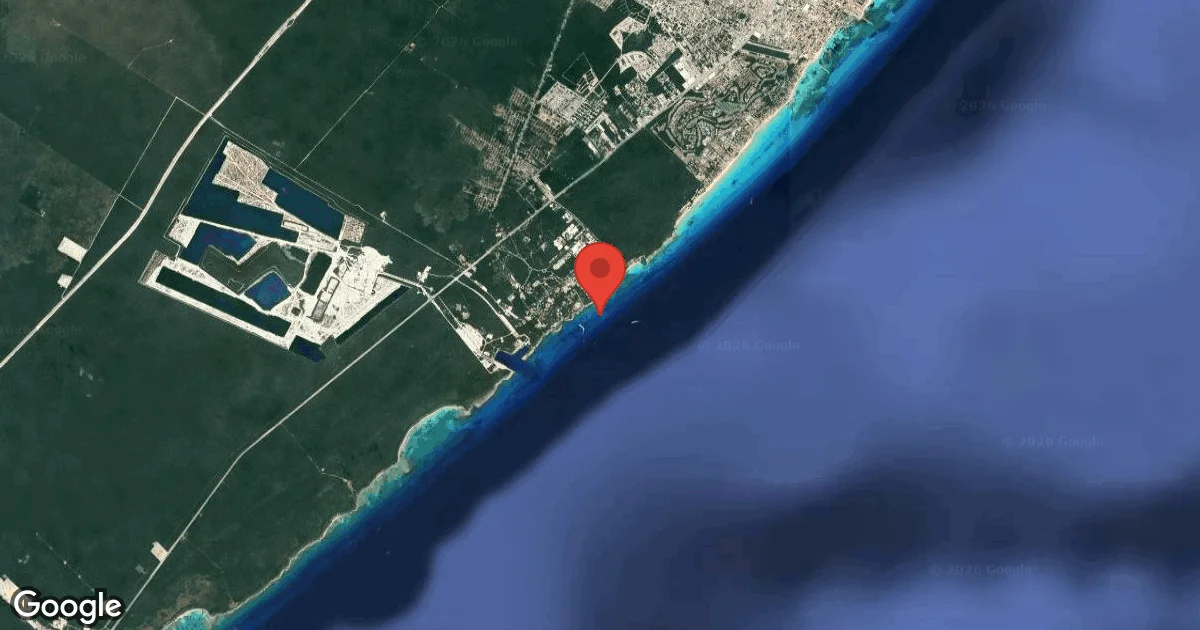
Dive Site Location & Key Facts
Dive Site Overview
Exploring Cerebros unfolds a vibrant reef dive experience, where extensive brain and mountain corals sculpt the underwater landscape. These formations aren't just features; they dominate the topography, creating intricate passages and sheltered areas for marine inhabitants.
Divers frequently report a remarkable quantity and variety of marine life throughout these coral gardens, often inspiring repeat visits. This site is particularly well-suited for divers across all experience levels. From beginners undergoing training to seasoned photographers seeking compelling underwater subjects, its accommodating conditions cater to a broad spectrum of diving interests.
Accessibility to the site makes it a popular choice for mastering skills or simply enjoying the rich biodiversity it presents. Dive profiles here are typically drift dives, guided by gentle currents that allow for relaxed exploration along the reef structure.
While a specific maximum depth for Cerebros isn't consistently reported, dives generally remain within recreational depth limits, allowing for ample bottom time. General marine life sightings for the broader region include pelagics like sharks, whales, dolphins, and turtles, with specific encounters at Cerebros varying by season and prevailing conditions.
Numerous smaller reef fish are consistently observed among the dense coral. This dynamic environment offers something for every diver.
Conditions are Good
07:00 - 14:00
Optimal conditions expected
Current conditions near Cerebros show 31° air, 30° sea temperature, 0.3 m waves, and 14 km/h wind. Forecast data is refreshed regularly to ensure accuracy.
Best Time to Dive
Planning a dive at Cerebros during the calmer months can greatly enhance the experience, with August and September often showing excellent dive scores. These months typically present lower wave heights, averaging around 0.4 meters (1.3 ft), and lighter winds compared to other times of the year. Air temperatures are consistently warm throughout the year, ranging from approximately 23.5°C (74°F) in January and February to highs of 28.5°C (83°F) in July and August. Rain remains minimal, with slightly higher averages in June and September, but generally does not significantly impede diving conditions. Visibility remains generally good, often reaching 30 m (100 ft) or more, making it ideal for appreciating the intricate coral structures and diverse marine life.
PEAK SEASON SCORE
Scores combine air & water temps, waves, wind & rainfall for overall conditions.
BEST MONTHS TO DIVE
Monthly records compiled from satellite and marine observation nodes over the last 3 years. Data provided by Open-Meteo and MET Norway.
Dive Experience & Conditions
Descending into Cerebros, divers are immediately enveloped by an expansive underwater garden of brain and mountain corals. The site is widely regarded as suitable for all experience levels, making it a frequent location for various training practices due to its generally accommodating conditions. While localized currents can vary depending on the day and specific section of the reef, they are typically manageable for most divers. There is no consistently reported specific water temperature for Cerebros, but the region's waters are generally warm. Divers should anticipate exploring within recreational depth ranges, allowing for ample bottom time to observe the rich ecosystems. These favorable conditions contribute to a relaxed and rewarding dive.
Dive Difficulty & Safety Guidelines
Approaching Cerebros requires standard reef diving safety protocols, ensuring a smooth and enjoyable experience for all skill levels. While the site is generally considered safe and ideal for training, maintaining excellent buoyancy control is crucial to protect the delicate coral formations. Divers should always plan their dive with a buddy, staying aware of each other's air consumption and decompression limits.
Though Cerebros is known for its accessibility, being mindful of potential, albeit usually mild, currents can help ensure a relaxed drift along the reef. Always conduct thorough equipment checks before entering the water, ensuring all gear is functioning correctly for a safe descent and ascent.
Recommended Equipment
Current and surface separation risk. Local briefing strongly recommended.
- Dive Computer
- DSMB
- Reel / Spool
This gear list is based on verified equipment signals for Cerebros, Mexico. Always confirm final gear choices with your dive operator, guide, or liveaboard.
Recommended Dive Suit
Dive skin or rash guard usually provides adequate warmth in water around this temperature. Water conditions at Cerebros are currently measured at approximately 30°C (87°F). Surface air temperatures are resting at 31°C (87°F).
The coming days appear slightly cooler according to the latest forecast. A significant temperature drop is forecast; strongly suggest bringing a backup warmer suit option. Some divers bring an extra layer for surface intervals between dives.
Conditions can vary slightly across different parts of the same dive site.
Due to technical issues with our weather providers, live updates are temporarily delayed. The data above reflects the conditions at the time of the last successful fetch.
Emergency & Medical Support
Essential information to help you plan your dive trip to Cerebros.

Hyperbaric chambers are a critical part of dive safety infrastructure. Availability varies significantly by region, and not all dive areas have immediate access.
Before diving, it's recommended to:
- confirm nearest medical facilities
- check emergency procedures with local dive operators
- ensure dive insurance covers evacuation if required
Divers Alert Network
Diving emergency assistance available through DAN World.
+1-919-684-9111- 24/7 emergency hotline
- Diving medical assistance
- Evacuation coordination
Emergency contacts are provided for reference. Always verify local emergency services before diving.
Marine Life at Cerebros
The vibrant quantity and variety of marine life found at Cerebros are a consistent draw for divers. Throughout the brain and mountain-style corals, smaller reef fish find shelter and sustenance, creating dynamic ecosystems.
Regional observations suggest the potential for encountering larger pelagics such as sharks, whales, and dolphins, though these sightings can be seasonal. Divers often look for turtles gracefully navigating the reef, alongside various schools of fish inhabiting the numerous nooks and crannies within the coral structures.
The intricate coral topography itself provides a rich canvas for observing a wide array of invertebrates and smaller reef dwellers.

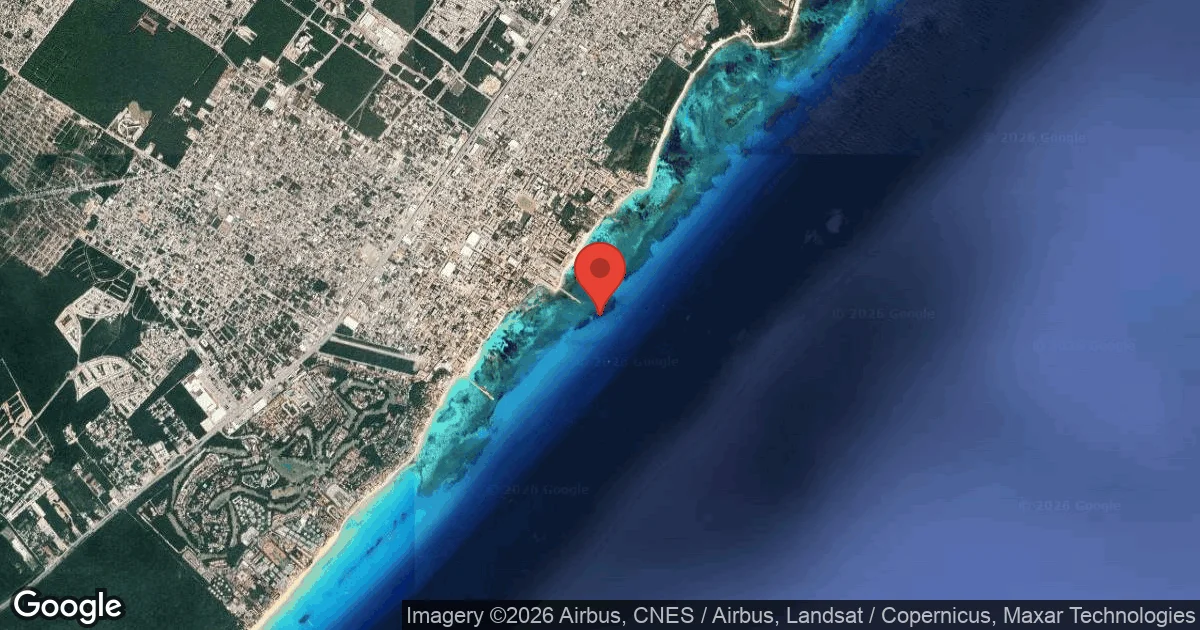
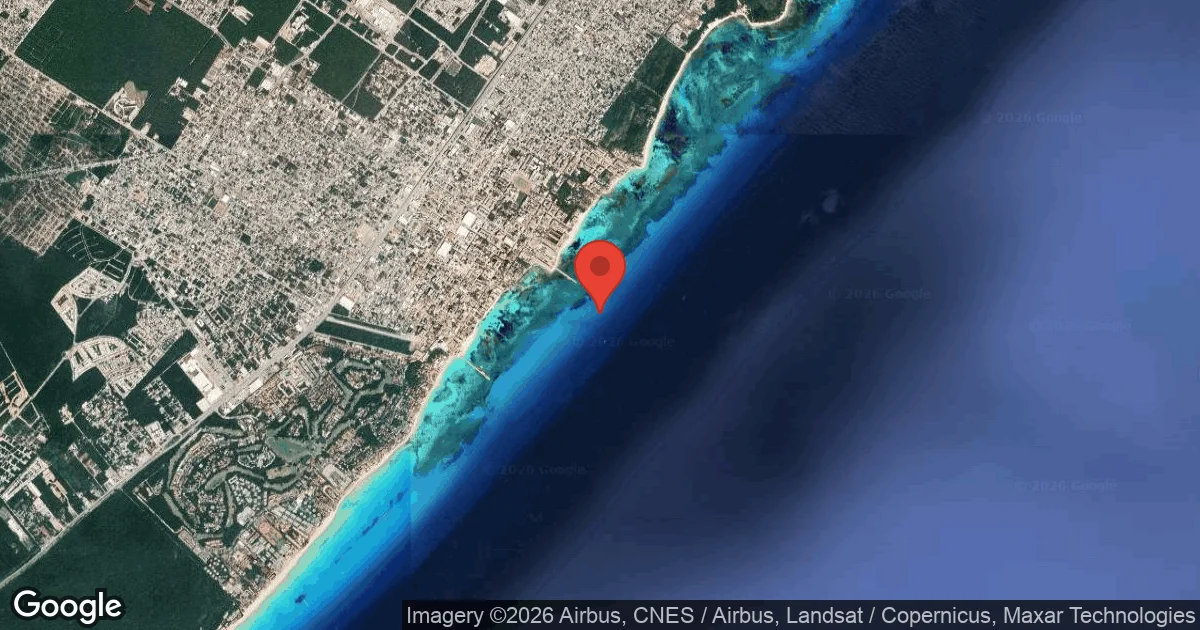
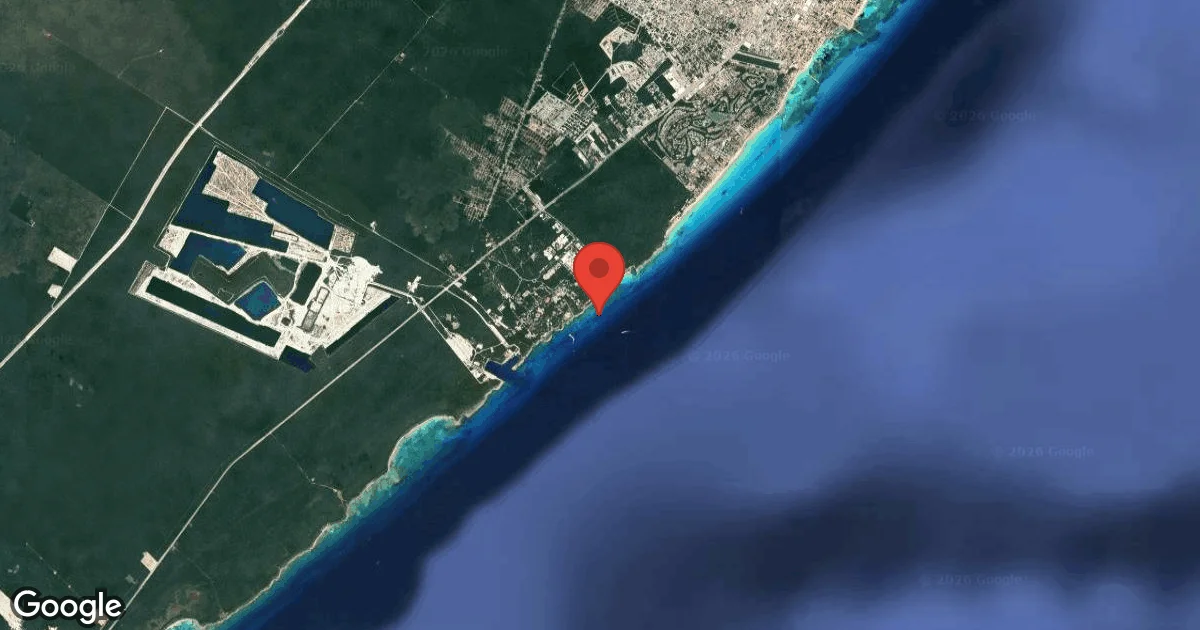
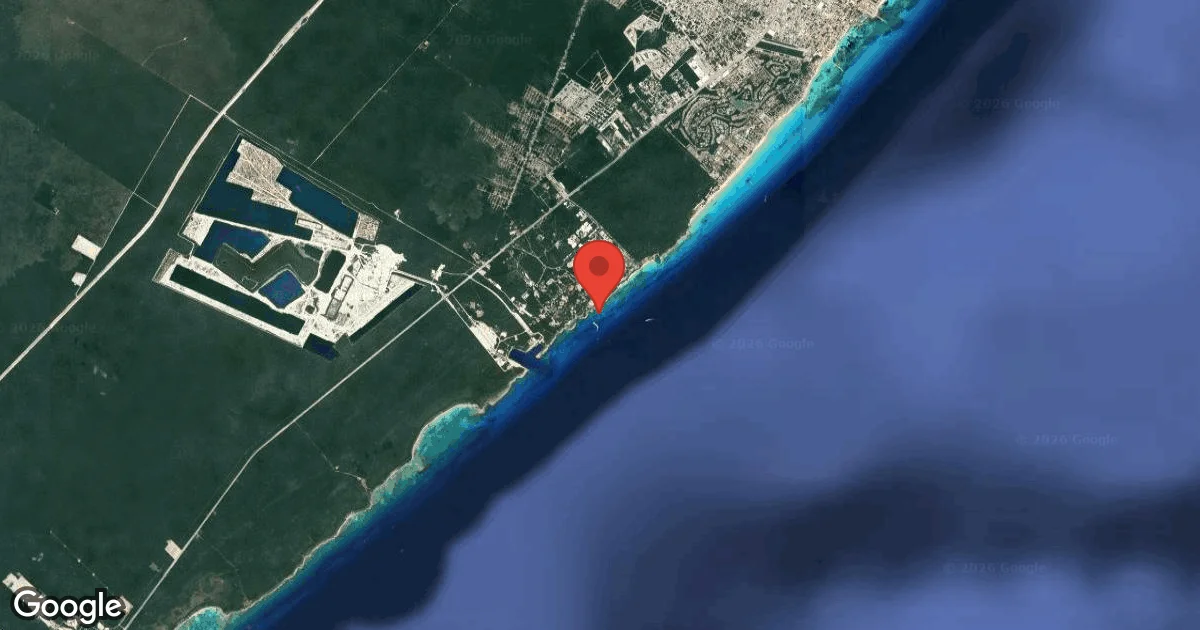
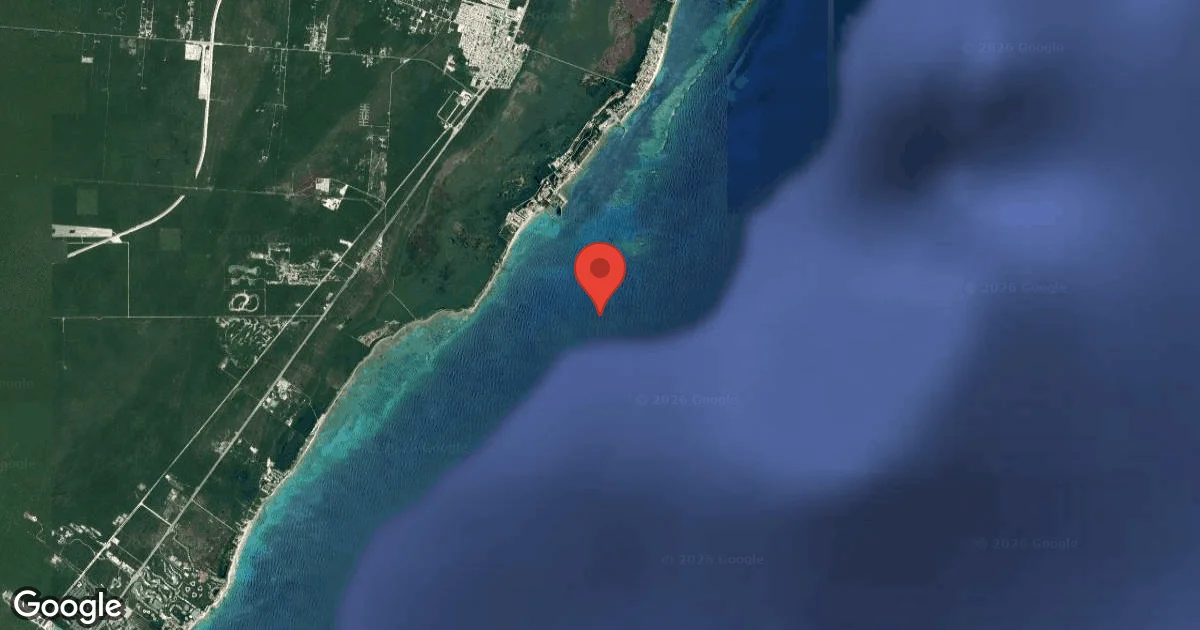
Dive Sites Near Cerebros
View all dive sites in MexicoDiscover more underwater gems in this area.
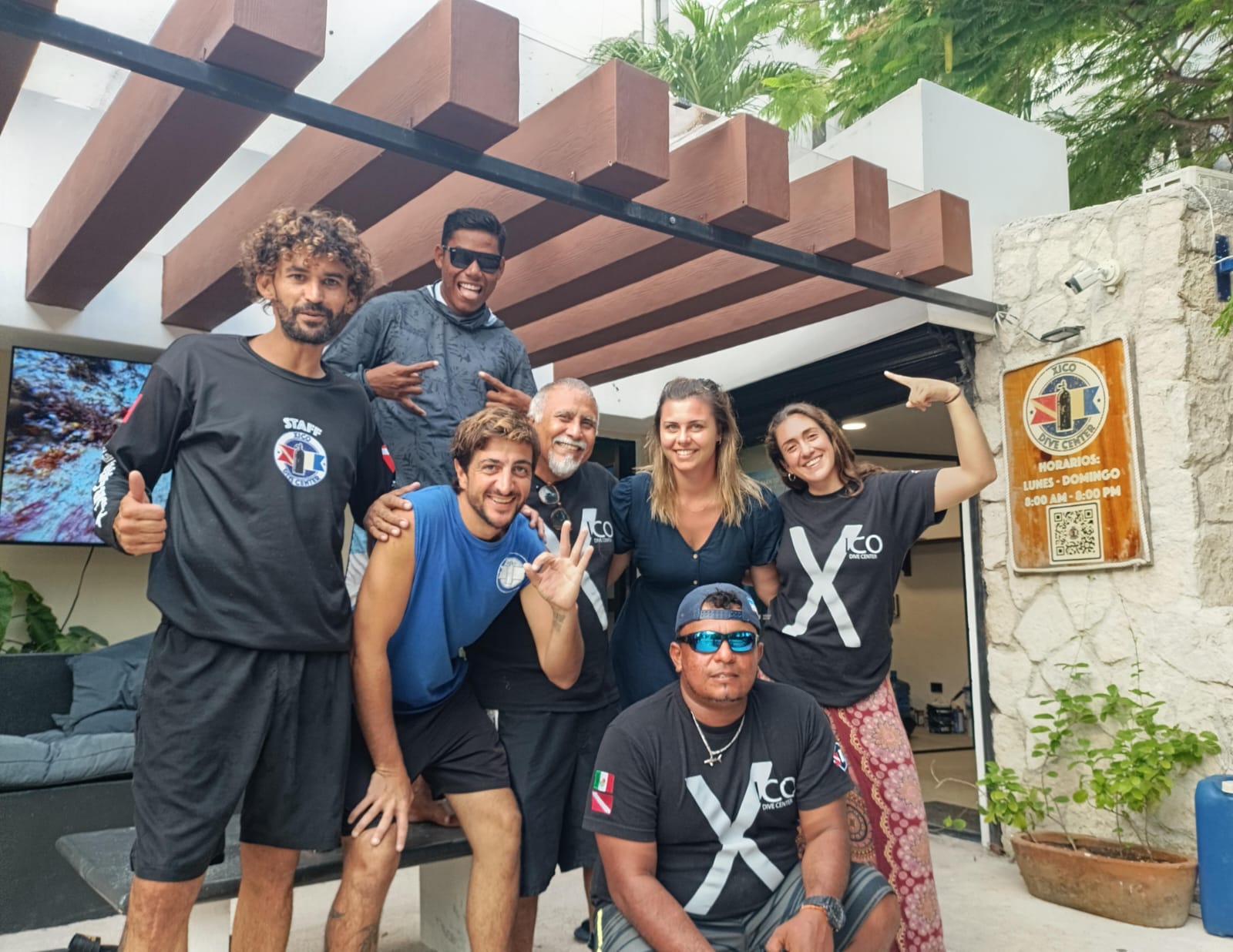
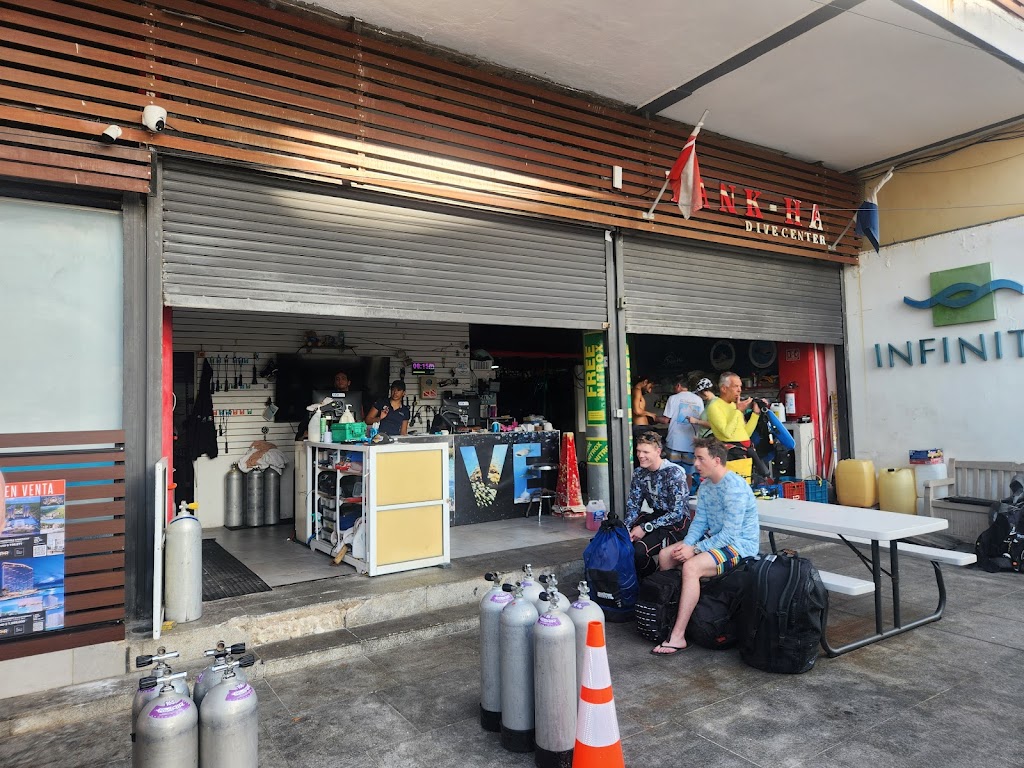
Dive Centers Near Cerebros
Today: 08:00 - 17:00

Nearest Airports
Nearest airports to help plan travel to this dive area.
Search Flights
Check available flights and routes on Expedia, using the nearby airports listed in this section.
Search Flights on ExpediaFrequently Asked Questions
What skill level is required for diving at Cerebros?
Cerebros is suitable for all levels of certified divers. It's often utilized for various training practices, making it an excellent site for both beginners and more experienced divers.
What type of underwater scenery can I expect?
Divers will primarily see extensive brain and mountain-style coral formations that live up to the site's name. These corals decorate the entire dive, creating a distinctive underwater landscape.
Are there strong currents at Cerebros?
While currents can vary, Cerebros is generally considered manageable for all skill levels. Conditions are often suitable for training and comfortable drift dives, indicating currents are not typically overwhelming.
What kind of marine life might I see?
The site is noted for a good quantity and variety of marine life. Common sightings in the broader region include sharks, whales, dolphins, and turtles, alongside diverse reef fish within the coral gardens.
Is Cerebros a good spot for underwater photography?
Absolutely. The site offers numerous subjects for underwater photography, from the unique coral structures to the diverse marine creatures. Many divers enjoy capturing the vibrant reef scenes here.
What is the typical visibility at Cerebros?
Visibility at Cerebros is generally good. It can often reach or exceed 30 meters (100 ft), providing clear views of the extensive coral formations and marine inhabitants.
Planning to dive Cerebros?
Send one inquiry and receive offers directly from the best verified local dive operators.
Conditions are Good
07:00 - 14:00
Optimal conditions expected
Current conditions near Cerebros show 31° air, 30° sea temperature, 0.3 m waves, and 14 km/h wind. Forecast data is refreshed regularly to ensure accuracy.