
Diving at Tortugas (Mexico)
Preparing for a descent at Tortugas, divers often anticipate a dynamic drift over extensive coral gardens just south of Playa del Carmen. This significant reef system spans a large area, typically revealing depths from 13 m (43 ft) down to 35 m (115 ft). The site offers a captivating journey across a diverse underwater landscape, a popular choice for divers in the Riviera Maya.
Evening condition tracking at Tortugas features an air temperature of 30.5°C. We have recorded wave heights measuring 0.4 m during this period. These figures outline the environmental parameters currently present.
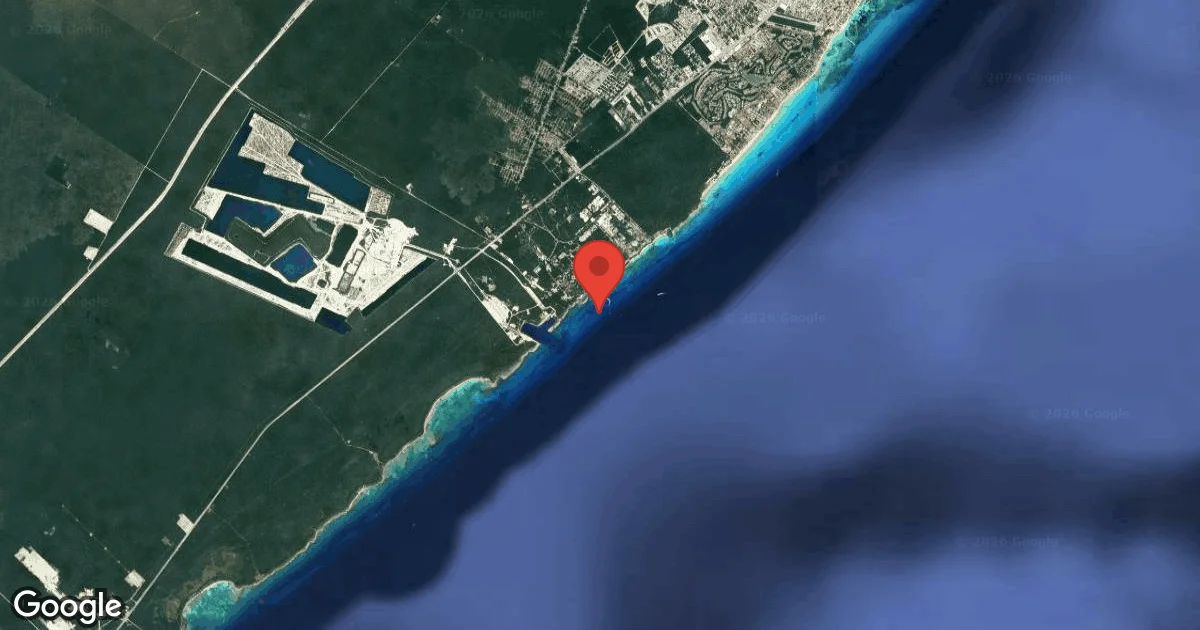
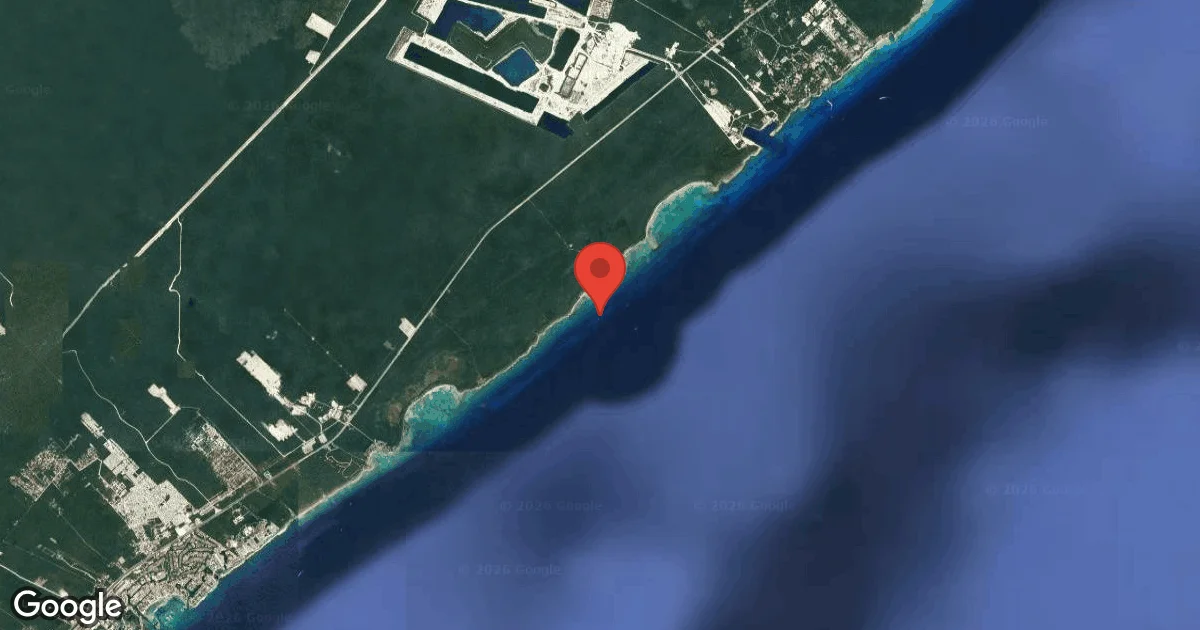
Dive Site Location & Key Facts
Dive Site Overview
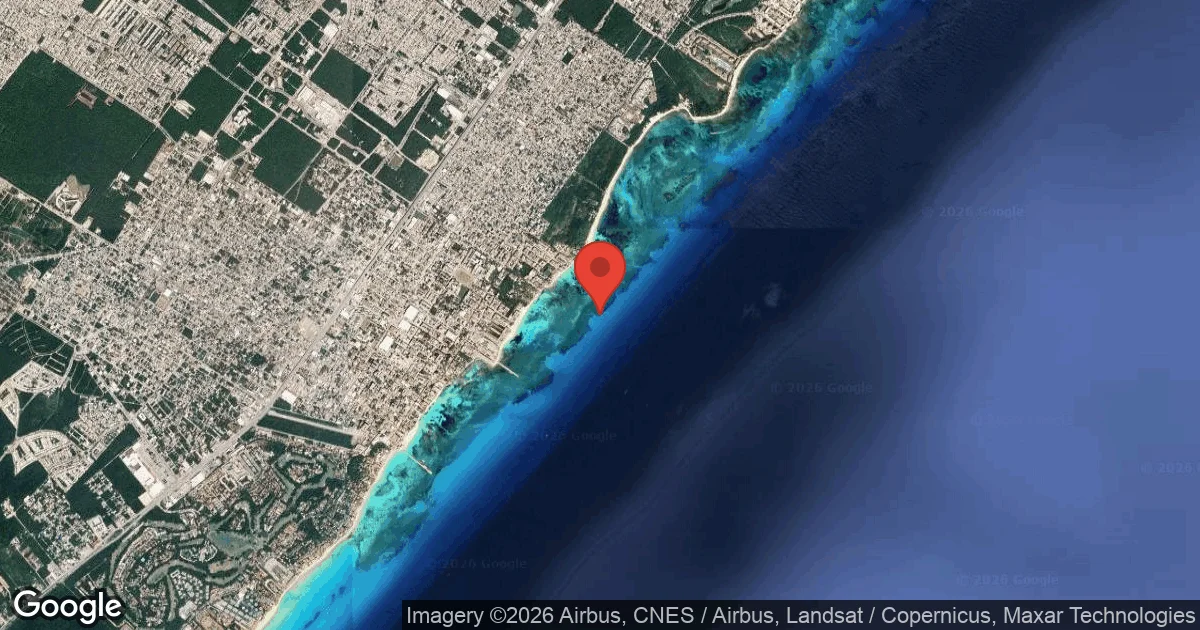
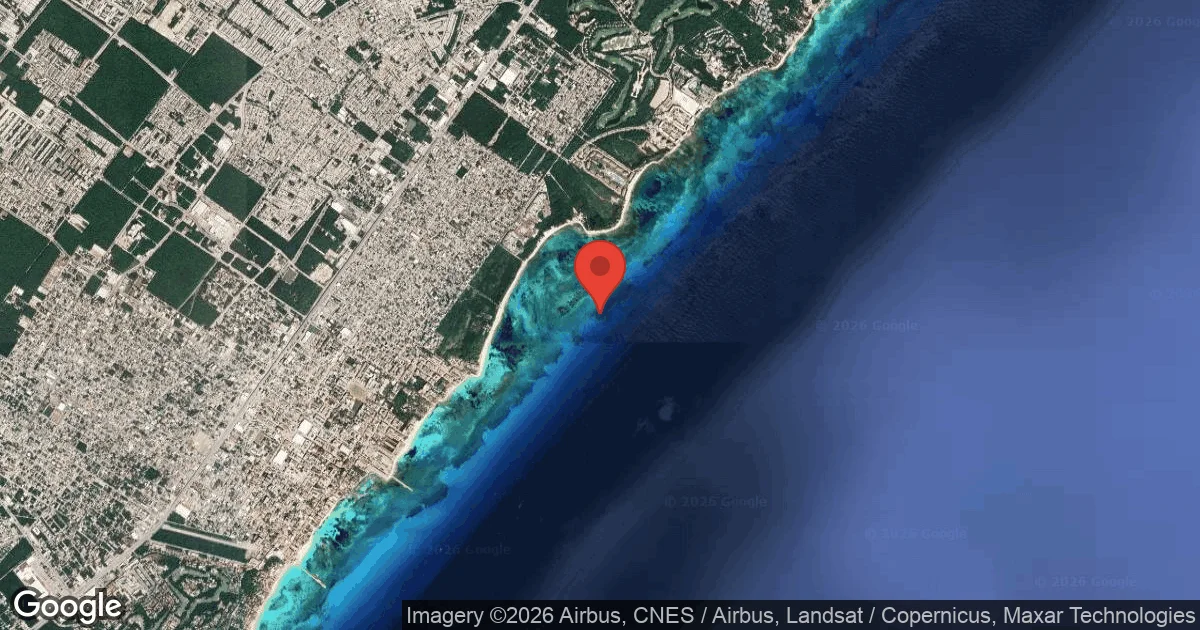
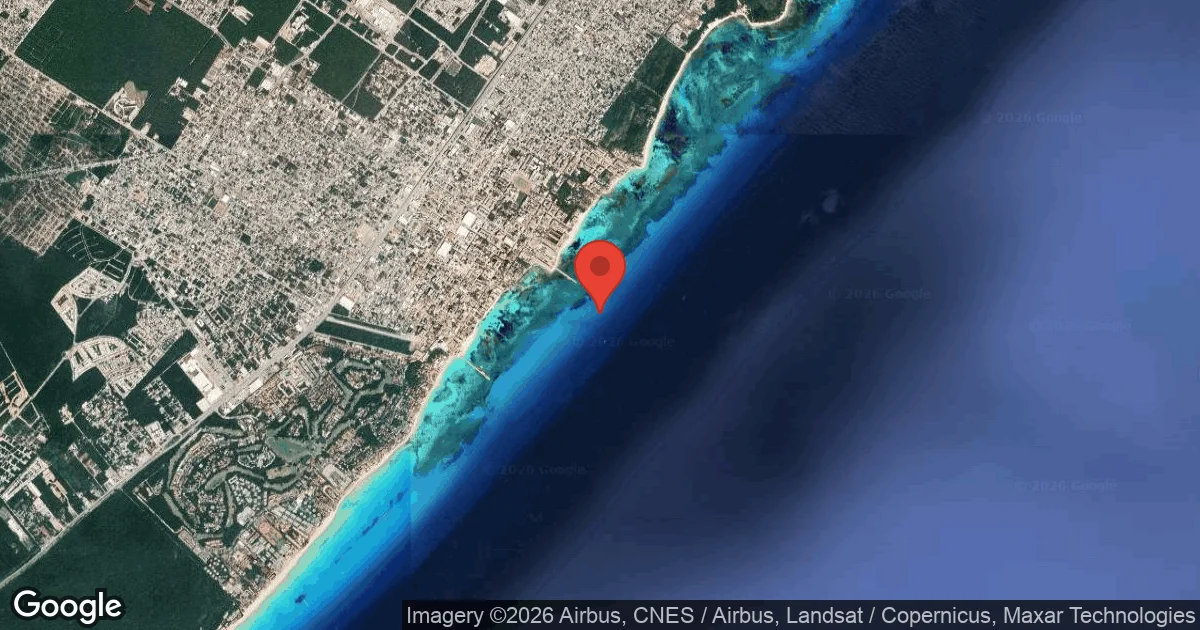
Tortugas reef, a substantial part of the Mesoamerican barrier reef, plays a crucial role in the rich marine diversity off Playa del Carmen. Its conformation is primarily a sprawling flat coral garden, covering approximately one square kilometer of seabed.
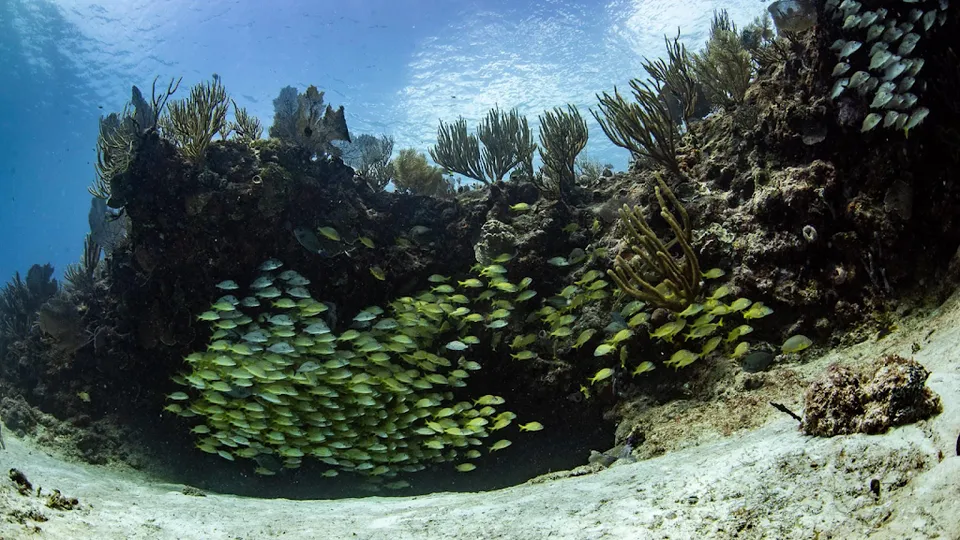
Upon descending, divers often begin a gentle drift, passing over seemingly endless sections of hard and soft corals interspersed with substantial barrel sponges. These vibrant structures, including brain corals and gorgonians, create a complex habitat, providing essential shelter for countless schools of Caribbean reef fish and various smaller invertebrates.
The terrain occasionally features sandy patches between the coral formations, adding to the visual variety. Dives typically involve entering at a greater depth, sometimes reaching the deeper limits of recreational diving, then gradually ascending into shallower reef areas.
This approach allows divers to maximize their bottom time safely and fully appreciate the site's extensive landscape. Exploring Tortugas offers a vivid example of the Caribbean's dynamic underwater environment, making each drift dive a distinct experience, where the current becomes your guide.
Conditions are Excellent
07:00 - 14:00
Optimal conditions expected
Current conditions near Tortugas show 30° air, 30° sea temperature, 0.3 m waves, and 8 km/h wind. Forecast data is refreshed regularly to ensure accuracy.
Best Time to Dive
Considering conditions for diving at Tortugas, the months from August through September often present excellent overall dive scores, characterized by reduced wave heights averaging around 0.4 m (1.3 ft). Throughout the year, dive scores consistently remain 'Good' or 'Excellent', indicating generally favorable conditions. Air temperatures are warmest from May to September, ranging from approximately 28°C (82°F) to 28.5°C (83°F), with the lowest rainfall reported in February and April, around 1 mm (0.04 in). Wind speeds are typically lower in late summer and early autumn, averaging 14.4-15.2 km/h (9-9.4 mph). This period can also coincide with the seasonal presence of bull sharks, an additional draw for some divers.
PEAK SEASON SCORE
Scores combine air & water temps, waves, wind & rainfall for overall conditions.
BEST MONTHS TO DIVE
Monthly records compiled from satellite and marine observation nodes over the last 3 years. Data provided by Open-Meteo and MET Norway.
Dive Experience & Conditions
Diving here provides a sensory journey through clear Caribbean waters, where visibility often remains good. The site is known for drift diving, where currents can range from low to moderately strong, requiring divers to maintain adequate buoyancy control. Such conditions allow for comfortable navigation along the reef's natural contours, minimizing exertion. A gently sloping reef provides accessible sections for open water divers to remain within recreational depth limits. This topography also reveals deeper zones, extending to advanced recreational depths for more experienced divers keen on further exploration. Many find the experience of slowly drifting over the expansive coral garden deeply immersive, with the currents guiding the exploration naturally. Occasional sandy patches interrupt the coral, adding textural variety to the underwater landscape and serving as resting spots for various bottom dwellers. Planning your dive to account for current strength ensures a smoother and more enjoyable experience for all certification levels.
Dive Difficulty & Safety Guidelines
To safely explore Tortugas, divers typically need Open Water Diver certification due to the presence of currents. Maintaining good buoyancy is essential for an enjoyable and safe dive, especially while drifting over the coral formations. This site isn't generally recommended for initial beginner training.
Divers often choose Tortugas for Advanced Open Water, Drift Diver, or Deep Diver specialty training, utilizing its varying depths and consistent currents. Always dive with a reputable guide familiar with local conditions and maintain situational awareness, particularly regarding your position relative to the boat and other divers.
Recommended Equipment
Current and surface separation risk. Local briefing strongly recommended.
- Dive Computer
- DSMB
- Reel / Spool
This gear list is based on verified equipment signals for Tortugas, Mexico. Always confirm final gear choices with your dive operator, guide, or liveaboard.
Recommended Dive Suit
In these water temperatures, dive skin or rash guard is a common choice for recreational diving. A hood or vest is suggested for sensitive divers due to surface winds. Longer dive profiles can make thermal protection more important than short exploratory dives.
At the moment, divers exploring Tortugas will likely experience water temperatures near 30°C (87°F). Surface air temperatures are resting at 30°C (87°F).
Weather models indicate a small drop in surface temperatures later this week. A significant temperature drop is forecast; strongly suggest bringing a backup warmer suit option. Bringing an additional thermal layer can be helpful if conditions change.
Due to technical issues with our weather providers, data hasn't been fetched for over 48 hours. The data above reflects the conditions at the time of the last successful fetch.
Emergency & Medical Support
Essential information to help you plan your dive trip to Tortugas.

Hyperbaric chambers are a critical part of dive safety infrastructure. Availability varies significantly by region, and not all dive areas have immediate access.
Before diving, it's recommended to:
- confirm nearest medical facilities
- check emergency procedures with local dive operators
- ensure dive insurance covers evacuation if required
Divers Alert Network
Diving emergency assistance available through DAN World.
+1-919-684-9111- 24/7 emergency hotline
- Diving medical assistance
- Evacuation coordination
Emergency contacts are provided for reference. Always verify local emergency services before diving.
Marine Life at Tortugas
Tortugas is a vibrant ecosystem supporting a diverse range of marine inhabitants. Cruising along the reef, divers frequently encounter schools of Caribbean reef fish, including French grunts and Atlantic spadefish.
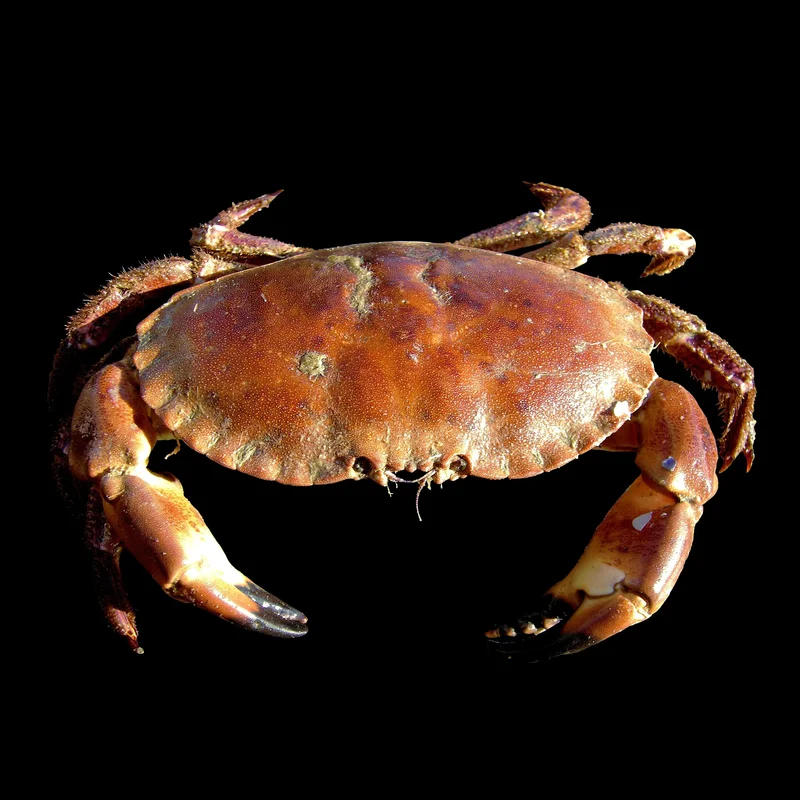
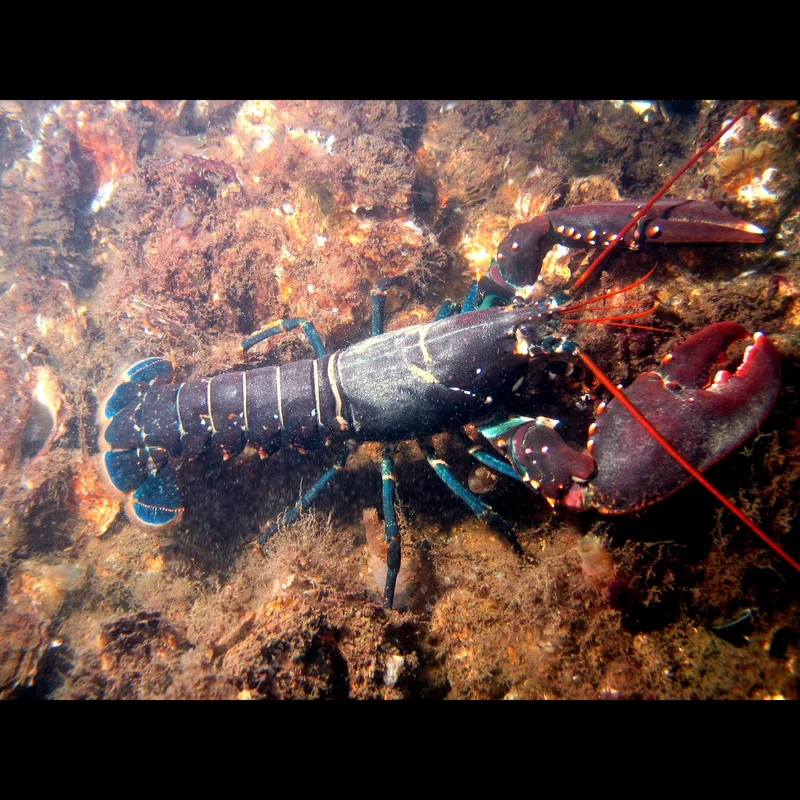
Large green moray eels are commonly sighted, often nestled among the coral formations, alongside smaller moray species. Keep an eye out for lobsters tucked within crevices and beneath reef structures.
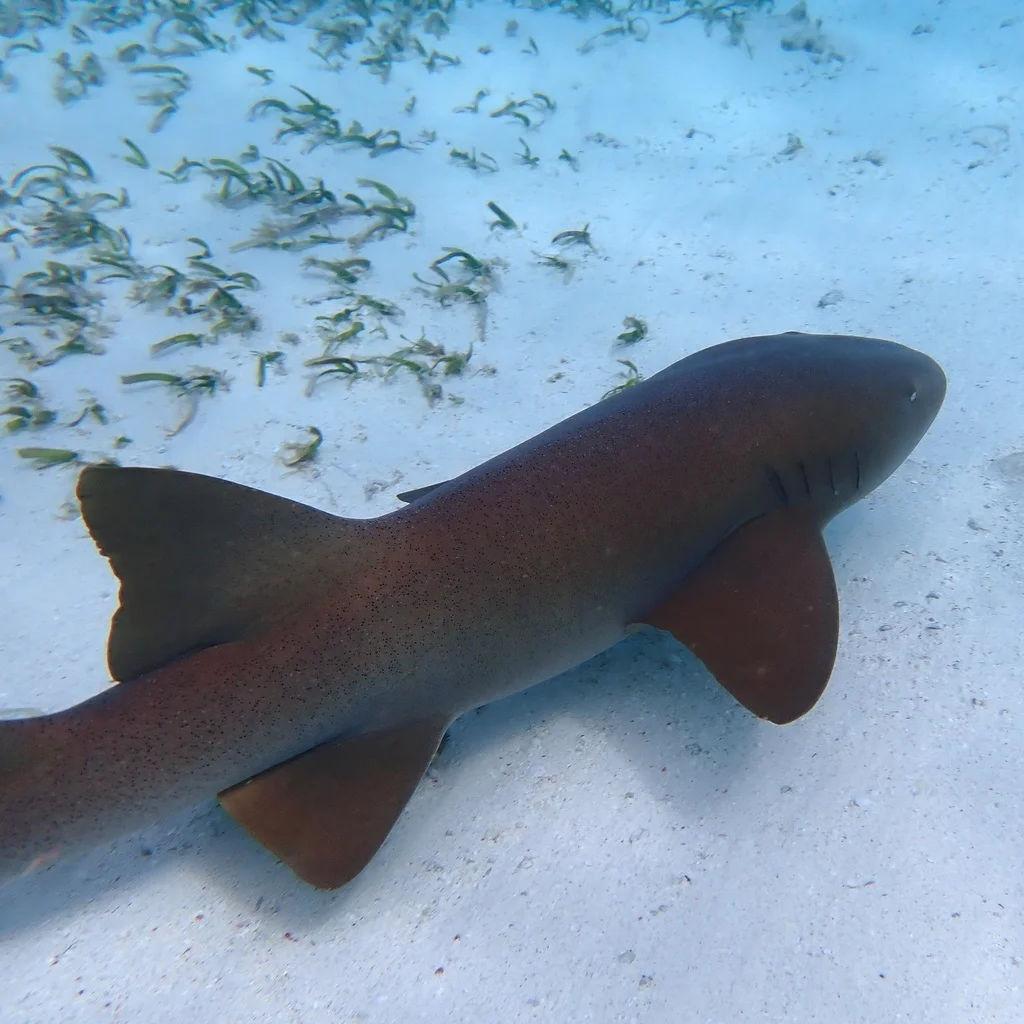
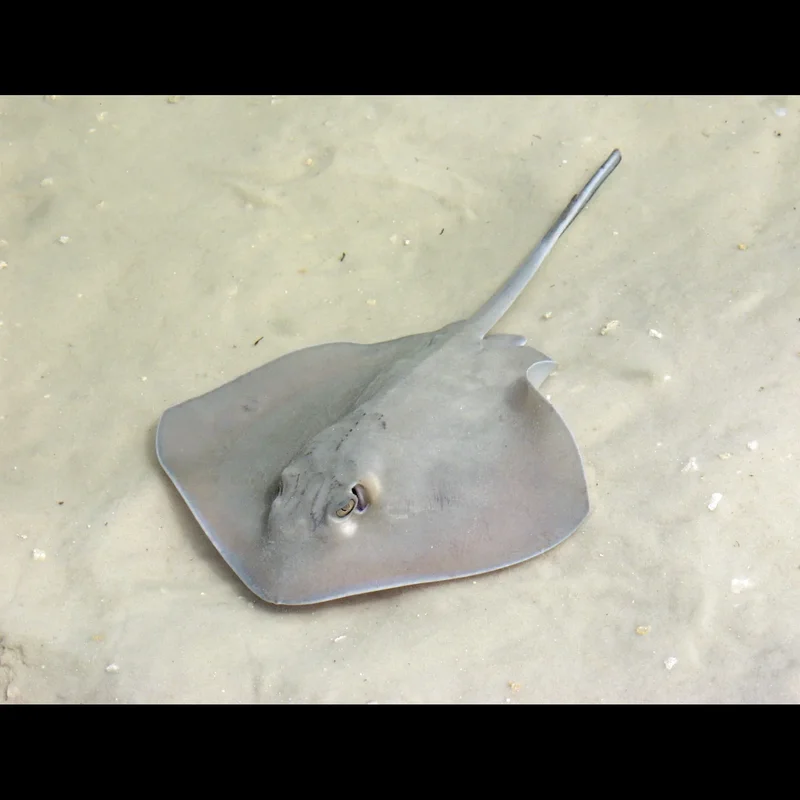
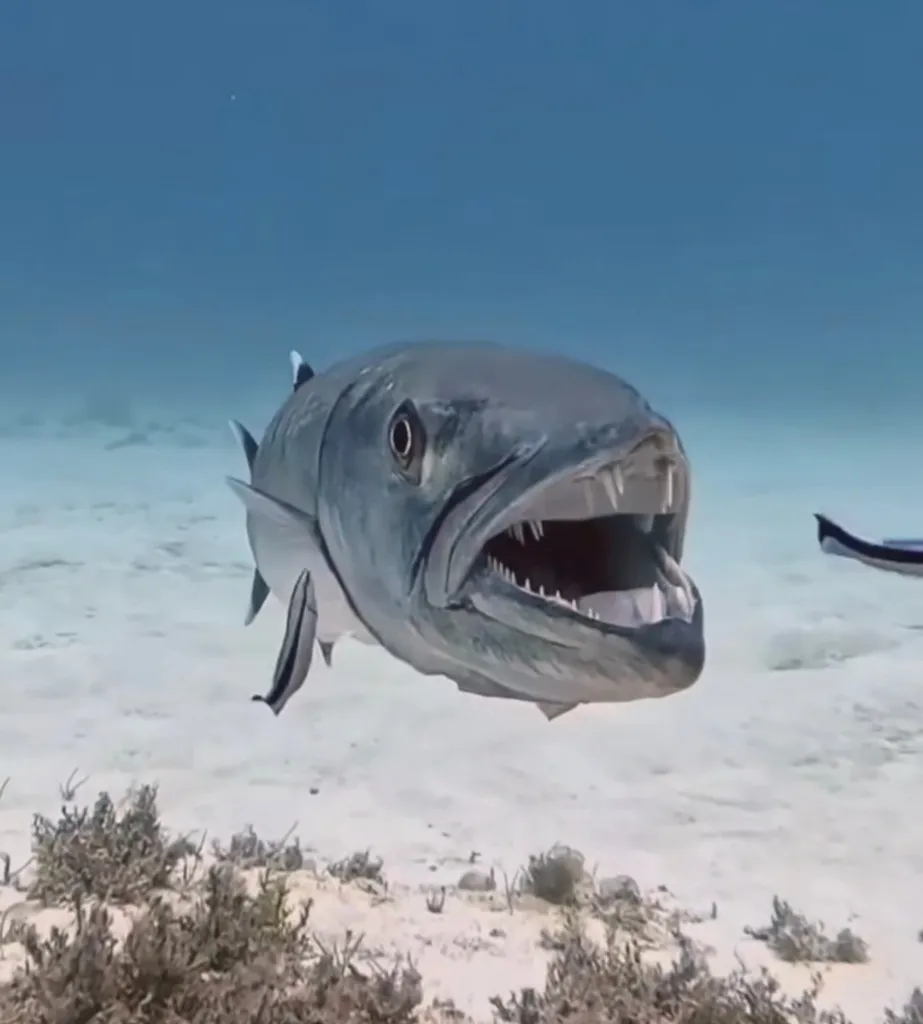
Southern stingrays and various turtle species are regular visitors. During specific seasons, nurse sharks may be present, and barracudas often hover in the current. Macro enthusiasts won't be disappointed, with flamingo tongue snails, cleaner shrimps, arrow crabs, drumfish, and Christmas tree worms frequently observed.
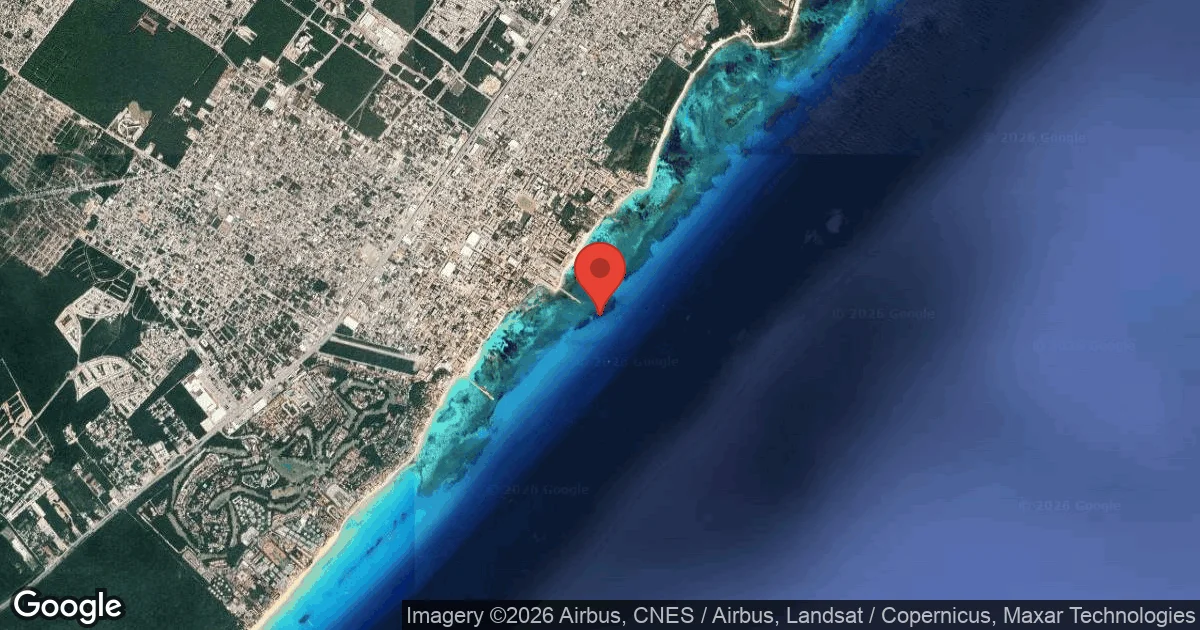
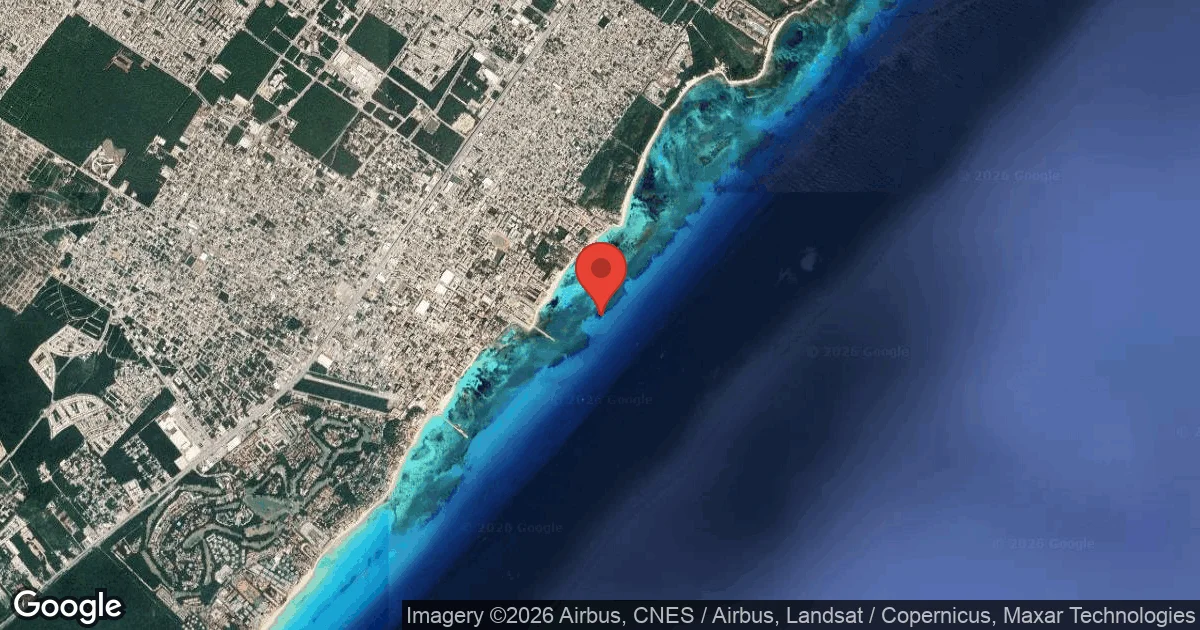
Dive Sites Near Tortugas
View all dive sites in MexicoDiscover more underwater gems in this area.
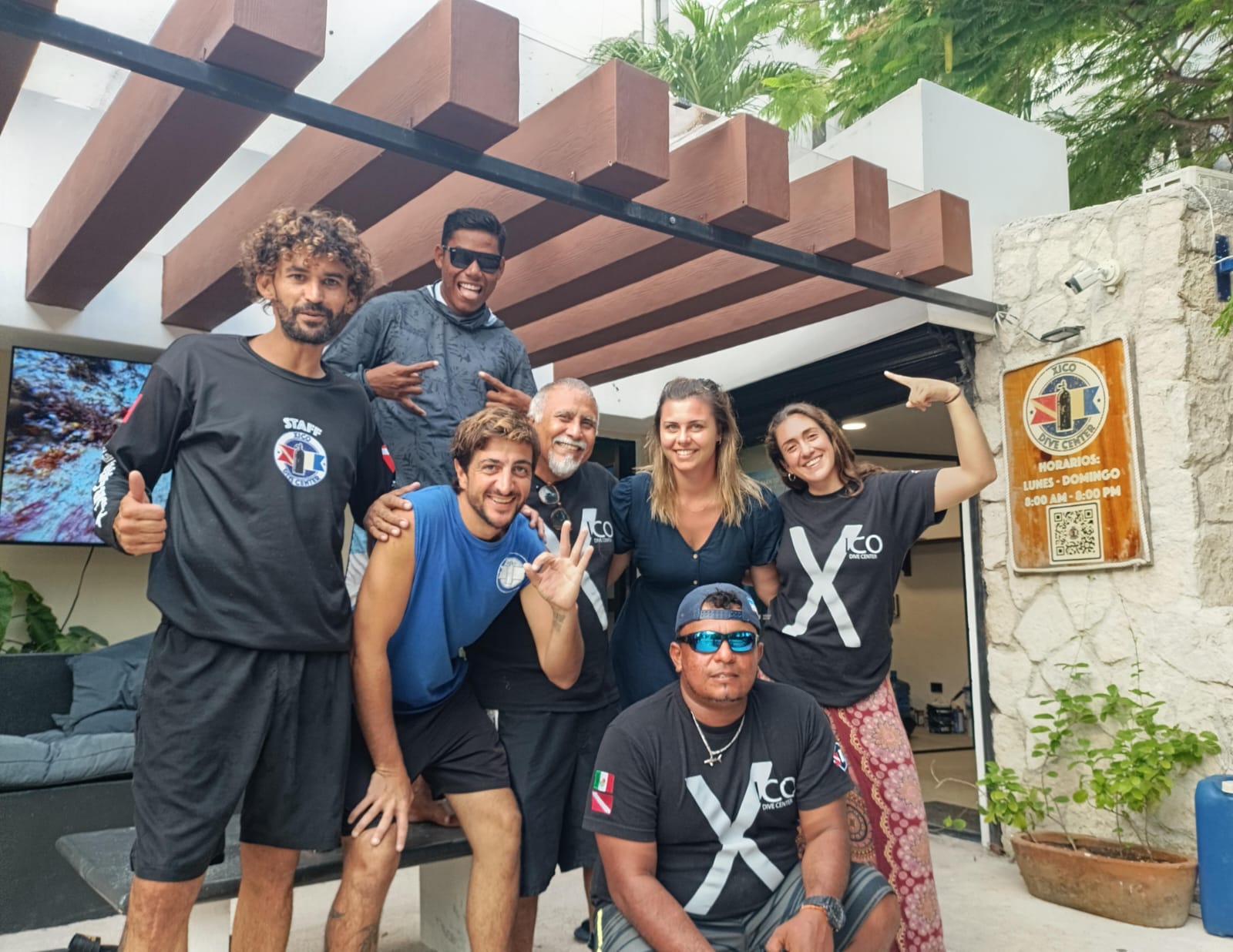
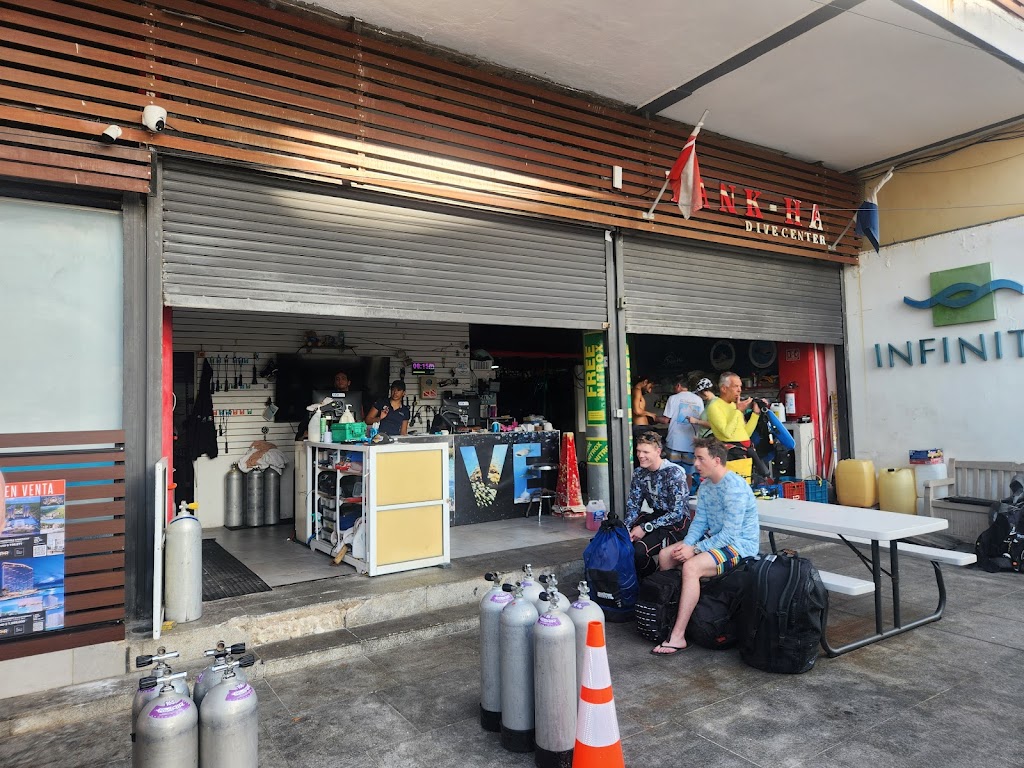
Dive Centers Near Tortugas
Today: 07:00 - 19:00

Nearest Airports
Nearest airports to help plan travel to this dive area.
Search Flights
Check available flights and routes on Expedia, using the nearby airports listed in this section.
Search Flights on ExpediaFrequently Asked Questions
What is the typical depth range at Tortugas?
The reef system covers a significant depth range, starting from approximately 13 m (43 ft) and gradually sloping down to around 35 m (115 ft). Such a varied profile allows both Open Water and more Advanced divers to explore different sections of the site.
Are there currents at Tortugas?
Yes, currents are typically present at Tortugas, making it a popular site for drift diving. While currents can vary from low to moderate, divers should be prepared for this and maintain good buoyancy control throughout the dive.
What marine life can I expect to see here?
Divers often encounter schools of Caribbean reef fish like French grunts and Atlantic spadefish, various moray eels, and lobsters. Encounters with southern stingrays, turtles, and nurse sharks are also common, with barracudas frequently seen hovering in the current.
What diver certification is required for Tortugas?
An Open Water Diver certification is generally required due to the currents that are usually present at the site. It is not typically used for initial training courses, as buoyancy control is important for enjoying the drift dive.
How long does a typical dive at Tortugas last?
Dive times typically range from 40 to 60 minutes, depending on individual air consumption and the chosen dive profile. Divers can extend their bottom time by starting deeper and gradually moving into shallower sections of the reef.
Can Tortugas be combined with other dive sites?
Yes, Tortugas is frequently combined with other nearby reef sites for a second dive, such as Sabalos or Barracuda Reefs. Some operators also pair it with the Mama Viña Wreck, though that specific wreck dive is generally for advanced divers.
How far is Tortugas from Playa del Carmen?
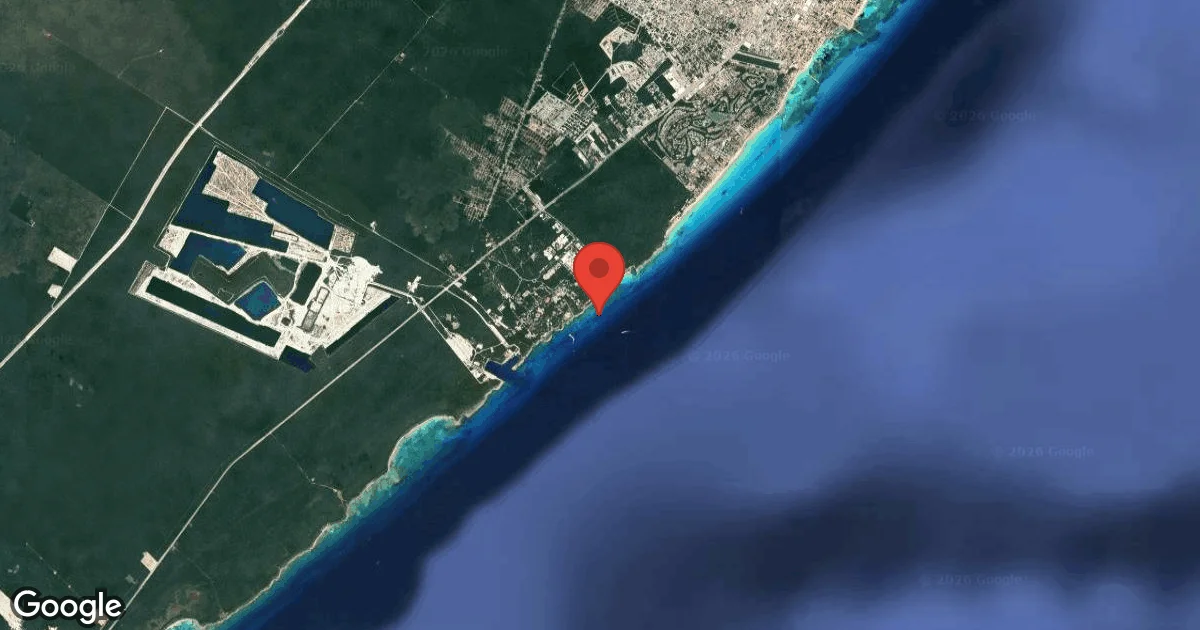
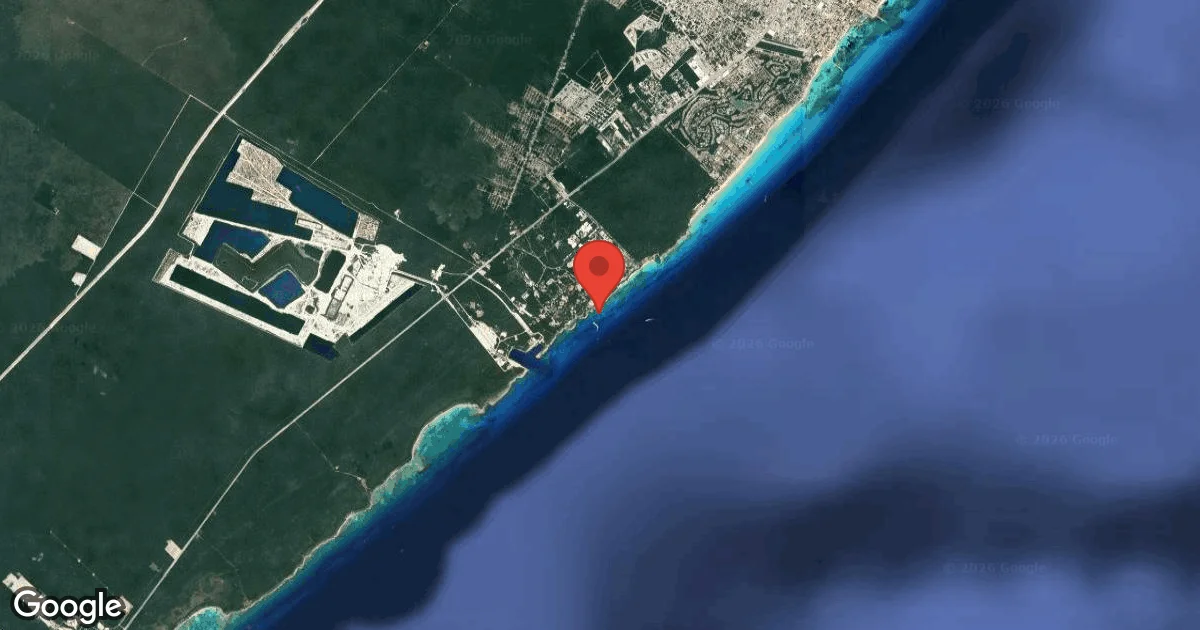
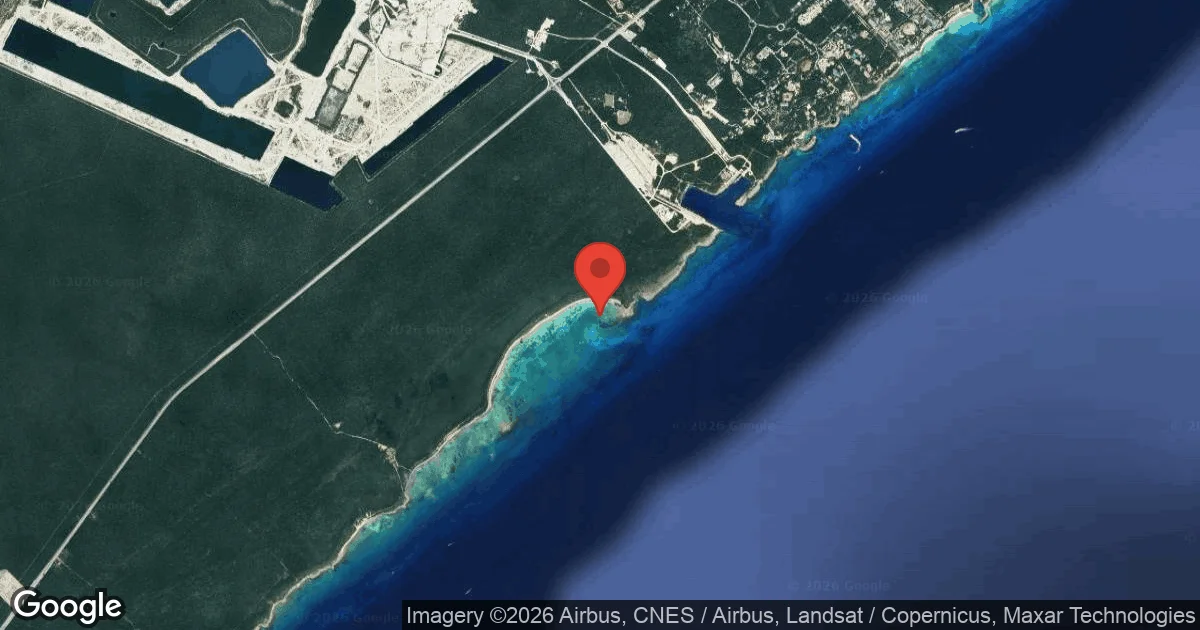
Tortugas Reef is conveniently located approximately 15 minutes south of Playa del Carmen by boat. Most dive operators depart from Coco-Beach, offering easy access to the site.
Planning to dive Tortugas?
Send one inquiry and receive offers directly from the best verified local dive operators.
Conditions are Excellent
07:00 - 14:00
Optimal conditions expected
Current conditions near Tortugas show 30° air, 30° sea temperature, 0.3 m waves, and 8 km/h wind. Forecast data is refreshed regularly to ensure accuracy.