
Diving at Shangrila (Mexico)
Imagine an accessible reef experience perfect for relaxed photography and observation. Shangrila Reef in Playa del Carmen provides a gentle introduction to Caribbean diving, often presenting calm conditions ideal for new divers or those seeking an unhurried exploration. Its shallow profile means more bottom time to truly immerse yourself in the vibrant, detailed marine life that thrives here, all within a sheltered environment.
As evening covers Shangrila, the local air temperature is measured at 32.5°C. The current wave height at the surface is recorded at 0.3 m. These late-day readings characterize the surface conditions for the night.
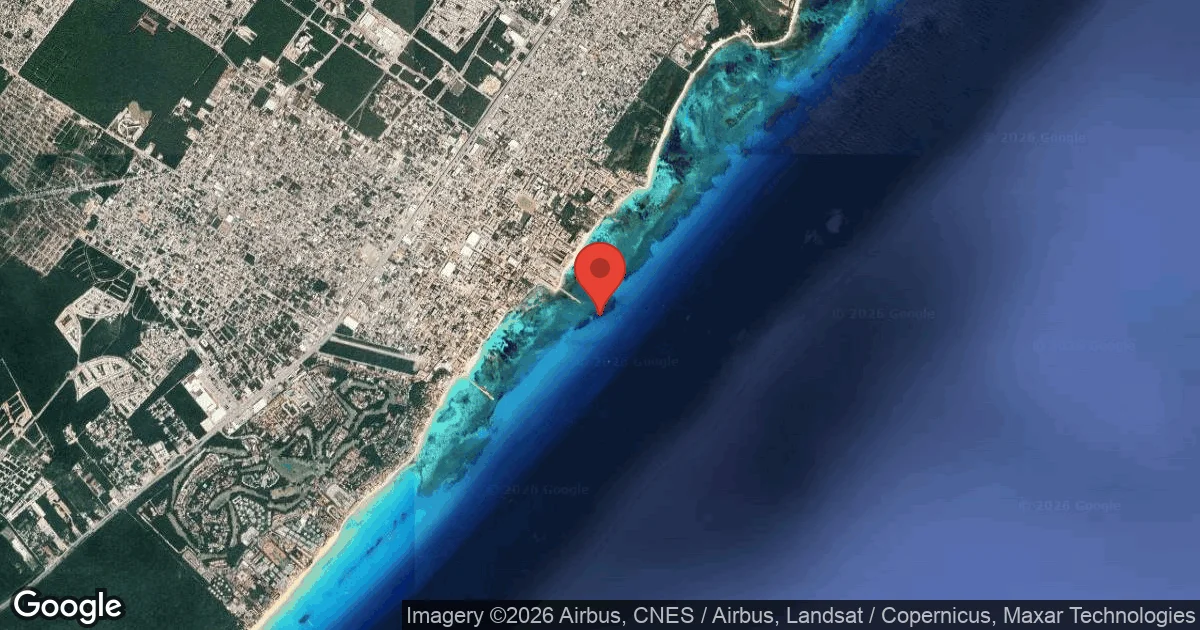
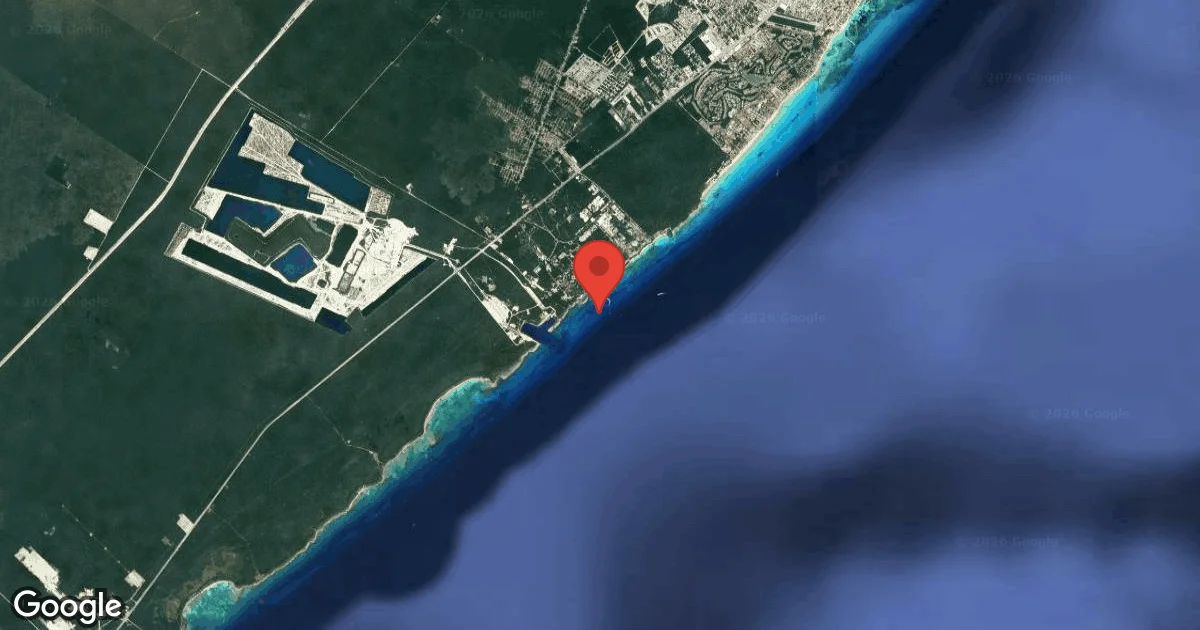
Dive Site Location & Key Facts
Dive Site Overview
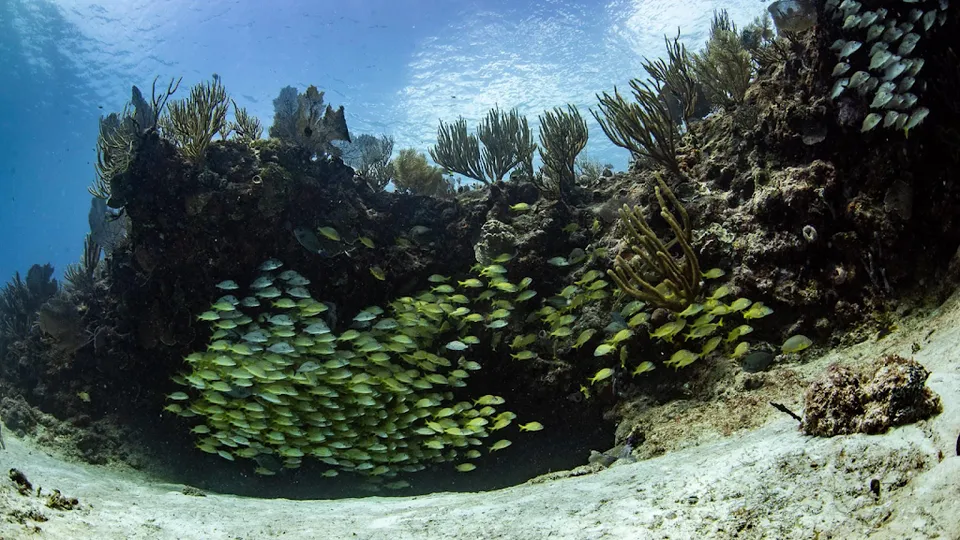
A shallow reef structure defines Shangrila, primarily a low-lying coral formation divers typically explore from south to north, keeping the reef to their left. Reaching a maximum depth around 9 meters (30 ft), this stands as one of Playa del Carmen's most accessible reefs, appealing especially to beginners.
While some reports note depths up to 11 meters (36 ft), the consistent profile remains shallow. Areas of sand interspersed with patches of hard coral and smaller, intricate features shape the topography. This relatively flat yet engaging landscape creates ample opportunities for divers to observe marine life at a comfortable pace.
Situated within a bay, it often shields itself from stronger oceanic currents, providing a generally calm environment. However, like many reef systems, localized or temporary drift conditions can sometimes be present, aligning with its classification as a drift dive.
Such mild movements, when present, can add a dynamic element to the dive, allowing for effortless gliding along the reef line. Its overall structure supports a diverse, yet often subtle, array of reef inhabitants, making patient observation a rewarding part of the experience.
Conditions are Excellent
07:00 - 14:00
Optimal conditions expected
Current conditions near Shangrila show 33° air, 30° sea temperature, 0.3 m waves, and 18 km/h wind. Forecast data is refreshed regularly to ensure accuracy.
Best Time to Dive
Subtle seasonal shifts influence the year-round good to excellent diving conditions at Shangrila. Winter months, from November through April, often present air temperatures averaging 24-27°C (75-81°F) with minimal rainfall, creating comfortably dry surface conditions. During this period, wave heights tend to be slightly more pronounced, around 0.7-0.8 meters, while wind speeds are generally higher, ranging 17-20 km/h. Conversely, summer and early fall, particularly August and September, frequently offer the calmest water conditions. These months consistently show the lowest average wave heights, often around 0.4 meters, combined with lighter winds of 14-15 km/h. Air temperatures during this warmer season rise to 28-29°C (82-84°F). While rainfall is slightly higher during summer, averaging 4-5 mm per month, it typically manifests as brief showers rather than prolonged periods, rarely impacting dive plans significantly. Overall, conditions remain highly favorable, making the choice between slightly cooler, drier air with more wind, or warmer, calmer waters with minimal rain, a matter of personal preference.
PEAK SEASON SCORE
Scores combine air & water temps, waves, wind & rainfall for overall conditions.
BEST MONTHS TO DIVE
Monthly records compiled from satellite and marine observation nodes over the last 3 years. Data provided by Open-Meteo and MET Norway.
Dive Experience & Conditions
Navigating a shallow depth profile at Shangrila makes it highly suitable for new divers or those working on buoyancy skills. A maximum depth of 9 meters (30 ft) allows for extended bottom times, providing ample opportunity to hone observation techniques. Typically, visibility extends to about 9 meters (30 ft), moderate yet sufficient for appreciating the reef's details. Conditions often characterize minimal to no current, particularly due to the site's position within a sheltered bay. A calm environment is a boon for underwater photographers seeking stable platforms. However, currents can vary, and divers should always be prepared for the possibility of light drift, especially on days with stronger offshore winds. Surface conditions are generally mild, with average wave heights ranging from 0.4 to 0.7 meters. Water temperatures, not consistently reported but generally warm for the region, ensure comfortable diving, often requiring only light exposure protection.
Dive Difficulty & Safety Guidelines
While generally considered a beginner-friendly site, divers should always monitor local conditions before entry. Although Shangrila is often sheltered from strong currents due to its bay location, occasional variable currents or localized surge can occur. Divers should assess the sea state and potential water movement, especially around any natural formations or contours of the reef.
Given the shallow profile, managing buoyancy is key to preventing accidental contact with the delicate coral and marine life. Maintaining a safe distance from the reef ensures its preservation and prevents accidental injury.
Always dive with a buddy and conduct thorough equipment checks prior to descent. It's also wise to carry a surface marker buoy (SMB) to enhance visibility to boat traffic, though boat activity isn't explicitly highlighted as a primary hazard here. Practicing responsible diving habits helps protect this accessible ecosystem.
Recommended Equipment
Current and surface separation risk. Local briefing strongly recommended.
- Dive Computer
- DSMB
- Reel / Spool
This gear list is based on verified equipment signals for Shangrila, Mexico. Always confirm final gear choices with your dive operator, guide, or liveaboard.
Recommended Dive Suit
Dive skin or rash guard usually provides adequate warmth in water around this temperature. Those diving at Shangrila today will likely encounter water temperatures in the region of 30°C (87°F). Surface air temperatures are resting at 33°C (91°F).
Surface temperatures may decrease slightly later in the week. A significant temperature drop is forecast; strongly suggest bringing a backup warmer suit option. Some divers bring an extra layer for surface intervals between dives.
Conditions can vary slightly across different parts of the same dive site.
Emergency & Medical Support
Essential information to help you plan your dive trip to Shangrila.

Hyperbaric chambers are a critical part of dive safety infrastructure. Availability varies significantly by region, and not all dive areas have immediate access.
Before diving, it's recommended to:
- confirm nearest medical facilities
- check emergency procedures with local dive operators
- ensure dive insurance covers evacuation if required
Divers Alert Network
Diving emergency assistance available through DAN World.
+1-919-684-9111- 24/7 emergency hotline
- Diving medical assistance
- Evacuation coordination
Emergency contacts are provided for reference. Always verify local emergency services before diving.
Marine Life at Shangrila
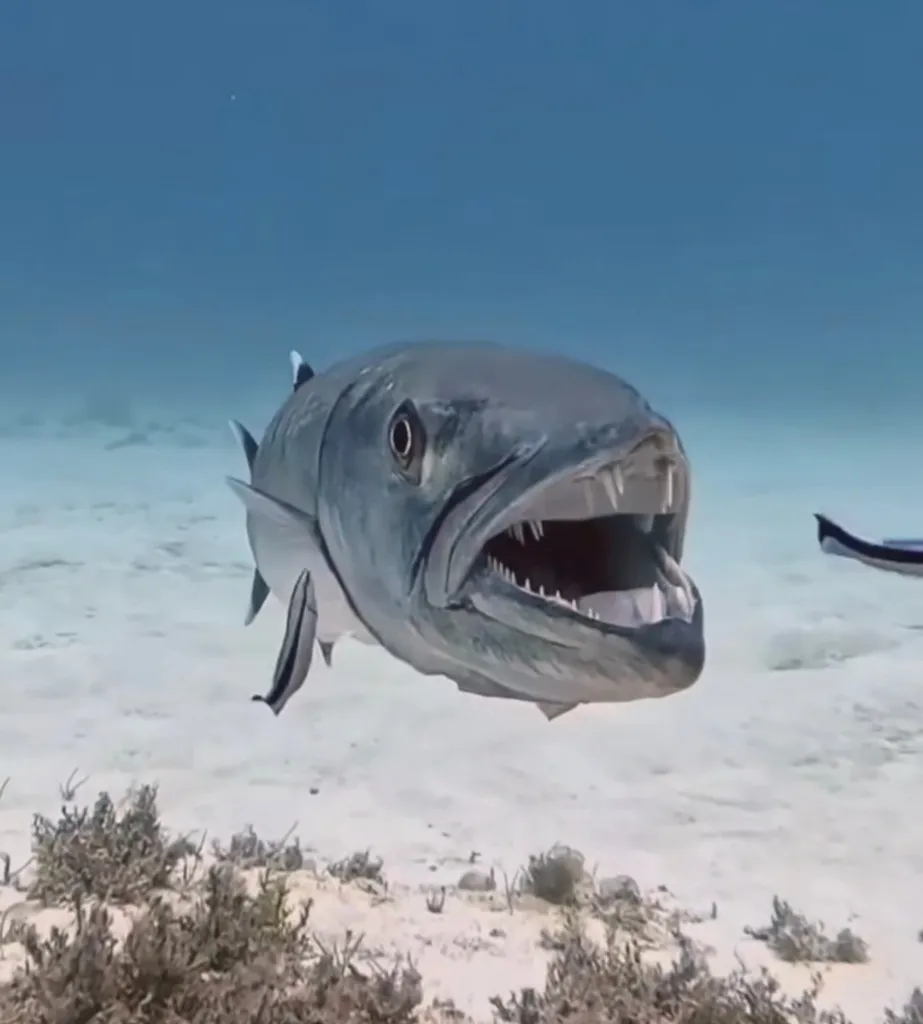
Shangrila's intimate reef landscape provides a home for a variety of smaller, resident species. Divers frequently encounter schools of Yellowstripe Grunts congregating over coral patches, alongside juvenile barracudas shimmering in the open water.
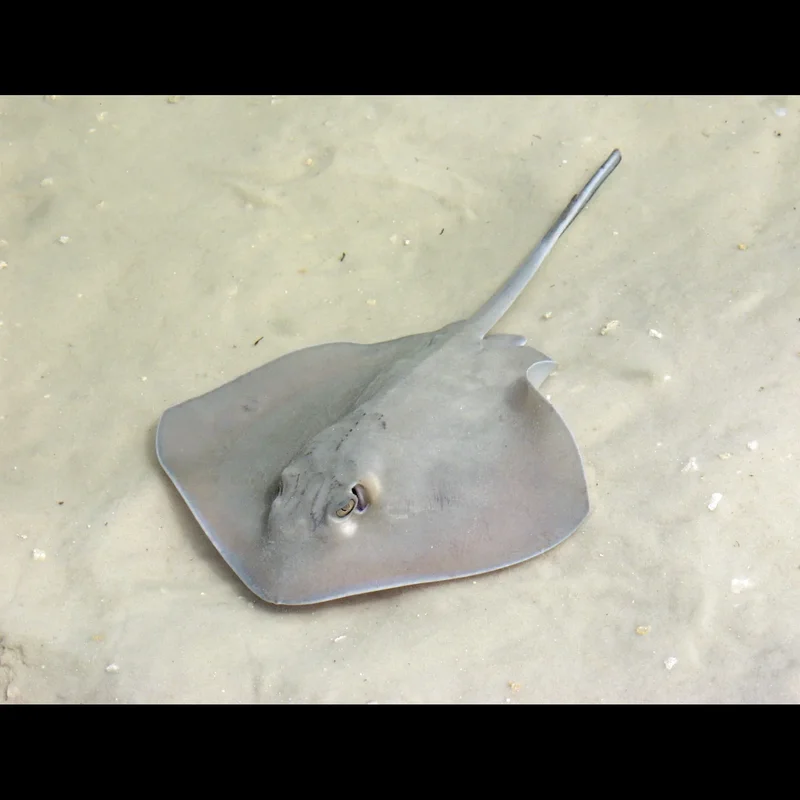
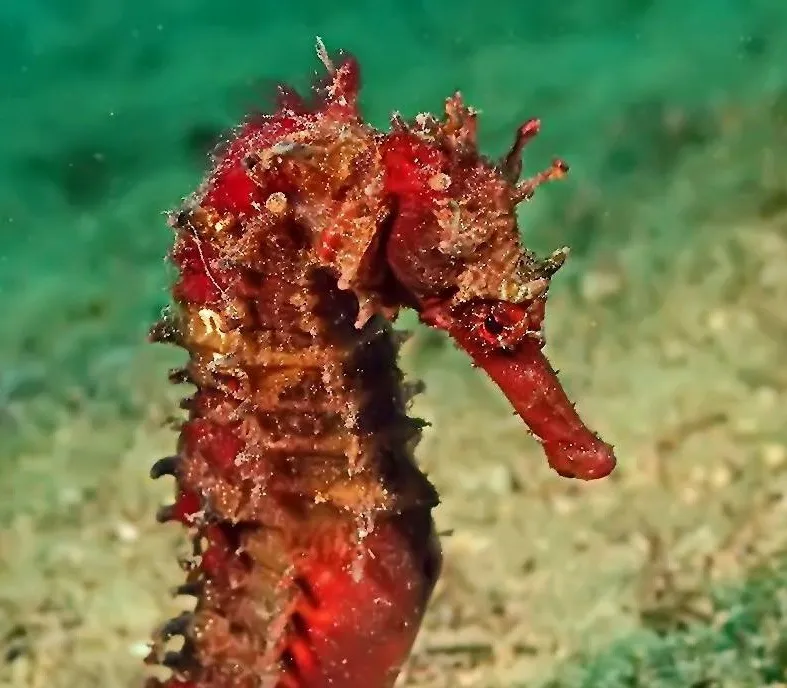
Keep a sharp eye on the sandy bottom for American stingrays resting, sometimes partially concealed. Shallower sections and coral crevices also reveal delicate nocturnal snails and seahorses for patient observers.
Occasional turtles may glide past, adding a dynamic element to the serene backdrop. Such an environment encourages a slower pace, rewarding careful exploration rather than wide-ranging movement, to fully appreciate the reef's smaller inhabitants.

Dive Sites Near Shangrila
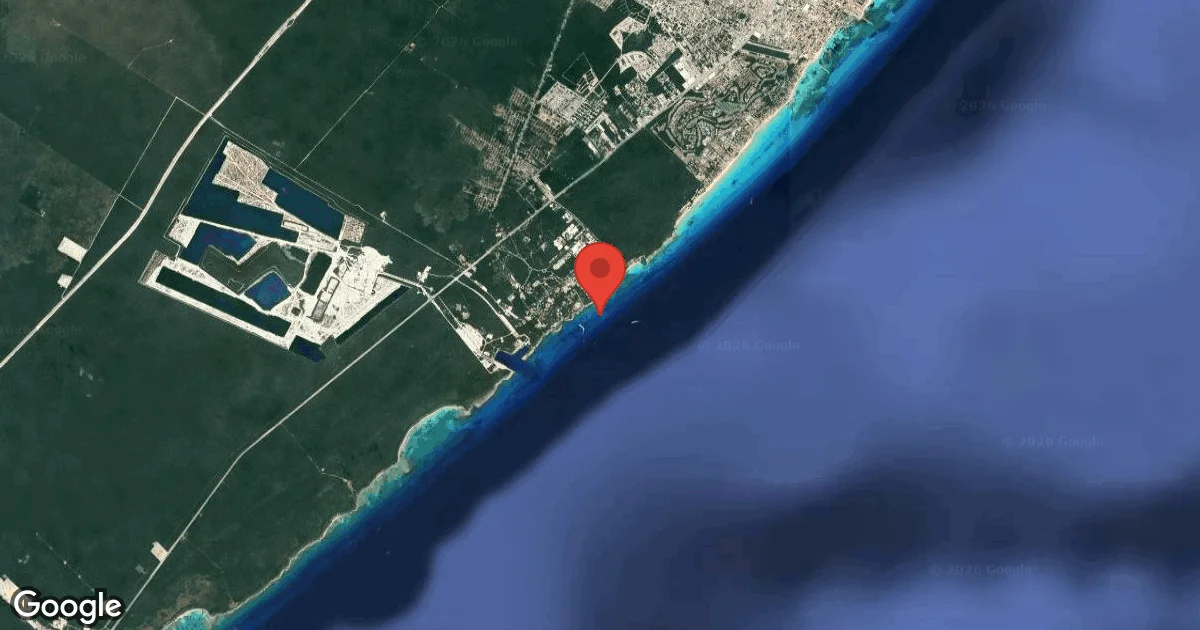
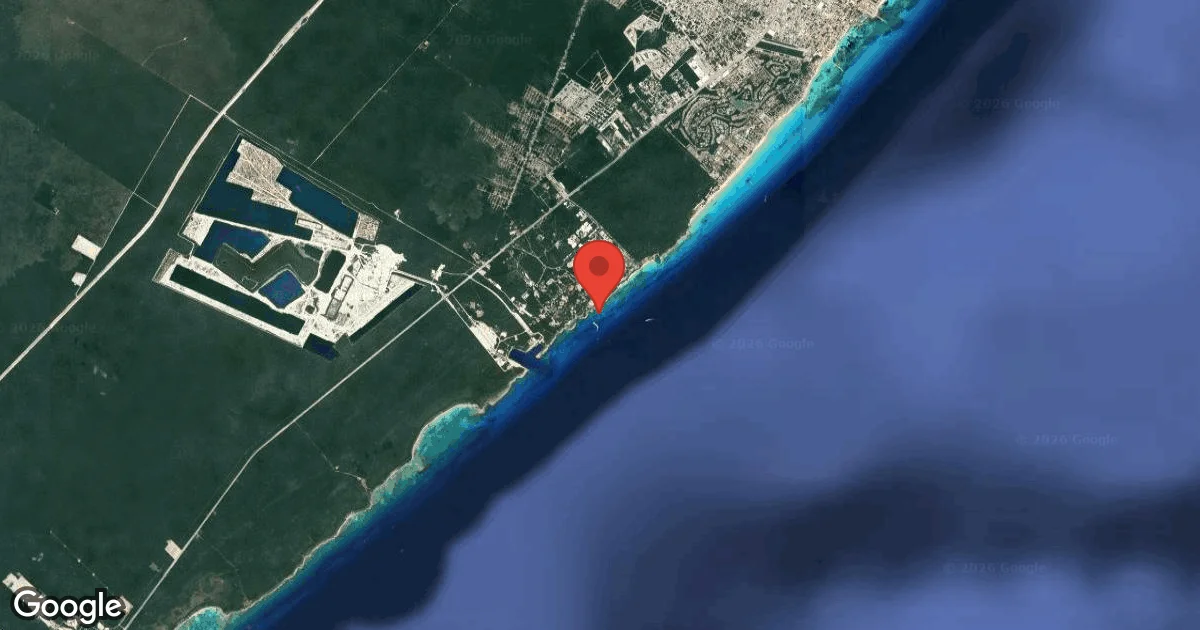
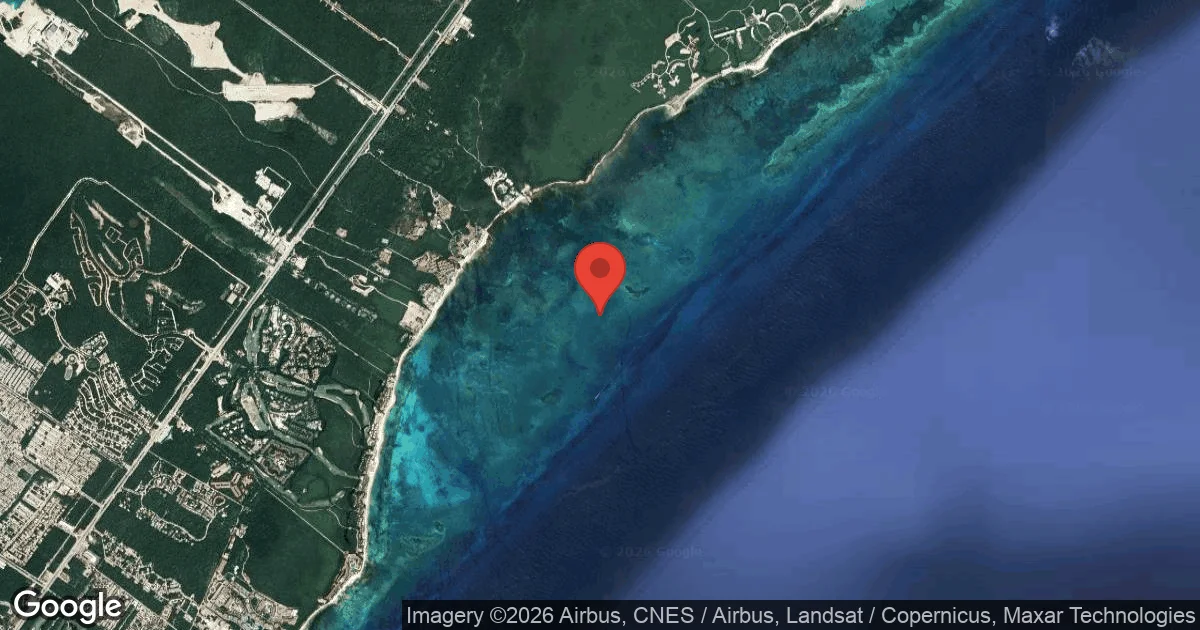
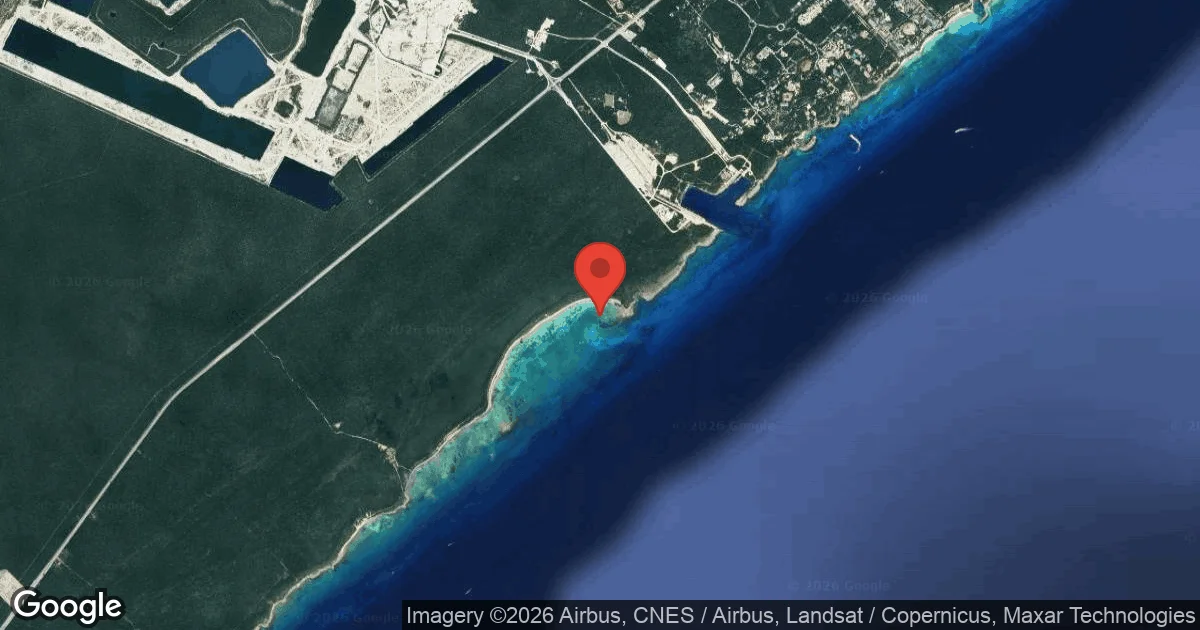
View all dive sites in MexicoDiscover more underwater gems in this area.
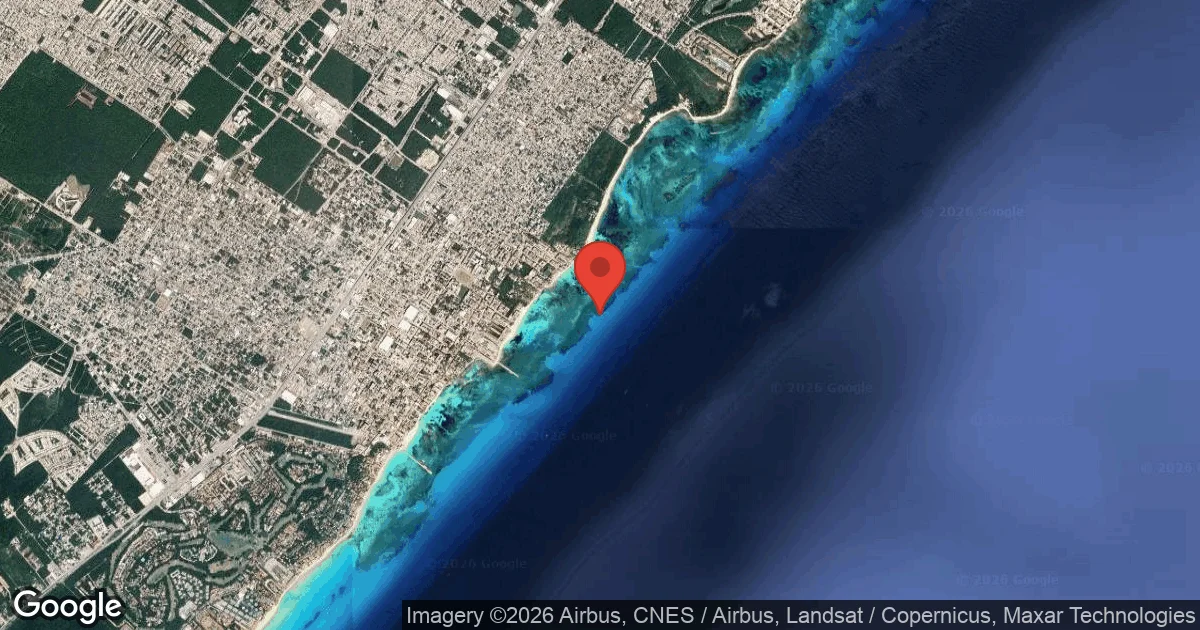
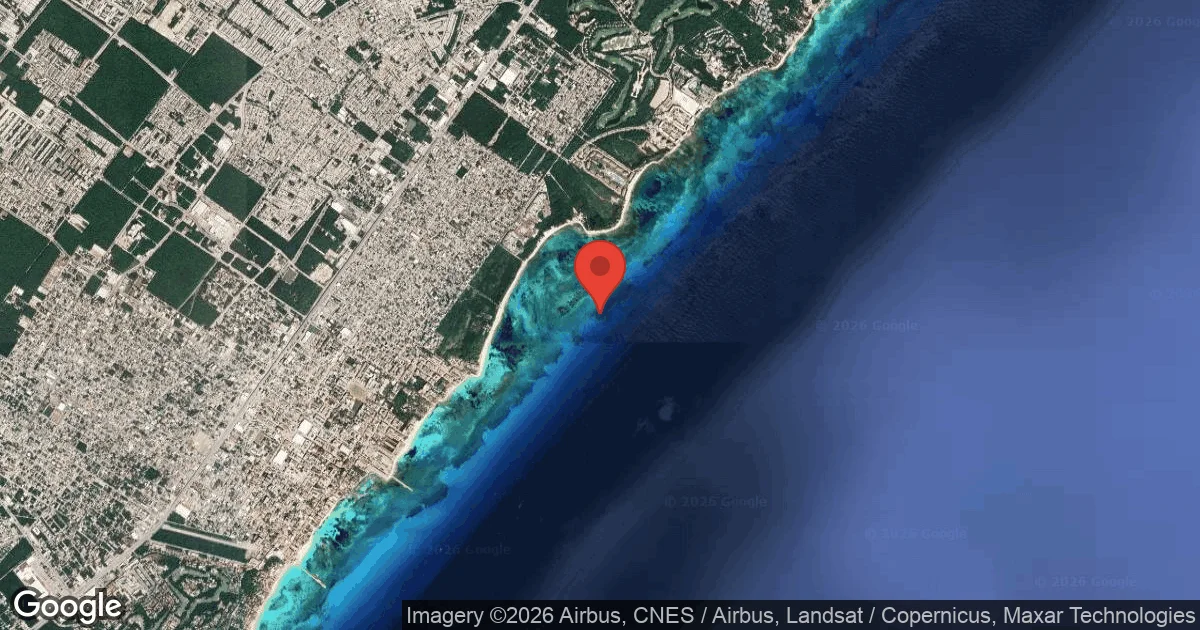
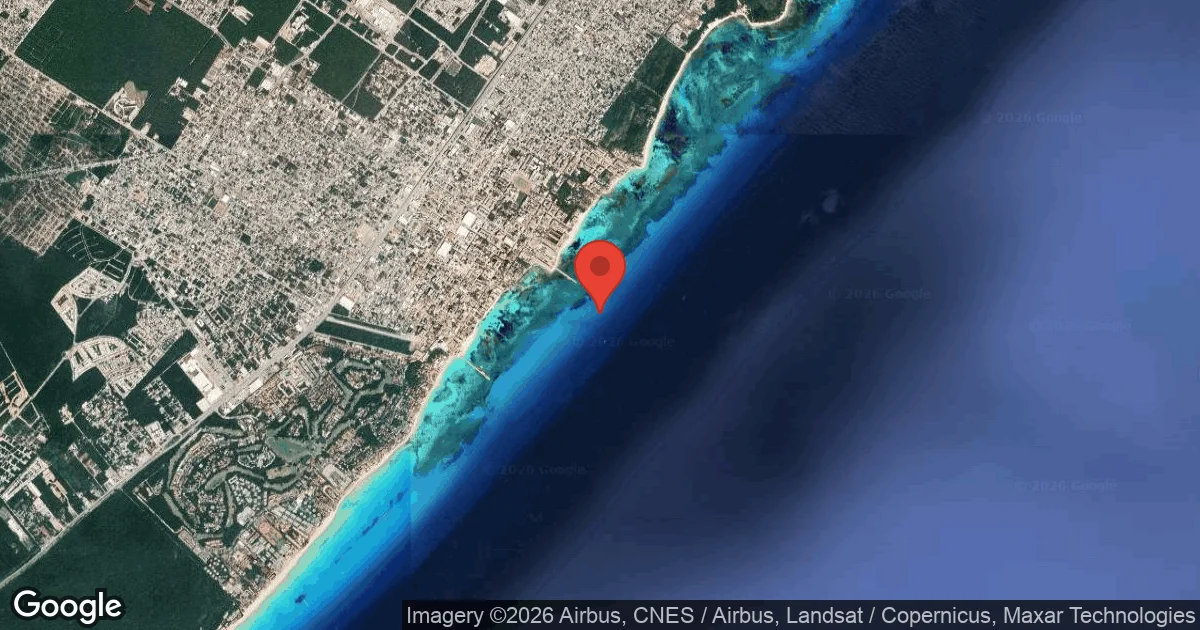
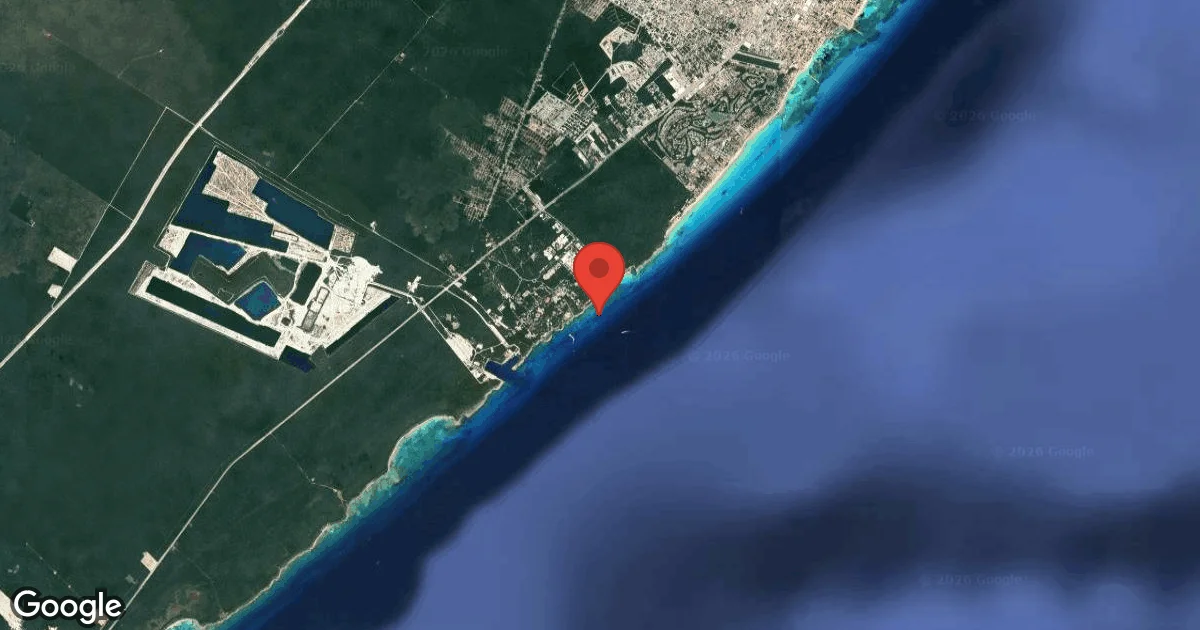
Dive Centers Near Shangrila
Today: 07:00 - 19:00

Nearest Airports
Nearest airports to help plan travel to this dive area.
Search Flights
Check available flights and routes on Expedia, using the nearby airports listed in this section.
Search Flights on ExpediaFrequently Asked Questions
How deep is Shangrila Reef?
The maximum depth at Shangrila Reef is generally around 9 meters (30 ft), making it one of the shallower reef dives in Playa del Carmen. Some reports may indicate slightly deeper areas up to 11 meters (36 ft).
Is Shangrila Reef suitable for beginner divers?
Yes, this site is highly recommended for beginners due to its shallow depth, often calm conditions, and protected location within a bay. It provides an excellent environment for skill development and relaxed exploration.
What kind of marine life can I expect to see?
You can often spot Yellowstripe Grunts, juvenile barracudas, and American stingrays. Patient divers might also find nocturnal snails and seahorses, and turtles are occasionally encountered.
What are the typical water conditions like at Shangrila?
Shangrila Reef usually experiences minimal to no current, benefiting from its sheltered bay position. Visibility is commonly around 9 meters (30 ft), and water temperatures are consistently warm.
When is the best time to dive at Shangrila Reef?
Diving is good to excellent year-round. For the calmest waters, consider visiting during August and September, when waves are lowest and winds are lighter.
Are there any specific hazards at Shangrila Reef?
While generally calm, occasional variable currents or localized surge can occur. Divers should practice good buoyancy control to avoid contact with the reef and always be aware of their surroundings.
Planning to dive Shangrila?
Send one inquiry and receive offers directly from the best verified local dive operators.
Conditions are Excellent
07:00 - 14:00
Optimal conditions expected
Current conditions near Shangrila show 33° air, 30° sea temperature, 0.3 m waves, and 18 km/h wind. Forecast data is refreshed regularly to ensure accuracy.