
Diving at El Reef (Mexico)
Planning a dive at El Reef means preparing for the dynamic underwater environments of Cozumel. Divers here encounter diverse reef structures, from shallow, accessible sites to deeper walls. Expect currents that lend themselves to drift diving, allowing for a relaxed exploration of vibrant coral formations. This Mexican diving destination caters to a range of skill levels, promising engaging encounters beneath the surface. Each dive reveals distinct topography and marine interactions, making it an ever-evolving experience.
As evening covers El Reef, the local air temperature is measured at 22.5°C. The current wave height at the surface is recorded at 1.1 m. These late-day readings characterize the surface conditions for the night.
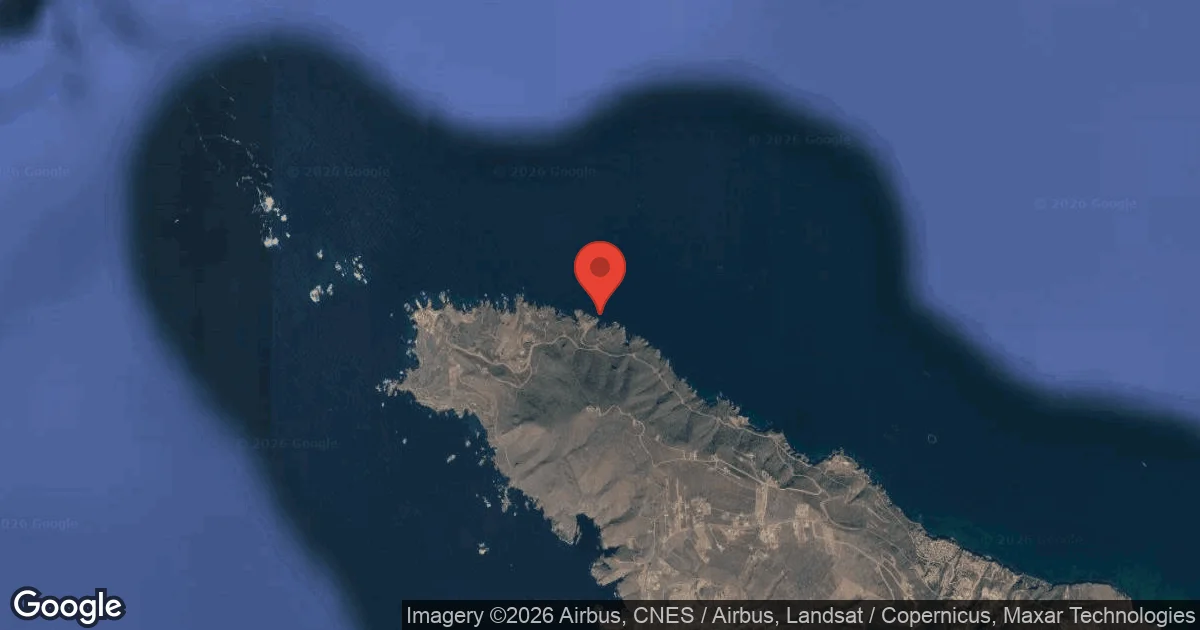
Dive Site Location & Key Facts
Dive Site Overview
The reef system often referred to as El Reef represents a segment of Cozumel's extensive underwater landscape, a destination with a long-standing history in the global diving community. For over two decades, divers have explored these Caribbean waters, drawn by vibrant coral gardens and distinct topography.
Paradise Reef, easily accessible near the San Miguel cruise ship dock, has served as an introductory point for many, often with depths around 8-12 m (25-40 ft), making it ideal for initial training. Conversely, more experienced divers can explore areas such as Santa Rosa Wall, known for its deeper sections, or Columbia Reef at the island's southern tip, presenting intricate structures of barrel sponges, arches, and coral needles.
Consistent water movement across these reefs contributes to the thriving ecosystem. Throughout the years, diverse character of Cozumel's reefs has allowed for a variety of dive profiles, from leisurely shallow explorations to more advanced drift dives along significant walls.
The site's reputation stems from its reliable conditions and sheer variety of its sub-sites, each offering a slightly different challenge and visual spectacle.
Conditions are Good
Optimal conditions expected
Current conditions near El Reef show 23° air, 24° sea temperature, 1.3 m waves, and 35 km/h wind. Forecast data is refreshed regularly to ensure accuracy.
Best Time to Dive
For the most comfortable diving, consider planning your trip during the warmer, drier months, typically from June through September. During this period, the dive score generally sits at 'Good', indicating favorable conditions. Air temperatures typically reach their peak, averaging around 18-21°C (64-70°F), and rainfall is minimal, often less than 1 mm (0.04 inches) in July and August. This translates to calmer surface conditions and generally better visibility. Conversely, cooler months from December to March see 'Moderate' dive scores. Air temperatures average 14-15°C (57-59°F), and while still low, rainfall is comparatively higher, reaching over 3 mm (0.12 inches) in March. Waves also tend to be higher during these cooler months, potentially making boat rides less smooth. Many divers prefer the summer's warmth and tranquility, but the reef remains diveable year-round, simply requiring adjustments for varying surface conditions.
PEAK SEASON SCORE
Scores combine air & water temps, waves, wind & rainfall for overall conditions.
BEST MONTHS TO DIVE
Monthly records compiled from satellite and marine observation nodes over the last 3 years. Data provided by Open-Meteo and MET Norway.
Dive Experience & Conditions
Upon entering the water at El Reef, divers immediately notice the pervasive current, a characteristic feature that defines many Cozumel dives as drifts. As you descend, reef structures unfold, varying from gentle slopes to dramatic walls. In shallower sections, like Paradise Reef, depth hovers around 8-12 m (25-40 ft), offering ample light penetration and expansive views of coral formations. Dropping deeper along sites such as Santa Rosa Shallow, you might find yourself exploring depths between 6-15 m (20-50 ft), where reef face transitions, often revealing more intricate details. These varying depths and currents create a dynamic environment. Expect water temperature to be consistently warm, though specific readings are not consistently reported for this exact site. Visibility typically remains excellent, allowing distant reef features to emerge clearly from the blue. Currents, while steady, are generally manageable for certified divers accustomed to drift profiles.
Dive Difficulty & Safety Guidelines
An essential tip for diving El Reef is to embrace the drift. Pervasive currents in Cozumel are part of the experience, making good buoyancy control and streamlined gear crucial. Always stay close to your dive guide, as they are expert in navigating the reef and managing current flow.
Maintain adequate safety stops, especially after deeper sections, and monitor your air consumption, as drift dives can sometimes lead to covering greater distances than anticipated. Be mindful of boat traffic, particularly near shore areas or popular entry points like those close to cruise ship docks.
While major hazards are not consistently reported, always conduct thorough equipment checks and review emergency procedures with your dive group. Respect for delicate coral formations is paramount; avoid contact with the reef to preserve its health.
Recommended Equipment
Current and surface separation risk. Local briefing strongly recommended.
- Dive Computer
- DSMB
- Reel / Spool
This gear list is based on verified equipment signals for El Reef, Mexico. Always confirm final gear choices with your dive operator, guide, or liveaboard.
Recommended Dive Suit
For divers planning standard recreational dives, 3-5mm wetsuit is usually a suitable option. A hood or vest is suggested for sensitive divers due to surface winds. Surface intervals may feel cooler. Divers vary widely in how quickly they feel cold underwater.
The waters surrounding El Reef are currently maintaining temperatures close to 24°C (74°F). Surface air temperatures are resting at 23°C (73°F).
The upcoming forecast points to generally steady conditions in the area.
Due to technical issues with our weather providers, data hasn't been fetched for over 48 hours. The data above reflects the conditions at the time of the last successful fetch.
Emergency & Medical Support
Essential information to help you plan your dive trip to El Reef.

Hyperbaric chambers are a critical part of dive safety infrastructure. Availability varies significantly by region, and not all dive areas have immediate access.
Before diving, it's recommended to:
- confirm nearest medical facilities
- check emergency procedures with local dive operators
- ensure dive insurance covers evacuation if required
Divers Alert Network
Diving emergency assistance available through DAN World.
+1-919-684-9111- 24/7 emergency hotline
- Diving medical assistance
- Evacuation coordination
Emergency contacts are provided for reference. Always verify local emergency services before diving.
Marine Life at El Reef
An underwater landscape at El Reef provides a backdrop for diverse marine encounters. Within the architectural complexity of the reef, look for barrel sponges, large sea fans, and widespread coral formations that shelter various species.
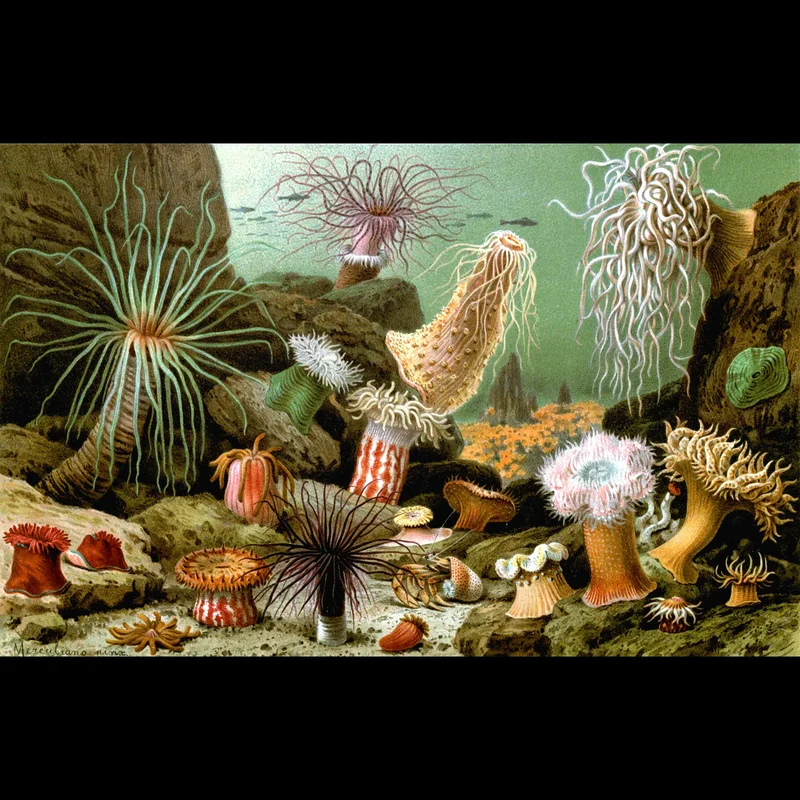
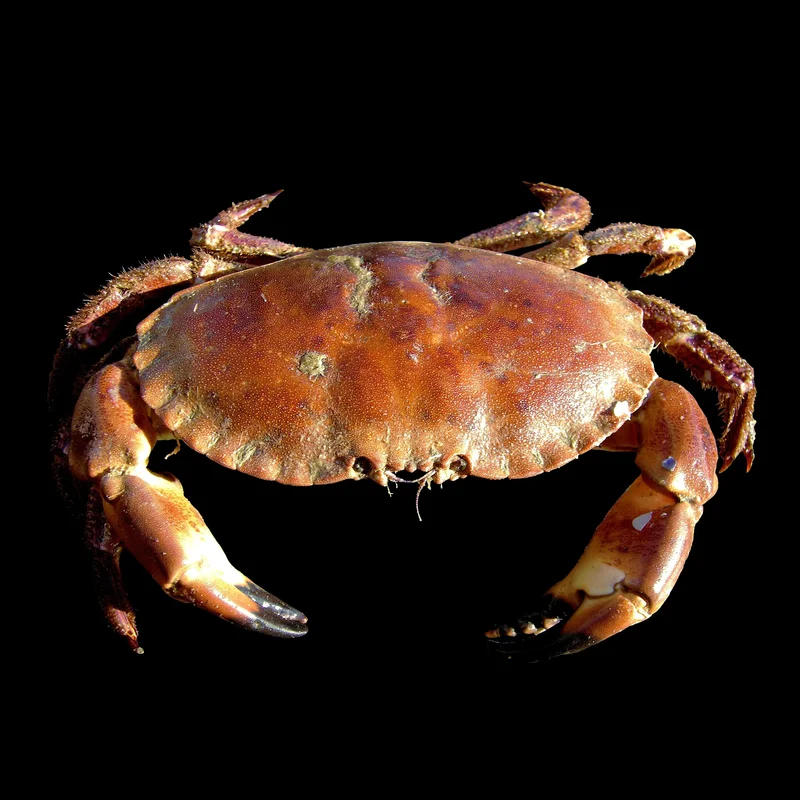
Such structures create numerous nooks and crannies where smaller reef fish often congregate. Anemones frequently dot the coral surfaces, occasionally hosting symbiotic cleaner shrimp or small crabs.
While specific species aren't consistently detailed across all sites, the Cozumel reef system generally supports a healthy population of Caribbean reef fish. Keep an eye out for inhabitants like smooth trunkfish, often seen navigating among the corals.

Dive Sites Near El Reef
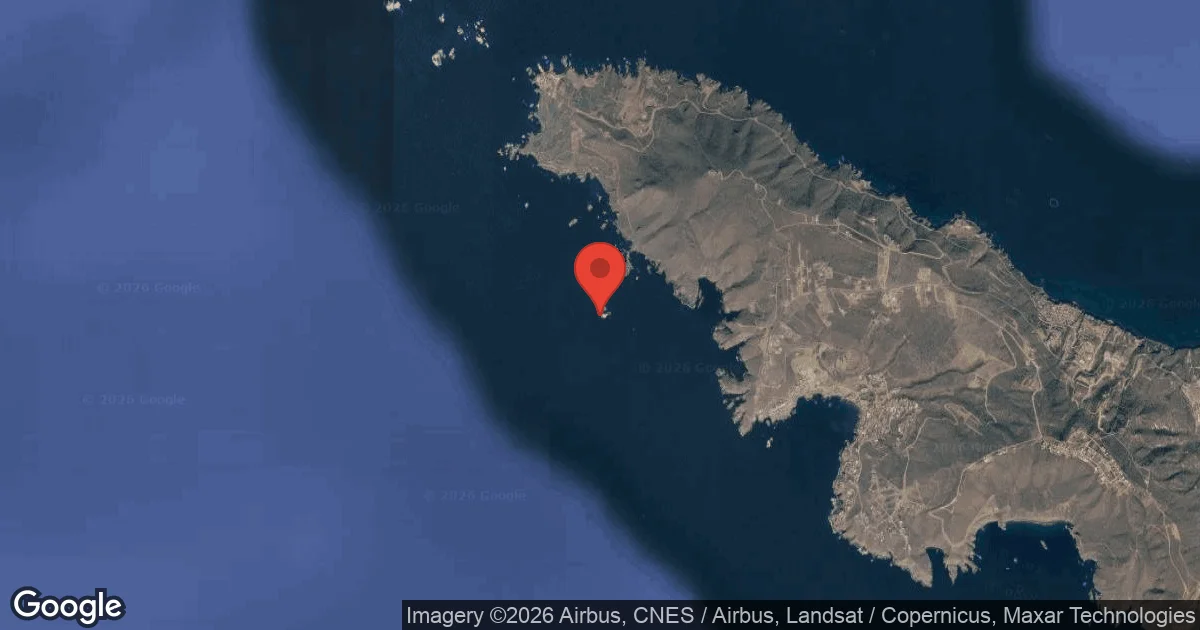
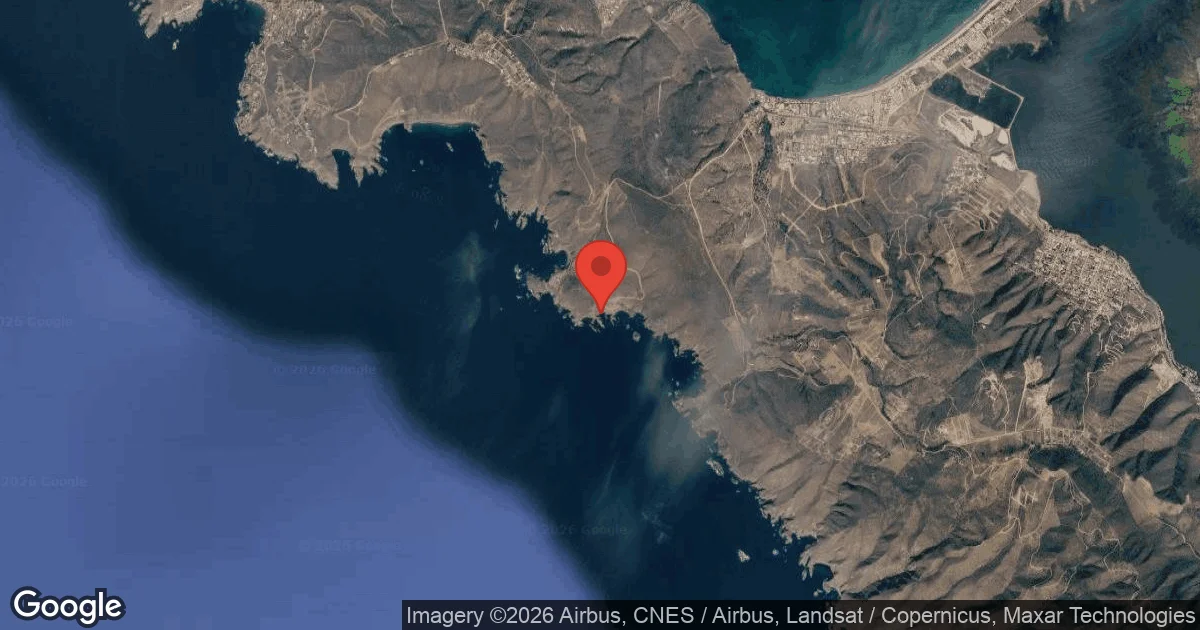
View all dive sites in MexicoDiscover more underwater gems in this area.
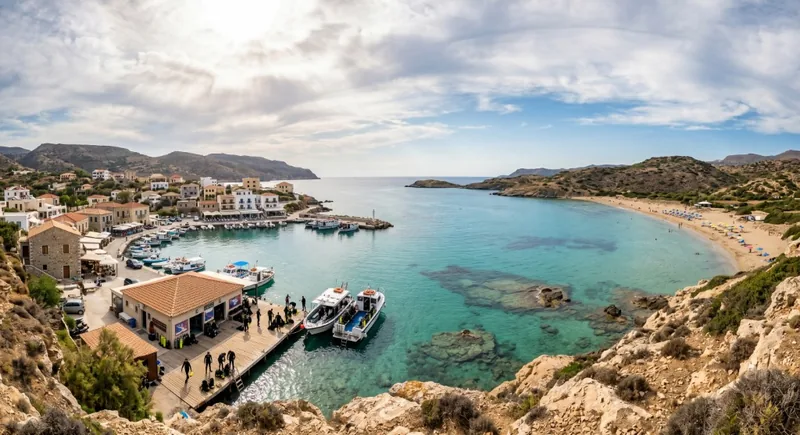
Dive Centers Near El Reef
Today: 07:30 - 17:30
Nearest Airports
Nearest airports to help plan travel to this dive area.
Search Flights
Check available flights and routes on Expedia, using the nearby airports listed in this section.
Search Flights on ExpediaFrequently Asked Questions
What type of diving can I expect at El Reef?
El Reef in Cozumel is primarily known for drift diving due to consistent currents. This allows divers to cover significant distances with minimal effort, observing the reef as they glide along.
What are the typical depths for diving here?
Depths vary across the extensive reef system. Shallow areas like Paradise Reef are around 8-12 m (25-40 ft), while sites such as Santa Rosa Shallow can extend to 15 m (50 ft). Deeper wall dives are also present.
When is the best time of year to dive El Reef?
The most favorable conditions are typically from June to September, offering warmer air temperatures and minimal rainfall. Dive scores during these months are generally rated 'Good'.
Is El Reef suitable for beginner divers?
Yes, certain sections like Paradise Reef are specifically noted as ideal for beginners and training, offering easier access and shallower depths. More advanced sections exist for experienced divers.
How strong are the currents at El Reef?
Currents are a consistent feature, making drift diving prevalent. They are generally manageable for certified divers with good buoyancy control, but awareness and staying close to your guide are advised.
What kind of marine life can I expect to see?
The diverse coral architecture, including barrel sponges and anemones, hosts various Caribbean reef fish. Keep an eye out for species such as smooth trunkfish among the intricate reef structures.
What specific reef structures are prominent?
Divers can explore a variety of structures including large coral formations, barrel sponges, and sea fans. Columbia Reef, for instance, features a complex architecture of caves, arches, and coral needles.
Planning to dive El Reef?
Send one inquiry and receive offers directly from the best verified local dive operators.
Conditions are Good
Optimal conditions expected
Current conditions near El Reef show 23° air, 24° sea temperature, 1.3 m waves, and 35 km/h wind. Forecast data is refreshed regularly to ensure accuracy.