
Diving at Roca Blanca (Mexico)
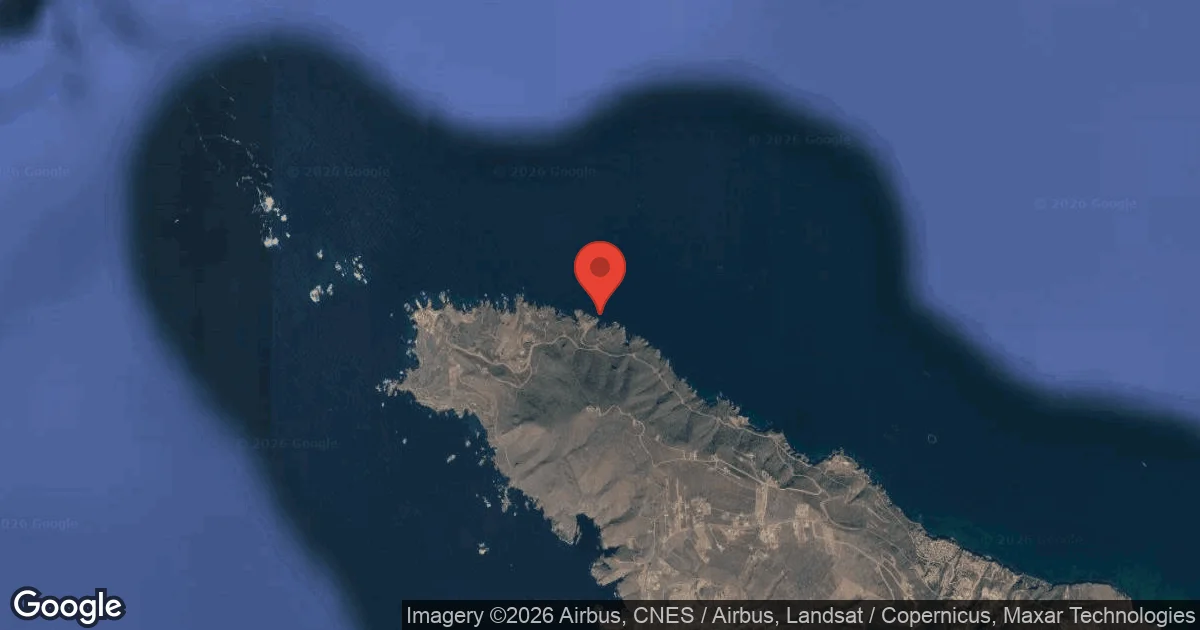
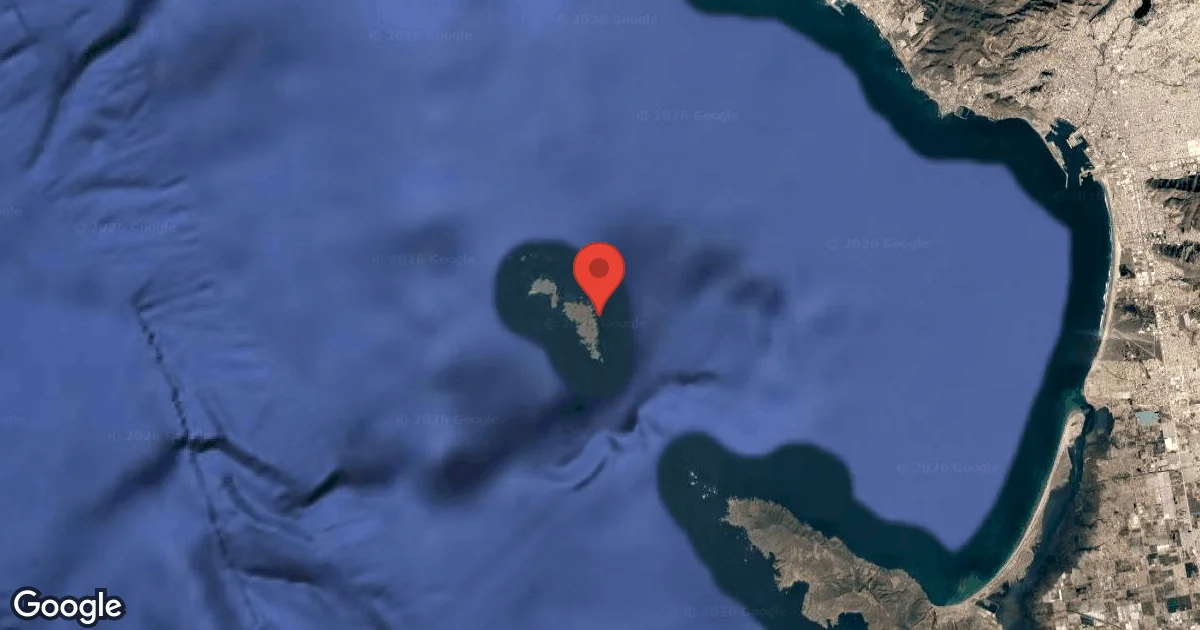
Roca Blanca emerges from the Eastern Pacific waters off Baja California, a solitary white rock formation acting as a beacon for pelagic encounters. An offshore pinnacle, it commands attention as a significant deep dive location, accessible to advanced divers seeking imposing underwater topography. Its sheer faces plunge into the depths, forming a dramatic setting for marine life interactions. A challenging yet rewarding destination for seasoned explorers.
Evening condition tracking at Roca Blanca features an air temperature of 21.5°C. We have recorded wave heights measuring 1.2 m during this period. These figures outline the environmental parameters currently present.
Dive Site Location & Key Facts
Dive Site Overview
Exploring Roca Blanca promises advanced divers an exhilarating experience within dynamic waters off Baja California, Mexico. A prominent offshore pinnacle, it is defined by formidable reef and wall structures, demanding experience in drift diving due to the area's characteristic currents.
Divers exploring this site must be prepared for depths reaching up to 50 m (190 ft), underscoring its designation for those with deep diver specialities and advanced training. Compelling opportunities arise for underwater photography and videography, capturing dramatic topography and the abundant marine life it attracts. Allure of the site isn't just about its impressive maximum depth; it's about navigating a thriving pelagic environment.
Roca Blanca consistently draws larger marine species, including various sharks, whales, dolphins, and turtles, making encounters a significant highlight. Surface conditions can vary significantly, directly influencing access and overall dive planning, making each visit a dynamic interaction with the ocean.
Prepare for an impressive locale where challenging conditions can reward the experienced with truly memorable encounters along its extensive wall faces and reef systems.
Conditions are Good
Optimal conditions expected
Current conditions near Roca Blanca show 22° air, 23° sea temperature, 1.2 m waves, and 31 km/h wind. Forecast data is refreshed regularly to ensure accuracy.
Best Time to Dive
Planning a dive at Roca Blanca should prioritize conditions that enhance the deep and drift diving experience. While moderate conditions prevail from October through April, May through September typically presents good diving scores, making it a preferred window. During these months, average air temperatures range from 16°C (61°F) in May to a high of 21°C (70°F) in August, generally offering more comfortable surface intervals. Rainfall is minimal throughout the entire year, with driest months showing less than 1 mm of rain, ensuring clear skies. Wave heights and wind speeds, however, can fluctuate, impacting boat travel to this offshore site. Specific water temperature data is not consistently reported, but conditions in this region often involve cooler thermoclines at depth. Divers should expect to encounter varying visibility depending on the day and oceanic currents, which are a constant factor here. Overall, aiming for late spring to early autumn months provides the highest likelihood of favorable conditions for advanced exploration.
PEAK SEASON SCORE
Scores combine air & water temps, waves, wind & rainfall for overall conditions.
BEST MONTHS TO DIVE
Monthly records compiled from satellite and marine observation nodes over the last 3 years. Data provided by Open-Meteo and MET Norway.
Dive Experience & Conditions
Descending at Roca Blanca, divers frequently encounter strong currents, necessitating drift diving techniques. A prominent rock formation plunges to a maximum depth of 50 m (190 ft), offering rewarding exploration across its deeper sections and along expansive wall faces. Visibility varies, often influenced by nutrient-rich Pacific waters and prevailing currents; however, favorable conditions allow for excellent photographic opportunities of dramatic underwater scenery. Water temperatures are not consistently reported for this specific site but generally reflect cooler Pacific conditions, particularly at greater depths. Appropriate thermal protection is essential. Divers must exhibit proficiency in buoyancy control and comfort with deep dive exposures, as few shallow, sheltered areas exist for extended safety stops. Conditions, including surge and current, can shift rapidly. Constant situational awareness and strong communication within the dive team are required. Not a location for novices; only experienced divers well-versed in open ocean and deep water procedures should attempt it.
Dive Difficulty & Safety Guidelines
Expert planning is crucial for any dive at Roca Blanca due to its advanced nature and exposure to open ocean conditions. For certified advanced divers with demonstrated experience in deep and drift diving, this location is strictly suitable. Always dive with a reputable local operator who understands the intricacies of the currents and prevailing conditions.
Given maximum depths, adherence to decompression limits and strict monitoring of air consumption are paramount. Strong currents are a consistent factor; divers must be prepared to manage drift and maintain contact with their buddies.
A surface marker buoy (SMB) is an essential piece of equipment for every diver, ensuring visibility to the boat crew after surfacing. Regular training in emergency procedures, including out-of-air scenarios and lost buddy protocols in current, is highly recommended before visiting. Never attempt this dive without proper certifications and appropriate gear.
Recommended Equipment
Current and surface separation risk. Local briefing strongly recommended.
- Dive Computer
- DSMB
- Reel / Spool
This gear list is based on verified equipment signals for Roca Blanca, Mexico. Always confirm final gear choices with your dive operator, guide, or liveaboard.
Recommended Dive Suit
In conditions like these, many divers prefer diving with 3-5mm wetsuit. Consider warmer surface protection (like a boat coat) due to brisk winds. Surface intervals may feel cooler.
Divers planning a dive at Roca Blanca today will likely encounter water temperatures close to 23°C (73°F). Surface air temperatures are resting at 22°C (71°F).
Forecast models indicate that diving conditions should remain largely unchanged.
Emergency & Medical Support
Essential information to help you plan your dive trip to Roca Blanca.

Hyperbaric chambers are a critical part of dive safety infrastructure. Availability varies significantly by region, and not all dive areas have immediate access.
Before diving, it's recommended to:
- confirm nearest medical facilities
- check emergency procedures with local dive operators
- ensure dive insurance covers evacuation if required
Divers Alert Network
Diving emergency assistance available through DAN World.
+1-919-684-9111- 24/7 emergency hotline
- Diving medical assistance
- Evacuation coordination
Emergency contacts are provided for reference. Always verify local emergency services before diving.
Marine Life at Roca Blanca
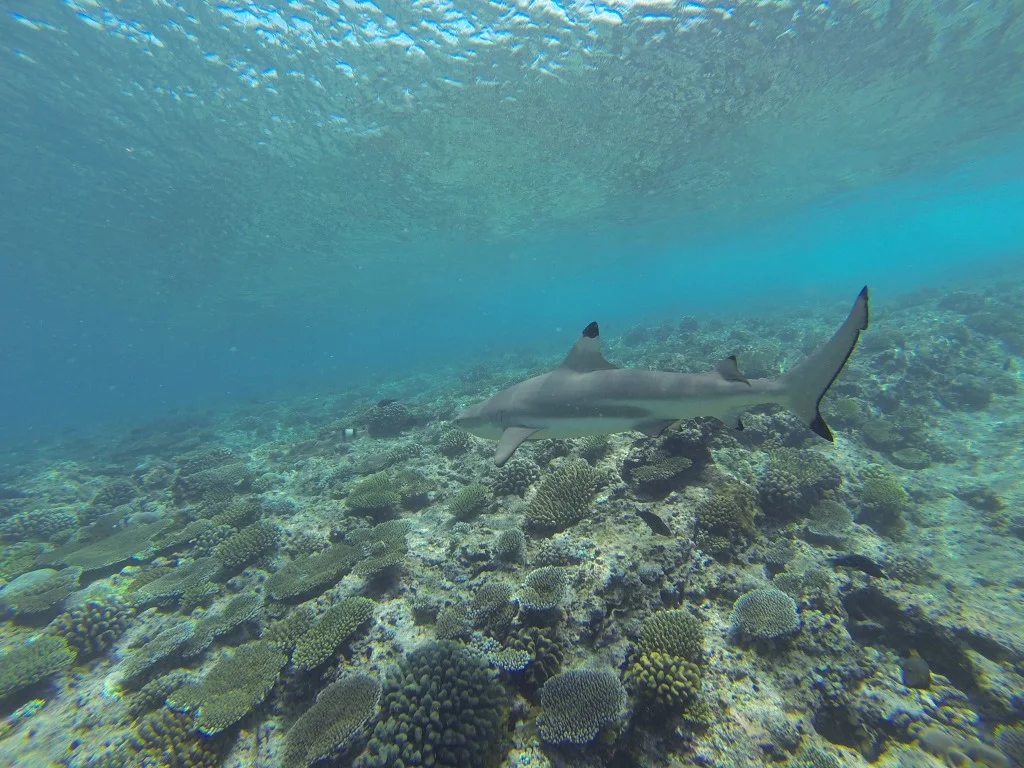
Upon descending into Roca Blanca's waters, the sheer potential for pelagic encounters is immediately evident. A magnet for larger marine species, the site attracts various shark species that patrol deeper sections.
Encounters with majestic whales and playful dolphins are reported, often surprising divers as they move through the blue. Turtles are also commonly sighted, gracefully navigating the reef and wall environments.
While specific abundance varies, Roca Blanca's reputation for attracting such diverse and significant marine life holds strong, providing thrilling experiences for those prepared for dynamic conditions.
Dive Sites Near Roca Blanca
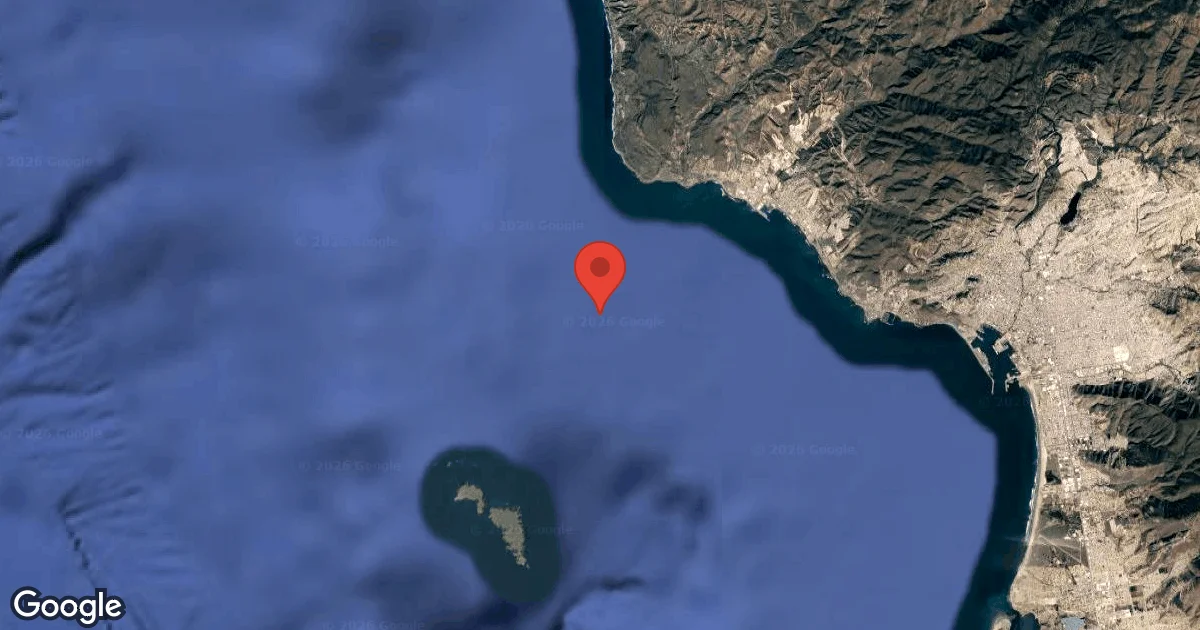
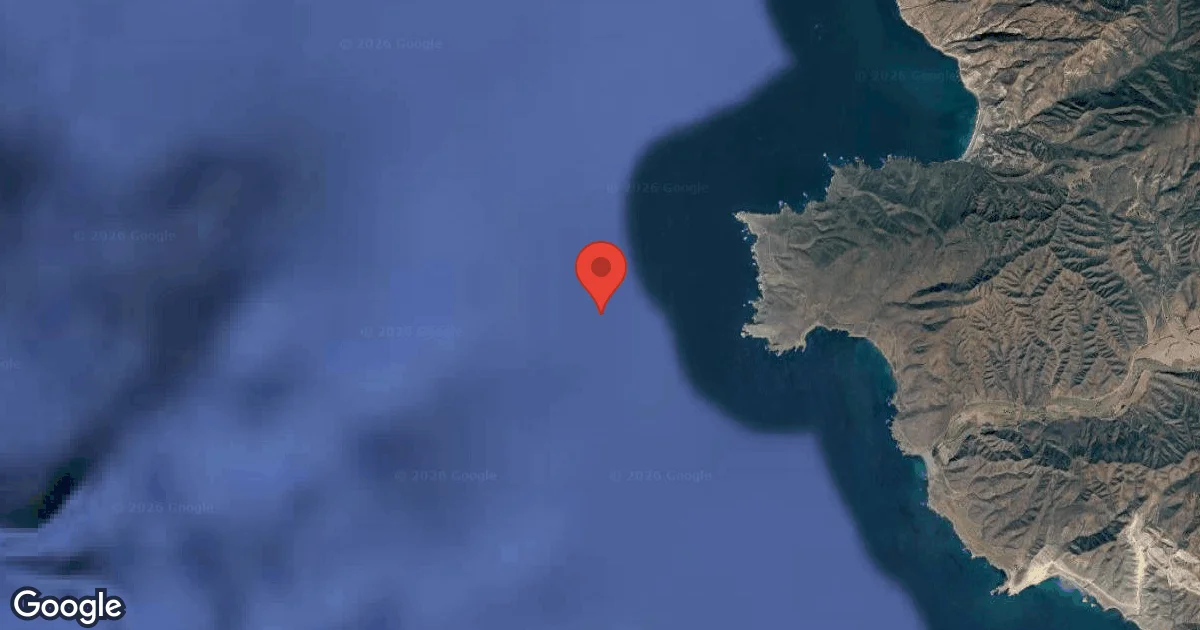
View all dive sites in MexicoDiscover more underwater gems in this area.
Dive Centers Near Roca Blanca
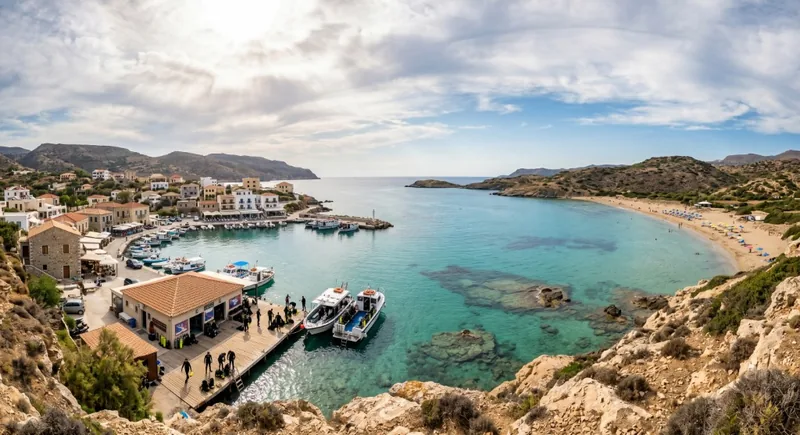
Today: 07:30 - 17:30
Nearest Airports
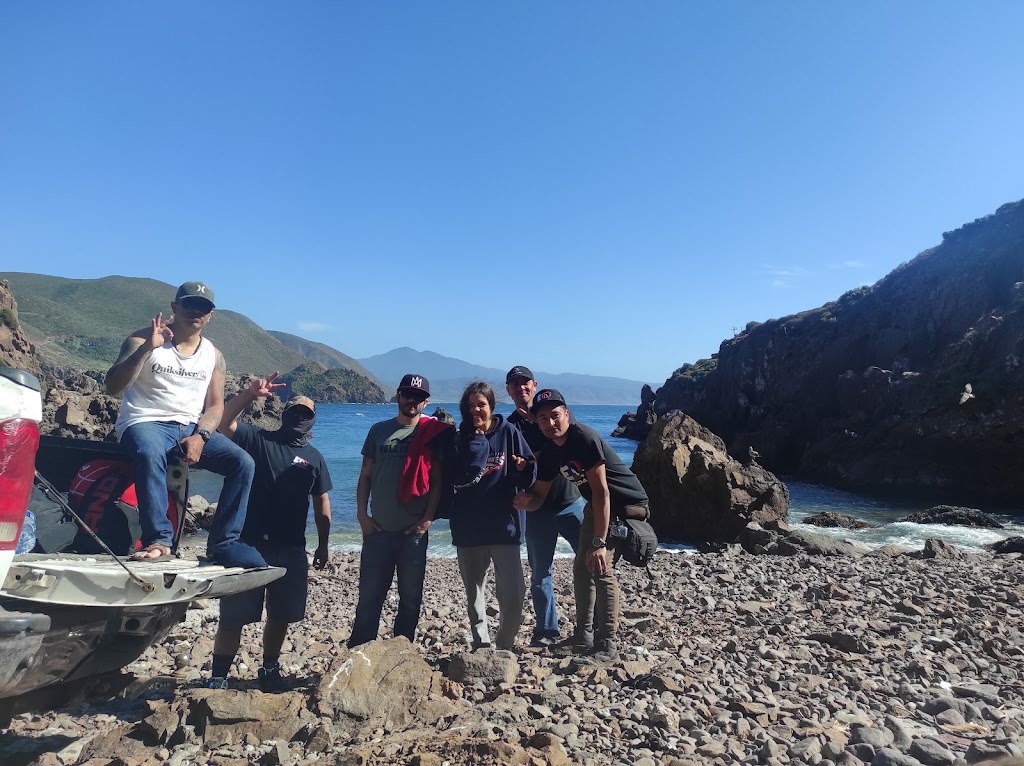
Nearest airports to help plan travel to this dive area.
Search Flights
Check available flights and routes on Expedia, using the nearby airports listed in this section.
Search Flights on ExpediaFrequently Asked Questions
What skill level is required to dive Roca Blanca?
Roca Blanca is an advanced dive site, specifically recommended for divers with deep dive experience and a deep diver specialty. Its significant depths and potential for strong currents make it unsuitable for beginners or those without advanced training.
What are the typical dive conditions at Roca Blanca?
Expect drift diving conditions due to strong and variable currents. Dive features dramatic reef and wall formations reaching max depths of 50 m (190 ft). Visibility can fluctuate but often provides good photographic opportunities.
What marine life can I expect to see?
Roca Blanca is known for pelagic encounters. Common sightings include various shark species, whales, dolphins, and turtles. Its offshore location makes it a hotspot for larger migratory animals.
Is water temperature information available for Roca Blanca?
Specific water temperature data for Roca Blanca is not consistently reported. Anticipate cooler Pacific waters, particularly at depth. Adequate thermal protection like a wetsuit is suggested.
What is the best time of year to dive Roca Blanca?
The period from May to September generally offers good diving conditions, with moderate air temperatures and minimal rainfall. While year-round diving is possible, these months often present the most favorable balance for surface and underwater experiences.
What safety precautions should I take when diving here?
Always dive with a local professional operator experienced with the site's conditions. Due to deep profiles and strong currents, carry a surface marker buoy (SMB) and meticulously monitor air consumption and no-decompression limits. Adhere strictly to buddy procedures.
What kind of underwater photography opportunities does Roca Blanca offer?
Dramatic wall and reef topography, combined with frequent pelagic sightings, create excellent opportunities for both wide-angle and macro photography. Clear visibility days allow for capturing the impressive scale of the site and its transient visitors.
Planning to dive Roca Blanca?
Send one inquiry and receive offers directly from the best verified local dive operators.
Conditions are Good
Optimal conditions expected
Current conditions near Roca Blanca show 22° air, 23° sea temperature, 1.2 m waves, and 31 km/h wind. Forecast data is refreshed regularly to ensure accuracy.