
Diving at Punta Tejon (Mexico)
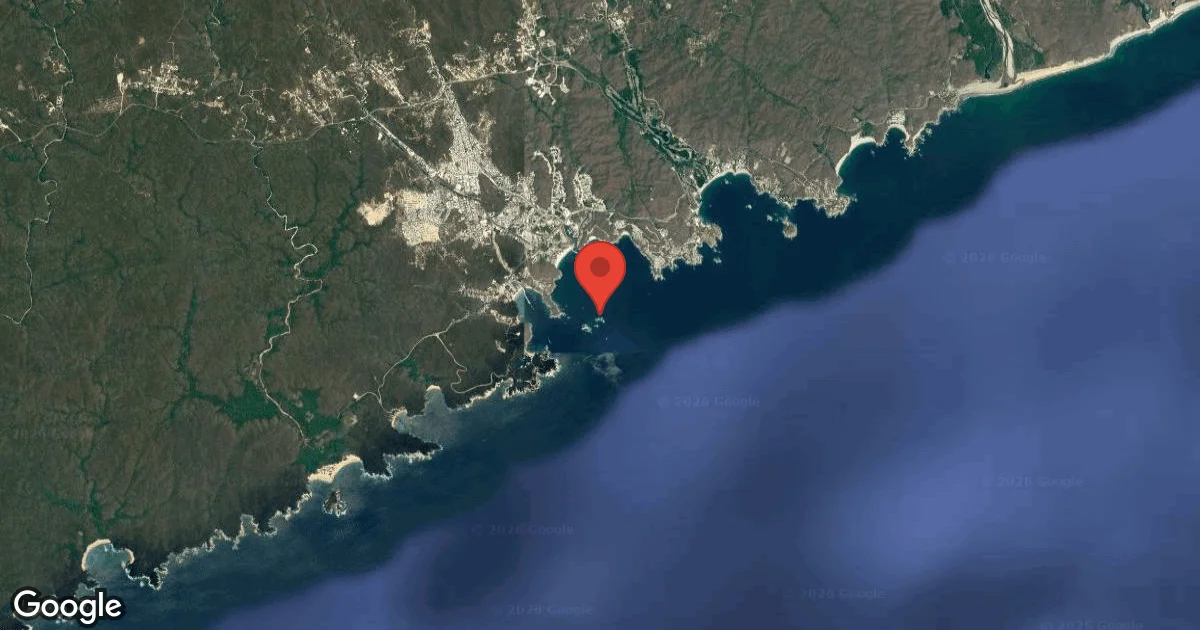
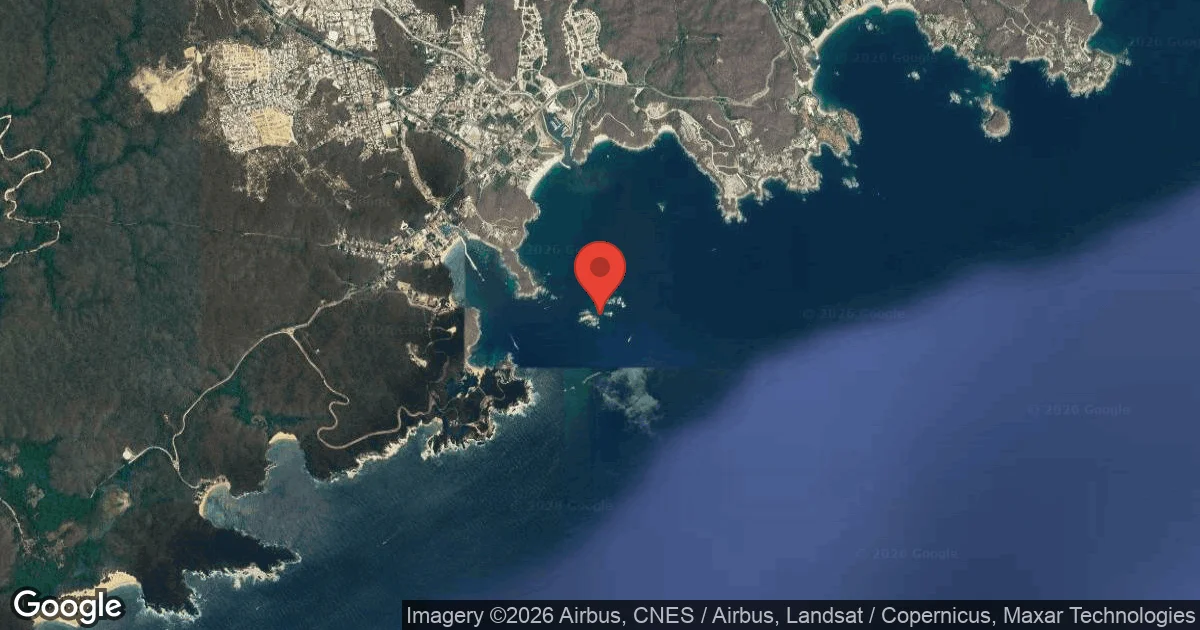
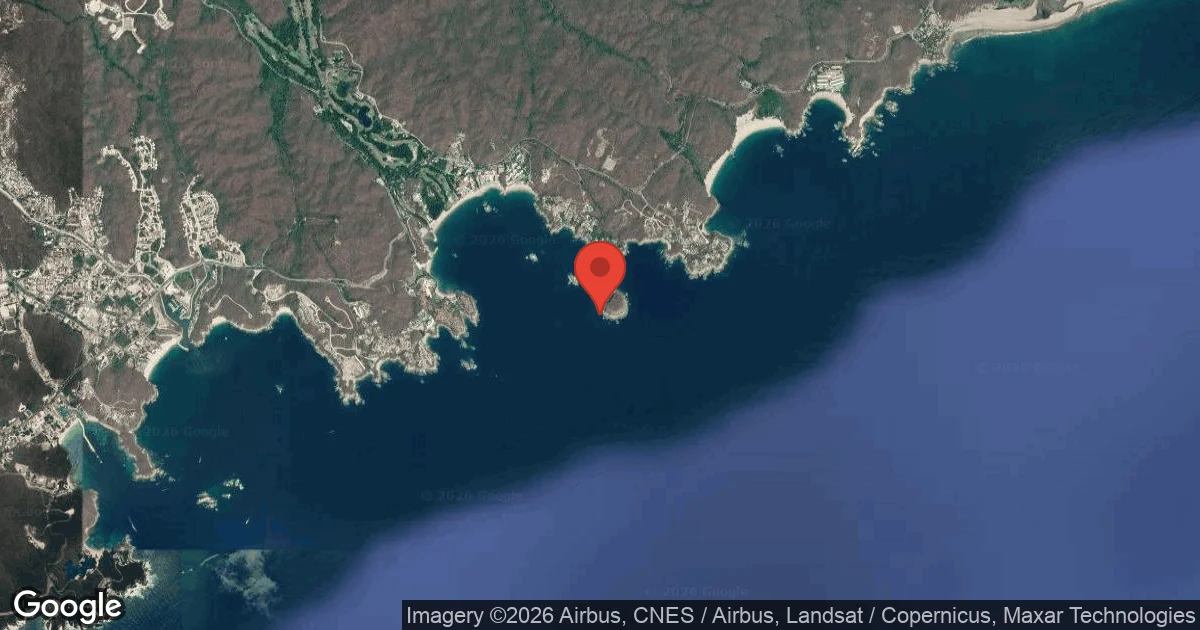
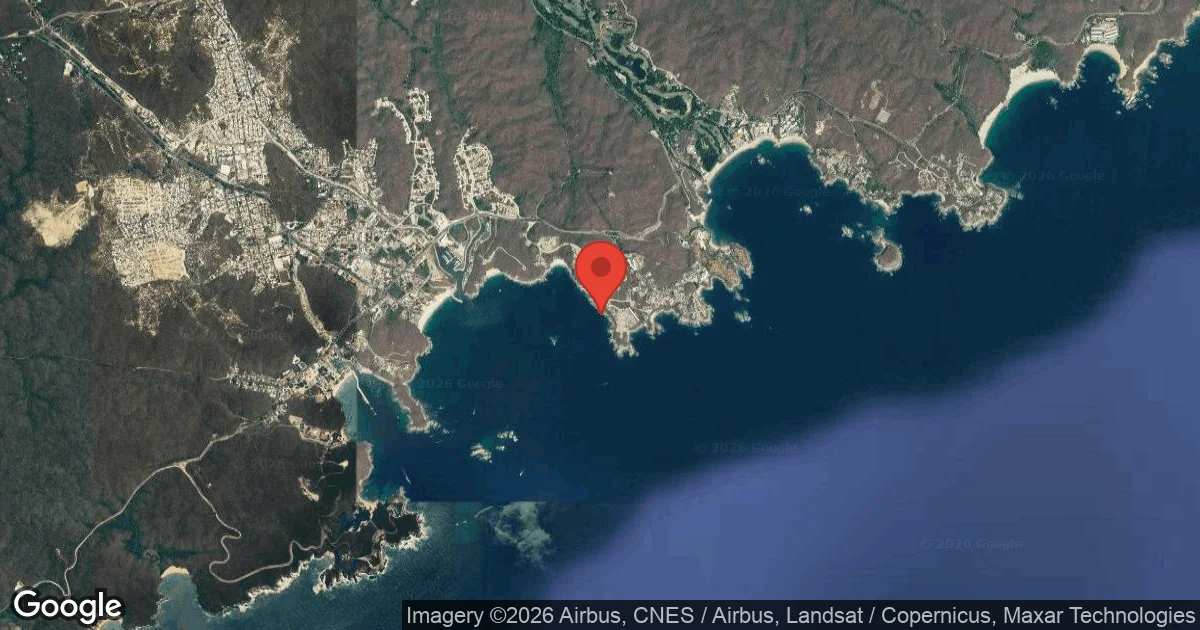
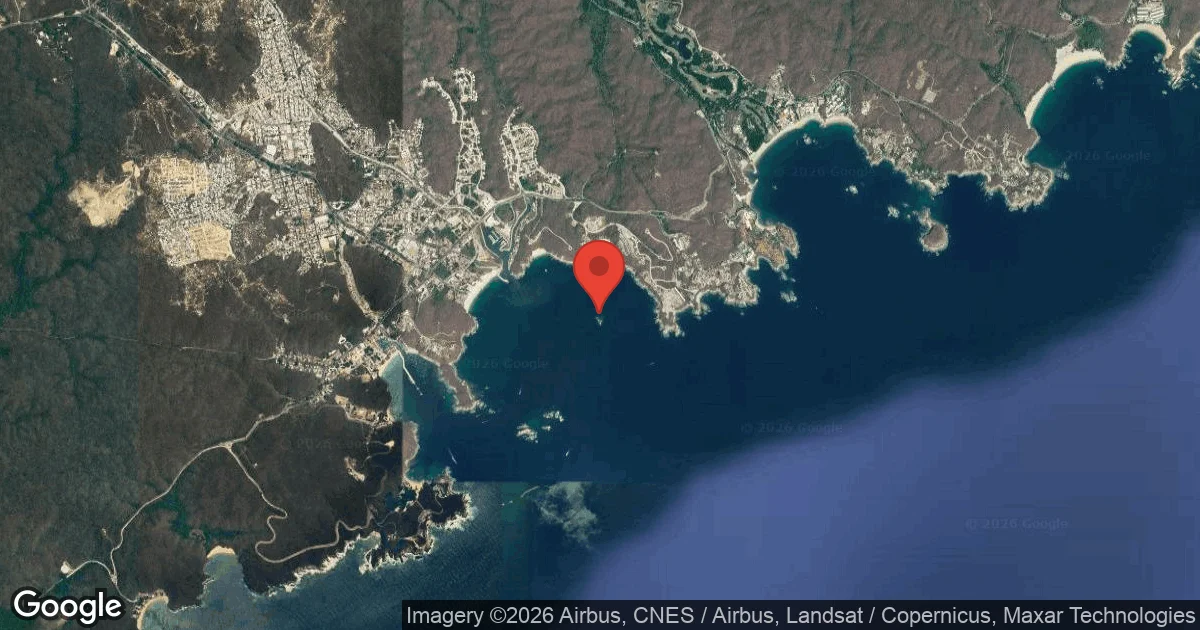
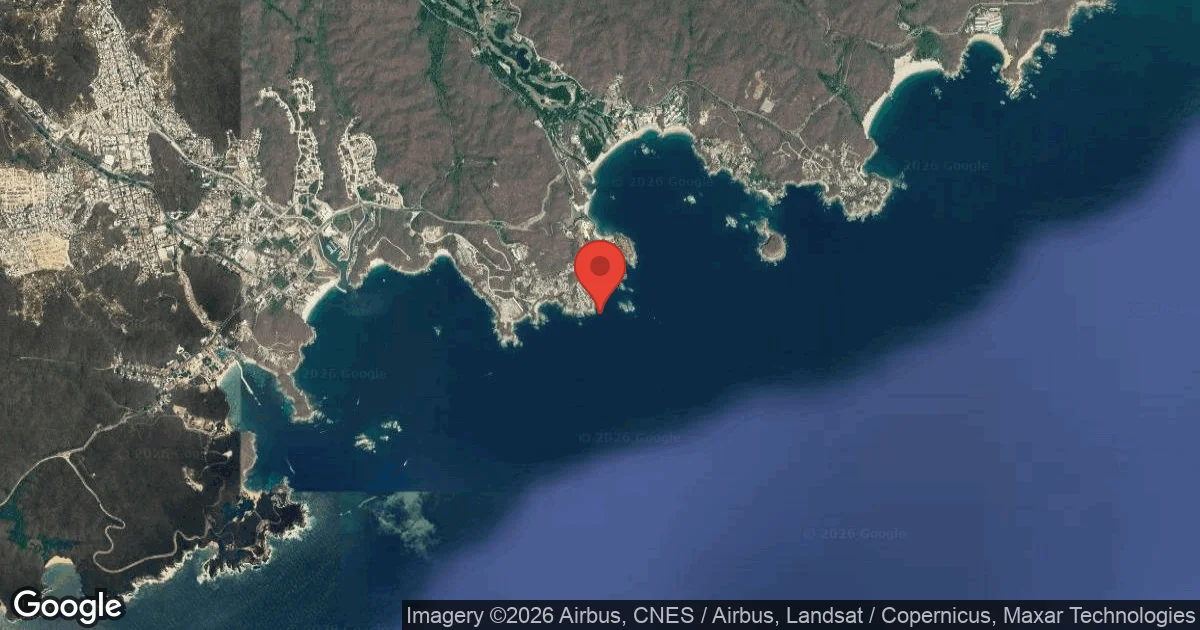
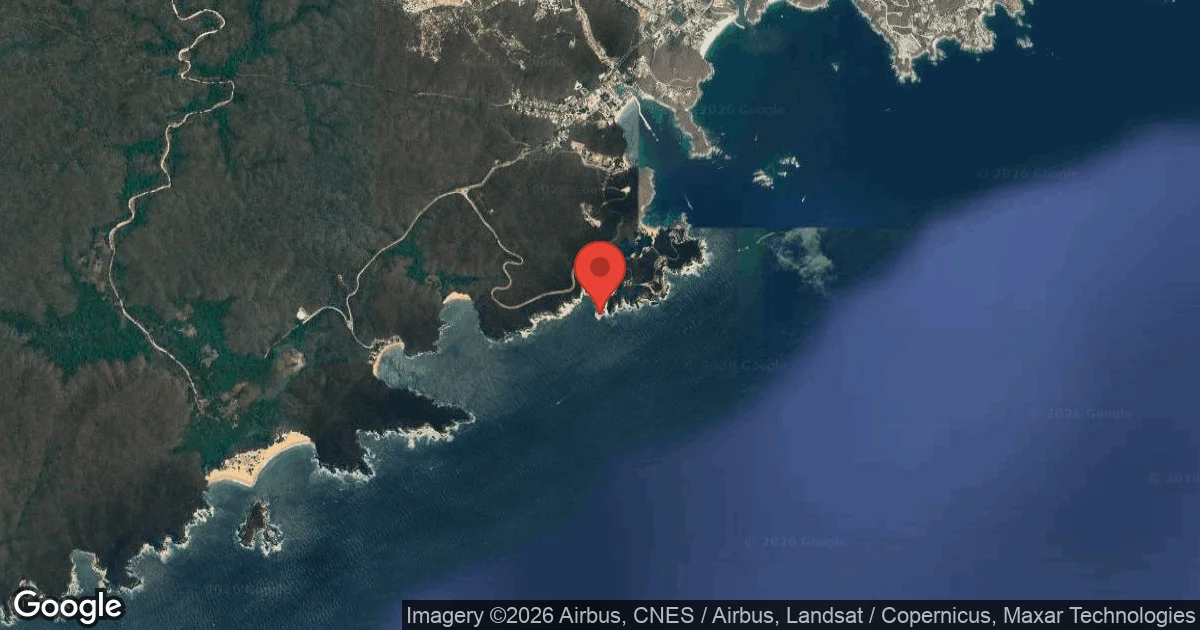
Approaching Punta Tejon on Mexico's Pacific Coast reveals a dive site characterized by prominent rock formations and a distinct wall leading towards the shore. Divers can anticipate exploring pinnacles surrounded by sandy expanses, navigating a varied underwater landscape. This location offers a dynamic dive route for those keen to experience its unique geological features.
As evening covers Punta Tejon, the local air temperature is measured at 31°C. The current wave height at the surface is recorded at 1.3 m. These late-day readings characterize the surface conditions for the night.
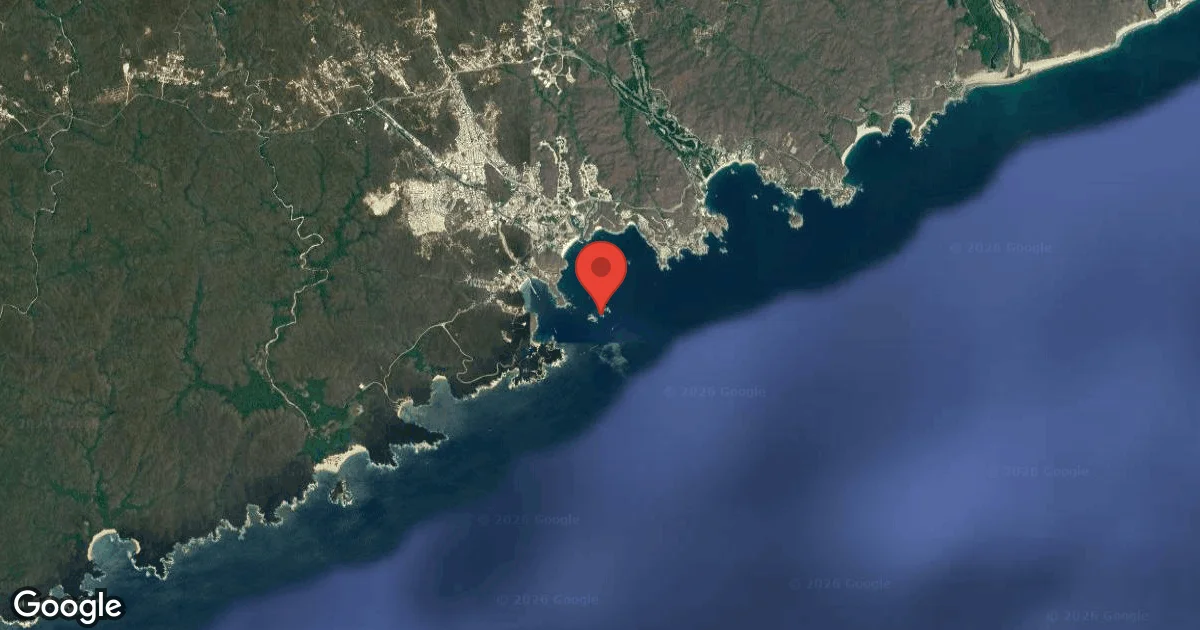
Dive Site Location & Key Facts
Dive Site Overview
Punta Tejon's underwater landscape unfolds as a series of distinct geological features, guiding divers through varied exploration zones. Divers encounter a prominent wall dive, descending steadily towards the shoreline, contrasted by immense rock formations that anchor the site's structure.
Further out, an area of impressive pinnacles rises from a sandy bottom, providing extensive recreational depth, often reaching around 18 m (60 ft). A notable channel, akin to a submerged canyon feature, also traverses the site, directing water flow and creating unique microhabitats.
This dynamic environment supports both extensive reef sections and more vertical wall diving experiences, ensuring a diverse itinerary for multiple dives. While maximum depth for the entire wall isn't consistently reported, the site generally accommodates certified divers comfortable navigating varied underwater terrain.
Exploring these distinct areas requires attentiveness to depth and surroundings. From the shallower reef areas to deeper pinnacle bases, there's always something new to observe.
Conditions are Moderate
Optimal conditions expected
Current conditions near Punta Tejon show 31° air, 31° sea temperature, 1.1 m waves, and 28 km/h wind. Forecast data is refreshed regularly to ensure accuracy.
Best Time to Dive
Planning your visit to Punta Tejon involves aligning with conditions favorable for diving. The months of January through April, July, August, October, November, and December generally offer good dive scores. During these periods, air temperatures average between 26.5°C and 28°C (82°F)and 83°F), contributing to comfortable surface intervals. Rainfall remains minimal, typically below 7.5 mm (0.3 inches) per month, ensuring clearer skies. May, June, and September present moderate dive conditions, largely due to increased wave heights, which can affect visibility and entry/exit points, alongside higher rain averages, particularly in June (around 9 mm / 0.35 inches). For optimal clarity and calmer seas, targeting the 'Good' score months is advisable.
PEAK SEASON SCORE
Scores combine air & water temps, waves, wind & rainfall for overall conditions.
BEST MONTHS TO DIVE
Monthly records compiled from satellite and marine observation nodes over the last 3 years. Data provided by Open-Meteo and MET Norway.
Dive Experience & Conditions
Beginning a dive at Punta Tejon often involves navigating a descent towards prominent rock formations or along a wall. Water temperatures are not consistently reported for this specific site but generally align with the warm regional climate, suggesting comfortable conditions for most of the year. Visibility varies depending on local weather patterns and wave activity, which can fluctuate. Average wave heights range from 1.1 to 1.7 meters (3.6 to 5.6 feet), with calmer conditions typically observed from November through March, potentially improving underwater clarity. Moderate wind speeds characterize the area, occasionally impacting surface conditions. Currents here vary, though specific patterns are not consistently documented, making local guidance essential.
Dive Difficulty & Safety Guidelines
Safe diving practices at Punta Tejon begin with a thorough briefing from local dive professionals familiar with current conditions. Due to the presence of wall and reef structures, understanding buoyancy control and practicing good dive planning are crucial. Divers should maintain awareness of their depth and air consumption, especially when exploring deeper sections or navigating around pinnacles.
The site doesn't have reported specific hazards in internal databases, but general marine environment precautions apply. Always dive within your certification limits and consider the advice of experienced guides regarding any localized currents or unique entry/exit points. PADI reminds all divers to consult a dive professional before entering unfamiliar waters.
Recommended Equipment
- Dive Computer
This gear list is based on verified equipment signals for Punta Tejon, Mexico. Always confirm final gear choices with your dive operator, guide, or liveaboard.
Recommended Dive Suit
With water temperatures around 31°C (88°F), many divers find a dive skin or rash guard provides comfortable protection.
Divers performing multiple dives may appreciate slightly warmer protection later in the day.
Environmental conditions may feel slightly cooler as the week progresses. A significant temperature drop is forecast; strongly suggest bringing a backup warmer suit option. A warmer option can provide additional comfort if conditions shift.
Emergency & Medical Support
Essential information to help you plan your dive trip to Punta Tejon.

Hyperbaric chambers are a critical part of dive safety infrastructure. Availability varies significantly by region, and not all dive areas have immediate access.
Before diving, it's recommended to:
- confirm nearest medical facilities
- check emergency procedures with local dive operators
- ensure dive insurance covers evacuation if required
Divers Alert Network
Diving emergency assistance available through DAN World.
+1-919-684-9111- 24/7 emergency hotline
- Diving medical assistance
- Evacuation coordination
Emergency contacts are provided for reference. Always verify local emergency services before diving.
Marine Life at Punta Tejon
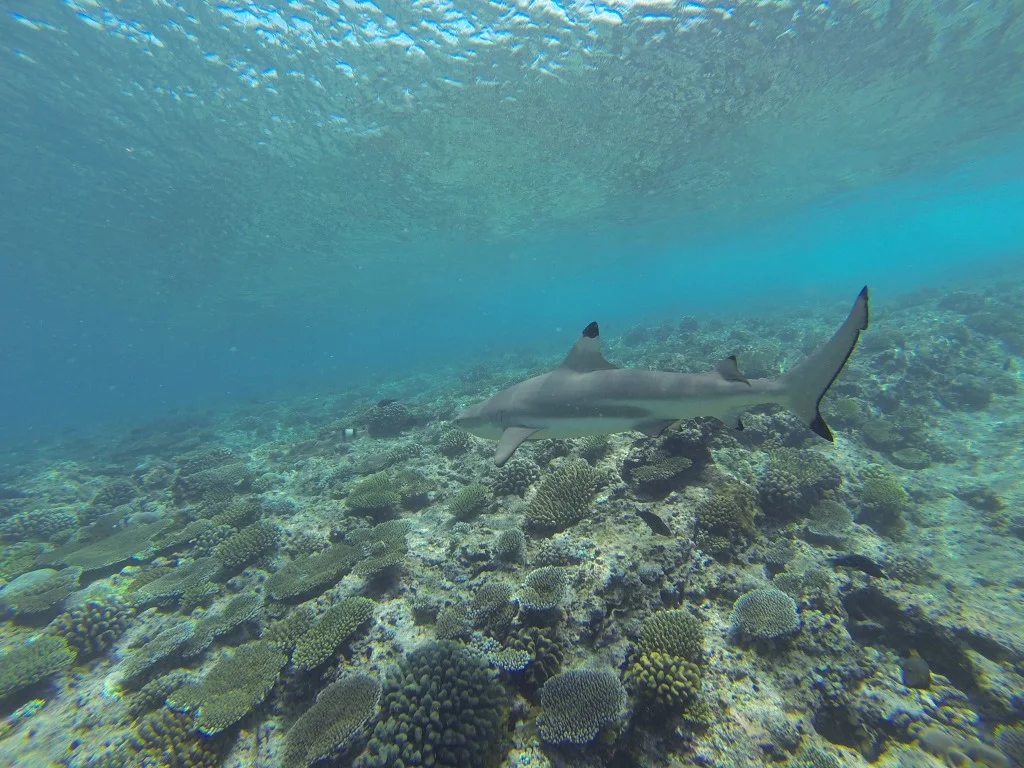
Upon entering the water at Punta Tejon, divers often first notice the potential for larger pelagic encounters. Common sightings include various species of sharks, which can be seen cruising the deeper sections.
During migration seasons, it's possible to spot whales, adding a truly memorable element to the dive. Playful dolphins are also known to frequent the area, occasionally passing through.
Additionally, observing the graceful movements of turtles as they navigate the reef is a regular highlight for many divers here.
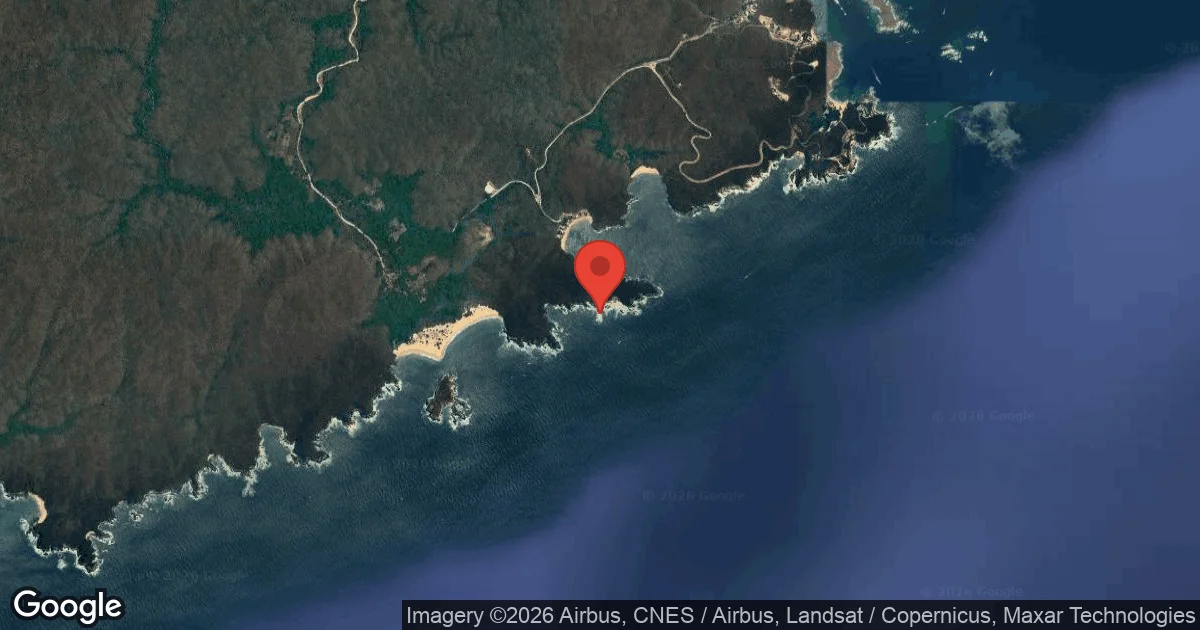
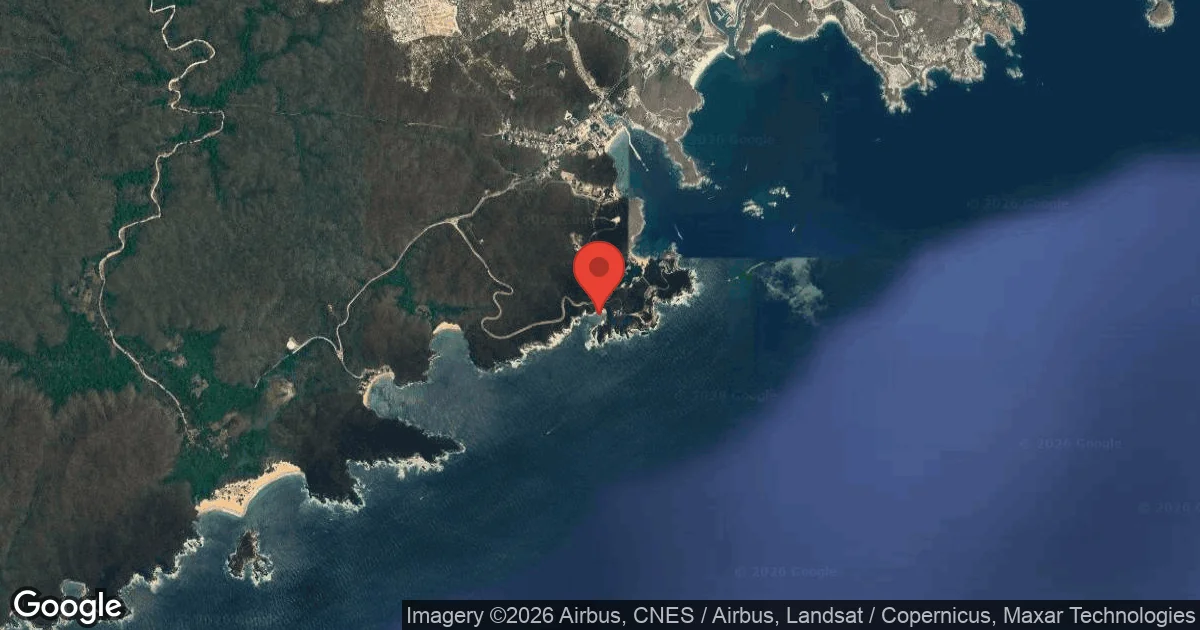
Dive Sites Near Punta Tejon
View all dive sites in MexicoDiscover more underwater gems in this area.
Dive Centers Near Punta Tejon
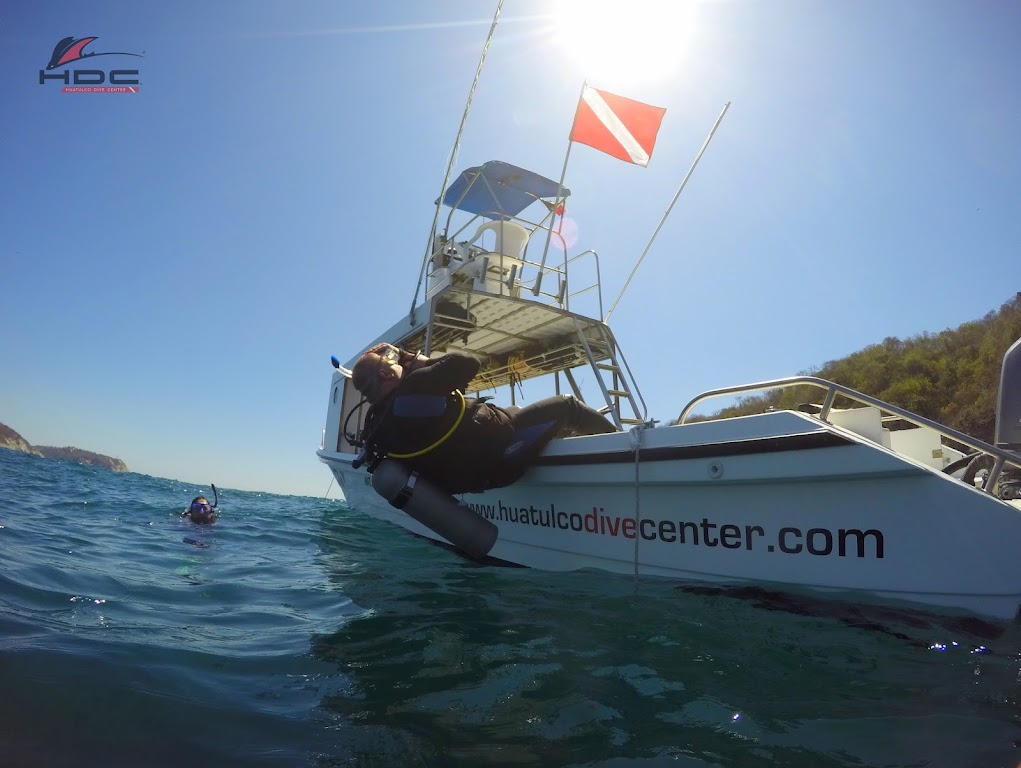
Today: 09:00 - 17:00
Nearest Airports
Nearest airports to help plan travel to this dive area.
Search Flights
Check available flights and routes on Expedia, using the nearby airports listed in this section.
Search Flights on ExpediaFrequently Asked Questions
What dive types are available at Punta Tejon?
Punta Tejon offers both reef and wall diving. Divers can explore extensive rock formations, deep walls, channels, and pinnacles surrounded by sand.
What is the typical dive depth at Punta Tejon?
Depths around some pinnacles can reach approximately 18 m (60 ft). Wall dives may extend deeper, but divers should always stay within their certification limits.
Which months are best for diving in terms of weather?
The months from January through April, and then again from July to August and October to December, generally offer the best conditions. These periods feature comfortable air temperatures and minimal rainfall.
What marine life can be seen at Punta Tejon?
Divers commonly report sightings of sharks, whales (seasonally), dolphins, and turtles. The diverse habitat supports a variety of marine species.
Is Punta Tejon suitable for beginner divers?
While parts of the site may be accessible, the presence of wall diving and varied conditions suggests it's best suited for certified divers. Consulting a local dive professional is recommended to assess suitability based on current conditions and individual skill levels.
Are there strong currents at this dive site?
Currents at Punta Tejon can vary, though specific patterns are not consistently documented. Divers should always check with local dive operators for real-time conditions before entering the water.
Planning to dive Punta Tejon?
Send one inquiry and receive offers directly from the best verified local dive operators.
Conditions are Moderate
Optimal conditions expected
Current conditions near Punta Tejon show 31° air, 31° sea temperature, 1.1 m waves, and 28 km/h wind. Forecast data is refreshed regularly to ensure accuracy.