
Diving at Violin (Mexico)
Violin, a notable dive site in Huatulco, Mexico, has long been recognized for its dual character, catering to a broad spectrum of diving proficiencies. Its reputation stems from distinct underwater topographies that promise varied experiences, from sheltered shallows to more intricate deeper explorations. Local dive masters frequently cite Violin as a testament to the region's diverse underwater offerings, making it a cornerstone for those discovering the Pacific Coast's submerged landscapes. This site represents a convergence of accessible beauty and challenging exploration.
Tonight's objective overview for Violin shows an air temperature of 28°C. The measured surface conditions include wave heights around 1.2 m. This environmental data is logged for the close of the day.
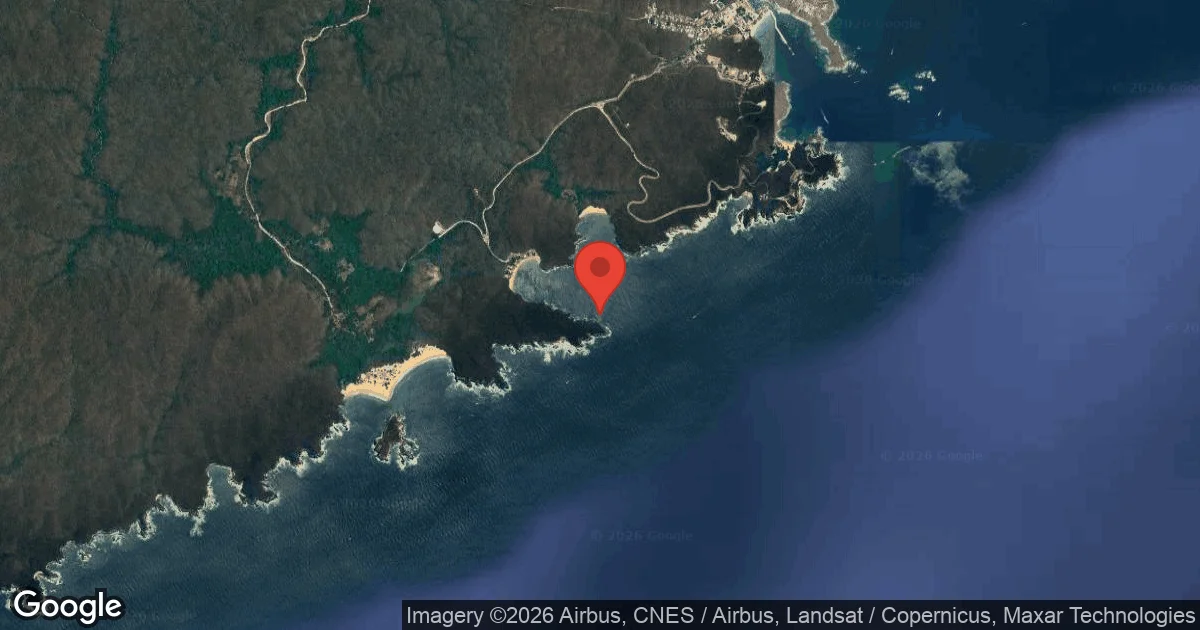
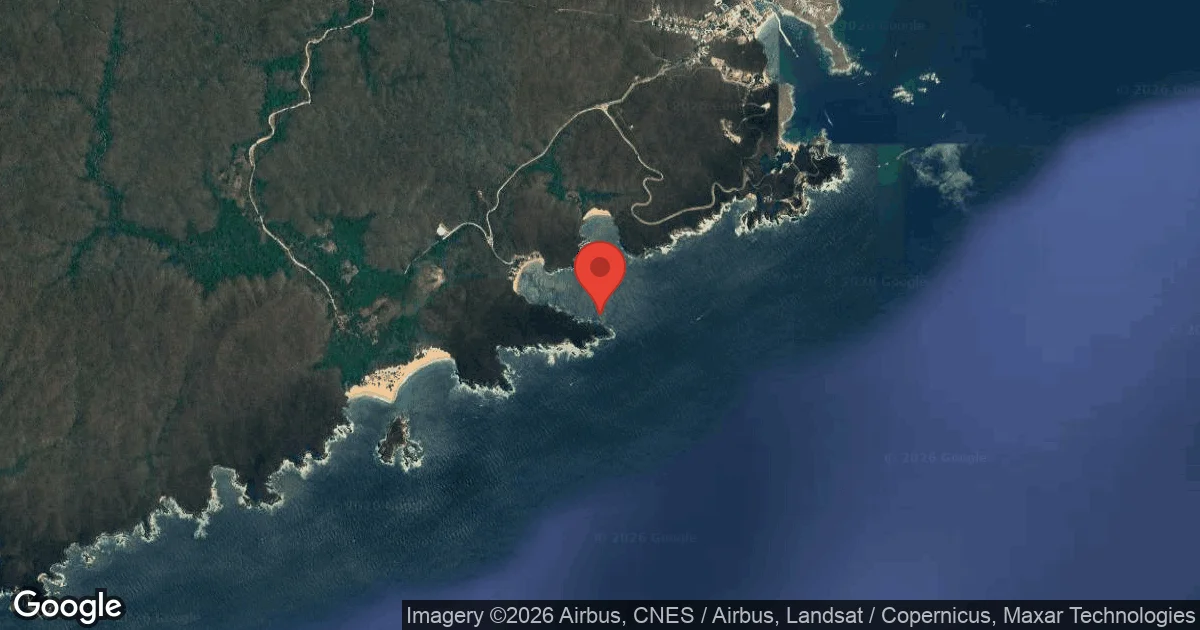
Dive Site Location & Key Facts
Dive Site Overview
Violin reveals a distinct underwater topography, effectively split into 'the cove' and 'the rock'. The cove serves as an easier entry point, beginning in shallower sections around 2 m (6 ft) and extending to about 18 m (60 ft) in depth.
Extending from the beach, this zone features extensive rock and coral formations, creating a vibrant reef environment ideal for newer divers. Within its gentle slopes, divers can enjoy relaxed observations of juvenile fish, small invertebrates, and numerous stingrays resting on the sandy bottom.
Beyond this accessible introduction, more experienced individuals can navigate 'the rock' section. It includes two small caverns and prominent wall features, where the terrain becomes significantly more intricate, often forming vertical rock faces that drop into deeper water.
Abundant coral growth here demands careful navigation through a challenging underwater environment, revealing hidden crevices and overhangs. Exploring this deeper realm, divers will find the site transitions from sheltered sandy bottoms to more dramatic rock structures, offering a diverse array of experiences.
Traversing the contours of 'the rock' requires precise buoyancy control and attention to currents, especially around the small caverns. Overall, the site truly allows for varied explorations, catering to multiple skill sets.
Conditions are Good
Optimal conditions expected
Current conditions near Violin show 28° air, 31° sea temperature, 1.1 m waves, and 26 km/h wind. Forecast data is refreshed regularly to ensure accuracy.
Best Time to Dive
Optimal diving conditions at Violin typically align with the dry season, generally from January through April, and again from July to August, and October through December, when the dive scores are consistently rated 'Good'. During these periods, lower rainfall, averaging less than 1 mm, contributes to improved underwater visibility. Air temperatures remain warm, ranging from approximately 27°C (81°F) to 28.5°C (83°F), creating comfortable topside conditions. Water temperature data isn't consistently reported, but often mirrors the ambient warmth. Wave heights are generally lower during these months, around 1.1 to 1.3 meters, suggesting calmer surface conditions which further aid in better visibility and easier boat access. The winter months specifically offer increased chances to encounter diverse ray species, often forming a 'carpet of rays' on the seabed, an experience best appreciated with clear conditions.
PEAK SEASON SCORE
Scores combine air & water temps, waves, wind & rainfall for overall conditions.
BEST MONTHS TO DIVE
Monthly records compiled from satellite and marine observation nodes over the last 3 years. Data provided by Open-Meteo and MET Norway.
Dive Experience & Conditions
The varied topography of Violin presents a spectrum of conditions, influencing the current dynamics divers encounter. In 'the cove', currents are generally mild, making it an accessible area for all experience levels, including beginners. Here, navigation is straightforward, allowing divers to explore the rock and coral formations with ease. Moving towards 'the rock' section, the environment becomes more challenging, suggesting potentially stronger or more complex current patterns that demand refined navigational skills. Traversing its two small caverns and navigating through extensive coral requires heightened awareness. While specific current strengths are not consistently reported, the site's classification implies that conditions in deeper or more exposed sections can vary significantly. Divers should anticipate that current intensity can shift with tidal movements and broader weather patterns, especially when exploring beyond the sheltered cove.
Dive Difficulty & Safety Guidelines
Safety at Violin prioritizes appropriate skill levels for each distinct section of the site. For instance, 'the rock' area, with its complex underwater navigation and small caverns, is recommended for advanced divers who possess strong buoyancy control and experience in enclosed environments.
Carrying a primary dive light and a backup is essential for exploring these darker spaces. In contrast, 'the cove' is well-suited for beginners, offering generally gentler conditions.
Regardless of the section, divers must always respect marine life, particularly the various ray species; maintaining a respectful distance ensures a safe encounter. Always dive with a certified guide who understands the local nuances and current patterns, especially when transitioning between the site's different zones.
Staying within recreational dive limits, typically 18 m (60 ft) for the primary site, is also crucial.
Recommended Equipment
- Dive Computer
This gear list is based on verified equipment signals for Violin, Mexico. Always confirm final gear choices with your dive operator, guide, or liveaboard.
Recommended Dive Suit
The coming days appear slightly cooler according to the latest forecast. Cooler days are ahead; you might want a warmer option for later in the week. Divers planning multiple dives may appreciate having a warmer option available.
Even in warm destinations, extended dives can gradually draw heat away from the body.
Exposure protection such as dive skin or rash guard is commonly used when diving in waters of this temperature. Divers preparing to enter the water at Violin will likely find temperatures around 31°C (88°F) today. Surface air temperatures are resting at 28°C (83°F).
Emergency & Medical Support
Essential information to help you plan your dive trip to Violin.

Hyperbaric chambers are a critical part of dive safety infrastructure. Availability varies significantly by region, and not all dive areas have immediate access.
Before diving, it's recommended to:
- confirm nearest medical facilities
- check emergency procedures with local dive operators
- ensure dive insurance covers evacuation if required
Divers Alert Network
Diving emergency assistance available through DAN World.
+1-919-684-9111- 24/7 emergency hotline
- Diving medical assistance
- Evacuation coordination
Emergency contacts are provided for reference. Always verify local emergency services before diving.
Marine Life at Violin
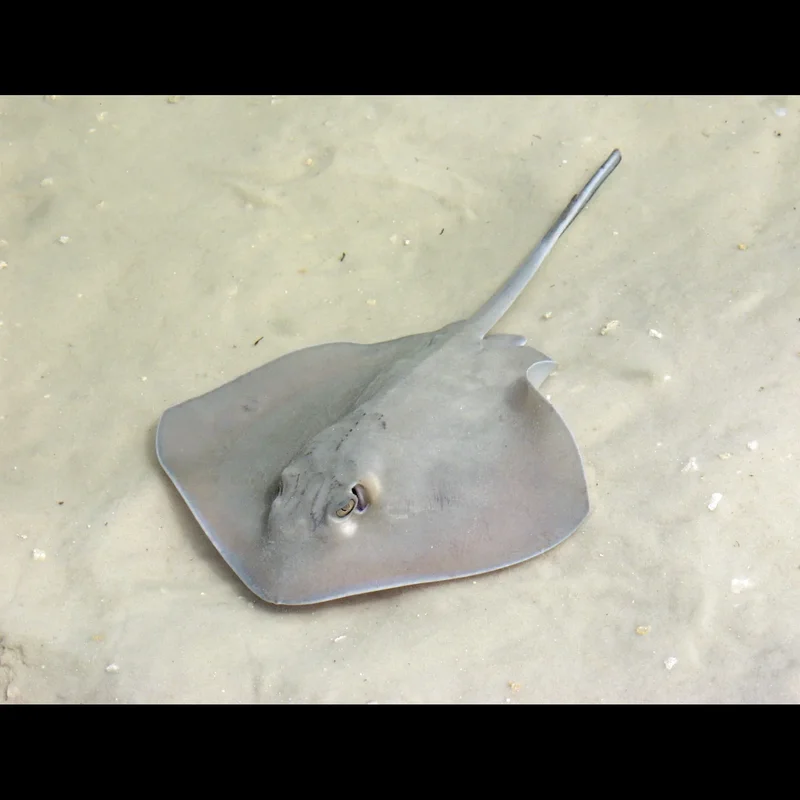
The diverse underwater landscape at Violin creates a dynamic habitat for a wide array of marine species. Within 'the cove's' rock and coral formations, divers frequently encounter various species of stingrays, including butterfly, shovelnose, electric, round, and yellow rays.
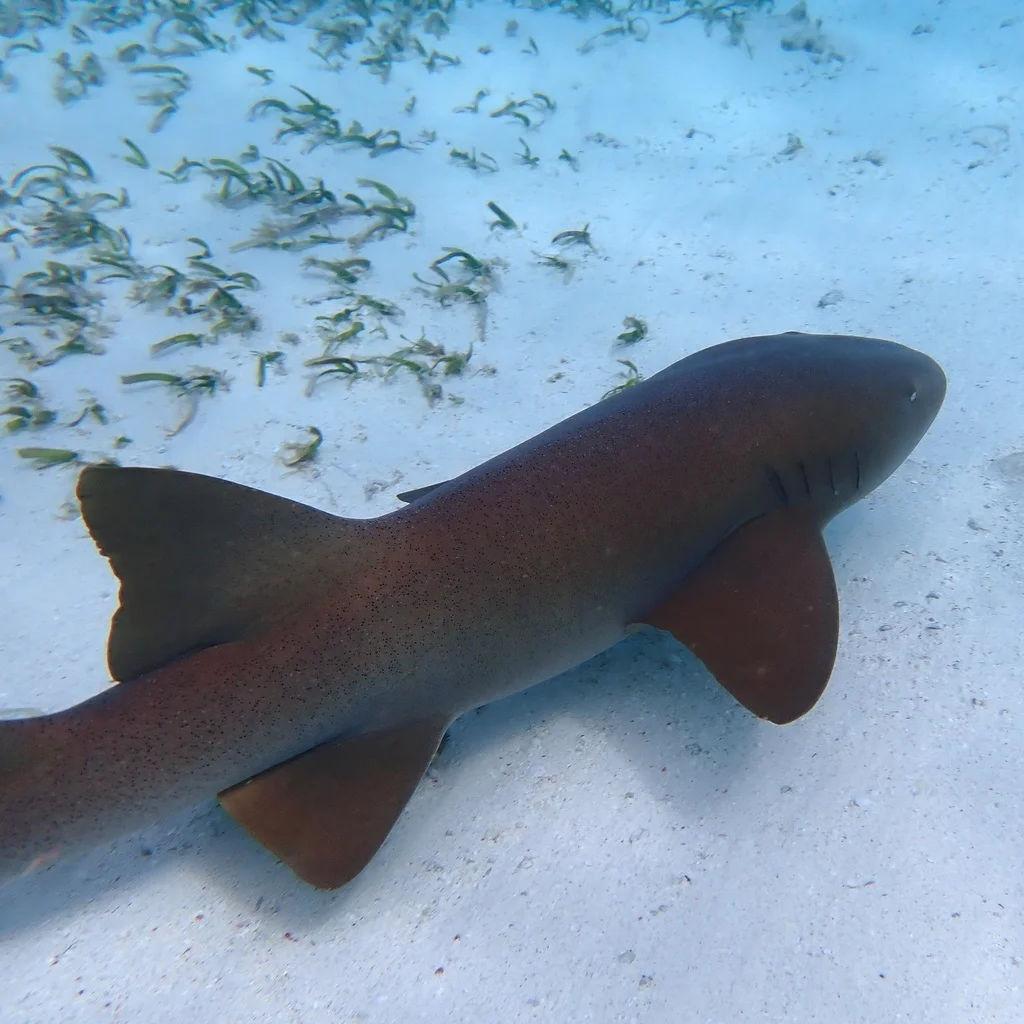
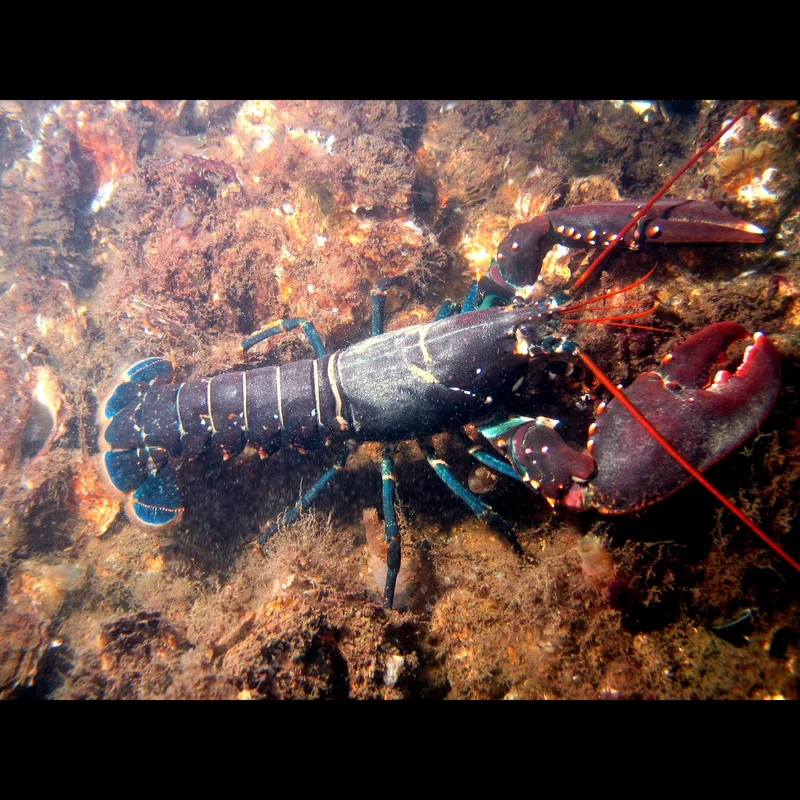
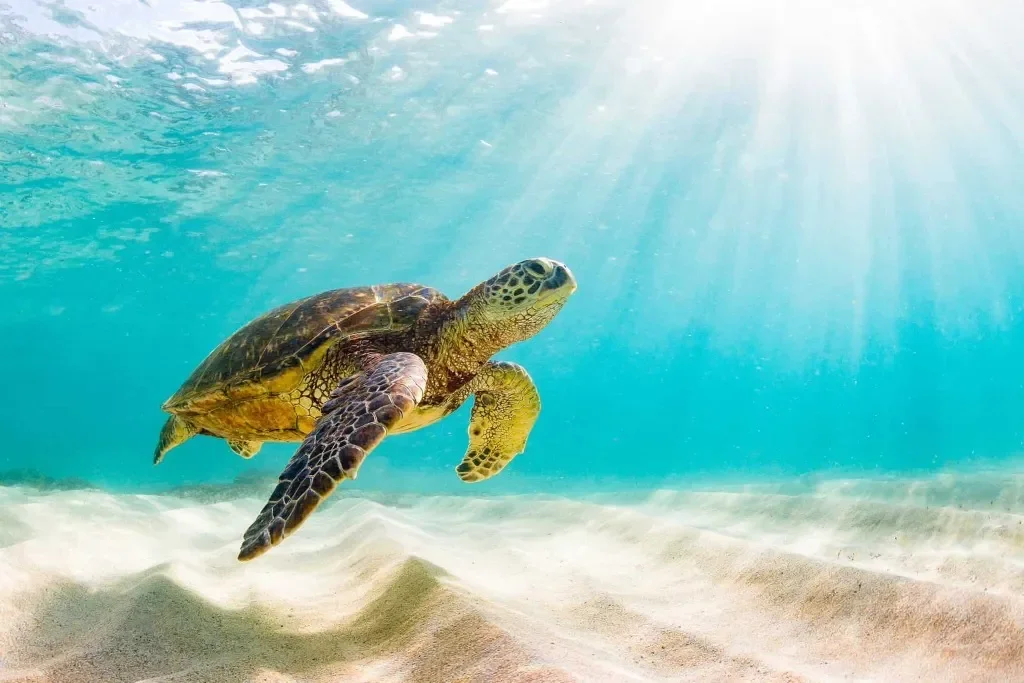
During the winter months, an impressive "carpet of rays" often forms on the sandy bottom, presenting a remarkable spectacle. Exploring the more complex reef structures of 'the rock' section, divers might spot nurse sharks, green sea turtles, and robust lobsters nestled within crevices.
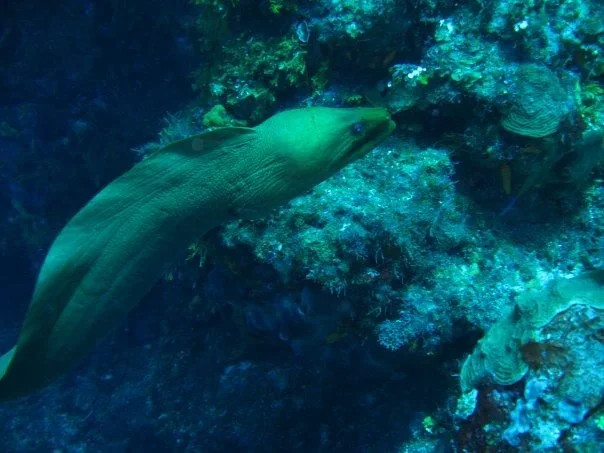
Occasionally, larger pelagic species such as whales, dolphins, and even magnificent giant manta rays are sighted passing through the area, adding an element of grand unpredictability to each dive. Moray eels also inhabit the numerous coral heads and rocky overhangs.
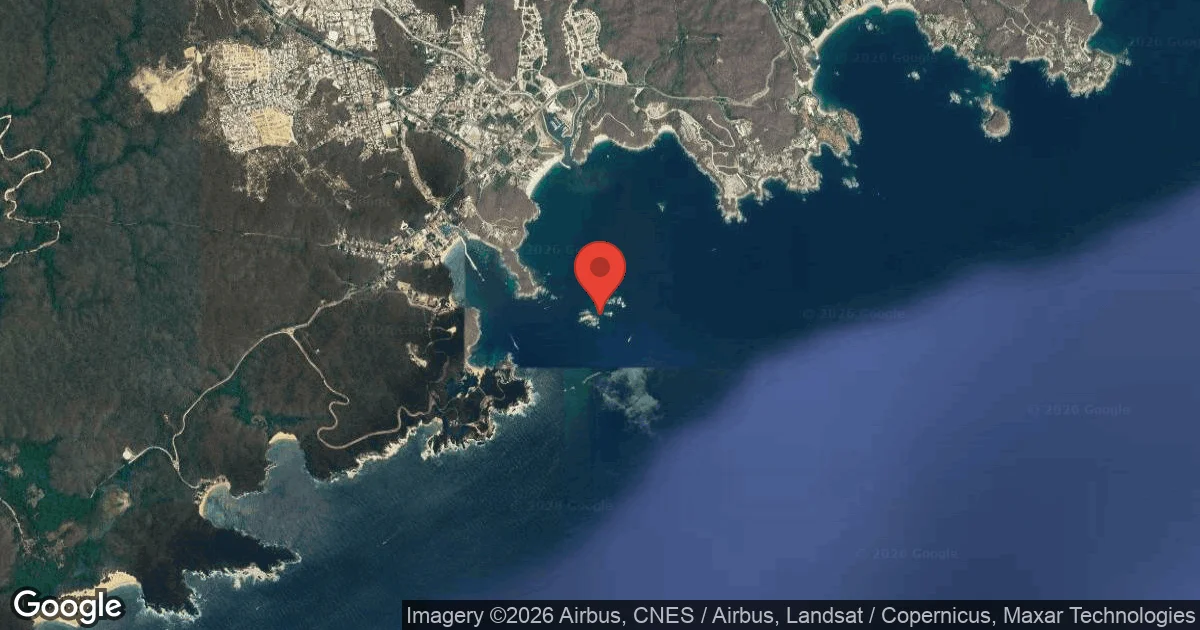
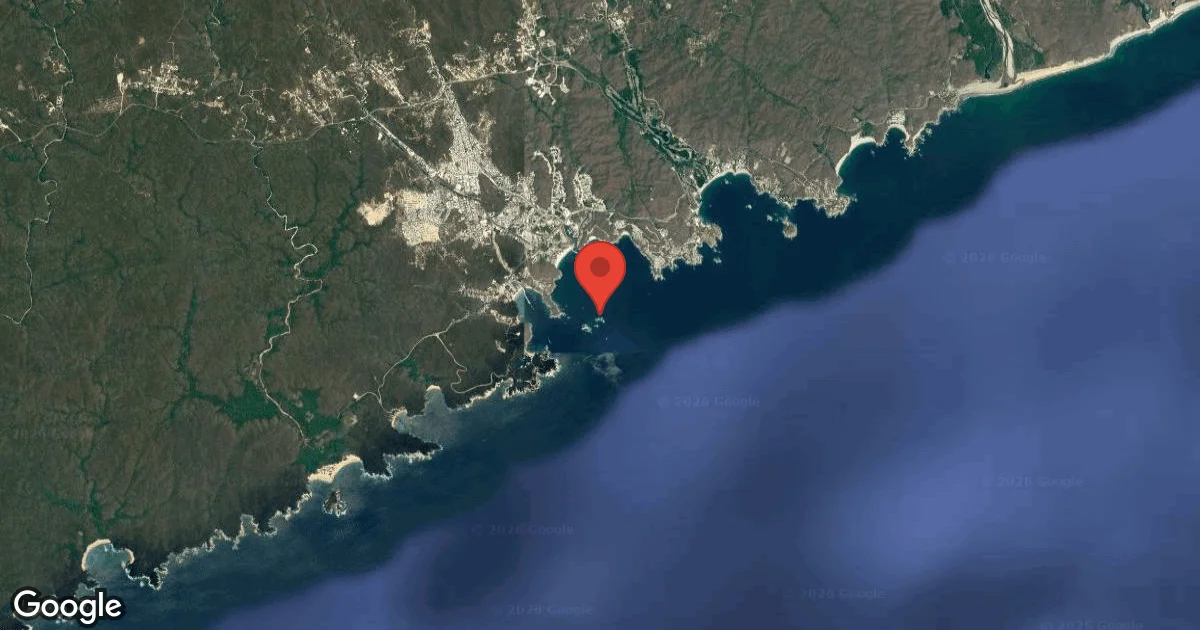
Dive Sites Near Violin
View all dive sites in MexicoDiscover more underwater gems in this area.
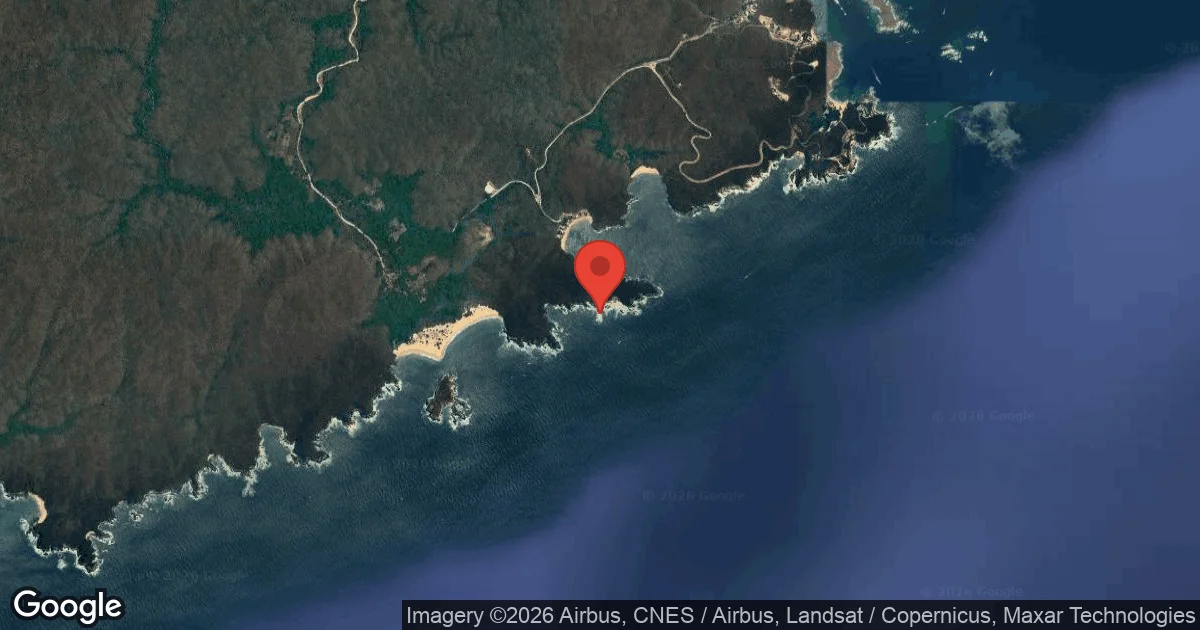
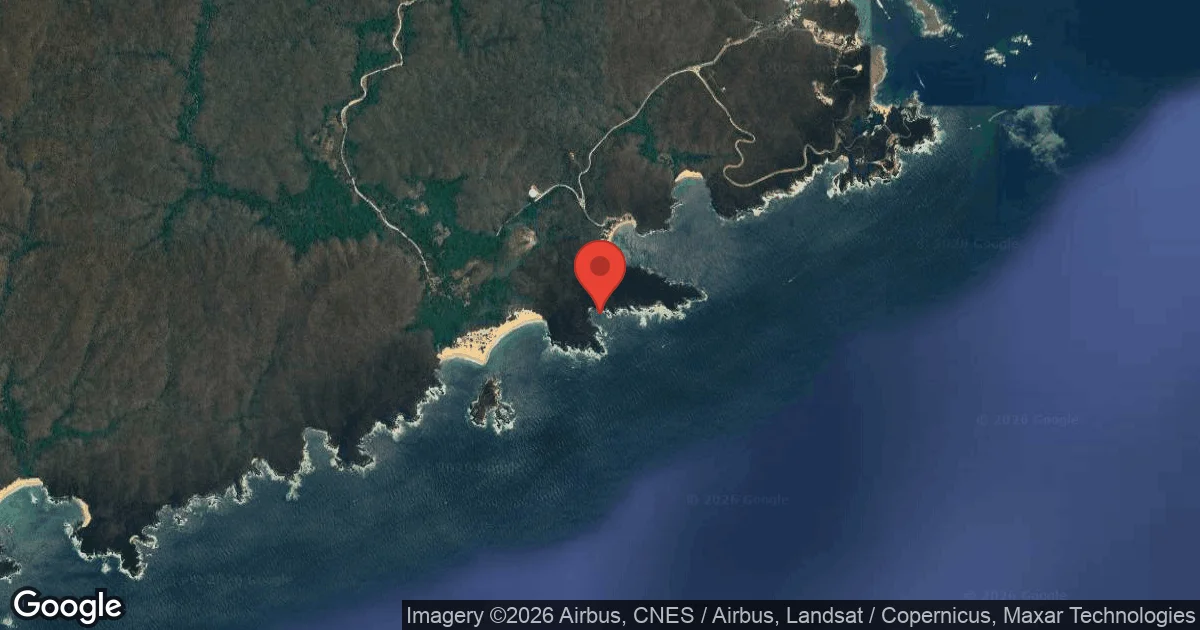
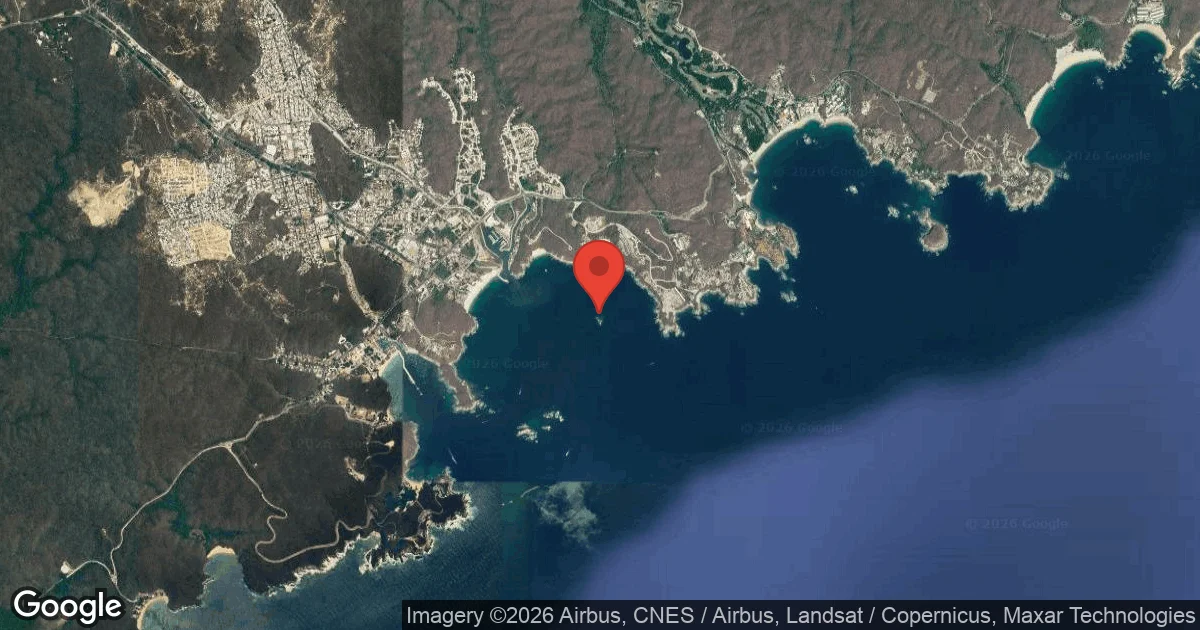
Dive Centers Near Violin
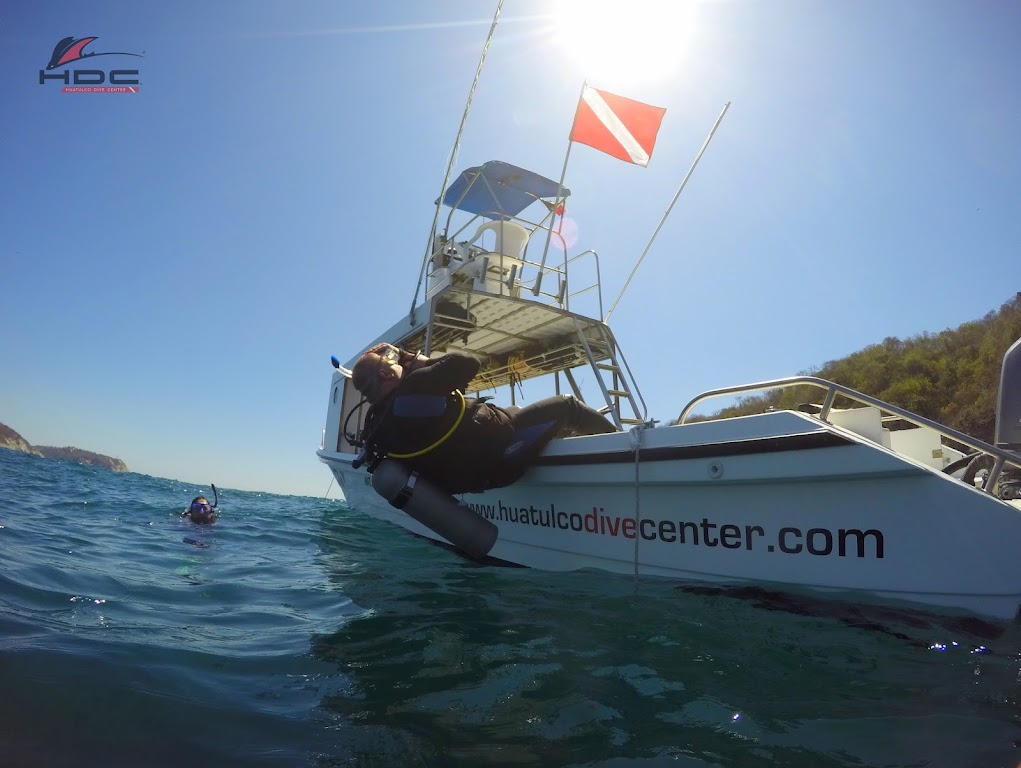
Today: 09:00 - 17:00
Nearest Airports
Nearest airports to help plan travel to this dive area.
Search Flights
Check available flights and routes on Expedia, using the nearby airports listed in this section.
Search Flights on ExpediaFrequently Asked Questions
What are the main sections of the Violin dive site?
Violin is primarily divided into two main areas: 'the cove' and 'the rock'. The cove is a shallower, easier section with rock and coral formations, while 'the rock' offers more complex topography with caverns and is suited for advanced divers.
What marine life can I expect to see at Violin?
Divers often encounter various stingrays, including butterfly, shovelnose, and Southern Pacific rays. In the deeper sections, you might spot nurse sharks, green sea turtles, lobsters, and moray eels. Larger marine animals like whales, dolphins, and manta rays are occasionally sighted.
Is Violin suitable for beginner divers?
Yes, 'the cove' section of Violin is well-suited for beginner divers due to its milder conditions and easier navigation. It provides an excellent environment to explore vibrant coral formations and abundant marine life in shallower depths.
What is the maximum depth at Violin?
The primary Violin dive site begins in its shallower sections, extending to a maximum depth of about 18 meters (60 feet). While some nearby features like Violin Pinacle may extend deeper, the main site remains well within standard recreational dive limits.
Are dive lights necessary for Violin?
Yes, dive lights are necessary for exploring 'the rock' section, particularly its two small caverns. These areas can be dark and require proper illumination to fully appreciate the features and ensure safe navigation.
When is the best time to see rays at Violin?
The winter months are particularly good for spotting a 'carpet of rays' on the sandy bottom of Violin. During these times, various species like Southern Pacific, butterfly, and electric rays are frequently observed in greater numbers.
Planning to dive Violin?
Send one inquiry and receive offers directly from the best verified local dive operators.
Conditions are Good
Optimal conditions expected
Current conditions near Violin show 28° air, 31° sea temperature, 1.1 m waves, and 26 km/h wind. Forecast data is refreshed regularly to ensure accuracy.