
Diving at La Blanca Channels (Mexico)
La Blanca Channels unfolds as a vibrant tableau of sheer coral cliffs and intricate sponge formations, captivating divers with its living architecture. Giant basket sponges dominate sections, interspersed with gorgonian corals swaying gently in the subtle currents. This underwater landscape pulses with activity, from darting triggerfish to schools of jacks, creating a constantly shifting, colorful panorama beneath the surface. Each descent reveals new textures and movements across the reef.
As evening covers La Blanca Channels, the local air temperature is measured at 32°C. The current wave height at the surface is recorded at 1.2 m. These late-day readings characterize the surface conditions for the night.
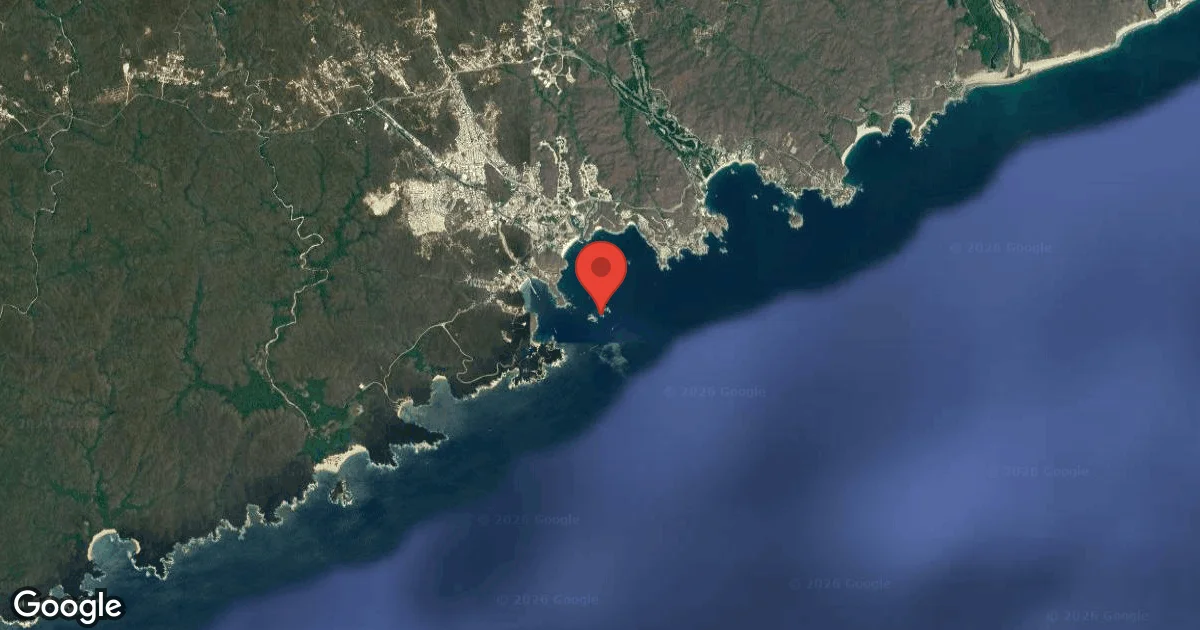
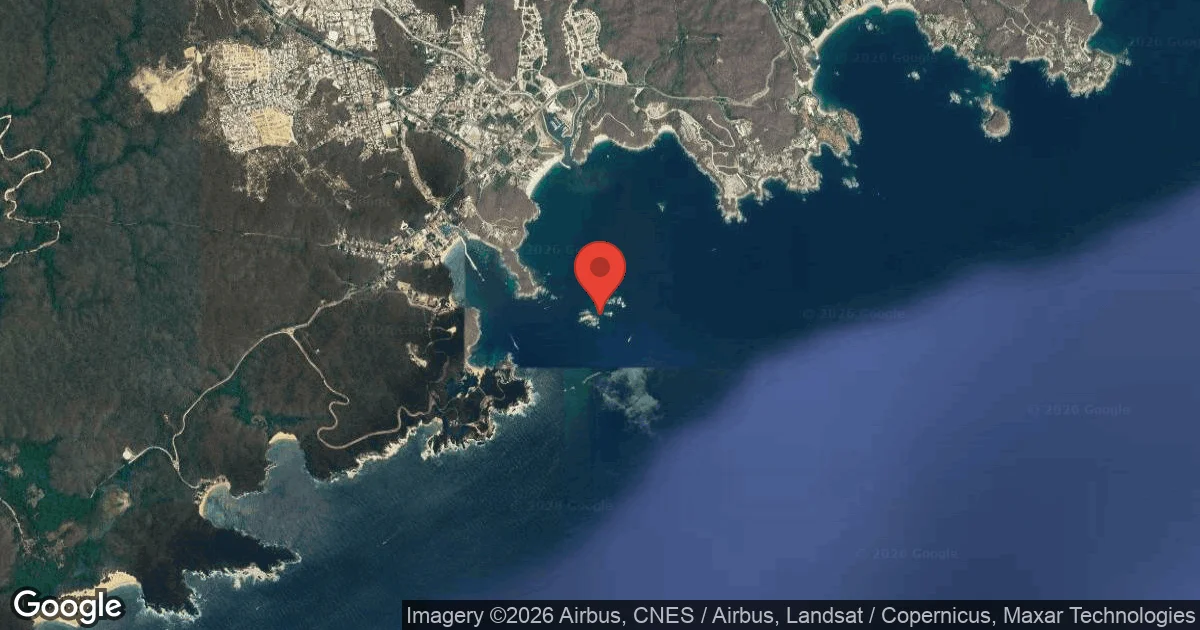
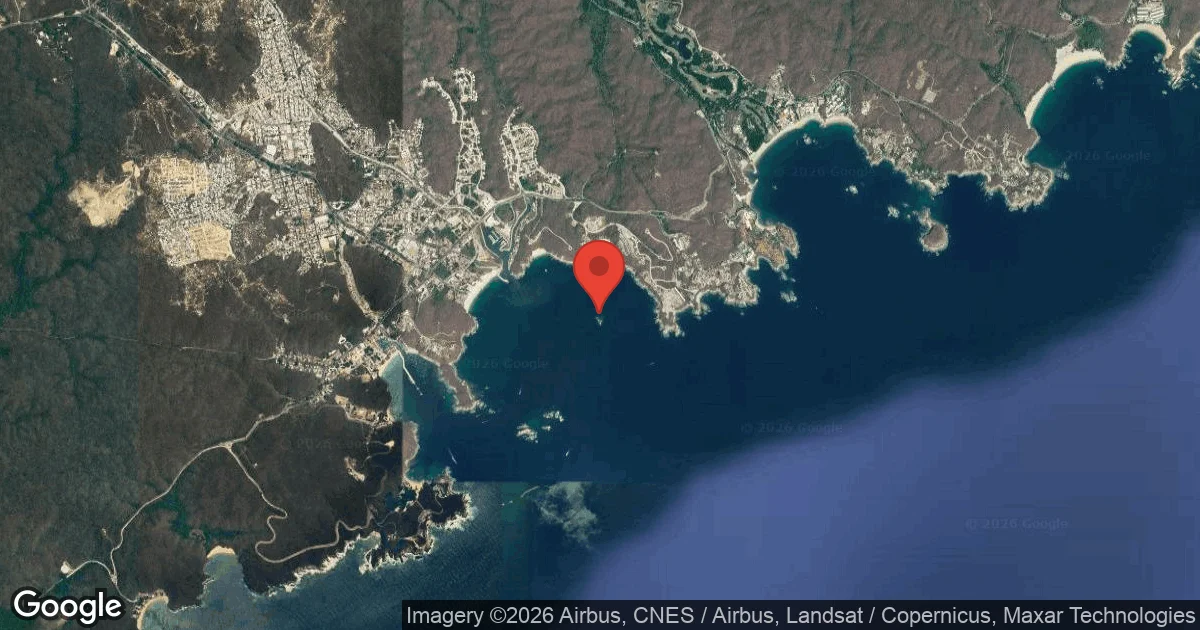
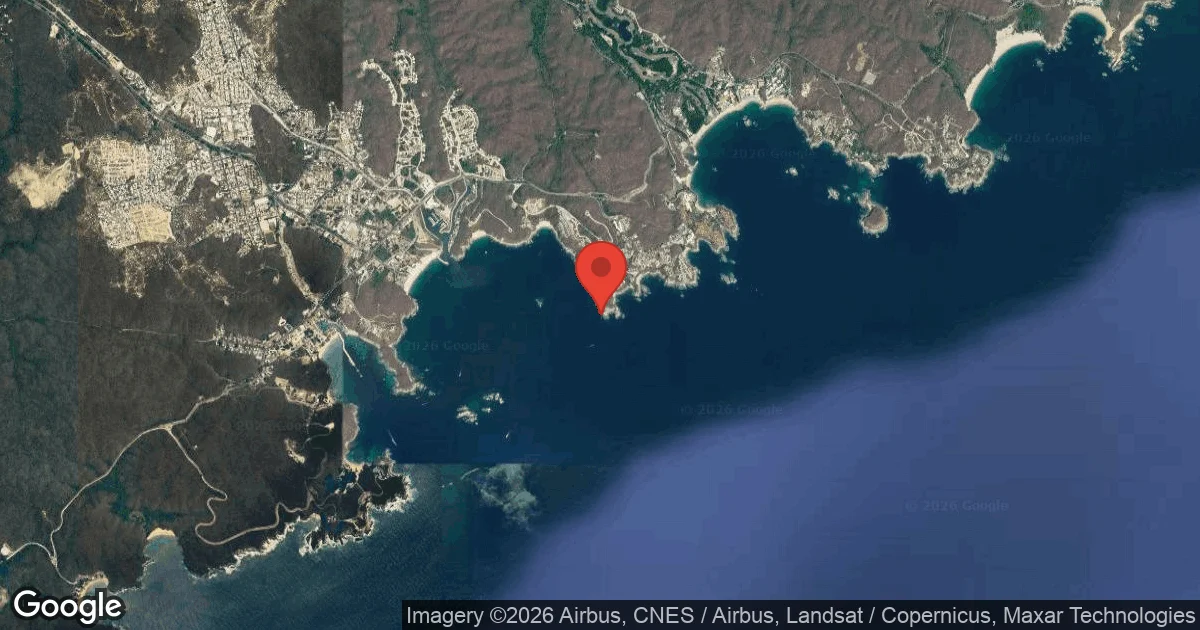
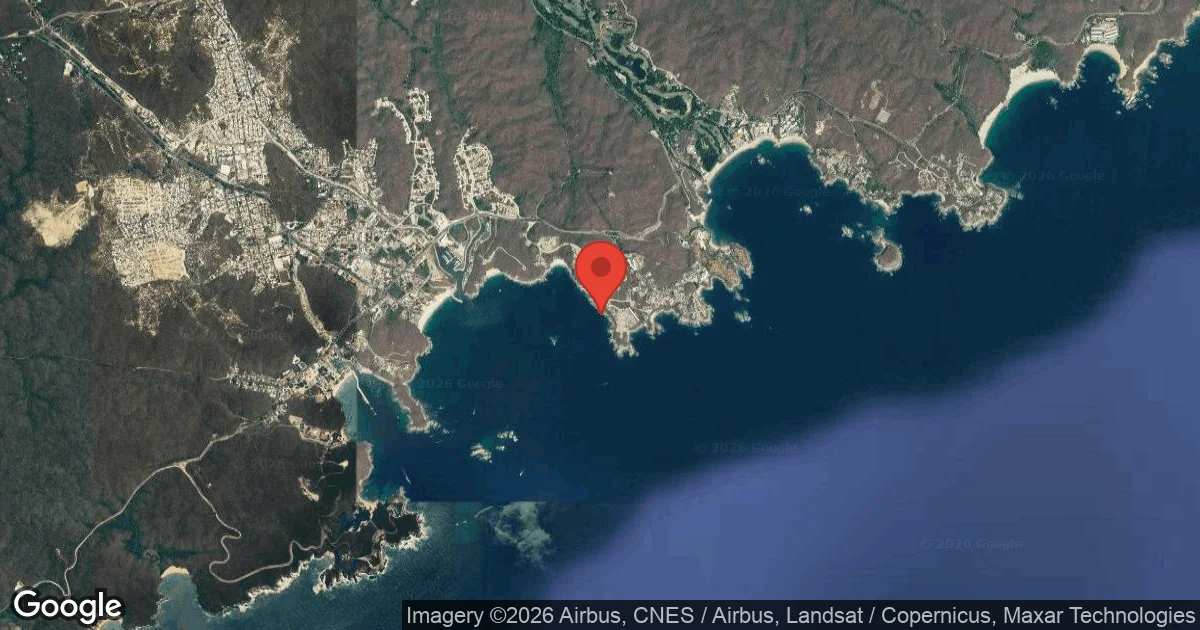
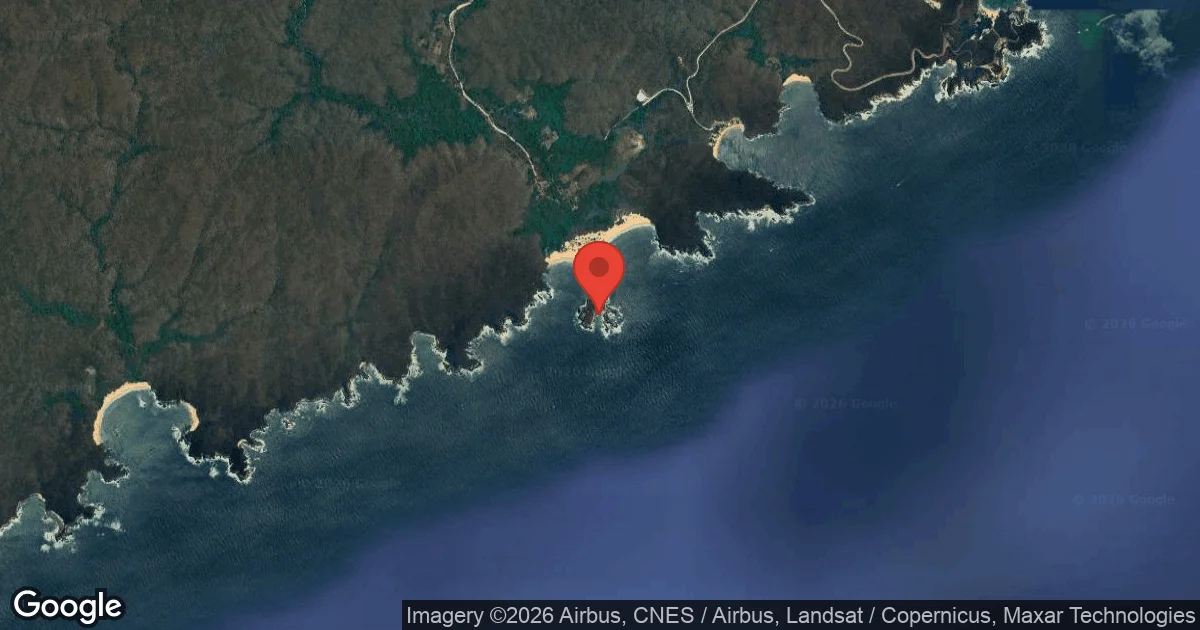
Dive Site Location & Key Facts
Dive Site Overview
La Blanca Channels represents a dynamic underwater environment, characterized by its historical significance in local conservation efforts. This site encompasses several distinct yet interconnected areas, including the shallower Iron Shore Reef and the more dramatic Villa Blanca Wall.
Historically, facing a critical threat from proposed development, concerted advocacy by scientists and local dive professionals successfully protected the reef. Today, it stands as a testament to these community-driven initiatives. Iron Shore Reef, accessible from shore, offers a maximum depth of 3 to 4.5 meters (10 to 15 feet), featuring critically endangered elkhorn coral and inviting shallow swims.
Moving offshore, the primary Villa Blanca Reef transitions into a sheer cliff adorned with a diverse array of corals and sponges. Further out, the Villa Blanca Wall provides a more challenging experience, dropping from 15 to 40 meters (50 to 130 feet), though its deepest point extends to 183 meters (600 feet).
Varying topography supports a rich ecosystem and allows for different dive profiles within a single area. Divers here also encounter platforms and other structures from an active coral restoration project, demonstrating ongoing commitment to reef health.
Conditions are Good
Optimal conditions expected
Current conditions near La Blanca Channels show 32° air, 31° sea temperature, 1.1 m waves, and 25 km/h wind. Forecast data is refreshed regularly to ensure accuracy.
Best Time to Dive
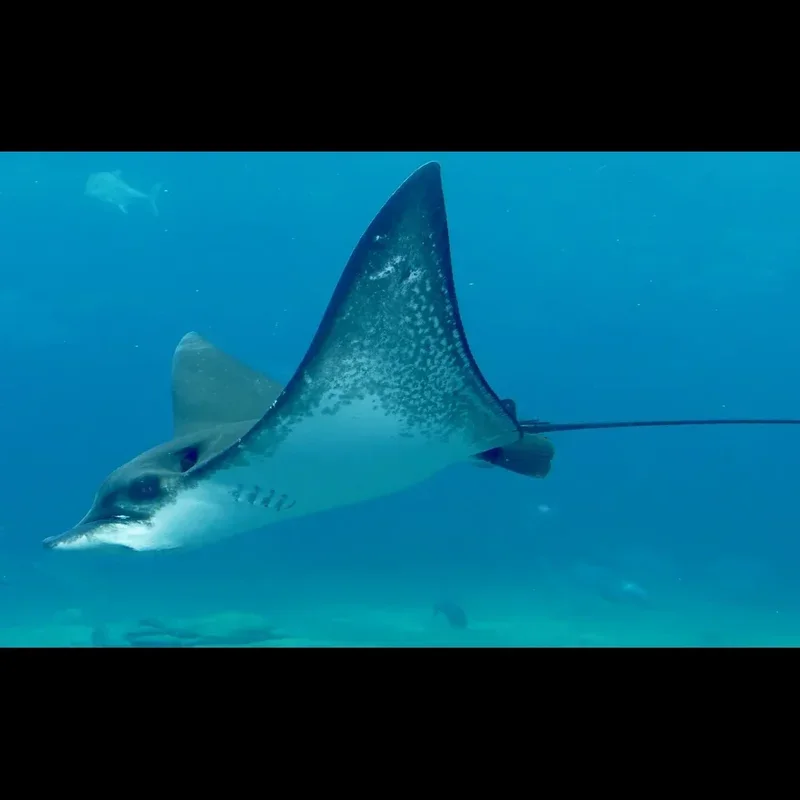
Optimal conditions for diving La Blanca Channels typically align with the months exhibiting "Good" dive scores, generally from January through April, July, August, October, November, and December. During these periods, average air temperatures remain pleasant, ranging from approximately 26°C (79°F) to 28°C (82°F). Rainfall is notably low from January to April, with monthly averages often less than 0.5 mm, which usually contributes to clearer waters. The moderate dive scores observed in May, June, and September coincide with increased wave heights, potentially exceeding 1.5 meters (5 feet), and higher rainfall, which can reach 9 mm (0.35 inches) in June. Wind speeds average around 12-18 km/h (7-11 mph) year-round, but stronger gusts can affect surface conditions. Planning a visit between December and March offers the added possibility of encountering eagle rays, making these winter months a popular choice for divers keen on seeing these majestic creatures.
PEAK SEASON SCORE
Scores combine air & water temps, waves, wind & rainfall for overall conditions.
BEST MONTHS TO DIVE
Monthly records compiled from satellite and marine observation nodes over the last 3 years. Data provided by Open-Meteo and MET Norway.
Dive Experience & Conditions
Exploring La Blanca Channels offers a varied sensory journey, ranging from tranquil shallow reefs to exhilarating wall dives. In the shallower Iron Shore sections, a slow dive among dense sponges and algae is common, providing ample time for macro observations. Here, the water typically presents good visibility, allowing divers to appreciate the intricate details of the reef structure and the abundant juvenile fish weaving through coral heads. As the site transitions to the Villa Blanca Wall, the experience becomes more dramatic. This vertical drop-off presents strong currents that can shift direction, often flowing from south to north. Navigating these currents requires situational awareness, but they also bring nutrients that sustain the vibrant marine life found along the cliff face. Divers frequently observe large gorgonian fan corals swaying in unison, creating a dynamic backdrop against the deep blue.
Dive Difficulty & Safety Guidelines
Divers approaching La Blanca Channels should consider the varied skill requirements for different sections of the site. The shallow Iron Shore Reef is suitable for Open Water divers and even Discover Scuba Diving participants due to its minimal depth, typically 3-4.5 meters and generally calm conditions.
However, the Villa Blanca Wall, with depths extending up to 40 meters (130 feet) and potentially strong, unpredictable currents, demands experience in drift diving and advanced buoyancy control. A dive computer and Surface Marker Buoy (SMB) are important for all dives here, particularly when currents are present.
Furthermore, engaging in the ongoing coral restoration project often benefits from specific training like PADI Coral Reef Conservation Diver. Self-Reliant Diver training could also be valuable for those exploring deeper wall sections where currents are a factor.
Adhering to sustainable diving practices, such as maintaining proper finning technique and avoiding contact with marine life, is crucial for preserving this delicate ecosystem.
Recommended Equipment
- Dive Computer
This gear list is based on verified equipment signals for La Blanca Channels, Mexico. Always confirm final gear choices with your dive operator, guide, or liveaboard.
Recommended Dive Suit
Current diving conditions indicate water temperatures around 31°C (88°F) at La Blanca Channels. Surface air temperatures are resting at 32°C (90°F).
Environmental conditions may feel slightly cooler as the week progresses. A significant temperature drop is forecast; strongly suggest bringing a backup warmer suit option. A neoprene vest or hood can add flexibility if temperatures feel cooler underwater.
Divers who prefer moderate insulation typically choose dive skin or rash guard in similar environments. Many experienced divers adjust their exposure protection depending on the type of dive planned. Divers planning trips later in the week may want to consider bringing a slightly warmer suit.
Emergency & Medical Support
Essential information to help you plan your dive trip to La Blanca Channels.

Hyperbaric chambers are a critical part of dive safety infrastructure. Availability varies significantly by region, and not all dive areas have immediate access.
Before diving, it's recommended to:
- confirm nearest medical facilities
- check emergency procedures with local dive operators
- ensure dive insurance covers evacuation if required
Divers Alert Network
Diving emergency assistance available through DAN World.
+1-919-684-9111- 24/7 emergency hotline
- Diving medical assistance
- Evacuation coordination
Emergency contacts are provided for reference. Always verify local emergency services before diving.
Marine Life at La Blanca Channels
Upon entering the water at La Blanca Channels, divers are often immediately struck by the sheer abundance of sponge and coral formations, especially the dramatic giant basket sponges. Schools of jacks and yellow grunts are common sights, moving in synchronized patterns across the reef.
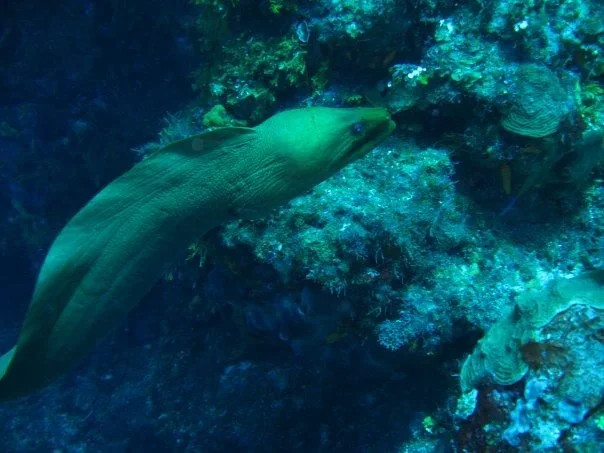
Keep an eye out for various triggerfish species and industrious flounders camouflaged on the seabed. Moray eels frequently peek from their crevices in the coral, adding an element of intrigue.
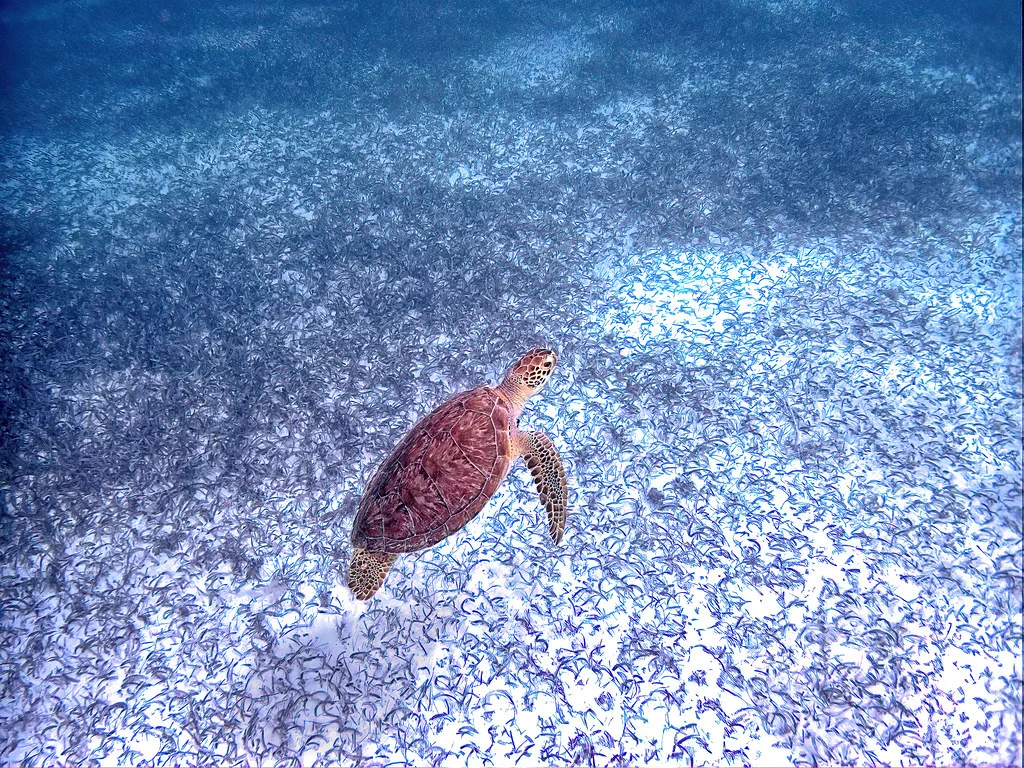
During the colder months, from December to March, the possibility of encountering majestic eagle rays adds a special highlight to the dive. Loggerhead turtles are also occasionally spotted gracefully traversing the reef.

Dive Sites Near La Blanca Channels
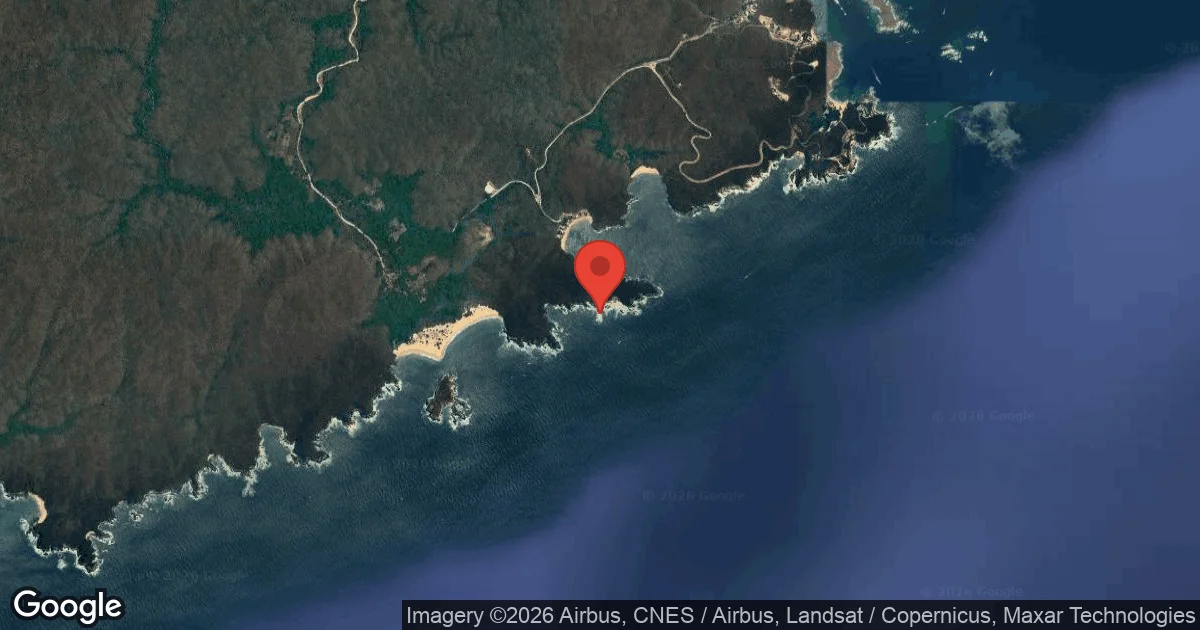
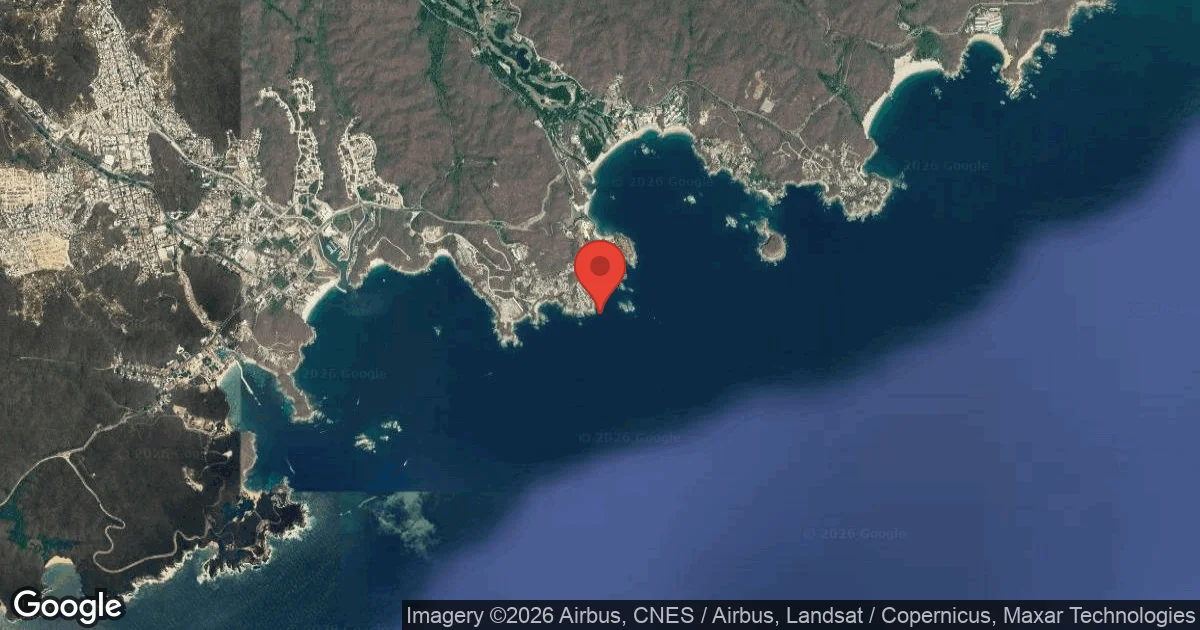
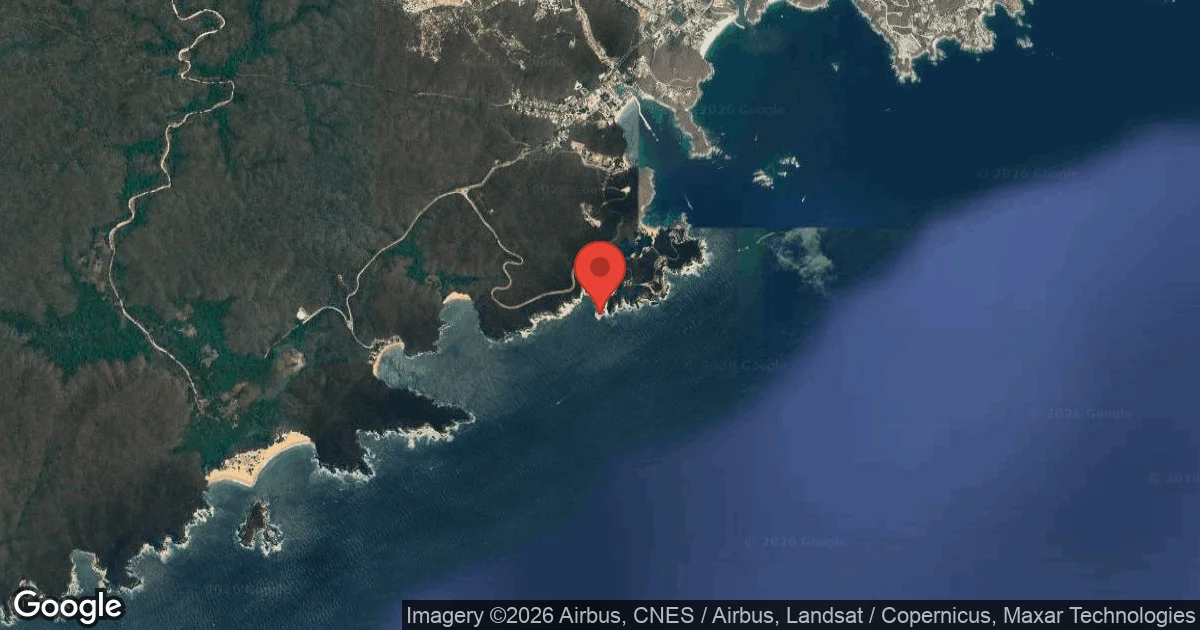
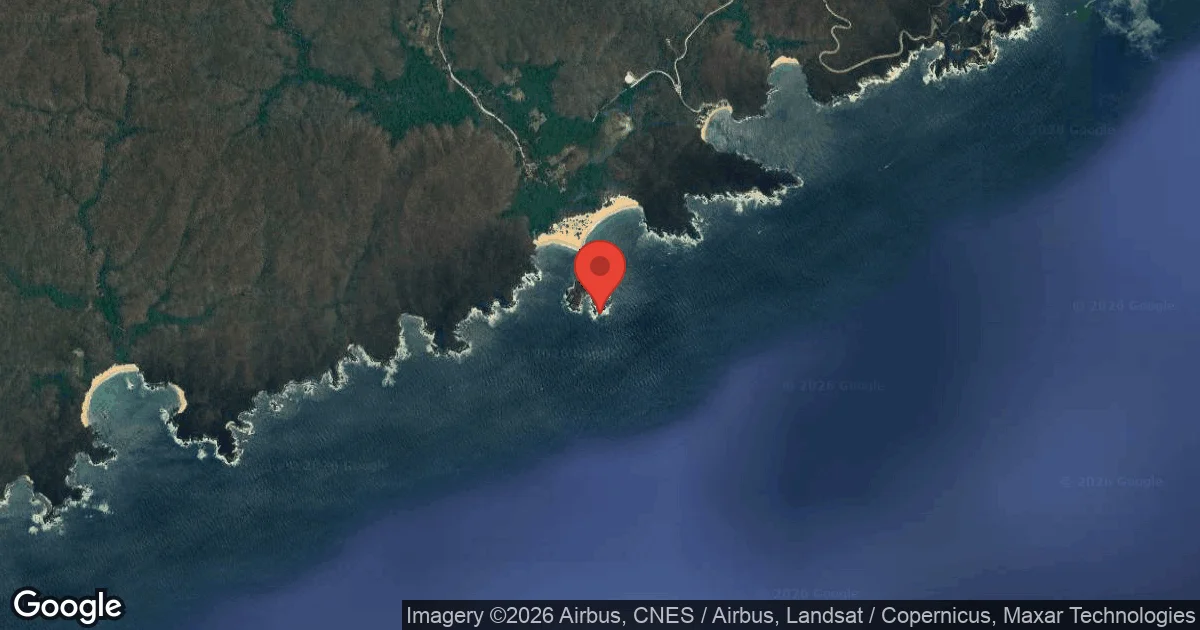
View all dive sites in MexicoDiscover more underwater gems in this area.
Dive Centers Near La Blanca Channels
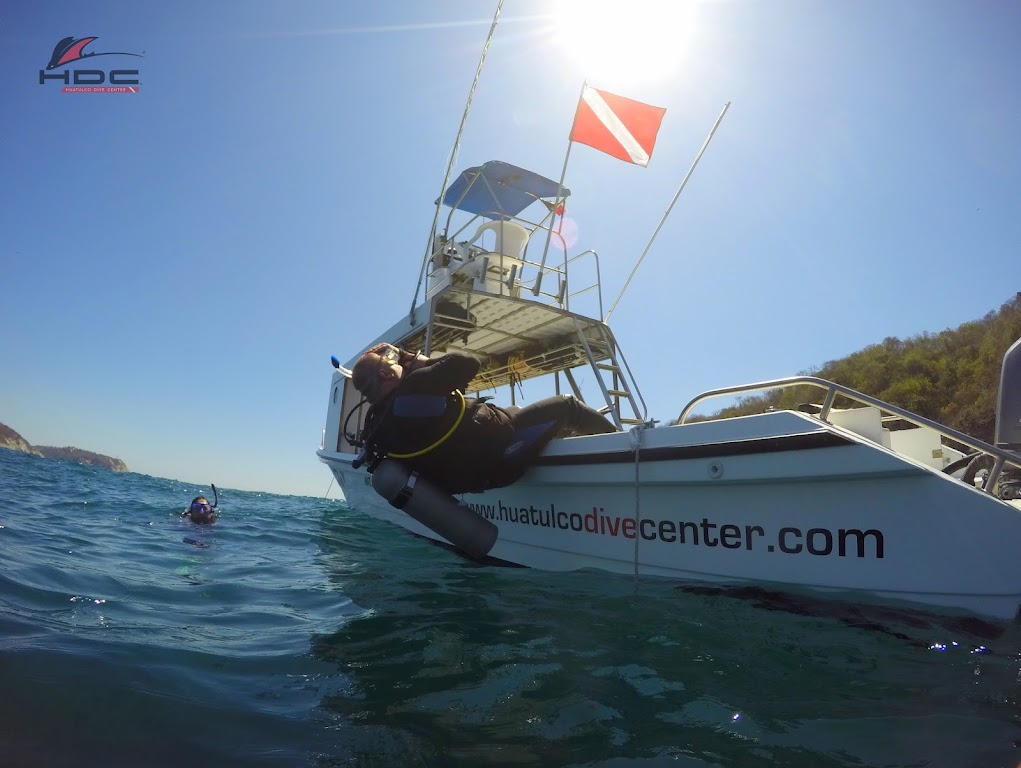
Today: 09:00 - 17:00
Nearest Airports
Nearest airports to help plan travel to this dive area.
Search Flights
Check available flights and routes on Expedia, using the nearby airports listed in this section.
Search Flights on ExpediaFrequently Asked Questions
What is the maximum depth at La Blanca Channels?
Site depths vary significantly. Shallow areas like Iron Shore Reef reach approximately 12 meters, suitable for beginners. The Villa Blanca Wall typically drops to about 40 meters for recreational diving, with its deepest point extending to 183 meters.
Are there strong currents present?
Currents can be a significant factor, especially along the Villa Blanca Wall. They are often strong and may change direction, typically flowing from south to north, requiring experience in drift diving.
Is La Blanca Channels suitable for beginner divers?
Yes, parts of the site like Iron Shore Reef are suitable for beginners, offering shallow depths and calmer conditions. However, the deeper Villa Blanca Wall is recommended for more experienced divers due to its depth and currents.
What marine life can divers expect to see?
Divers can commonly see giant basket sponges, gorgonian corals, triggerfish, schools of jacks and yellow grunts, flounders, groupers, angelfish, and moray eels. Seasonal sightings of eagle rays (December-March) and loggerhead turtles are also possible.
What conservation efforts are active at this dive site?
La Blanca Channels is a focal point for coral restoration, featuring platforms and structures dedicated to growing new coral. Local dive operators are often PADI Eco Centers and Green Fins members, actively supporting and funding these conservation initiatives.
Can snorkelers visit La Blanca Channels?
Yes, the shallower Iron Shore Reef section of La Blanca Channels is excellent for snorkelers. With depths typically ranging from 3 to 4.5 meters, it offers easy access to see elkhorn coral and a variety of fish in clear waters.
When is the best time to see eagle rays here?
Eagle ray season typically runs from December through March. Planning your dives during these months increases your chances of encountering these impressive creatures gliding through the channels.
Planning to dive La Blanca Channels?
Send one inquiry and receive offers directly from the best verified local dive operators.
Conditions are Good
Optimal conditions expected
Current conditions near La Blanca Channels show 32° air, 31° sea temperature, 1.1 m waves, and 25 km/h wind. Forecast data is refreshed regularly to ensure accuracy.