
Diving at Whale Shark Point (Mexico)
Situated off the coast of Isla Mujeres, Whale shark point presents a unique open-water encounter with the ocean's largest fish. While primarily known for surface interactions with these filter feeders, the broader area provides opportunities for reef diving. The site itself is defined by its seasonal aggregation of whale sharks, a natural phenomenon drawing divers and snorkelers to witness their feeding behaviors in the clear Caribbean waters.
Evening condition tracking at Whale Shark Point features an air temperature of 26.5°C. We have recorded wave heights measuring 0.6 m during this period. These figures outline the environmental parameters currently present.
Dive Site Location & Key Facts
Dive Site Overview
An encounter at Whale shark point isn't a traditional dive, but rather an immersive surface interaction where majestic whale sharks congregate. These gentle giants, often measuring many meters in length, visit the area to feed on dense schools of plankton.
The experience typically involves snorkeling alongside them, observing their vast mouths filter-feeding with remarkable grace. While the primary focus is on these incredible surface encounters, the broader marine environment around Isla Mujeres also offers reef diving opportunities, allowing certified divers to explore vibrant underwater ecosystems at recreational depths. You might observe a diverse range of other marine life, including various shark species, dolphins, and sea turtles, moving through the area.
Understanding the seasonal patterns of plankton blooms is key to maximizing your chances of witnessing this natural spectacle, as the sheer number of whale sharks varies significantly throughout the year.
Conditions are Good
Optimal conditions expected
Current conditions near Whale Shark Point show 26° air, 30° sea temperature, 0.5 m waves, and 20 km/h wind. Forecast data is refreshed regularly to ensure accuracy.
Best Time to Dive
Timing for a visit to Whale shark point is crucial, especially if you aim to encounter its namesake marine life. While general dive conditions around the region remain good throughout the year with average dive scores of 7 or 8, the whale shark season dictates the ideal window for this specific experience. The best time for whale shark encounters typically runs from May through September. During these months, air temperatures average between 28°C (82°F) and 29°C (84°F), providing comfortable surface conditions. Rainfall is minimal in April at 1.09mm, gradually increasing to 6.47mm in June and remaining moderate through September. Wave heights are generally lower from May to September, averaging around 0.6 m to 0.8 m, creating more favorable surface conditions for observing these filter feeders compared to the higher waves often seen in winter months, which can exceed 1.1 m. This seasonal shift in conditions ensures a more comfortable and productive viewing experience.
PEAK SEASON SCORE
Scores combine air & water temps, waves, wind & rainfall for overall conditions.
BEST MONTHS TO DIVE
Monthly records compiled from satellite and marine observation nodes over the last 3 years. Data provided by Open-Meteo and MET Norway.
Dive Experience & Conditions
Approaching Whale shark point, you'll first notice the activity on the surface, with numerous boats carefully navigating the area during peak season. Water temperature is not consistently reported in available data, but conditions in the Mexican Caribbean are typically warm. Visibility tends to be excellent, allowing clear views of the plankton-rich waters that attract the whale sharks. These interactions primarily occur at the surface, where snorkelers can swim alongside the feeding whale sharks. While focused on snorkeling, divers in the general area can explore shallow reef structures nearby. Expect conditions where whale sharks move slowly as they feed, offering prolonged viewing opportunities from relatively shallow sections of the water column. Maximum depth for traditional diving in the surrounding reef areas would typically be within recreational limits.
Dive Difficulty & Safety Guidelines
Engaging with whale sharks at this location requires adherence to specific guidelines to ensure both diver safety and marine life protection. Respecting the animals' space is paramount; avoid direct contact or obstructing their path. Due to the popularity of these encounters, boat traffic can be significant, so always follow your guide's instructions and maintain awareness of your surroundings on the surface.
There are no specific hazards reported for this site other than general open-water considerations and the need for respectful interaction with large marine animals. Maintaining situational awareness and practicing responsible observation minimizes environmental impact and enhances the overall experience.
Recommended Equipment
- Dive Computer
This gear list is based on verified equipment signals for Whale Shark Point, Mexico. Always confirm final gear choices with your dive operator, guide, or liveaboard.
Recommended Dive Suit
Conditions in the coming days are expected to stay within a similar temperature range.
Many experienced divers would consider dive skin or rash guard an appropriate choice here.
At Whale Shark Point, the water is currently sitting around 30°C (85°F). Surface air temperatures are resting at 26°C (79°F).
Due to technical issues with our weather providers, live updates are temporarily delayed. The data above reflects the conditions at the time of the last successful fetch.
Emergency & Medical Support
Essential information to help you plan your dive trip to Whale shark point.

Hyperbaric chambers are a critical part of dive safety infrastructure. Availability varies significantly by region, and not all dive areas have immediate access.
Before diving, it's recommended to:
- confirm nearest medical facilities
- check emergency procedures with local dive operators
- ensure dive insurance covers evacuation if required
Divers Alert Network
Diving emergency assistance available through DAN World.
+1-919-684-9111- 24/7 emergency hotline
- Diving medical assistance
- Evacuation coordination
Emergency contacts are provided for reference. Always verify local emergency services before diving.
Marine Life at Whale Shark Point
The immediate draw at Whale shark point is the seasonal congregation of whale sharks, which you'll notice first as massive, spotted forms breaking the surface. They feed on plankton, presenting a unique opportunity to witness their filter-feeding behavior up close.
While whale sharks dominate the experience, the surrounding waters also host other significant marine life. You might observe various shark species, graceful dolphins, and different types of sea turtles.
These common sightings contribute to the rich biodiversity of the Mexican Caribbean, making each trip a potential encounter with diverse pelagic species.
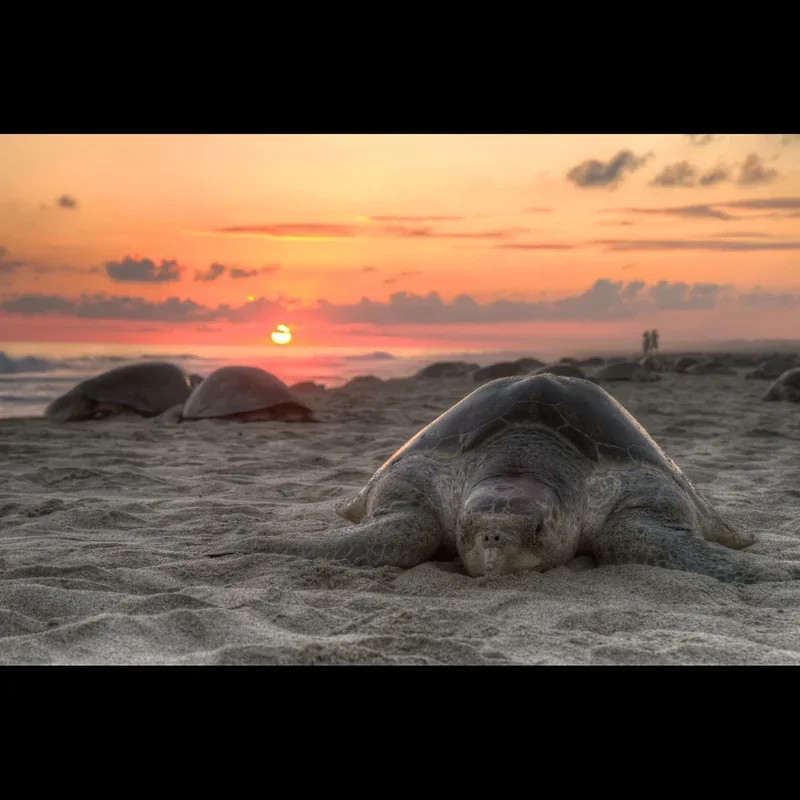

Dive Sites Near Whale Shark Point
View all dive sites in MexicoDiscover more underwater gems in this area.
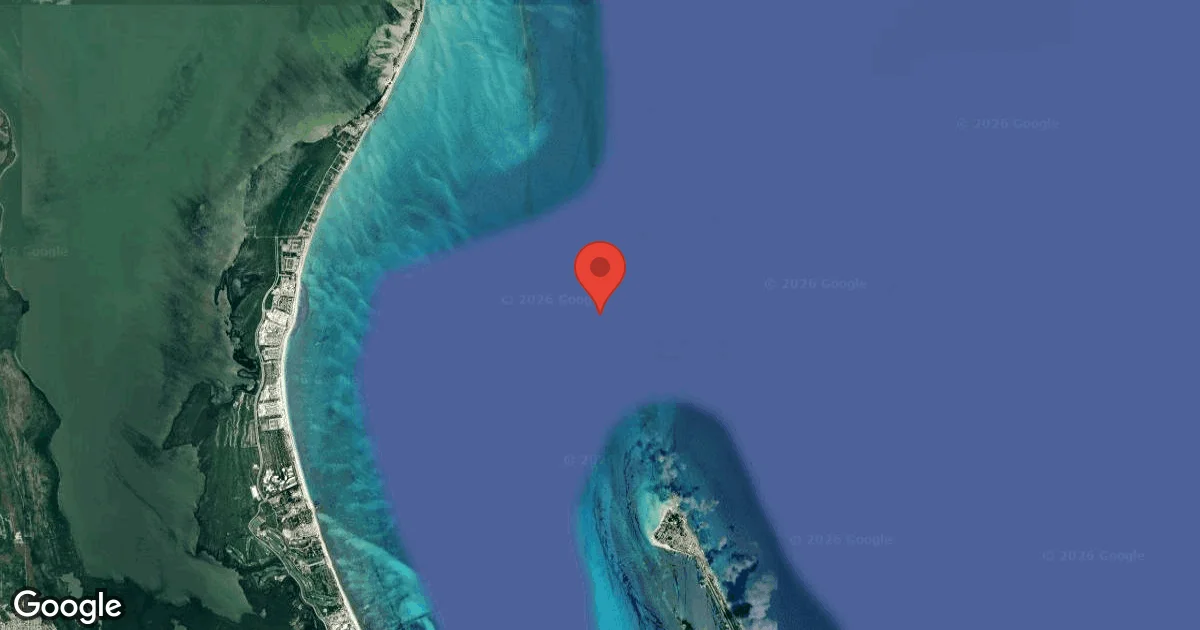
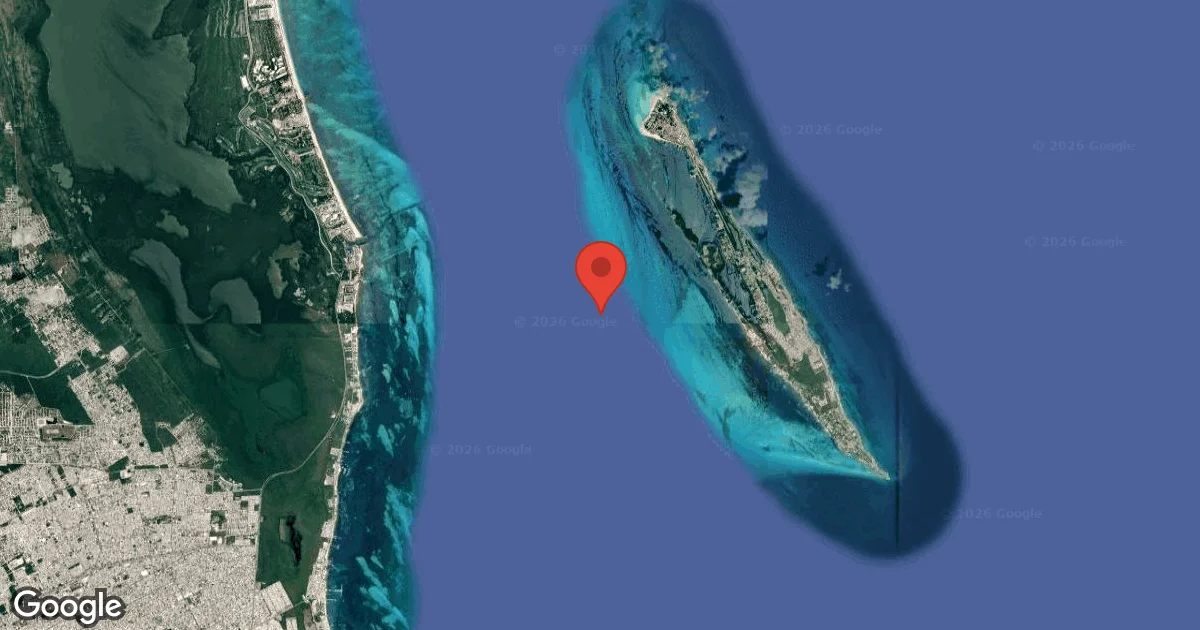
Dive Centers Near Whale Shark Point
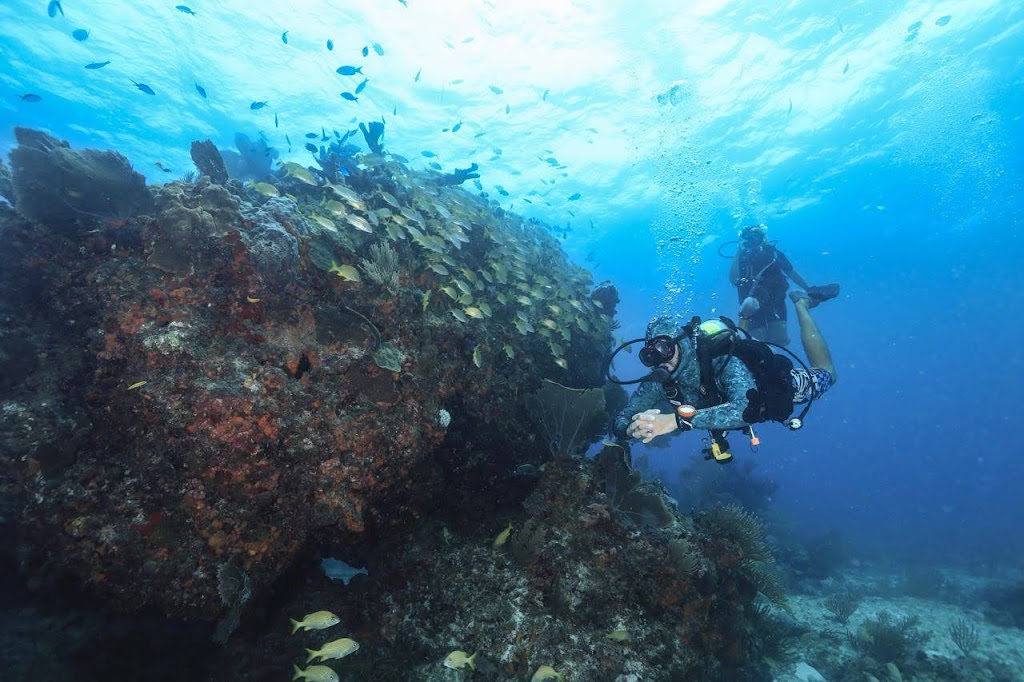
Today: 07:30 - 17:00
Nearest Airports
Nearest airports to help plan travel to this dive area.
Search Flights
Check available flights and routes on Expedia, using the nearby airports listed in this section.
Search Flights on ExpediaFrequently Asked Questions
When is the best time to see whale sharks at this point?
The peak season for whale shark encounters typically runs from May through September. During these months, the conditions are favorable, and the plankton blooms attract a large number of these filter feeders to the area.
Is this a diving or snorkeling experience?
Whale shark encounters at this point are primarily snorkeling experiences. Visitors swim on the surface alongside the whale sharks as they feed. Traditional scuba diving is not generally conducted directly with the feeding whale sharks, though reef diving is possible in the surrounding areas of Isla Mujeres.
What is the typical water temperature?
Specific water temperature data for this site is not consistently reported. However, the Mexican Caribbean generally experiences warm water temperatures, providing comfortable conditions for snorkeling during the whale shark season.
What other marine life might I see?
Beyond whale sharks, you might encounter other impressive marine animals such as various species of sharks, playful dolphins, and several types of sea turtles. These sightings can occur both near the surface and on deeper reef dives in the region.
What kind of diving is available in the general area?
While the whale shark interaction is snorkeling-focused, the general area around Isla Mujeres offers reef diving opportunities. These dives typically explore vibrant coral structures and diverse marine ecosystems within recreational depth limits.
Are there specific regulations for interacting with whale sharks?
Yes, strict guidelines are in place to protect the whale sharks and ensure visitor safety. These rules typically include maintaining a respectful distance, avoiding touching the animals, and following the instructions of your tour guide. This helps minimize disturbance to their natural behavior.
Planning to dive Whale Shark Point?
Send one inquiry and receive offers directly from the best verified local dive operators.
Conditions are Good
Optimal conditions expected
Current conditions near Whale Shark Point show 26° air, 30° sea temperature, 0.5 m waves, and 20 km/h wind. Forecast data is refreshed regularly to ensure accuracy.