
Diving at Musa Cancun Underwater Museum (Mexico)
MUSA, the Cancun Underwater Museum, lies just off the coast of Isla Mujeres, designed as an artificial reef structure. This expansive site, initiated by Roberto Diaz and Jason deCaire Taylor, hosts over 500 statues within the Manchones National Park, with additional sculptures integrated into the surrounding Manchones Reefs. The museum is roughly divided into two distinct sections, offering a unique sub-aquatic art gallery. Its purpose extends beyond art, aiming to promote coral life.
Tonight's objective overview for Musa Cancun Underwater Museum shows an air temperature of 29.5°C. The measured surface conditions include wave heights around 0.8 m. This environmental data is logged for the close of the day.
Dive Site Location & Key Facts
Dive Site Overview
MUSA, the Cancun Underwater Museum, emerged from a collaborative vision in 2009, established by Roberto Diaz and Jason deCaire Taylor. This ambitious project aimed to create an artificial reef system while offering a novel artistic experience.
The site encompasses over 500 sculptures strategically placed within the Manchones National Park, forming a captivating sub-aquatic gallery. Divers often navigate two main sections. The first reveals intriguing installations like miniature houses, oversized rings suitable for swimming through, and symbolic time bombs.
Following a short, five-minute swim, the experience transitions into the "Silent Evolution" section, which alone features over 450 statues. These figures, modeled on local community members and fishermen, present a poignant reflection of human interaction with the marine environment.
Additional sculptural elements include two full-sized cars and figures with their heads submerged in the sand, culminating in pagoda-style structures at the dive's end. MUSA is accessible for all diving levels, including snorkelers, due to its shallow depths.
Dive operators frequently pair a visit to MUSA with a second tank dive to a natural reef nearby or the C-58 shipwreck. The C-58, a former World War II minesweeper, was intentionally sunk in 1980, now serving as an artificial reef located approximately 30 minutes away by boat.
Conditions are Good
Optimal conditions expected
Current conditions near Musa Cancun Underwater Museum show 29° air, 29° sea temperature, 0.9 m waves, and 15 km/h wind. Forecast data is refreshed regularly to ensure accuracy.
Best Time to Dive
Optimizing your dive experience at MUSA often depends on surface conditions and personal comfort with air temperatures. While diving here is generally considered good year-round, with dive scores consistently rated 7 or 8, some months offer slightly calmer seas and warmer air. For instance, August and September typically show the lowest average wave heights, around 0.8 meters (2.6 feet), which can translate to smoother boat rides and easier entries. Air temperatures remain comfortably warm throughout the year, ranging from approximately 24°C (75°F) in cooler months like February to a balmy 28.5°C (83°F) in July. Rainfall is generally manageable, although June, September, and October experience slightly higher average precipitation, with June seeing around 7.09 mm (0.28 inches) of rain. Divers seeking the most tranquil conditions might prefer late summer and early fall, when the combination of minimal waves and warm air creates an inviting environment for exploring the underwater sculptures.
PEAK SEASON SCORE
Scores combine air & water temps, waves, wind & rainfall for overall conditions.
BEST MONTHS TO DIVE
Monthly records compiled from satellite and marine observation nodes over the last 3 years. Data provided by Open-Meteo and MET Norway.
Dive Experience & Conditions
Accessing MUSA involves a boat entry, typically a short ride from shore. Once in the water, divers find themselves in a salt-water environment suitable for a wide range of certifications, including PADI Open Water Divers, Discover Scuba Diving participants, and Advanced Open Water divers. The site's relatively shallow depths contribute to a relaxed diving pace, making it an excellent choice for new divers or those seeking an easy exploration. While specific average water temperatures aren't consistently reported, the region generally provides warm Caribbean conditions that enhance comfort. Visibility is often quite good, allowing for clear views of the intricate sculptures and any marine life inhabiting them. Currents tend to be mild, but can vary, so local guidance is always beneficial. Many dive packages combine a MUSA visit with a nearby natural reef, such as Manchones Reef, which is only a five-minute boat ride away.
Dive Difficulty & Safety Guidelines
MUSA is designed to be accessible for divers of varying skill levels, from beginners undergoing Discover Scuba Diving to certified PADI Open Water and Advanced Open Water divers. Nonetheless, adherence to standard safe diving practices is always paramount. Before any dive, consulting a local dive professional familiar with the site's current conditions is strongly recommended.
While no specific hazards are consistently reported for MUSA itself, monitoring boat traffic, maintaining proper buoyancy control, and respecting the art installations are important. Ensure you dive within your certification limits and always with a buddy.
Briefings from dive operators will cover any site-specific considerations, ensuring a safe and enjoyable underwater experience.
Recommended Equipment
- Dive Computer
- DSMB
This gear list is based on verified equipment signals for Musa Cancun Underwater Museum, Mexico. Always confirm final gear choices with your dive operator, guide, or liveaboard.
Recommended Dive Suit
The coming days appear slightly cooler according to the latest forecast. Cooler days are ahead; you might want a warmer option for later in the week. Divers planning multiple dives may appreciate having a warmer option available.
Some divers prefer slightly warmer exposure protection simply for additional comfort.
2-3mm shorty or light wetsuit usually works well for maintaining comfort during standard dive profiles in these conditions. Divers preparing to enter the water at Musa Cancun Underwater Museum will likely find temperatures around 29°C (84°F) today. Surface air temperatures are resting at 29°C (85°F).
Emergency & Medical Support
Essential information to help you plan your dive trip to MUSA cancun underwater museum.

Hyperbaric chambers are a critical part of dive safety infrastructure. Availability varies significantly by region, and not all dive areas have immediate access.
Before diving, it's recommended to:
- confirm nearest medical facilities
- check emergency procedures with local dive operators
- ensure dive insurance covers evacuation if required
Divers Alert Network
Diving emergency assistance available through DAN World.
+1-919-684-9111- 24/7 emergency hotline
- Diving medical assistance
- Evacuation coordination
Emergency contacts are provided for reference. Always verify local emergency services before diving.
Marine Life at Musa Cancun Underwater Museum
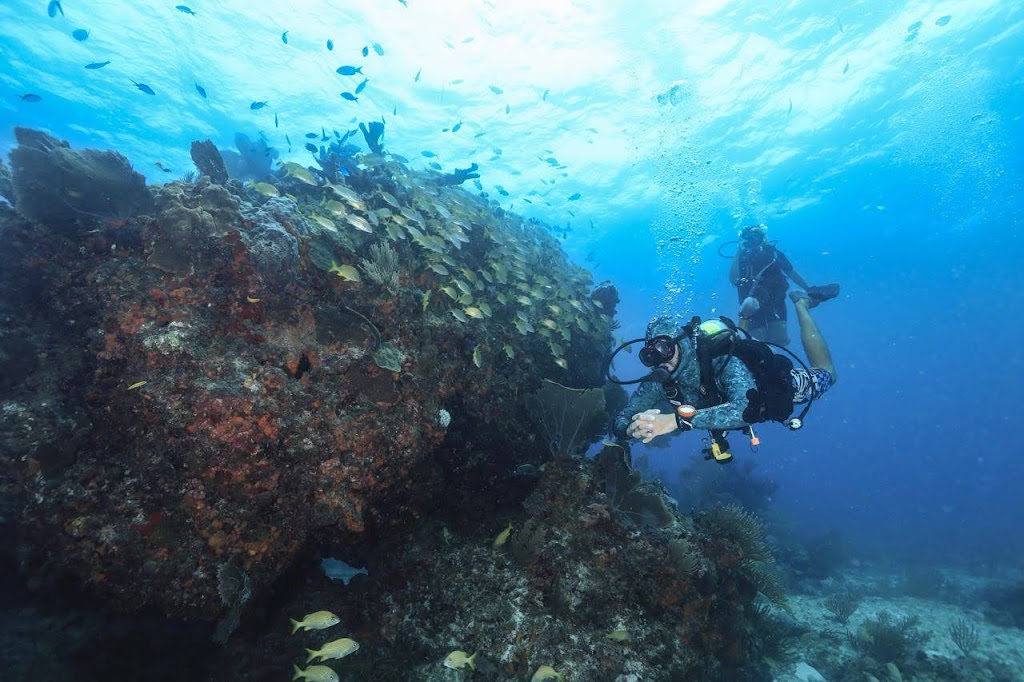
As you descend into MUSA, the initial focus is undoubtedly on the human-form sculptures, yet these quickly give way to the burgeoning marine life that has colonized the artificial reef. Corals are actively growing across the statues, attracting a variety of reef fish that now call this unique habitat home.
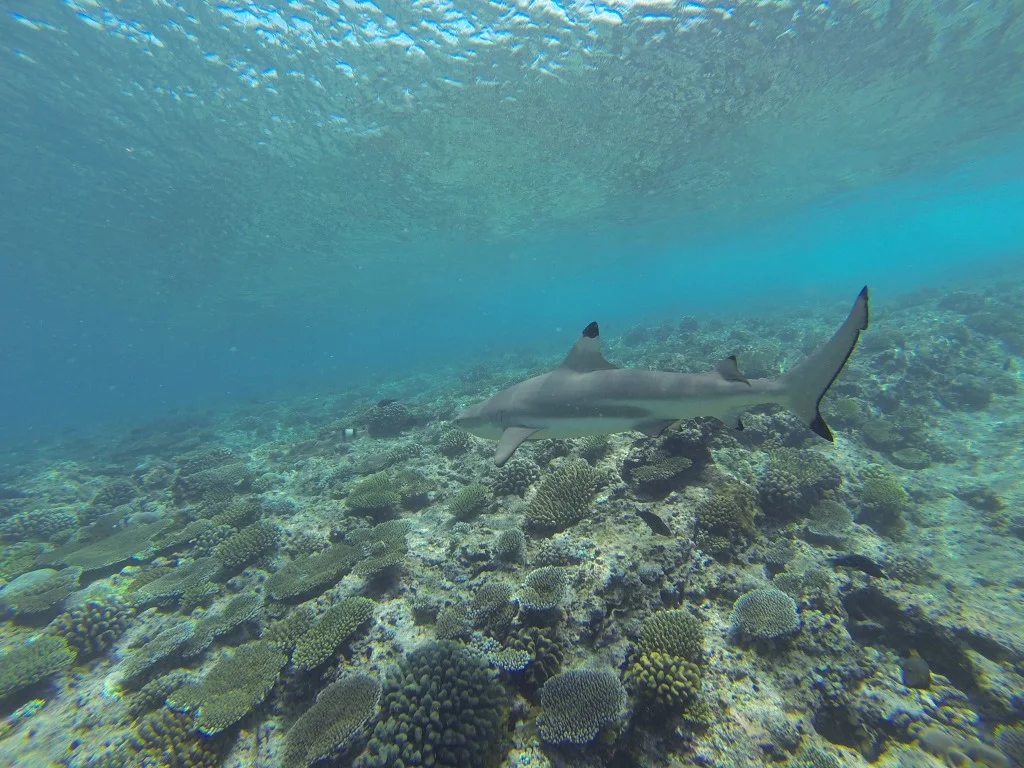
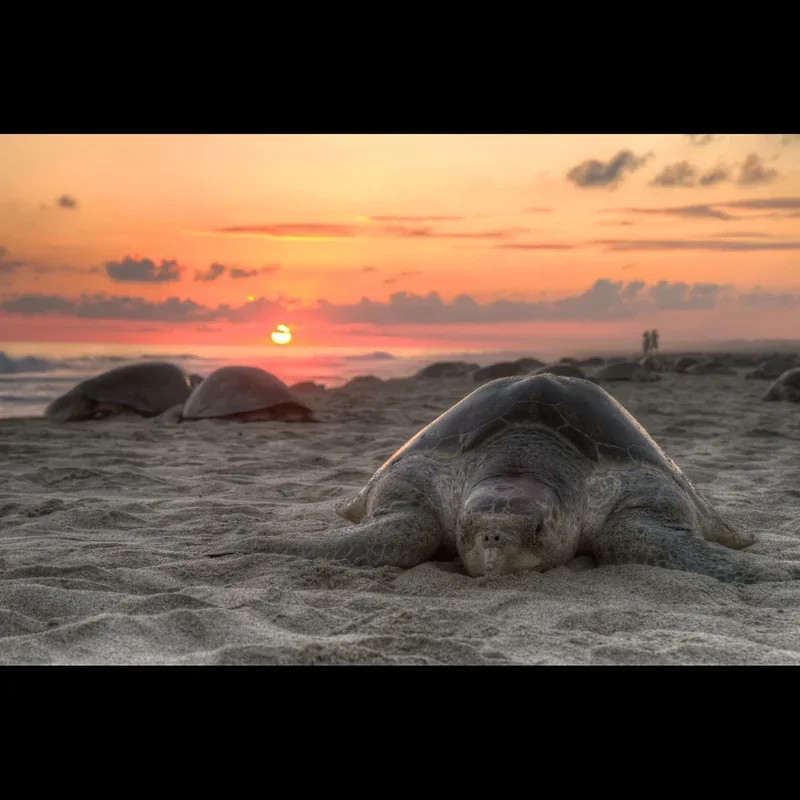
Small schooling fish often dart around the figures, and various crustaceans find shelter within their nooks and crannies. While pelagic sightings like sharks, whales, and dolphins are not daily occurrences directly within the museum, sea turtles are occasionally observed navigating between the installations, benefiting from the sanctuary these structures provide.
Dive Sites Near Musa Cancun Underwater Museum
View all dive sites in MexicoDiscover more underwater gems in this area.
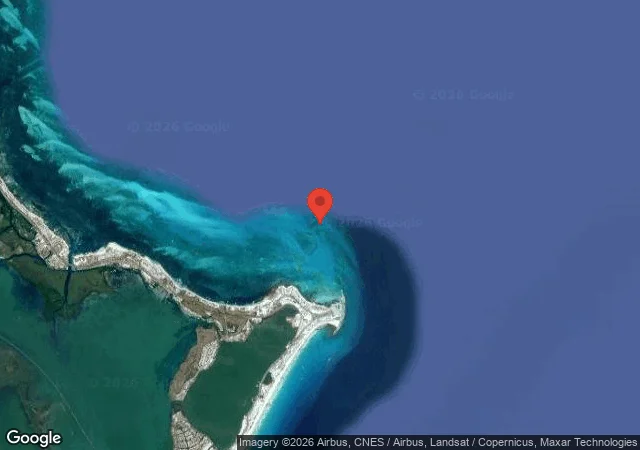
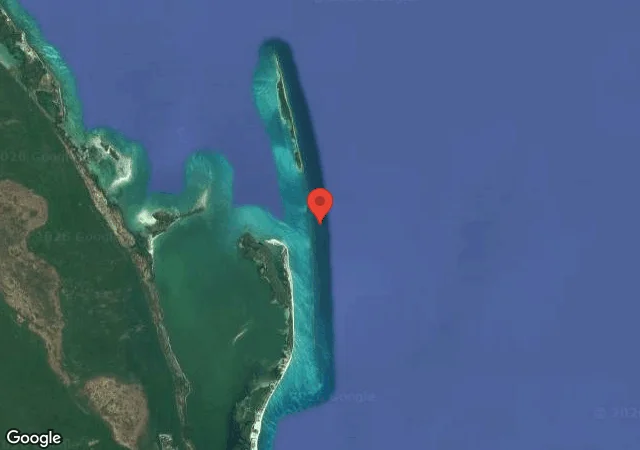
Dive Centers Near Musa Cancun Underwater Museum
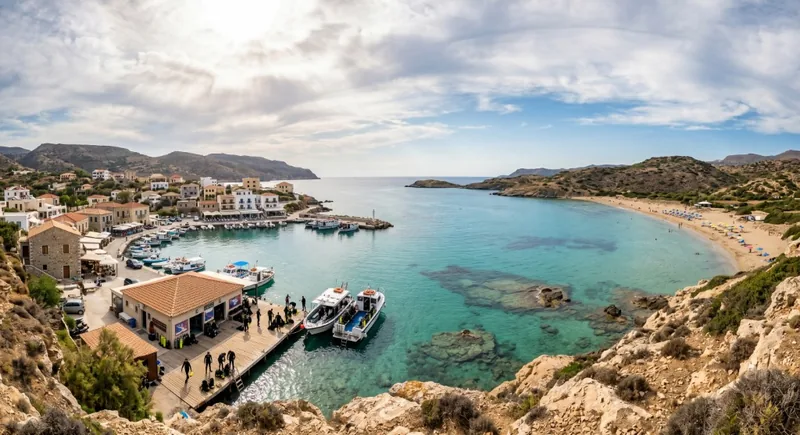
Today: 07:00 - 20:00
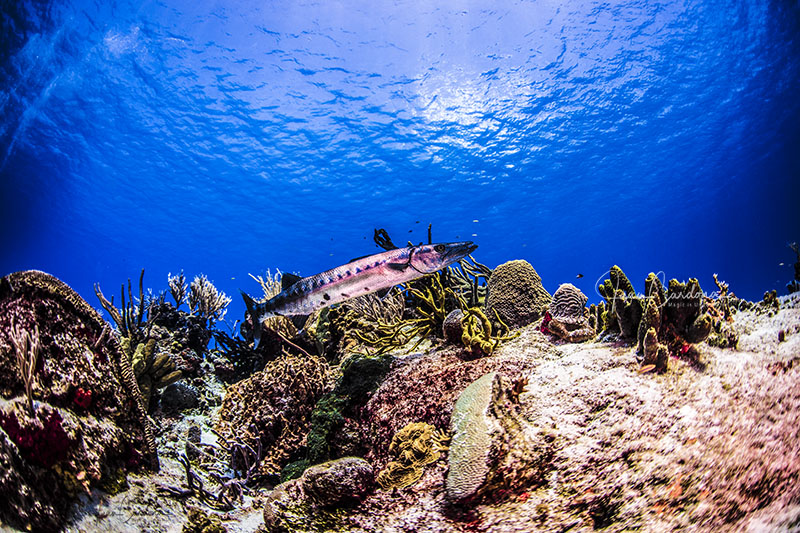
Nearest Airports
Nearest airports to help plan travel to this dive area.
Search Flights
Check available flights and routes on Expedia, using the nearby airports listed in this section.
Search Flights on ExpediaFrequently Asked Questions
What is the primary purpose of MUSA?
MUSA was created as an ambitious art installation and an artificial reef system. Its primary goal is to divert divers from natural reefs, helping to protect and regenerate the fragile ecosystems of the region. The numerous sculptures provide new surfaces for coral growth and marine habitation.
What depth are the MUSA sculptures found at?
The MUSA sculptures are situated at relatively shallow depths, generally between 6 to 9 meters (20 to 30 feet). This accessibility makes the site suitable for divers of all levels, including beginners and snorkelers.
Do I need to be a certified diver to visit MUSA?
No, you don't necessarily need to be fully certified. MUSA is suitable for PADI Discover Scuba Diving participants, who can experience the site under direct professional supervision. Certified PADI Open Water and Advanced Open Water divers can explore more independently.
What kind of statues can I expect to see?
The museum features over 500 statues, with a large section called "Silent Evolution" containing over 450 human figures. You'll also encounter sculptures of houses, full-sized cars, a large swim-through ring, and various other artistic installations.
Is it possible to combine a MUSA dive with another site?
Yes, many local dive operators offer two-tank trips that pair a visit to MUSA with a natural reef dive. Common combinations include the nearby Manchones Reef or the C-58 shipwreck, which is another artificial reef site.
How long does a typical MUSA dive experience last?
A single dive at MUSA typically lasts around 45-60 minutes, depending on air consumption and personal preferences. The entire excursion, especially if combined with another dive or introductory session, can range from 4 to 6 hours.
What are the visibility conditions like at MUSA?
Visibility at MUSA is generally very good, offering clear views of the sculptures and the surrounding marine life. While conditions can vary slightly, the site is known for its inviting underwater clarity, enhancing the visual experience.
Planning to dive Musa Cancun Underwater Museum?
Send one inquiry and receive offers directly from the best verified local dive operators.
Conditions are Good
Optimal conditions expected
Current conditions near Musa Cancun Underwater Museum show 29° air, 29° sea temperature, 0.9 m waves, and 15 km/h wind. Forecast data is refreshed regularly to ensure accuracy.