
Diving at Whale Shark Refuge Waters (Mexico)
Imagine gliding effortlessly beside the ocean's largest fish in a protected environment designed for responsible encounters. Whale Shark Refuge Waters in La Paz Bay provides a direct opportunity to witness these gentle giants in their natural feeding grounds. This site primarily facilitates snorkeling, allowing direct, surface-level interaction with these magnificent filter feeders, all within a strictly monitored marine refuge.
Evening condition tracking at Whale Shark Refuge Waters features an air temperature of 28.5°C. We have recorded wave heights measuring 0.1 m during this period. These figures outline the environmental parameters currently present.
Dive Site Location & Key Facts
Dive Site Overview
Expanding across a broad, sandy bottom, Whale Shark Refuge Waters in La Paz Bay serve as crucial feeding areas for migrating whale sharks. This designated protected refuge ensures that all interactions are meticulously managed and regulated.
While primarily a snorkeling destination, encounters typically unfold near the surface at a maximum depth of 5 meters (16 feet). Scuba diving opportunities with whale sharks exist, yet these remain less common than surface observations. The fundamental purpose of this marine environment centers on preserving the whale sharks' natural filter-feeding behaviors as they consume microscopic plankton and krill.
Operators accessing these zones must hold proper licensing and communicate via radio, coordinating vessel turns to prevent potential overcrowding. Strict adherence to these regulations creates a structured and respectful experience, allowing close observation of these magnificent creatures without undue disturbance.
Divers and snorkelers spend time within the upper water column, often remaining close to the surface, watching the gentle giants methodically feed. Conditions allow for clear views of their feeding patterns and occasional glimpses of other transient pelagic species within the refuge.
Conditions are Excellent
07:00 - 14:00
Optimal conditions expected
Current conditions near Whale Shark Refuge Waters show 29° air, 32° sea temperature, 0.2 m waves, and 17 km/h wind. Forecast data is refreshed regularly to ensure accuracy.
Best Time to Dive
Optimal conditions for encountering whale sharks in La Paz Bay generally align with excellent visibility during the cooler, drier months. Whale sharks are almost guaranteed between October and February. During this period, average air temperatures range from 22°C (72°F) in December to 28.5°C (83°F) in October, providing comfortable surface conditions. Rainfall is typically minimal, often below 0.4 mm, ensuring clear skies. While specific water temperatures aren't consistently reported, the region generally offers warm, inviting waters during these months, ideal for extended snorkeling or shallow diving experiences. The lower wave heights from 0.5 m (October) to 0.7 m (December) also contribute to generally calm surface conditions.
PEAK SEASON SCORE
Scores combine air & water temps, waves, wind & rainfall for overall conditions.
BEST MONTHS TO DIVE
Monthly records compiled from satellite and marine observation nodes over the last 3 years. Data provided by Open-Meteo and MET Norway.
Dive Experience & Conditions
Descending into the shallow, plankton-rich waters, divers and snorkelers will find the maximum depth to be around 5 meters (16 feet). Encounters typically occur at the surface or just beneath it. Expect to kick hard and fast to keep pace with the whale sharks; they move more quickly and effortlessly than their size suggests. Interactions are closely supervised, with regulations allowing only two people and a guide in the water at a time to ensure minimal disturbance. You'll enter the water by boat, a common practice for accessing these feeding grounds. Though immense, these gentle creatures are primarily focused on filter feeding, often ignoring human presence as long as established guidelines are followed.
Dive Difficulty & Safety Guidelines
Primary concerns in the Whale Shark Refuge Waters revolve around protecting both the divers and the delicate ecosystem itself. It's crucial to understand that touching whale sharks is strictly prohibited; this can stress the animals and potentially transfer infections to or from them. Maintaining a respectful distance is also mandatory, as a sudden movement or tail swat from a large whale shark could accidentally injure a diver.
Only licensed boats with certified operators are allowed into the refuge, and private vessels are not permitted. Following your guide's instructions is paramount to ensuring a safe, responsible, and enjoyable experience for everyone, while upholding the conservation efforts of this protected area.
Recommended Equipment
- Dive Computer
- DSMB
This gear list is based on verified equipment signals for Whale Shark Refuge Waters, Mexico. Always confirm final gear choices with your dive operator, guide, or liveaboard.
Recommended Dive Suit
For divers planning standard recreational dives, dive skin or rash guard is usually a suitable option. Divers vary widely in how quickly they feel cold underwater.
At the moment, divers exploring Whale Shark Refuge Waters will likely experience water temperatures near 32°C (89°F). Surface air temperatures are resting at 29°C (83°F).
The upcoming forecast points to generally steady conditions in the area.
Emergency & Medical Support
Essential information to help you plan your dive trip to Whale Shark Refuge Waters.

Hyperbaric chambers are a critical part of dive safety infrastructure. Availability varies significantly by region, and not all dive areas have immediate access.
Before diving, it's recommended to:
- confirm nearest medical facilities
- check emergency procedures with local dive operators
- ensure dive insurance covers evacuation if required
Divers Alert Network
Diving emergency assistance available through DAN World.
+1-919-684-9111- 24/7 emergency hotline
- Diving medical assistance
- Evacuation coordination
Emergency contacts are provided for reference. Always verify local emergency services before diving.
Marine Life at Whale Shark Refuge Waters
Your first impression in these waters will undoubtedly be the sheer scale of the whale sharks themselves. These magnificent filter feeders, ranging from 5.5 to 9.7 meters (18 to 32 feet) long and sometimes much larger, are the primary attraction.
Observing them gracefully consume microscopic plankton and krill, expelling excess seawater through their gills, is a captivating sight. Despite their colossal size, these white-spotted sharks are docile, allowing for respectful observation within the refuge's guidelines.
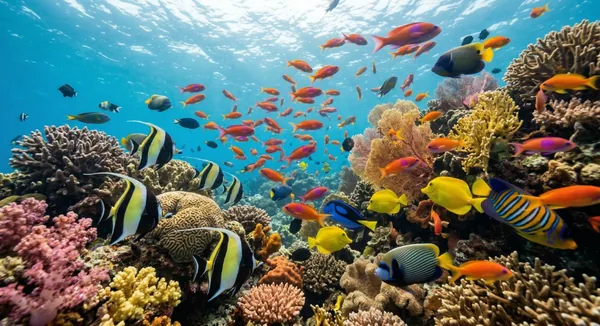
Dive Sites Near Whale Shark Refuge Waters
View all dive sites in MexicoDiscover more underwater gems in this area.
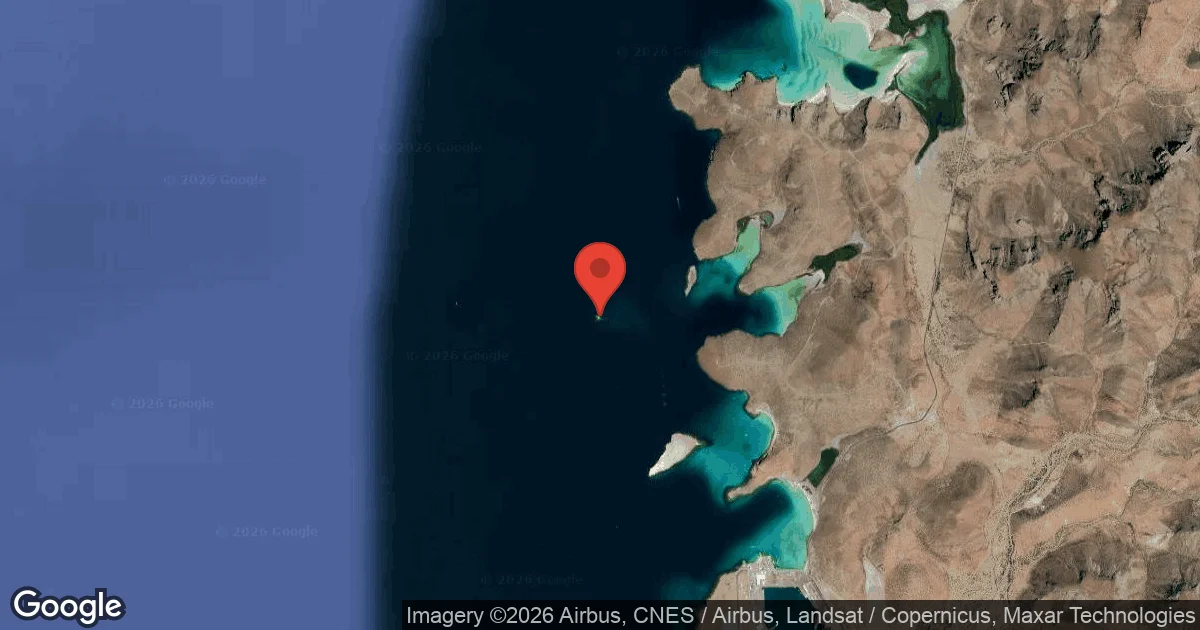
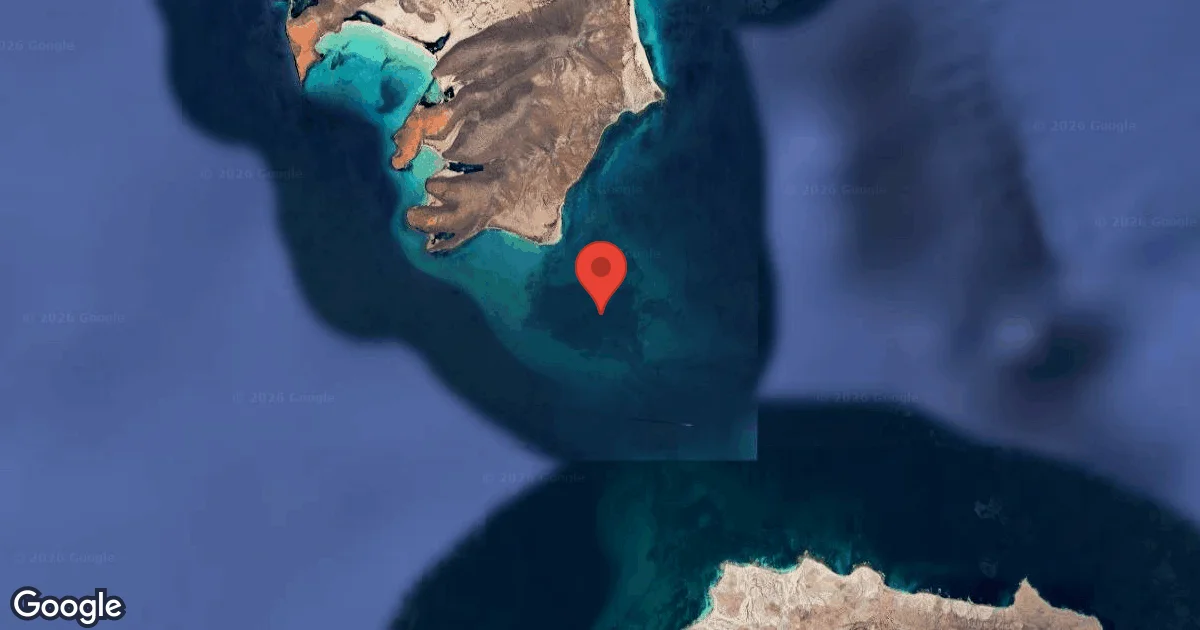
Dive Centers Near Whale Shark Refuge Waters

Today: 08:00 - 16:00

Nearest Airports
Nearest airports to help plan travel to this dive area.
Search Flights
Check available flights and routes on Expedia, using the nearby airports listed in this section.
Search Flights on ExpediaFrequently Asked Questions
What are the primary rules for interacting with whale sharks?
Touching whale sharks is strictly forbidden to protect their health and prevent stress. Maintaining a respectful distance from the animals is also mandatory. Follow your guide's instructions at all times to ensure a safe and responsible encounter.
Is scuba diving permitted with whale sharks in this refuge?
While the area is primarily known for snorkeling, scuba diving is possible. These opportunities are less frequent and often require specific permits or arrangements, due to the focus on minimal disturbance to the whale sharks' natural behaviors. Consult with local operators for specific options.
What is the typical depth for whale shark encounters?
Encounters usually occur at or near the surface, as the whale sharks are filter feeding on plankton. Maximum depth for interactions in the refuge is around 5 meters (16 feet), making it suitable for both snorkelers and shallow divers.
How many people can be in the water with a whale shark at one time?
Regulations strictly limit the number to two people plus a certified guide in the water simultaneously with a whale shark. This measure helps minimize disturbance and ensures a controlled, respectful viewing experience for all participants.
What marine life can be seen besides whale sharks?
While whale sharks are the main attraction, the plankton-rich waters may occasionally attract other pelagic species. Observations of smaller fish or marine birds are possible; however, the primary focus is almost exclusively on the feeding giants.
What is the best time of year to visit the refuge?
Whale sharks are almost guaranteed between October and February, which represents the optimal viewing season. During these months, conditions generally feature clear skies, comfortable air temperatures, and calmer surface waters, enhancing the overall experience.
Why are regulations so strict in these waters?
Regulations are in place to ensure the safety of both divers and the whale sharks, as well as to preserve the delicate ecosystem. They prevent overcrowding, reduce stress on the animals, and uphold the conservation status of this vital protected refuge.
Planning to dive Whale Shark Refuge Waters?
Send one inquiry and receive offers directly from the best verified local dive operators.
Conditions are Excellent
07:00 - 14:00
Optimal conditions expected
Current conditions near Whale Shark Refuge Waters show 29° air, 32° sea temperature, 0.2 m waves, and 17 km/h wind. Forecast data is refreshed regularly to ensure accuracy.