
Diving at San Rafaelito Lighthouse / Lobos Rock (Mexico)
San Rafaelito Lighthouse, also known as Lobos Rock, represents a sheltered boat dive in the Sea of Cortez near La Paz, Mexico. Defined by easy topography and a dynamic California sea lion colony, it offers relaxed reef dives. Engaging wildlife encounters unfold here. A shallow coral habitat provides a vibrant underwater spectacle, accessible for various diving skill levels.
As evening covers San Rafaelito Lighthouse / Lobos Rock, the local air temperature is measured at 31.5°C. The current wave height at the surface is recorded at 0.2 m. These late-day readings characterize the surface conditions for the night.
Dive Site Location & Key Facts
Dive Site Overview
For a long time, San Rafaelito Lighthouse, often called Lobos Rock, has been a reliably accessible and popular dive destination near La Paz, Mexico. Its established reputation stems from consistently delivering engaging marine interactions within an easy-to-navigate environment.
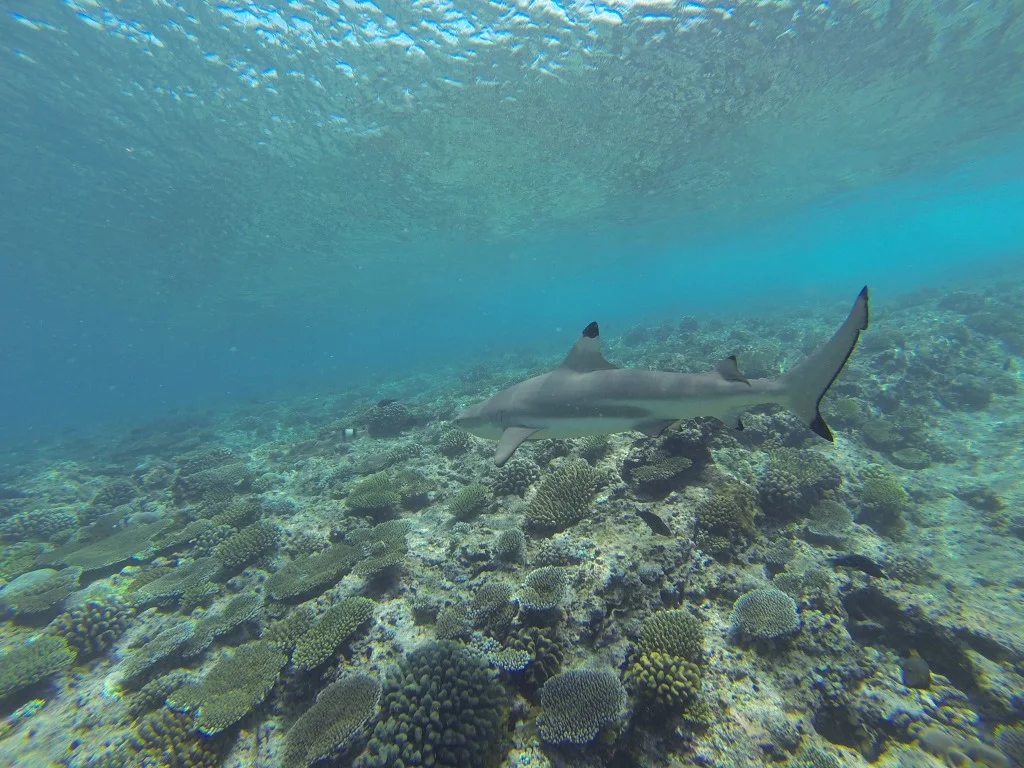
Local operators frequently feature this site in their itineraries, often combining it with other regional highlights, recognizing its appeal for divers seeking approachable reef systems and charismatic megafauna without extensive travel. The site's structure features diverse habitats, from shallow areas suitable for snorkeling to cliffs descending to 18 m (60 ft). These depths support varied marine life, including large quantities of fish and curious white tip sharks.
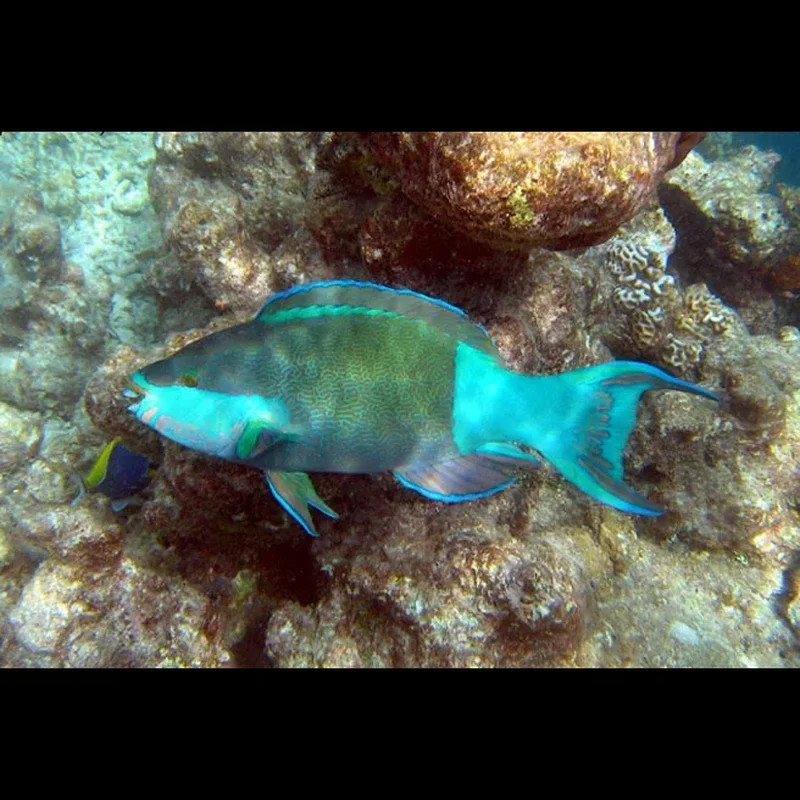
Night diving here reveals another side of the ecosystem, with opportunities to observe sleeping parrotfish, rays, and octopus. As a protected area, San Rafaelito's consistent management underscores its ecological importance and ensures sustainable wildlife encounters, preserving the natural balance that defines this key Sea of Cortez location.
Its welcoming nature for all diver levels, from beginners to more experienced, maintains its status as a foundational dive in the region.
Conditions are Excellent
07:00 - 14:00
Optimal conditions expected
Current conditions near San Rafaelito Lighthouse / Lobos Rock show 32° air, 32° sea temperature, 0.3 m waves, and 24 km/h wind. Forecast data is refreshed regularly to ensure accuracy.
Best Time to Dive
Seasonal planning for San Rafaelito Lighthouse suggests an optimal dive window from February to October, consistently earning 'Excellent' scores. Expect comfortable average air temperatures, from 21°C (70°F) in February, rising to 31.5°C (89°F) in August. Rainfall typically stays below 1 mm, with a minor increase to 2.18 mm in October. Conditions usually bring calmer surface waters and low average wave heights, particularly between May and September. Visibility remains reliably good, often around 19 m (62 ft), offering clear views of the site's features. Beyond these peak months, January, March, November, and December present 'Good' diving opportunities. Air temperatures during these transition periods range from 19.5°C to 24.5°C (67-76°F), though some slightly higher average wave activity might occur. Diving is viable for much of the year, providing ample opportunity for rewarding experiences.
PEAK SEASON SCORE
Scores combine air & water temps, waves, wind & rainfall for overall conditions.
BEST MONTHS TO DIVE
Monthly records compiled from satellite and marine observation nodes over the last 3 years. Data provided by Open-Meteo and MET Norway.
Dive Experience & Conditions
Divers approaching San Rafaelito typically arrive by boat from La Paz, a journey considered a moderate entry effort. Underwater, expect light to moderate currents, which permit relaxed exploration of reef formations. Visibility consistently averages around 19 m (62 ft), providing excellent conditions for observing the resident sea lion colony and surrounding ecosystem. Site topography presents a shallow reef crest, appealing to snorkelers, while certified divers comfortably explore depths from 5 m (16 ft) to 18 m (60 ft) along cliffs and rocky structures. Many seek out the eastern side of the islet for the calmest conditions, ideal for sea lion interactions. Accessible depths and clear waters combine, supporting extended bottom times and fostering engaging experiences with local marine life.
Dive Difficulty & Safety Guidelines
An important consideration when planning a dive at San Rafaelito Lighthouse/Lobos Rock is understanding the protected-area regulations. Operators from La Paz are mandated to brief divers on these rules before entering the water. It's crucial to adhere to minimum stand-off distances from both the islet and its wildlife, particularly the California sea lions.
Time limits for in-water activities, whether snorkeling or scuba diving, are also enforced to protect the delicate ecosystem and ensure sustainable encounters. Always prioritize your dive guide's instructions regarding interaction protocols; these guidelines are fundamental for diver safety and the well-being of the animals.
While currents are generally manageable, always consult with your guide about daily conditions, as safety is paramount in any dive environment. Given its popularity, prepare for the possibility of moderate crowding, especially during peak season.
Recommended Equipment
- Dive Computer
This gear list is based on verified equipment signals for San Rafaelito Lighthouse / Lobos Rock, Mexico. Always confirm final gear choices with your dive operator, guide, or liveaboard.
Recommended Dive Suit
Dive skin or rash guard is often considered an appropriate level of exposure protection for conditions like these.
Divers entering the water at San Rafaelito Lighthouse / Lobos Rock today can expect temperatures near 32°C (89°F) beneath the surface. Surface air temperatures are resting at 32°C (89°F).
Environmental conditions may feel slightly cooler as the week progresses. Cooler days are ahead; you might want a warmer option for later in the week. Having a second exposure option available is often a good precaution.
Emergency & Medical Support
Essential information to help you plan your dive trip to San Rafaelito Lighthouse / Lobos Rock.

Hyperbaric chambers are a critical part of dive safety infrastructure. Availability varies significantly by region, and not all dive areas have immediate access.
Before diving, it's recommended to:
- confirm nearest medical facilities
- check emergency procedures with local dive operators
- ensure dive insurance covers evacuation if required
Divers Alert Network
Diving emergency assistance available through DAN World.
+1-919-684-9111- 24/7 emergency hotline
- Diving medical assistance
- Evacuation coordination
Emergency contacts are provided for reference. Always verify local emergency services before diving.
Marine Life at San Rafaelito Lighthouse / Lobos Rock
An abundant colony of California sea lions constitutes San Rafaelito's main draw, frequently interacting playfully with divers in shallower areas. Beyond these charismatic marine mammals, diverse reef fish populations inhabit the site.
Divers might also spot curious white tip sharks cruising deeper sections of the reef. During a night dive, an underwater landscape transforms, revealing sleeping parrotfish, various rays, and octopus emerging from daytime resting spots.
A healthy coral habitat acts as a crucial refuge, supporting a wide array of smaller creatures and contributing to the rich biodiversity observed.

Dive Sites Near San Rafaelito Lighthouse / Lobos Rock
View all dive sites in MexicoDiscover more underwater gems in this area.
Dive Centers Near San Rafaelito Lighthouse / Lobos Rock
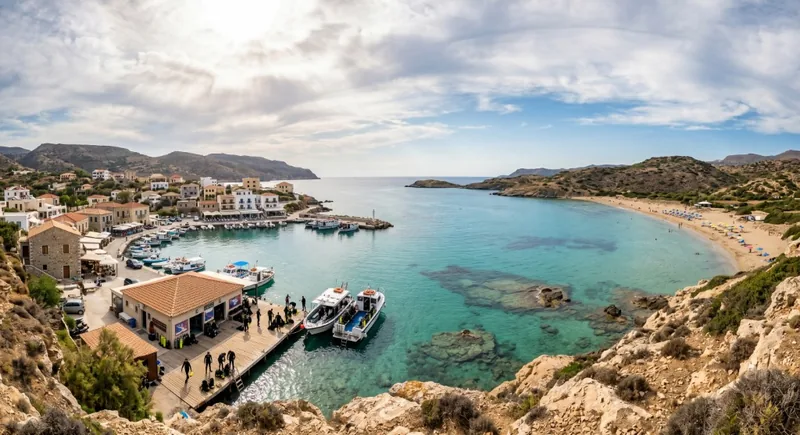
Today: 08:00 - 16:00
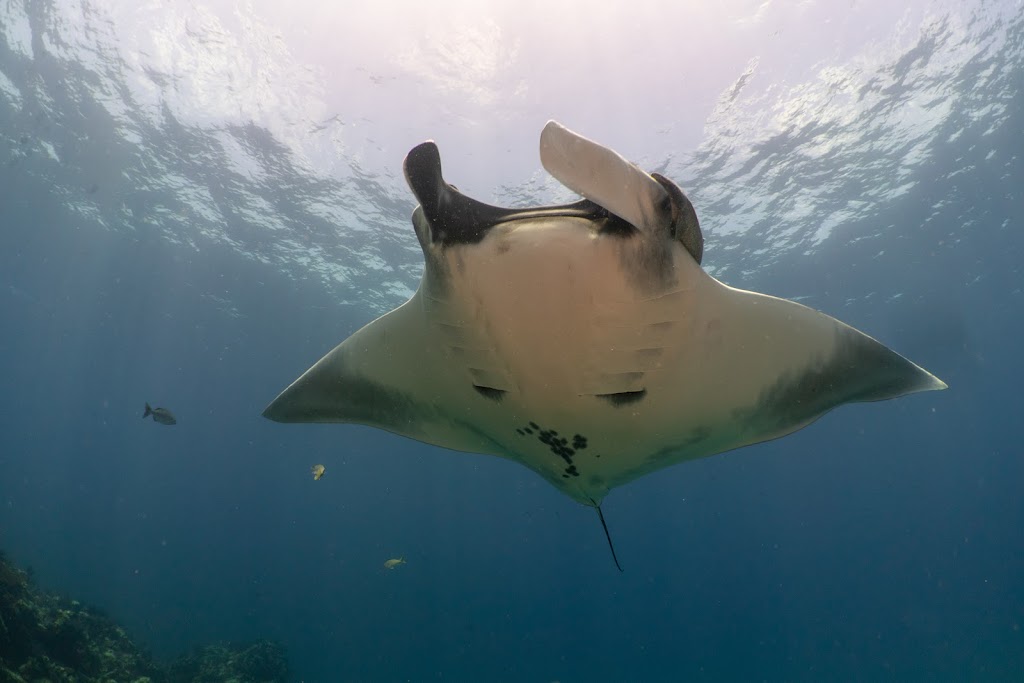
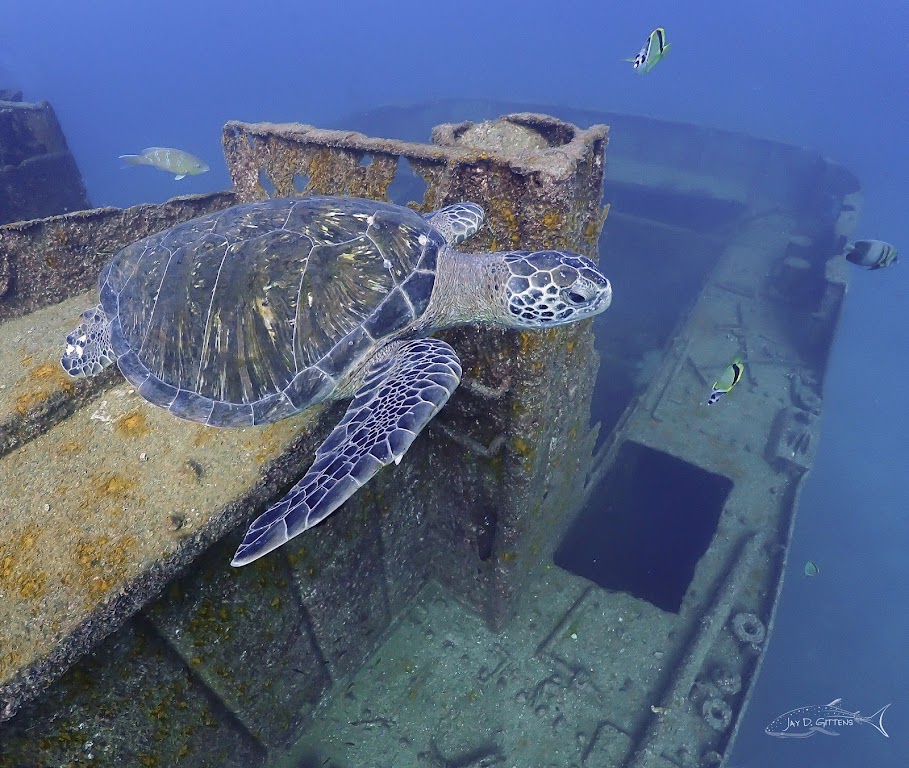
Nearest Airports
Nearest airports to help plan travel to this dive area.
Search Flights
Check available flights and routes on Expedia, using the nearby airports listed in this section.
Search Flights on ExpediaFrequently Asked Questions
Can you snorkel at Lobos Rock?
Yes, a close-to-surface reef crest makes it excellent for snorkelers. They can easily observe sea lions, reef fish, and shallow rock-and-coral habitats without needing to dive deep.
How do you access Lobos Rock?
Access is strictly by licensed boat trip from La Paz. Operators will brief visitors on protected-area rules before entry.
Is Lobos Rock suitable for beginner divers?
Yes, it's considered an easy dive with a shallow profile and manageable conditions, making it interesting and suitable for divers of all levels.
What marine life is common at Lobos Rock?
San Rafaelito is best known for its California sea lion colony. Divers can also observe various fish, curious white tip sharks, and during night dives, sleeping parrotfish, rays, and octopus.
What rules apply at Lobos Rock?
Strict protected-area rules apply, including maintaining minimum stand-off distances from wildlife, operating in small supervised groups, and respecting time limits for in-water activities.
When is the best time to visit Lobos Rock?
Diving from February to October consistently offers excellent conditions, with minimal rain and comfortable air temperatures. Good conditions also extend through December.
Is San Rafaelito Lighthouse the same site as Lobos Rock?
Yes, the site is commonly known by both names. San Rafaelito Lighthouse refers to the landmark, while Lobos Rock describes the rocky islet and its surrounding reef.
Planning to dive San Rafaelito Lighthouse / Lobos Rock?
Send one inquiry and receive offers directly from the best verified local dive operators.
Conditions are Excellent
07:00 - 14:00
Optimal conditions expected
Current conditions near San Rafaelito Lighthouse / Lobos Rock show 32° air, 32° sea temperature, 0.3 m waves, and 24 km/h wind. Forecast data is refreshed regularly to ensure accuracy.