
Diving at Swanee Reef (Mexico)
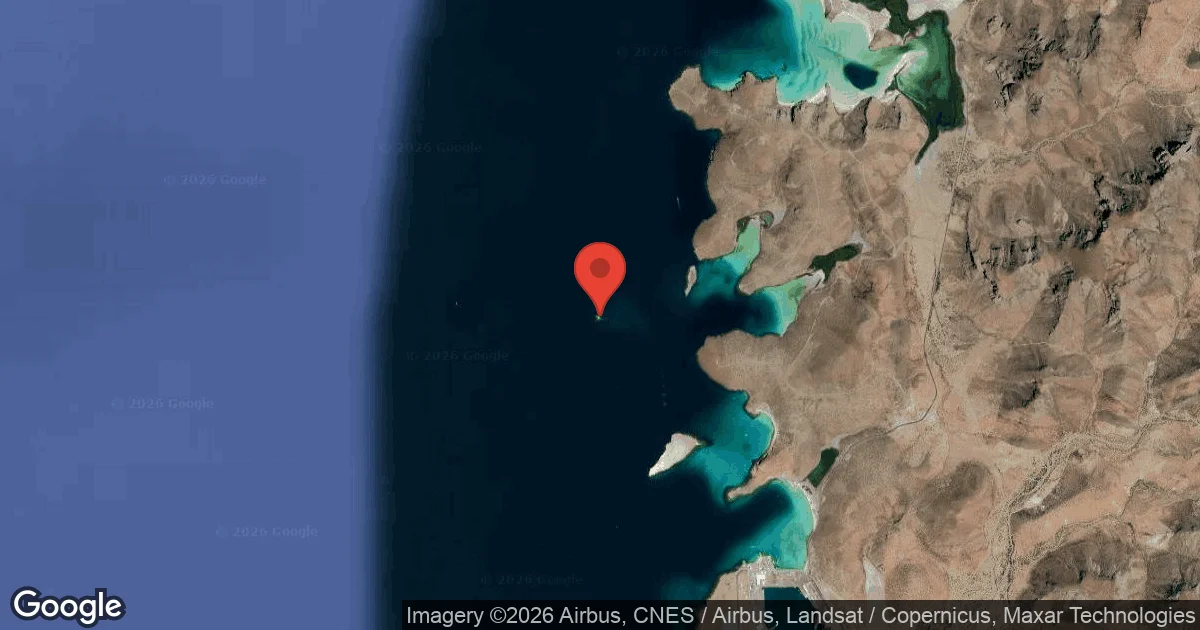
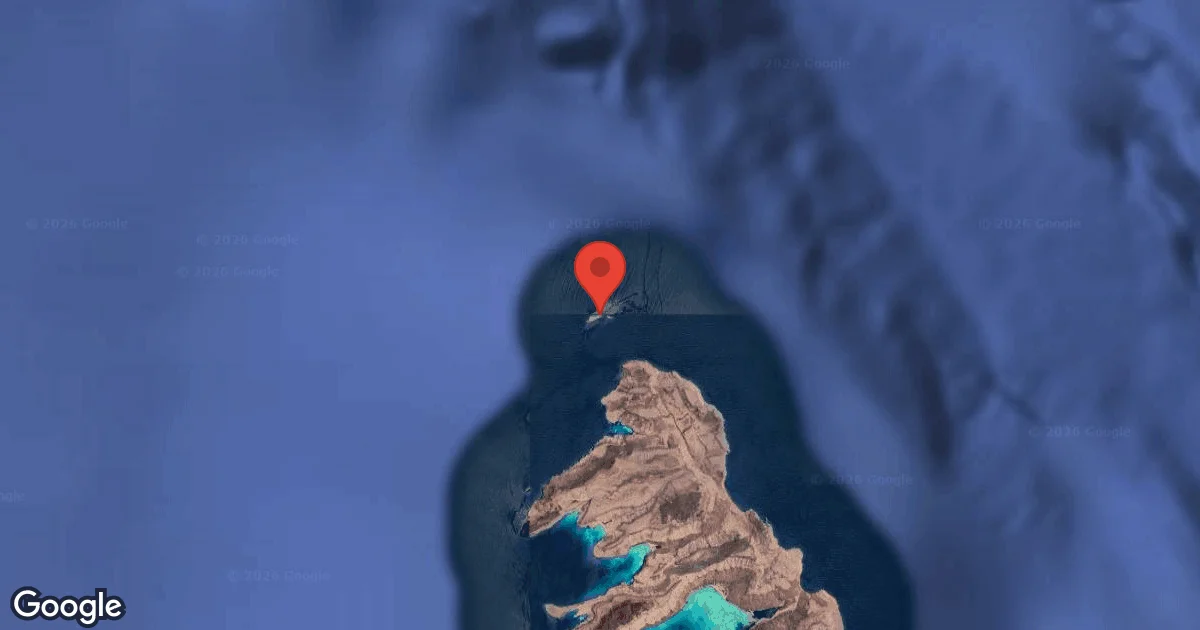
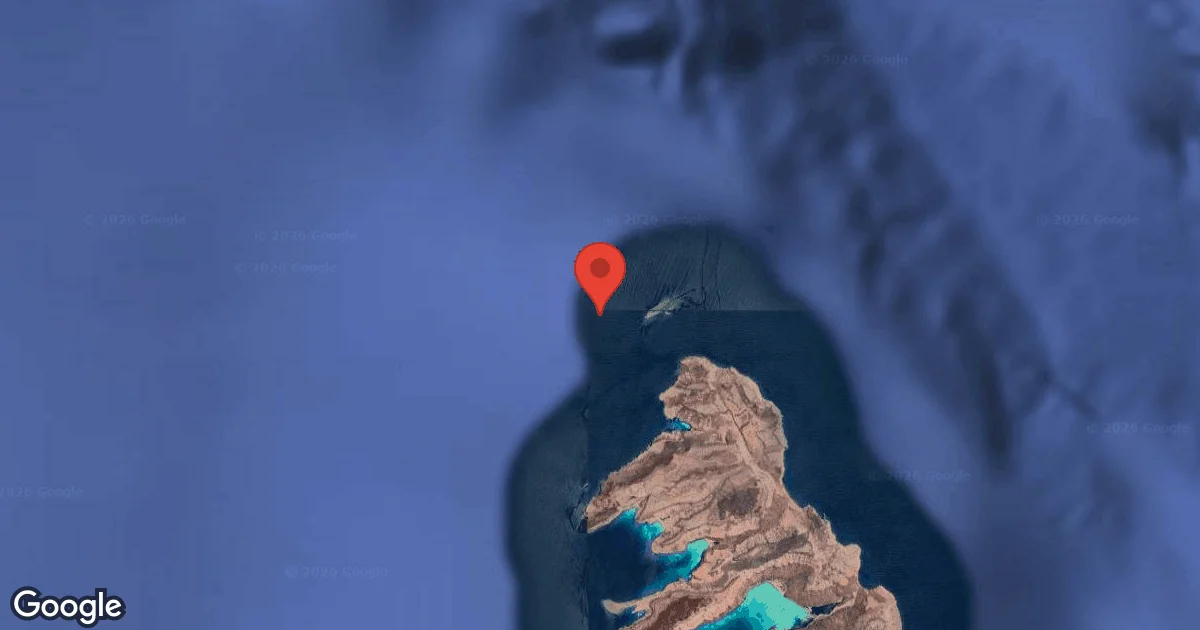
Swanee Reef presents itself as a dynamic underwater landscape, rising prominently from the seafloor in the San Lorenzo Channel. This natural rocky reef, a sea mount in essence, forms a bridge between La Paz and the expansive Espiritu Santo Archipelago. With its crown situated just beneath the surface, the reef provides an accessible environment, welcoming both snorkelers and certified divers to explore its vibrant formations. Its shallow profile ensures ample light penetration, highlighting the extensive coral growth and diverse invertebrate communities.
As evening covers Swanee Reef, the local air temperature is measured at 34.5°C. The current wave height at the surface is recorded at 0.2 m. These late-day readings characterize the surface conditions for the night.
Dive Site Location & Key Facts
Dive Site Overview
Exploring Swanee Reef presents a captivating encounter with Baja California Sur's rich marine ecosystem. South of Espíritu Santo Island, this natural rocky reef thrives with an impressive array of life, drawing divers to its vibrant underwater topography.
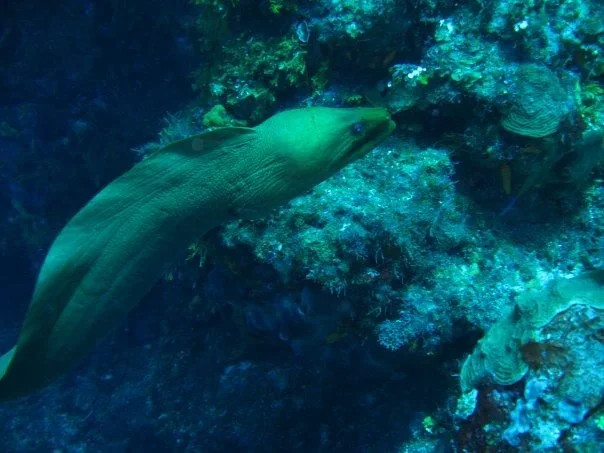
Intricate crevices and ledges define the reef's foundational structure, providing ample refuge for a diverse range of inhabitants. Playful California sea lions frequently visit the area, often interacting with large schools of fish aggregating around the reef. Various ray species glide over adjacent sandy bottom areas, while elusive moray eels peer from within the reef's many hideaways.
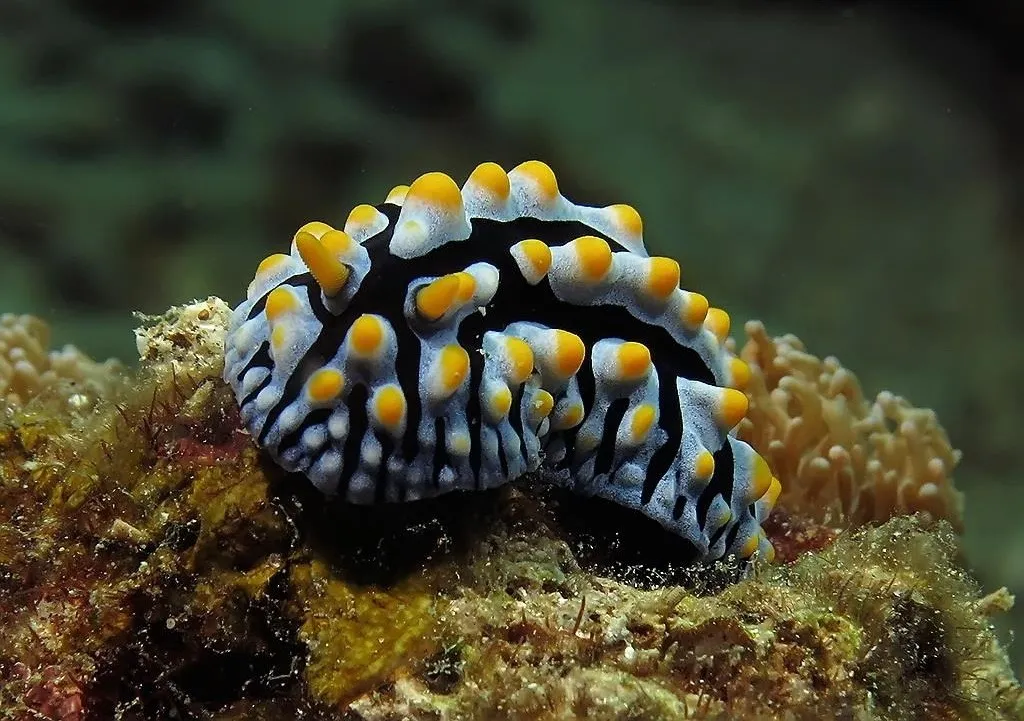
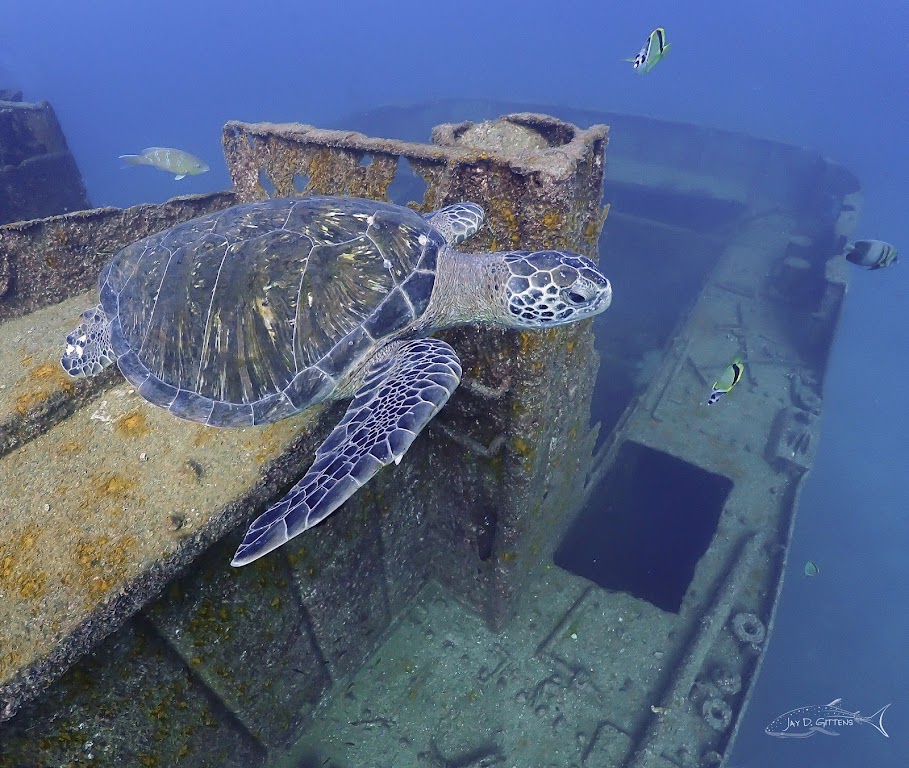
Divers consistently spot colorful nudibranchs and octopuses navigating these complex structures. A historical note: this site marks the approximate point where the Salvatierra Ferry famously collided and subsequently sank in the mid-1970s; its remains now form a separate artificial reef nearby, drawing further interest.
Swanee Reef's maximum depth typically reaches around 12 meters (39 ft), ensuring a shallow, well-lit environment. Such a depth profile makes it an ideal destination for divers of all experience levels, facilitating extended bottom times and detailed observation of its lively inhabitants within recreational limits. Visibility often remains excellent, allowing for expansive views of the active marine environment.
Conditions are Excellent
07:00 - 14:00
Optimal conditions expected
Current conditions near Swanee Reef show 35° air, 32° sea temperature, 0.3 m waves, and 25 km/h wind. Forecast data is refreshed regularly to ensure accuracy.
Best Time to Dive
Diving at Swanee Reef is a viable option throughout the entire year, with optimal conditions frequently reported from February to October, marked by 'Excellent' dive scores. During these months, average air temperatures range comfortably from 21°C (70°F) in February to a warmer 31.5°C (89°F) in August. Rainfall is generally minimal across these periods, though September and October show slightly higher averages of 1.3-2.0 mm, which rarely impacts diving. While the summer months bring warmer air, a period from November through January still offers 'Good' dive scores, experiencing cooler air temperatures around 19.5-24.5°C (67-76°F) and typically low rainfall. Wave heights remain consistently low year-round, contributing to generally calm surface conditions suitable for varied water activities.
PEAK SEASON SCORE
Scores combine air & water temps, waves, wind & rainfall for overall conditions.
BEST MONTHS TO DIVE
Monthly records compiled from satellite and marine observation nodes over the last 3 years. Data provided by Open-Meteo and MET Norway.
Dive Experience & Conditions
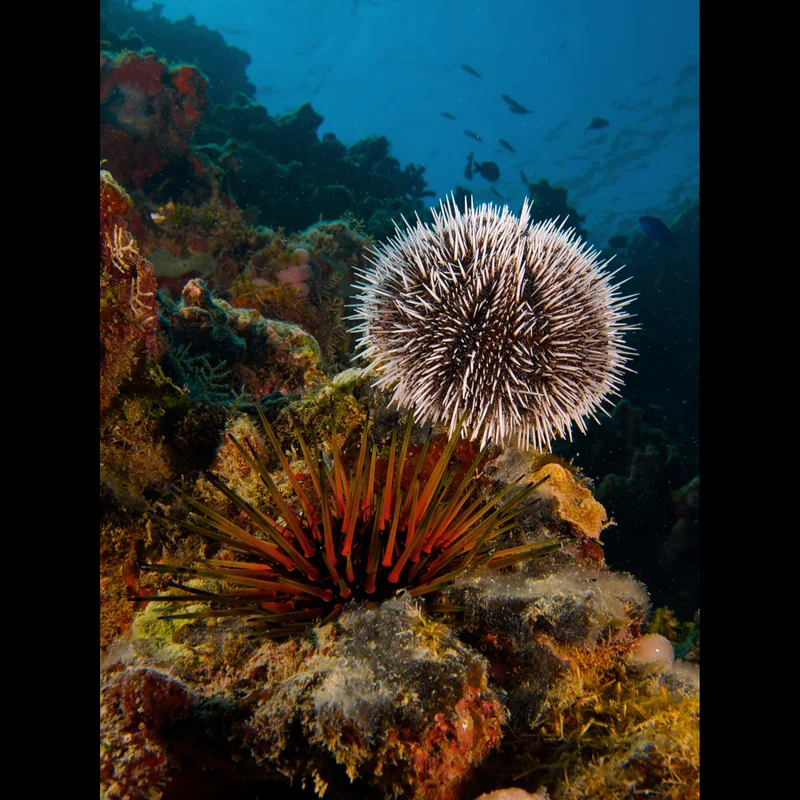
Descending into Swanee Reef, divers immediately notice the extensive coral and invertebrate life covering the shallow, rocky formations. This natural sea mount, with its maximum depth around 12 meters (39 ft), provides ample light for observing creatures like starfish, sea urchins, and numerous nudibranch species. Conditions here are generally calm, largely protected from significant winds and swells by Isla Espiritu Santo, making for relaxed explorations. However, the San Lorenzo Channel can introduce tidal currents at specific times, which adds a mild, dynamic element to navigation, enhancing the sense of an active marine environment. These currents are usually manageable for divers and snorkelers alike, contributing to nutrient flow and attracting various schooling fish.
Dive Difficulty & Safety Guidelines
Ensuring a safe dive at Swanee Reef involves acknowledging its generally placid nature while respecting potential shifts in tidal currents. Although the site is suitable for all dive levels due to its shallow depth, awareness of current patterns is beneficial for an optimal experience. Divers should always adhere to established buddy system protocols and maintain appropriate buoyancy control to avoid contact with the vibrant coral and invertebrate communities.
Interaction with the visiting sea lions should always be respectful, observing them from a distance to minimize disturbance to these curious animals. Local dive operators typically provide thorough briefings on current conditions and site-specific considerations, ensuring a secure exploration.
Recommended Equipment
- Dive Computer
This gear list is based on verified equipment signals for Swanee Reef, Mexico. Always confirm final gear choices with your dive operator, guide, or liveaboard.
Recommended Dive Suit
Current diving conditions indicate water temperatures around 32°C (89°F) at Swanee Reef. Surface air temperatures are resting at 35°C (94°F).
Environmental conditions may feel slightly cooler as the week progresses. A significant temperature drop is forecast; strongly suggest bringing a backup warmer suit option. A neoprene vest or hood can add flexibility if temperatures feel cooler underwater.
Divers who prefer moderate insulation typically choose dive skin or rash guard in similar environments. Many experienced divers adjust their exposure protection depending on the type of dive planned. Divers planning trips later in the week may want to consider bringing a slightly warmer suit.
Emergency & Medical Support
Essential information to help you plan your dive trip to Swanee Reef.

Hyperbaric chambers are a critical part of dive safety infrastructure. Availability varies significantly by region, and not all dive areas have immediate access.
Before diving, it's recommended to:
- confirm nearest medical facilities
- check emergency procedures with local dive operators
- ensure dive insurance covers evacuation if required
Divers Alert Network
Diving emergency assistance available through DAN World.
+1-919-684-9111- 24/7 emergency hotline
- Diving medical assistance
- Evacuation coordination
Emergency contacts are provided for reference. Always verify local emergency services before diving.
Marine Life at Swanee Reef
The rocky contours of Swanee Reef are a focal point for an abundant array of marine life. It's common to witness California sea lions, often seen gracefully hunting through large schools of fish or resting near the surface.
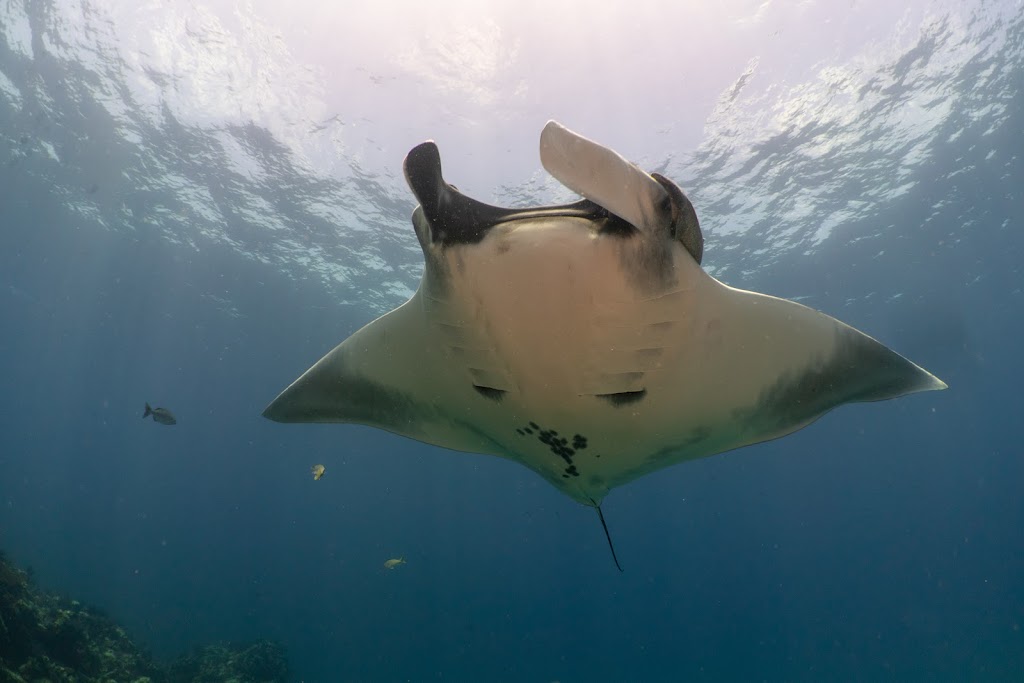
The reef itself supports a significant population of invertebrates, showcasing colorful nudibranchs, starfish, and sea urchins nestled among the corals. Beyond these smaller creatures, divers frequently encounter various species of rays gliding along the bottom, along with moray eels peering from crevices, and dense aggregations of reef fish creating dynamic underwater scenes.

Dive Sites Near Swanee Reef
View all dive sites in MexicoDiscover more underwater gems in this area.
Dive Centers Near Swanee Reef
Today: 08:00 - 16:00

Nearest Airports
Nearest airports to help plan travel to this dive area.
Search Flights
Check available flights and routes on Expedia, using the nearby airports listed in this section.
Search Flights on ExpediaFrequently Asked Questions
Is Swanee Reef suitable for beginner divers?
Yes, Swanee Reef is well-suited for beginner divers. Its maximum depth of 12 meters (39 ft) falls comfortably within recreational limits, and the site is often sheltered from harsh conditions, making it an accessible and enjoyable dive.
What is the maximum depth at Swanee Reef?
Maximum depth at Swanee Reef measures approximately 12 meters (39 ft). This shallow profile contributes to excellent light penetration and allows for longer bottom times.
Can I see sea lions at Swanee Reef?
Yes, sea lions frequently visit Swanee Reef, often to hunt in the abundant schools of fish. While not a permanent colony, encounters with these curious animals are common, adding a special element to the dive.
Are there any shipwrecks at Swanee Reef?
The Salvatierra Ferry famously collided with Swanee Reef in the mid-1970s and subsequently sank. Its remains now lie nearby, serving as a thriving artificial reef and an additional point of interest for divers.
What types of marine life can I expect to see?
Divers can expect to see a wide variety of marine life including sea lions, various rays, moray eels, and large schools of reef fish. The reef is also home to numerous invertebrates like colorful nudibranchs, starfish, and sea urchins.
Are there strong currents at Swanee Reef?
While generally calm, Swanee Reef can experience tidal currents in the San Lorenzo Channel at certain times. These currents are typically manageable but can add a dynamic element to the dive experience.
Is Swanee Reef good for snorkeling?
Absolutely. The reef's crown rises just below the water's surface, making it an excellent location for snorkelers. Its shallow depth and abundant marine life are easily visible from above.
Planning to dive Swanee Reef?
Send one inquiry and receive offers directly from the best verified local dive operators.
Conditions are Excellent
07:00 - 14:00
Optimal conditions expected
Current conditions near Swanee Reef show 35° air, 32° sea temperature, 0.3 m waves, and 25 km/h wind. Forecast data is refreshed regularly to ensure accuracy.