Loading...

Diving at Valley of the Rays (Goofnuw Channel) (Micronesia)
Published
Tucked inside Goofnuw Channel on the northeastern coast of Yap, Valley of the Rays is one of Micronesia's most reliable reef manta ray cleaning stations. Recognized by the IUCN Shark Specialist Group as the Goofnuw Channel Important Shark and Ray Area, this sandy-bottomed tidal pass ranges from shallow 3 m / 10 ft coral bommies down to a 22 m / 72 ft channel floor. Protected inside the 21,350 km² / 8,243 sq mi Yap Manta Ray Sanctuary, incoming ocean tides bring resident mantas gliding within arm's reach of stationary divers.
Early observations for Valley of the Rays (Goofnuw Channel) report a surface air temperature of 29°C. The water surface is currently presenting wave heights of 1.3 m. Consider these environmental metrics before beginning your descent.
Dive Site Location & Key Facts
Site Characteristics
Max Depth
22m72ft
Visibility
18m59ft
Entry TypeBoat
Water Typesalt
Dive Types
DriftReef
Dive Site Overview
Goofnuw Channel cuts cleanly through Yap's northeastern barrier reef, forming a natural marine highway connecting the Philippine Sea with the inner lagoon. Two primary coral cleaning heads sit at roughly 3 m / 10 ft and 10 m / 33 ft above a 15–22 m / 49–72 ft sandy rubble floor, where cleaner wrasse remove parasites from hovering reef manta rays. Understanding Yap's two-channel geography is essential: Valley of the Rays occupies Goofnuw Channel on the northeast coast, wholly distinct from Mi'il Channel on the northwest side of the island.
Yap pioneered legal manta conservation in 2008 by enacting Yap State Law No. 7-36, creating the world's first dedicated manta sanctuary covering 21,350 km² / 8,243 sq mi of state waters, as documented by the University of Guam marine research archive. Under this statute, harvesting, harassing, or disturbing manta rays or their cleaning-station habitat is strictly illegal.
Reef access in Yap is also governed by customary village sea tenure recognized by the Federated States of Micronesia Supreme Court in 18 FSM R. 165–176. Visiting divers must operate through licensed local Yapese dive operators who coordinate village access permissions and enforce strict non-intrusive viewing distances.
Valley of the Rays (Goofnuw Channel)
Conditions are Moderate
6/10
Confidence: 8/10
Indicates meteorological model agreement and data availability.
Best Dive Window
Optimal conditions expected
06:12
18:45
H: 10:45
L: 16:20
Air / Sea Temp
29° / 30°
Wave Height
1.4 m
Wind Speed
31 km/h ENE
Rain Chance
50%
Current conditions near Valley of the Rays (Goofnuw Channel) show 29° air, 30° sea temperature, 1.4 m waves, and 31 km/h wind. Forecast data is refreshed regularly to ensure accuracy.
Radius: ~12km
Updated: Nov 25, 2026, 10:16 local timeMARINE: OPEN-METEOWEATHER: YR.NO
Best Time to Dive
Monsoon wind reversals dictate which of Yap's two manta channels delivers prime diving. From May through November, southwest monsoon winds shelter the northeastern coast, making Goofnuw Channel and Valley of the Rays calm, accessible, and active with resident mantas on incoming tides in warm 28°C / 82°F water.
Between December and April, brisk northeast trade winds push swell directly into Goofnuw's mouth and shift Yap's primary manta-mating dives across the island to western Mi'il Channel. Timing dives strictly for the incoming flood tide draws clearer 15–25 m / 49–82 ft oceanic water into the pass, whereas outgoing ebb tides flush silty lagoon water seaward and cut visibility sharply.
PEAK SEASON SCORE
73/100
GoodScores combine air & water temps, waves, wind & rainfall for overall conditions.
BEST MONTHS TO DIVE
JUN
AUG
SEP
DIVE SCORE GUIDE (0–100)
Excellent (90–100)
Very Good (80–89)
Good (70–79)
Moderate (50–69)
Poor (30–49)
Not Recommended (0–29)
Monthly records compiled from satellite and marine observation nodes over the last 3 years. Data provided by Open-Meteo and MET Norway.
Dive Experience & Conditions
Boats enter Goofnuw Channel on the rising tide and drop divers along the channel wall to drift gently toward the cleaning-station observation ridge at 10–15 m / 33–49 ft. Guides position small groups neatly behind low coral rubble ledges along the sandy floor so divers can kneel or hover still while reef manta rays bank effortlessly overhead. Watching mantas stall into the current just 2–3 m / 7–10 ft above the coral bommies rewards patience and calm breathing.
Tidal flow ranges from gentle during slack water to moderate or brisk on peak spring floods, occasionally requiring careful finning along the bottom contour. Visibility fluctuates rapidly with tide stage, clearing past 20 m / 66 ft on incoming blue water before dropping on the turn of the tide. Most dives finish as an easy drift down the inner coral garden at 5–10 m / 16–33 ft.
Dive Difficulty & Safety Guidelines
Strict manta etiquette protects both divers and cleaning-station fidelity: remain low along the designated rubble viewing line, never swim directly over the coral cleaning heads, avoid camera strobes aimed at manta eyes, and never chase or touch passing rays. Carry a surface marker buoy to signal dive skiffs inside the narrow channel, where tidal currents can pull surfacing divers toward the lagoon or open sea.
Yap's remote outer-island status requires conservative dive profiles and active medical-evacuation coverage. The Australian DFAT Micronesia travel advisory warns that serious medical emergencies require international air evacuation taking 24 hours or longer; with no confirmed 24/7 operational civilian chamber on Yap, decompression cases evacuate to Koror in Palau (~450 km / 280 mi southwest) or to the military chamber documented in PubMed 2025 hyperbaric records on Guam (~850 km / 528 mi northeast). Always confirm oxygen-kit readiness and emergency evacuation coverage before departing Colonia.
Recommended Equipment
Current and surface separation risk. Local briefing strongly recommended.
- Dive Computer
- DSMB
- Reel / Spool
This gear list is based on verified equipment signals for Valley of the Rays (Goofnuw Channel), Micronesia. Always confirm final gear choices with your dive operator, guide, or liveaboard.
Recommended Dive Suit
Dive skin or rash guard is frequently recommended by dive operators for conditions like these. A hood or vest is suggested for sensitive divers due to surface winds. For divers entering the water at Valley of the Rays (Goofnuw Channel), temperatures are currently hovering around 30°C (85°F). Surface air temperatures are resting at 29°C (85°F).
Forecast trends indicate little change in overall diving conditions during the next few days.
Even small thermoclines can occasionally cause noticeable changes in water temperature.
Valley of the Rays (Goofnuw Channel) conditions last reviewed: 10:16 local time (UTC+9), Nov 25, 2026
Emergency & Medical Support
Essential information to help you plan your dive trip to Valley of the Rays (Goofnuw Channel).

Hyperbaric chambers are a critical part of dive safety infrastructure. Availability varies significantly by region, and not all dive areas have immediate access.
Before diving, it's recommended to:
- confirm nearest medical facilities
- check emergency procedures with local dive operators
- ensure dive insurance covers evacuation if required
24/7 Available
Divers Alert Network
Diving emergency assistance available through DAN World.
+1-919-684-9111- 24/7 emergency hotline
- Diving medical assistance
- Evacuation coordination
Emergency contacts are provided for reference. Always verify local emergency services before diving.
Marine Life at Valley of the Rays (Goofnuw Channel)
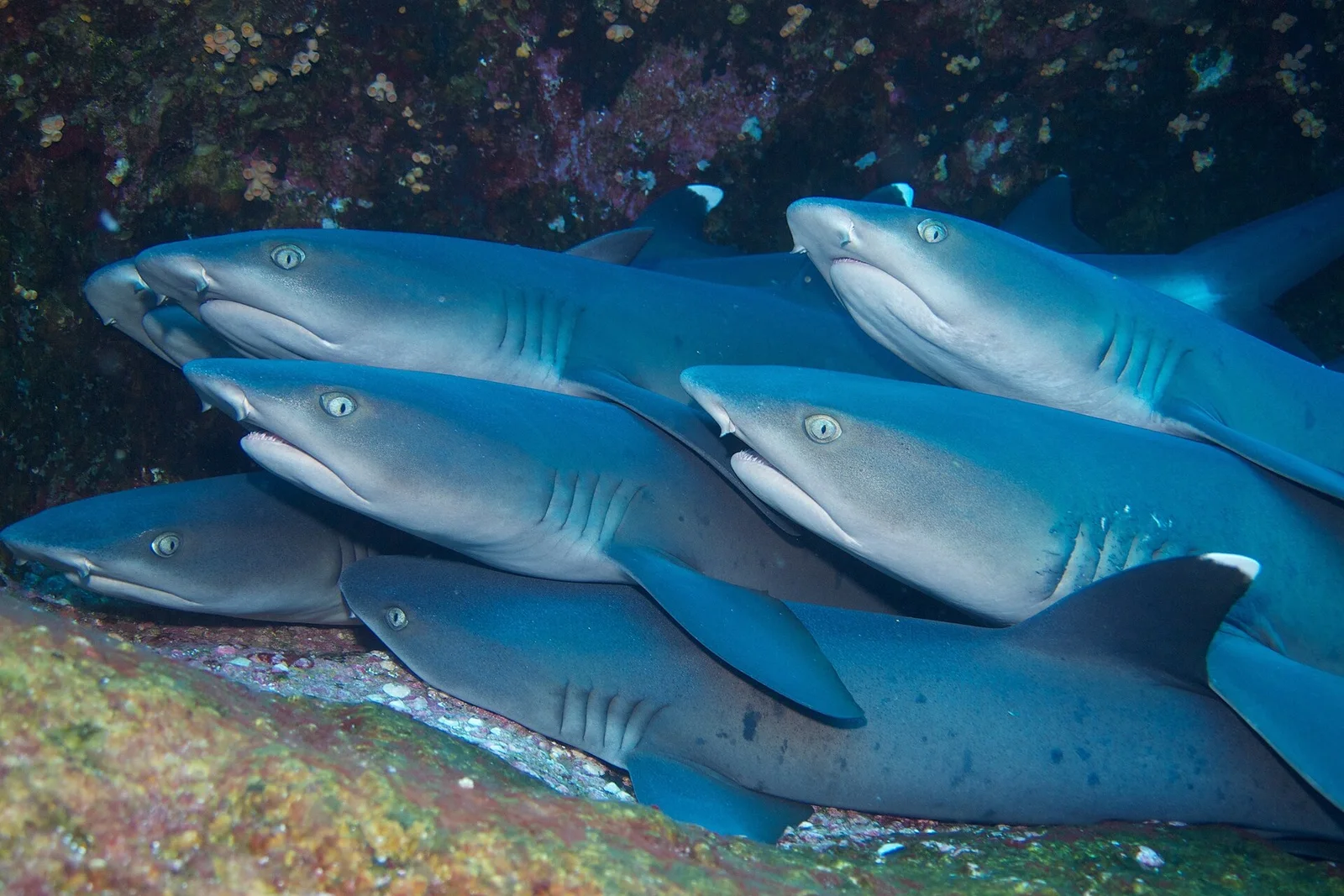
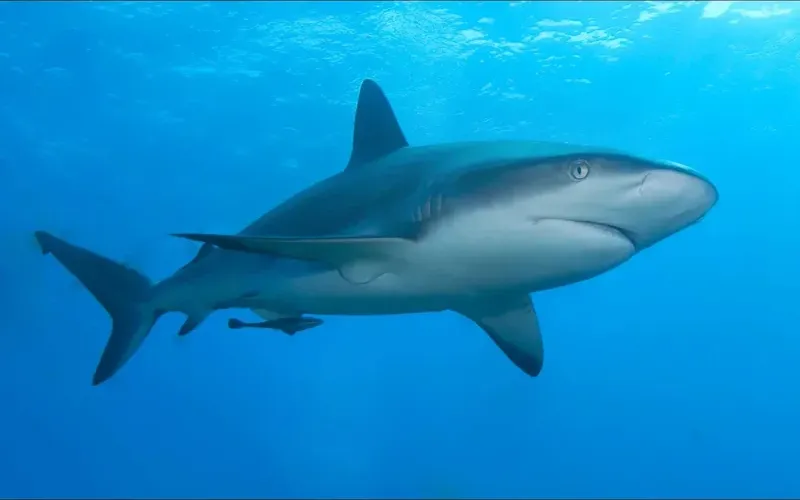
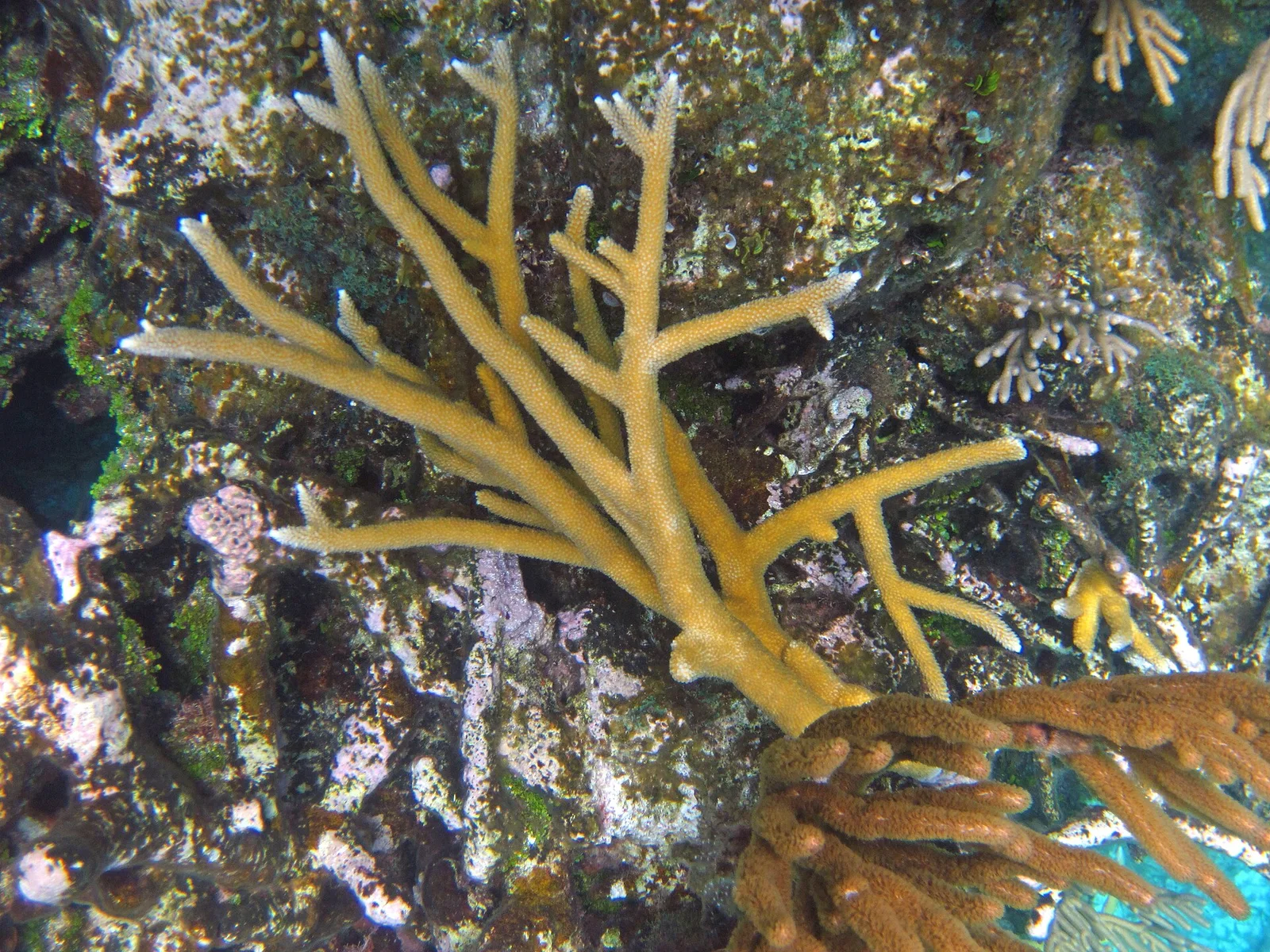
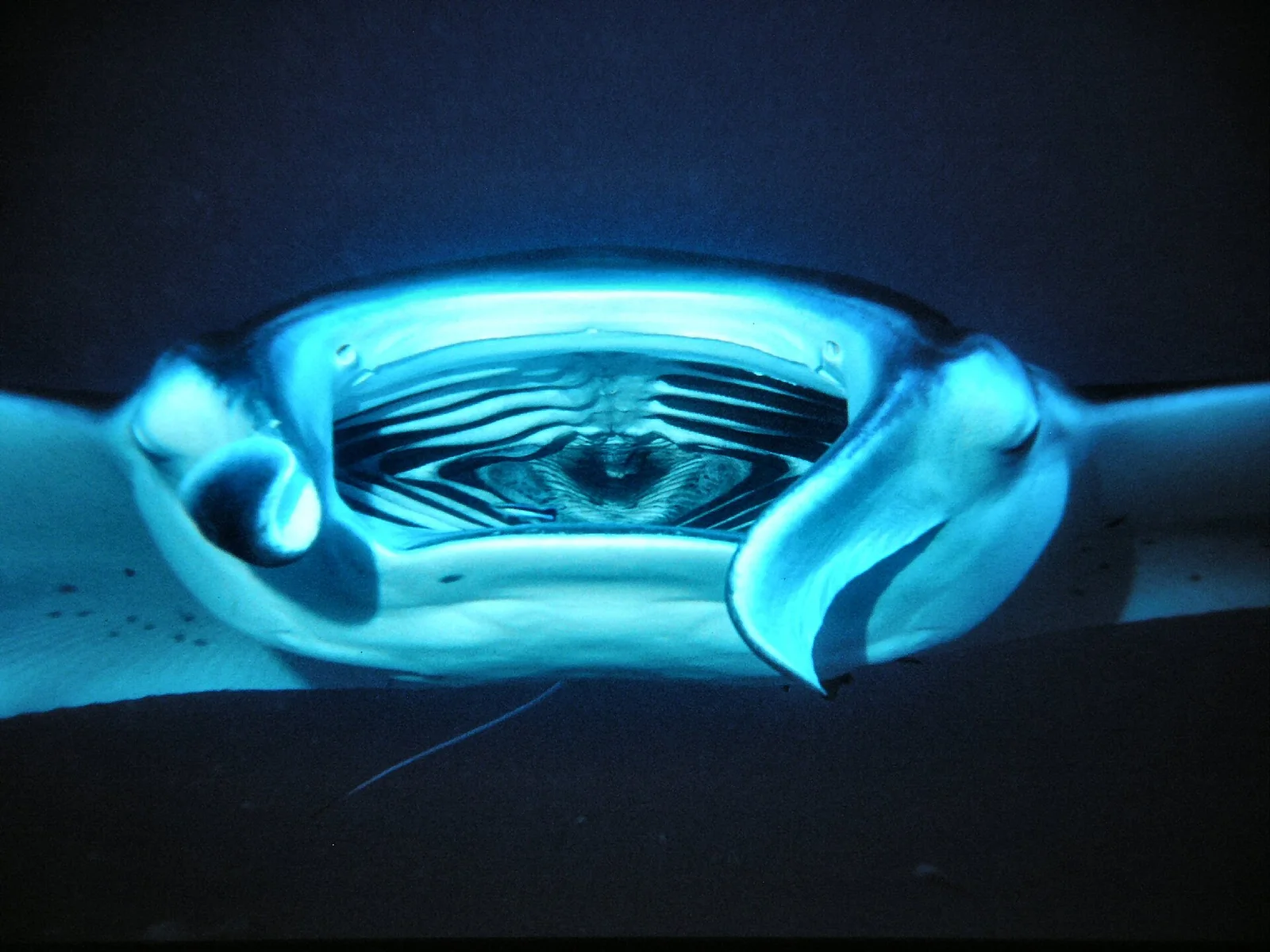
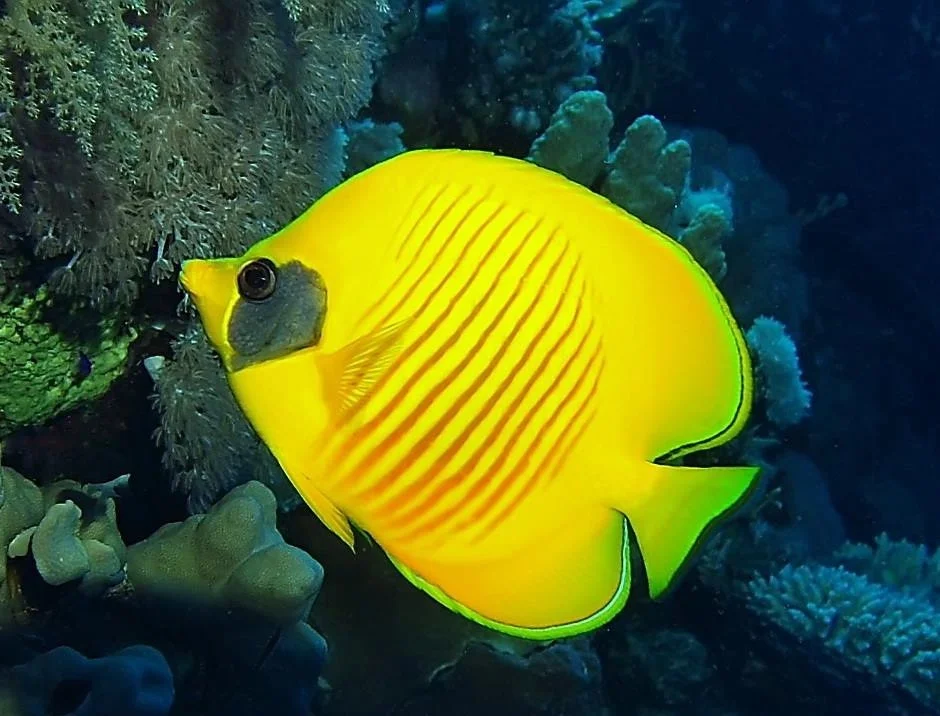
Acoustic and visual surveys summarized by the Divers Alert Network Yap field report record reef manta rays attending Goofnuw's cleaning stations with remarkable regularity, often circling patiently as cleaner wrasse inspect their gills and wings. Whitetip reef sharks rest regularly along the sandy 18–22 m / 59–72 ft floor, while grey reef sharks patrol the outer channel mouth. Giant clams, butterflyfish, and triggerfish animate the sunlit upper reef ledges.
1 / 2
Image contributors:Elias Levy, Albert kok + 4 more
Want to contribute photos or local dive knowledge? Learn how to contributeDive Centers Near Valley of the Rays (Goofnuw Channel)
No Dive Centers Local To Valley of the Rays (Goofnuw Channel)
Are you a dive center visiting this location? Get listed to reach divers.
Nearest Airports
Nearest airports to help plan travel to this dive area.
Yap International Airport YAP
15 km
Roman Tmetuchl International Airport ROR
470 km
💵 Currency: USD
Search Flights
Check available flights and routes on Expedia, using the nearby airports listed in this section.
Search Flights on ExpediaAffiliate link · Dive Navigator may earn a commission at no extra cost to you.
Frequently Asked Questions
When is the best season to dive Valley of the Rays in Goofnuw Channel?
May through November is the prime window for Goofnuw Channel on northeastern Yap, when southwest winds keep the northeast coast calm. From December through April, northeast trade winds shift Yap's primary manta diving to Mi'il Channel on the western side.
How is Valley of the Rays legally protected?
Valley of the Rays lies inside the 21,350 km² / 8,243 sq mi Yap Manta Ray Sanctuary enacted under Yap State Law No. 7-36 in 2008. Traditional village reef ownership also requires diving with local operators who hold customary access clearance.
Is there a working hyperbaric chamber on Yap?
No confirmed 24/7 operational civilian hyperbaric chamber is available on Yap. Serious decompression emergencies require air-ambulance evacuation to Belau National Hospital in Palau (~450 km / 280 mi southwest) or Guam (~850 km / 528 mi northeast).
How deep is Valley of the Rays?
The two primary manta cleaning heads sit at 3 m / 10 ft and 10 m / 33 ft, while the sandy channel floor reaches 15–22 m / 49–72 ft. The shallow profile allows long bottom times well within Open Water limits.
Why does tide timing matter so much in Goofnuw Channel?
Incoming flood tides draw clear 15–25 m / 49–82 ft oceanic water into the pass and stimulate manta cleaning behavior. Outgoing ebb tides flush silty lagoon water seaward, sharply reducing visibility.
Trip Inquiry
Planning to dive Valley of the Rays (Goofnuw Channel)?
Tell us your dates and diving needs. We'll review your request and seek offers from relevant local dive centers.
Request Dive Offers Free request for offers • No booking obligation
Valley of the Rays (Goofnuw Channel)
Conditions are Moderate
6/10
Confidence: 8/10
Indicates meteorological model agreement and data availability.
Best Dive Window
Optimal conditions expected
06:12
18:45
H: 10:45
L: 16:20
Air / Sea Temp
29° / 30°
Wave Height
1.4 m
Wind Speed
31 km/h ENE
Rain Chance
50%
Current conditions near Valley of the Rays (Goofnuw Channel) show 29° air, 30° sea temperature, 1.4 m waves, and 31 km/h wind. Forecast data is refreshed regularly to ensure accuracy.
Radius: ~12km
Updated: Nov 25, 2026, 10:16 local timeMARINE: OPEN-METEOWEATHER: YR.NO