
Diving in Micronesia
Diving in Micronesia covers a wide range of environments, with conditions that vary depending on location and site type. We currently track 8 dive locations in our database for Micronesia.
Stretching nearly 2,700 km (1,680 mi) across the western Pacific Ocean just north of the equator, the Federated States of Micronesia (FSM) unites more than 600 volcanic high islands and low coral atolls across four states: Yap, Chuuk, Pohnpei, and Kosrae. Spread over roughly 2.6 million km² (1 million sq mi) of ocean along the Caroline Islands chain, this remote nation packs remarkably distinct underwater environments into one archipelago. Few destinations anywhere combine historic World War II wreck diving, year-round reef manta ray cleaning stations, current-swept outer-atoll walls, and flourishing hard-coral gardens across such uncrowded reefs. Whether drifting along sheer Pacific drop-offs or hovering above sunken wartime hulls, visiting divers experience four remarkably distinct island cultures within a single remote nation.
Micronesia's flagship dive reputation rests on Chuuk Lagoon (formerly Truk), Japan's formidable central Pacific naval base until the US Navy's Operation Hailstone carrier strikes of 17–18 February 1944, chronicled in US National Park Service profiles of the Truk Lagoon Underwater Fleet. More than 40 sunken freighters, tankers, naval auxiliaries, a destroyer, a submarine, and dozens of wartime aircraft now form a coral-draped underwater museum and protected war grave in sheltered lagoon water. Beyond Chuuk, Yap delivers dependable manta encounters and traditional island culture, Pohnpei pairs outer-atoll drop-offs with Nan Madol, a UNESCO World Heritage Site of ancient basalt islets built on a coral reef, and Kosrae guards unspoiled coral gardens at the country's eastern edge.
Dive Map of Micronesia
Diving divides across four widely separated state hubs linked only by air, spanning two time zones: UTC+10 in Yap and Chuuk, and UTC+11 in Pohnpei and Kosrae. In Chuuk, operations centre on Weno Island — home to the state airport and land-based dive resorts — alongside lagoon liveaboards that moor directly over wrecks across the sheltered inner reef.
Further west, Yap's dive boats depart Colonia through reef passes and a mangrove canal to reach manta stations in Mi'l and Goofnuw channels plus southwestern shark walls. In the east, Pohnpei operators run from Kolonia to barrier-reef passes and uninhabited Ant Atoll, about 18 km (11 mi) southwest, while Kosrae's compact, mountainous island lets boats launch from sheltered harbours on whichever coast lies leeward.
Dive Sites to Explore
View all 8 sites
Chuuk Lagoon's signature wrecks span recreational and technical depths. Fujikawa Maru, an upright aircraft transport at 9–37 m (30–121 ft), holds Zero fighter airframes inside its cargo holds, while the tanker Shinkoku Maru at 9–39 m (30–128 ft) is draped in soft corals and anemones. Off Tonowas, Yamagiri Maru lies on its port side at 12–34 m (40–112 ft) with giant artillery shells in its hold, and Sankisan Maru rises from around 30 m (98 ft) to coral-clad masts near 5 m (16 ft) after an explosion severed its stern. Deeper lagoon highlights covered in DAN Alert Diver 2026 Chuuk reporting include Nippo Maru at 15–48 m (50–157 ft), with a light tank and deck gun, and the destroyer IJN Fumizuki at 24–40 m (79–131 ft).
For technical divers on mixed gas or rebreathers, San Francisco Maru sits upright at 42–64 m (138–210 ft) carrying three light tanks on deck, mines, and trucks. In Yap, Valley of the Rays anchors the nation's pelagic diving: coral cleaning stations rising to 10 m (33 ft) along Goofnuw Channel draw resident reef mantas into slow overhead circuits, featured alongside Mi'l Channel and Vertigo in DAN Alert Diver coverage of Yap.
Best Time to Dive in Micronesia
Micronesia offers year-round diving in warm equatorial water, shaped mainly by northeast trade winds. From December to April, drier weather and steady trades bring clearer visibility in Chuuk Lagoon and peak mating behaviour among reef manta rays in Yap's channels and Pohnpei's Manta Road (January to April). Stronger winds can make windward boat rides choppy, though sheltered lagoons and leeward walls remain diveable.
From May to November, winds ease and rainfall rises, creating calmer crossings to Pohnpei's Ant Atoll (best May to October) and Kosrae's calmest window from July to September. Rain can trim visibility inside Chuuk Lagoon, and the Caroline Islands sit within the western Pacific typhoon belt — storms can occur almost any month, as seen when Typhoon Sinlaku hit Chuuk in April 2026.
Monthly Sea Temperatures
Equatorial waters remain consistently warm across all four states year-round, typically 27–30°C (81–86°F) with little seasonal variation or thermocline; Chuuk Lagoon generally sits around 28–29.5°C (82–86°F). The NOAA Coral Reef Watch Micronesia virtual stations track regional sea surface temperatures and bleaching heat stress across both Western FSM and Eastern FSM gauges.
| Jan | Feb | Mar | Apr | May | Jun | Jul | Aug | Sep | Oct | Nov | Dec | |
|---|---|---|---|---|---|---|---|---|---|---|---|---|
| Max | 30° | 30° | 30° | 30° | 30° | 30° | 30° | 30° | 30° | 30° | 30° | 30° |
| Avg | 29° | 28° | 29° | 29° | 29° | 29° | 29° | 29° | 29° | 30° | 30° | 29° |
| Min | 27° | 27° | 28° | 28° | 28° | 29° | 28° | 28° | 28° | 29° | 29° | 28° |
Dive Conditions
Conditions contrast sharply between sheltered lagoons and open-ocean walls. Inside Chuuk Lagoon, visibility typically ranges from 12–30 m (40–100 ft), clearest in dry months and lower after heavy rain or when silt is stirred inside wrecks; currents are gentle, with most recreational dives at 18–40 m (60–130 ft), shallow masts at 5–10 m (16–33 ft), and technical wrecks exceeding 60 m (197 ft). Outer walls around Yap, Pohnpei, Ant Atoll, and Kosrae regularly exceed 20–40 m (65–130 ft), while Yap's channels rely on incoming tides for clear water and Pohnpei's passes produce brisk drift currents.
A 3 mm full wetsuit works year-round, guarding against chill on multi-dive days as well as sharp coral, hydroids, and rusted steel. Advanced certification and nitrox are strongly recommended for repetitive Chuuk wreck profiles, alongside primary and backup lights and a surface marker buoy.
Marine Life Highlights
Most Mentioned Species
Marine life in Micronesia varies across dive locations, with different species appearing depending on environment and conditions. The species highlighted here are the most frequently associated with dive sites in our data, offering a realistic overview of what divers are most likely to encounter.
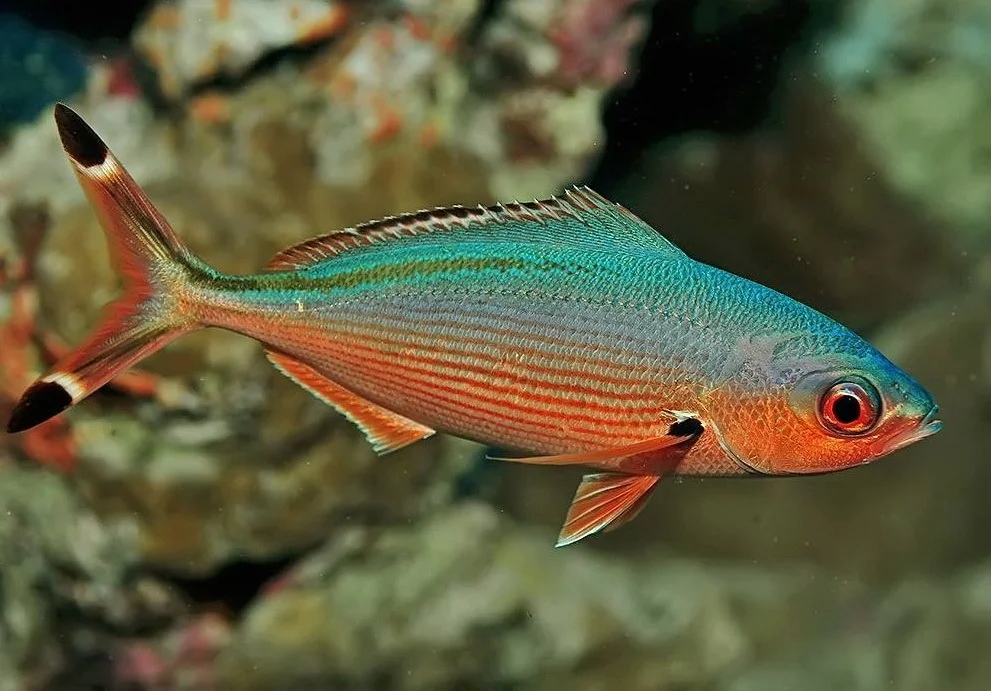
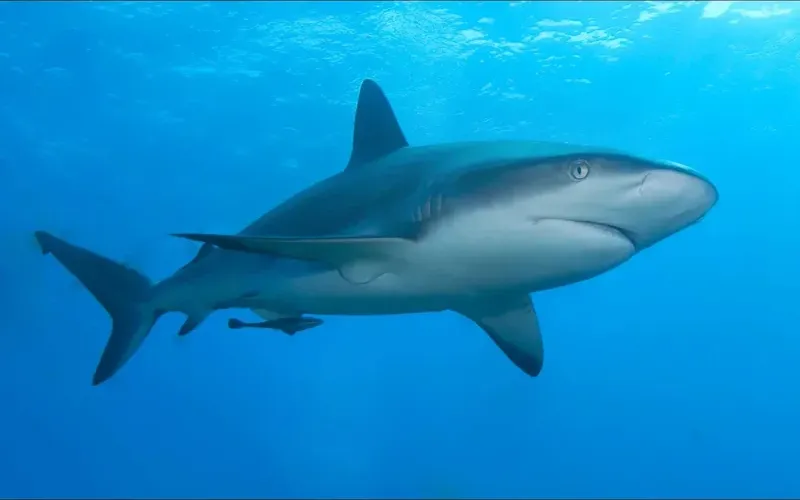
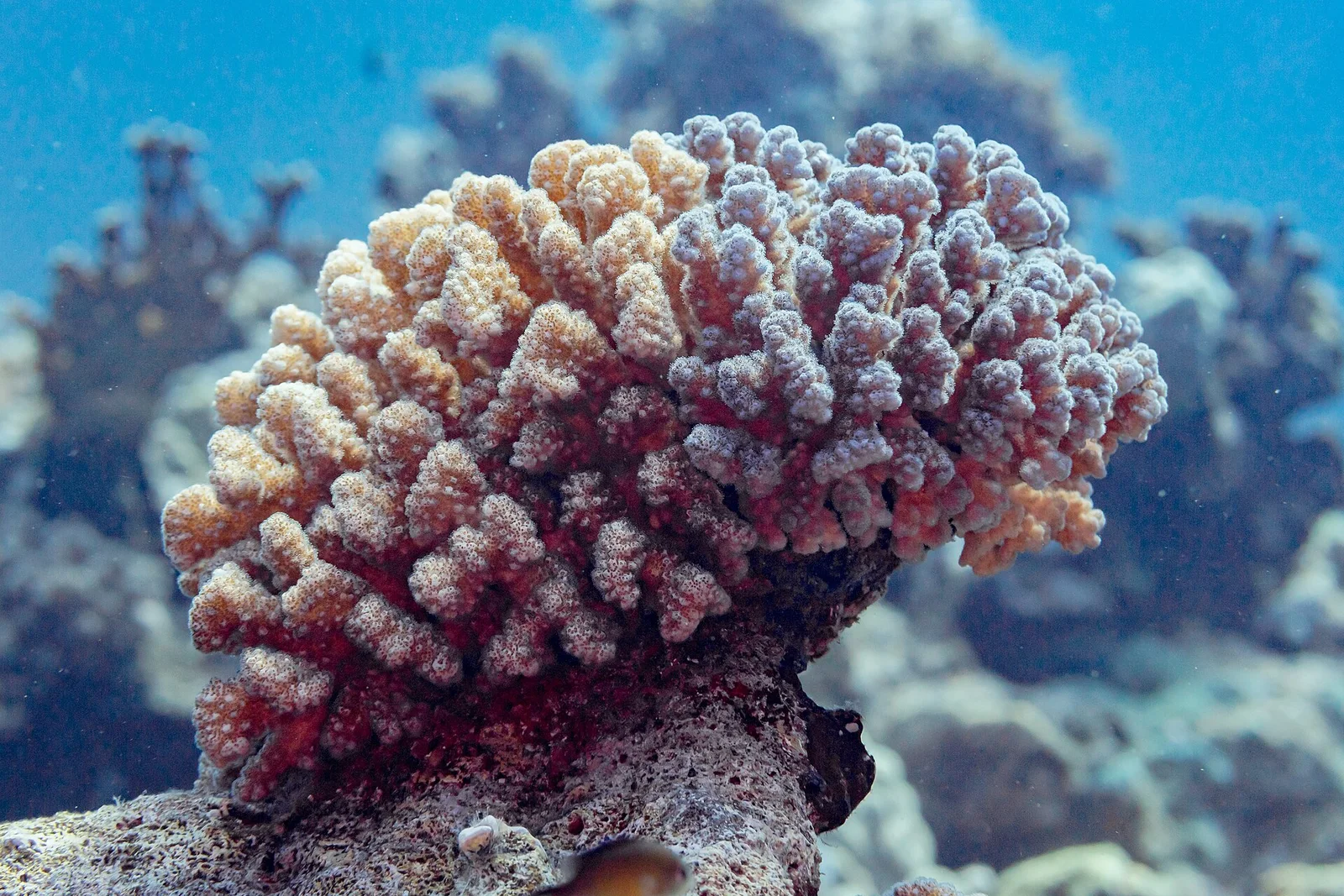
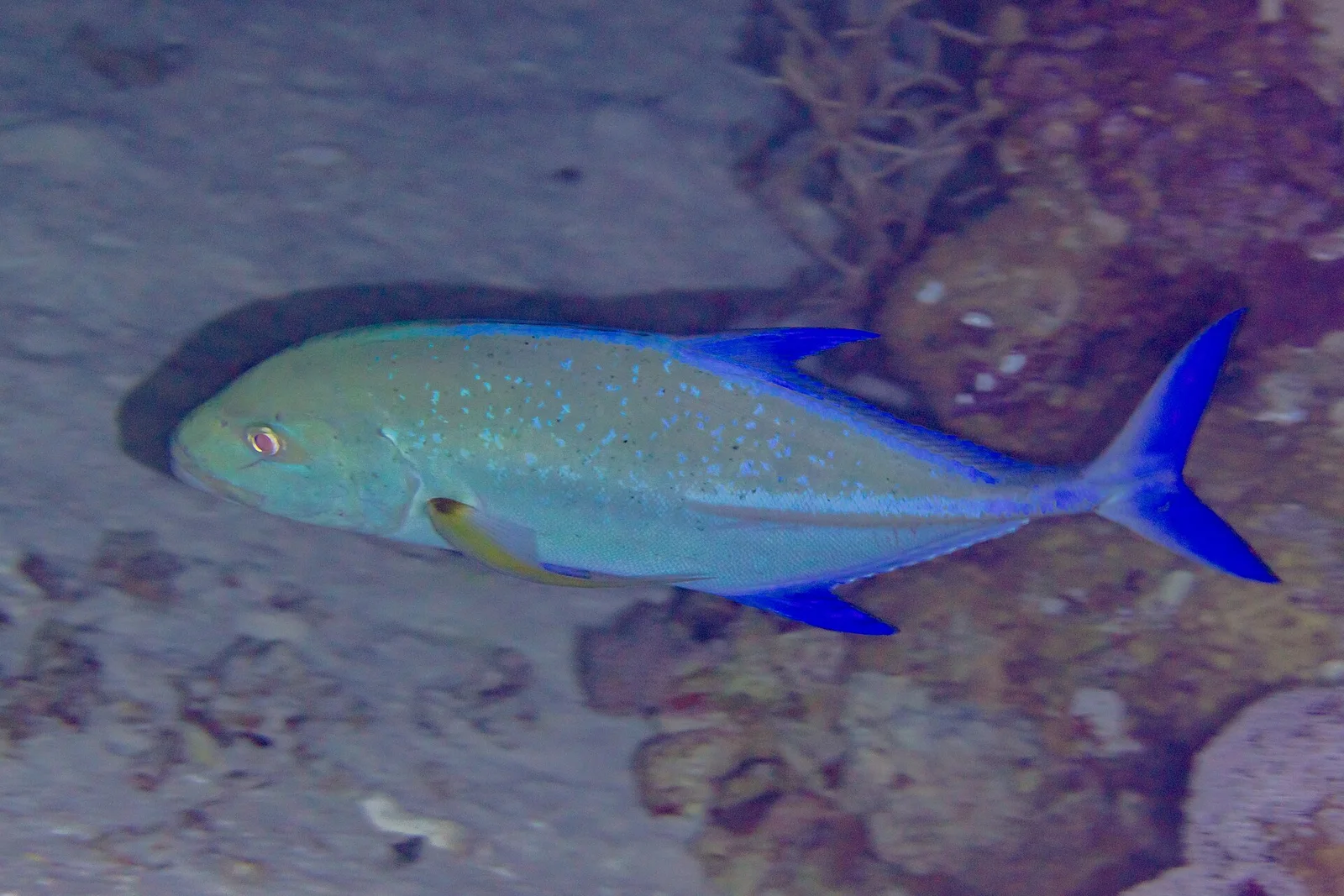
Micronesia's coral reefs and artificial wreck structures host rich western Pacific biodiversity. Resident reef manta rays visit cleaning stations in Yap and Pohnpei year-round, while outer walls draw grey reef sharks alongside blacktip and whitetip reef sharks, schooling barracuda, Napoleon wrasse, bumphead parrotfish, and occasional scalloped hammerheads in deeper channels. Hawksbill and green sea turtles patrol Chuuk's coral-cloaked hulls and Pohnpei's lagoons, while Yap's inshore reefs and offshore Yap Trench offer mating mandarinfish and nocturnal blackwater diving.
Conservation blends national law with customary stewardship. In 2008 Yap established one of the world's first manta sanctuaries, protecting 21,350 km² (8,243 sq mi) up to 19 km (12 mi) offshore as detailed by the Yap Visitors Bureau, and in 2015 the FSM Congress made the entire Exclusive Economic Zone a shark sanctuary banning commercial shark fishing and fin trade. FSM is also a founding partner of the Micronesia Challenge; Yap's inner-reef waters are privately owned by local communities, and disturbing WWII artefacts in Chuuk is illegal.
Regions for Diving
Chuuk Lagoon (Truk) — The WWII Ghost Fleet
Chuuk Lagoon is widely considered the world's premier World War II wreck-diving destination, holding more than 40 sunken Japanese vessels and aircraft in calm lagoon water. Depths span 5 m (16 ft) coral-covered masts to 60 m (197 ft) technical wrecks carrying trucks, tanks, and wartime supplies. Land-based operators on Weno and dedicated liveaboards run year-round.
Yap — Manta Channels, Sharks & Traditional Culture
Yap pairs dependable year-round encounters with resident reef manta rays in Mi'l and Goofnuw channels with lively outer-reef shark dives such as Vertigo and swim-through walls at Yap Caverns. Mangrove nurseries support healthy reefs, evening mandarinfish dives, and offshore blackwater trips near the Yap Trench. Ashore, traditional stone money discs and village customs remain deeply rooted.
Pohnpei & Ant Atoll — Walls, Mantas & Nan Madol
Home to the federal capital Palikir and the megalithic ruins of Nan Madol, Pohnpei features barrier-reef passes such as Manta Road, peaking for mantas from January to April. Southwest of the island, uninhabited Ant Atoll offers steep walls, caves, turtles, and pelagics when seas flatten from May to October. Swift pass currents suit experienced drift divers.
Kosrae — Pristine Hard-Coral Gardens
The easternmost and quietest state is renowned for undamaged sloping reefs blanketed in staghorn, table, and brain corals, plus walls such as Hiroshi Point and giant clams. High mountains shelter leeward dive coasts year-round, with July to September bringing the calmest seas. Low diver numbers make Kosrae ideal for relaxed coral diving.
Travel & Passport Guide
Travel Basics
Trip Planning
No prior visa is required for tourist stays of 30 days or less; a free entry permit is granted on arrival with a passport valid for at least 120 days beyond arrival, proof of onward or return travel, sufficient funds, and a completed Customs, Immigration and Quarantine (CIQ) form. Citizens of the USA, Palau, and the Marshall Islands enjoy extended entry privileges under the Compact of Free Association. Visits exceeding 30 days require an entry permit from FSM Immigration, and travellers clear immigration even on domestic inter-state flights.
Visa requirements depend on your nationality. Check official government sources before traveling.Safety & Diving Considerations
United Airlines connects Guam and Honolulu to FSM's four airports — Chuuk (TKK), Yap (YAP), Pohnpei (PNI), and Kosrae (KSA); inter-state travel is solely by air, and passengers clear immigration even on domestic flights. Per the Embassy of the Federated States of Micronesia and UK FCDO entry guidance, most visitors get a free 30-day permit on arrival with 120 days' passport validity, an onward ticket, sufficient funds, and a CIQ form (US citizens have extended Compact entry), plus a US$20 departure tax. Currency is the US dollar (ATMs are limited), power is 120V / 60Hz (Type A/B plugs), time zones are UTC+10 (Yap/Chuuk) and UTC+11 (Pohnpei/Kosrae), and many foreign mobile SIMs lack roaming.
Dial 911 for ambulance, fire, and police per UK FCDO emergency guidance; FCDO health advice warns that local medical facilities are limited and serious cases require air evacuation to Guam or Australia. Yap, Pohnpei, and Kosrae have no hyperbaric chamber, while Weno Island in Chuuk has only a privately operated, basic stand-alone chamber where staff must be called in — noted by DAN in August 2026 and Diving and Hyperbaric Medicine case reports citing sporadic readiness. Serious decompression cases typically require air-ambulance evacuation to U.S. Naval Base Guam — 1,019 km (633 mi) from Chuuk — so conservative profiles and DAN or equivalent evacuation insurance are essential.
Chuuk's ageing WWII wrecks present collapsing steel, sharp edges, silt-out risks, live munitions, and fuel hazards: in September 2025 heavy fuel oil leaked from Rio de Janeiro Maru before containment, prompting operator caution. Typhoon Sinlaku also struck Chuuk State hard in April 2026, affecting roughly 34,000 residents with emergency declarations through October 2026 per UN OCHA ReliefWeb updates, so confirm resort and boat status before travel. Guard against dengue and Zika, respect channel currents, and leave 18–24 hours before flying.
Dive Centers in Micronesia
0 dive centersRequest Dive Offers from Local Centers
Tell us your dates and diving needs. We'll review your request and seek offers from relevant local dive centers in Micronesia.
Frequently Asked Questions
Is there a working hyperbaric chamber in Micronesia?
Yap, Pohnpei, and Kosrae have no chambers. Weno Island in Chuuk has a privately operated, basic chamber where staff must be called in and readiness is sporadic. Serious cases generally require air-ambulance evacuation to U.S. Naval Base Guam (1,019 km / 633 mi from Chuuk), making evacuation insurance essential.
What certification level do I need for Chuuk Lagoon?
While some masts rise to 5–10 m (16–33 ft), most signature wrecks sit at 18–40 m (60–130 ft), so advanced certification and nitrox are strongly recommended. Deep sites such as San Francisco Maru at 42–64 m (138–210 ft) require technical training and pre-arranged gases.
When is the best time to see manta rays in Yap and Pohnpei?
Resident reef mantas visit Yap's cleaning stations year-round, with mating activity peaking from December to April. In Pohnpei, mantas are also present all year at Manta Road, peaking roughly from January to April.
Did Typhoon Sinlaku (2026) or the 2025 oil leak affect Chuuk diving?
Heavy fuel oil leaked from Rio de Janeiro Maru in September 2025 before containment, prompting caution around that wreck. Typhoon Sinlaku caused widespread damage in Chuuk State in April 2026, with emergency declarations through October 2026, so confirm current operator and resort status before booking.
How do divers travel between Chuuk, Yap, Pohnpei, and Kosrae?
The four states span 2,700 km (1,680 mi) and are linked only by air via United Airlines flights from Guam and Honolulu. Carry your passport on domestic inter-state hops because travellers clear immigration at each state, and leave 18–24 hours after diving before flying.
Can you take artefacts from Chuuk Lagoon shipwrecks?
No. Chuuk's sunken WWII ships, aircraft, and artefacts are protected historic sites and war graves, and removing or disturbing any item is strictly illegal. Never touch corroded munitions, and only enter wrecks with proper training and a guide.