
Diving at Reis Magos (Morocco)
Descending into Reis Magos, divers will find a landscape characterized by its blend of oceanic features. Starting with shallow rocky areas, the environment gradually transitions to expansive sandy plains. This Moroccan dive offers a gentle introduction, revealing a prominent wall that defines much of its structure. The site provides a straightforward entry into a relatively calm underwater environment, suitable for various skill levels seeking accessible exploration.
Evening condition tracking at Reis Magos features an air temperature of 20.5°C. We have recorded wave heights measuring 1.3 m during this period. These figures outline the environmental parameters currently present.
Dive Site Location & Key Facts
Dive Site Overview
The underwater topography at Reis Magos is primarily shaped by a distinctive wall structure, extending from shallower sections down to a sandy bottom. Initial exploration often reveals a rocky foundation, which gradually gives way to expansive sandy areas further down.
While precise depths are not consistently reported for this specific Moroccan location, the transition from rocky to sandy substrate provides varied habitats. Divers exploring the wall can expect to navigate along its contours, observing any crevices or ledges it presents. This geological mix supports different ecological niches, even if the detailed species inventory for this specific Moroccan site is not extensively documented.
The wall itself creates sheltered nooks, providing potential habitats for smaller organisms. The overall profile of Reis Magos suggests a relatively accessible dive experience, characterized by its dual nature of rock and sand.
Divers will find the site's layout intuitive, following the natural contours of the underwater landscape. Surface conditions and local currents vary, influencing the exact feel of a dive.
Visibility can fluctuate, as is common in oceanic environments, influenced by swell and local sedimentation, but periods of good clarity allow for appreciation of the broader structural elements. Despite limited specific current data, the site is generally approached as manageable for a range of certification levels.
Conditions are Moderate
Optimal conditions expected
Current conditions near Reis Magos show 21° air, 24° sea temperature, 1.3 m waves, and 38 km/h wind. Forecast data is refreshed regularly to ensure accuracy.
Best Time to Dive
Seasonal variations significantly influence dive conditions at Reis Magos. From April through October, warmer months bring 'Good' dive scores. Air temperatures during this period are quite comfortable, spanning 17°C / 63°F in April to 23°C / 73°F by August, enhancing surface intervals. Wave heights often remain below 1.5 meters / 5 feet, with July typically seeing the calmest waters, around 0.9 meters / 3 feet. Minimal rainfall, particularly in July and August with less than 1 mm, contributes to drier dive days. Winter, from November to March, presents 'Moderate' diving conditions. Air temperatures cool to 16-19°C / 61-66°F. Wave heights frequently exceed 1.5 meters / 5 feet, peaking above 2 meters / 6.5 feet in January and February, which can affect boat access. Increased wind speeds and higher precipitation, especially in December, January, and March, also characterize this period. Diving remains possible, but these months require more attentive planning.
PEAK SEASON SCORE
Scores combine air & water temps, waves, wind & rainfall for overall conditions.
BEST MONTHS TO DIVE
Monthly records compiled from satellite and marine observation nodes over the last 3 years. Data provided by Open-Meteo and MET Norway.
Dive Experience & Conditions
Diving Reis Magos offers varied exploration in an oceanic setting. Descents typically follow a prominent wall, a key feature of the site. This vertical structure provides numerous points of interest, from potential crevices to ledges that might shelter smaller organisms. As divers progress, the wall transitions gradually to a sandy bottom, presenting a different habitat. Current information remains limited for this specific location, yet divers should anticipate typical coastal ocean conditions, including potential gentle to moderate flows influenced by tides and weather. Visibility varies; however, clear periods do allow for appreciating the site's topography. An overall tranquil exploration of a mixed habitat awaits, appealing to those who seek a straightforward underwater journey.
Dive Difficulty & Safety Guidelines
Given the oceanic setting of Reis Magos, prudent safety measures are essential for all dives. While specific hazards for this Moroccan site are not detailed, divers should always remain aware of variable marine conditions. Surface currents and wave action can fluctuate, especially during periods of higher wind and swell as noted in the winter months.
Maintaining good buoyancy control is crucial, particularly when exploring along the wall structure, to avoid disturbing the environment or stirring up sediment. Divers should always carry appropriate safety equipment, including a surface marker buoy, and ensure their gear is well-maintained.
Always dive within your certification limits and consider diving with an experienced local guide, especially if conditions are unfamiliar. Plan your dive, dive your plan, and regularly monitor air consumption and no-decompression limits.
Communication with your dive buddy and surface support is paramount for a safe and enjoyable experience.
Recommended Equipment
- Dive Computer
This gear list is based on verified equipment signals for Reis Magos, Morocco. Always confirm final gear choices with your dive operator, guide, or liveaboard.
Recommended Dive Suit
A warming trend is expected over the next few days. A warming trend is expected over the next few days.
Some divers prefer slightly warmer exposure protection simply for additional comfort. Stronger winds may also make surface intervals feel cooler than usual.
3mm wetsuit usually works well for maintaining comfort during standard dive profiles in these conditions. Strong winds are present; please take strong precautions against rapid cooling during surface intervals. Surface intervals may feel cooler. The latest environmental readings for Reis Magos suggest water temperatures around 24°C (76°F). Surface air temperatures are resting at 21°C (69°F).
Emergency & Medical Support
Essential information to help you plan your dive trip to Reis Magos.

Hyperbaric chambers are a critical part of dive safety infrastructure. Availability varies significantly by region, and not all dive areas have immediate access.
Before diving, it's recommended to:
- confirm nearest medical facilities
- check emergency procedures with local dive operators
- ensure dive insurance covers evacuation if required
Divers Alert Network
Diving emergency assistance available through DAN World.
+1-919-684-9111- 24/7 emergency hotline
- Diving medical assistance
- Evacuation coordination
Emergency contacts are provided for reference. Always verify local emergency services before diving.
Marine Life at Reis Magos
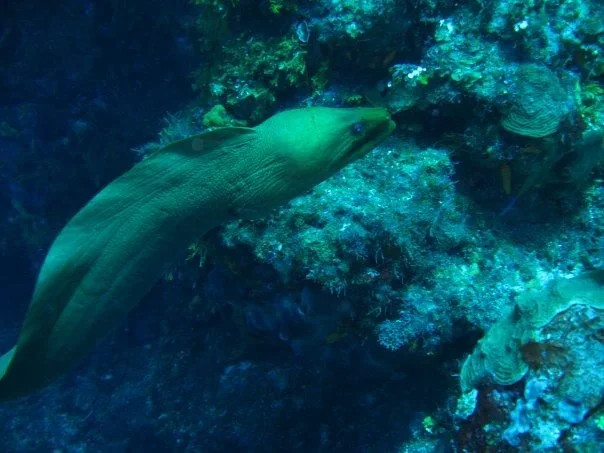
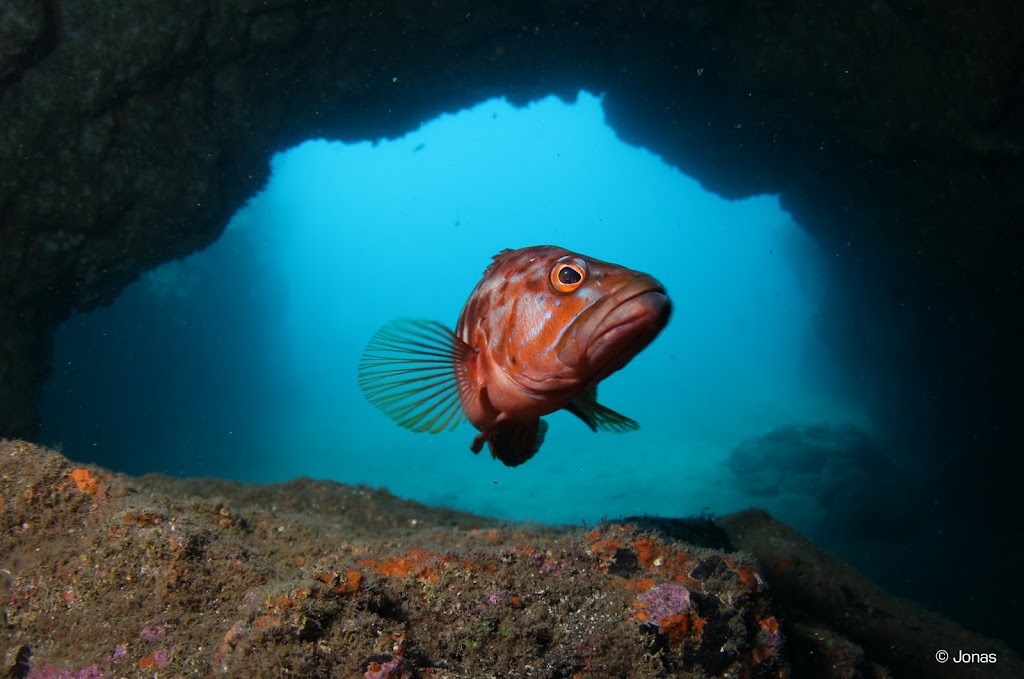
Observable biodiversity at Reis Magos frequently includes prominent species. Moray eels are often spotted, utilizing the natural crevices and hiding spots within the site's rocky areas and wall structure.
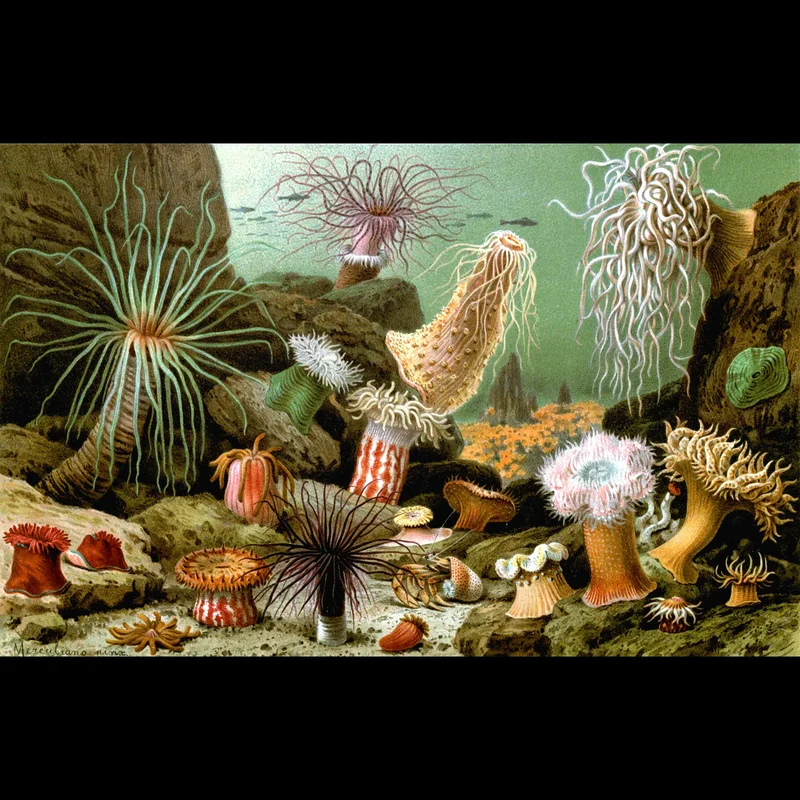
Their presence adds a dynamic element to exploring the underwater landscape. Sea anemones also dot the substrate, contributing to the vibrant, if subtle, invertebrate life.
These resilient creatures attach to rocks and other hard surfaces, offering shelter and a food source for smaller organisms. Keep an eye out for these residents while navigating the varied topography.

Dive Centers Near Reis Magos
Today: 09:00 - 16:30
Nearest Airports
Nearest airports to help plan travel to this dive area.
Search Flights
Check available flights and routes on Expedia, using the nearby airports listed in this section.
Search Flights on ExpediaFrequently Asked Questions
Is Reis Magos suitable for beginners?
Yes, the site's generally manageable conditions and varied topography, including wall and sandy bottom, make it suitable for various experience levels. It offers a straightforward underwater environment for skill development.
What is the typical depth range at Reis Magos?
Specific depth ranges for Reis Magos, Morocco, are not consistently reported. However, the site features a prominent wall transitioning to a sandy bottom, suggesting a gradient from shallower to deeper exploration zones.
What are the best months for diving here?
April through October are generally considered the best months, offering 'Good' dive scores due to warmer air temperatures, lower wave heights, and minimal rainfall. These conditions lead to more comfortable surface and underwater experiences.
Are strong currents a concern at Reis Magos?
Detailed current information for this specific Moroccan site is limited. However, like many oceanic coastal sites, conditions can vary, and divers should be prepared for potential gentle to moderate flows.
What kind of marine life can I expect to see?
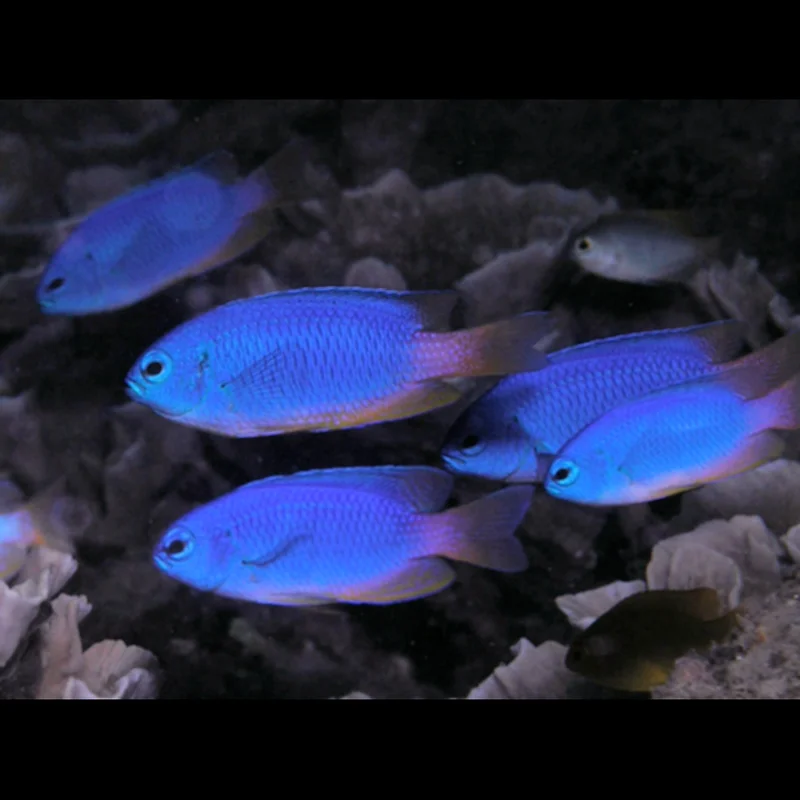
Divers frequently observe moray eels and sea anemones at Reis Magos. These species thrive among the rocky structures and sandy areas, contributing to the site's overall biodiversity.
What is the visibility generally like?
Visibility at Reis Magos, similar to other oceanic coastal locations, can fluctuate. Periods of good clarity are common, but conditions can vary based on weather, swell, and local sedimentation.
Are there any specific hazards to be aware of?
No specific hazards are detailed for Reis Magos, Morocco. General oceanic diving precautions apply, including awareness of variable surface conditions, maintaining good buoyancy, and diving within certified limits.
Planning to dive Reis Magos?
Send one inquiry and receive offers directly from the best verified local dive operators.
Conditions are Moderate
Optimal conditions expected
Current conditions near Reis Magos show 21° air, 24° sea temperature, 1.3 m waves, and 38 km/h wind. Forecast data is refreshed regularly to ensure accuracy.