
Diving in Morocco
Exploring dive sites in Morocco involves navigating different conditions, with variations in visibility, depth, and access. 12 dive sites are currently cataloged across Morocco in our system. Each site includes data that supports better dive planning.
Diving in Morocco presents diverse opportunities, with access points distributed across its extensive coastline. Many divers explore the country from regional hubs like Agadir, Tangier, Al Hoceima, and Dakhla, with shore-based operations being common. These destinations provide entry to both the Atlantic Ocean and the Mediterranean Sea, offering varied underwater landscapes.
The northern Mediterranean coast, particularly around Belyounech and Tétouan, is recognized for its warmer waters and clear conditions. Here, divers can explore rocky reefs, underwater caves, and areas where artificial reefs are being established. In contrast, the Atlantic coast, spanning from Agadir down to the Saharan shores near Dakhla, offers a more dynamic environment.
While specific dive type distributions are not extensively detailed, general observations indicate opportunities for exploring natural rocky reefs and historic shipwrecks. Marine life encounters include a variety of Mediterranean species such as groupers, moray eels, and barracuda, alongside Atlantic inhabitants like octopuses and dolphins. This geographical spread ensures a range of experiences, from calmer, clearer Mediterranean sites to the more rugged Atlantic conditions.
Dive Map of Morocco
A dive map of Morocco would illustrate its unique position where the Mediterranean Sea meets the Atlantic Ocean, highlighting distinct regional dive zones. The northern Mediterranean coastline, stretching from the Strait of Gibraltar eastward, features destinations like Belyounech, Tétouan, and Al Hoceima. These areas offer access to specific sites such as Al Hoceima Coves and the Belyounech dive sites.
This Mediterranean section typically provides calmer conditions, suitable for exploring rocky reefs and underwater caves. Its waters are generally warmer and clearer.
The map would then delineate the extensive Atlantic coast, featuring major diving destinations like Tangier, Agadir, Essaouira, and Dakhla. Key sites along this stretch include Taghazout Reef, Agadir Wreck, Mogador Island Coves, and Dakhla Lagoon. Understanding this geographical division is essential for planning a diving itinerary, as conditions and marine life can vary significantly between these distinct coastal environments.
Dive Sites to Explore
View all 12 sites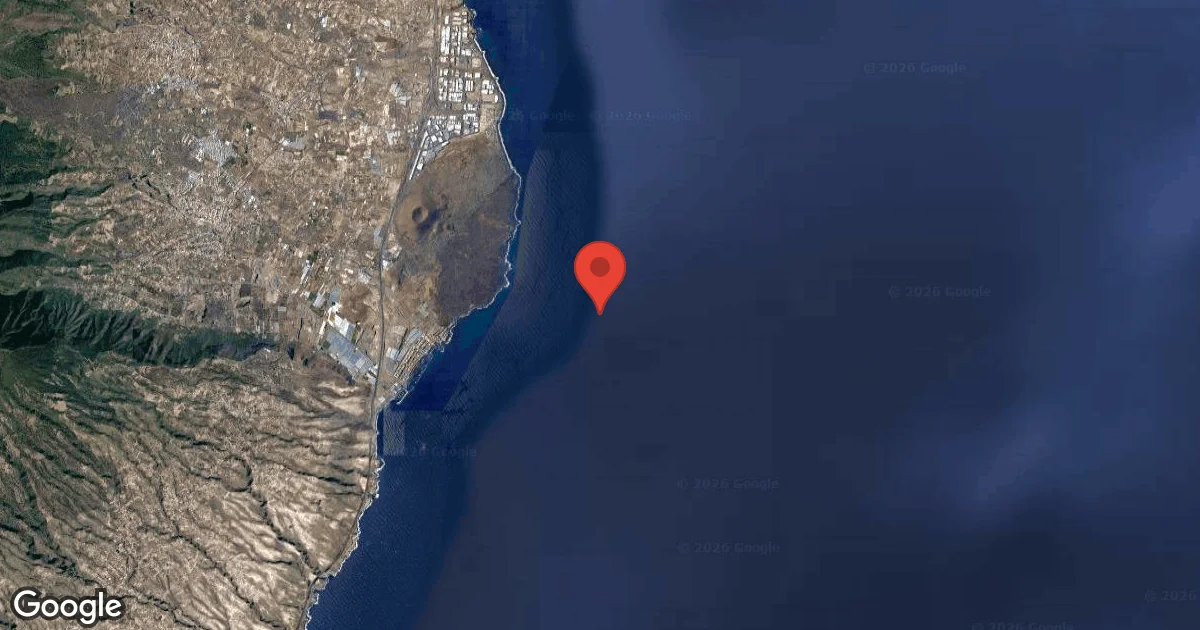
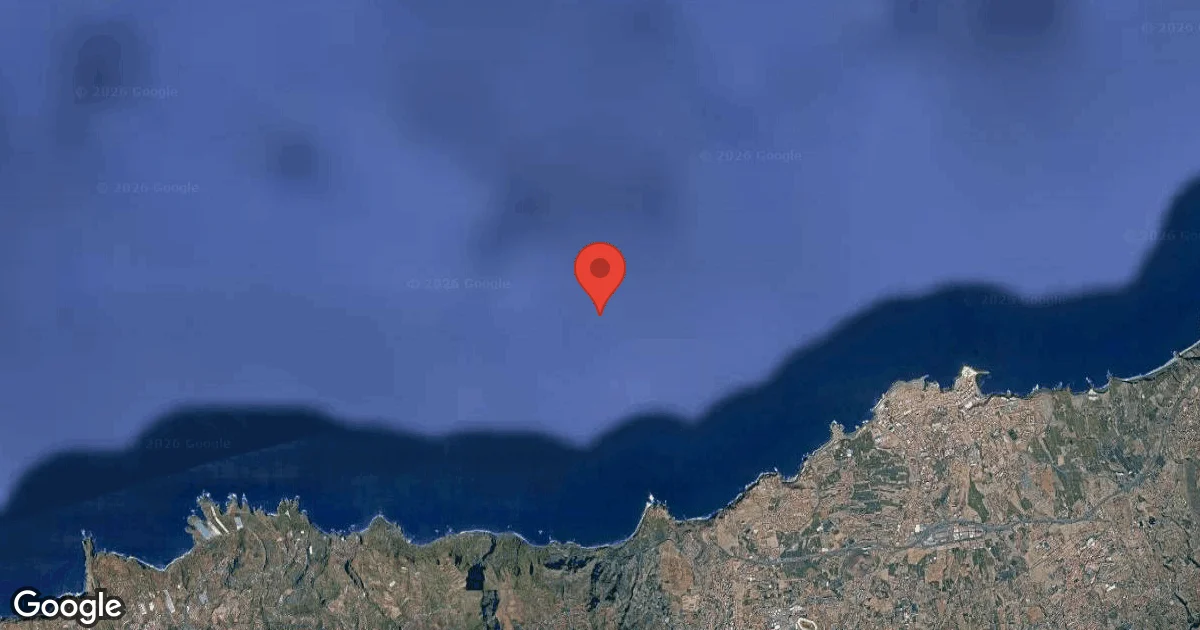
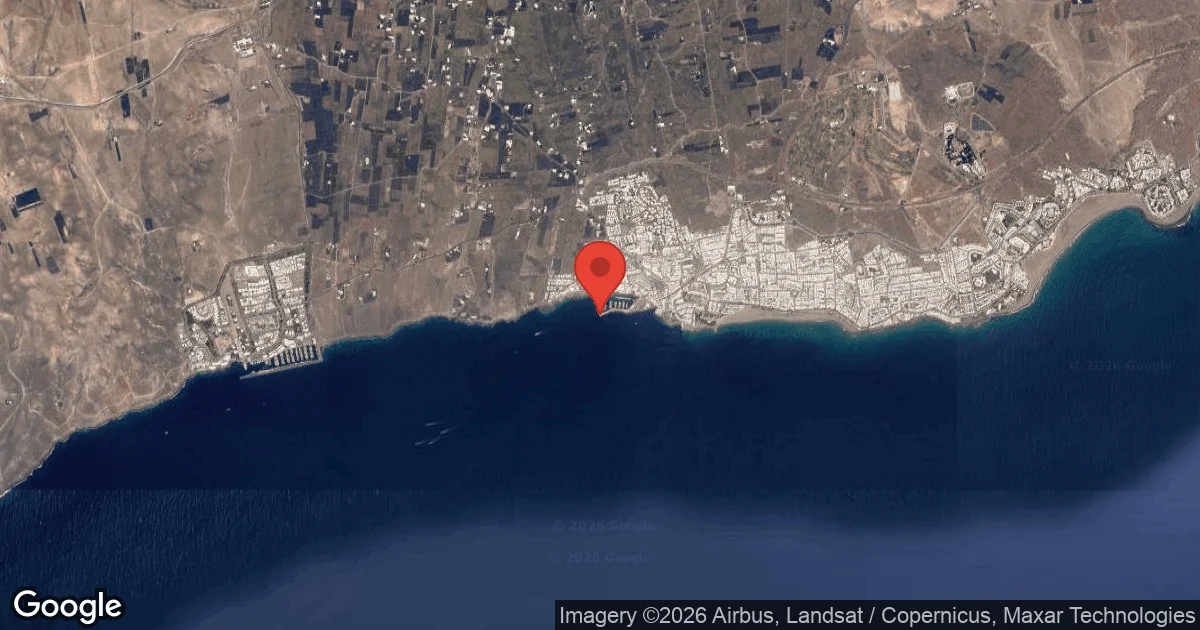
Morocco's coastline offers a collection of dive sites catering to different interests, from natural reef formations to historical wrecks. These sites are distributed across both the Mediterranean and Atlantic coasts, each providing unique underwater experiences. Visibility can often exceed 30 m (100 ft) in the Mediterranean, while Atlantic sites generally range from 5-25 m (16-82 ft) depending on conditions.
Al Hoceima Coves, located within Al Hoceima National Park on the northern Mediterranean coast, provide sheltered conditions. These coves are known for their rocky reefs and are ideal for exploring populations of grouper and barracuda that are protected in the park. Snorkeling is also popular in the shallower areas, where depths can be as little as 2-5 m (7-16 ft).
Along the Atlantic coast near Agadir, the Taghazout Reef and Agadir Wreck offer contrasting dives. Taghazout Reef is characterized by warm Atlantic waters and encounters with various reef fish and rays. The nearby Agadir Wreck provides an opportunity for wreck diving, with the structure forming an artificial reef that attracts diverse marine organisms. Divers often spot moray eels, scorpionfish, and other Atlantic species here.
Dakhla Lagoon, situated on the southern Atlantic coast, is distinct for its shallow, warm waters. This lagoon is a known habitat for green sea turtles, guitar sharks, and eagle rays, alongside dense schools of mullet. It represents a unique ecosystem, different from the rocky reefs and deeper walls found elsewhere. Beyond the lagoon, the open Atlantic in this region offers seasonal sightings of larger pelagics.
Near the Strait of Gibraltar, sites like Strait Wall and Benzú Reef present opportunities for wall diving. These sites are influenced by stronger currents, which attract pelagic species such as tuna, dolphins, and seasonal sunfish. Rocky drop-offs here host populations of octopus, nudibranchs, and schools of sea bream. The diverse structures and varying conditions ensure a range of exploration for divers.
Best Time to Dive in Morocco
The optimal period for diving in Morocco is generally from May to October, with specific conditions varying between the Mediterranean and Atlantic coasts. During the summer months, from June to August, water temperatures are at their warmest, ranging from 22-24°C (72-75°F) in the Mediterranean. This period typically offers calm seas and excellent visibility, often exceeding 30 m (100 ft), making it ideal for all diver levels.
Spring, from March to May, sees warming waters, moving from 17-20°C (63-68°F), and improving conditions. This shoulder season is popular for certifications. Autumn, from September to November, continues to offer excellent visibility, around 15-25 m (50-82 ft) in the Mediterranean and 10-18 m (33-59 ft) in the Atlantic, with water temperatures between 20-22°C (68-72°F). Crowds are typically thinner during this time.
Winter diving, from December to February, requires thicker wetsuits due to water temperatures dropping to 15-18°C (59-64°F). However, winter can provide excellent visibility, with good clarity windows between occasional storms. While the Atlantic coast generally experiences good visibility from May to October, the Mediterranean coast maintains warmer waters year-round, with its best visibility also peaking from June to September.
Monthly Sea Temperatures
Sea temperatures in Morocco exhibit clear seasonal shifts, influenced by both the Mediterranean and Atlantic currents. In the northern Mediterranean, particularly around Belyounech, waters are warmest during summer, from July to August, reaching 22-25°C (72-77°F). This period is ideal for comfortable, extended dives.
As autumn progresses, from September to November, Mediterranean temperatures remain pleasant, typically between 20-23°C (68-73°F). The Atlantic coast during this time sees slightly cooler temperatures, around 19-21°C (66-70°F). Winter, from December to February, brings the coldest waters, with temperatures dropping to 14-18°C (57-64°F) across both coasts, necessitating thicker exposure suits.
Spring, from March to May, marks a gradual warming trend. Mediterranean waters rise to 16-19°C (61-66°F) and Atlantic temperatures reach 17-19°C (63-66°F). Overall, the Mediterranean typically offers warmer waters year-round compared to the Atlantic, which can be cooler but also benefits from the relatively warm Canary Current, particularly near Agadir.
| Jan | Feb | Mar | Apr | May | Jun | Jul | Aug | Sep | Oct | Nov | Dec | |
|---|---|---|---|---|---|---|---|---|---|---|---|---|
| Max | 20° | 19° | 19° | 20° | 21° | 21° | 22° | 23° | 23° | 23° | 21° | 19° |
| Avg | 18° | 18° | 18° | 18° | 19° | 20° | 20° | 21° | 21° | 21° | 19° | 18° |
| Min | 16° | 16° | 16° | 17° | 17° | 18° | 19° | 19° | 19° | 19° | 18° | 17° |
Dive Conditions
Morocco's dive conditions vary significantly between its Mediterranean and Atlantic coasts, largely influencing the required diver skill level. The Mediterranean Sea, especially around the northern coast, is often characterized by excellent visibility, frequently exceeding 30 m (100 ft), and generally milder currents. These conditions make many sites suitable for divers of all experience levels, including beginners and those undertaking certifications.
Conversely, the Atlantic coast presents a more dynamic and potentially challenging environment. Visibility here can be more variable, ranging from 5-25 m (16-82 ft), and is occasionally affected by plankton blooms. While these blooms can reduce visibility, they also attract larger filter feeders. Currents along the Atlantic are often moderate to strong, particularly at specific sites like those near Tangier or in the Strait of Gibraltar area.
Stronger currents on the Atlantic coast can make for exhilarating drift dives but typically require more advanced diving experience and good buoyancy control. The Atlantic also experiences more swell, which can limit access or reduce visibility at certain times. Divers should consider their experience and comfort with varying conditions when planning dives in these distinct coastal regions.
Marine Life Highlights
Most Mentioned Species
Marine life in Morocco varies across dive locations, with different species appearing depending on environment and conditions. The species highlighted here are the most frequently associated with dive sites in our data, offering a realistic overview of what divers are most likely to encounter.
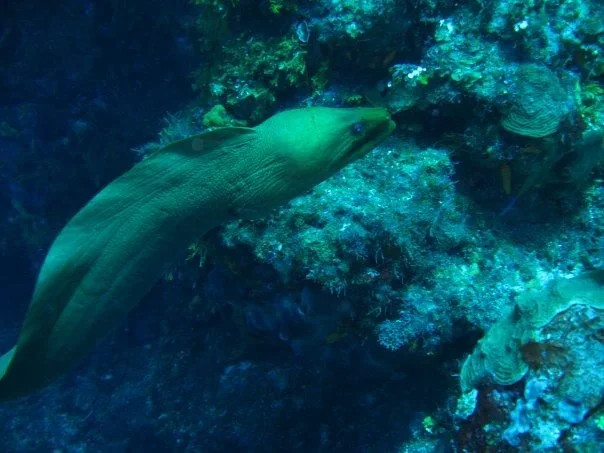
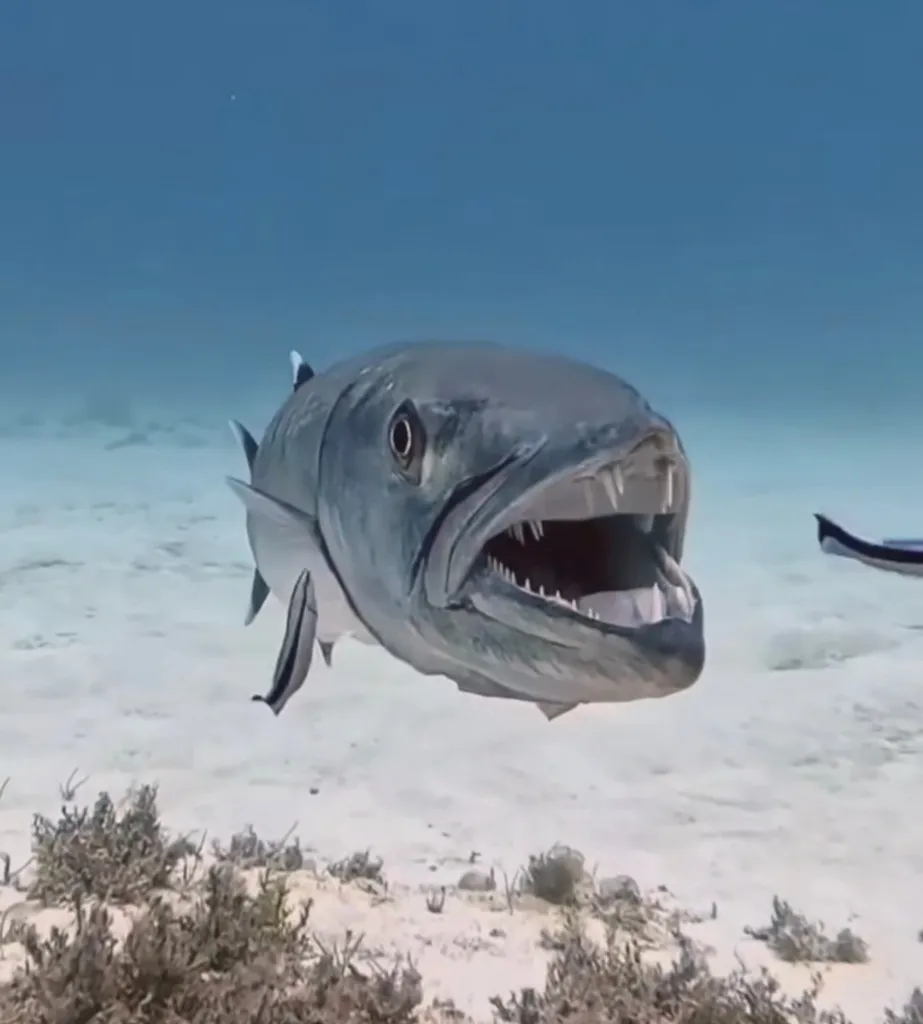
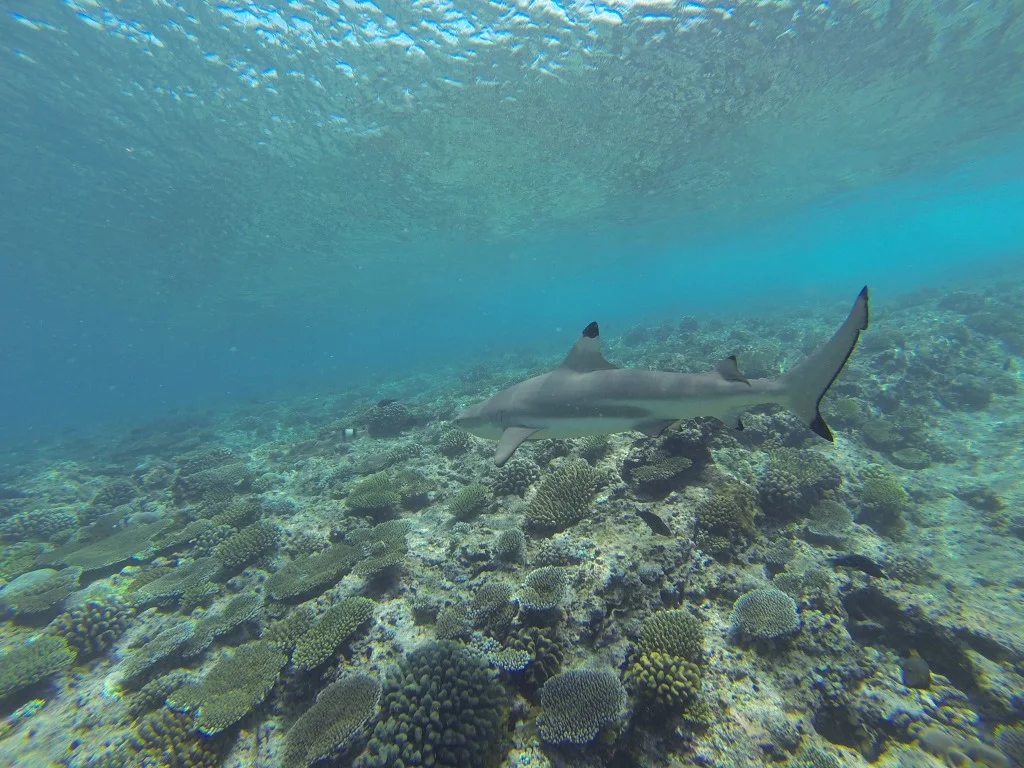
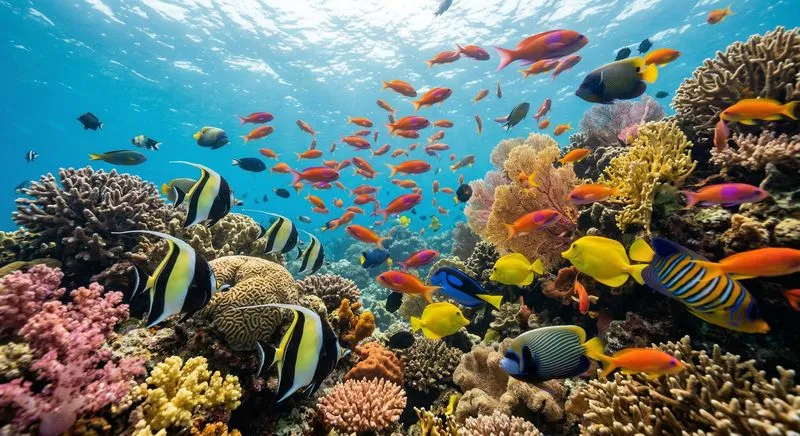
Morocco's marine life offers a blend of species found in both the Mediterranean Sea and the Atlantic Ocean, with seasonal events enhancing encounters. This dual-coast ecosystem supports a wide array of creatures, from resident reef dwellers to migratory pelagics.
In the Mediterranean, especially around Al Hoceima and Belyounech, divers can consistently find large resident populations of dusky grouper and schools of Mediterranean barracuda. Rocky crevices throughout these areas host moray eels, while nudibranchs and sea bream are commonly sighted on walls and reefs. Octopus vulgaris is extremely common and visible on almost every dive, blending into its surroundings.
Along the Atlantic coast, the marine ecosystem shifts to include different species. Dakhla Lagoon is a notable area for green sea turtles and guitar sharks. From November to February, the open Atlantic near Dakhla can offer seasonal whale shark sightings, and humpback whale migrations pass through from February to April. Near Agadir, schools of sardines and mackerel attract pelagic predators. The Strait of Gibraltar area sees seasonal visitors like sunfish (mola mola), drawn by nutrient-rich currents, along with bluefin tuna and common dolphins. Gorgonian sea fans and orange cup corals adorn deeper rocky pinnacles.
Regions for Diving
Morocco's diving landscape is distinctly divided between its Mediterranean and Atlantic coasts, each offering unique characteristics and dive experiences.
The Northern Mediterranean Coast, particularly around Belyounech, Tétouan, and Al Hoceima, provides some of the country's clearest and warmest waters. Belyounech, situated at the foot of Jebel Moussa, offers access to pristine Mediterranean sites with excellent visibility, often exceeding 30 m (100 ft). This region is known for rocky pinnacles covered in gorgonian fans and sponges, hosting large populations of dusky grouper and barracuda, especially within Al Hoceima National Park. Water temperatures here can reach 22-25°C (72-77°F) in summer, with good conditions from June to September.
The Central Atlantic Coast, encompassing destinations like Agadir, Essaouira, and Taghazout, presents a more rugged environment. While visibility can be more variable, typically 5-25 m (16-82 ft), this region is known for its warm Atlantic waters, particularly from May to October. Sites such as Taghazout Reef and the Agadir Wreck offer encounters with stingrays, eagle rays, and reef fish. The coastline here benefits from the Canary Current, bringing nutrients that support diverse macro life on rock formations. Water temperatures range from 19-22°C (66-72°F) during peak season.
Further south, the Southern Atlantic Coast around Dakhla stands out for its unique lagoon and open ocean diving. Dakhla Lagoon, with its shallow, warm waters, is a special habitat for green sea turtles, guitar sharks, and eagle rays. Beyond the lagoon, the open Atlantic here is a significant area for seasonal pelagic encounters, including whale sharks from November to February and humpback whale migrations from February to April. Conditions are generally good from May to October, with water temperatures between 16-23°C (61-73°F) and variable visibility.
Travel & Passport Guide
Travel Basics
Trip Planning
Safety & Diving Considerations
Ensuring safety while diving in Morocco involves understanding the varying conditions across its Mediterranean and Atlantic coasts. Currents, which can range from mild in sheltered Mediterranean bays to moderate or strong in Atlantic areas and the Strait of Gibraltar, are a primary consideration. Divers should always consult with local dive operators regarding site-specific current conditions and plan dives appropriate to their experience level. Strong currents necessitate good physical fitness and advanced diving skills.
Visibility is another important factor impacting safety. While the Mediterranean often boasts excellent visibility, the Atlantic can experience more variability, sometimes reduced by plankton blooms or swell. Maintaining awareness of one's buddy and surroundings is crucial in lower visibility conditions. It is advisable to dive with reputable, experienced local operators who are familiar with the specific characteristics of the dive sites and can provide accurate, up-to-date information on daily conditions.
As with any diving destination, divers should ensure their equipment is well-maintained and that they adhere to safe diving practices, including proper ascent rates and safety stops. Having appropriate dive insurance is also a recommended precaution for any travel abroad. Local guidance from dive centers is invaluable for navigating the diverse underwater environments safely.
Dive Centers in Morocco
View all 1 dive centers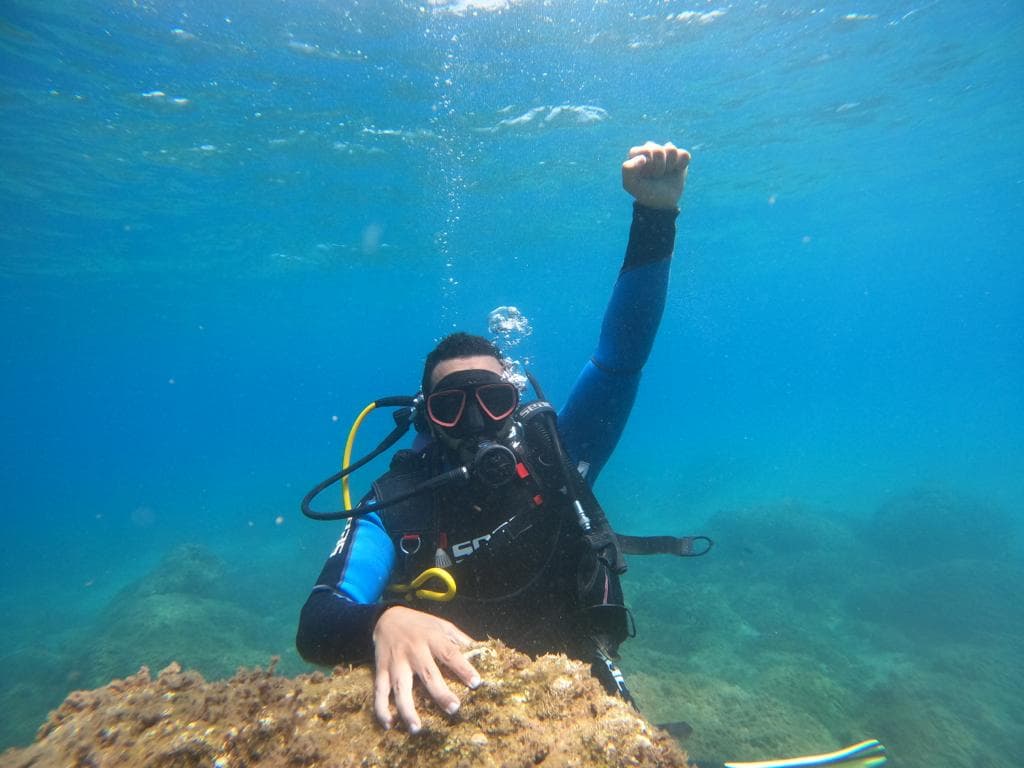
Frequently Asked Questions
What are the typical water temperatures for diving in Morocco?
Water temperatures in Morocco vary seasonally and regionally. In summer (June-August), Mediterranean waters typically range from 22-25°C (72-77°F), while the Atlantic is slightly cooler, around 20-22°C (68-72°F). During winter (December-February), temperatures drop to 14-18°C (57-64°F) across both coasts, requiring thicker wetsuits. Spring and autumn offer transitional temperatures, generally between 16-23°C (61-73°F).
Which marine life can I expect to see while diving in Morocco?
Morocco's waters host diverse marine life. In the Mediterranean, expect to encounter dusky grouper, barracuda, moray eels, octopus, nudibranchs, and sea bream. Atlantic sites offer green sea turtles, guitar sharks, and eagle rays, particularly in Dakhla Lagoon. Seasonal sightings include whale sharks (November-February) and humpback whales (February-April) in the Atlantic, and sunfish and bluefin tuna in the Strait of Gibraltar area.
What are the visibility conditions like for diving in Morocco?
Visibility in Morocco differs between its two coasts. The northern Mediterranean often provides excellent visibility, frequently exceeding 30 m (100 ft), especially during summer and autumn. On the Atlantic coast, visibility is more variable, ranging from 5-25 m (16-82 ft). It can be affected by Atlantic swell or seasonal plankton blooms, which, while reducing clarity, can attract larger filter feeders.
Are there specific dive sites for wreck diving in Morocco?
Yes, Morocco offers opportunities for wreck diving. Near Agadir, the Agadir Wreck is a notable site, providing an artificial reef environment for various marine species. Additionally, historic shipwrecks are mentioned near areas such as Agadir and Tangier. These wrecks have become habitats for barnacles, soft corals, and a range of fish, offering interesting exploration for divers.
What are the best regions for diving in Morocco?
Key diving regions include the Northern Mediterranean Coast, particularly around Belyounech and Al Hoceima, known for clear, warm waters and abundant grouper and barracuda. The Central Atlantic Coast, near Agadir and Taghazout, offers rocky reefs and wreck dives. The Southern Atlantic Coast around Dakhla is unique for its lagoon's green sea turtles and seasonal pelagic sightings in the open ocean.