
Diving at Milligerplas (Netherlands)
Milligerplas offers various underwater experiences across its sections, with Milligerplas Zuid functioning as the main accessible dive area. Its layout invites exploration of ancient submerged tree trunks and intriguing clay walls, presenting multiple focal points within a single dive. Entrances are straightforward, leading divers into a freshwater environment structured for detailed exploration.
The latest environmental reading at Milligerplas indicates an air temperature of 23.5°C. The regional climate in Netherlands is aligning with expected historical averages. Prepare your gear according to these specific local conditions.
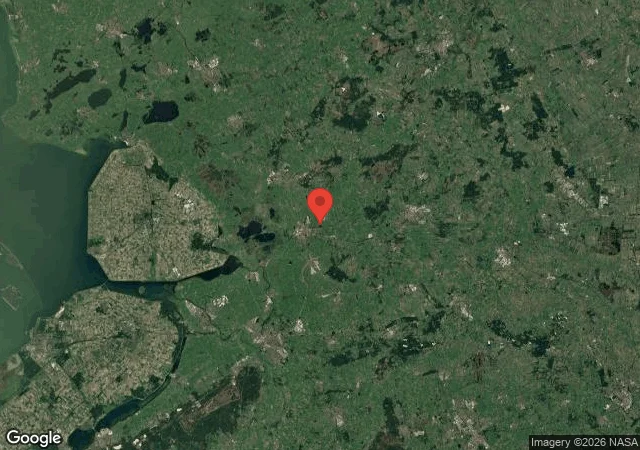
Dive Site Location & Key Facts
Dive Site Overview
Centuries ago, this area was an old swamp forest, a past reflected in Milligerplas's submerged landscape. Today, divers encounter remnants of that history, particularly large tree trunks half-buried in the sand around 20 m (66 ft).
Prominent features here include these impressive natural structures alongside expansive clay walls. These walls are not merely geological formations; they're riddled with holes, providing shelter and points of interest for smaller aquatic life. Milligerplas is a freshwater lake, with reported maximum depths reaching up to 28 m (92 ft) in its Zuid section.
Log entries indicate visibility in this lake can vary significantly, often reported between 3 to 8 m (10 to 26 ft), though some dives have noted conditions as low as 1 m (3 ft) and others as good as 8 m (26 ft). Such variability means divers should be prepared for different visual environments.
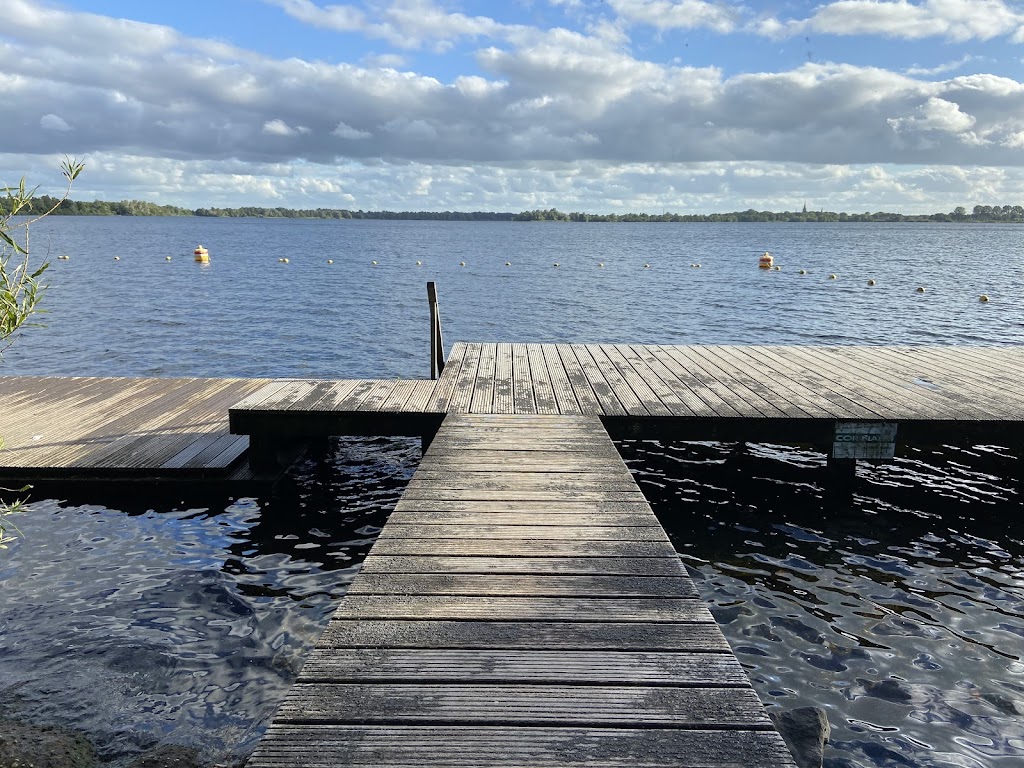
It serves as a consistent spot for local divers to practice and explore, including popular night dives and various instructional sessions. Diving at this location involves a shore entry with no reported currents, making it generally suitable for a wide range of skill levels and training activities.
Conditions are Moderate
Optimal conditions expected
Current conditions near Milligerplas show 24° air, --° sea temperature, N/A waves, and 26 km/h wind. Forecast data is refreshed regularly to ensure accuracy.
Best Time to Dive
For optimal comfort and a more pleasant topside experience, planning a dive during the warmer months, roughly May through September, is advisable. Air temperatures during this period range from 14°C (57°F) in May to 18°C (64°F) in August, making surface preparations less challenging. Rainfall tends to be moderate across these months. While specific average water temperatures for Milligerplas aren't consistently reported, log entries show a wide range from around 5-6°C (41-43°F) in cooler periods to 17-18°C (63-64°F) in warmer conditions, indicating significant seasonal shifts. Divers should anticipate colder water temperatures in the deeper sections due to thermoclines, which are often noted in dive logs. Visibility can also be more consistent outside of periods of heavy rain or high recreational use.
PEAK SEASON SCORE
Scores combine air & water temps, waves, wind & rainfall for overall conditions.
BEST MONTHS TO DIVE
Monthly records compiled from satellite and marine observation nodes over the last 3 years. Data provided by Open-Meteo and MET Norway.
Dive Experience & Conditions
Accessing the water at Milligerplas Zuid is a straightforward shore entry. Underwater topography includes both sandy and silty bottoms, gradually transitioning to striking clay walls. Divers often describe visibility as variable; some reports indicate clear conditions of 5-8 m (16-26 ft), while others note more limited visibility around 1-3 m (3-10 ft), particularly below thermoclines or after disturbance. A thermocline is frequently encountered, creating noticeable temperature changes with depth. Ancient tree trunks, representing a sense of historical presence, are generally found deeper, around 16-20 m (52-66 ft), half-buried. Intricate details for exploration are provided by clay walls, visible at various depths. Additionally, it serves as a training ground, featuring teaching platforms that make it an ideal location for skill practice in diverse conditions.
Dive Difficulty & Safety Guidelines
Diving in the Milligerplas requires attention to varying visibility and potential temperature drops. Carrying a dive lamp is highly recommended to properly illuminate the deeper areas and the clay walls, regardless of the time of day, enhancing both navigation and observation. Given the variable visibility, maintaining situational awareness and staying close to your buddy is crucial.
While no strong currents are reported, lake diving presents its own set of considerations, such as disorientation in low visibility. Divers should be comfortable with cold water exposure and be proficient in dry suit use if venturing into colder months or deeper sections.
Planning your dive within your certification limits and consulting recent log reports for current conditions is a smart practice. Parking is sufficient, approximately 100 meters from the access point.
Recommended Equipment
- Dive Computer
This gear list is based on verified equipment signals for Milligerplas, Netherlands. Always confirm final gear choices with your dive operator, guide, or liveaboard.
Recommended Dive Suit
Repeated dives during the same day can gradually reduce overall body warmth.
Because recent water temperature readings are not available for Milligerplas, the guidance below is based mainly on current air conditions and seasonal expectations. Current surface air temperatures are roughly 24°C (74°F). Based on regional estimates and current weather, the likely required exposure protection is a 3-5mm wetsuit. Note that local currents and upwellings can alter this.
Conditions may fluctuate slightly depending on wind and weather patterns.
Emergency & Medical Support
Essential information to help you plan your dive trip to Milligerplas.

Hyperbaric chambers are a critical part of dive safety infrastructure. Availability varies significantly by region, and not all dive areas have immediate access.
Before diving, it's recommended to:
- confirm nearest medical facilities
- check emergency procedures with local dive operators
- ensure dive insurance covers evacuation if required
Divers Alert Network
Diving emergency assistance available through DAN Europe.
+39 0642115685- 24/7 emergency hotline
- Diving medical assistance
- Evacuation coordination
Emergency contacts are provided for reference. Always verify local emergency services before diving.
Closest Listed Hyperbaric Chambers
Showing listed hyperbaric chamber facilities within 200 km of this dive site.
Distances are approximate straight-line distances and may not reflect emergency travel time.
Meander Da Vinci
Amersfoort, Netherlands•Approx. 63 km straight-line
Meander Da Vinci
Information is provided for reference and planning purposes only. Dive Navigator does not verify operational status, staffing, availability, or quality of care at listed facilities. In an emergency, contact local emergency services, DAN, your dive operator, or the chamber directly. Do not travel to a facility without calling ahead.
Amsterdam University Medical Center
24/7 ListedICU CapableAmsterdam, Netherlands•Approx. 80 km straight-line
Amsterdam University Medical Center
24/7 ListedICU CapableInformation is provided for reference and planning purposes only. Dive Navigator does not verify operational status, staffing, availability, or quality of care at listed facilities. In an emergency, contact local emergency services, DAN, your dive operator, or the chamber directly. Do not travel to a facility without calling ahead.
Hyperbaric Chamber - Münster
Münster, Germany•Approx. 126 km straight-line
Hyperbaric Chamber - Münster
Information is provided for reference and planning purposes only. Dive Navigator does not verify operational status, staffing, availability, or quality of care at listed facilities. In an emergency, contact local emergency services, DAN, your dive operator, or the chamber directly. Do not travel to a facility without calling ahead.
Marine Life at Milligerplas
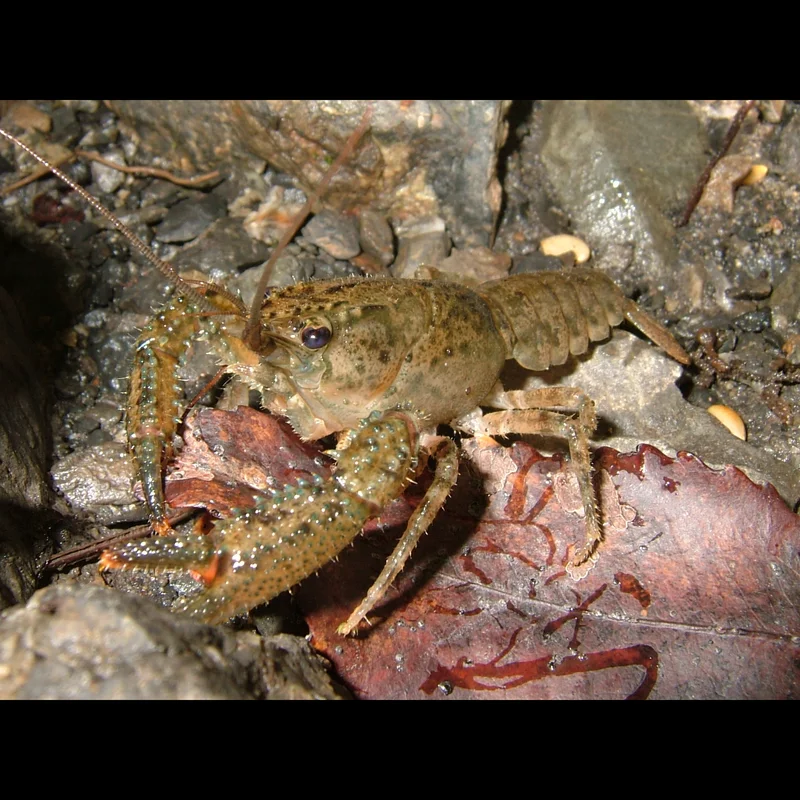
Milligerplas's subaquatic environment supports specific freshwater species. Divers commonly encounter crayfish nestled within holes of the clay walls.
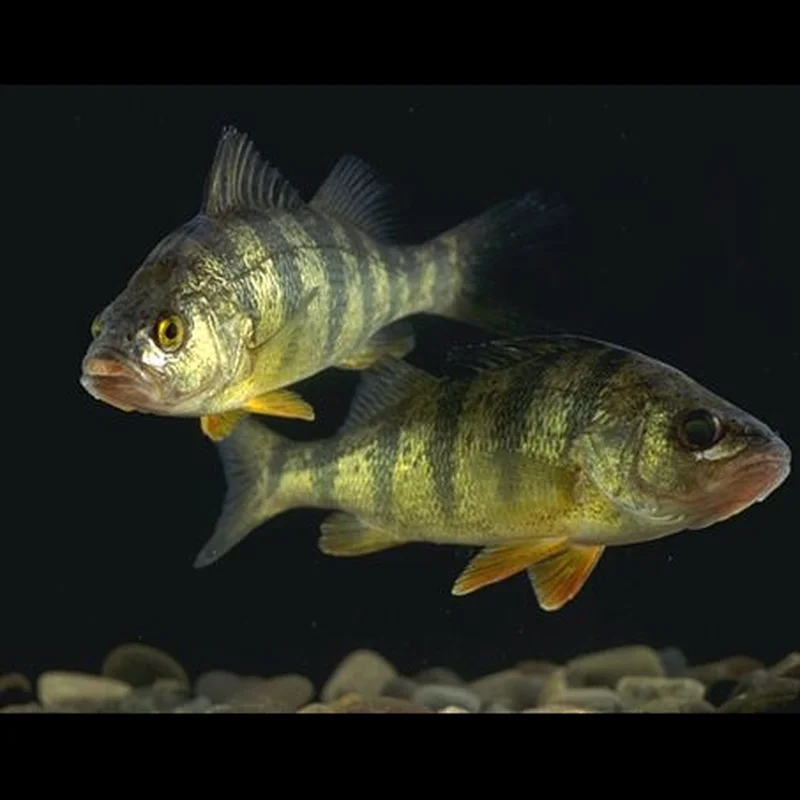
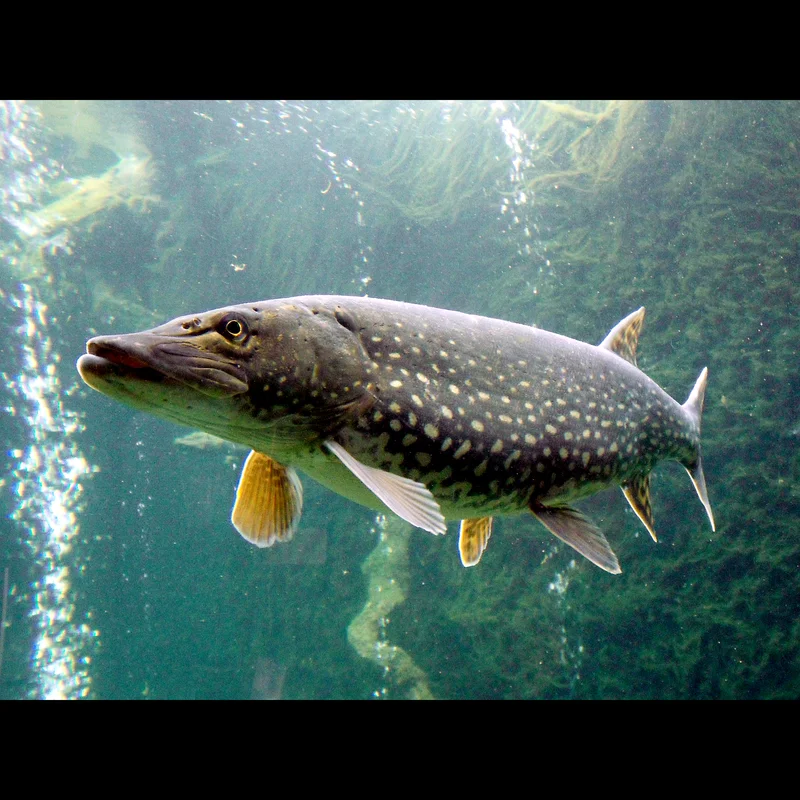
Several logs mention sightings of small fish, along with larger species like perch, pike, and even thick eels. Ancient tree trunks, often described as beautifully overgrown, also serve as focal points for observing these lake inhabitants, sometimes surrounded by schools of smaller fish.
It presents a temperate freshwater ecosystem, offering encounters with species adapted to this unique environment.
Dive Sites Near Milligerplas
View all dive sites in NetherlandsDiscover more underwater gems in this area.
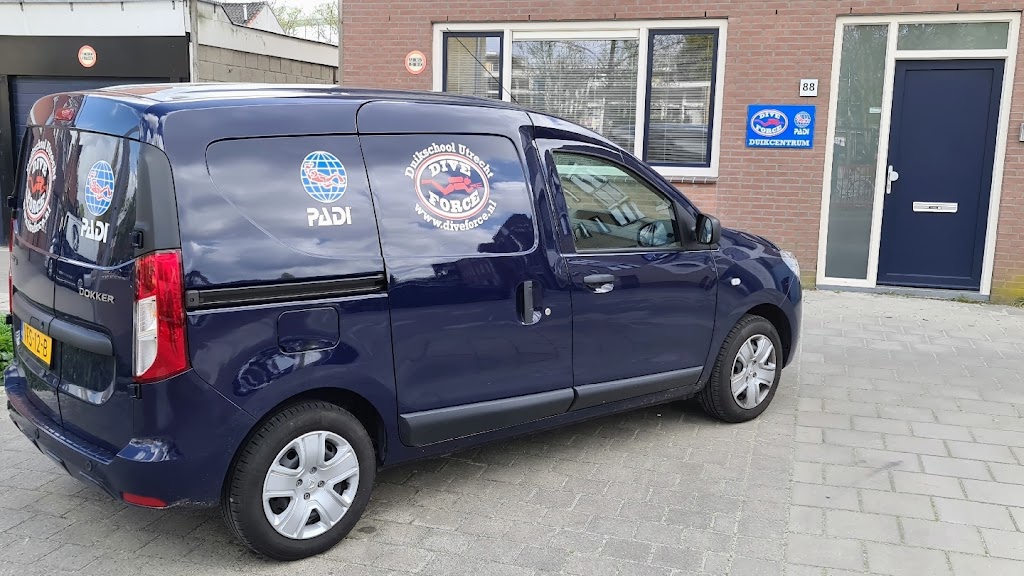
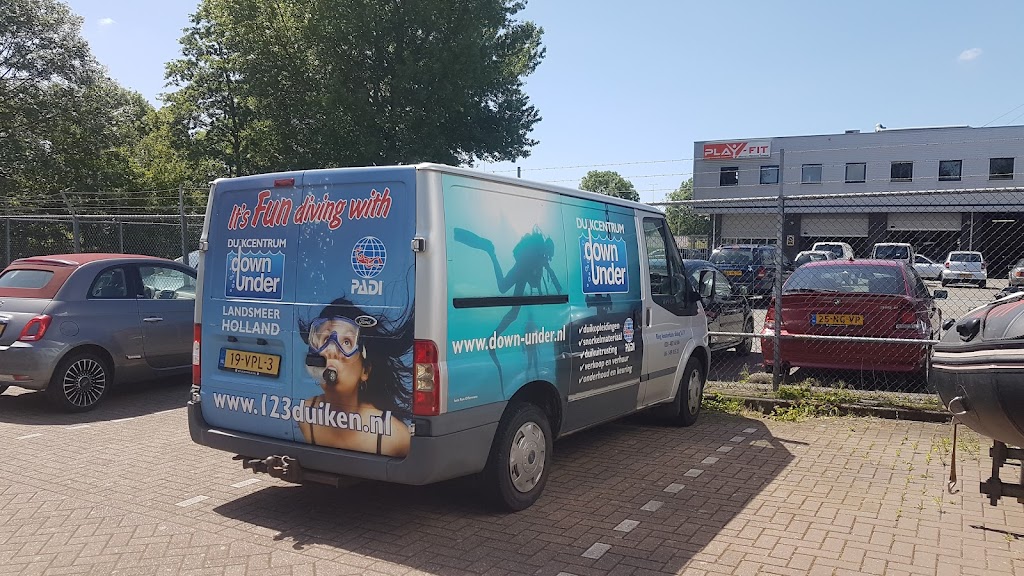
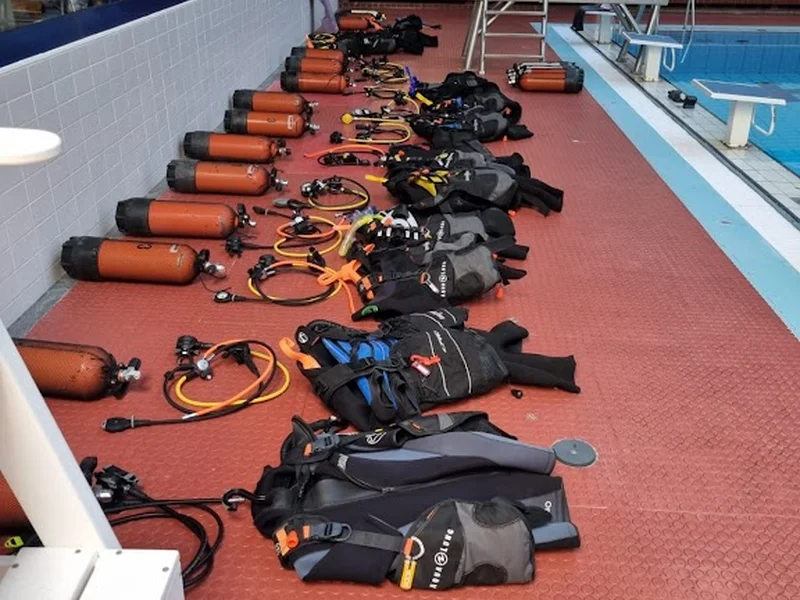
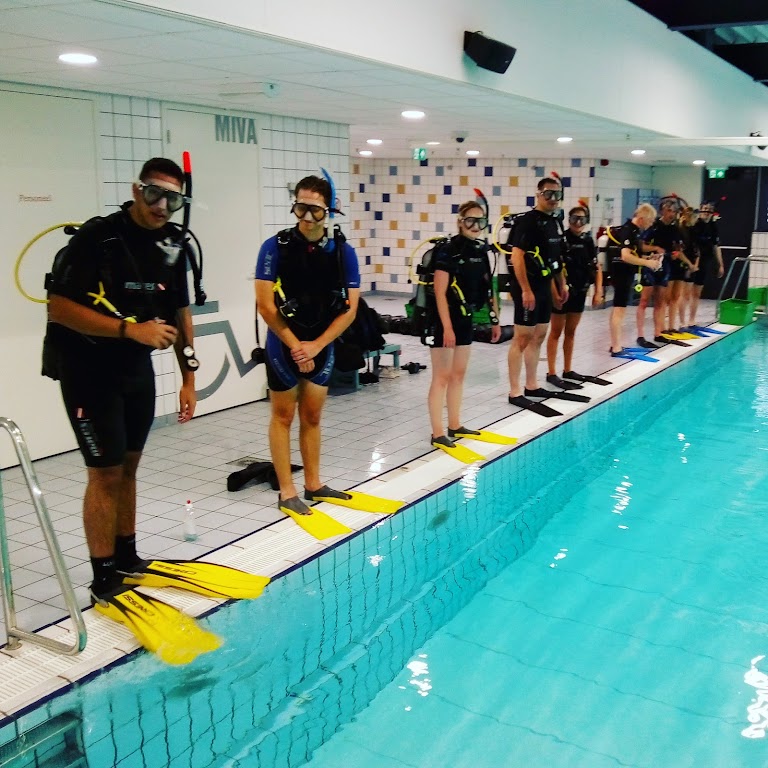
Dive Centers Near Milligerplas
Today: Closed

Nearest Airports
Nearest airports to help plan travel to this dive area.
Search Flights
Check available flights and routes on Expedia, using the nearby airports listed in this section.
Search Flights on ExpediaFrequently Asked Questions
What is the maximum depth at Milligerplas?
Milligerplas Zuid, the primary dive area, has reported maximum depths reaching approximately 28 m (92 ft). However, specific dive logs often cite depths for particular features like the tree trunks around 16-20 m (52-66 ft).
How clear is the water at Milligerplas?
Visibility at Milligerplas varies significantly. Dive logs report conditions ranging from as low as 1 m (3 ft) to as clear as 8 m (26 ft), often depending on recent weather, divers in the water, and depth relative to thermoclines.
Are there any specific underwater features to explore?
Underwater, divers find large, ancient tree trunks, some half-buried in the sand at around 20 m (66 ft). Extensive clay walls, riddled with small holes, also provide shelter for marine life and intricate details for exploration.
What kind of marine life can I expect to see?
Divers may observe freshwater species such as crayfish in the clay walls, various small fish, perch, pike, and eels. The ecosystem supports life typical of a temperate lake environment.
Is Milligerplas suitable for beginner divers?
Yes, it's generally considered suitable for all levels, including scuba diving practice. Its calm conditions and designated training platforms make it a good site for learning and improving skills, though awareness of variable visibility and thermoclines is important.
Are there facilities available at the dive site?
Milligerplas Zuid offers sufficient parking and free access. There's also a beach pavilion and toilet facilities available for recreational visitors, which divers can utilize.
Planning to dive Milligerplas?
Send one inquiry and receive offers directly from the best verified local dive operators.
Conditions are Moderate
Optimal conditions expected
Current conditions near Milligerplas show 24° air, --° sea temperature, N/A waves, and 26 km/h wind. Forecast data is refreshed regularly to ensure accuracy.