
Diving at Divearound Ruinerwold (Netherlands)
Ruinerwold offers a straightforward diving experience, making it suitable for certified beginners and experienced divers seeking accessible inland exploration. The site provides opportunities for repeated dives, with its maximum depth of 17 m / 56 ft supporting various skill levels to explore diverse underwater features. Divers can practice navigation and buoyancy control in a varied freshwater environment.
The latest environmental reading at Divearound Ruinerwold indicates an air temperature of 15°C. The regional climate in Netherlands is aligning with expected historical averages. Prepare your gear according to these specific local conditions.
Dive Site Location & Key Facts
Dive Site Overview
Divers exploring Ruinerwold encounter a varied freshwater environment in the Netherlands. Its underwater topography includes distinct clay walls defining the dive, alongside a collection of submerged objects such as a picnic table and small wrecks, which serve as points of interest.
Unique 'mangrove' areas also characterize the site, an intricate network of tree roots and branches forming sheltered habitats. A maximum depth of approximately 17 m / 56 ft means the dive experience spans multiple layers. Shallower sections often hold denser vegetation, transitioning to deeper zones where larger structures reside.
This allows for both entry-level exploration and more extensive navigation practice for experienced divers. Visibility conditions frequently fluctuate, ranging from excellent to limited, which adds a dynamic challenge and ensures no two dives feel exactly alike.
Planning for varying clarity is essential for a rewarding exploration of its diverse features, including open water stretches, sheltered root systems, and various underwater installations.
Conditions are Moderate
Optimal conditions expected
Current conditions near Divearound Ruinerwold show 15° air, --° sea temperature, N/A waves, and 31 km/h wind. Forecast data is refreshed regularly to ensure accuracy.
Best Time to Dive
Planning a dive at Ruinerwold often prioritizes the period from May to September for optimal comfort and surface conditions. These months generally present the most favorable weather patterns for diving in the region. Average air temperatures during this window typically range from 14-18°C / 57-64°F, which aligns with the warmest reported water temperatures, usually between 16–22°C / 61-72°F. This makes for a more comfortable experience both in and out of the water. Rainfall levels are also comparatively lower during this time, averaging around 1.96-4.07 mm, contributing to more stable surface conditions and easier access. While these conditions are generally more pleasant, it's important to remember that underwater visibility remains variable throughout the year, regardless of the season. Dive scores are consistently rated 'Good' within this specific timeframe, indicating a reliable window for enjoyable visits.
PEAK SEASON SCORE
Scores combine air & water temps, waves, wind & rainfall for overall conditions.
BEST MONTHS TO DIVE
Monthly records compiled from satellite and marine observation nodes over the last 3 years. Data provided by Open-Meteo and MET Norway.
Dive Experience & Conditions
Upon entering the water at Ruinerwold, divers should prepare for potentially variable conditions, particularly concerning underwater visibility. Visibility often fluctuates significantly, with reported ranges from 1 to 10 meters. Such variations depend heavily on recent diver activity, weather patterns, and sediment disturbance. Terrain itself provides a rich experience, characterized by distinct clay walls that present unique geological features. Beyond these walls, a diverse collection of submerged objects, including artificial structures, enhances exploration. Navigating the 'mangrove areas' on the north and northwest sides offers a truly immersive experience; these sections are defined by intricate, intertwined tree roots and branches that create sheltered passages and unique hiding spots for marine life. Divers can expect a relatively calm environment, as currents are typically absent, allowing for unhurried navigation and detailed observation of the site's various elements.
Dive Difficulty & Safety Guidelines
Ensuring diver safety at Ruinerwold requires strict adherence to established guidelines and designated dive zones. Access is expressly prohibited in the southern area, particularly along the clay walls, due to reported instability risks. Respecting these boundaries is crucial for personal safety and site preservation.
Divers also need to maintain a heightened awareness of visibility conditions. These can fluctuate rapidly from clear to significantly reduced, often necessitating careful navigation techniques and reliance on buddy procedures.
Carrying a reliable dive light, even during daylight dives, is a practical recommendation. Obtaining an official permit through the NNDF is a mandatory requirement for all divers.
This system helps ensure proper site management, regulates diver numbers, and ultimately contributes to a safer diving environment for everyone.
Recommended Equipment
- Dive Computer
This gear list is based on verified equipment signals for Divearound Ruinerwold, Netherlands. Always confirm final gear choices with your dive operator, guide, or liveaboard.
Recommended Dive Suit
Based on regional estimates and current weather, the likely required exposure protection is a thicker wetsuit or drysuit. Note that local currents and upwellings can alter this. A hood or vest is suggested for sensitive divers due to surface winds. A thermal robe or jacket is recommended between dives.
Because recent water temperature readings are not available for Divearound Ruinerwold, the guidance below is based mainly on current air conditions and seasonal expectations. Current surface air temperatures are roughly 15°C (59°F).
Due to unpredictable weather patterns, conditions may change rapidly. A warming trend is expected over the next few days.
Emergency & Medical Support
Essential information to help you plan your dive trip to divearound Ruinerwold.

Hyperbaric chambers are a critical part of dive safety infrastructure. Availability varies significantly by region, and not all dive areas have immediate access.
Before diving, it's recommended to:
- confirm nearest medical facilities
- check emergency procedures with local dive operators
- ensure dive insurance covers evacuation if required
Divers Alert Network
Diving emergency assistance available through DAN Europe.
+39 0642115685- 24/7 emergency hotline
- Diving medical assistance
- Evacuation coordination
Emergency contacts are provided for reference. Always verify local emergency services before diving.
Closest Listed Hyperbaric Chambers
Showing listed hyperbaric chamber facilities within 200 km of this dive site.
Distances are approximate straight-line distances and may not reflect emergency travel time.
Meander Da Vinci
Amersfoort, Netherlands•Approx. 84 km straight-line
Meander Da Vinci
Information is provided for reference and planning purposes only. Dive Navigator does not verify operational status, staffing, availability, or quality of care at listed facilities. In an emergency, contact local emergency services, DAN, your dive operator, or the chamber directly. Do not travel to a facility without calling ahead.
Amsterdam University Medical Center
24/7 ListedICU CapableAmsterdam, Netherlands•Approx. 98 km straight-line
Amsterdam University Medical Center
24/7 ListedICU CapableInformation is provided for reference and planning purposes only. Dive Navigator does not verify operational status, staffing, availability, or quality of care at listed facilities. In an emergency, contact local emergency services, DAN, your dive operator, or the chamber directly. Do not travel to a facility without calling ahead.
Hyperbaar Geneeskundig Centrum Rijswijk (HGC)
24/7 ListedRijswijk, Netherlands•Approx. 149 km straight-line
Hyperbaar Geneeskundig Centrum Rijswijk (HGC)
24/7 ListedInformation is provided for reference and planning purposes only. Dive Navigator does not verify operational status, staffing, availability, or quality of care at listed facilities. In an emergency, contact local emergency services, DAN, your dive operator, or the chamber directly. Do not travel to a facility without calling ahead.
Marine Life at Divearound Ruinerwold
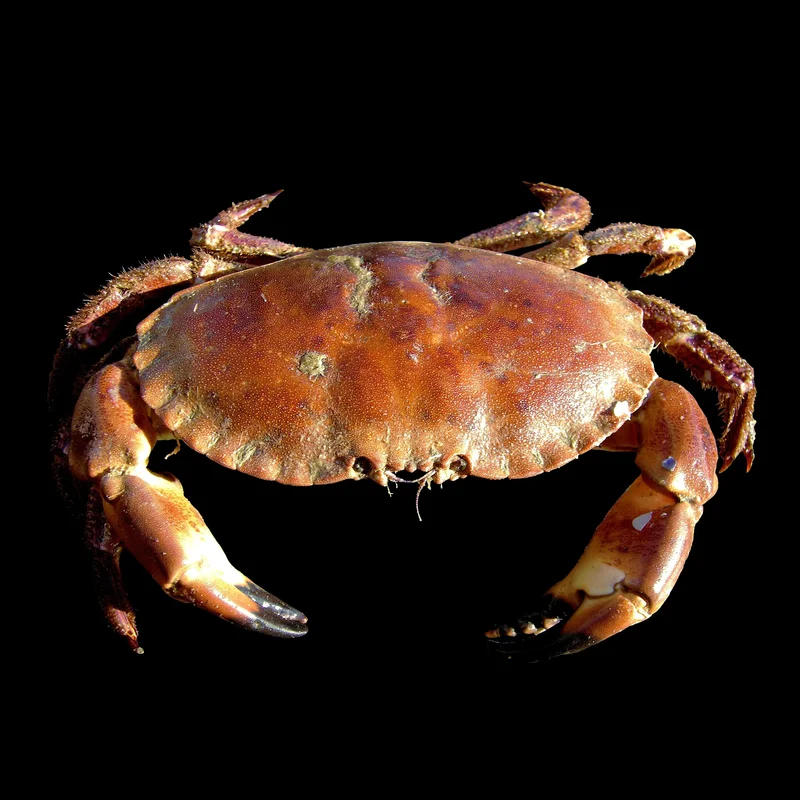
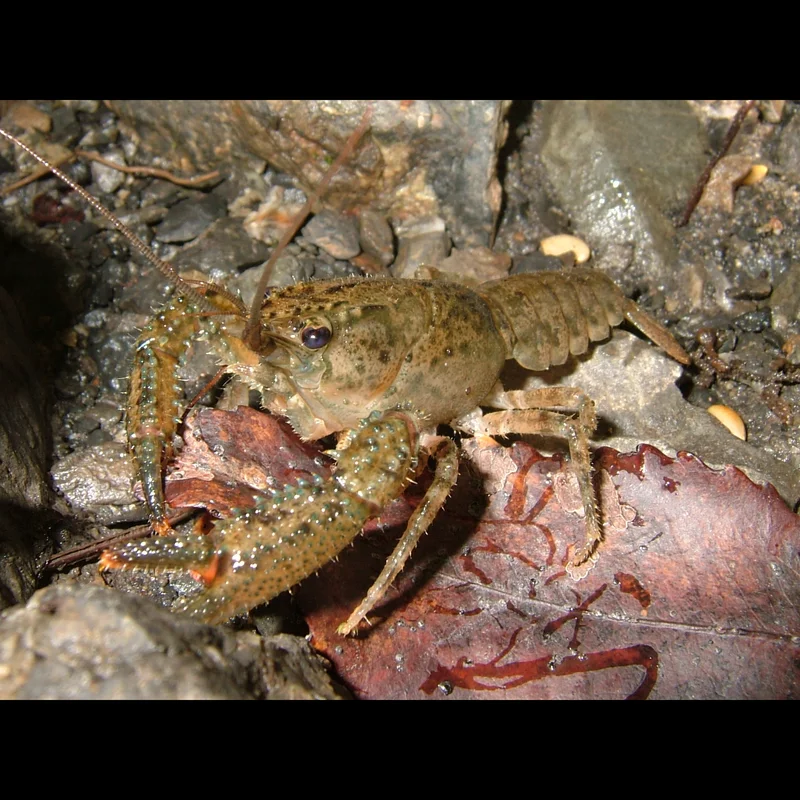
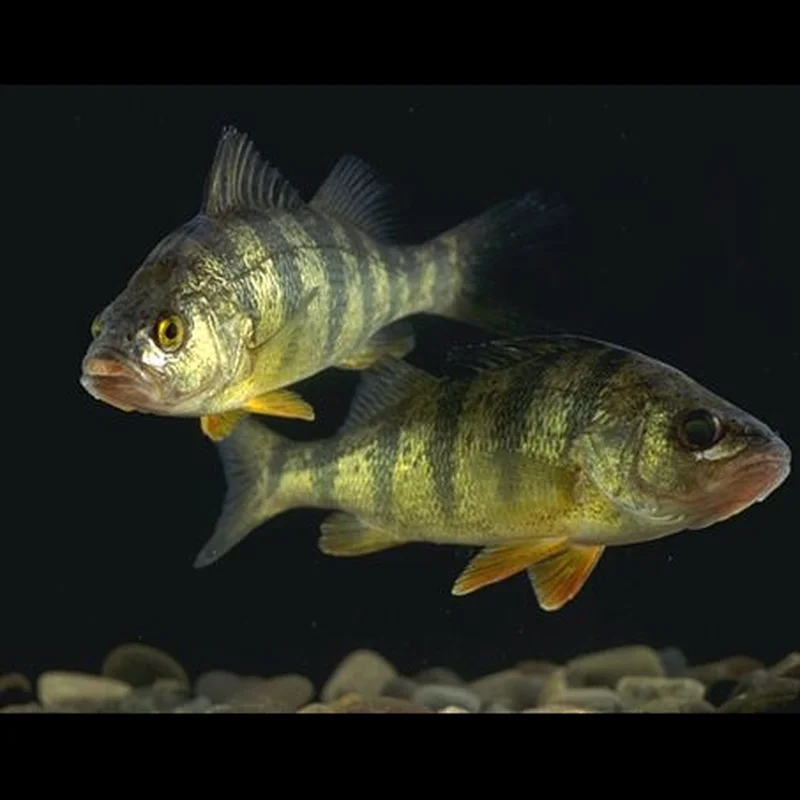
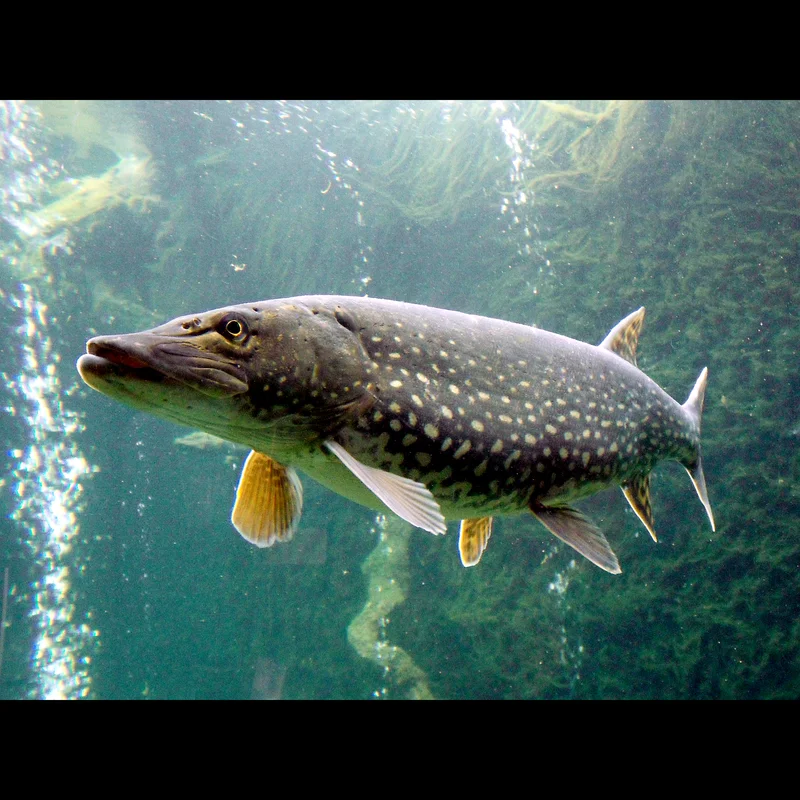
The immediate impression upon descending into Ruinerwold is often the abundance of small fish, with large schools of perch (around 20 cm) being a common sight. Divers frequently observe various small fish species, including bream, and may spot crayfish and crabs closer to the bottom. For those exploring the intricate 'mangrove' habitats formed by submerged tree roots, larger pike are frequently seen lurking as opportunistic predators.

Dive Sites Near Divearound Ruinerwold
View all dive sites in NetherlandsDiscover more underwater gems in this area.
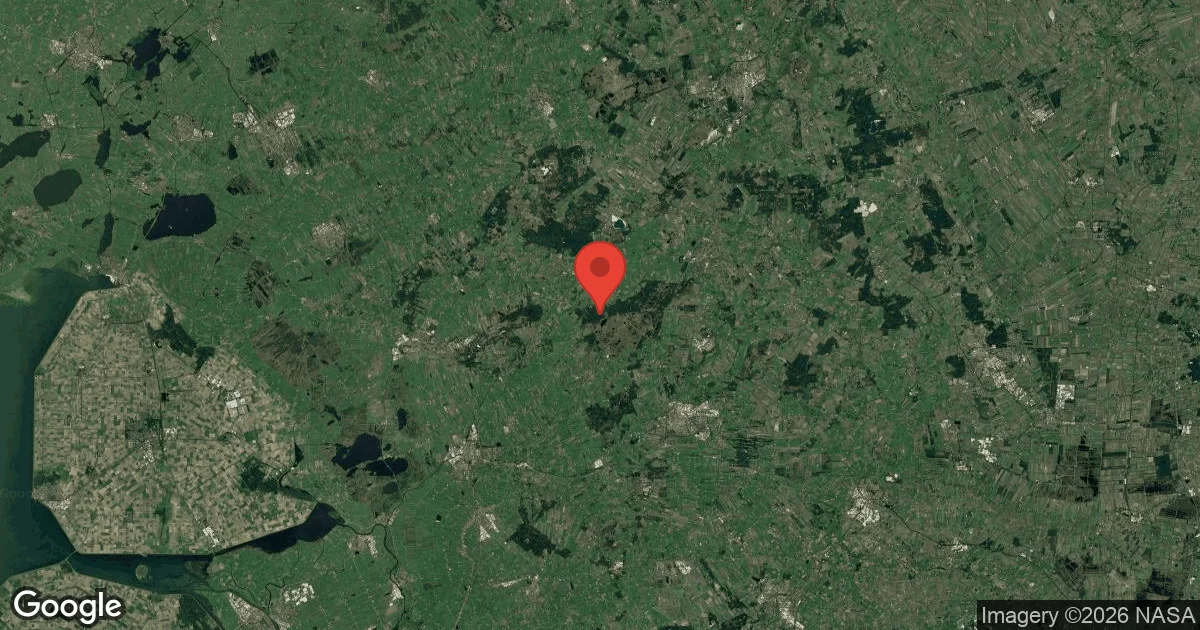
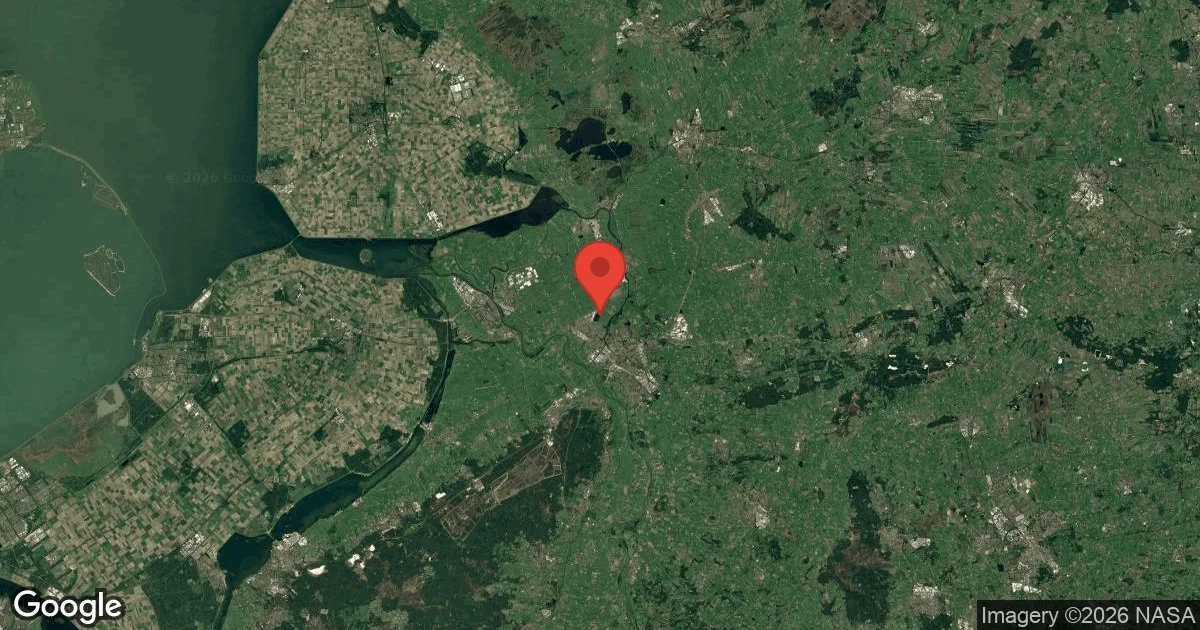
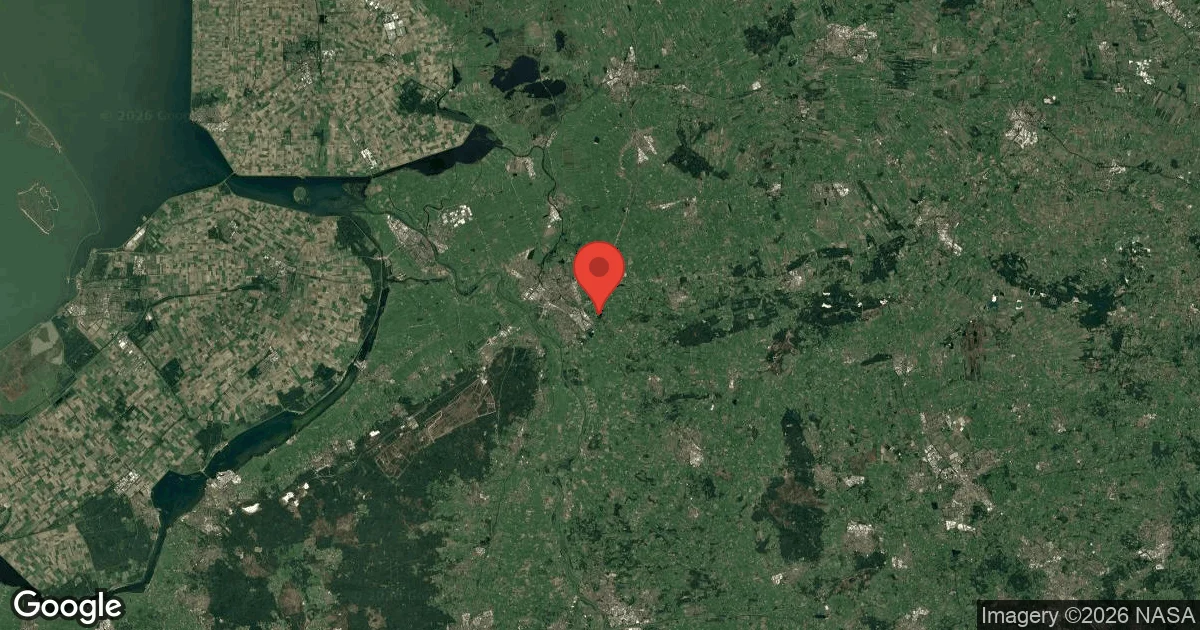
Dive Centers Near Divearound Ruinerwold
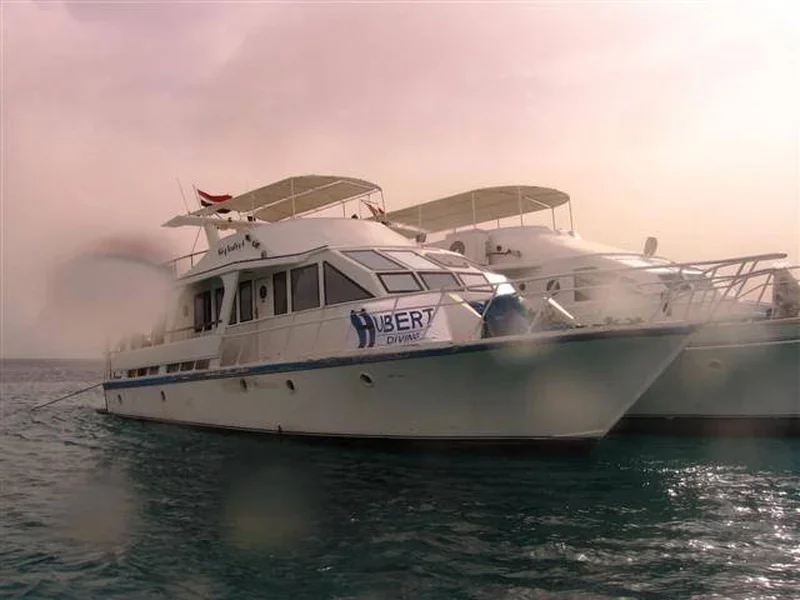
Today: Closed


Nearest Airports
Nearest airports to help plan travel to this dive area.
Search Flights
Check available flights and routes on Expedia, using the nearby airports listed in this section.
Search Flights on ExpediaFrequently Asked Questions
What is the maximum depth at Ruinerwold?
The maximum depth recorded at Ruinerwold is approximately 17 meters / 56 feet. This depth makes it suitable for divers with various certification levels, including beginners.
What are the typical visibility conditions?
Visibility at Ruinerwold can vary considerably, with reports ranging from 1 to 10 meters. Conditions are influenced by recent weather, diver activity, and sediment, so divers should be prepared for fluctuations.
Are there any specific underwater features to explore?
Yes, divers can explore multiple underwater objects, including a picnic table and small wrecks. The site also features interesting peat walls and unique 'mangrove areas' formed by tree roots and branches.
What marine life can I expect to see?
You can expect to see an abundance of freshwater fish, including schools of perch and various smaller species like bream. Crayfish and crabs are also commonly observed, and larger pike are often found in the 'mangrove' sections.
Are there any diving restrictions or required permits?
Diving in the southern area, especially along the clay walls, is prohibited due to reported instability. An official permit obtained through the NNDF is also required for diving at Ruinerwold.
When is the best time of year to dive at Ruinerwold?
The most favorable diving conditions generally occur between May and September. During these months, air and water temperatures are at their warmest, and rainfall is typically lower, providing a more comfortable diving experience.
Planning to dive Divearound Ruinerwold?
Send one inquiry and receive offers directly from the best verified local dive operators.
Conditions are Moderate
Optimal conditions expected
Current conditions near Divearound Ruinerwold show 15° air, --° sea temperature, N/A waves, and 31 km/h wind. Forecast data is refreshed regularly to ensure accuracy.