
Diving at Shears Rock (New Zealand)
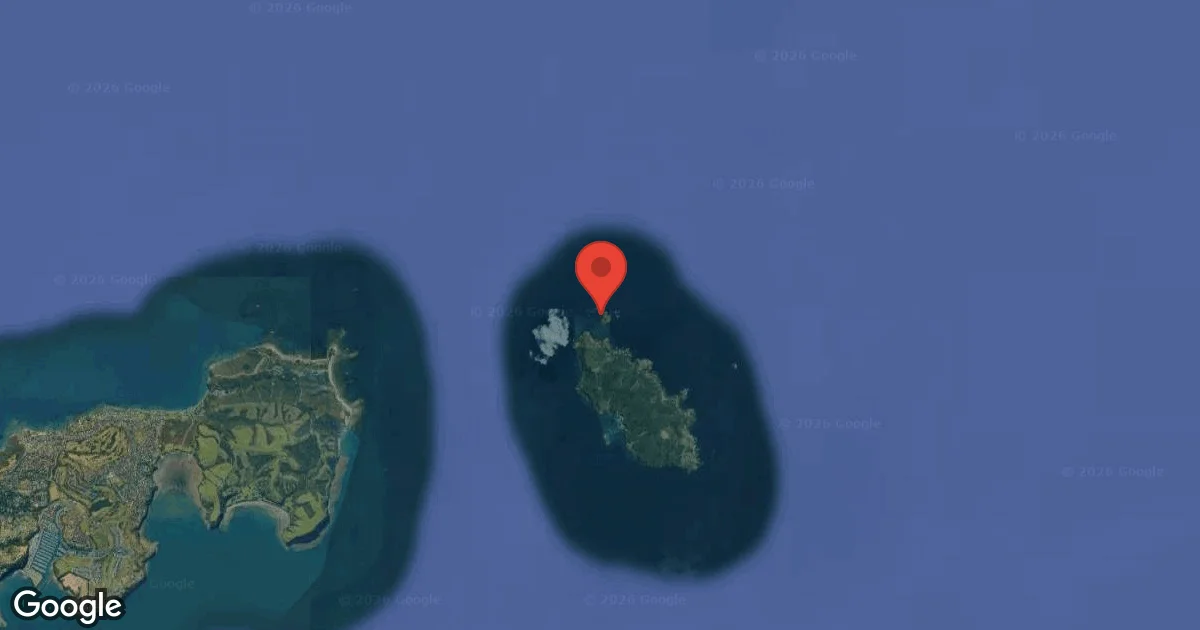
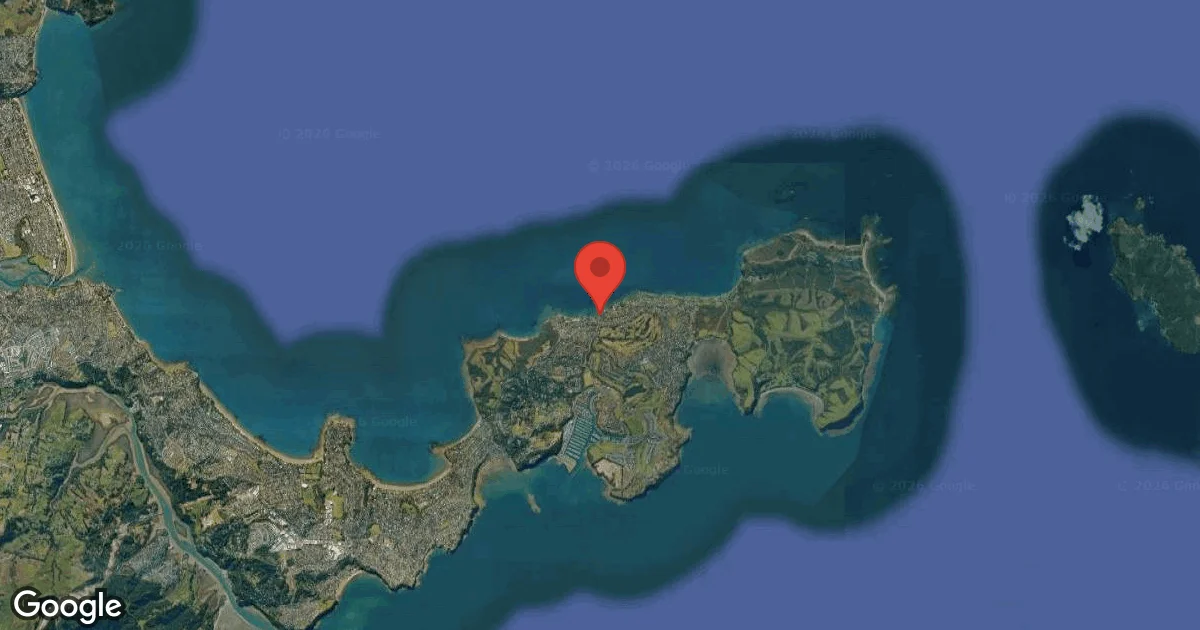
Shears Rock presents a varied underwater profile, making it a compelling dive for those exploring New Zealand's North Island. Its depths range from a relatively shallow 5 m (16 ft) at its southern end, gradually sloping to over 25 m (82 ft) towards the north. This site combines elements of reef and wall diving, appealing to divers interested in diverse topographical features.
Tonight's objective overview for Shears Rock shows an air temperature of 14°C. The measured surface conditions include wave heights around 0.6 m. This environmental data is logged for the close of the day.
Dive Site Location & Key Facts
Dive Site Overview
Emerging from the depths off New Zealand's North Island, Shears Rock is primarily a reef and wall dive with a distinct depth gradient. Beginning at its shallower southern point, around 5 meters, the reef system descends steadily, reaching beyond 25 meters towards the northern side.
Along this descent, divers encounter substantial reef structures and steep walls that host varied marine growth. The seabed transitions to sand at the deeper reaches, offering a different ecological zone for exploration. While specific details on intricate canyons at Shears Rock are not consistently reported, nearby sites in the region feature similar bouldery reefs and swim-throughs, suggesting a potentially complex underwater landscape.
This site provides an engaging exploration of both vertical rock faces and sprawling reef expanses in the Hauraki Gulf / Auckland area, suitable for different recreational dive levels.
Conditions are Moderate
High Wind Advisory (53km/h). Unsafe surface.
Current conditions near Shears Rock show 14° air, 15° sea temperature, 0.8 m waves, and 53 km/h wind. Forecast data is refreshed regularly to ensure accuracy.
Best Time to Dive
Optimal diving conditions at Shears Rock often align with periods of improved visibility and calmer seas. While water temperature is not consistently reported, air temperatures generally range from a cooler 13°C (55°F) in August to a warmer 20.5°C (69°F) in February, suggesting the water will follow a similar seasonal pattern. Average wave heights typically remain low, between 0.5 to 0.8 meters (1.6 to 2.6 ft), which generally contributes to better underwater clarity. Rainfall is also consistently low throughout the year, averaging 1.1 to 4.6 mm, minimizing runoff effects. Shears Rock maintains a 'Good' dive score (7-8) year-round, indicating it's generally accessible. For the best experience, consider periods with minimal wind and avoiding easterly swells, which can impact visibility and surface conditions in the wider region.
PEAK SEASON SCORE
Scores combine air & water temps, waves, wind & rainfall for overall conditions.
BEST MONTHS TO DIVE
Monthly records compiled from satellite and marine observation nodes over the last 3 years. Data provided by Open-Meteo and MET Norway.
Dive Experience & Conditions
Navigating Shears Rock, divers should anticipate a dynamic environment regarding currents, though specific data for this site is limited. Regional dive sites sometimes experience currents described as 'unexpected and changeable,' suggesting the need for vigilance. The site's exposure to potential easterly swells and southerly winds, as observed in other areas nearby, means surface conditions can vary; average wind speeds of 30-38 km/h (19-24 mph) indicate the possibility of choppy waters. Below the surface, the primary dive types are reef and wall explorations. Visibility can be variable, depending on recent weather and oceanic patterns. Depths span a recreational range, from shallow reef tops to deeper sandy bottoms, making good buoyancy control essential for enjoying the varied topography. Divers should always consult local operators for current, real-time conditions.
Dive Difficulty & Safety Guidelines
Responsible diving at Shears Rock prioritizes awareness of local conditions and potential hazards. Due to the possibility of unexpected and changeable currents, divers must carefully monitor their position and energy levels. Surface conditions can become choppy, particularly with stronger winds, requiring mindful entry and exit planning.
Additionally, the region experiences significant boat traffic, especially during summer months. Divers should deploy surface marker buoys (SMBs) consistently and ascend with caution, particularly in shallower areas or near the mooring points.
Always dive within your certification limits, ensure all equipment is in good working order, and maintain a close buddy system. Prior to any dive, obtain a current marine forecast and consult with local dive professionals for specific site advisories.
Recommended Equipment
- Dive Computer
This gear list is based on verified equipment signals for Shears Rock, New Zealand. Always confirm final gear choices with your dive operator, guide, or liveaboard.
Recommended Dive Suit
Conditions in the coming days are expected to stay within a similar temperature range.
Factors such as dive duration, depth, and activity level can influence how warm a diver feels underwater. Surface intervals may feel noticeably cooler once you exit the water.
5-7mm wetsuit typically balances flexibility and thermal protection in these temperatures. A thermal robe or jacket is recommended between dives. Divers preparing to enter the water at Shears Rock will likely find temperatures around 15°C (59°F) today. Surface air temperatures are resting at 14°C (58°F).
Due to technical issues with our weather providers, live updates are temporarily delayed. The data above reflects the conditions at the time of the last successful fetch.
Emergency & Medical Support
Essential information to help you plan your dive trip to Shears Rock.

Hyperbaric chambers are a critical part of dive safety infrastructure. Availability varies significantly by region, and not all dive areas have immediate access.
Before diving, it's recommended to:
- confirm nearest medical facilities
- check emergency procedures with local dive operators
- ensure dive insurance covers evacuation if required
Divers Alert Network
Diving emergency assistance available through DAN World.
+1-919-684-9111- 24/7 emergency hotline
- Diving medical assistance
- Evacuation coordination
Emergency contacts are provided for reference. Always verify local emergency services before diving.
Marine Life at Shears Rock
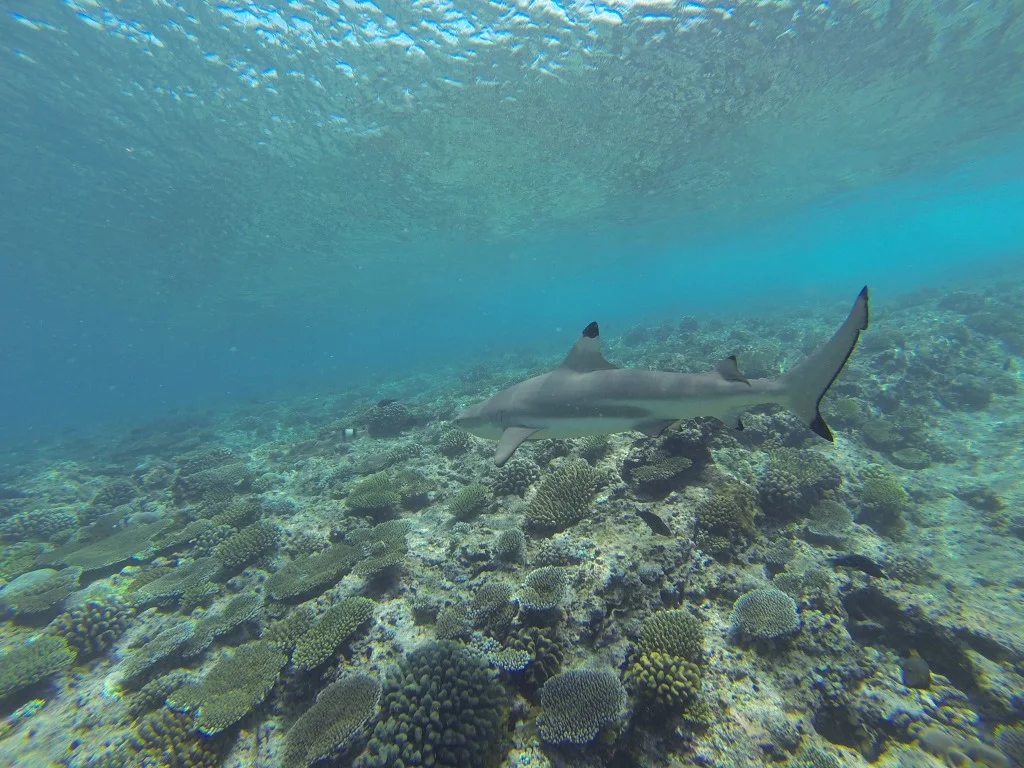
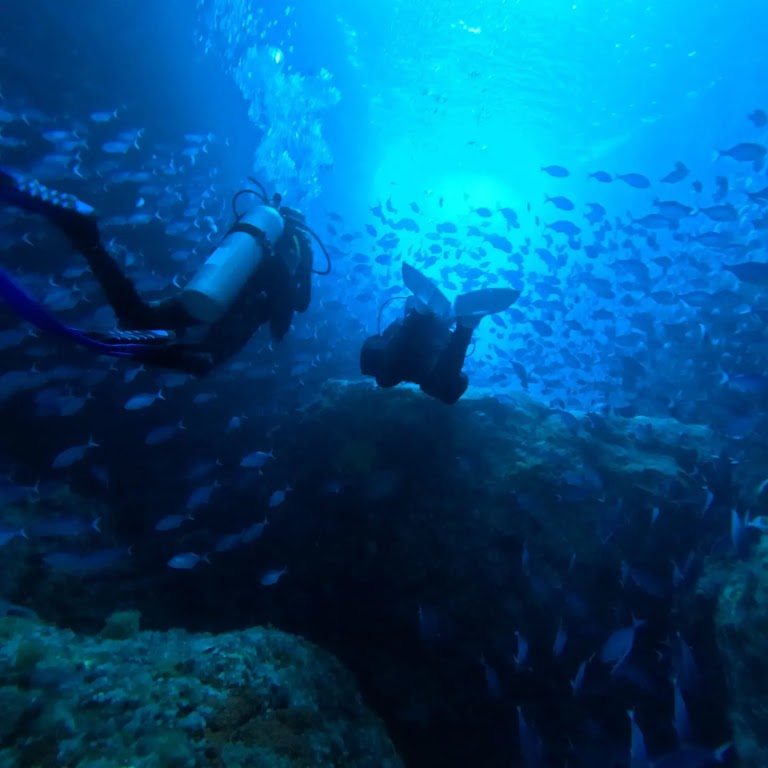
A dive at Shears Rock reveals a vibrant cross-section of New Zealand's marine ecosystems, with common sightings that include sharks, whales, dolphins, and turtles. Exploring the reef and wall structures, divers frequently encounter various species of local fish.
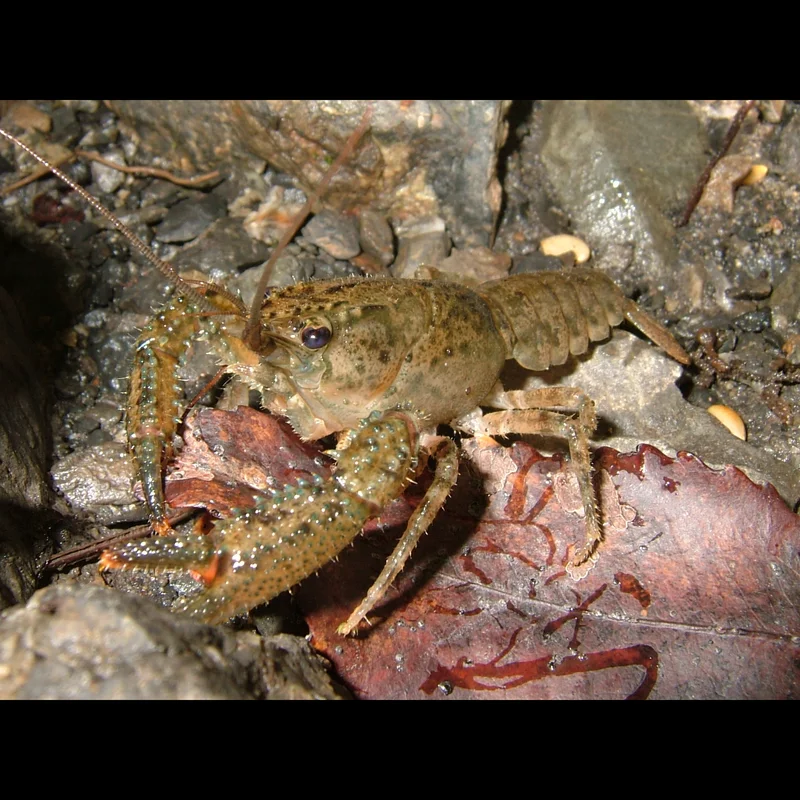
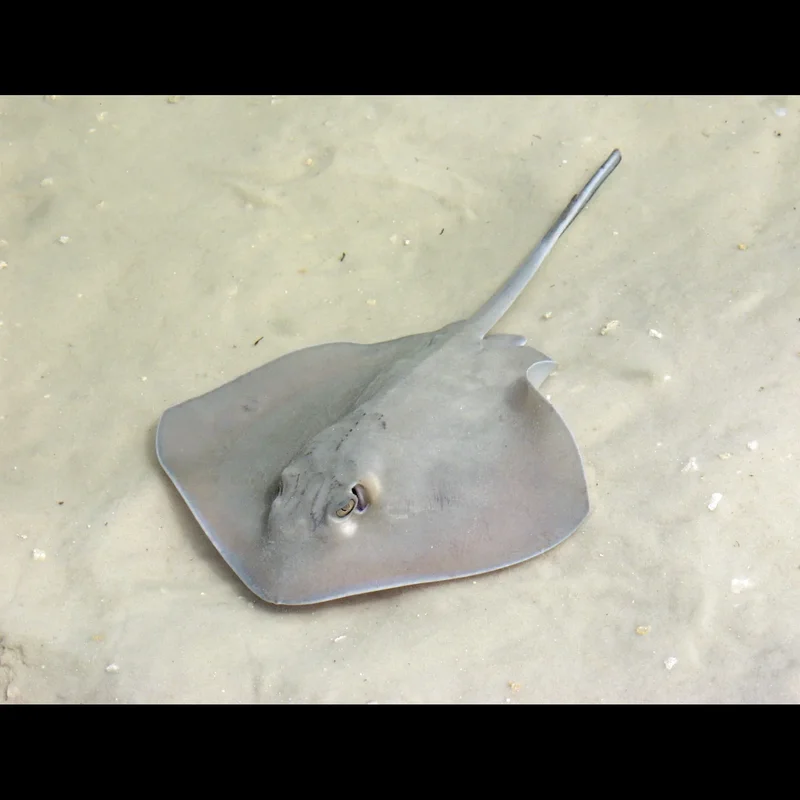
Dolphins are known as frequent visitors to the wider area, and occasionally orcas pass through, hunting stingrays. While specific to other regional sites, sightings of crayfish, blue moki, and blue cod provide insight into the general diversity of marine life in the surrounding waters.
The rocky topography creates numerous hiding spots and foraging grounds, supporting a healthy community of invertebrates and smaller fish.

Dive Sites Near Shears Rock
View all dive sites in New ZealandDiscover more underwater gems in this area.
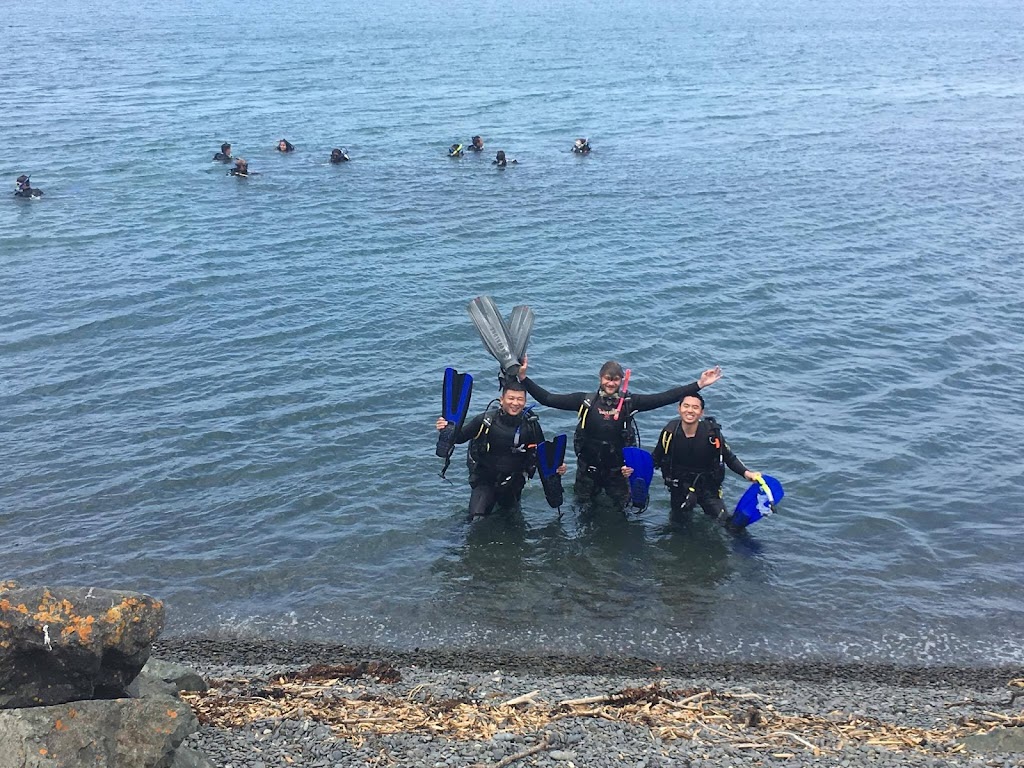
Dive Centers Near Shears Rock
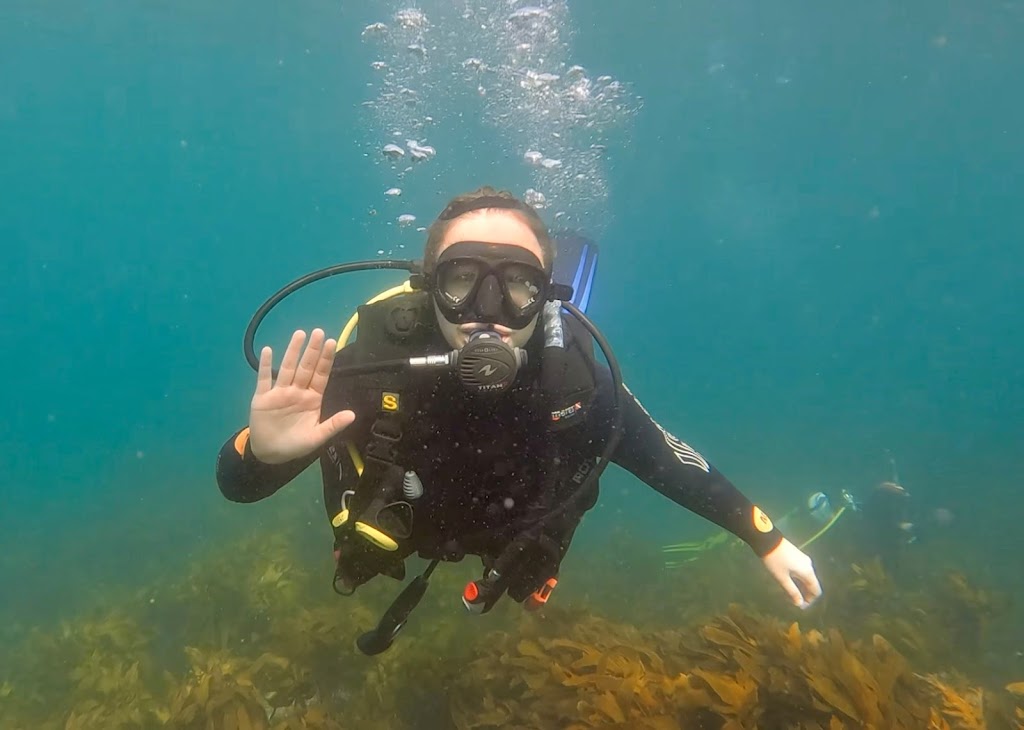
Today: 09:00 - 16:00
Nearest Airports
Nearest airports to help plan travel to this dive area.
Search Flights
Check available flights and routes on Expedia, using the nearby airports listed in this section.
Search Flights on ExpediaFrequently Asked Questions
What are the typical depths at Shears Rock?
Shears Rock ranges in depth from a shallow point of approximately 5 m (16 ft) at its southern end, extending to over 25 m (82 ft) as you head north. This provides options for both shallower recreational dives and deeper explorations.
Is Shears Rock accessible for shore diving?
While some nearby sites in the region can be shore dived with long surface swims, Shears Rock is primarily listed as a boat dive due to its location offshore. Consulting with local dive operators for access options is recommended.
What kind of marine life can I expect to see?
Divers at Shears Rock have reported common sightings of sharks, whales, dolphins, and turtles. The reef and wall structures also support various local fish species, and marine mammals like dolphins are frequent visitors to the area.
How are the currents at Shears Rock?
Specific current data for Shears Rock is limited, but regional information suggests currents can be unexpected and changeable. Divers should always be prepared for varying current strengths and plan their dives accordingly, typically by checking local conditions with dive centers.
What is the typical water temperature?
Consistent water temperature data for Shears Rock is not available. However, air temperatures range from cooler averages of 13°C (55°F) in winter to warmer averages of 20.5°C (69°F) in summer, suggesting water temperatures will follow a similar seasonal trend. Exposure protection suitable for temperate waters is advised.
Are there any specific hazards at this dive site?
Key hazards include potentially variable and changeable currents, as well as boat traffic, particularly during summer. Divers should remain vigilant, use surface marker buoys, and plan ascents carefully. Always consult local dive operators for current conditions.
Planning to dive Shears Rock?
Send one inquiry and receive offers directly from the best verified local dive operators.
Conditions are Moderate
High Wind Advisory (53km/h). Unsafe surface.
Current conditions near Shears Rock show 14° air, 15° sea temperature, 0.8 m waves, and 53 km/h wind. Forecast data is refreshed regularly to ensure accuracy.