
Diving in New Zealand
Dive sites throughout New Zealand offer varying conditions, requiring awareness of local differences when planning. Our database currently contains 55 dive locations across New Zealand.
Diving in New Zealand involves navigating dynamic ocean conditions, particularly in coastal areas such as the Far North. The experience requires divers to stay informed about local weather patterns, as conditions can be quite changeable. While a broad national overview of specific dive types is not extensively detailed, locations like Goat Island Marine Reserve offer opportunities for exploration.
This island nation presents a focused diving experience, with available information often centered on specific, documented sites. Divers planning to explore New Zealand's waters should prioritize checking daily updates on local conditions before their ventures.
Dive Map of New Zealand
Divers exploring New Zealand's waters will find that dive activity is primarily concentrated in specific regions, such as the Far North. Movement between potential dive areas often hinges on local conditions and access points. Sites like Goat Island Marine Reserve serve as key focal points for diving within these documented regions.
Information for these areas emphasizes local monitoring of conditions to facilitate planning and ensure a smooth experience. The dive landscape encourages a localized approach to discovery.
Dive Sites to Explore
View all 55 sites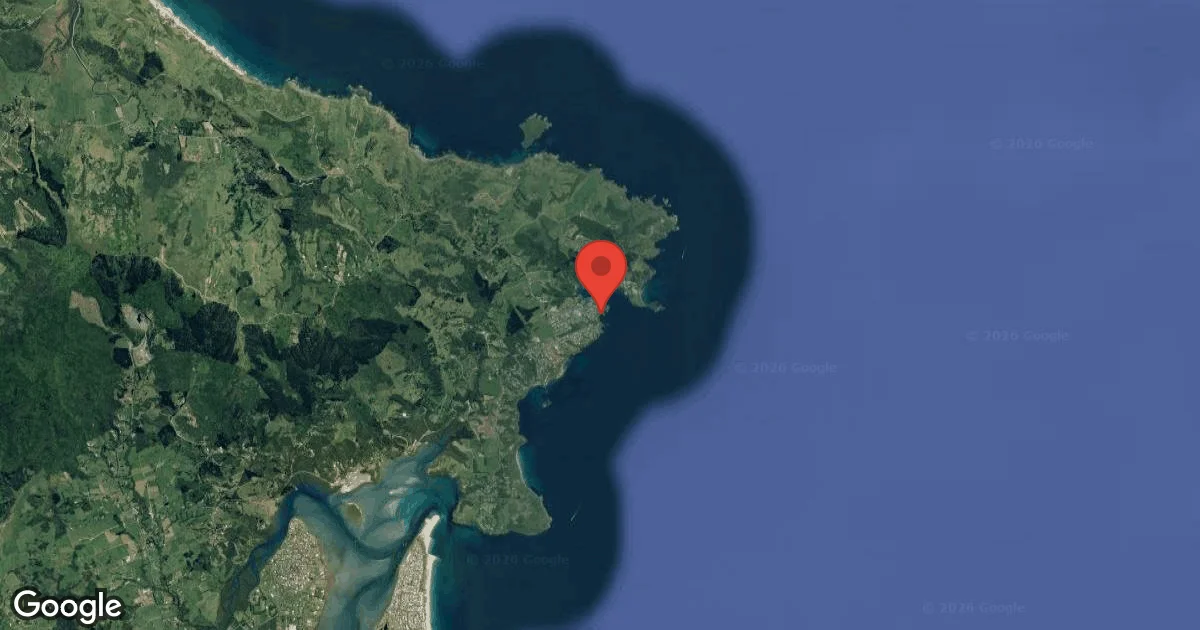
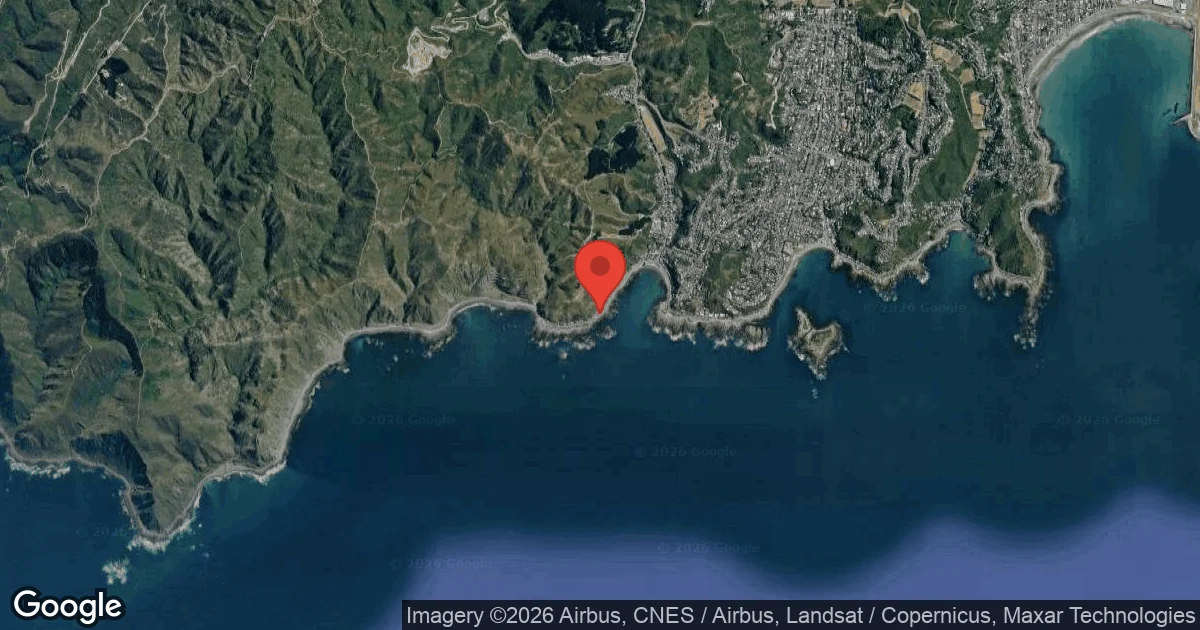
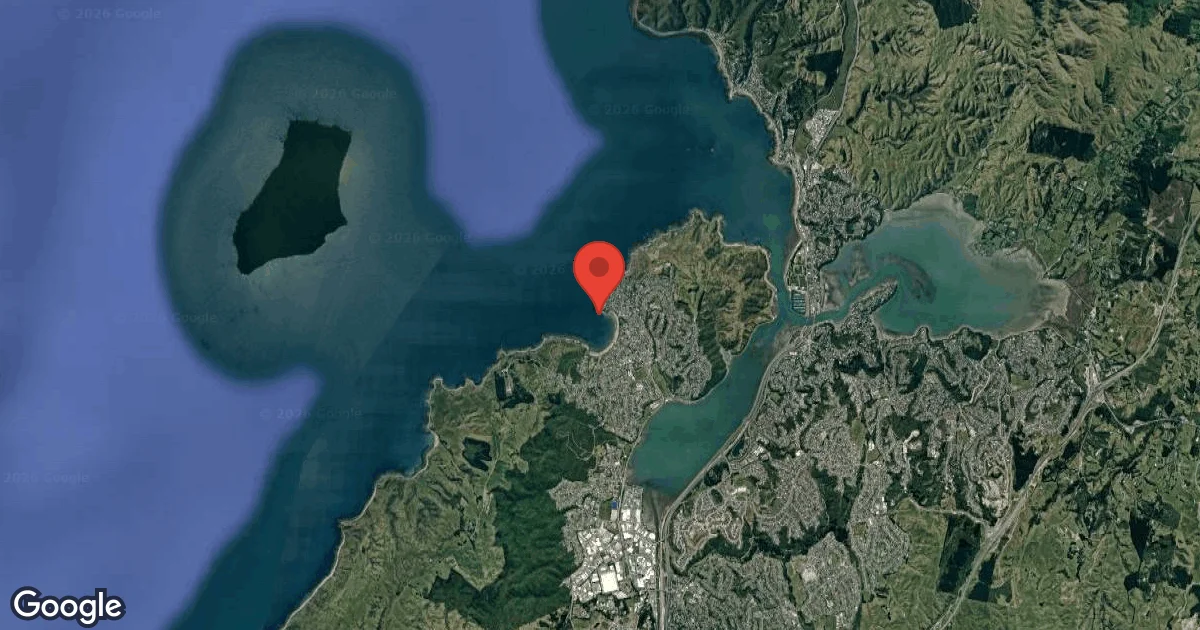
Diving opportunities in New Zealand are predominantly found at specific, documented locations rather than offering a wide array of distinct dive types across the country. Goat Island Marine Reserve is a notable site where divers can explore the local marine environment.
Visibility is a monitored condition at such sites, providing essential information for dive planning. Details on a broad range of reef, wreck, or drift diving experiences are not widely available, pointing to a more localized dive site focus.
Best Time to Dive in New Zealand
The summer season is noted for diving activities in New Zealand, offering a window for exploration. While specific best months are not widely detailed, this period generally provides more favorable conditions for divers.
It's important to recognize that shifting winds can significantly alter ocean conditions throughout the day. Regular monitoring of local updates, which often include visibility and current information, is crucial for planning dives during this time.
Monthly Sea Temperatures
Sea temperatures in New Zealand are documented at specific sites, with a recorded temperature of 21°C (70°F) at Goat Island Marine Reserve. This indicates comfortable diving conditions in at least some localized areas.
Comprehensive national temperature ranges are not broadly detailed, so divers should expect variations depending on the exact location and time of year. Local dive operators typically provide current water temperature readings.
| Jan | Feb | Mar | Apr | May | Jun | Jul | Aug | Sep | Oct | Nov | Dec | |
|---|---|---|---|---|---|---|---|---|---|---|---|---|
| Max | 23° | 23° | 22° | 21° | 19° | 18° | 17° | 16° | 17° | 17° | 18° | 20° |
| Avg | 20° | 21° | 21° | 20° | 18° | 17° | 16° | 15° | 15° | 16° | 17° | 19° |
| Min | 18° | 20° | 20° | 19° | 17° | 16° | 15° | 14° | 14° | 14° | 16° | 17° |
Dive Conditions
Ocean conditions in New Zealand can be significantly influenced by shifting winds, which are known to alter currents throughout the day. Divers are strongly advised to stay informed about these changes, as local weather updates frequently detail wind conditions and their potential impact.
Visibility is another key factor that is regularly monitored and communicated for dive planning. Checking these local reports ensures divers are prepared for the prevailing conditions.
Marine Life Highlights
Most Mentioned Species
Marine life in New Zealand varies across dive locations, with different species appearing depending on environment and conditions. The species highlighted here are the most frequently associated with dive sites in our data, offering a realistic overview of what divers are most likely to encounter.
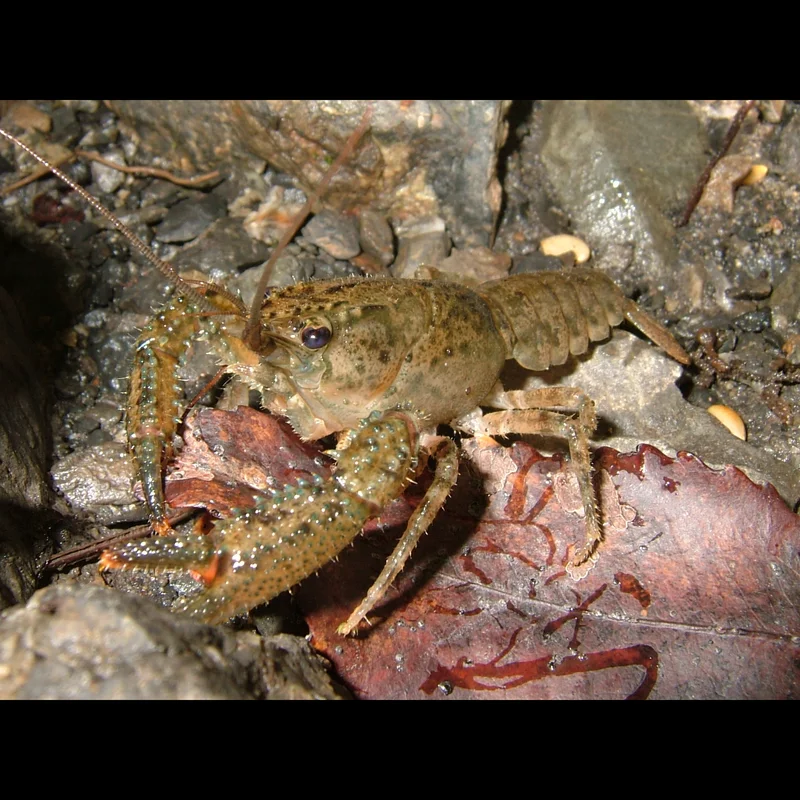
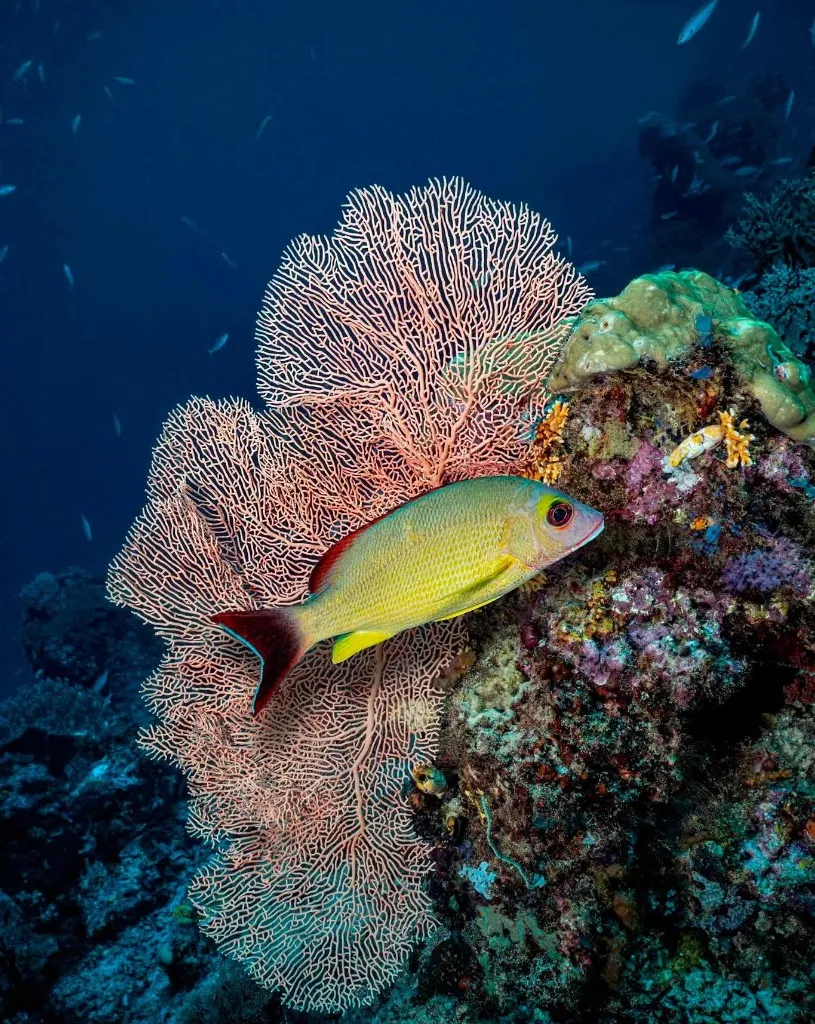
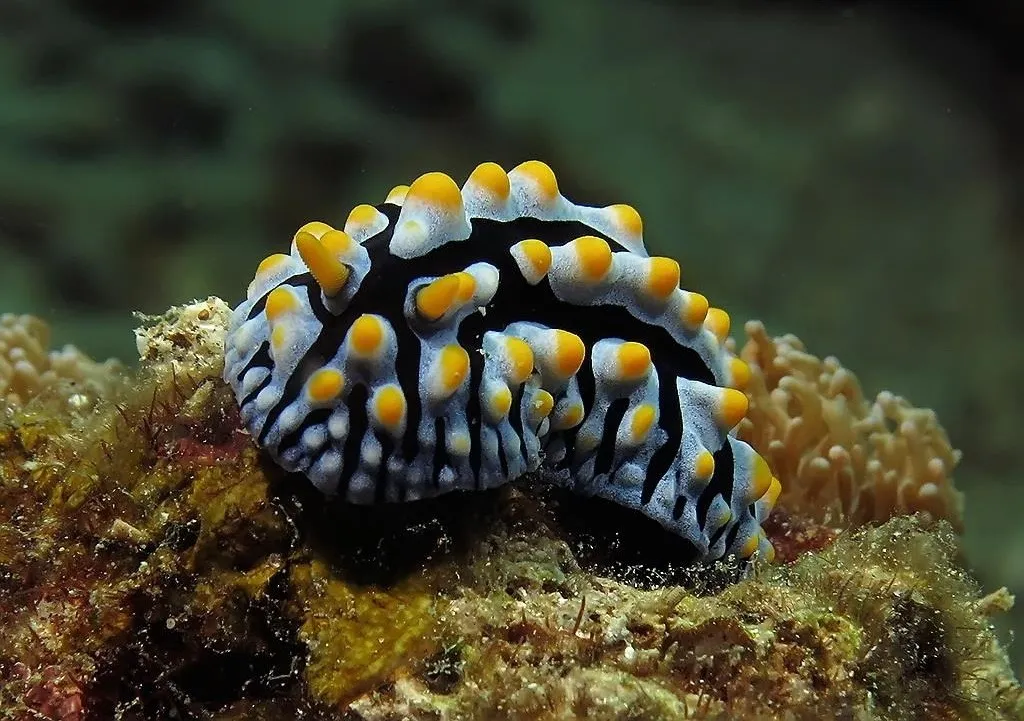
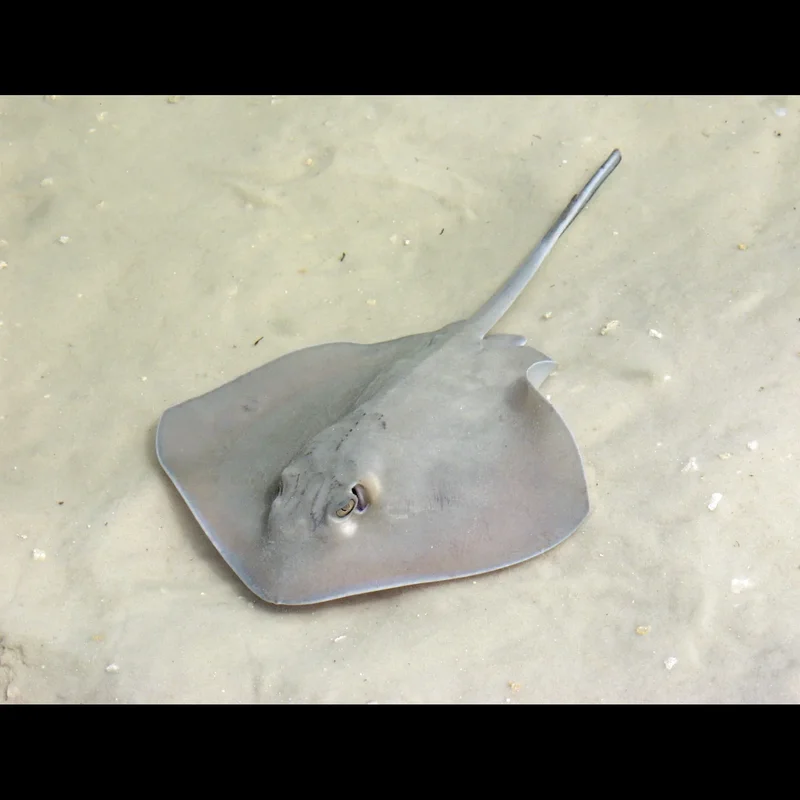
Marine life data for New Zealand is not extensively documented at a national level. Available information focuses on specific locations rather than broad regional patterns of abundance or rarity.
Regions for Diving
Diving in New Zealand is primarily documented around specific areas, with the Far North being a notable region. This area hosts sites like Goat Island Marine Reserve, where local conditions are regularly updated.
During the summer season, this region sees diving activity, with water temperatures around 21°C (70°F) in some locations. Visibility is also a key factor monitored for these specific dive areas.
Travel & Passport Guide
Travel Basics
Trip Planning
Safety & Diving Considerations
Environmental factors such as the interaction of wind and tide present significant safety considerations for divers in New Zealand. Wind pushing against the tidal flow can create dangerously unpredictable conditions for vessels and for divers on or near the surface.
It is a legal requirement to display a dive flag when divers, spearfishermen, snorkelers, or swimmers are in the water. Furthermore, wind running in the same direction as the tide can make returning a vessel extremely difficult. Always check weather and tide conditions before diving.
Dive Centers in New Zealand
View all 5 dive centers


Frequently Asked Questions
What are the key safety considerations for diving in New Zealand?
Wind and tide conditions can pose serious threats to diver safety. Wind pushing against the tidal flow can create unpredictable conditions for vessels and divers. It is also a legal requirement to display a dive flag when divers are in the water. Always check local weather and tide reports before any dive.
When is the best time of year for diving in New Zealand?
The summer season is generally noted for diving activities. However, ocean conditions can change rapidly due to shifting winds. Divers should consult local reports for current visibility and current information to plan their dives effectively.
What are the typical water temperatures for diving in New Zealand?
Water temperatures vary by specific location and time of year. At sites like Goat Island Marine Reserve, a temperature of 21°C (70°F) has been recorded. It's advisable to check with local dive operators for the most current water temperature readings in your chosen dive area.