
Diving at Eagle Bay North (Oman)
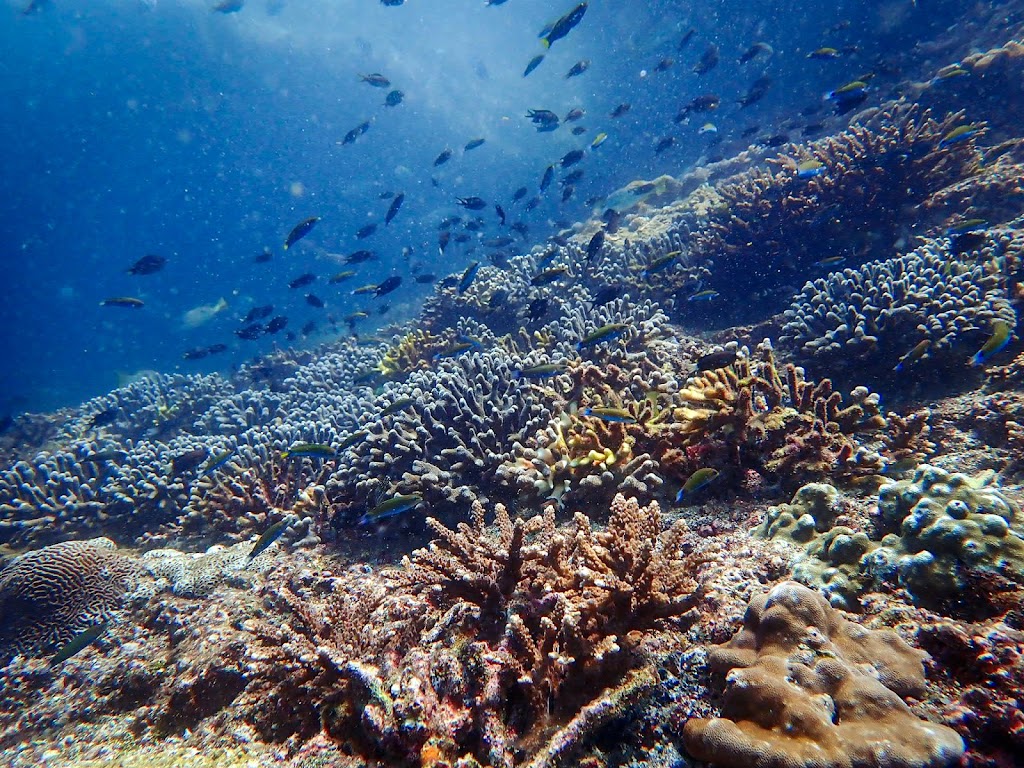
Eagle Bay North invites divers to explore a defined route, typically tracing the reef on your left-hand side. Beginning at 6 m (20 ft), you'll encounter extremely dense gardens of hard coral. The standard dive averages 15–18 m (50–60 ft), opening into a dynamic landscape of vibrant coral and striking rock formations. This topography creates a unique underwater environment for exploration.
As evening covers Eagle Bay North, the local air temperature is measured at 32°C. The current wave height at the surface is recorded at 0.3 m. These late-day readings characterize the surface conditions for the night.
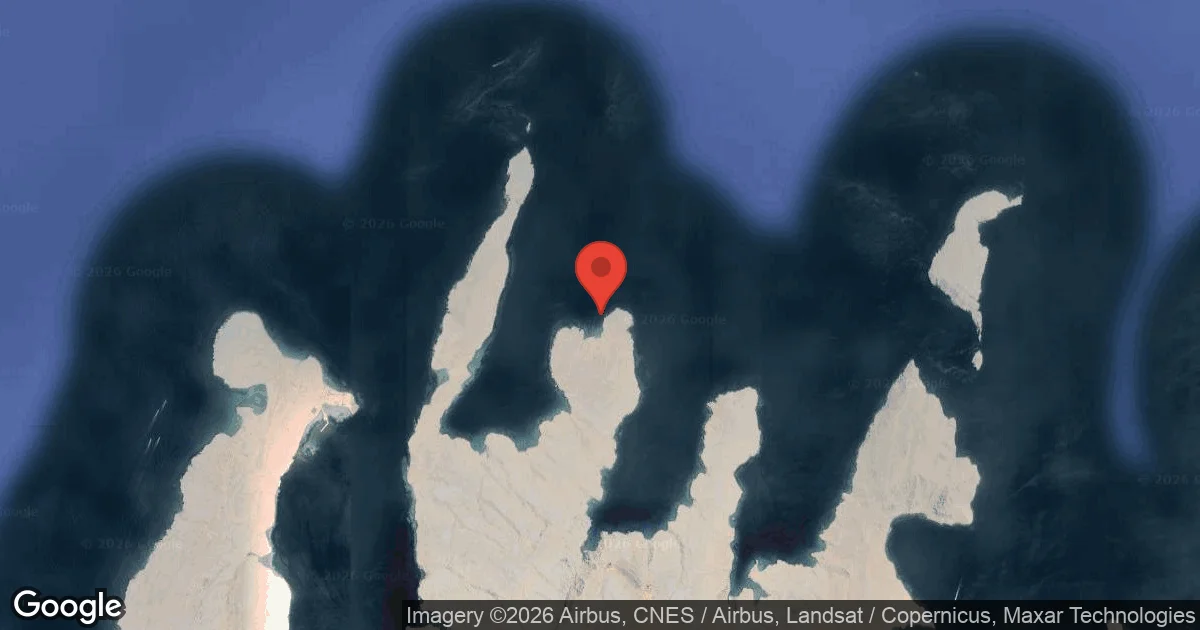
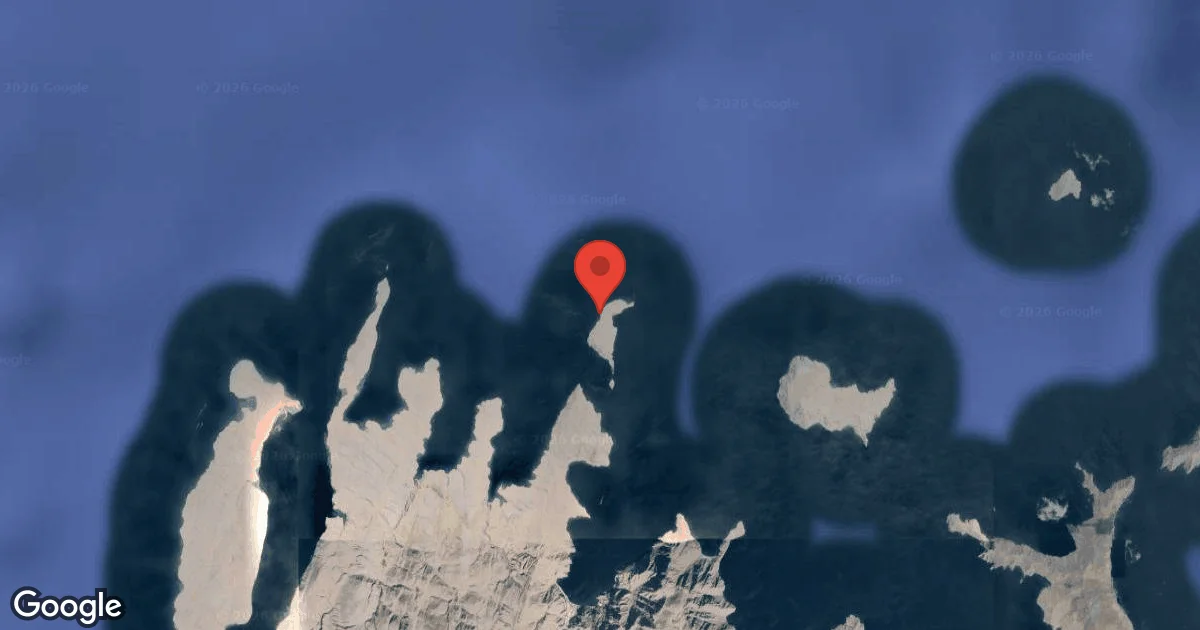
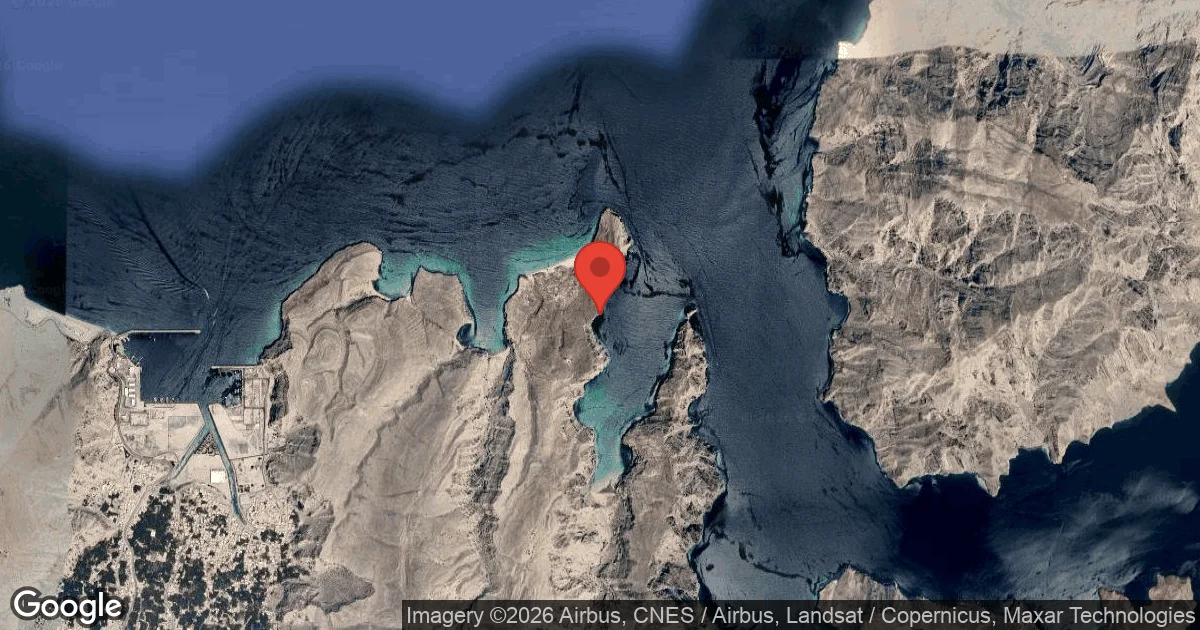
Dive Site Location & Key Facts
Dive Site Overview
Named for the majestic eagles often soaring above its rocky cliffs, Eagle Bay North presents a compelling dive experience within Oman's dramatic fjord landscapes. Initial descents reveal extensive hard coral gardens at 6 meters, a vibrant introduction to the site's rich ecosystem.
Moving deeper, the site transforms into an intricate tapestry of corals and prominent rock structures, shaping its distinctive underwater terrain. Depths here can range significantly, from 10 m (33 ft) to 35 m (115 ft), accommodating various levels of recreational diving. While the site is visually rewarding, strong currents are a consistent factor, influencing its dynamic character and requiring divers to approach with advanced skills.
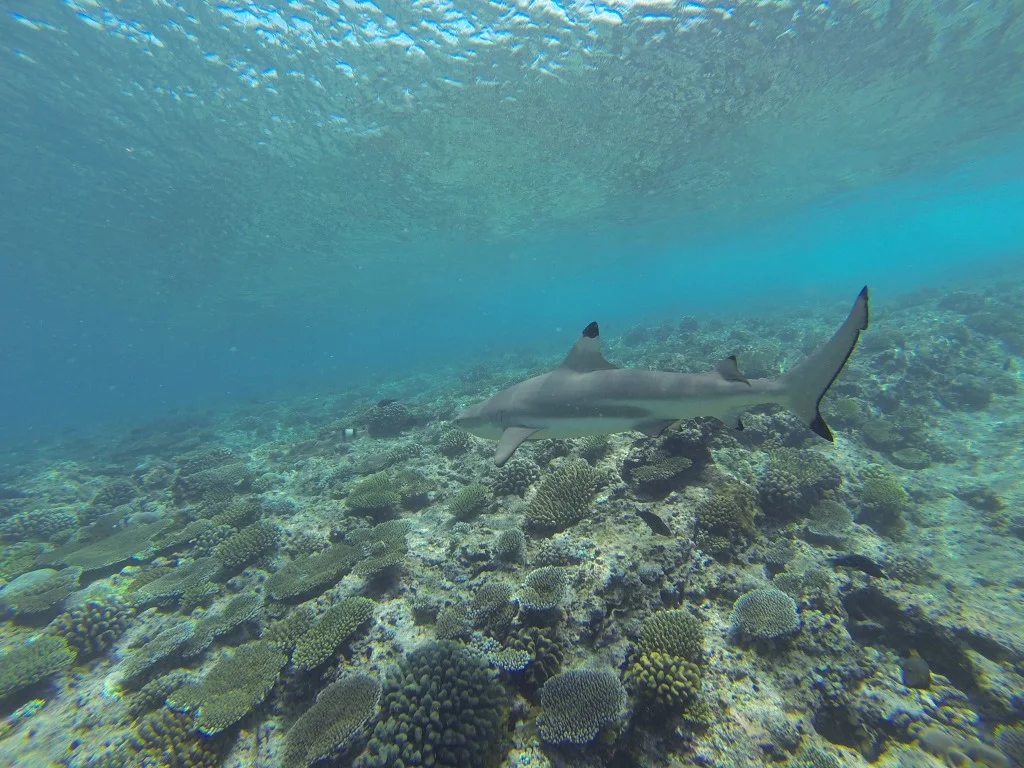
Keep a watchful eye on the mid-water, as this area is frequented by larger pelagic species, including various rays and turtles.
Conditions are Excellent
07:00 - 14:00
Optimal conditions expected
Current conditions near Eagle Bay North show 32° air, 33° sea temperature, 0.3 m waves, and 28 km/h wind. Forecast data is refreshed regularly to ensure accuracy.
Best Time to Dive
Optimizing your dive experience at Eagle Bay North often aligns with cooler air temperatures, making the period from October through March particularly appealing. During these months, air temperatures comfortably settle between 21°C (70°F) and 30°C (86°F), providing excellent surface conditions for preparation and recovery. Dive scores are consistently rated as 'Excellent' in October, November, and December, reflecting ideal overall conditions. Rainfall is minimal year-round, typically less than 1.4 mm even in peak months, ensuring clear skies. While August records slightly higher wind speeds at 32.4 km/h (20.1 mph), the site generally maintains 'Good' dive scores throughout the year, with less impactful weather from April to July.
PEAK SEASON SCORE
Scores combine air & water temps, waves, wind & rainfall for overall conditions.
BEST MONTHS TO DIVE
Monthly records compiled from satellite and marine observation nodes over the last 3 years. Data provided by Open-Meteo and MET Norway.
Dive Experience & Conditions
Descending into Eagle Bay North provides a sensory immersion into a vibrant reef ecosystem. At shallower sections, especially around 6 meters, you'll feel enveloped by extremely dense hard coral gardens, creating a rich visual spectacle. Deeper down, the reef opens into an extensive array of rock formations interspersed with a diverse mix of hard and soft corals. Navigating the site often involves encountering robust currents, which dictate an advanced approach to diving; these currents can shift and require attentive management. Visibility typically remains good, allowing for clear views across the varied underwater topography and into the deeper sections which descend to 35 meters.
Dive Difficulty & Safety Guidelines
Approaching Eagle Bay North demands an expert understanding of current management due to the site's reputation for strong currents. Diver safety notes explicitly recommend this location for advanced divers. Thorough dive planning is paramount, especially regarding entry and exit strategies in potentially swift water movements.
Maintaining situational awareness of your surroundings and your dive buddy is crucial throughout the dive. Always carry appropriate signaling devices and ensure your equipment is well-maintained to handle these dynamic conditions.
Recommended Equipment
Current and surface separation risk. Local briefing strongly recommended.
- Dive Computer
- DSMB
- Reel / Spool
This gear list is based on verified equipment signals for Eagle Bay North, Oman. Always confirm final gear choices with your dive operator, guide, or liveaboard.
Recommended Dive Suit
Divers visiting Eagle Bay North today can expect water conditions around 33°C (91°F). Surface air temperatures are resting at 32°C (90°F).
Dive skin or rash guard generally offers enough warmth for most dives under these conditions. A hood or vest is suggested for sensitive divers due to surface winds.
Forecast trends indicate little change in overall diving conditions during the next few days.
Emergency & Medical Support
Essential information to help you plan your dive trip to Eagle Bay North.

Hyperbaric chambers are a critical part of dive safety infrastructure. Availability varies significantly by region, and not all dive areas have immediate access.
Before diving, it's recommended to:
- confirm nearest medical facilities
- check emergency procedures with local dive operators
- ensure dive insurance covers evacuation if required
Divers Alert Network
Diving emergency assistance available through DAN World.
+1-919-684-9111- 24/7 emergency hotline
- Diving medical assistance
- Evacuation coordination
Emergency contacts are provided for reference. Always verify local emergency services before diving.
Marine Life at Eagle Bay North
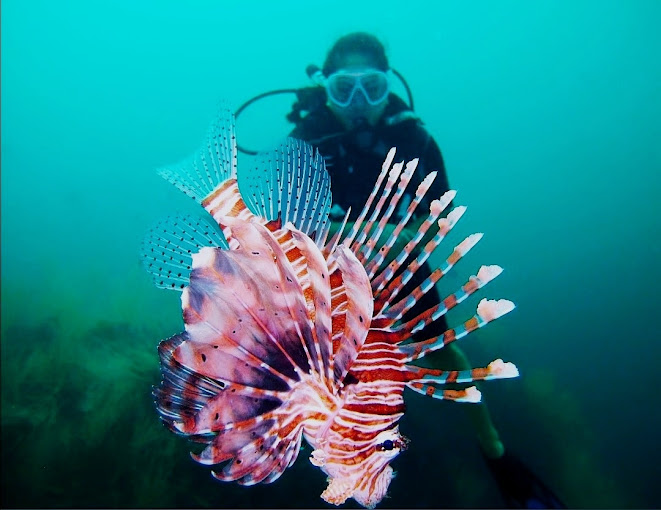
The underwater landscape at Eagle Bay North is rich with diverse marine inhabitants, creating numerous photo opportunities. Within the dense hard coral gardens at shallower depths, expect to encounter various reef fish like vibrant clownfish and triggerfish.
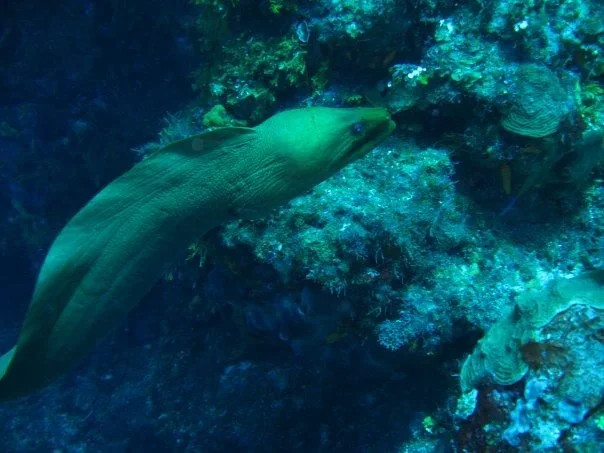
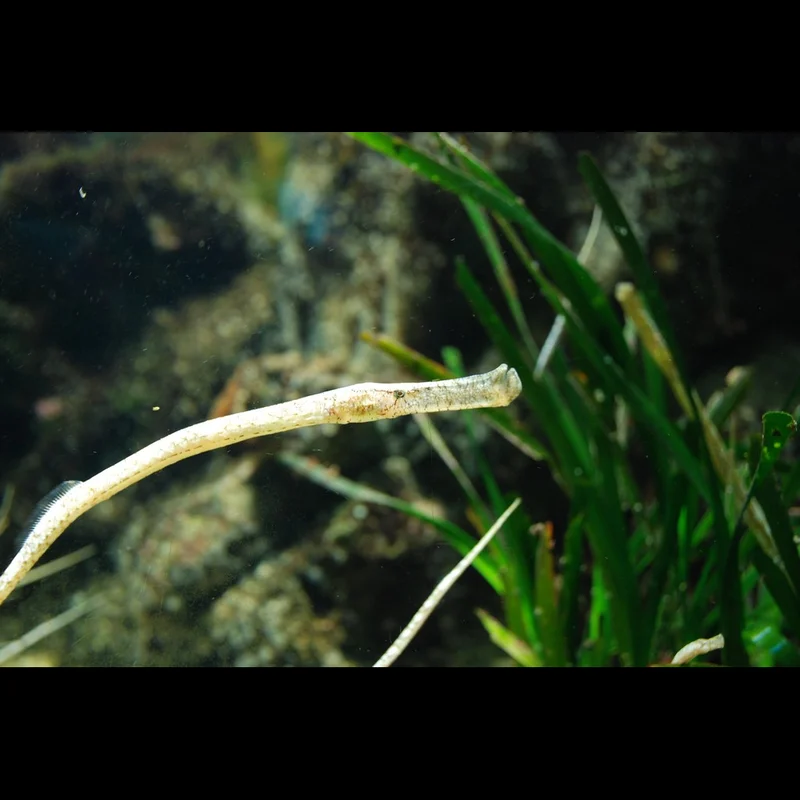
Patrolling the reef and seeking shelter in crevices, Moray Eels are frequently spotted. Look closer among the corals for the delicate Pipefish.
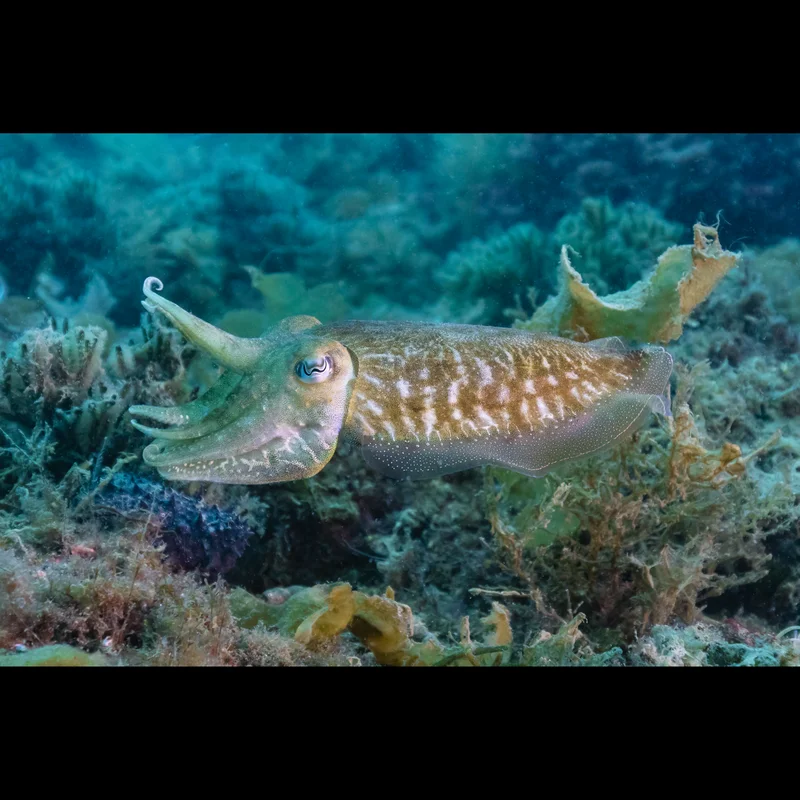
Gliding gracefully in the mid-water and near the reef edges, Hawksbill turtles are a highlight, alongside potential sightings of larger pelagics such as rays. Octopus, cuttlefish, and nudibranchs also add to the macro diversity found throughout the site.

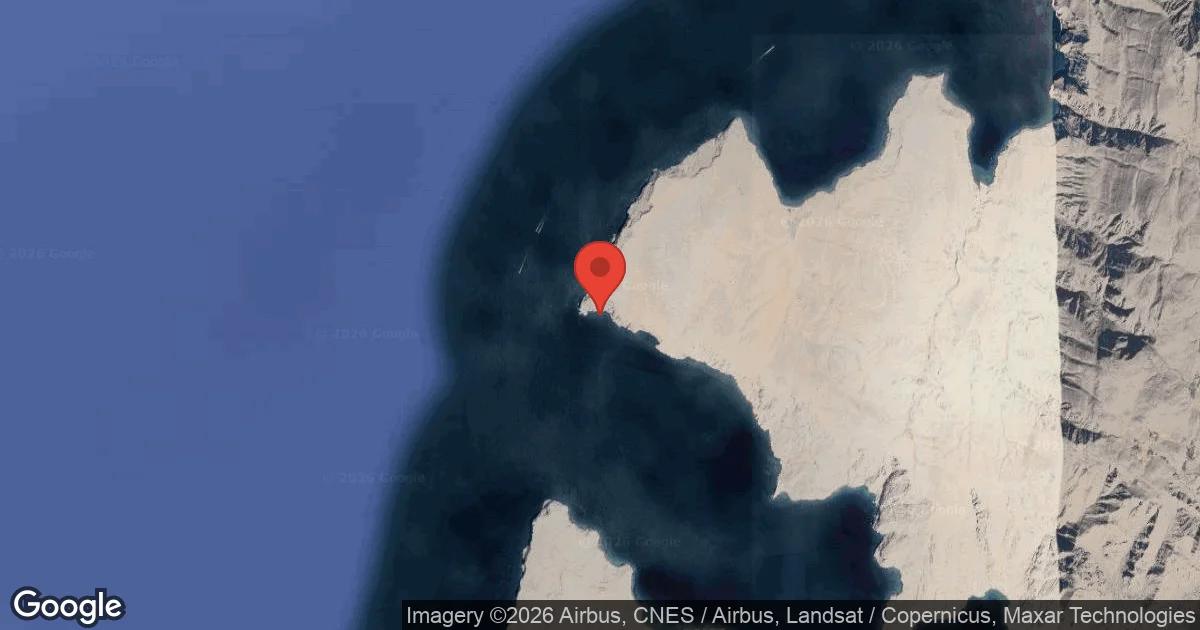
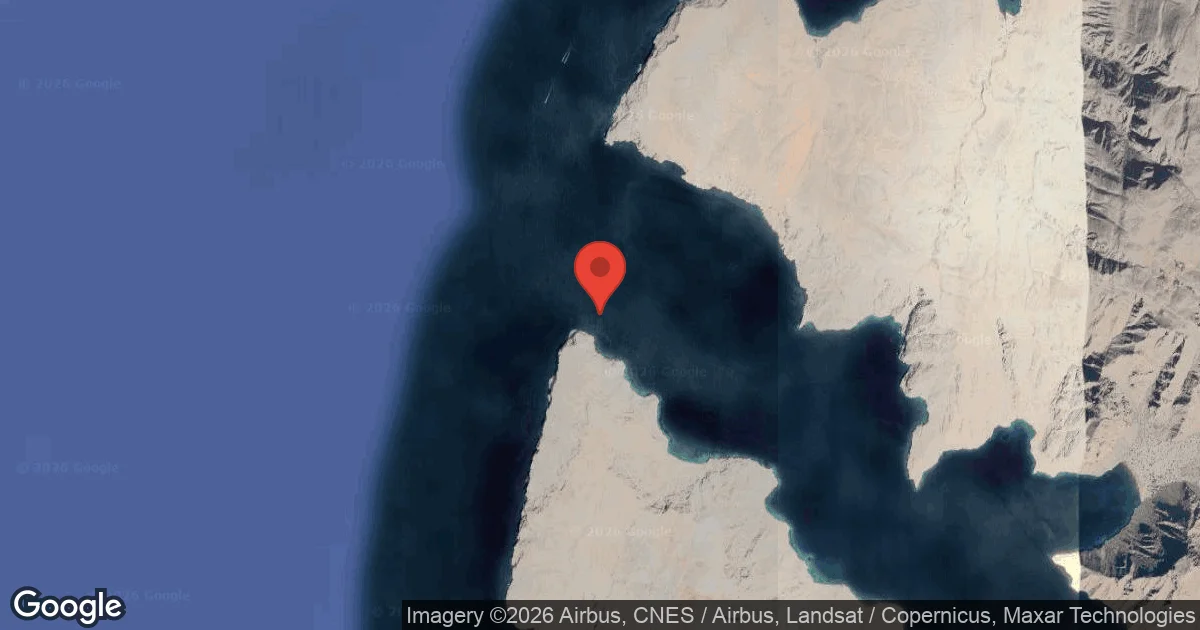
Dive Sites Near Eagle Bay North
View all dive sites in OmanDiscover more underwater gems in this area.
Dive Centers Near Eagle Bay North
Today: 09:00 - 17:00
Nearest Airports
Nearest airports to help plan travel to this dive area.
Search Flights
Check available flights and routes on Expedia, using the nearby airports listed in this section.
Search Flights on ExpediaFrequently Asked Questions
What skill level is required for diving at Eagle Bay North?
This site is recommended for advanced divers due to the presence of strong currents. Experience in drift diving and current management is highly beneficial for a safe and enjoyable dive.
What are the typical depth ranges for diving here?
Depths at Eagle Bay North typically span 10 to 35 meters (33 to 115 feet). Initial sections feature dense hard coral gardens starting at 6 meters, with the standard dive route often around 15-18 meters.
What kind of marine life can divers expect to see?
Divers frequently observe Moray Eels, Pipefish, and Hawksbill turtles. The site also hosts various reef fish like clownfish, triggerfish, and Moorish idols, alongside octopus, cuttlefish, and rays, especially in the mid-water.
Are there strong currents at Eagle Bay North?
Yes, strong currents are a known characteristic of Eagle Bay North. Divers should be prepared for variable conditions and plan their dives accordingly, focusing on current management techniques.
What makes the underwater topography of Eagle Bay North distinctive?
Its topography transitions from dense hard coral gardens at shallower depths to a captivating mix of vibrant coral and striking rock formations as you descend. This creates a visually rich and structurally complex environment for exploration.
What are the best months to dive based on climate?
The cooler months from October to March offer optimal conditions, with air temperatures ranging from 21-30°C (70-86°F) and minimal rainfall. Dive scores during this period are often rated 'Excellent'.
Planning to dive Eagle Bay North?
Send one inquiry and receive offers directly from the best verified local dive operators.
Conditions are Excellent
07:00 - 14:00
Optimal conditions expected
Current conditions near Eagle Bay North show 32° air, 33° sea temperature, 0.3 m waves, and 28 km/h wind. Forecast data is refreshed regularly to ensure accuracy.