
Diving in Oman
Oman features a variety of dive sites, where conditions depend on both environmental factors and site characteristics. We currently feature 12 mapped dive sites across Oman.
Oman's distinct diving identity is shaped by its diverse underwater topography, offering a unique blend of protected marine reserves and dramatic coastal formations. Situated along the Arabian Sea, the country presents a compelling landscape for divers seeking vibrant coral gardens, intriguing wrecks, and opportunities for close encounters with a variety of marine life.
Key dive areas like the Daymaniyat Islands, near Muscat, are recognized for their pristine environments, while the Musandam Peninsula to the north features impressive underwater caves and canyons. Divers exploring these waters can expect to see turtles, rays, reef sharks, and a kaleidoscope of colorful fish. Larger pelagic species, including whale sharks and dolphins, are also present, particularly in certain regions.
While specific dive type distribution data is not extensively detailed, the country clearly supports a broad range of experiences, from shallow reef explorations suitable for beginners to more advanced cavern diving. Access to Oman is facilitated by international airports such as Sohar (OHS), connecting divers to its varied underwater offerings.
Dive Map of Oman
Visualizing Oman's underwater landscape through a dive map provides an immediate overview of its varied dive sites and regional characteristics. This essential planning tool reveals strategic locations, from the rugged northern fjords of the Musandam Peninsula to the more temperate southern stretches near Salalah, each offering distinct underwater adventures.
Key points of interest, such as the protected Daymaniyat Islands and the impressive Al Munassir wreck, are clearly marked. These sites serve as excellent starting points for divers to plan their itineraries, allowing for easy identification of marine hotspots and diverse topography.
Understanding the layout helps divers navigate Oman's compelling underwater environment, ensuring they can choose experiences that match their interests and skill levels.
Dive Sites to Explore
View all 12 sites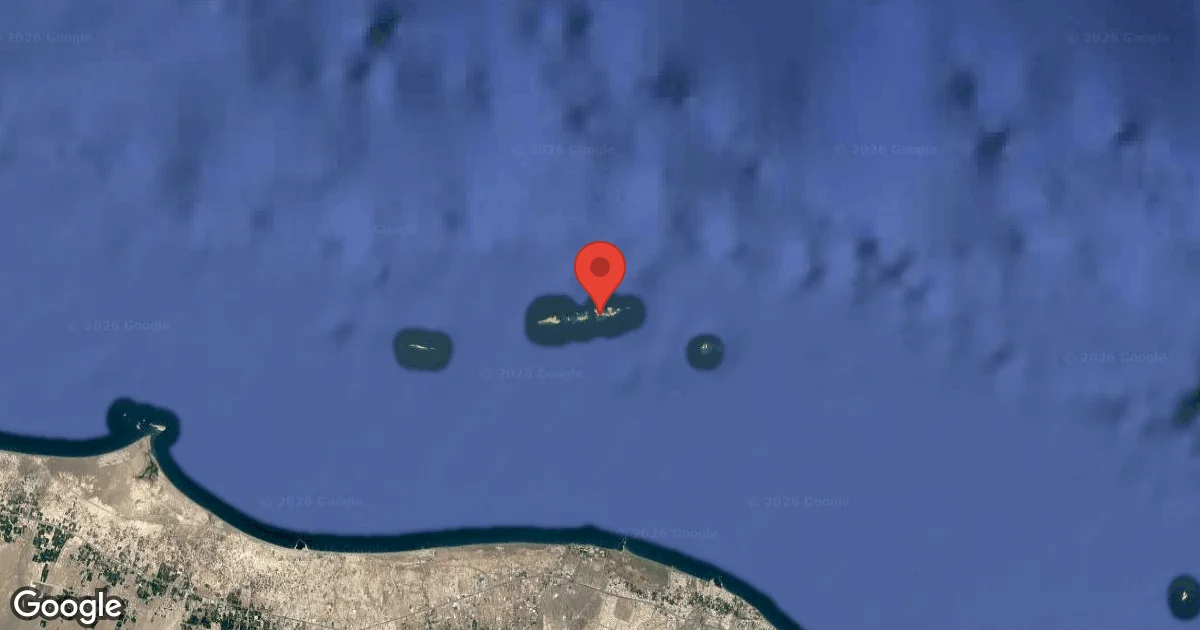
The Daymaniyat Islands stand out as a premier dive destination in Oman, drawing divers with its status as a protected marine reserve. Its vibrant coral gardens provide a habitat for diverse marine life, including turtles, rays, and reef sharks. Divers of all experience levels can enjoy the excellent visibility and stunning underwater scenery here.
Within the Daymaniyat Islands, a site known as The Aquarium lives up to its name. Here, divers find an array of colorful fish and turtles amidst beautiful coral formations at shallower depths. This makes it an accessible and rewarding experience. Another significant site is the Al Munassir wreck, an intentionally sunk vessel that has transformed into a thriving artificial reef, attracting considerable marine activity and offering an engaging wreck dive.
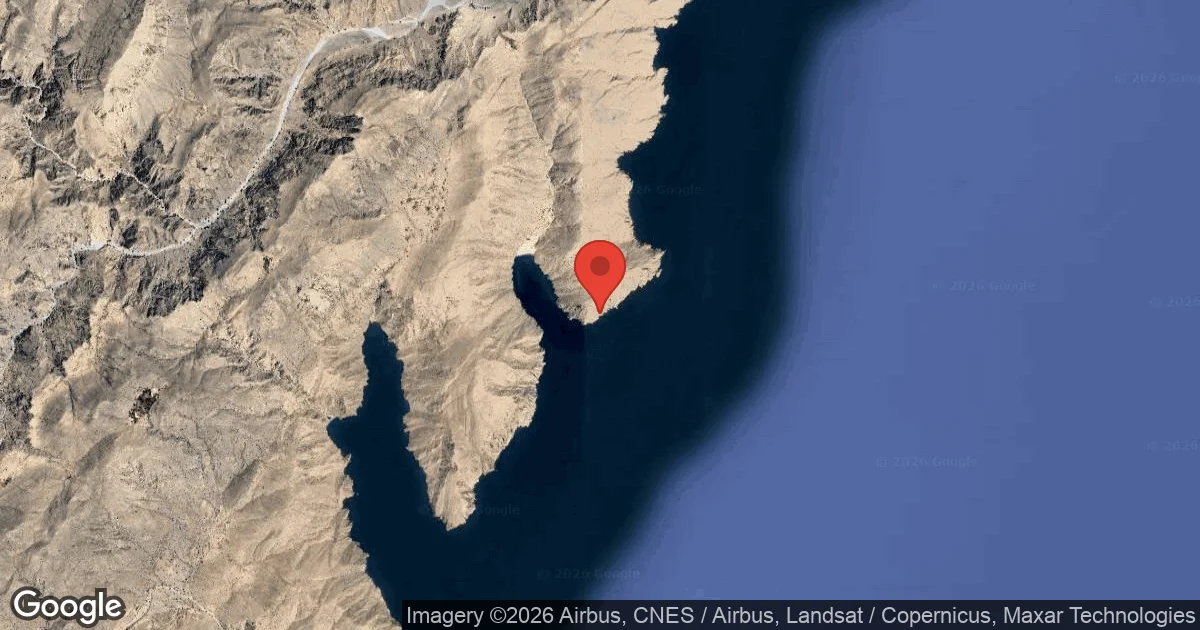
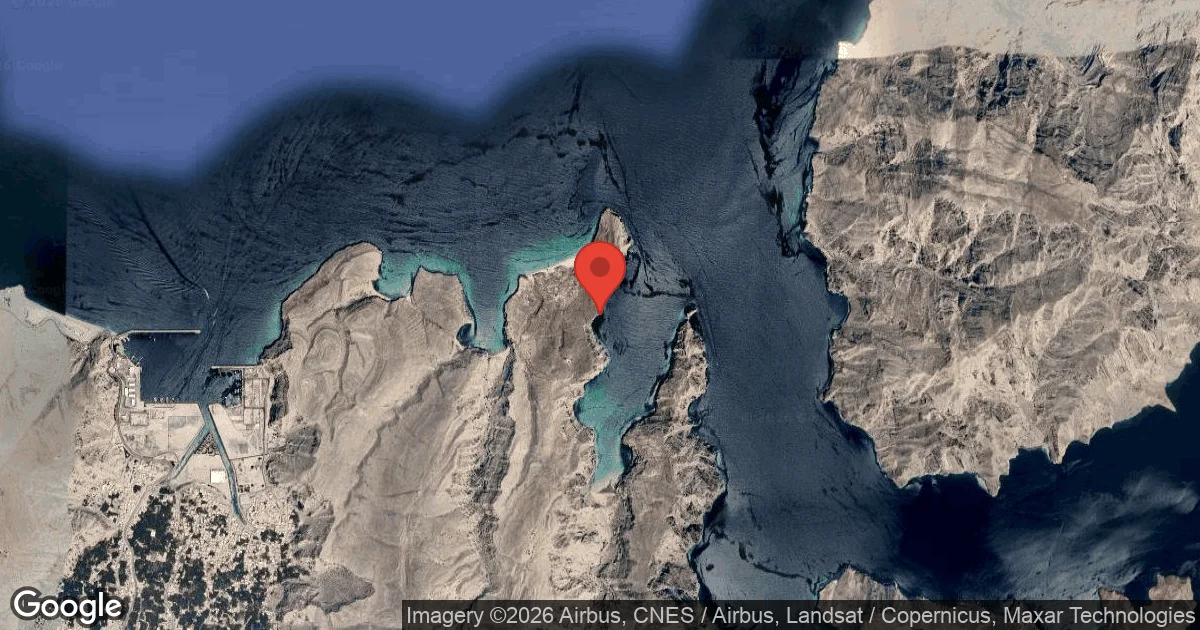
Beyond these, the Musandam Peninsula in the north provides a contrasting dive experience. This region features dramatic underwater landscapes, including caves and canyons, alongside steep drop-offs. While specific sites are less detailed, the area is known for its thrilling exploration opportunities and the potential to spot larger marine creatures such as whale sharks and dolphins. Oman's overall excellent visibility enhances the experience across these diverse sites.
Best Time to Dive in Oman
While specific seasonal patterns for marine life encounters are not extensively documented, Oman generally offers favorable diving conditions throughout much of the year, driven by consistently good visibility. The presence of marine life, including turtles, rays, and colorful fish, is a common feature across many dive sites.
For those hoping to spot larger pelagics like whale sharks, particularly in areas such as the Musandam Peninsula, local operators can provide insights into potential sighting periods. The Arabian Sea's clear waters contribute to excellent visibility, allowing for comfortable and enjoyable diving experiences. Divers can plan their trips with confidence, knowing that the underwater environment remains inviting.
Even without explicit seasonality data, the consistent quality of the diving environment suggests that various times of the year can be suitable, depending on individual preferences for weather and specific marine encounters. It's always advisable to consult local dive centers for the most current conditions and any specific seasonal highlights.
Monthly Sea Temperatures
Comfort for divers is a consistent feature of Oman's underwater environment, primarily due to its reliably warm sea temperatures. Throughout much of the year, the Arabian Sea maintains pleasant conditions, typically ranging from 22-27°C (72-81°F). This warmth allows for lighter thermal protection, with many divers finding a 3mm wetsuit or even a shorty sufficient.
While specific regional variations exist, the overall character of the waters promotes extended and comfortable dive times. Such consistent temperatures minimize the need for frequent equipment adjustments and contribute significantly to an enjoyable experience.
The stable warmth also supports a diverse range of marine activity, making it an inviting destination for year-round exploration.
| Jan | Feb | Mar | Apr | May | Jun | Jul | Aug | Sep | Oct | Nov | Dec | |
|---|---|---|---|---|---|---|---|---|---|---|---|---|
| Max | 26° | 27° | 28° | 30° | 31° | 30° | 26° | 26° | 28° | 30° | 29° | 27° |
| Avg | 25° | 25° | 27° | 28° | 29° | 28° | 25° | 24° | 25° | 28° | 27° | 26° |
| Min | 24° | 24° | 25° | 26° | 28° | 25° | 23° | 22° | 23° | 26° | 26° | 25° |
Dive Conditions
Several factors influence the dive experience in Oman, most notably the excellent visibility that characterizes its underwater environments. The clear waters of the Arabian Sea frequently offer expansive views, often exceeding 20 m (65 ft), allowing divers to fully appreciate the vibrant coral formations, abundant marine life, and dramatic underwater topography. This clarity is a significant advantage, enhancing both photography and general exploration.
Consistently good visibility allows divers to observe the intricate details of protected marine reserves like the Daymaniyat Islands and to explore the structural elements of sites such as the Al Munassir wreck with ease. While detailed data on currents is not extensively available, many of Oman's popular sites, especially those within sheltered bays or around islands, typically present calm to mild conditions. This makes for comfortable diving and broadens accessibility for various skill levels, from beginners to more experienced divers.
Divers can generally expect unhindered exploration opportunities across a range of depths. The combination of clear water and manageable conditions creates an inviting environment, ensuring that each dive provides a rewarding and visually rich experience. This makes Oman a suitable destination for those seeking reliable and enjoyable underwater encounters.
Marine Life Highlights
Most Mentioned Species
Marine life in Oman varies across dive locations, with different species appearing depending on environment and conditions. The species highlighted here are the most frequently associated with dive sites in our data, offering a realistic overview of what divers are most likely to encounter.
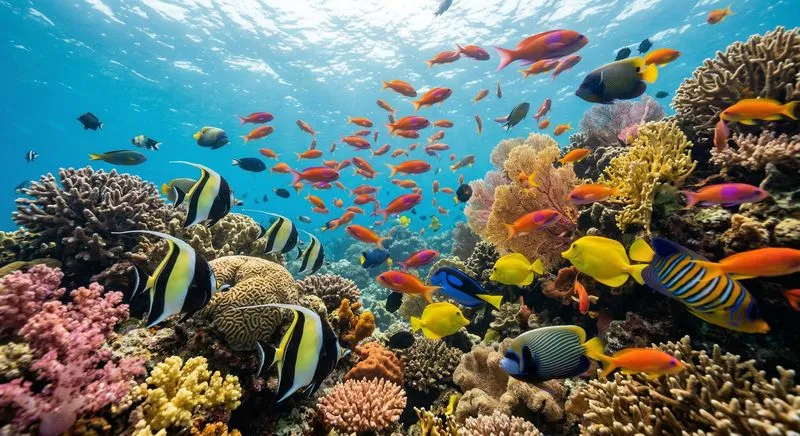
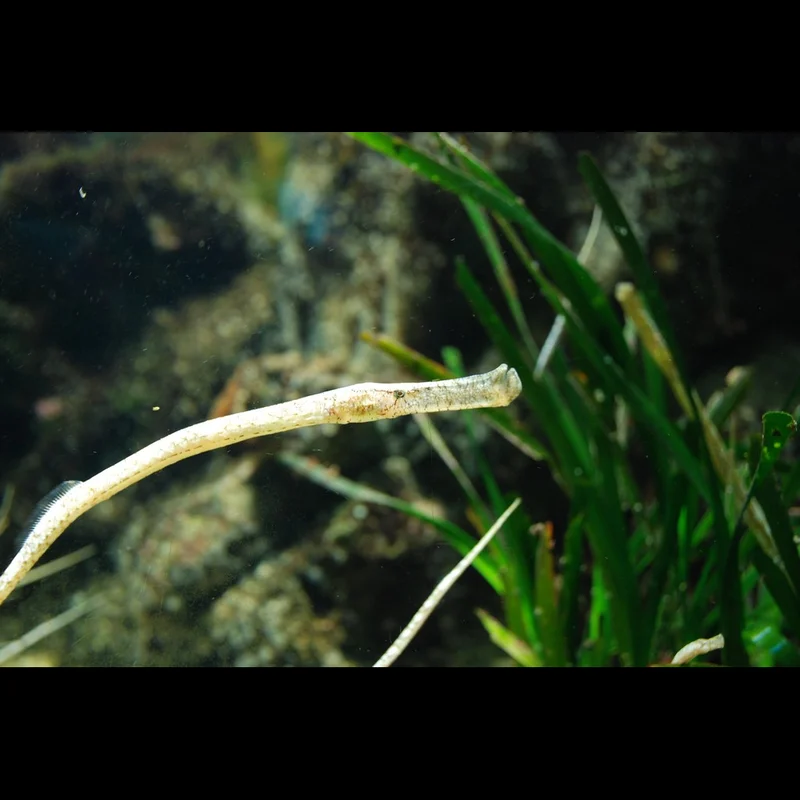
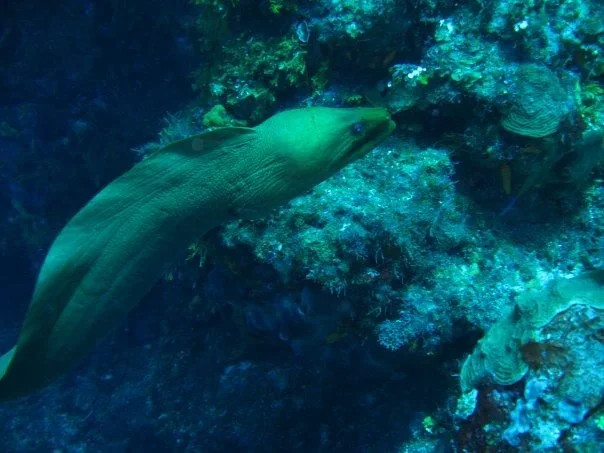
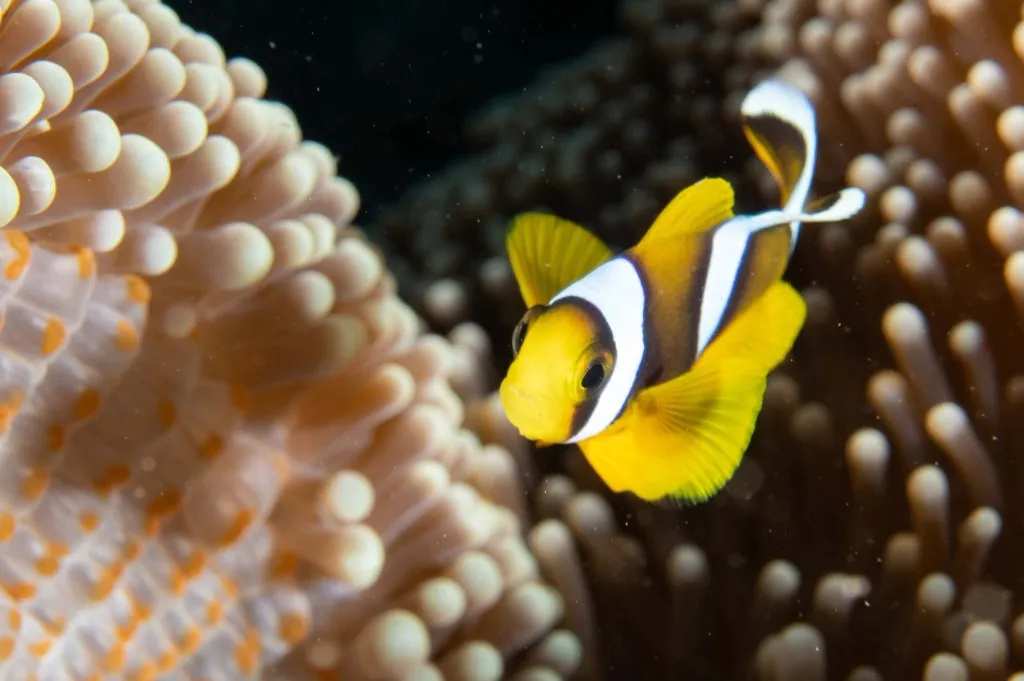
The diversity of species found in Oman's underwater environments offers consistently rewarding encounters for divers. Its vibrant ecosystems are home to a wide array of marine creatures, from the smallest reef inhabitants to impressive pelagic visitors, providing a dynamic and engaging experience.
Divers frequently encounter green turtles and hawksbill turtles gracefully swimming alongside majestic stingrays and eagle rays. Various species of reef sharks, including blacktip and whitetip reef sharks, are also common sightings, particularly in the thriving coral gardens of sites like the Daymaniyat Islands. The shallower sections, such as 'The Aquarium,' are particularly dense with colorful reef fish, including parrotfish, angelfish, and snappers, creating a visually rich spectacle.
Beyond the reefs, regions such as the Musandam Peninsula offer the exciting possibility of spotting larger pelagic species. Whale sharks are known to pass through these waters, alongside pods of playful dolphins, adding another layer of thrill to the dive experience. This blend of resident reef life and transient open-ocean giants ensures a varied and memorable marine landscape for exploration.
Regions for Diving
Oman's coastline presents distinct regional diving styles, offering varied experiences for divers. The area around Muscat, prominently featuring the Daymaniyat Islands, is a cornerstone of Omani diving. This protected marine reserve is celebrated for its vibrant coral gardens and abundant marine life, including turtles, rays, and reef sharks. Divers here can explore sites like The Aquarium, known for its colorful fish and pristine corals, and the Al Munassir wreck, an artificial reef teeming with activity. The excellent visibility in this region enhances all dives, making it suitable for both novice and experienced divers.
To the north, the Musandam Peninsula offers a more dramatic and rugged diving style. This region is characterized by its steep drop-offs, underwater caves, and canyons, providing thrilling exploration opportunities. It's also a prime location for encountering larger marine creatures, with whale sharks and dolphins occasionally sighted in its waters. The topography here contrasts sharply with the gentler reefs of the central coast, appealing to those seeking unique geological formations underwater.
Further south, Salalah provides another distinct regional experience. While specific dive sites are less detailed, Salalah is recognized as a dive destination with its own appeal, likely offering conditions typical of the southern Arabian Sea. The waters throughout Oman are generally warm, contributing to comfortable diving across all these regions, despite regional variations in topography and marine encounters.
Travel & Passport Guide
Travel Basics
Trip Planning
Safety & Diving Considerations
Essential precautions are fundamental to ensuring a safe and enjoyable diving adventure in Oman. It is paramount for all divers to meticulously plan their excursions, always operating within the limits of their certification and experience. Selecting reputable local dive operators is crucial; these professionals possess invaluable knowledge of specific dive sites, local conditions, and safety protocols, ensuring guided and informed experiences.
Divers should always conduct thorough equipment checks before each dive and strictly adhere to safe ascent rates, which are universal best practices. While specific data on currents may not always be readily available, engaging in detailed briefings with dive guides regarding any localized water movements is vital. Following their instructions meticulously helps mitigate potential risks.
Furthermore, awareness of entry and exit procedures, particularly at shore-based sites or in areas with potential boat traffic, contributes significantly to overall safety. Being prepared, informed, and communicative are key components for a secure and rewarding underwater exploration in Oman.
Dive Centers in Oman
View all 29 dive centers


Frequently Asked Questions
What are the most notable dive sites in Oman?
Oman offers several impressive dive sites. The Daymaniyat Islands, a protected marine reserve near Muscat, are known for vibrant coral gardens, turtles, rays, and reef sharks. Within this area, 'The Aquarium' is popular for its colorful fish and shallow corals. The Al Munassir wreck, an intentionally sunk vessel, has become a thriving artificial reef, attracting diverse marine activity and offering an excellent wreck dive experience.
What kind of marine life can I expect to see while diving in Oman?
Divers in Oman can anticipate a rich variety of marine life. Common sightings include turtles, various species of rays, and reef sharks, especially around the Daymaniyat Islands. The reefs are also home to numerous colorful fish. In certain regions, particularly the Musandam Peninsula, there's a chance to encounter larger pelagic species like whale sharks and dolphins, adding an exciting dimension to the underwater experience.
What are the typical dive conditions in Oman?
Oman is characterized by generally excellent visibility, often providing clear, expansive views of the underwater landscape. The waters of the Arabian Sea are consistently warm, contributing to comfortable diving conditions that allow for extended bottom times. While specific current data is not widely detailed, many popular sites offer relatively calm conditions, suitable for a range of diver experience levels.
Which regions are best for diving in Oman?
Oman features several distinct dive regions. The Daymaniyat Islands, near Muscat, are highly regarded for their protected reefs and abundant marine life. The Musandam Peninsula in the north offers dramatic underwater topography, including caves and canyons, with opportunities for spotting larger pelagics. Salalah in the south also serves as a dive destination, providing a different perspective on the Arabian Sea's marine environments.
How accessible is Oman for international divers?
Oman is accessible for international divers primarily through its international airports. Major gateways include Muscat International Airport (MCT), Salalah International Airport (SLL), and Sohar International Airport (OHS). These airports provide convenient access to the country's main dive regions, allowing divers to connect with local operators and begin their underwater adventures.